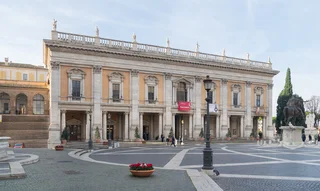
The story
In 1471 Pope Sixtus IV handed a group of ancient bronze statues over to the people of Rome and set them on the Capitoline Hill, the old centre of the ancient city. That gift is why these are often called the oldest public museums in the world, a collection given to citizens rather than kept for a prince.
The square they sit around was laid out by Michelangelo in the 1530s, a trapezoid with an oval pavement and three palaces, and at its centre once stood a bronze equestrian statue of the emperor Marcus Aurelius that survived the Middle Ages only because people mistook him for the Christian emperor Constantine. The original is now indoors and a copy holds the square.
Among the bronzes Sixtus gave is the she-wolf who, in the legend, suckled Rome's founders Romulus and Remus. Nearby is the Dying Gaul, a marble copy of a Greek statue of a wounded warrior sinking to the ground, and the giant marble head and hand that are all that remain of a colossal seated Constantine.
Collection
71 works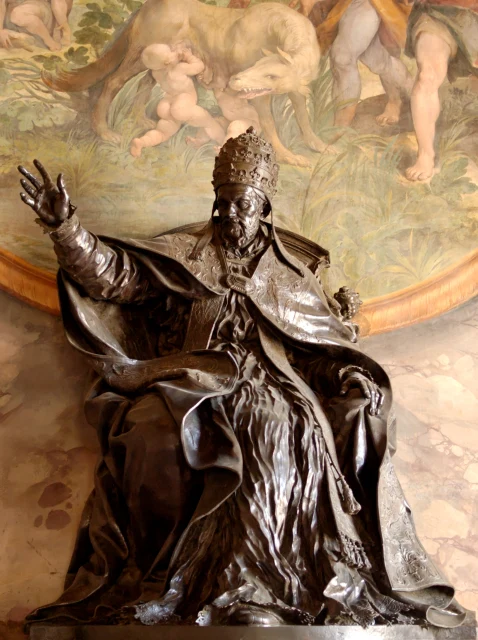 Statue of Pope Innocent XAlessandro Algardi, 1647
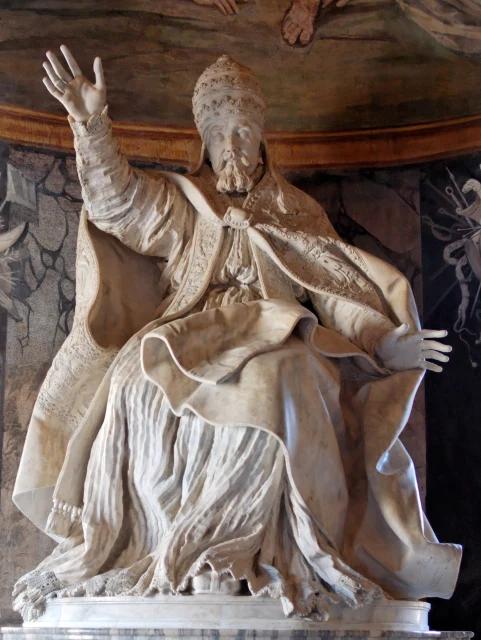 Statue of Pope Urban VIIIGian Lorenzo Bernini and workshop, 1637
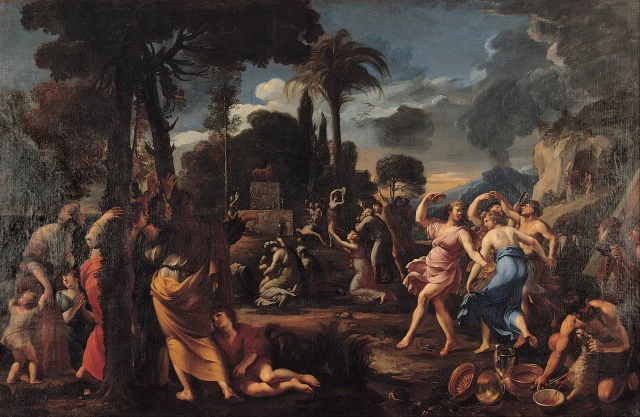 The Adoration of the Golden CalfFrançois Perrier, 1642
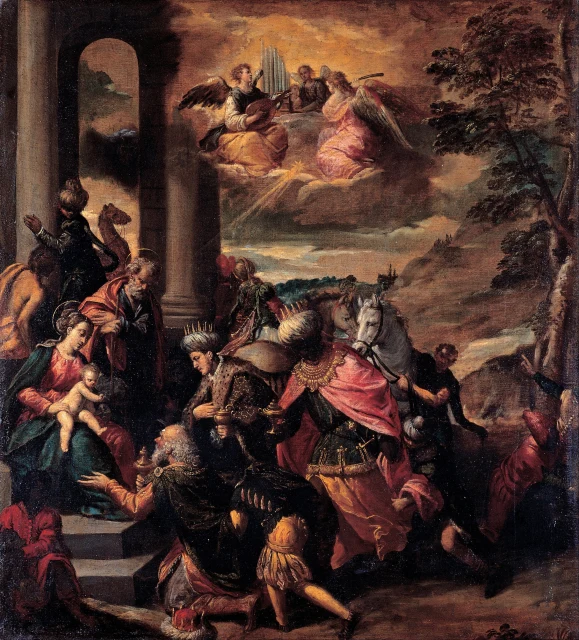 The Adoration of the MagiScarsellino, 1580
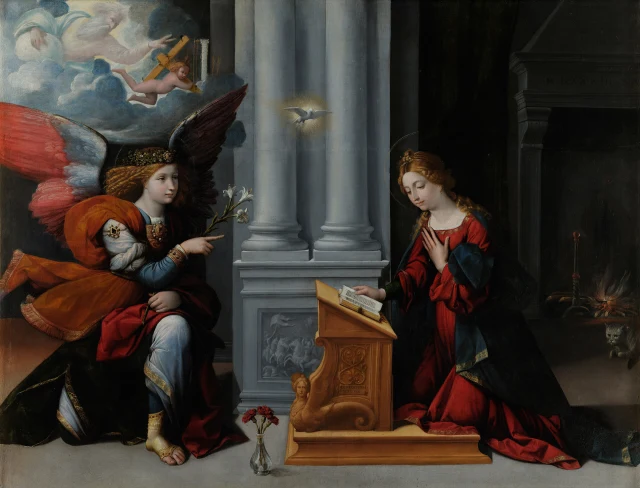 The AnnunciationBenvenuto Tisi, 1528
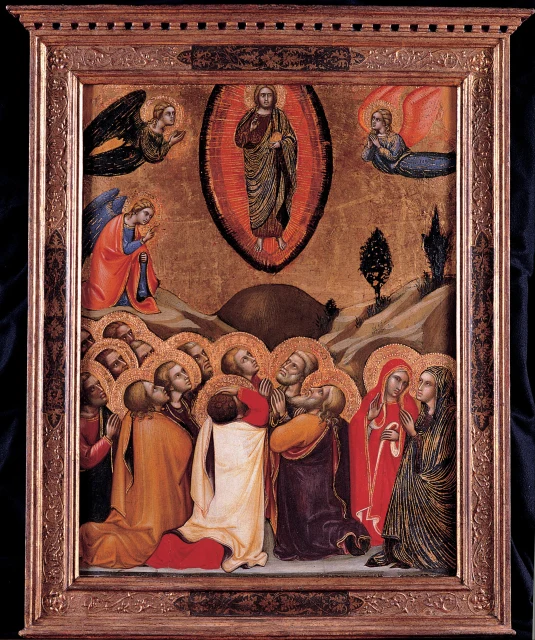 The AscensionBarnaba da Modena, 1373
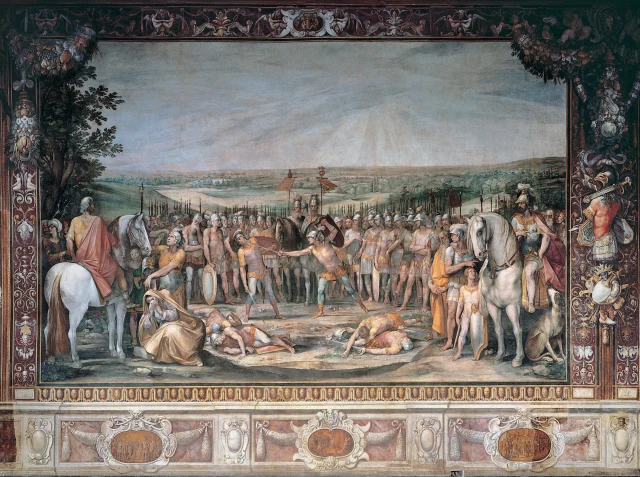 The Battle between the Horatii and the CuriatiiGiuseppe Cesari, 1612
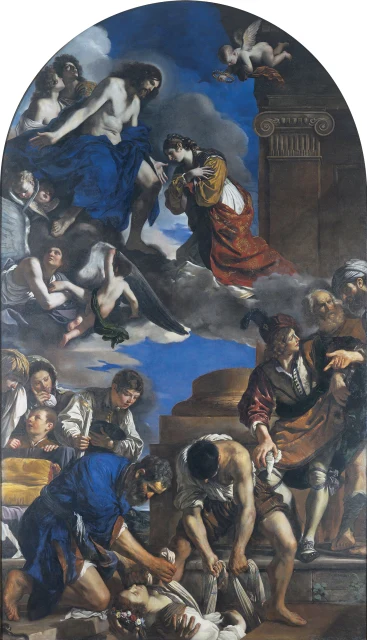 The Burial of Saint PetronillaGuercino, 1622
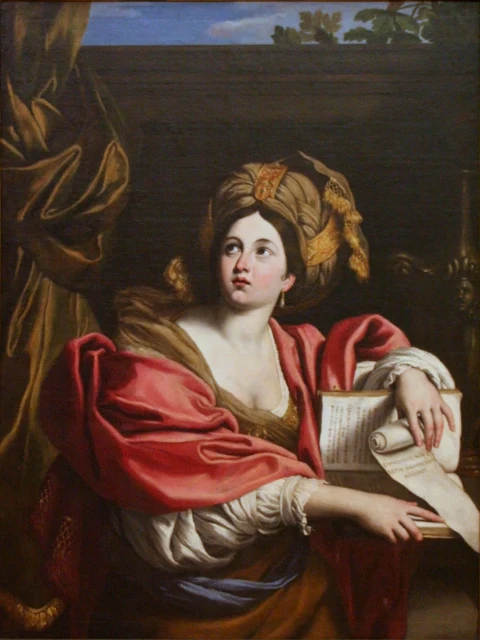 The Cumaean SibylDomenichino, 1622
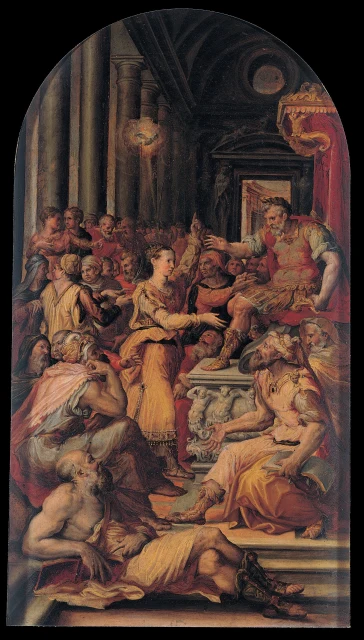 The Dispute of Saint CatherineProspero Fontana, 1551
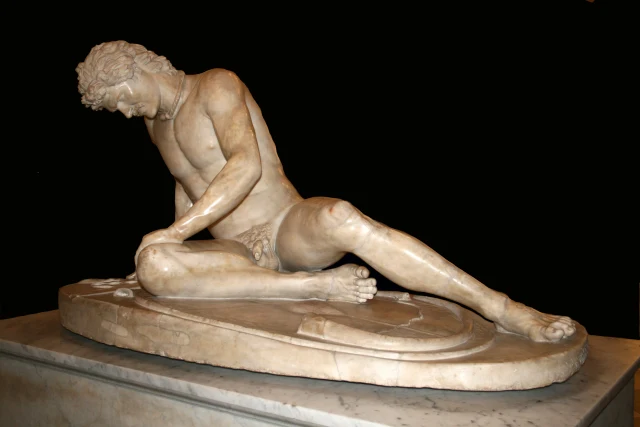 The Dying GaulUnknown Roman sculptor (Republican period), -50
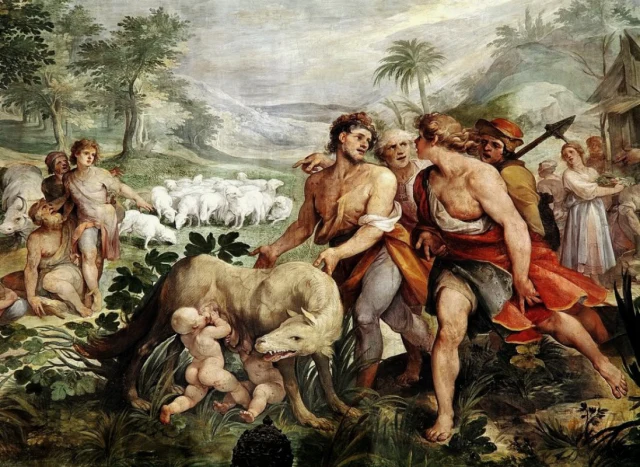 The Finding of the She-WolfGiuseppe Cesari, 1596
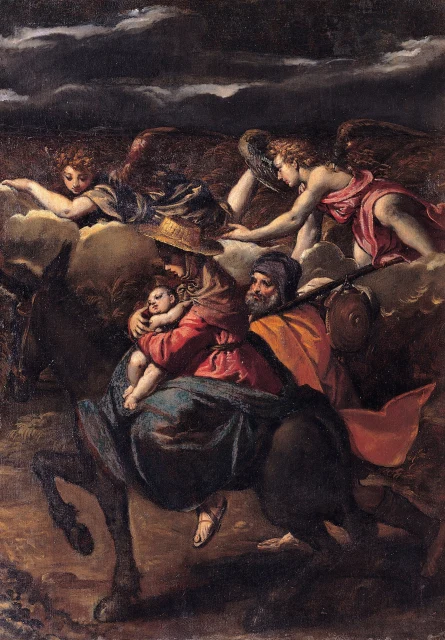 The Flight into EgyptScarsellino, 1592
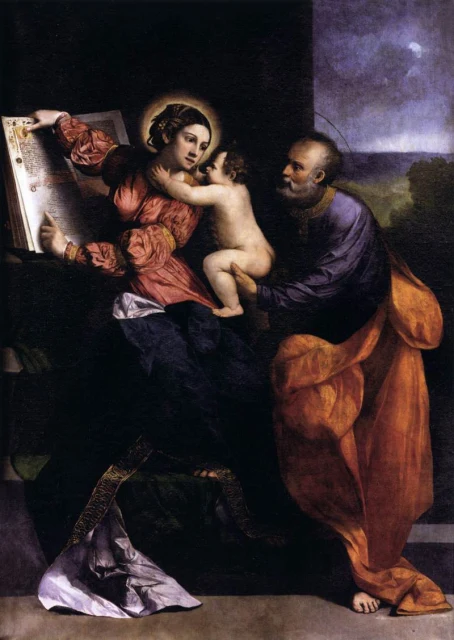 The Holy FamilyDosso Dossi, 1528
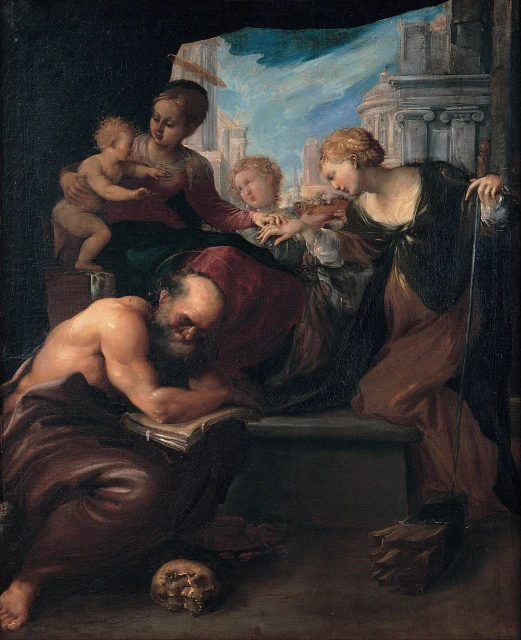 The Mystic Marriage of Saint CatherinePietro Faccini, 1598
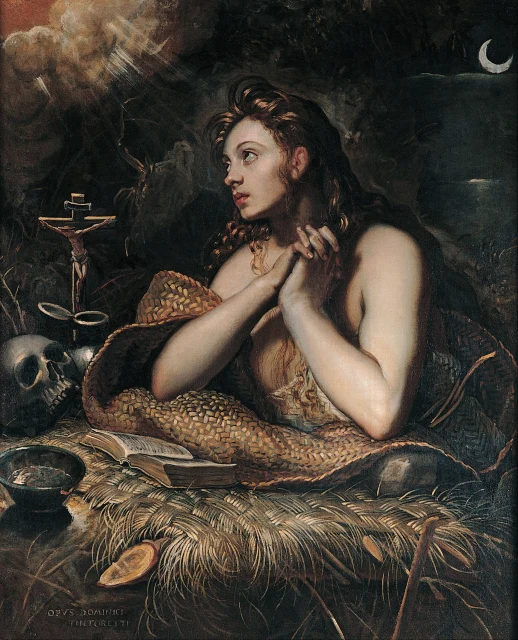 The Penitent MagdaleneDomenico Tintoretto, 1600
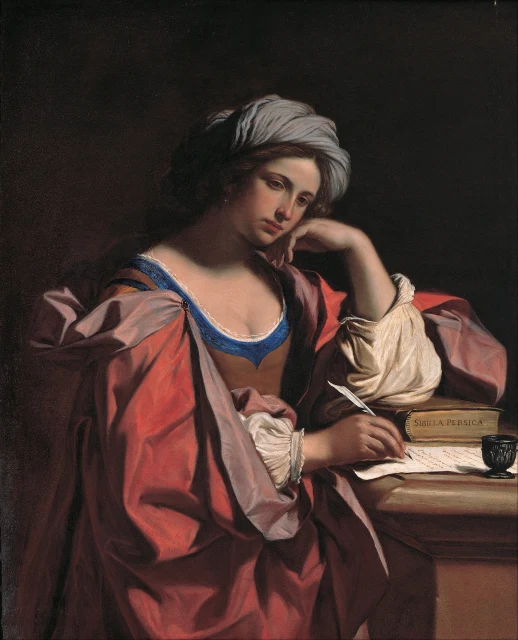 The Persian SibylGuercino, 1647
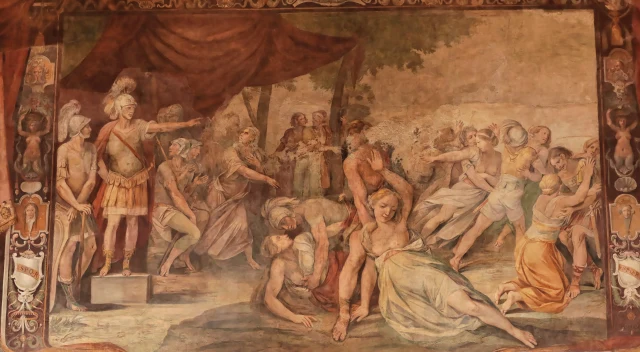 The Rape of the Sabine WomenGiuseppe Cesari, 1635
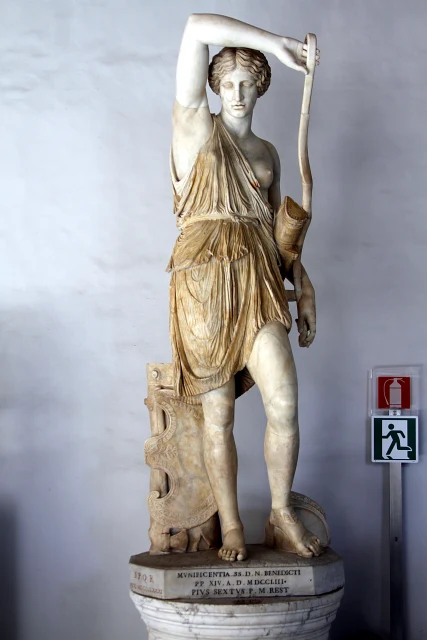 Wounded Amazon (Mattei type)Unknown Roman sculptor (Imperial period)
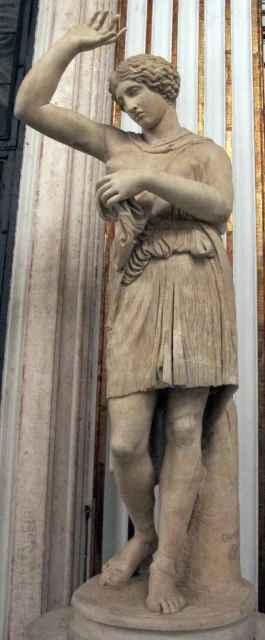 Wounded Amazon (Sosikles type)Unknown Roman sculptor (Imperial period)
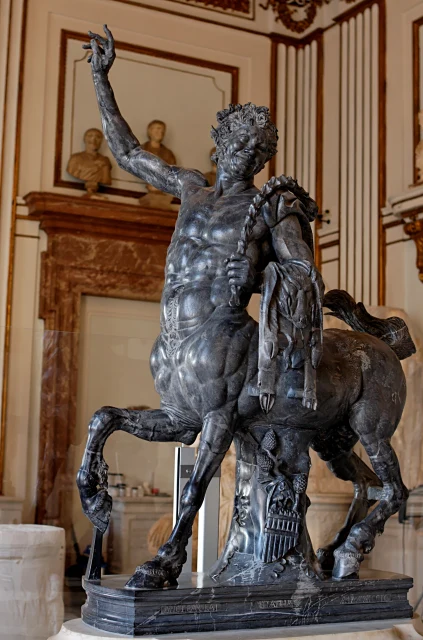 Young CentaurAristeas and Papias of Aphrodisias, 127