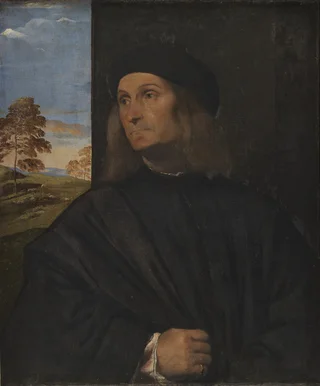
Giovanni Bellini
1430–1516 · República de Venecia · Renacimiento
La historia
Giovanni Bellini dirigió el taller de pintura más importante de Venecia durante casi seis décadas, y dos de los alumnos que pasaron por él, Giorgione y Tiziano, acabarían definiendo la siguiente generación del arte veneciano. Ambos superaron después la reputación del maestro que los formó, algo que Bellini parece haber aceptado sin mayor problema, a juzgar por cuánto tiempo siguieron siendo bien recibidos en su círculo.
Lo que Bellini cambió de verdad fue la técnica. Venecia pintaba sobre todo al temple durante la mayor parte del siglo XV, pero Bellini adoptó pronto la pintura al óleo y aprovechó su lento secado para superponer capas finas y translúcidas de color, haciendo que la luz pareciera surgir del interior de la pintura en lugar de posarse sobre su superficie. Los cielos, el agua y los pliegues de una túnica adquirieron una suavidad que los pintores venecianos anteriores no habían logrado, y esa calidad atmosférica se convirtió en el sello de toda la escuela veneciana durante el siglo siguiente.
Provenía de una familia de pintores, hijo de Jacopo Bellini y hermano de Gentile Bellini, y siguió trabajando hasta los ochenta y tantos años, todavía activo cuando murió en Venecia en diciembre de 1516.
Más artículos
 Artículo · 40 min de lecturaGalería Nacional de Arte de Washington: veinte cuadros salidos de manos privadas
 Artículo · 37 min de lecturaLas Galerías de la Academia de Venecia: veinte obras y el camino de cada una hasta aquí
 Artículo · 38 min de lecturaLa Pinacoteca de Brera: de las requisas napoleónicas a la Grande Brera
 Artículo · 45 min de lecturaGemäldegalerie de Berlín: 20 cuadros que Berlín compró, perdió y dividió
Obras
109 obras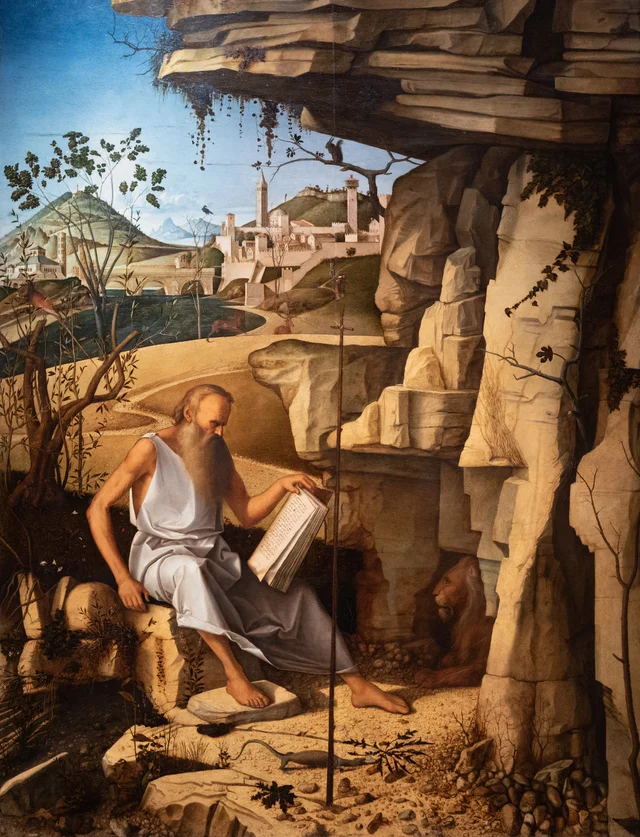 San Jerónimo leyendo en el desiertoGiovanni Bellini, 1480
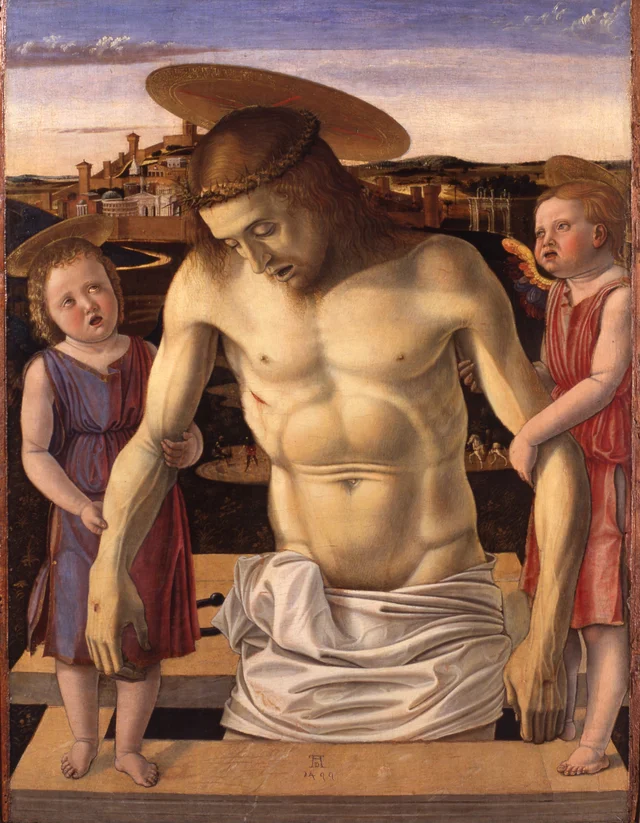 Cristo muerto sostenido por dos ángelesGiovanni Bellini, 1454
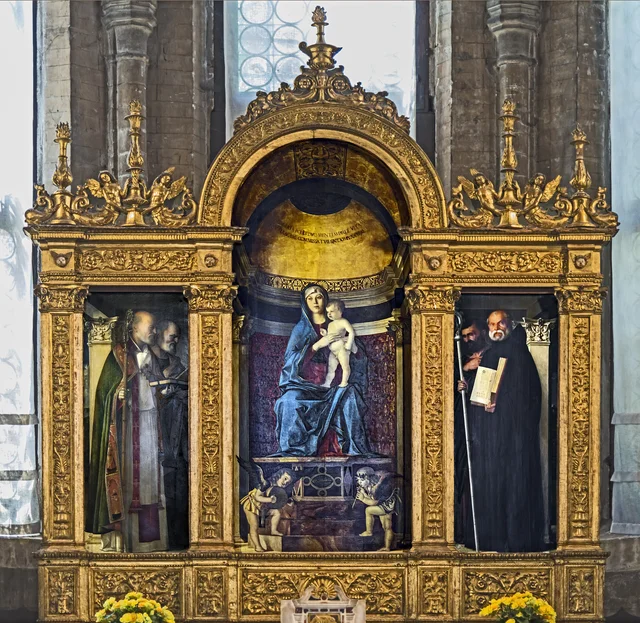 Tríptico de los FrariGiovanni Bellini, 1488
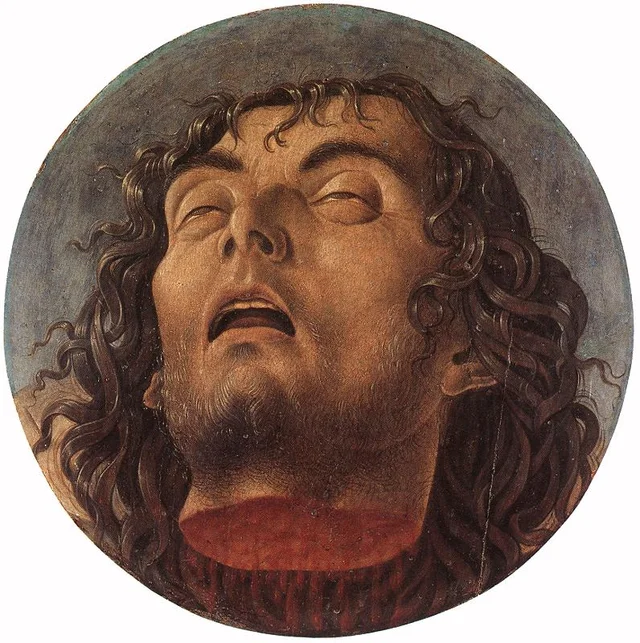 Cabeza de san Juan BautistaGiovanni Bellini, 1465
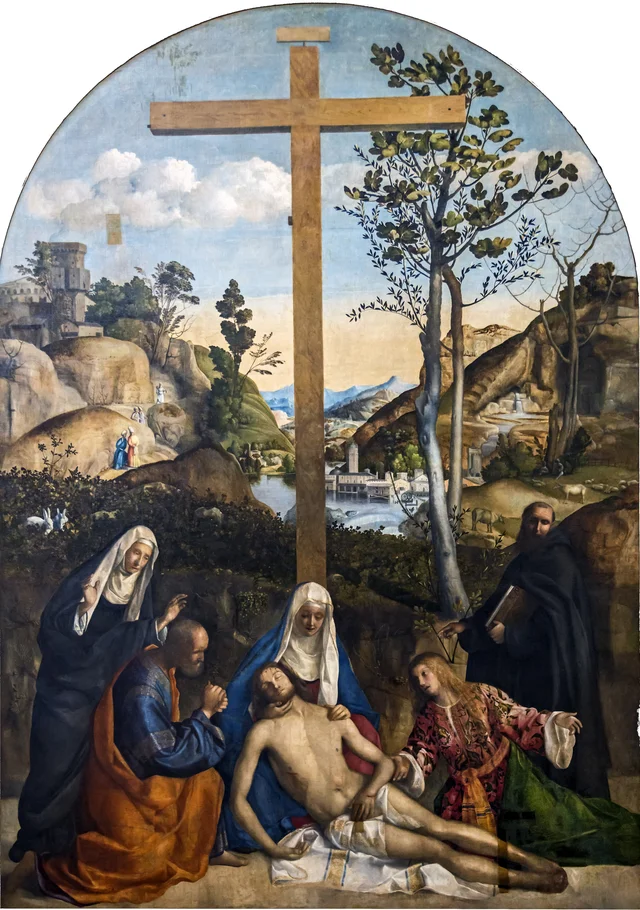 Lamentación sobre Cristo muerto con José de Arimatea, la Virgen y María Magdalena, junto con santa Marta y san Felipe BeniziGiovanni Bellini, 1510
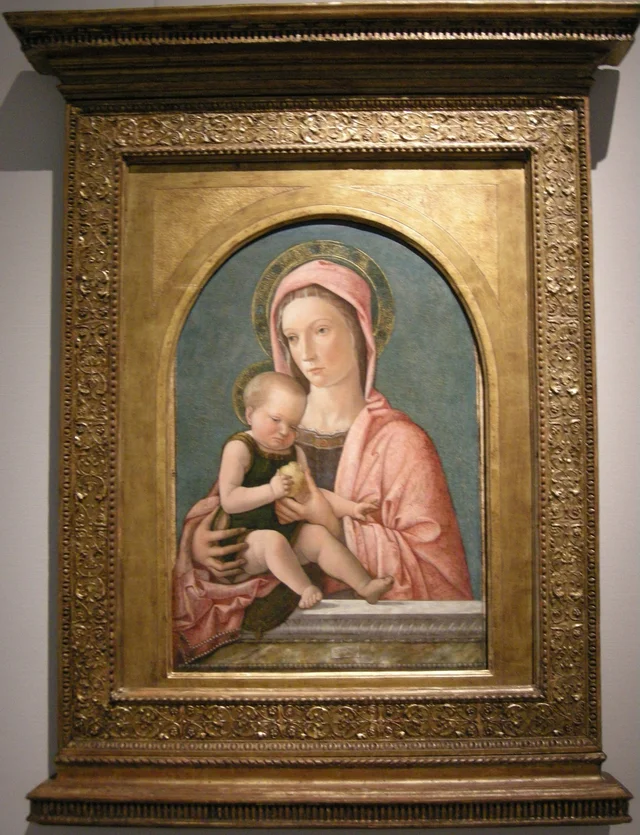 Virgen con el NiñoGiovanni Bellini, 1460
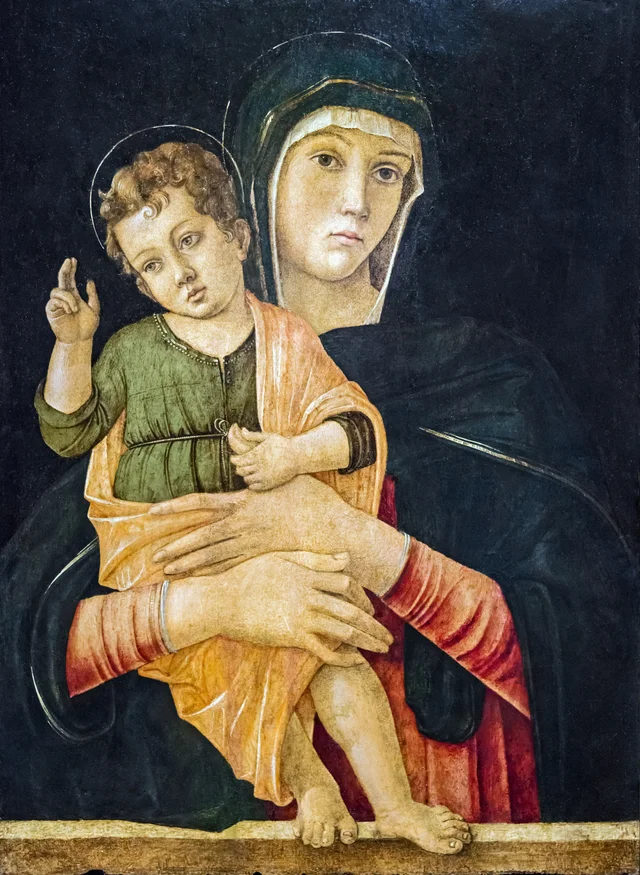 Virgen con el Niño bendiciendoGiovanni Bellini, 1464
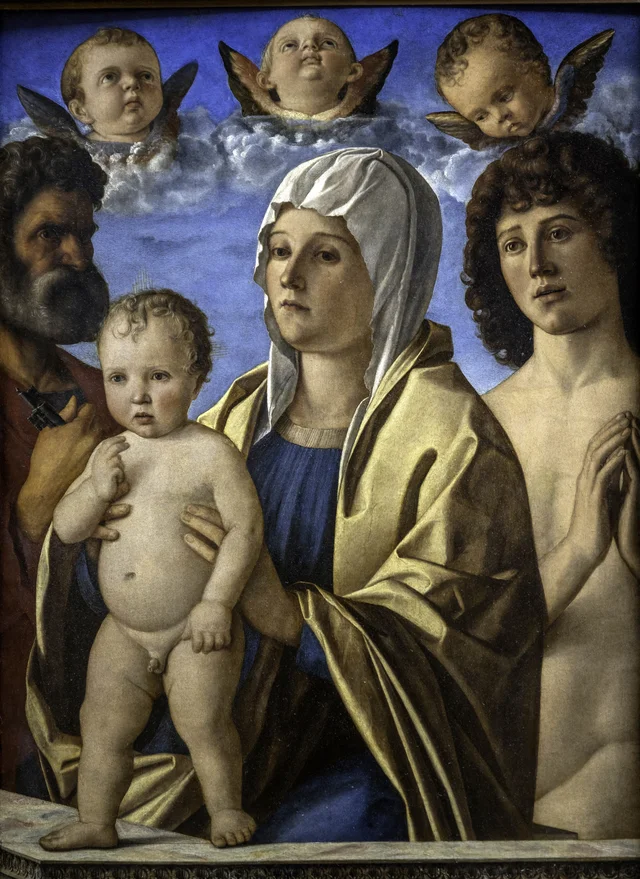 Virgen con el Niño, san Pedro y san SebastiánGiovanni Bellini, 1480
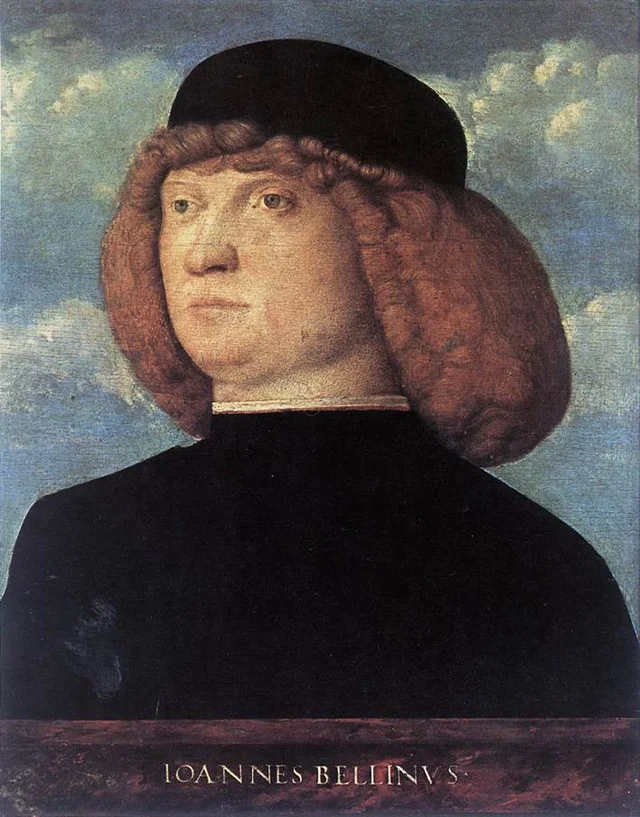 Retrato de un hombreGiovanni Bellini, 1490
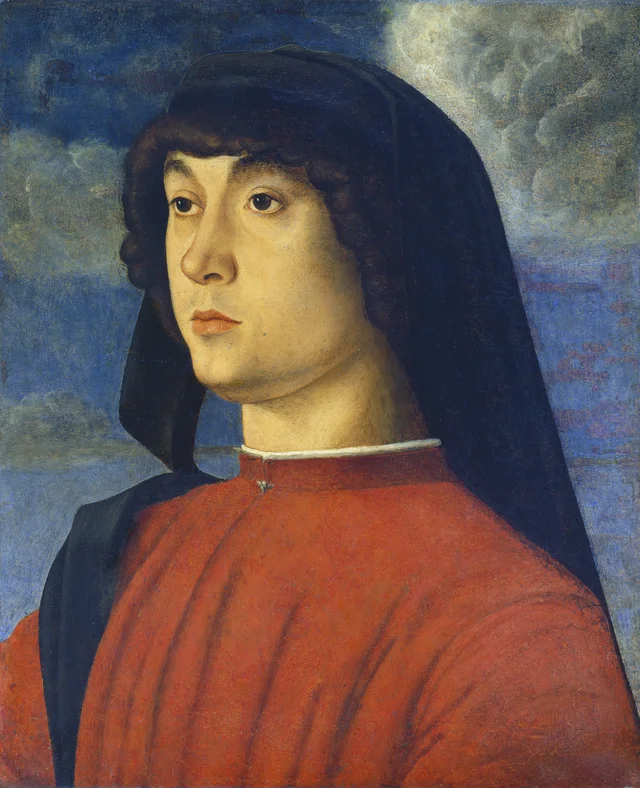 Retrato de un joven de rojoGiovanni Bellini, 1485
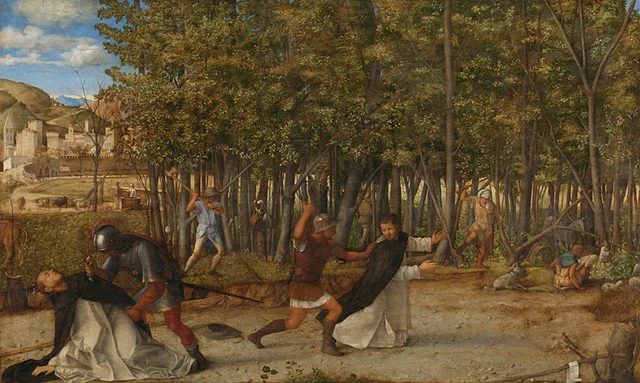 El asesinato de san Pedro MártirGiovanni Bellini, 1507
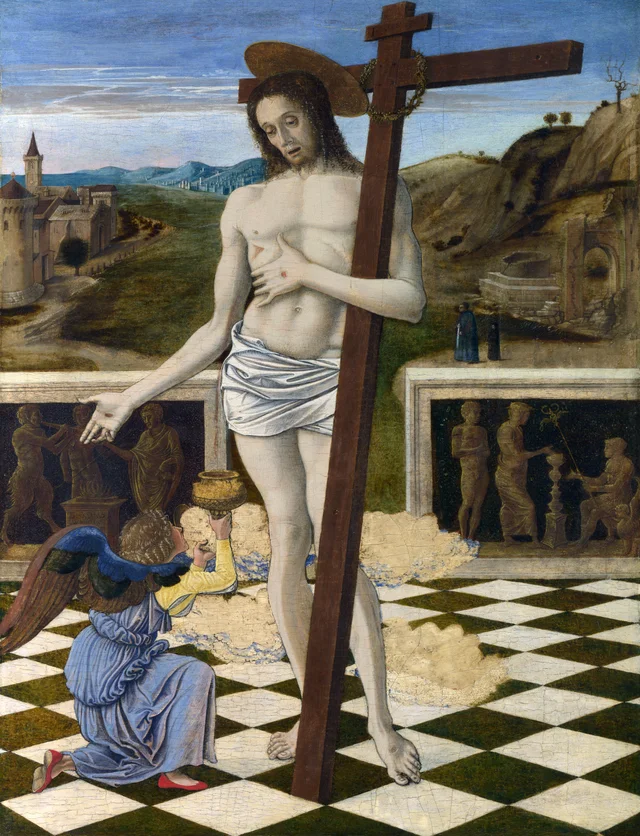 La sangre del RedentorGiovanni Bellini, 1462
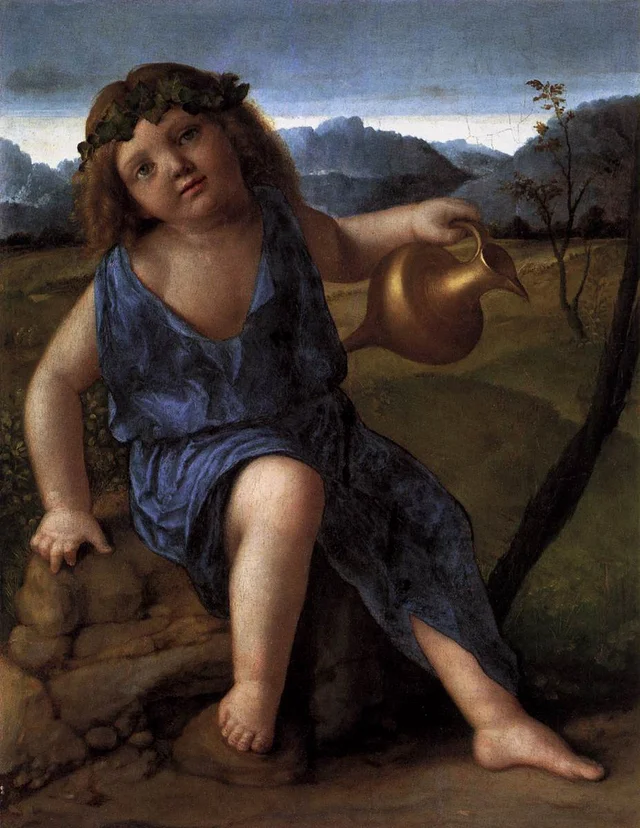 El Baco niñoGiovanni Bellini, 1514
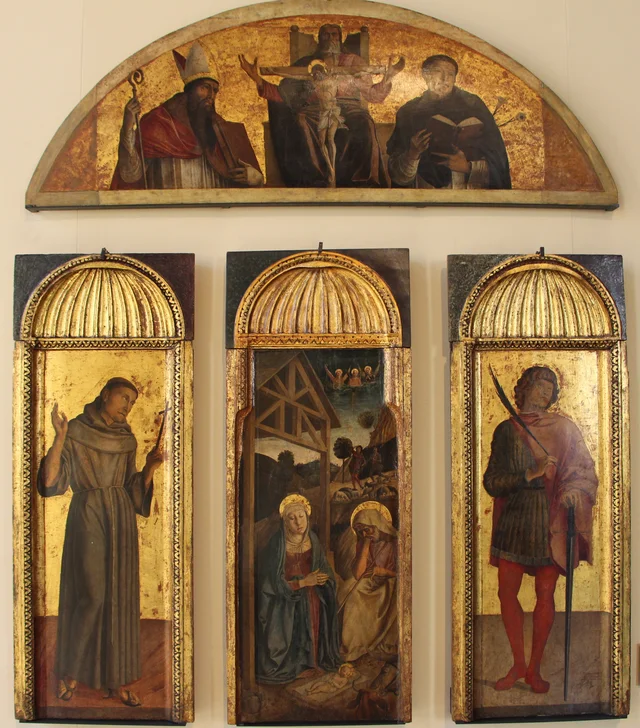 Tríptico del nacimiento de CristoGiovanni Bellini, 1464
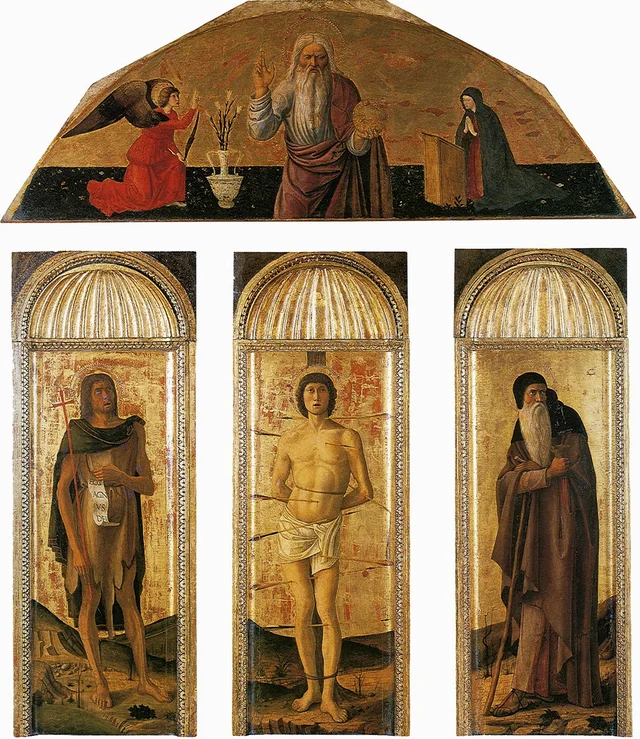 Tríptico de San SebastiánGiovanni Bellini, 1464
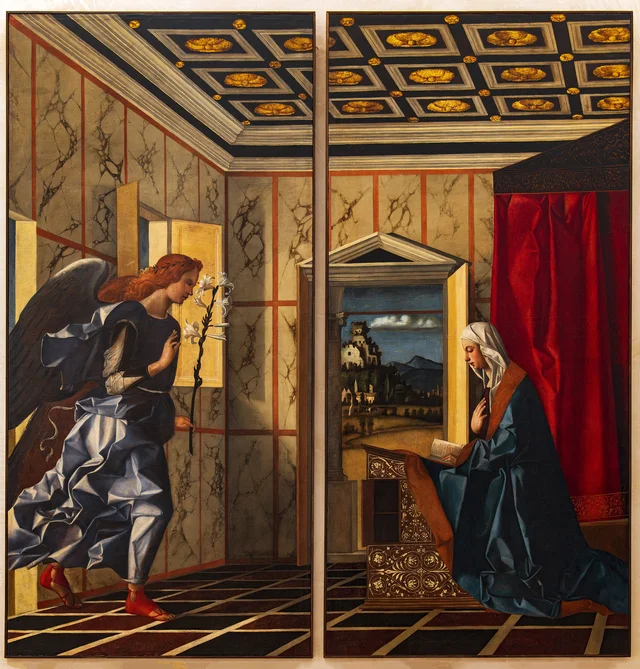 AnunciaciónGiovanni Bellini, 1500
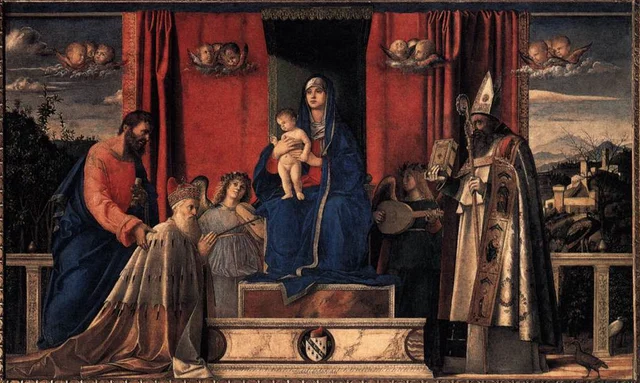 Retablo BarbarigoGiovanni Bellini, 1488
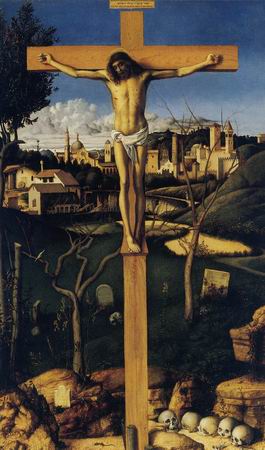 CrucifixiónGiovanni Bellini, 1500
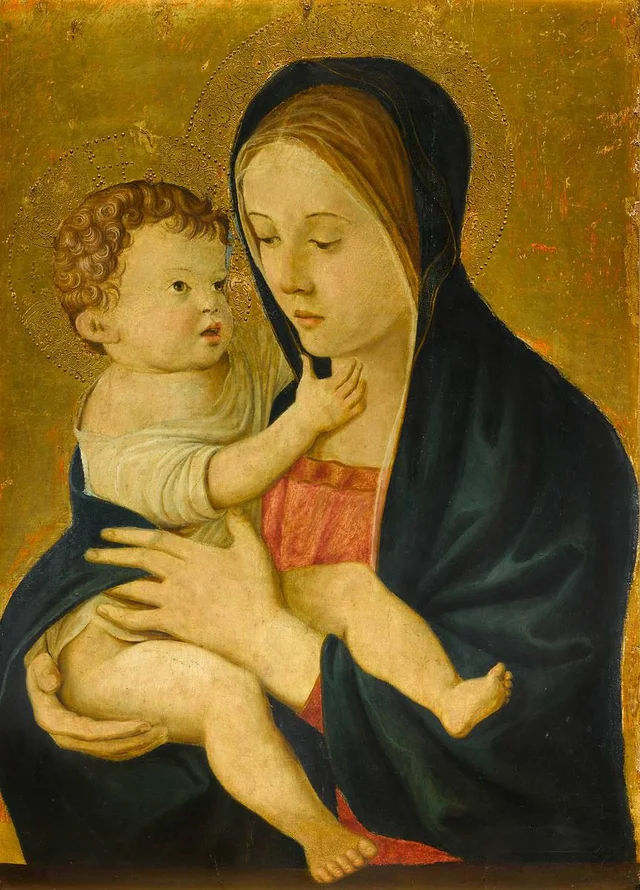 Virgen con el NiñoGiovanni Bellini, 1470
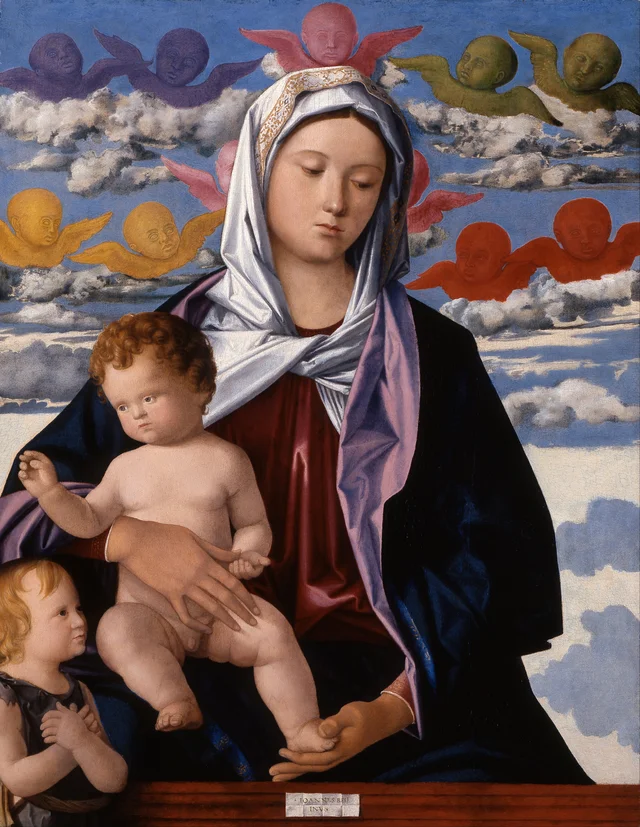 Virgen con el Niño y san Juan BautistaGiovanni Bellini, 1495
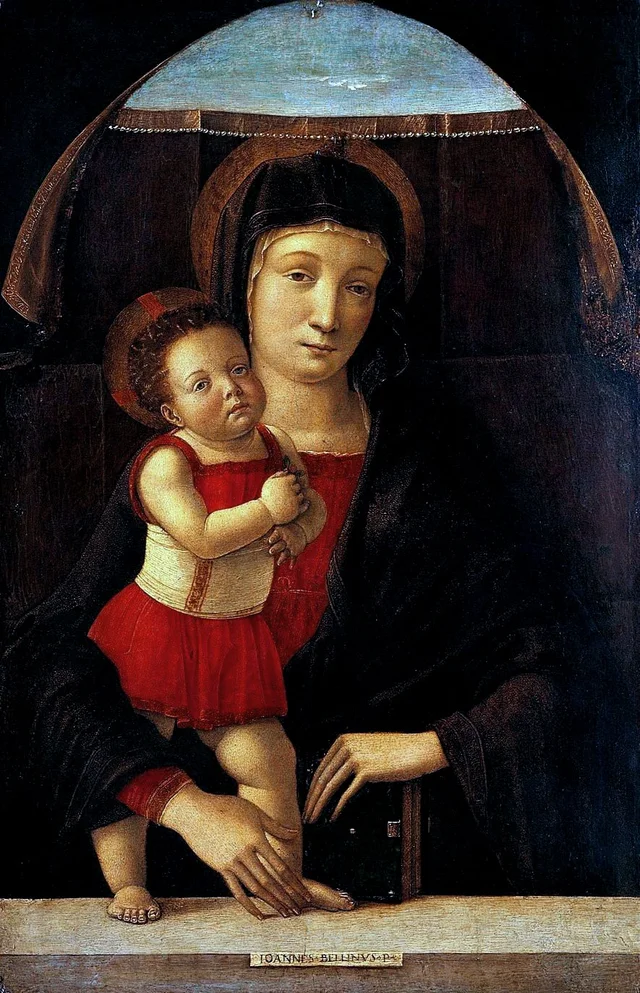 Virgen con el NiñoGiovanni Bellini, 1450
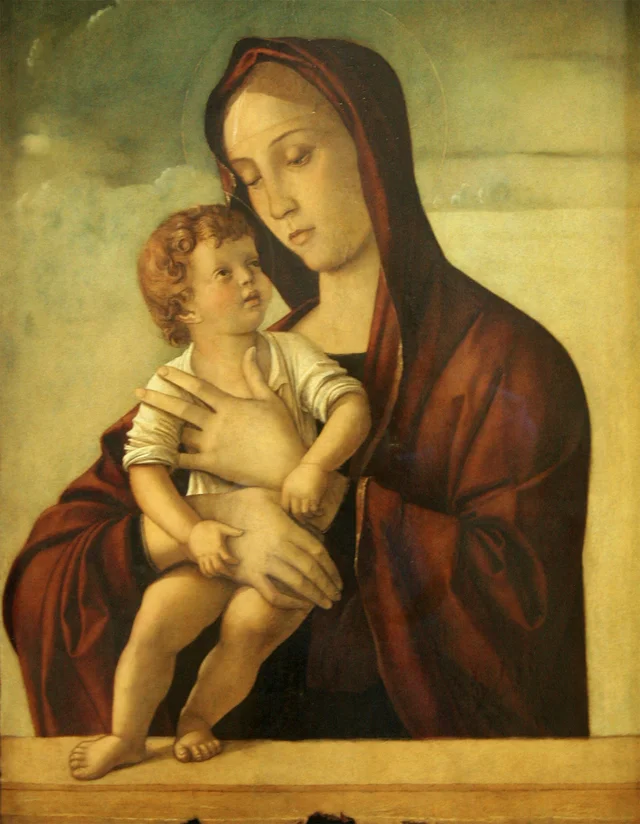 Virgen con el NiñoGiovanni Bellini
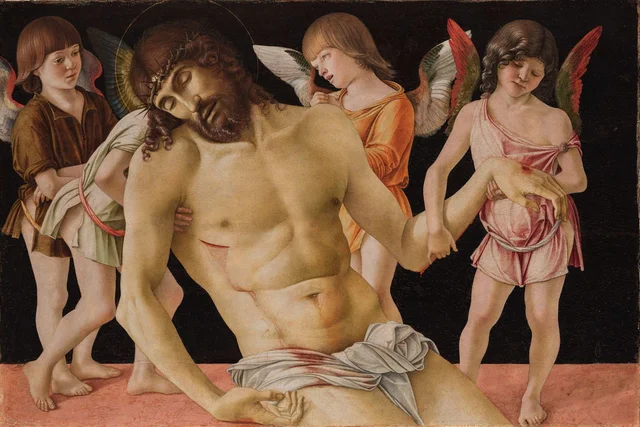 PiedadGiovanni Bellini, 1470
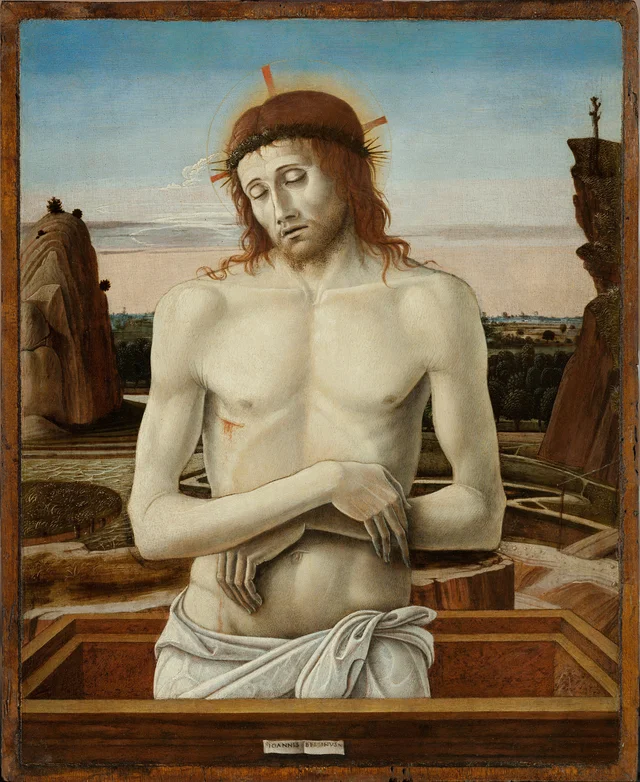 PiedadGiovanni Bellini, 1455
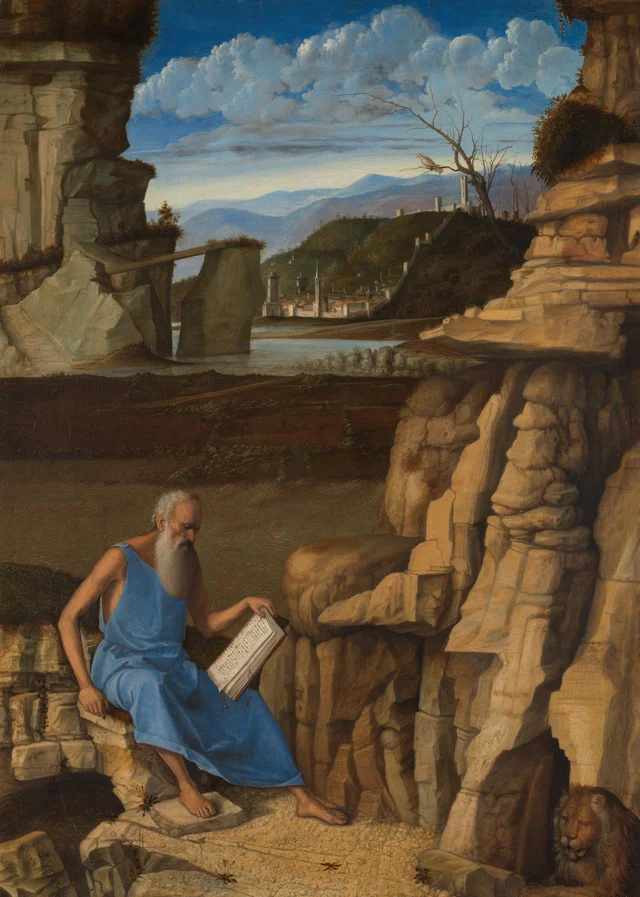 San Jerónimo leyendo en un paisajeGiovanni Bellini, 1482