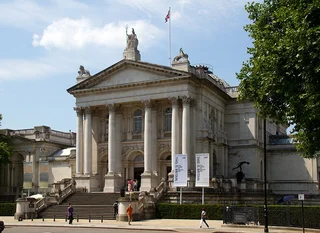
La historia
La Tate son en realidad cuatro galerías, y la más visitada solía producir electricidad. La Tate Modern ocupa la antigua central eléctrica de Bankside, en la orilla sur del Támesis, en Londres, un armatoste de ladrillo con una sola chimenea alta, diseñado por Giles Gilbert Scott, el mismo de la cabina telefónica roja. Tras su cierre, la sala de turbinas que antaño albergaba los generadores quedó como un enorme espacio vacío de cinco pisos de altura, y desde 2000 se usa para obras encargadas de gran tamaño, como una grieta que recorre todo el suelo o un gigantesco sol interior de niebla y luz.
La institución empezó con el azúcar. Henry Tate hizo su fortuna con el terrón de azúcar, y en 1897 costeó la construcción de una galería de arte británico en Millbank, río arriba, en el solar de una prisión demolida. Aquel edificio es hoy la Tate Britain, y guarda el Legado Turner, los miles de óleos y acuarelas que J. M. W. Turner dejó a la nación a su muerte en 1851.
Entre las dos, las sedes londinenses se reparten la colección por épocas: la Tate Britain con el arte británico desde el siglo XVI y la Tate Modern con el arte moderno y contemporáneo internacional. Otras dos galerías llevan el nombre fuera de la capital, la Tate Liverpool y la Tate St Ives, en la costa de Cornualles, esta última construida sobre una playa donde algunos de los pintores que expone trabajaron en su día.
Colección
118 obras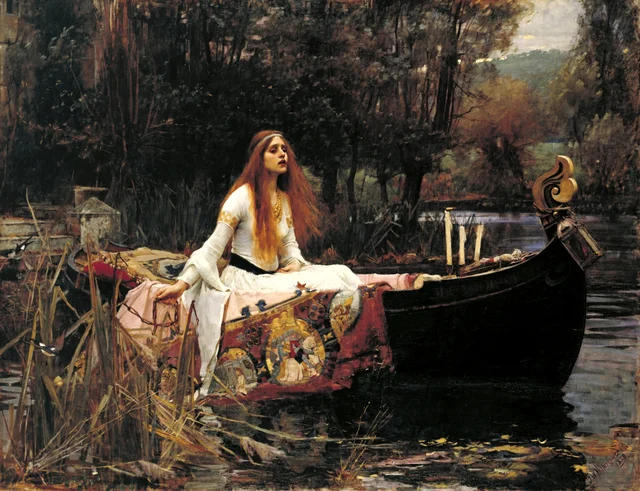 La dama de ShalottJohn William Waterhouse, 1888
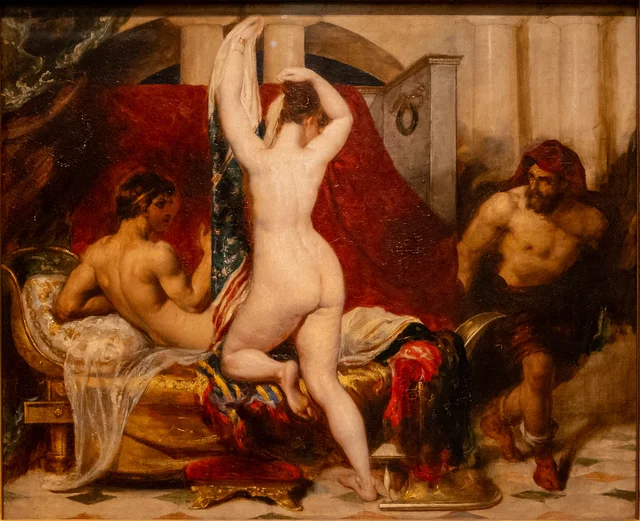 Candaules, rey de Lidia, muestra furtivamente a su esposa a Giges, uno de sus ministros, mientras ella se acuestaWilliam Etty, 1830
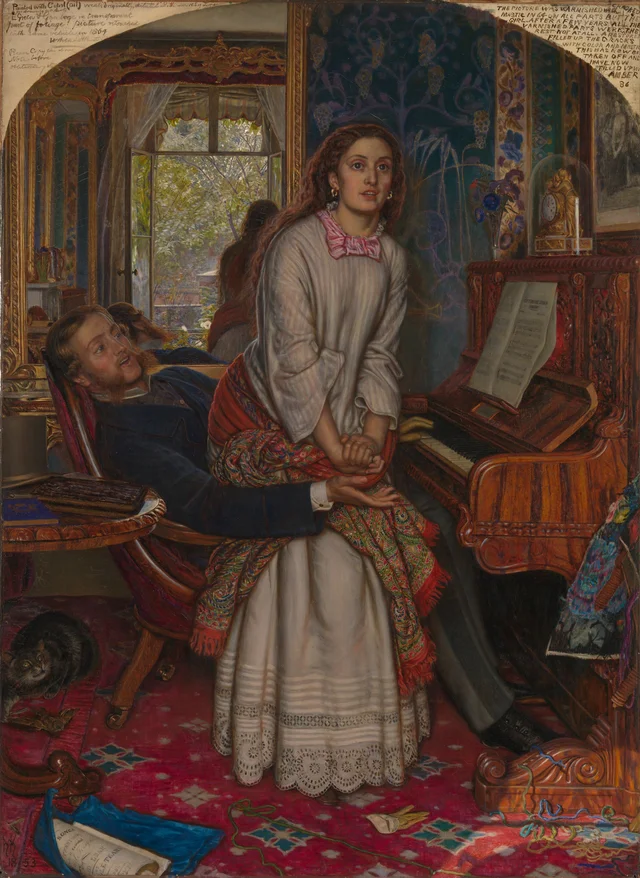 La conciencia despiertaWilliam Holman Hunt, 1853
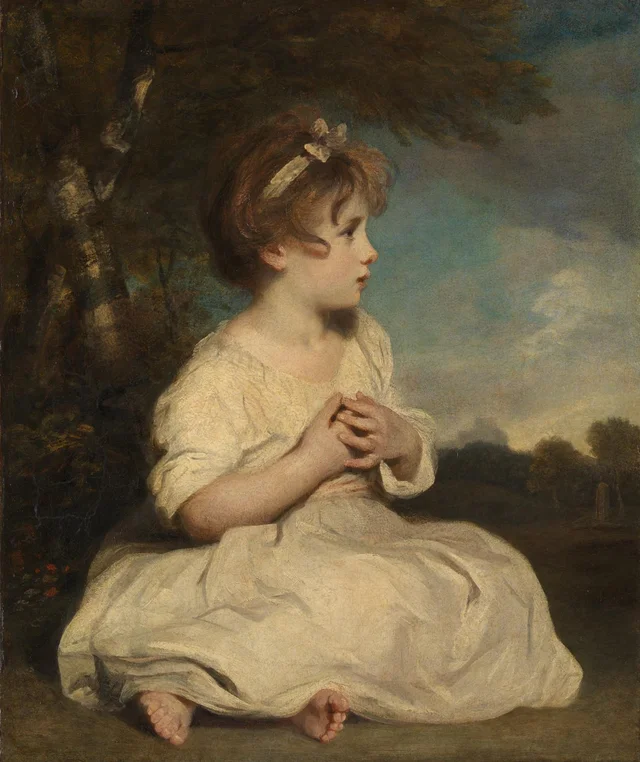 La edad de la inocenciaJoshua Reynolds, 1788
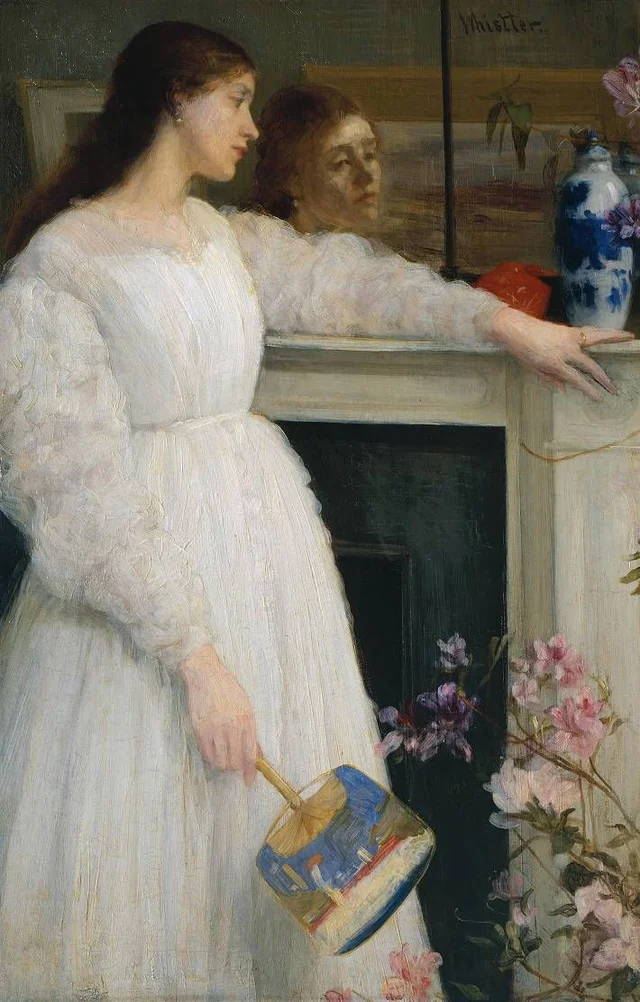 Sinfonía en blanco, n.º 2: La pequeña muchacha blancaJames McNeill Whistler, 1864
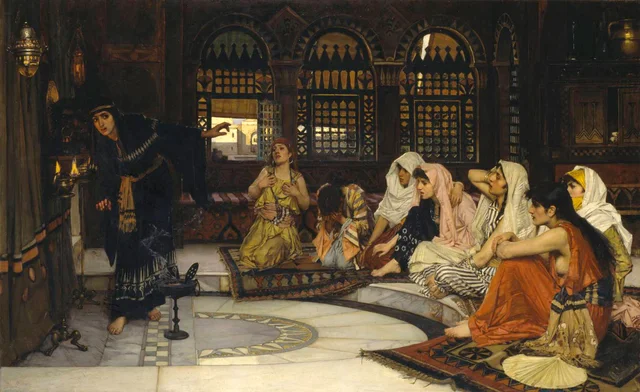 Consultando el oráculoJohn William Waterhouse, 1884
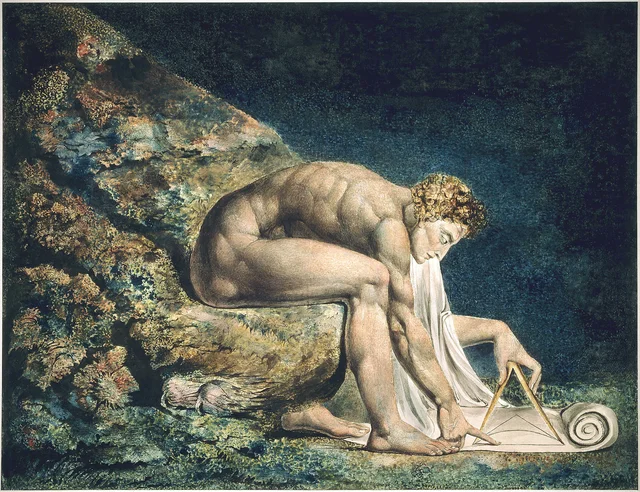 NewtonWilliam Blake, 1795
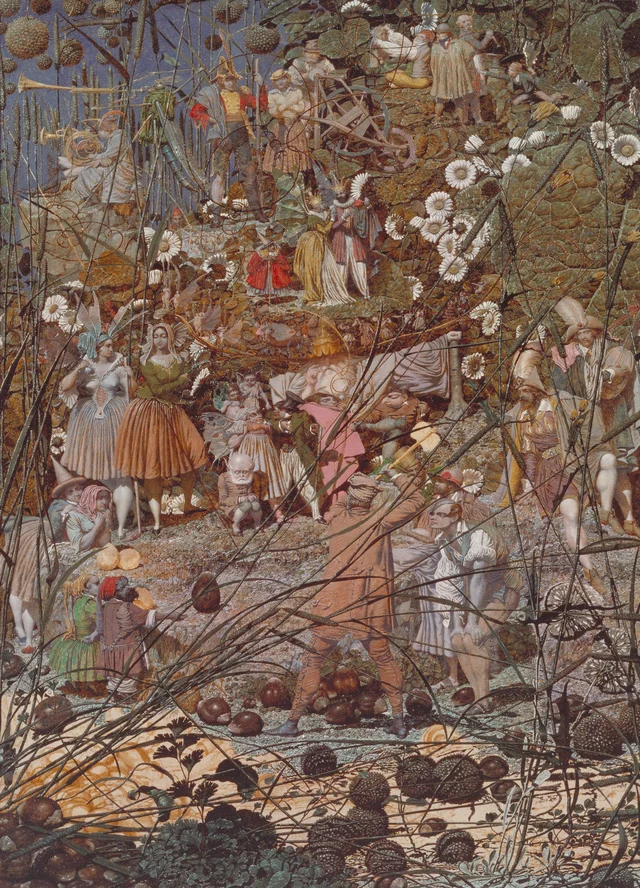 La estocada maestra del hada leñadoraRichard Dadd, 1855
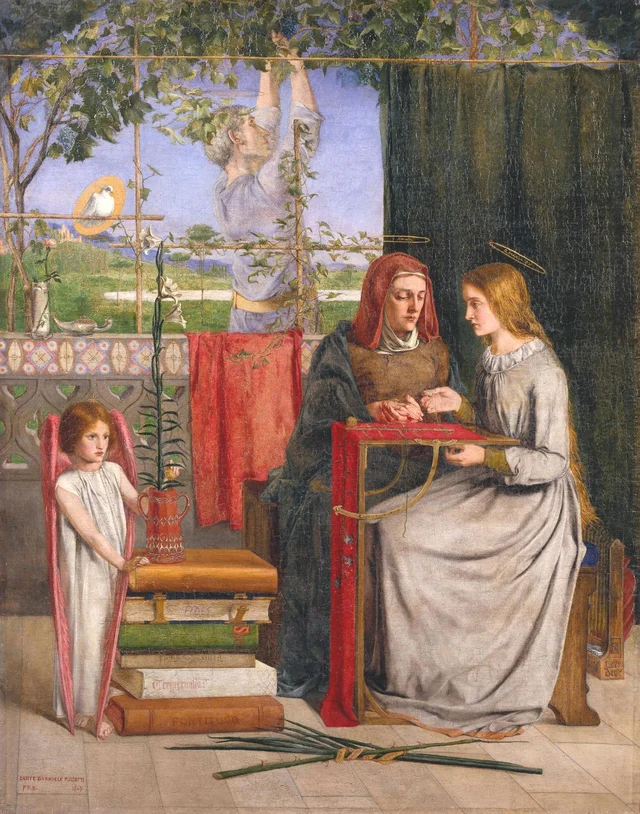 La infancia de la Virgen MaríaDante Gabriel Rossetti, 1849
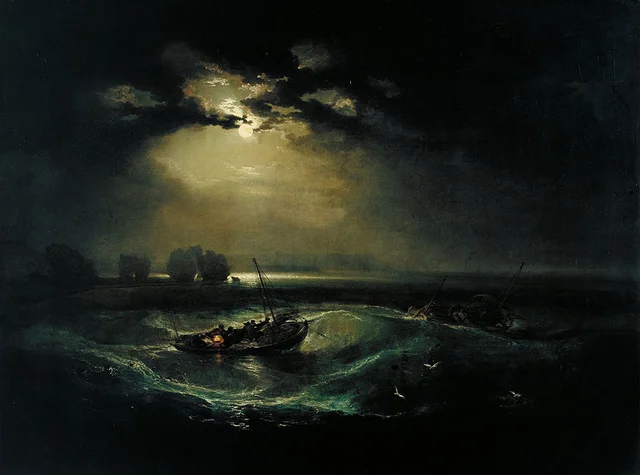 Pescadores en el marJ. M. W. Turner, 1796
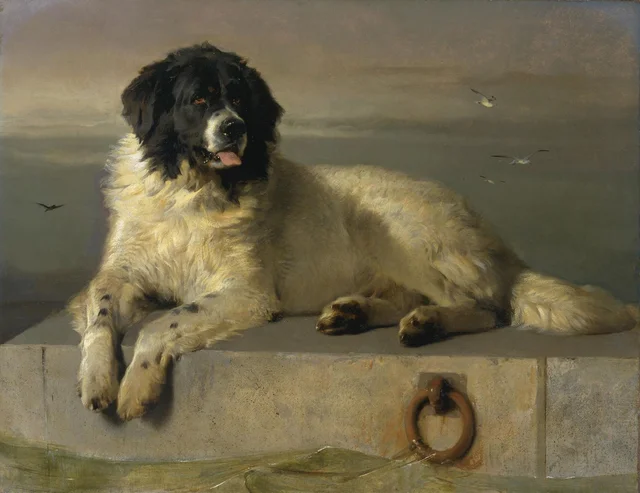 Un miembro distinguido de la Sociedad HumanitariaEdwin Landseer, 1831
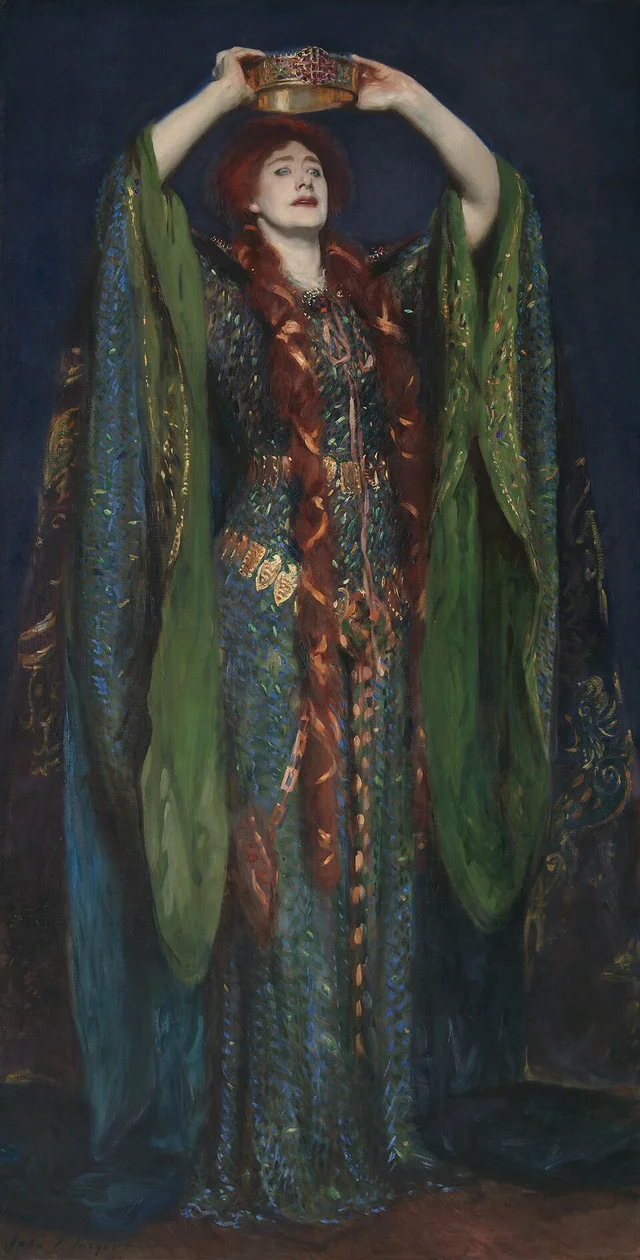 Ellen Terry como lady MacbethJohn Singer Sargent, 1889
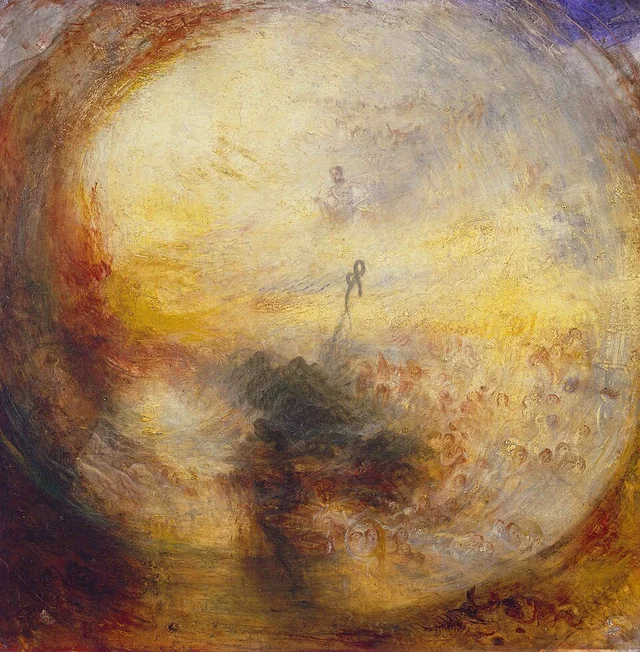 Luz y color (la teoría de Goethe) – La mañana después del Diluvio – Moisés escribiendo el GénesisJ. M. W. Turner, 1843
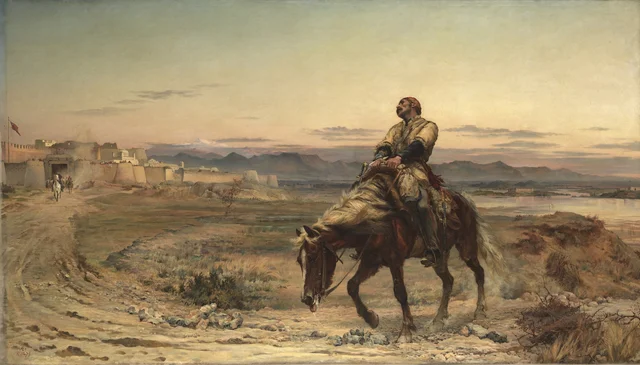 Restos de un ejércitoElizabeth Thompson, 1879
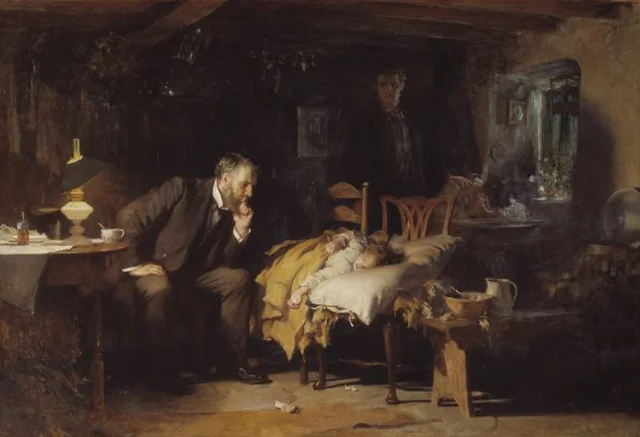 El médicoLuke Fildes, 1891
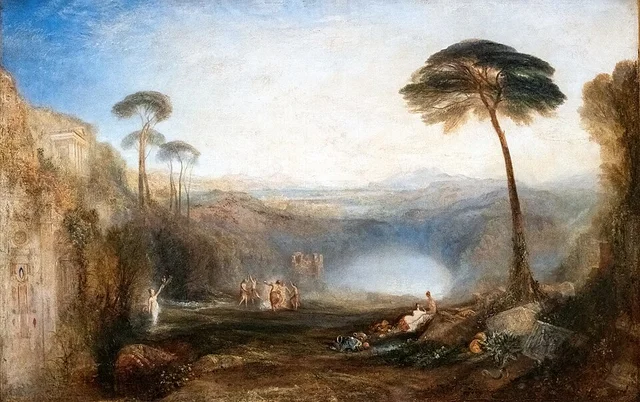 La rama doradaJ. M. W. Turner, 1834
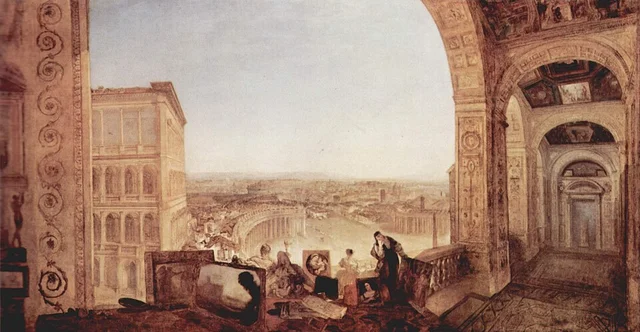 Roma, desde el Vaticano. Rafael, acompañado por la Fornarina, preparando sus cuadros para la decoración de las LogiasJ. M. W. Turner, 1820
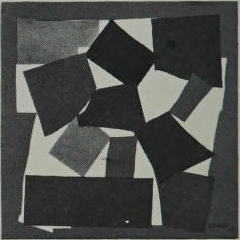 El caracolHenri Matisse, 1953
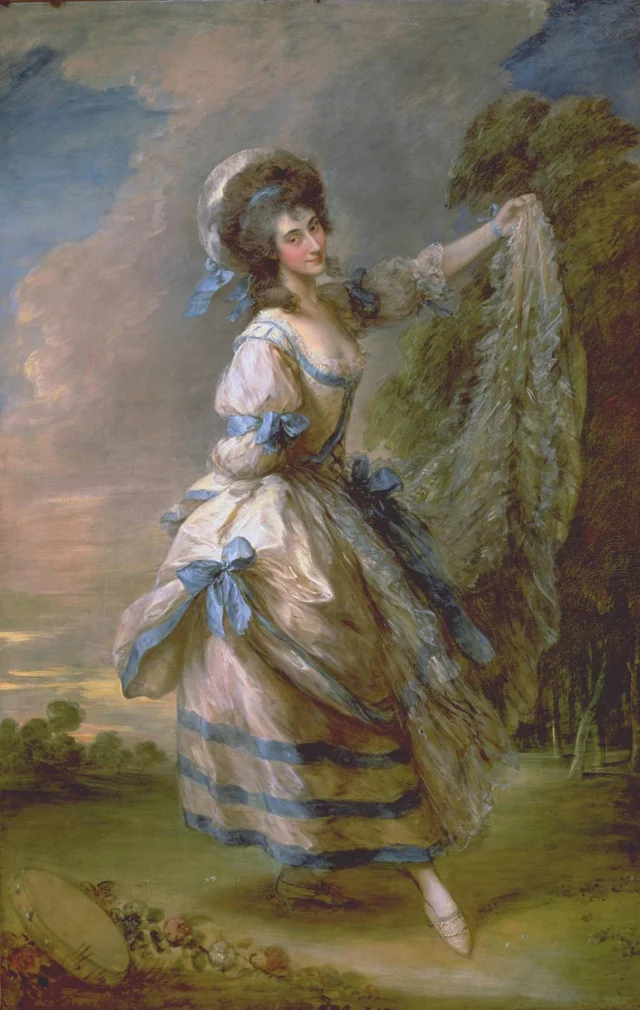 Giovanna BaccelliThomas Gainsborough, 1782
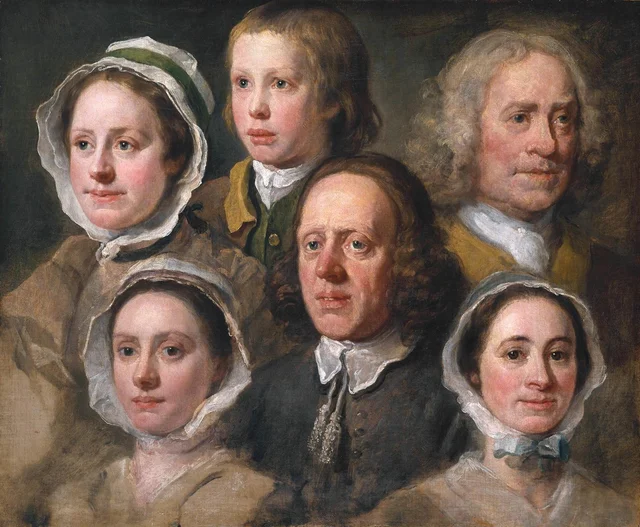 Los criados de HogarthWilliam Hogarth, 1752
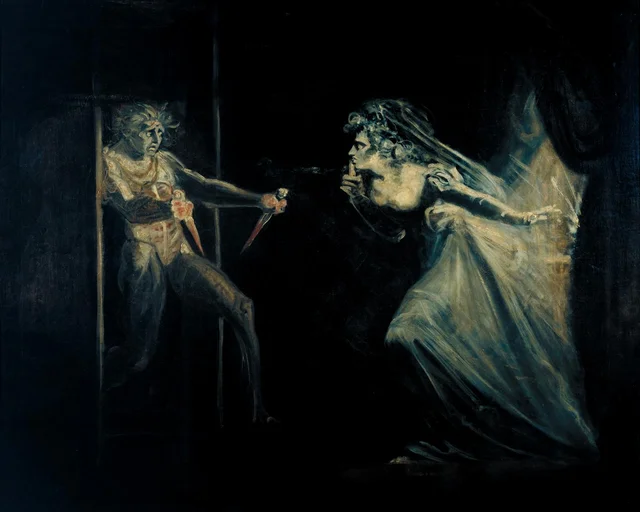 Lady Macbeth apoderándose de las dagasHenry Fuseli, 1812
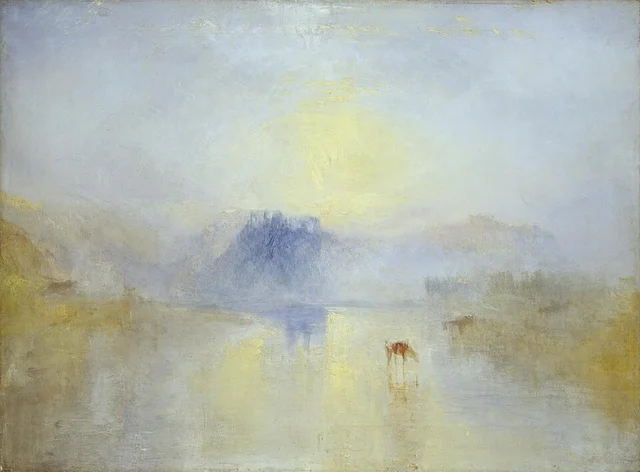 Castillo de Norham al amanecerJ. M. W. Turner, 1845
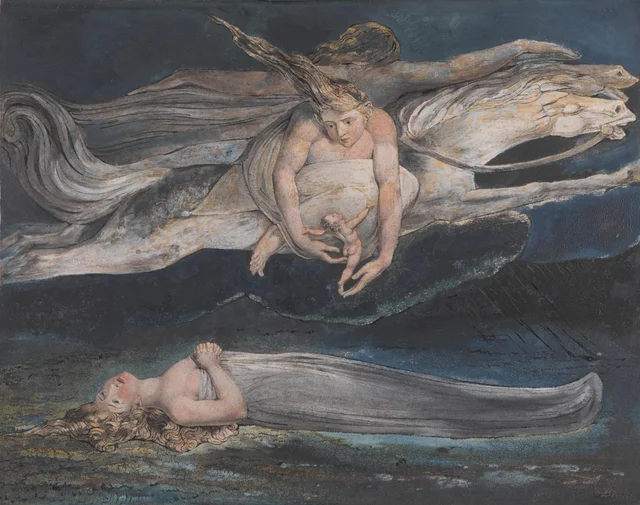 PiedadWilliam Blake, 1795
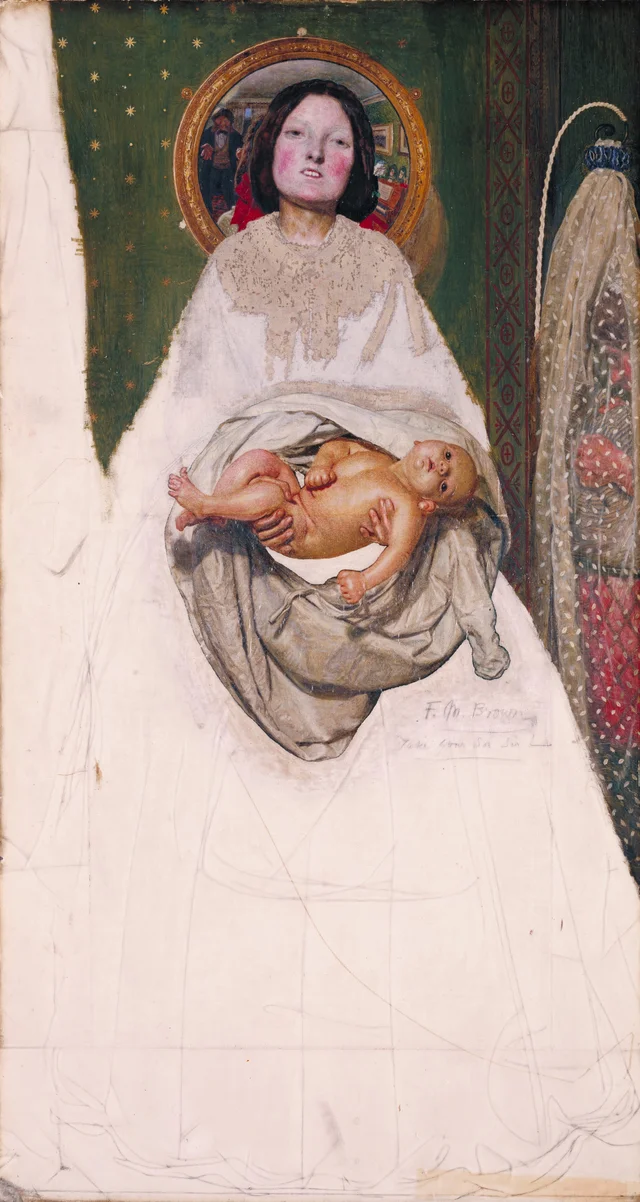 ¡Tome a su hijo, señor!Ford Madox Brown, 1851
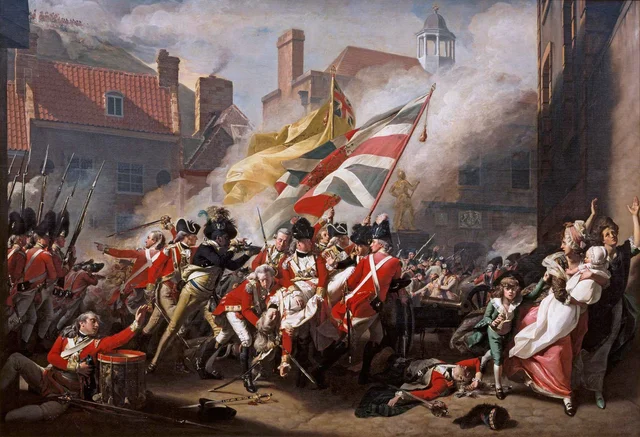 La muerte del mayor Peirson, 6 de enero de 1781John Singleton Copley, 1783