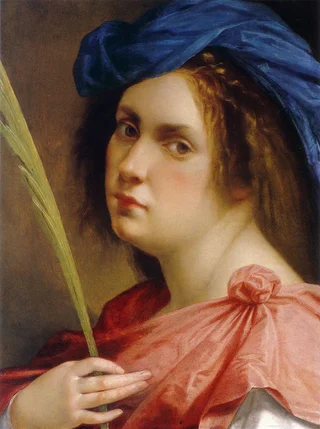
Artemisia Gentileschi
1593 · États pontificaux · Caravagistes
L'histoire
Dès 1610, à dix-sept ans, Artemisia Gentileschi avait déjà peint Suzanne et les vieillards, une grande scène biblique signée de son propre nom, formée depuis l'enfance dans l'atelier romain de son père Orazio. Deux ans plus tard, elle passa sept mois à témoigner lors d'un procès pour viol. L'accusé était Agostino Tassi, un peintre que son père avait engagé pour lui enseigner la peinture. Comme le tribunal ne faisait pas confiance à la seule parole d'une femme, elle fut contrainte de témoigner les doigts serrés dans des cordelettes, méthode alors habituelle censée vérifier, par la douleur, si elle changerait sa version des faits. Elle ne changea rien. Tassi fut condamné, bien que sa peine ne fût, en réalité, jamais appliquée.
Vers la même époque, elle peignit sa propre version de Judith décapitant Holopherne, l'épisode de l'Ancien Testament où la veuve sauve sa ville en tuant sous sa tente un général envahisseur. Les peintres antérieurs de cette scène, dont Caravage, ami de son père, avaient tenu Judith soigneusement à distance de la violence. La Judith de Gentileschi et sa servante s'engagent, elles, de tout leur poids dans l'acte, le sang giclant sur les draps, et les historiens de l'art relèvent depuis longtemps la ressemblance entre le visage du général agonisant et celui de Tassi.
Elle bâtit ensuite une carrière que peu de femmes de son époque purent égaler, peignant pour la cour des Médicis à Florence, puis à Rome, Venise, Naples et brièvement pour Charles Ier à Londres, et devint en 1616 la première femme admise à l'Accademia delle Arti del Disegno de Florence, l'académie des peintres de la ville.
Autres articles
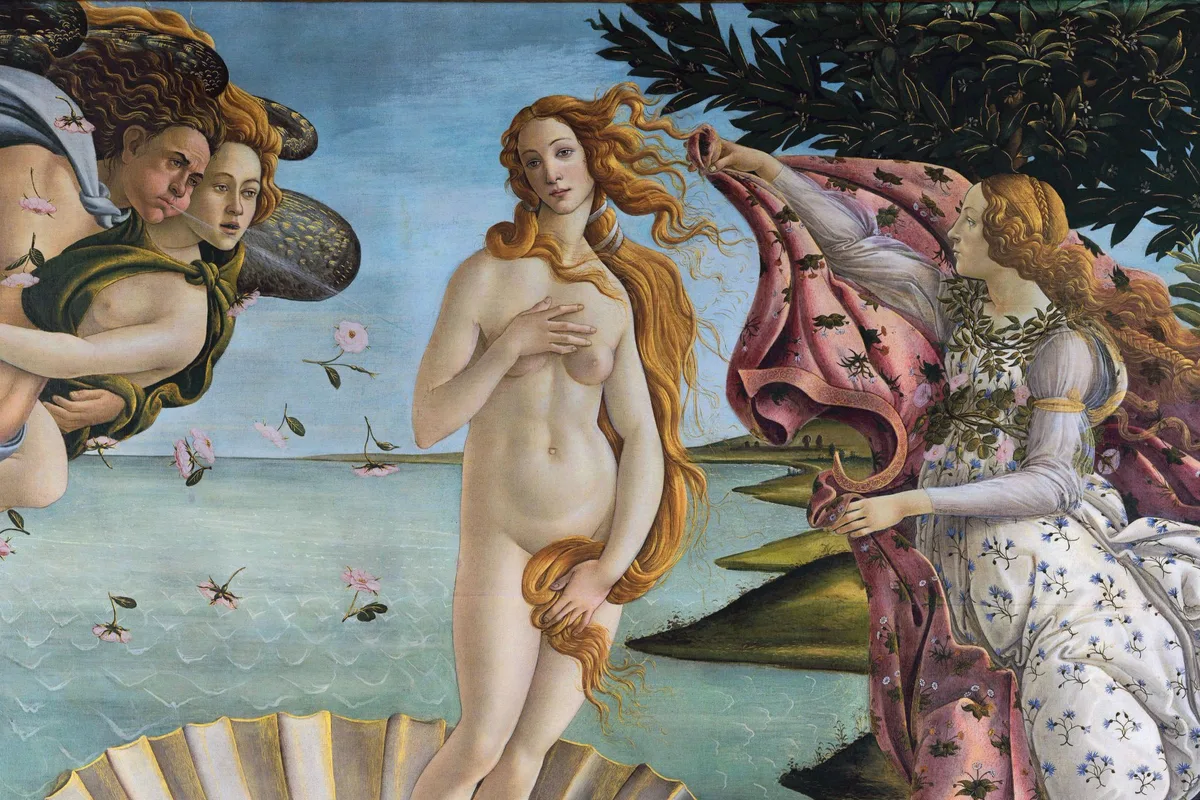 Article · 47 min de lectureGalerie des Offices : le musée qui a survécu aux Médicis
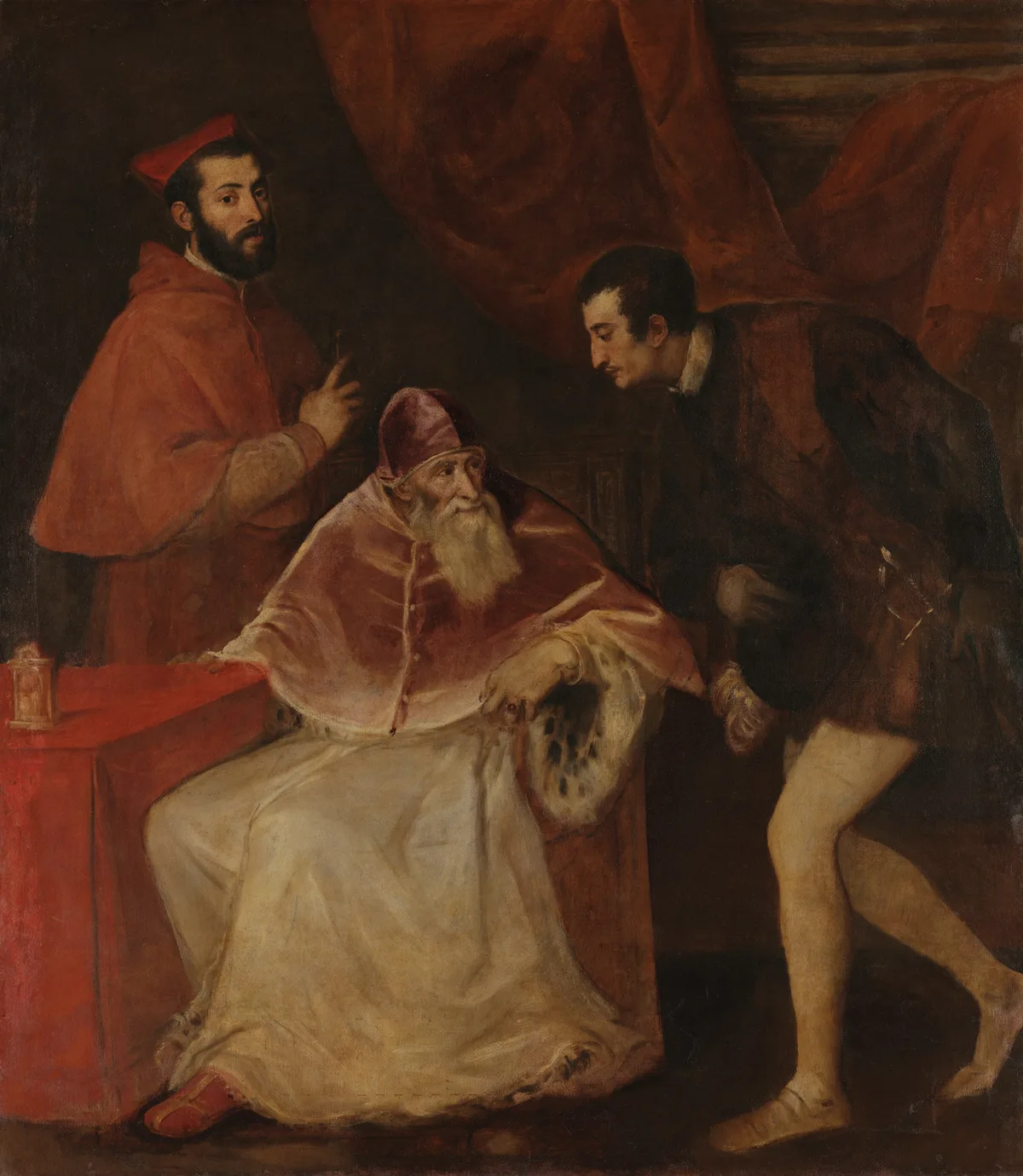 Article · 49 min de lectureCapodimonte : comment vingt œuvres sont montées sur la colline de Naples
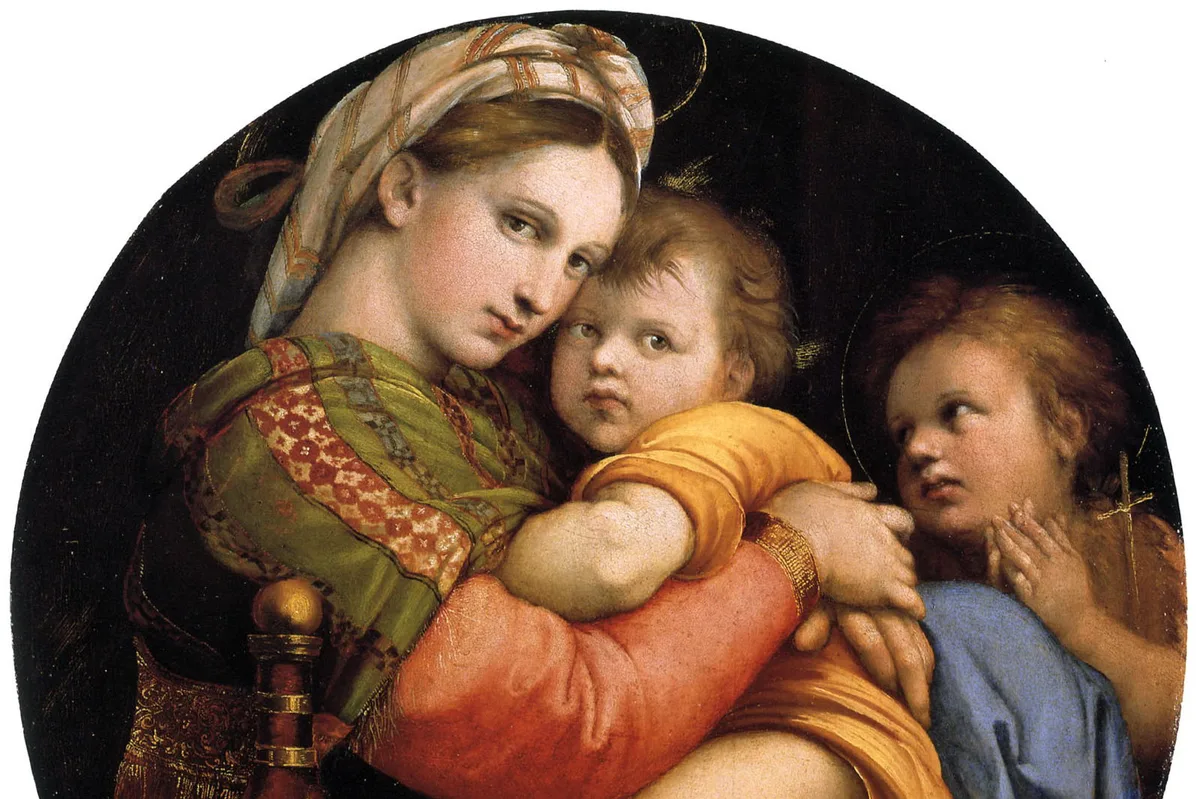 Article · 39 min de lectureLe palais Pitti : du cadeau de l'Arétin à la salle du trône des Savoie
 Article · 43 min de lectureComment s'est constituée la National Gallery : d'Angerstein à Artemisia
Œuvres
76 œuvres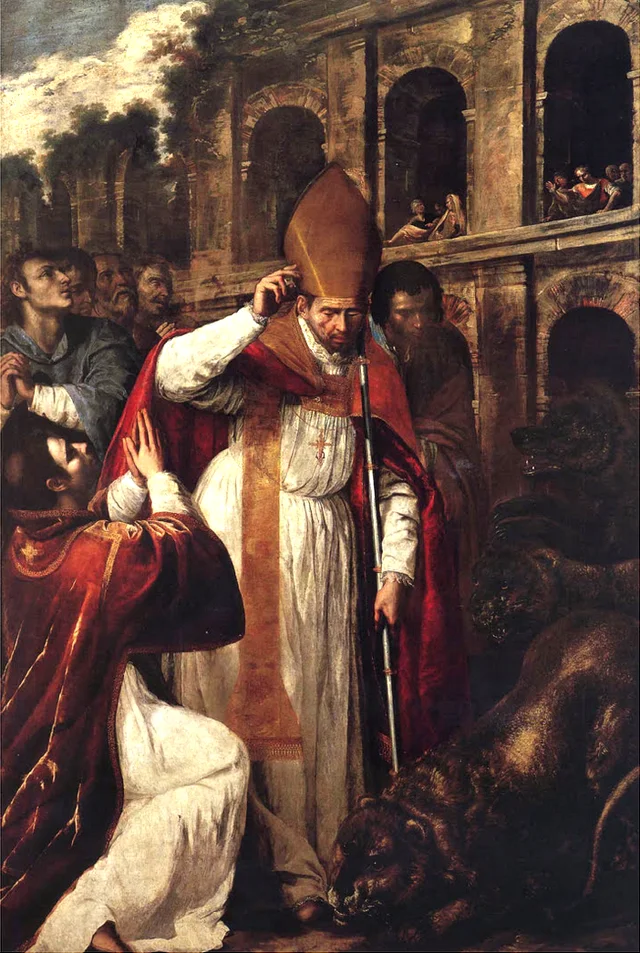 Le Martyre de saint Janvier dans l'amphithéâtre de PouzzolesArtemisia Gentileschi, 1636
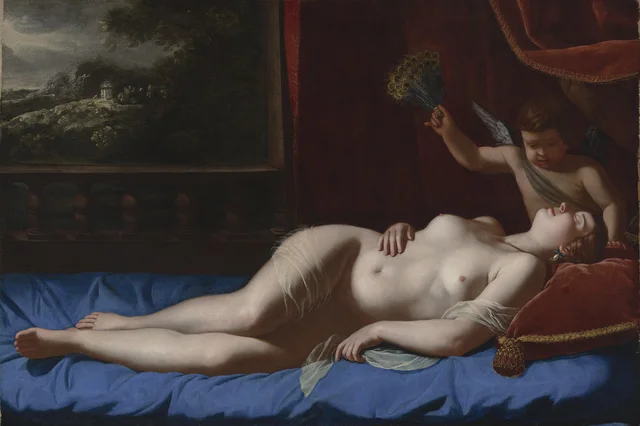 Vénus et Cupidon (Vénus endormie)Artemisia Gentileschi, 1627
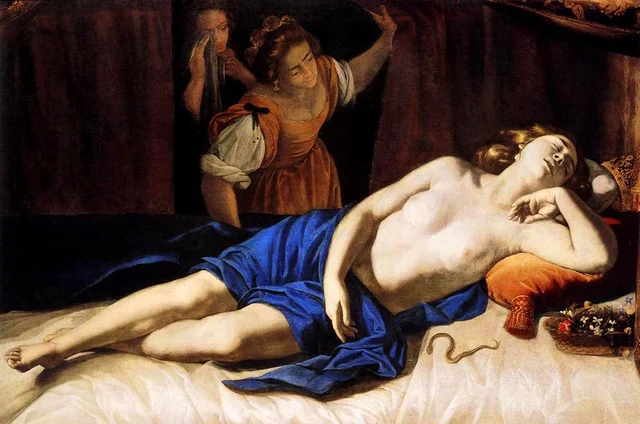 Cléopâtre découverte par ses servantesArtemisia Gentileschi, 1635
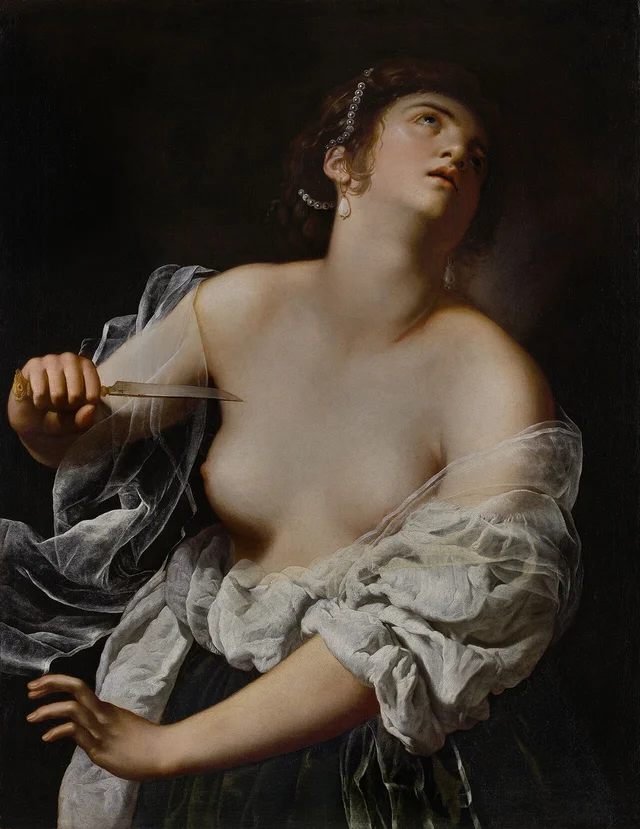 LucrèceArtemisia Gentileschi, 1630
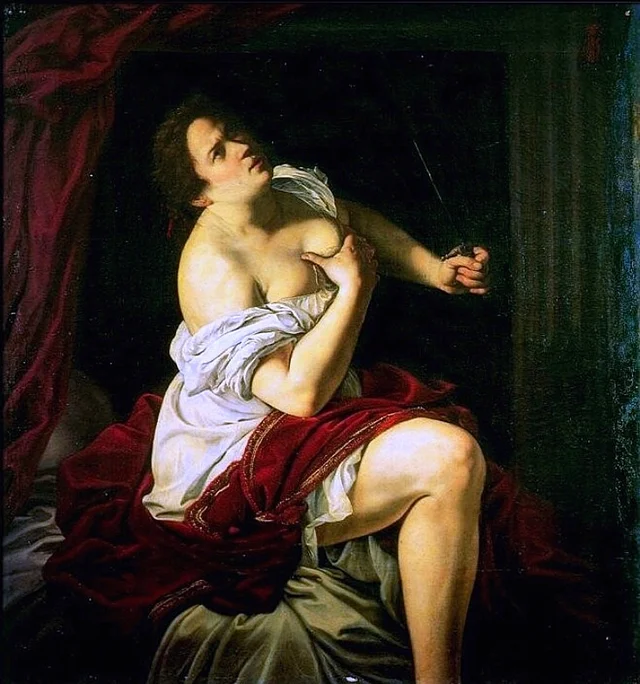 LucrèceArtemisia Gentileschi, 1623
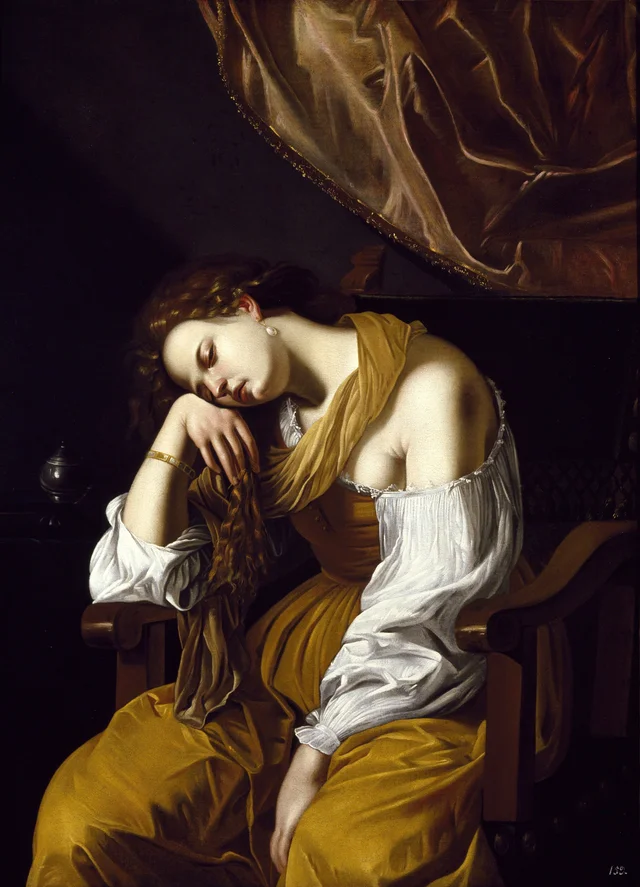 Marie-Madeleine en MélancolieArtemisia Gentileschi, 1620
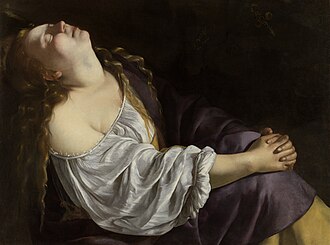 Marie-Madeleine en extaseArtemisia Gentileschi, 1623
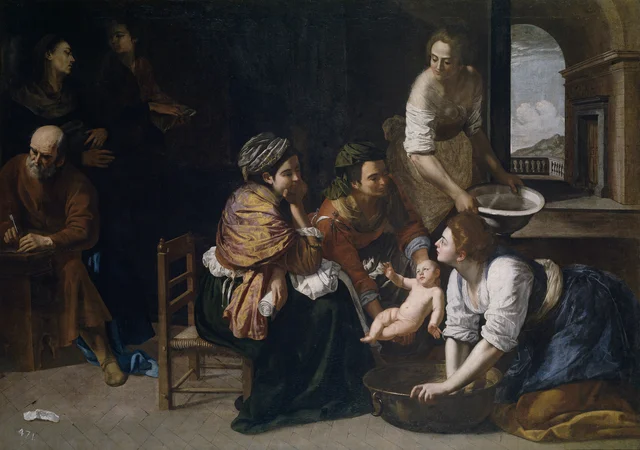 La Naissance de saint Jean-BaptisteArtemisia Gentileschi, 1635
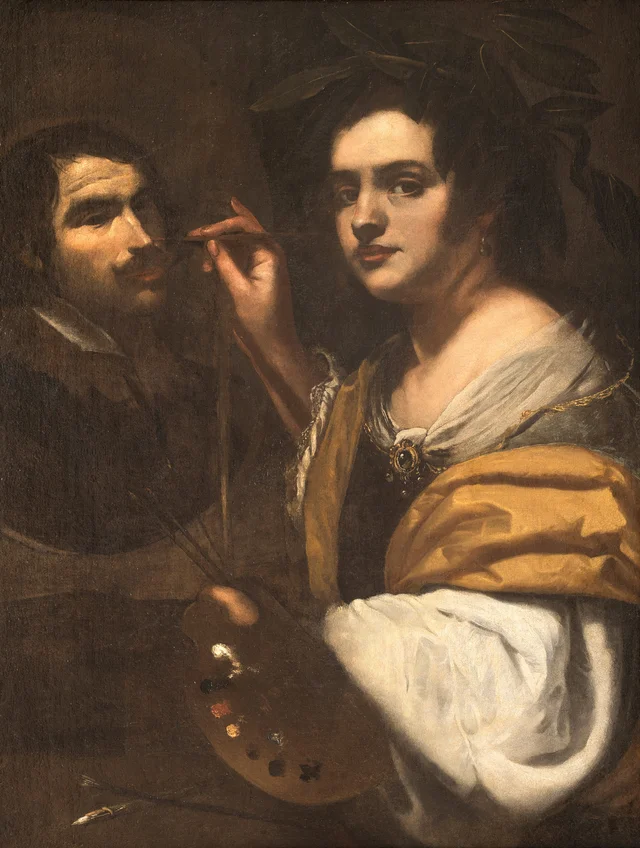 Autoportrait en allégorie de la peinture (La Pittura)Artemisia Gentileschi, 1630
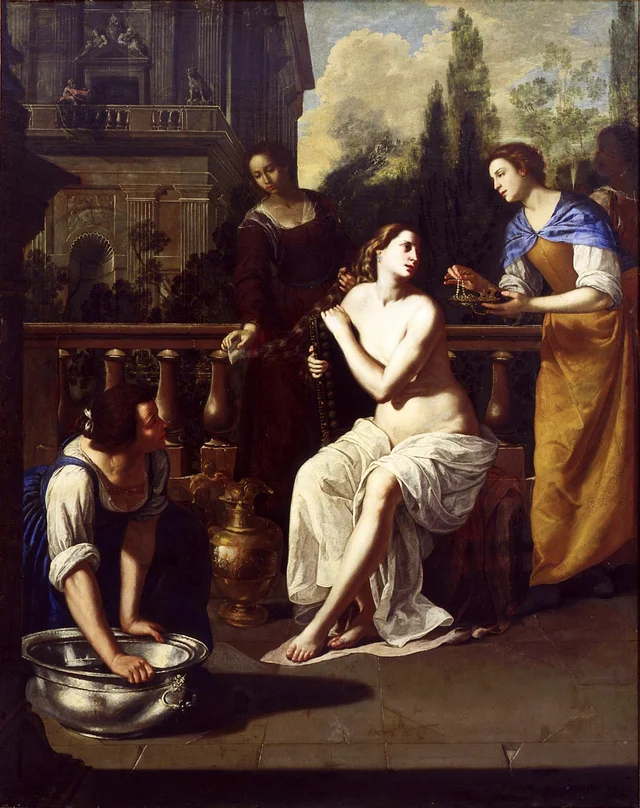 BethsabéeArtemisia Gentileschi, 1637
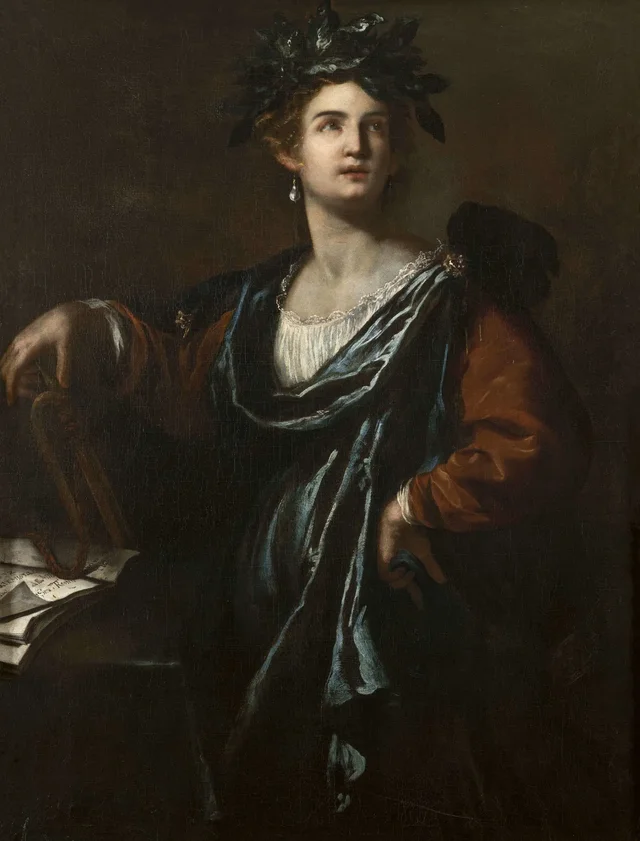 Clio, muse de l'HistoireArtemisia Gentileschi, 1632
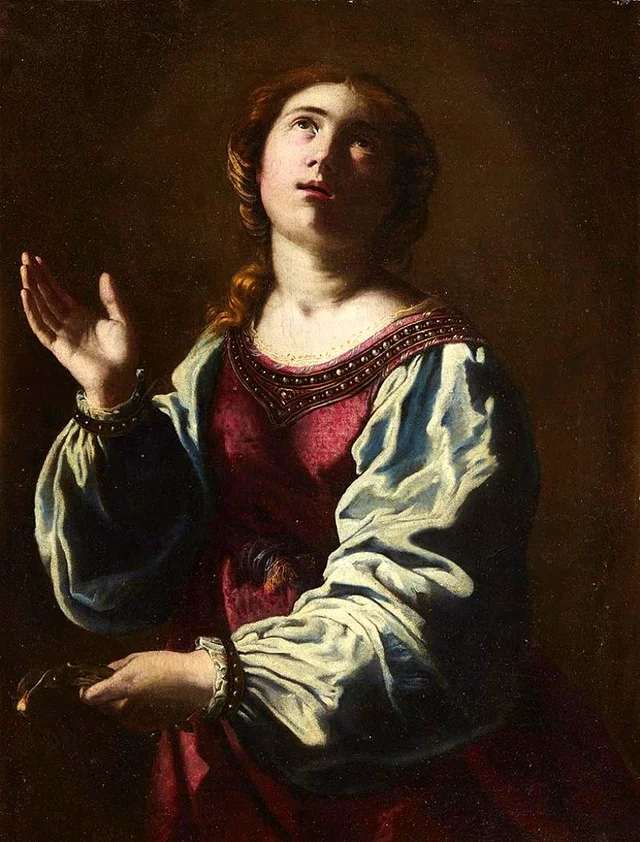 Sainte ApollineArtemisia Gentileschi, 1642
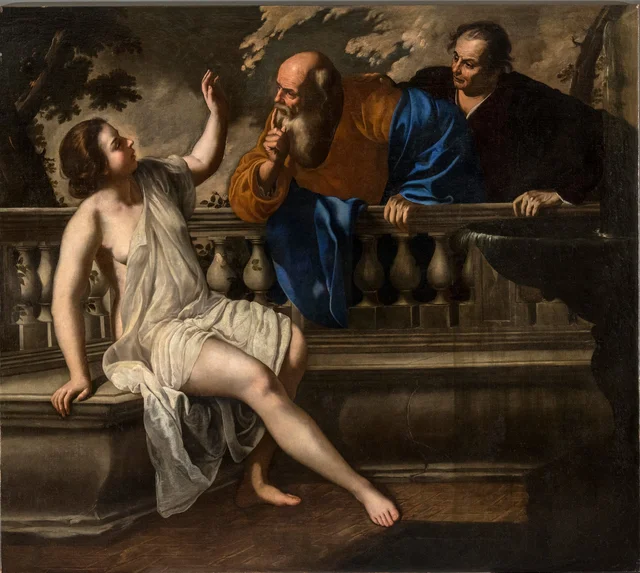 Suzanne et les vieillardsArtemisia Gentileschi, 1652
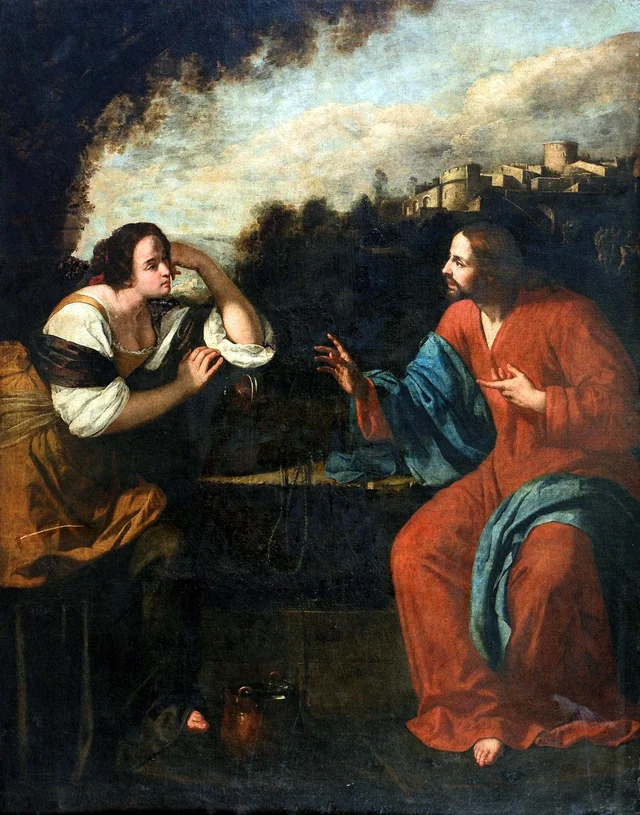 Le Christ et la SamaritaineArtemisia Gentileschi, 1637
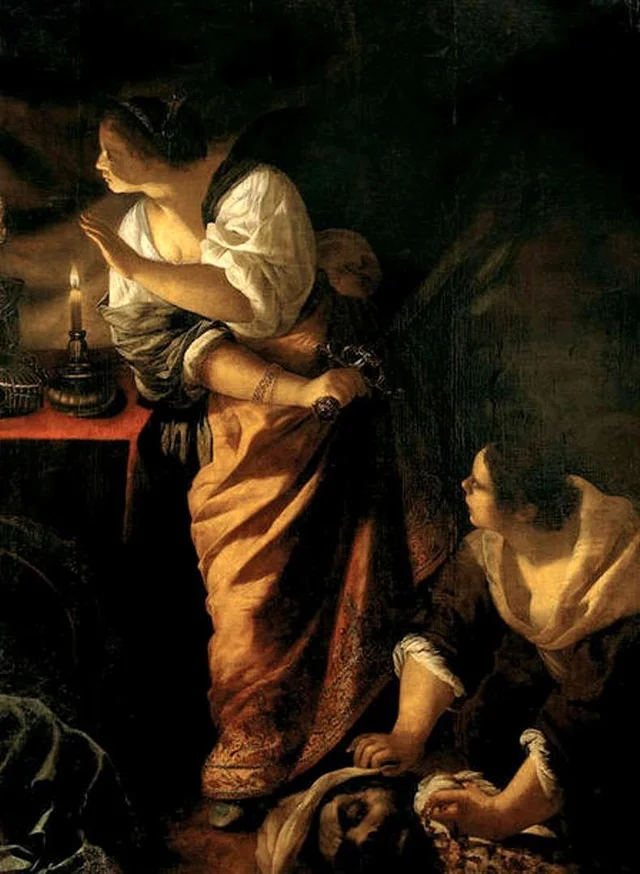 Judith et sa servante avec la tête d'HolopherneArtemisia Gentileschi, 1645
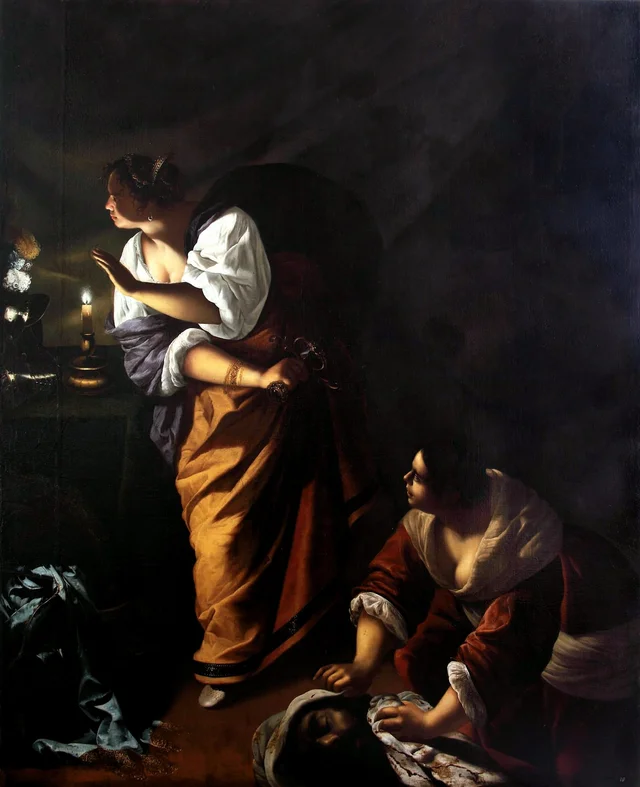 Judith et sa servante avec la tête d'HolopherneArtemisia Gentileschi, 1645
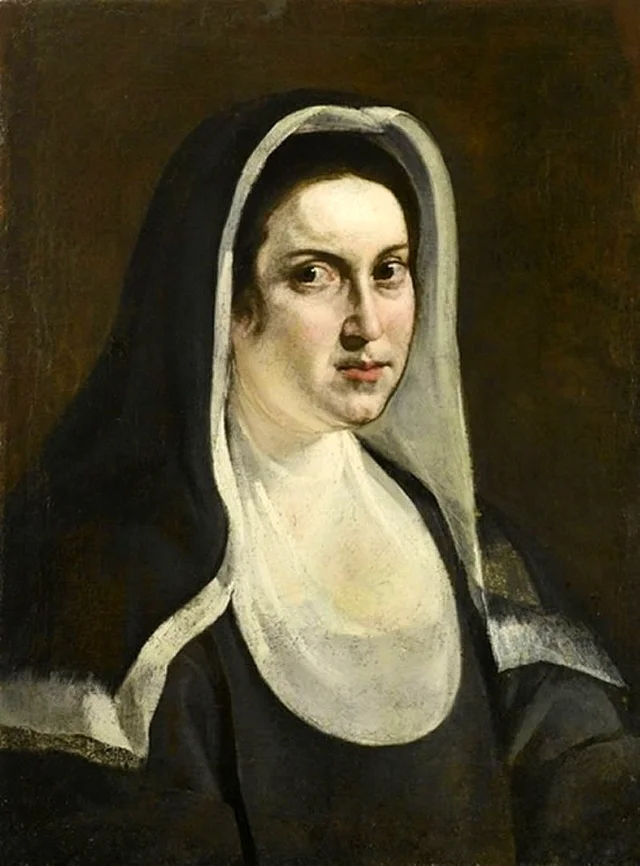 Portrait d'une religieuseArtemisia Gentileschi, 1618
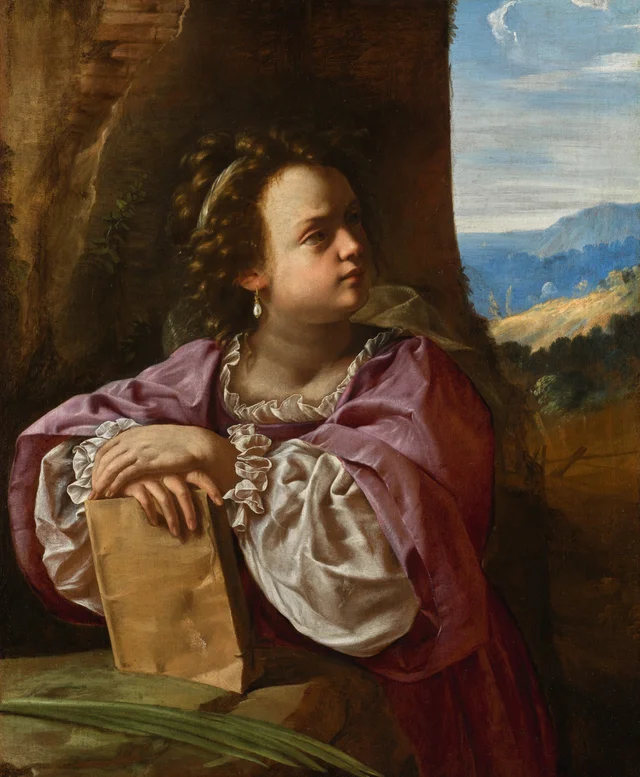 Sainte Catherine d'AlexandrieArtemisia Gentileschi, 1640
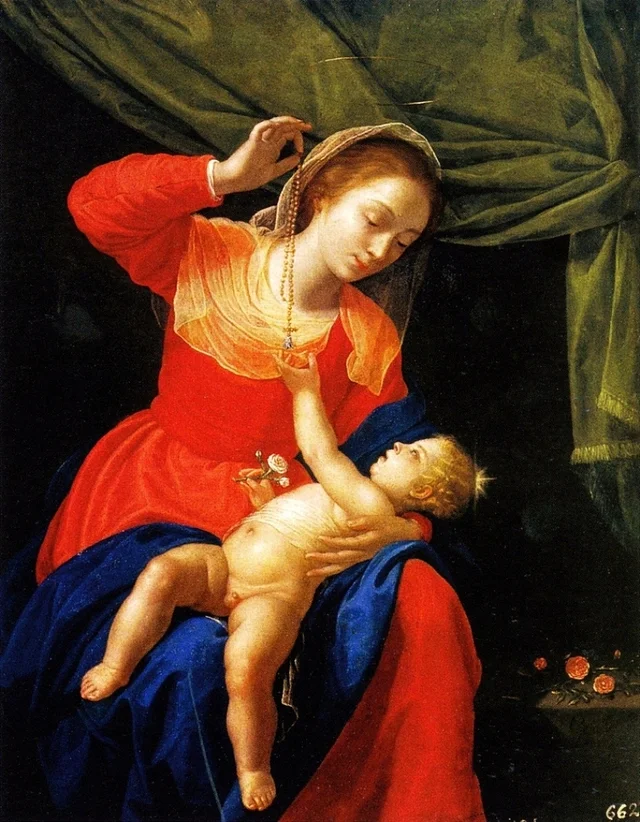 Vierge à l'Enfant au RosaireArtemisia Gentileschi, 1651
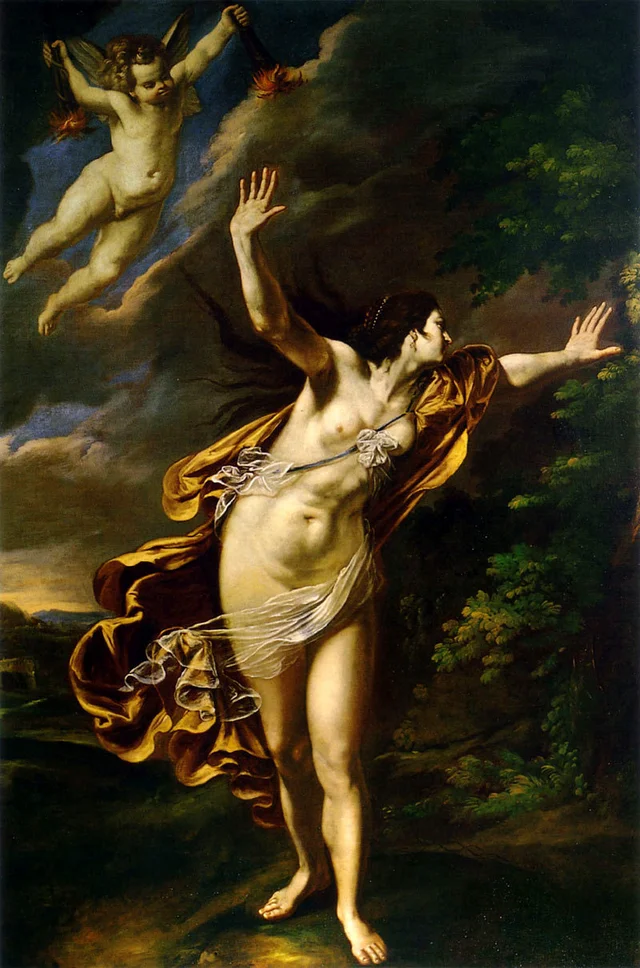 AuroreArtemisia Gentileschi, 1627
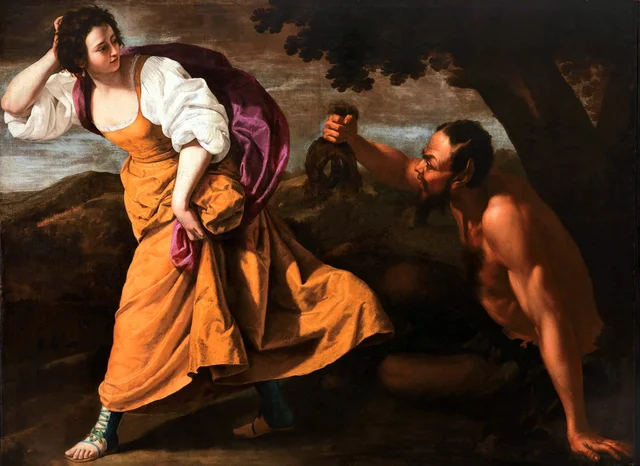 Corisca et le satyreArtemisia Gentileschi, 1630
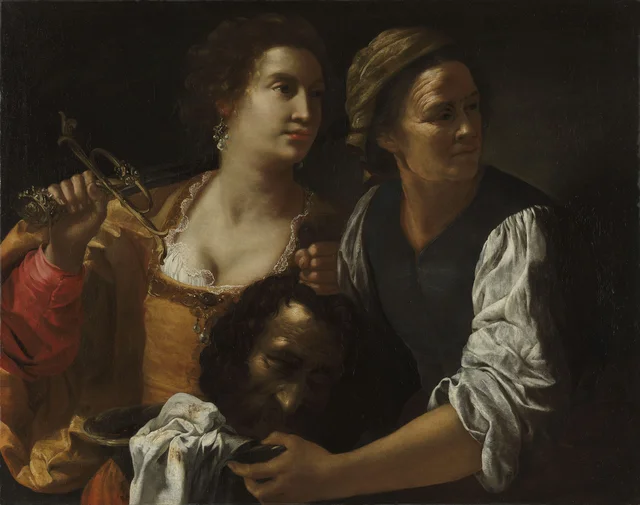 Judith et sa servante avec la tête d'HolopherneArtemisia Gentileschi, 1639
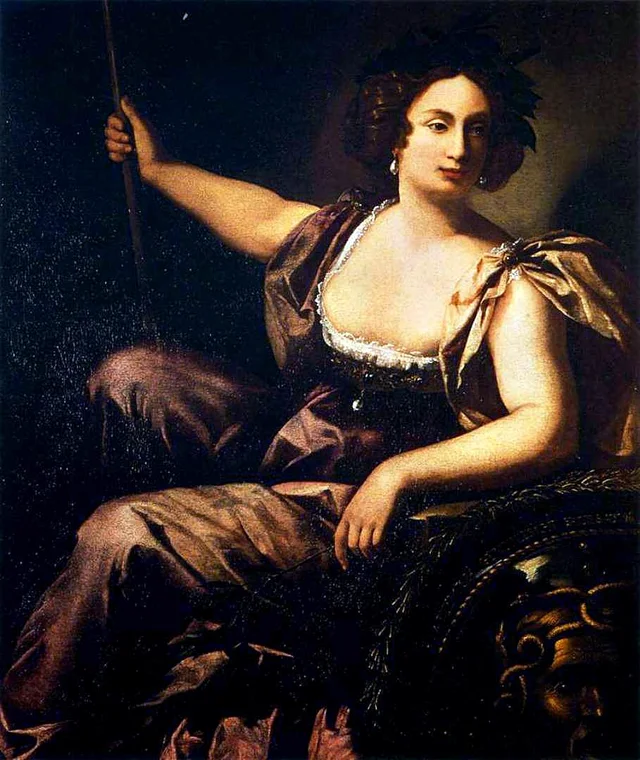 MinerveArtemisia Gentileschi, 1635
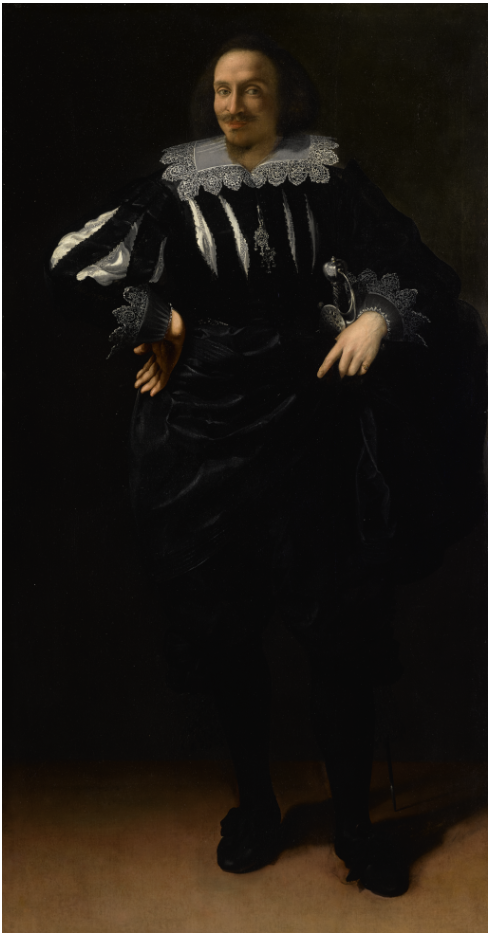 Portrait d'un gentilhomme, probablement Antoine de VilleArtemisia Gentileschi, 1626
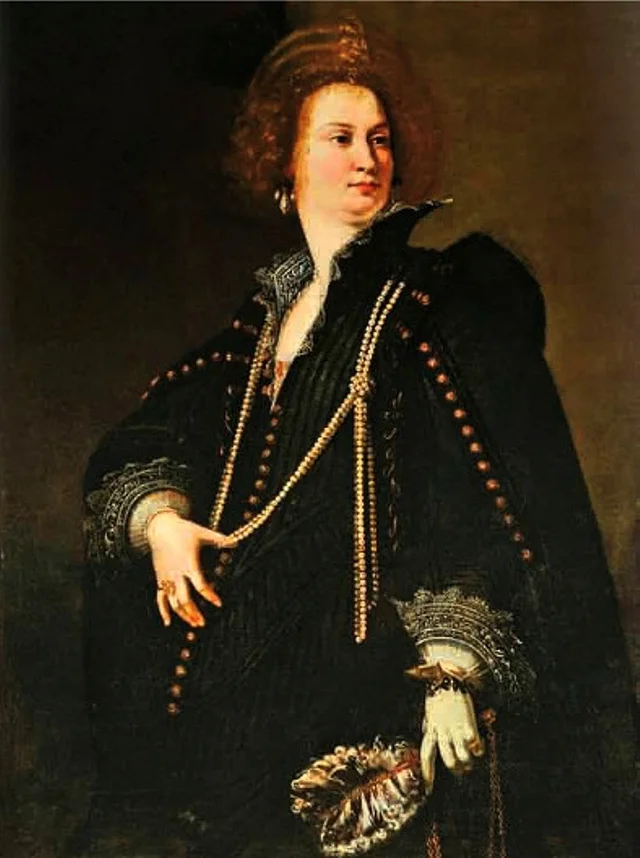 Portrait d'une dame tenant un éventailArtemisia Gentileschi, 1620