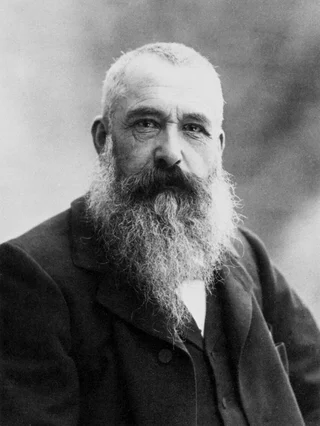
Claude Monet
1840–1926 · France · Impressionnisme
L'histoire
En avril 1874, un groupe de peintres, las d'être refusés par le Salon officiel, accroche sa propre exposition dans l'ancien atelier d'un photographe, boulevard des Capucines à Paris. Monet y envoie une vue légère du port de sa ville natale, Le Havre, à l'aube, qu'il intitule Impression, soleil levant. Un critique s'empare de ce seul mot pour railler toute la salle, et l'insulte reste comme une étiquette : l'impressionnisme. Monet a 33 ans, et il passera les 50 années suivantes à faire de cette moquerie une prophétie.
L'attrait fut toujours le même : la lumière sur une surface telle qu'elle change, minute après minute. Il peint la même meule de foin, la même façade de cathédrale, encore et encore, à différentes heures, poursuivant l'instant avant qu'il ne s'échappe. En 1883, il loue une maison à Giverny, au nord-ouest de Paris, et transforme peu à peu son jardin en un motif qu'il n'eut plus besoin de quitter : un bassin alimenté par le bras dévié d'une rivière, un pont japonais, des nymphéas. Il dut obtenir des autorités les droits sur l'eau ; des voisins craignaient un empoisonnement du cours d'eau. Durant les deux dernières décennies de sa vie, ce bassin fut presque son unique sujet ; il en fit environ 250 tableaux.
Ces années furent difficiles. Sa seconde épouse Alice meurt en 1911, son fils aîné Jean en 1914, et ses yeux se voilent de cataractes, virant ses couleurs vers des rouges et bruns boueux. Il continue pourtant de peindre les nymphéas, les toiles devenant plus sauvages à mesure qu'il y voit moins. Après une opération qui lui rendit en partie la vue, il regarda certaines œuvres peintes à moitié aveugle et les brûla. Les immenses panneaux de nymphéas qu'il offrit à l'État français sont accrochés dans deux salles ovales de l'Orangerie, à Paris, disposées bas et incurvées pour que le visiteur se sente à l'intérieur même du bassin qu'il pouvait à peine voir.
Autres articles
 Article · 42 min de lectureLa National Gallery of Art de Washington : vingt tableaux venus de mains privées
 Article · 53 min de lectureLe musée d'Orsay : du Cabanel acheté par Napoléon III au Caillebotte à 43 millions
 Article · 35 min de lectureLe Belvédère : du retable de Pacher à l'affaire Amalie Zuckerkandl
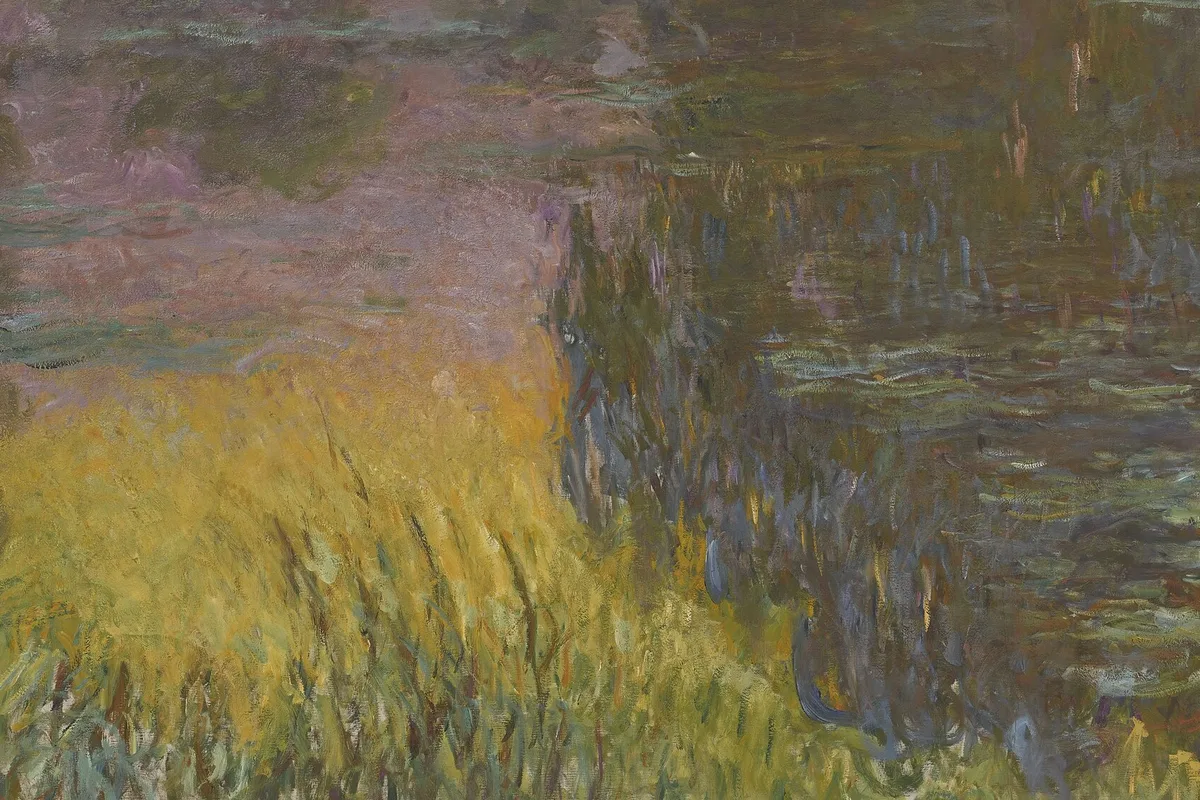 Article · 22 min de lectureLe musée de l'Orangerie : Monet, Paul Guillaume et Domenica
 Article · 42 min de lectureLe musée Van Gogh : sa mère, Theo, Gauguin et les autres personnages de ses tableaux
Œuvres
377 œuvres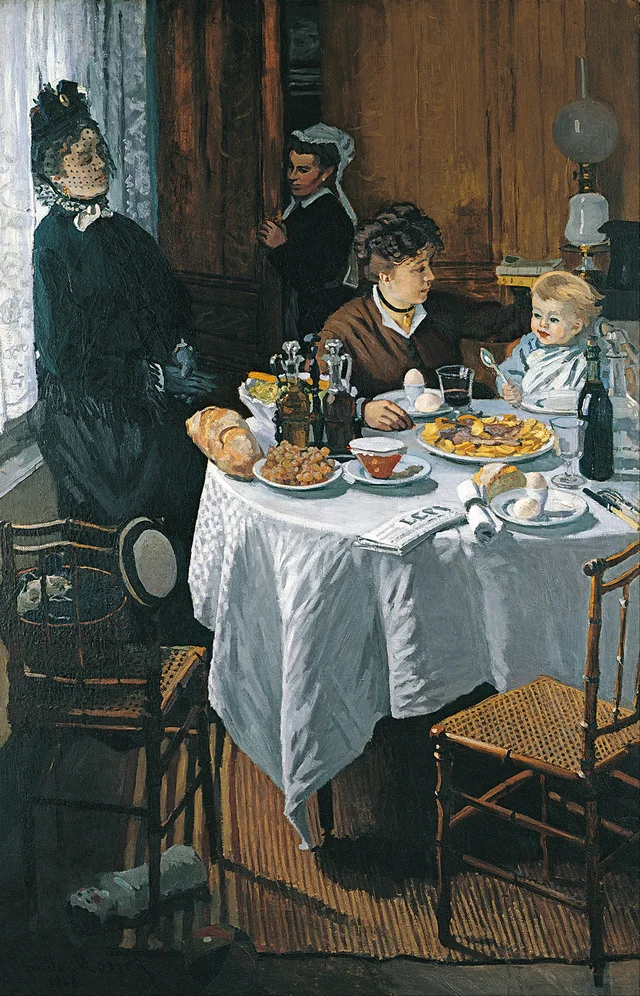 Le DéjeunerClaude Monet, 1868
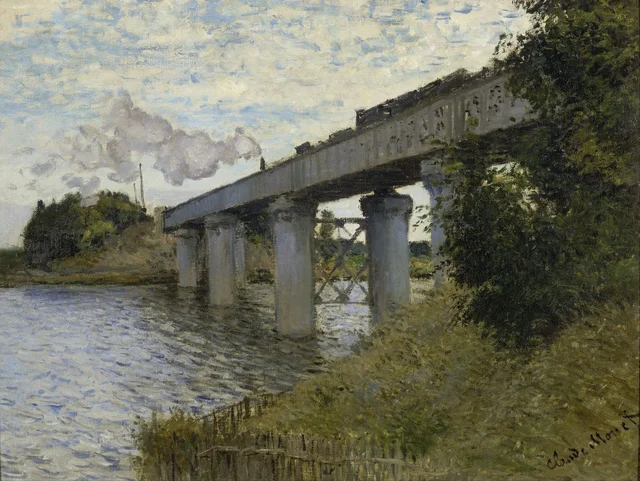 Le Pont du chemin de fer à ArgenteuilClaude Monet, 1873
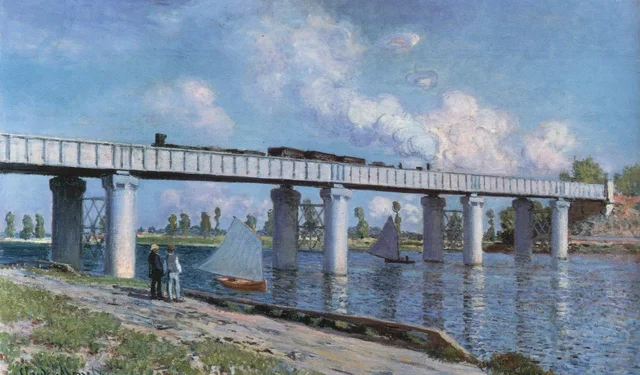 Le Pont du chemin de fer à ArgenteuilClaude Monet, 1873
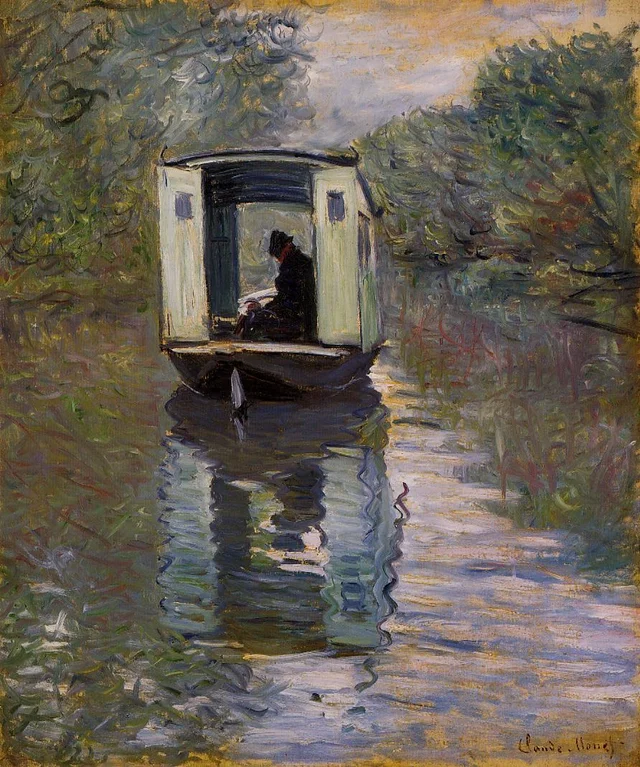 Le Bateau-atelierClaude Monet, 1876
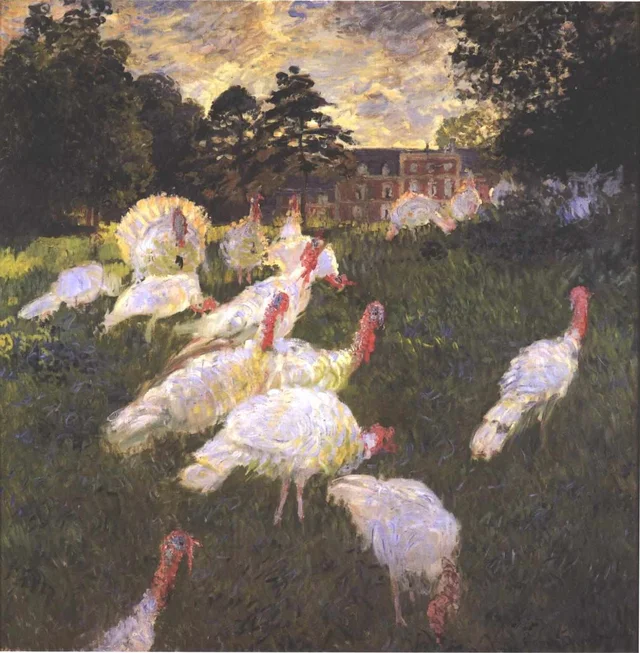 Les DindonsClaude Monet, 1877
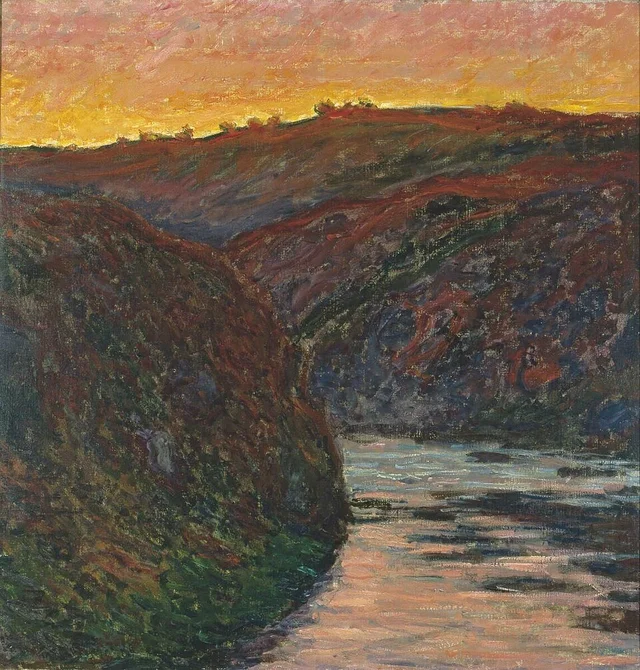 La Vallée de la Creuse, soleil couchantClaude Monet, 1889
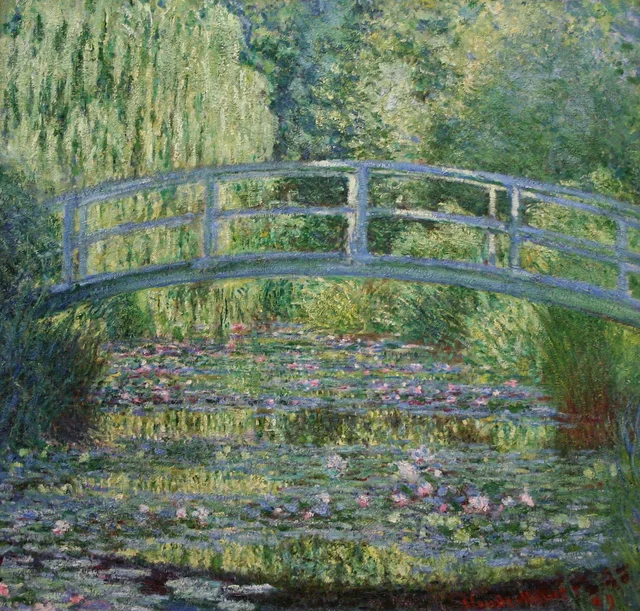 Le Bassin aux nymphéas, harmonie verteClaude Monet, 1899
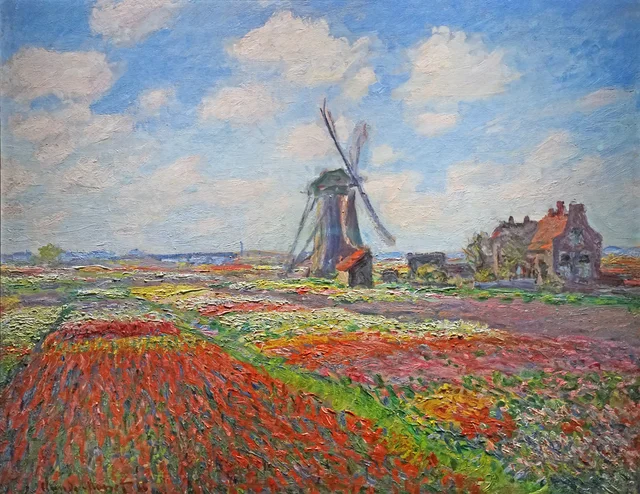 Champ de tulipes en HollandeClaude Monet, 1886
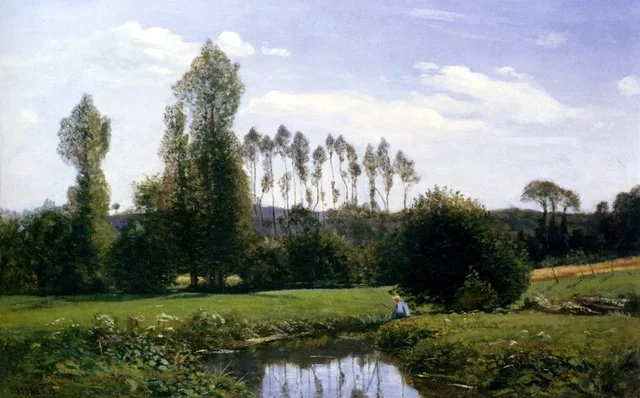 Vue à Rouelles, Le HavreClaude Monet, 1858
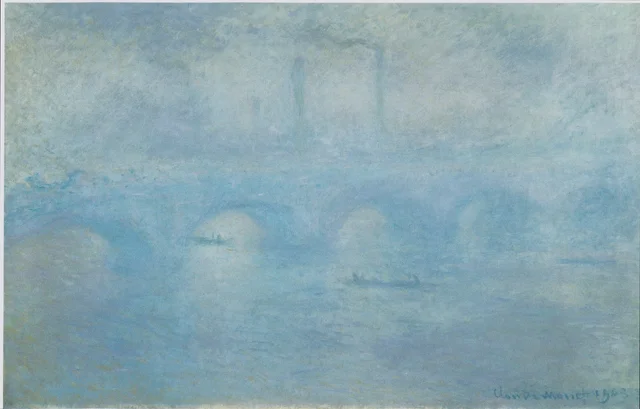 Le Pont de Waterloo, effet de brouillardClaude Monet, 1903
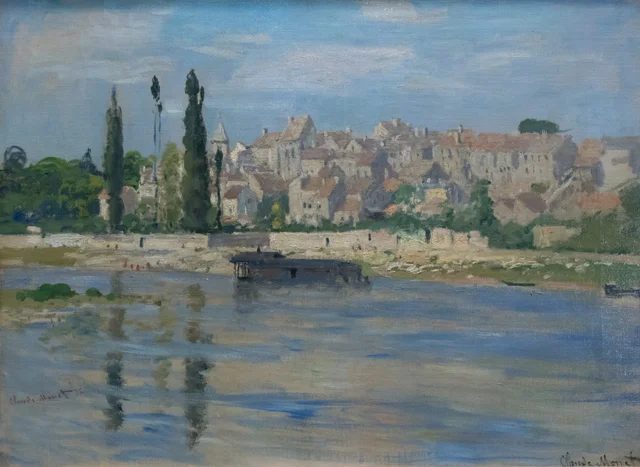 Carrières-Saint-DenisClaude Monet, 1872
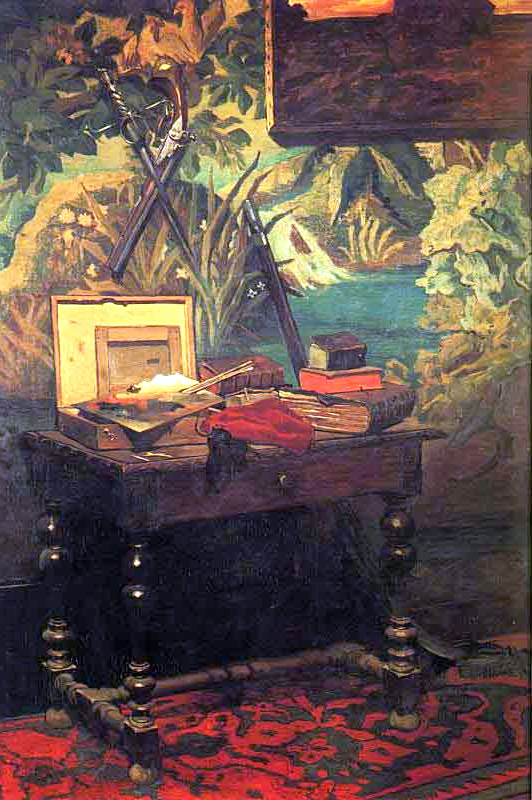 Coin d'atelierClaude Monet, 1861
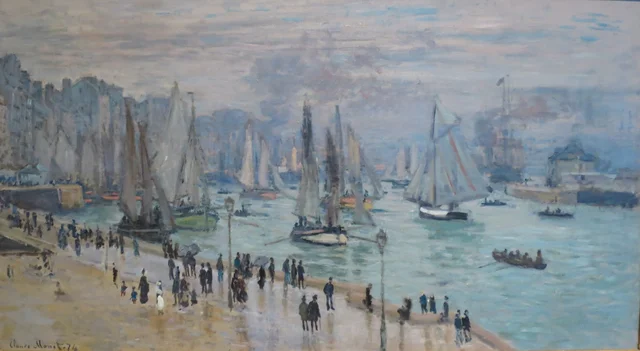 Bateaux de pêche sortant du port, Le HavreClaude Monet, 1874
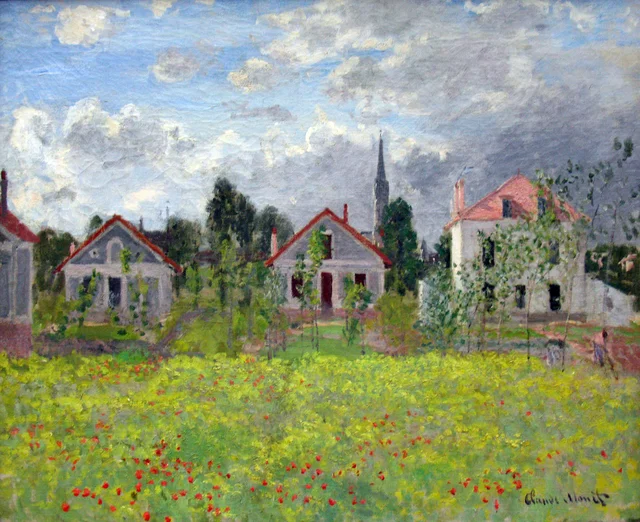 Maisons à ArgenteuilClaude Monet, 1873
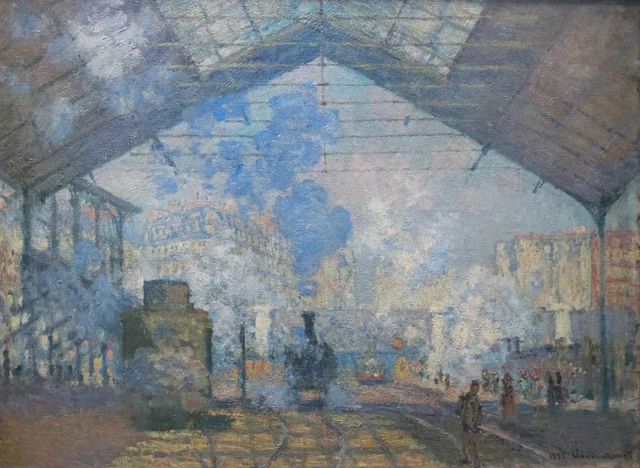 La Gare Saint-LazareClaude Monet, 1877
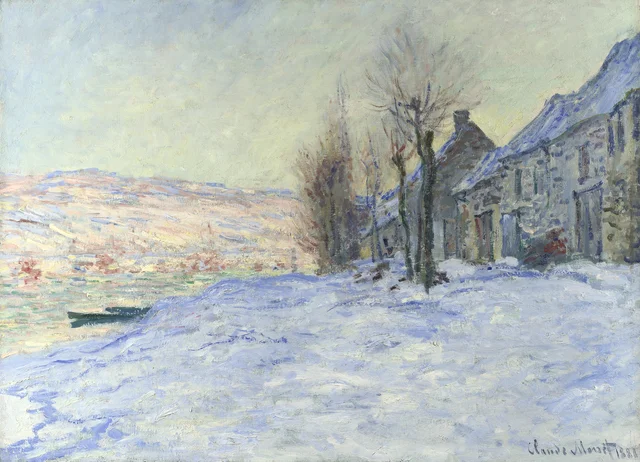 Lavacourt, effet de neigeClaude Monet, 1881
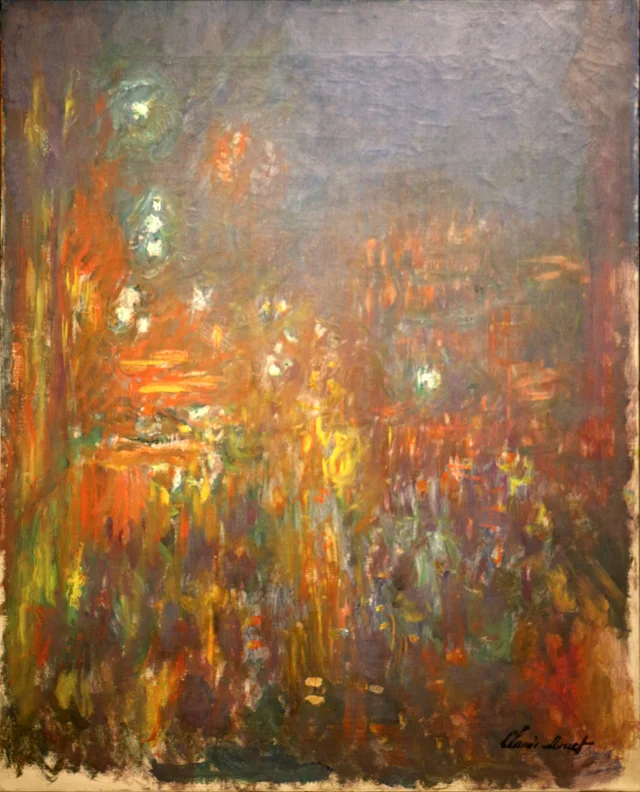 Leicester Square, la nuitClaude Monet, 1901
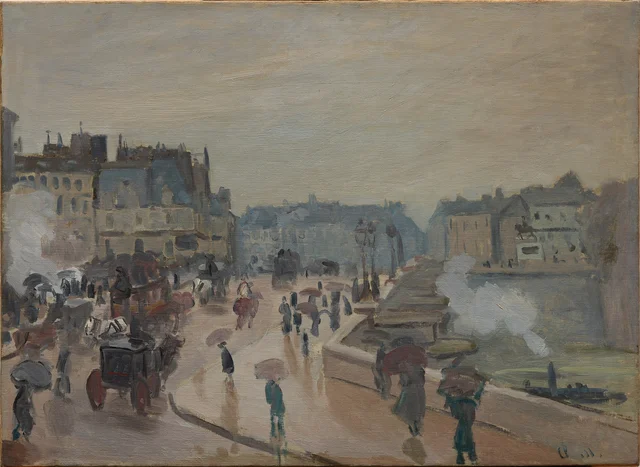 Le Pont NeufClaude Monet, 1873
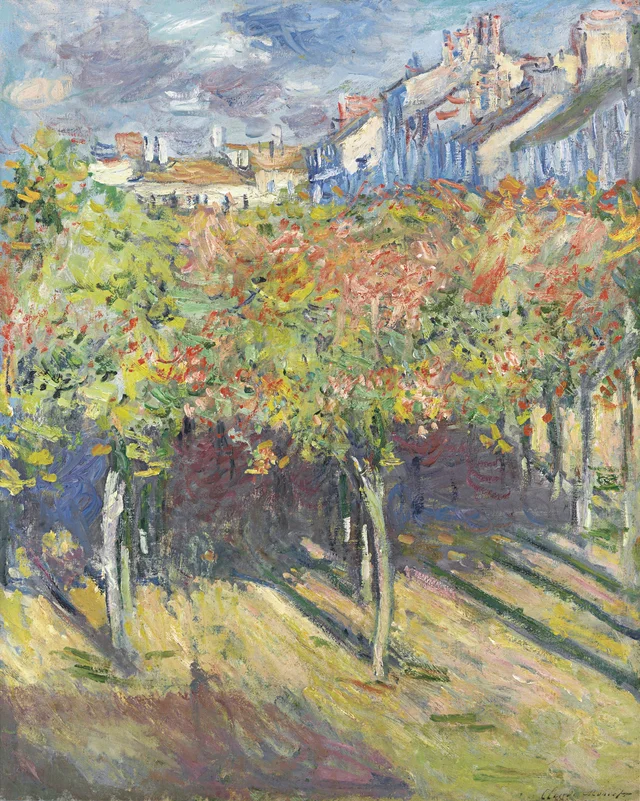 Les Tilleuls à PoissyClaude Monet, 1882
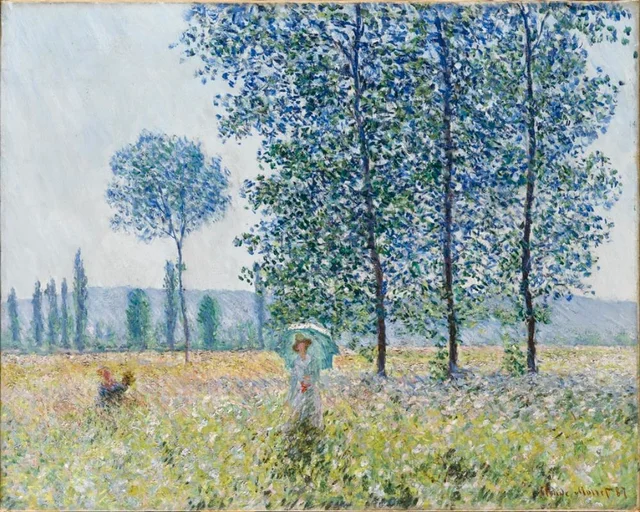 Peupliers au soleilClaude Monet, 1887
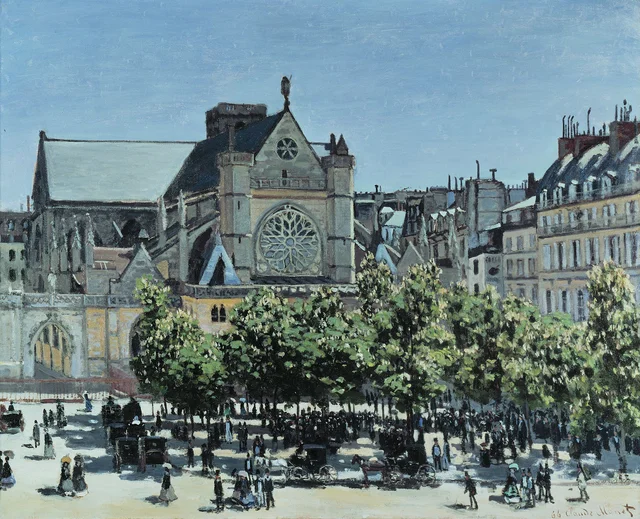 Saint-Germain-l'AuxerroisClaude Monet, 1867
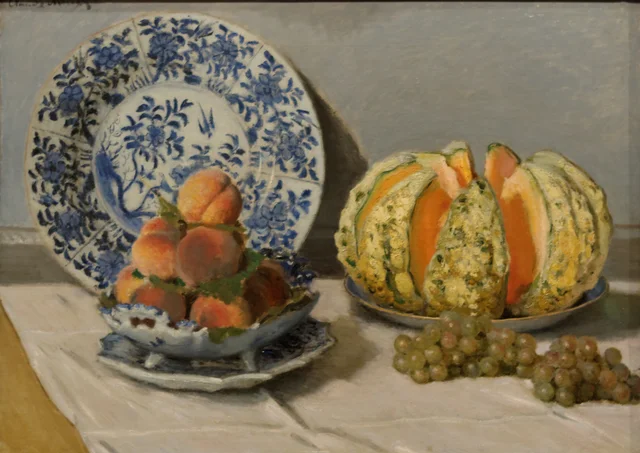 Nature morte au melonClaude Monet, 1872
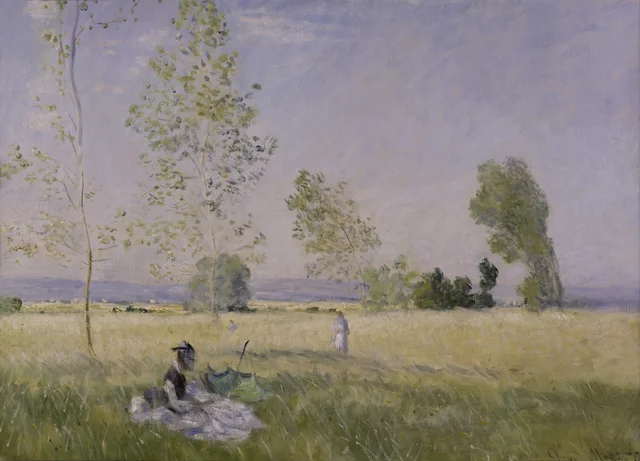 ÉtéClaude Monet, 1874
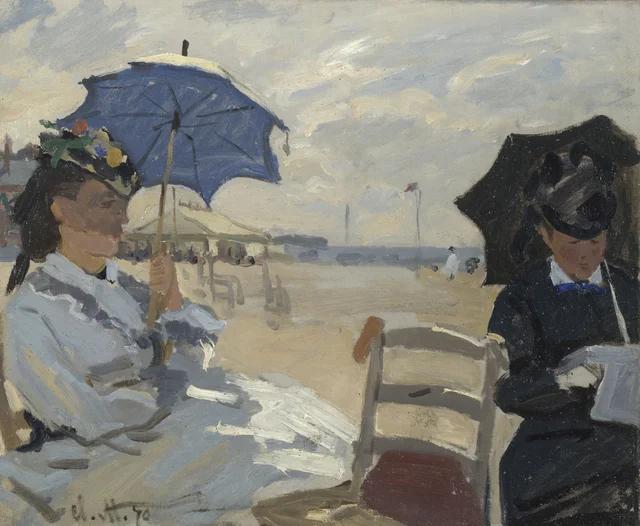 La Plage de TrouvilleClaude Monet, 1870
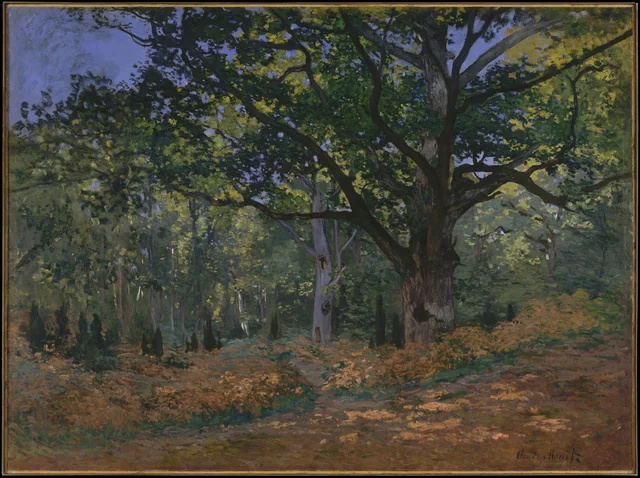 Le Chêne de Bodmer, forêt de FontainebleauClaude Monet, 1865