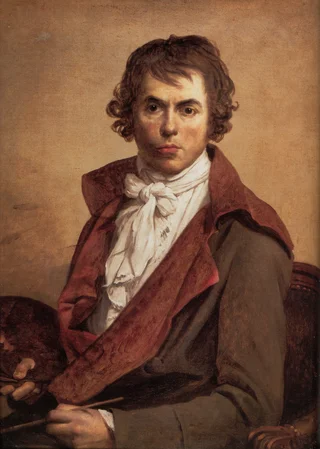
Jacques-Louis David
1748–1825 · France · Néoclassicisme
L'histoire
David fut le grand peintre de la Révolution française, et il en fut aussi un acteur actif. Élu à la Convention nationale, l'assemblée de la nouvelle république, il siégea parmi les Montagnards radicaux, participa à un comité qui envoya des hommes à la guillotine, et vota la mort du roi Louis XVI.
En juillet 1793, le journaliste Jean-Paul Marat, ami et allié politique, fut poignardé dans son bain par Charlotte Corday, une jeune femme du camp opposé. David le peignit en quelques mois, mort, affaissé dans sa baignoire dans une pièce sombre et dépouillée, l'arme du crime et une lettre tachée de sang presque seules dans le cadre. Il évacua les colonnes et l'allégorie qui accompagnaient d'ordinaire la peinture d'histoire et donna à la Révolution un martyr posé comme un Christ mort.
Quand la Terreur s'effondra, David fut emprisonné, puis se releva comme peintre officiel de Napoléon, mettant en scène le sacre de l'empereur sur une toile immense. Après la défaite finale de Napoléon en 1815, David s'exila à Bruxelles et ne revint jamais en France ; il y mourut en 1825.
Autres articles
Œuvres
82 œuvres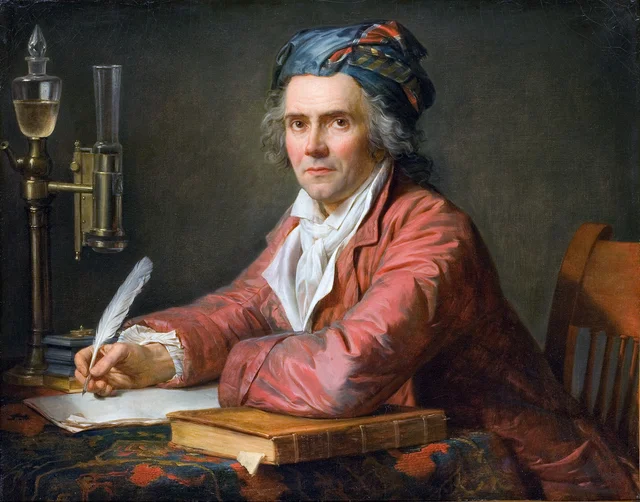 Portrait d'Alphonse LeroyJacques-Louis David, 1783
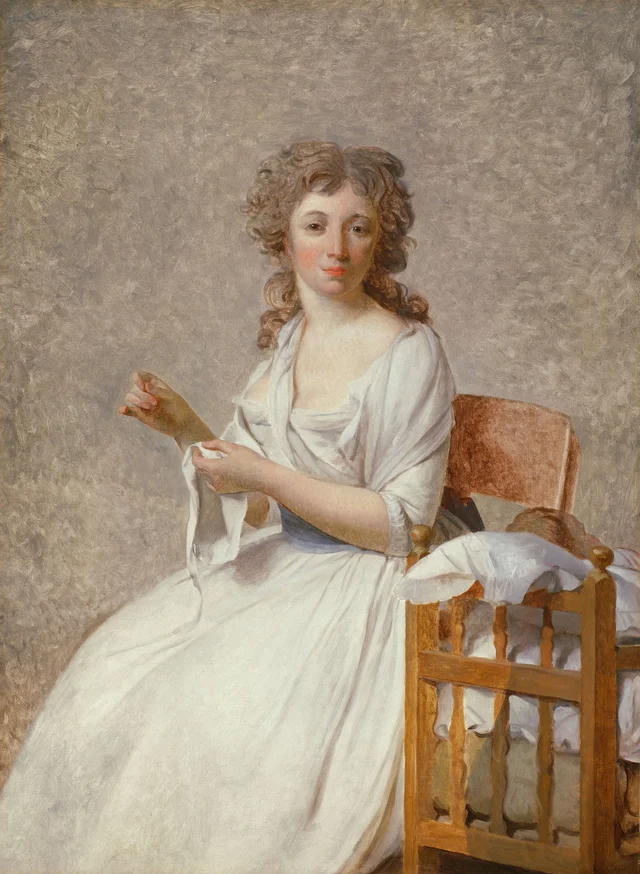 Portrait de Madame Adélaïde PastoretJacques-Louis David, 1791
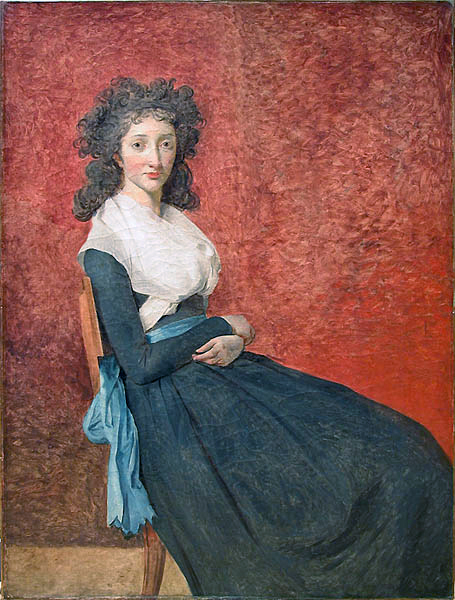 Portrait de Madame Marie-Louise TrudaineJacques-Louis David, 1794
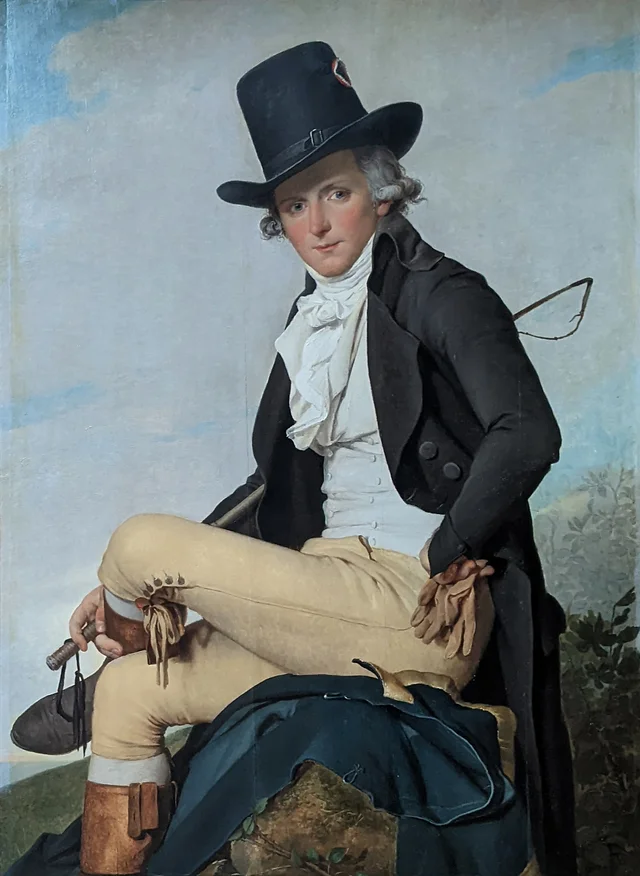 Portrait de Pierre SériziatJacques-Louis David, 1795
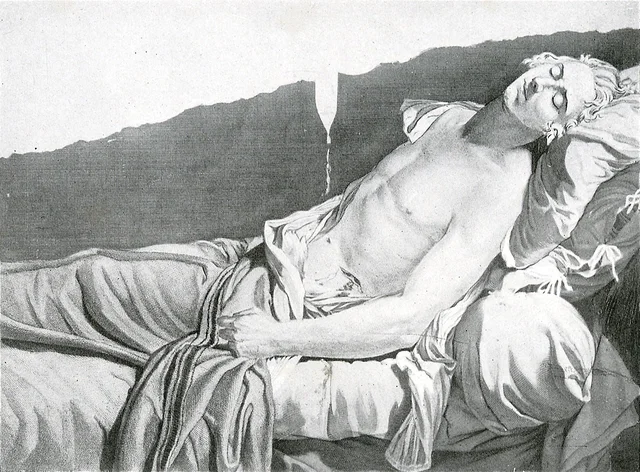 Les Derniers Moments de Michel LepeletierJacques-Louis David, 1793
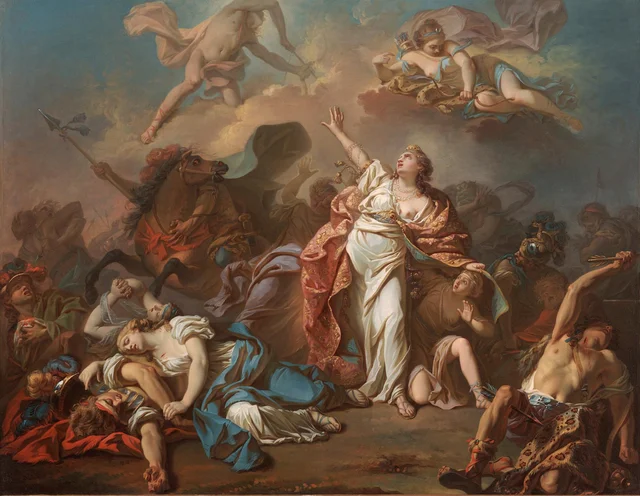 Apollon et Diane perçant de leurs flèches les enfants de NiobéJacques-Louis David, 1772
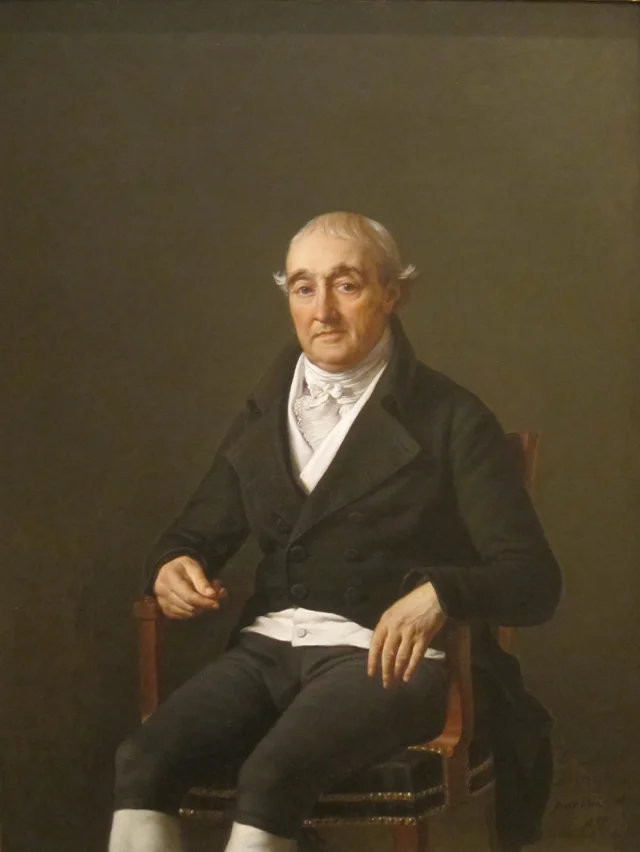 Portrait de Cooper PenroseJacques-Louis David, 1802
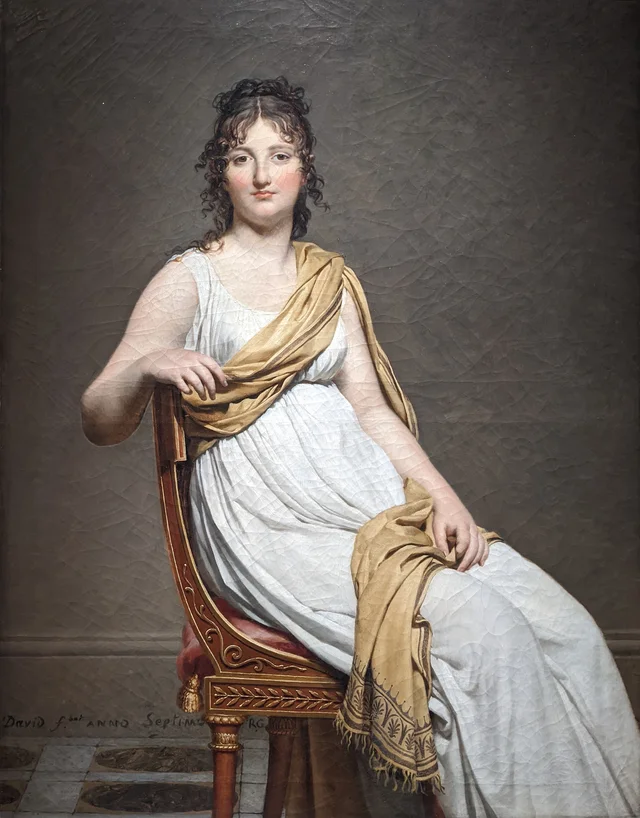 Portrait de Madame de VerninacJacques-Louis David, 1799
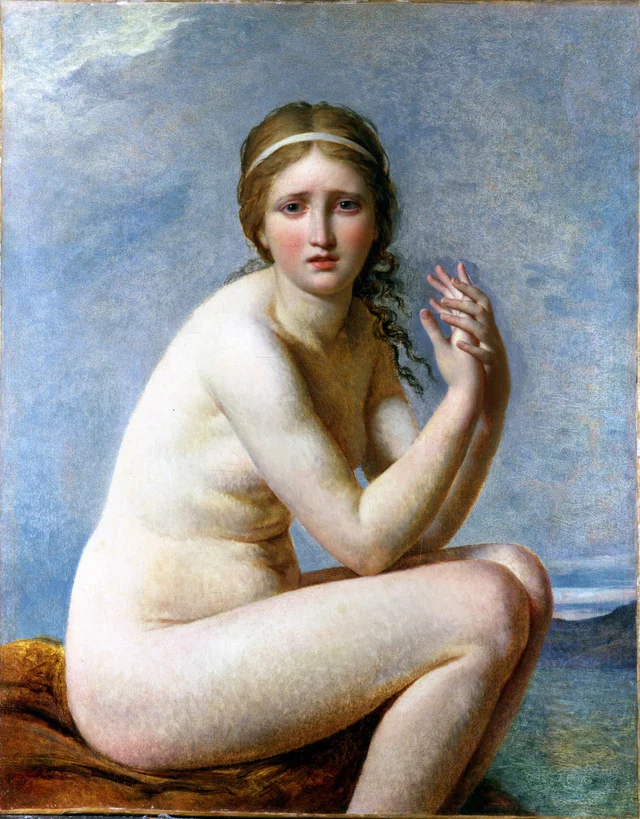 Psyché abandonnéeJacques-Louis David, 1795
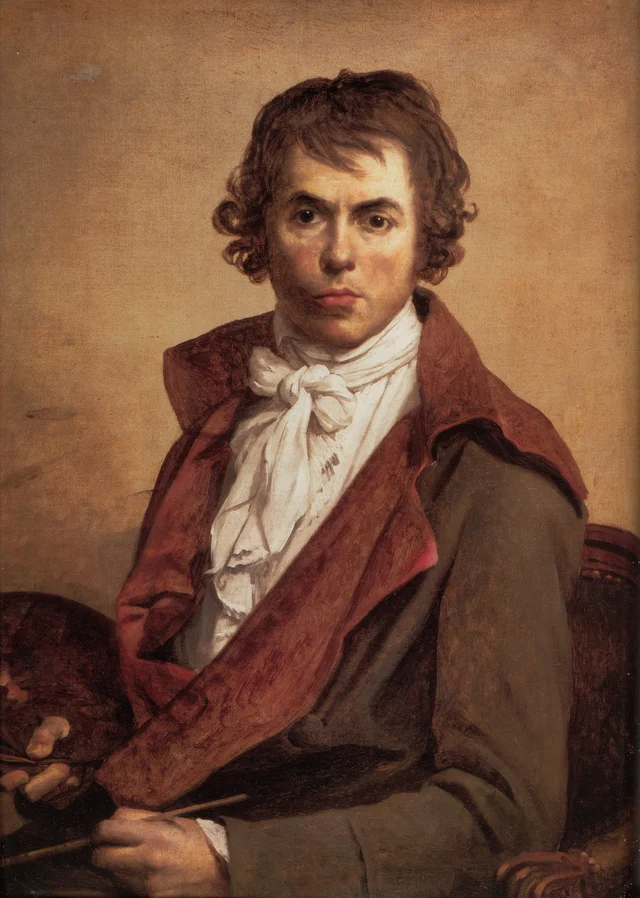 AutoportraitJacques-Louis David, 1794
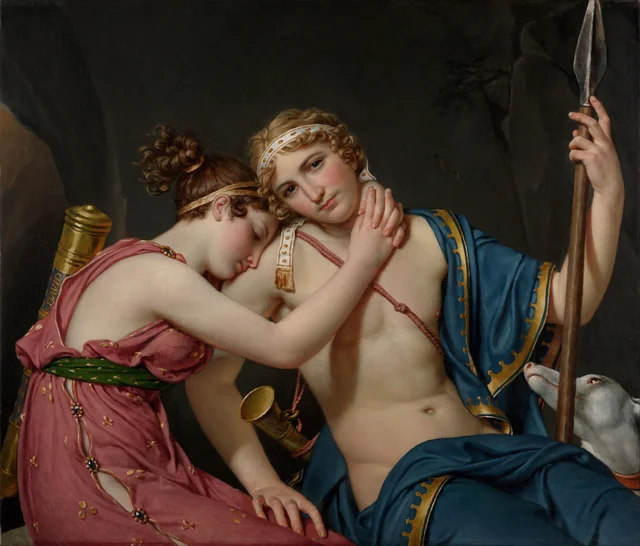 Les Adieux de Télémaque et EucharisJacques-Louis David, 1818
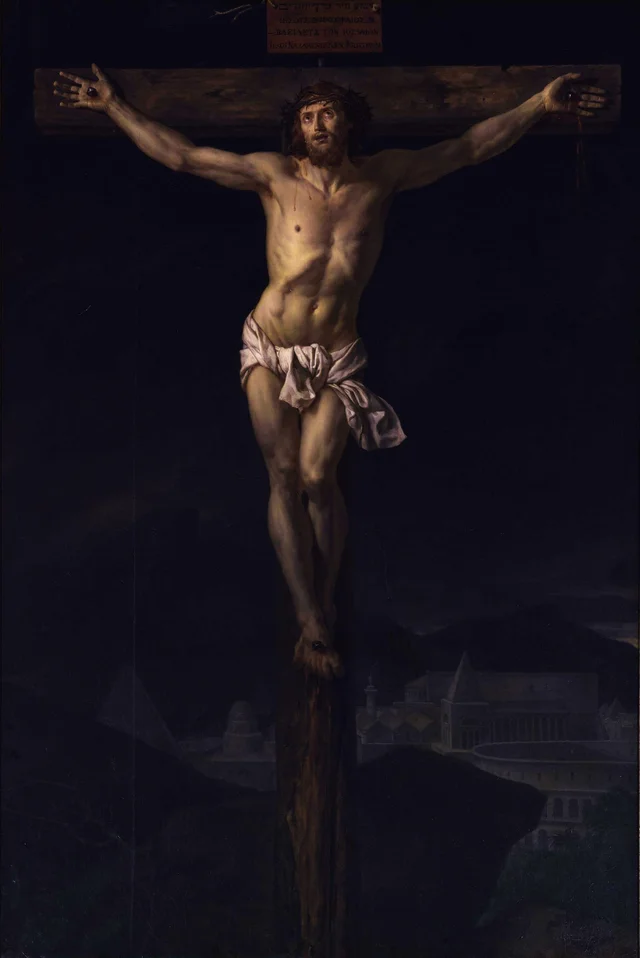 Le Christ en croixJacques-Louis David, 1782
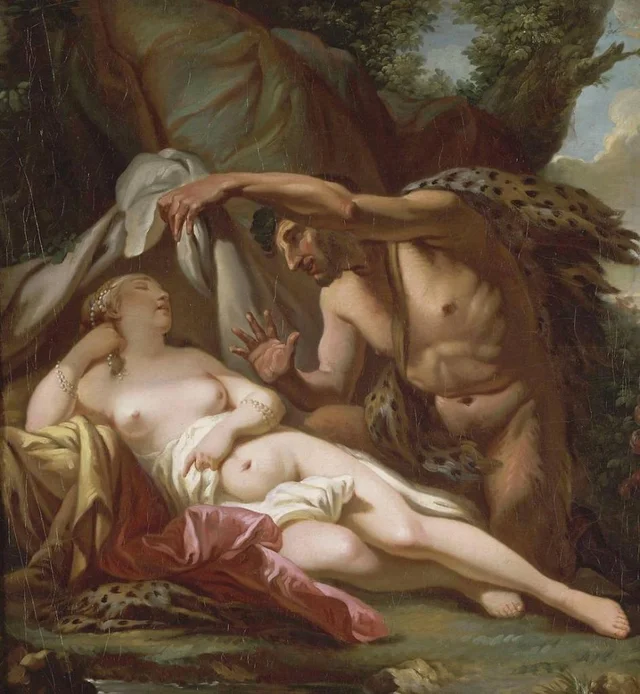 Jupiter et AntiopeJacques-Louis David, 1771
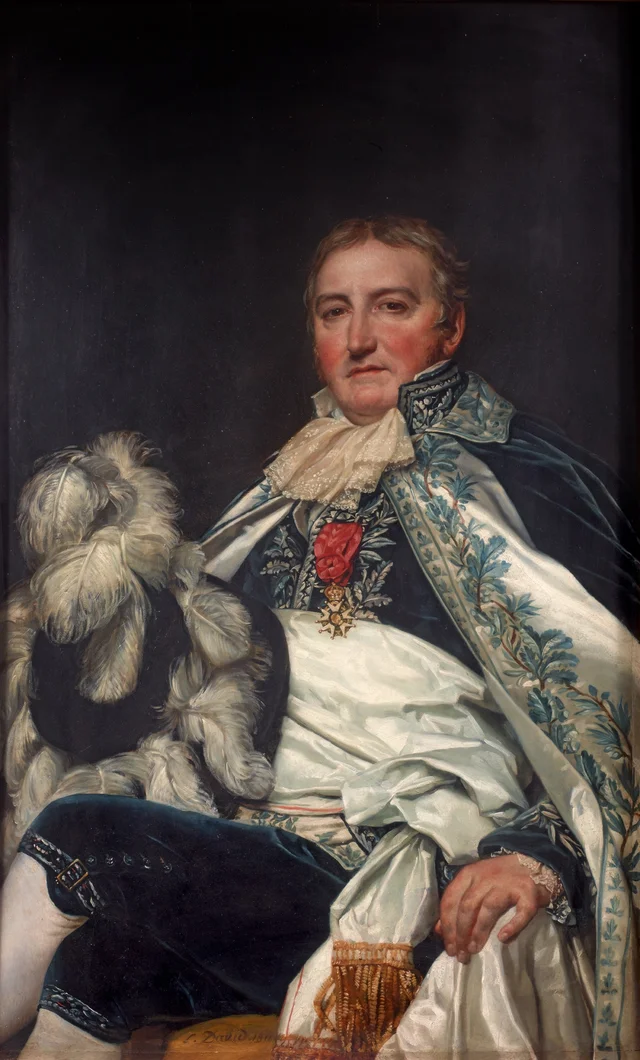 Portrait du comte Antoine Français de NantesJacques-Louis David, 1811
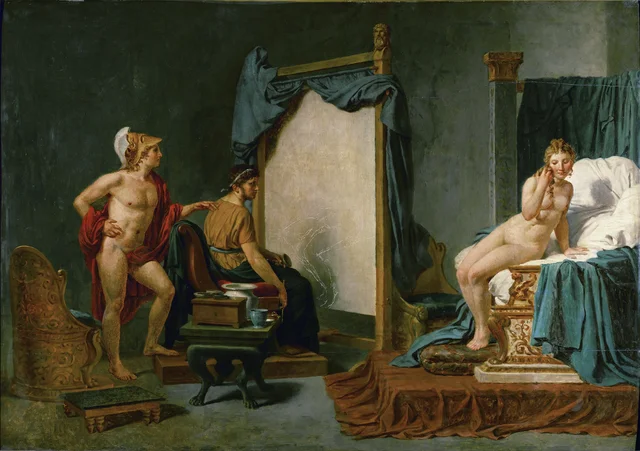 Apelle peignant Campaspe en présence d'Alexandre le GrandJacques-Louis David, 1814
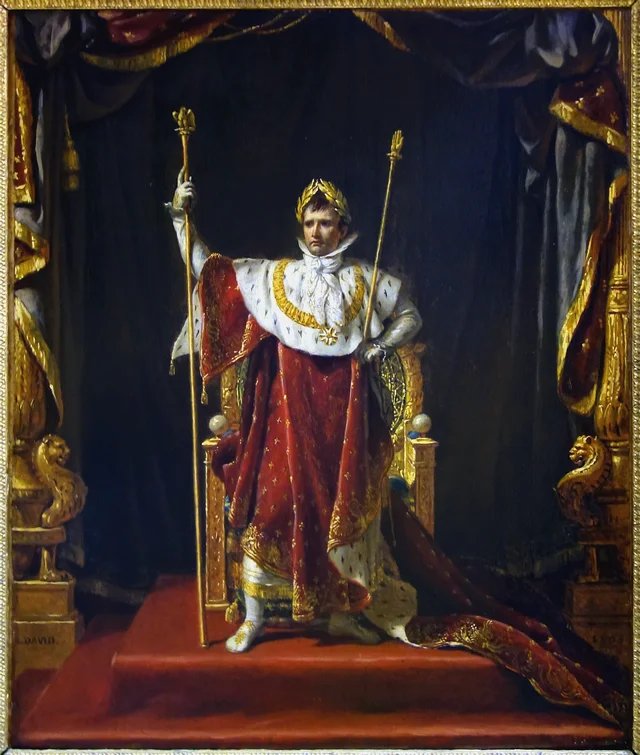 Napoléon en costume impérialJacques-Louis David, 1805
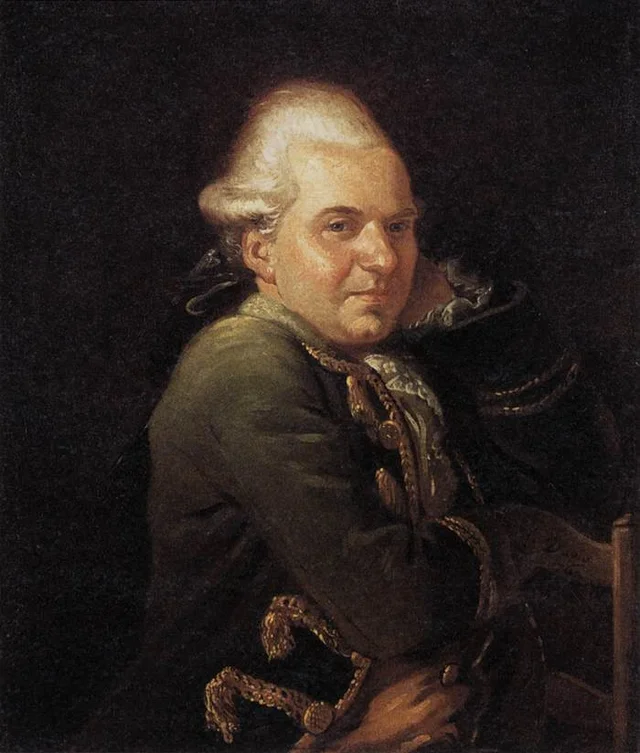 Portrait de François BuronJacques-Louis David, 1769
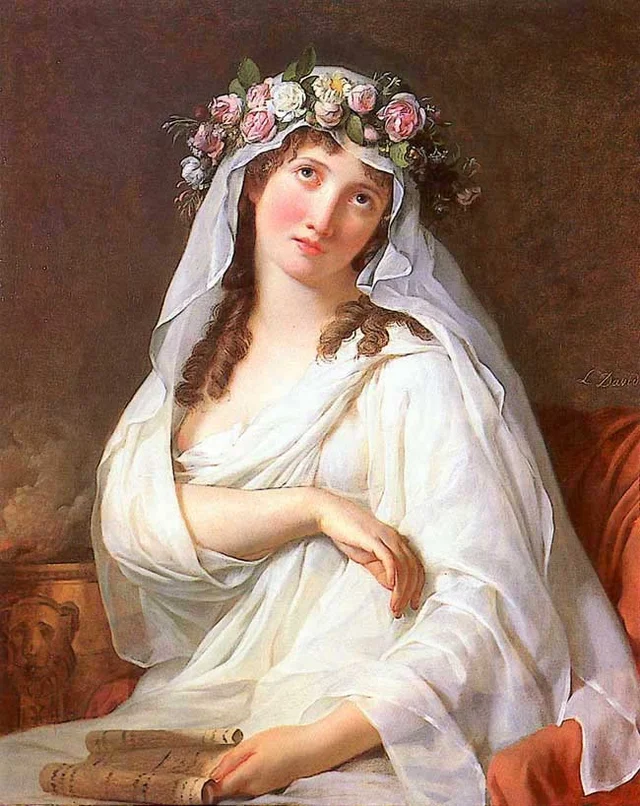 La VestaleJacques-Louis David, 1783
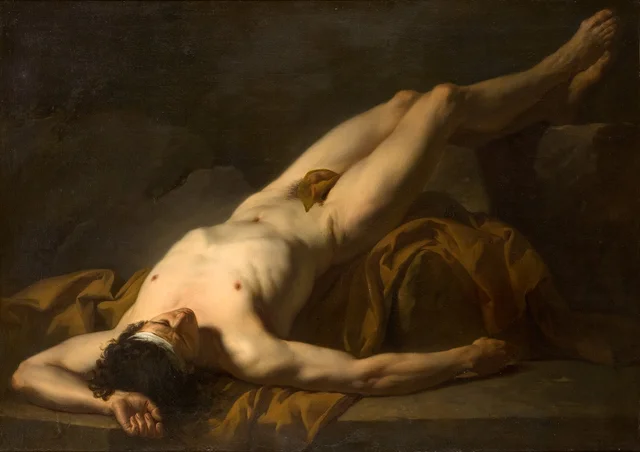 Académie d'homme, dit HectorJacques-Louis David, 1778
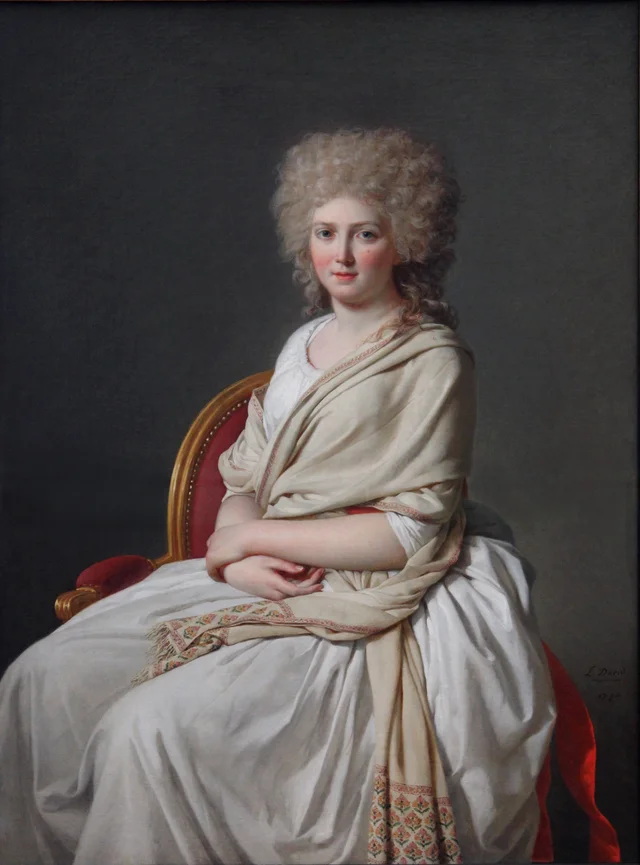 Anne-Marie-Louise Thélusson, comtesse de SorcyJacques-Louis David, 1790
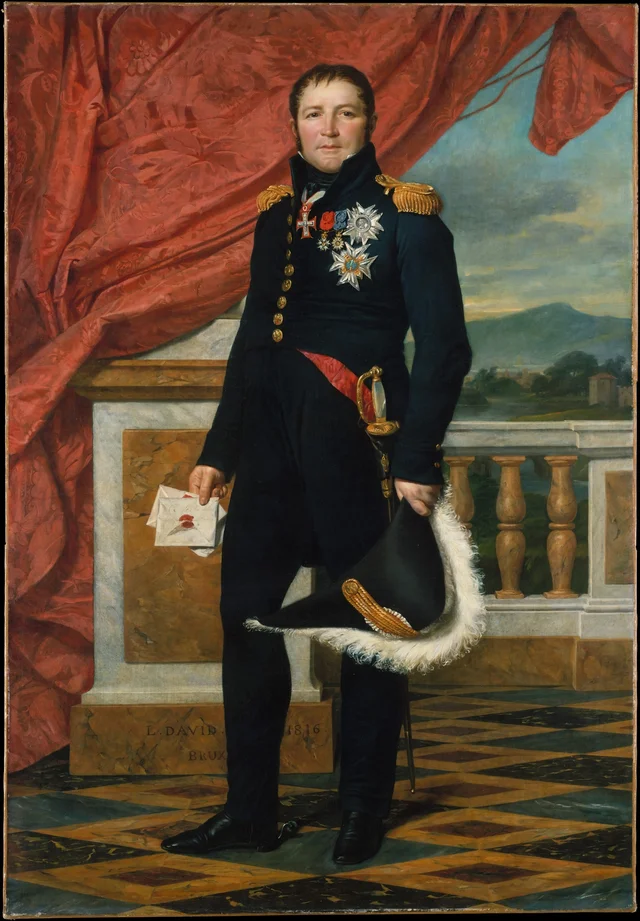 Général Étienne-Maurice Gérard (1773-1852), maréchal de FranceJacques-Louis David, 1816
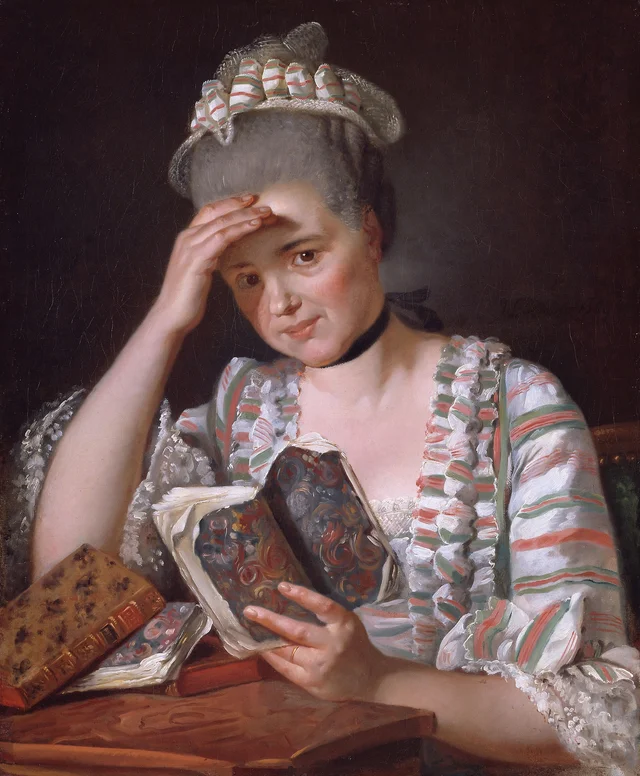 Madame François BuronJacques-Louis David, 1769
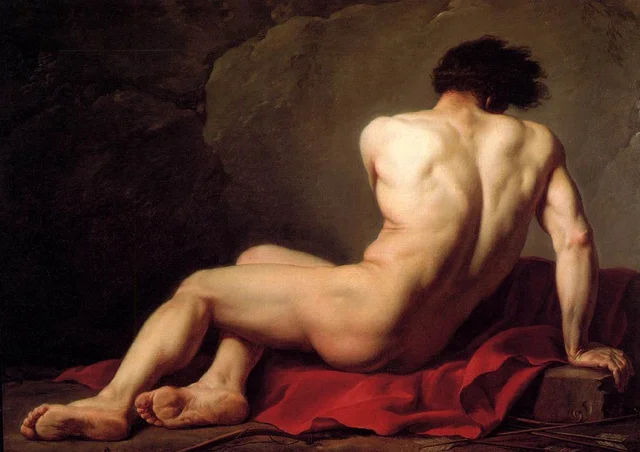 PatrocleJacques-Louis David, 1780
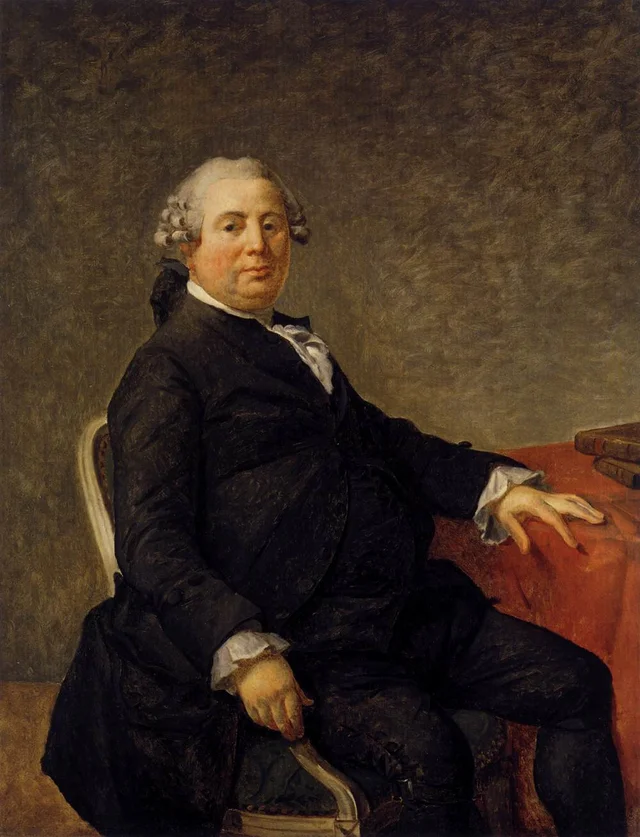 Philippe-Laurent de JoubertJacques-Louis David, 1790
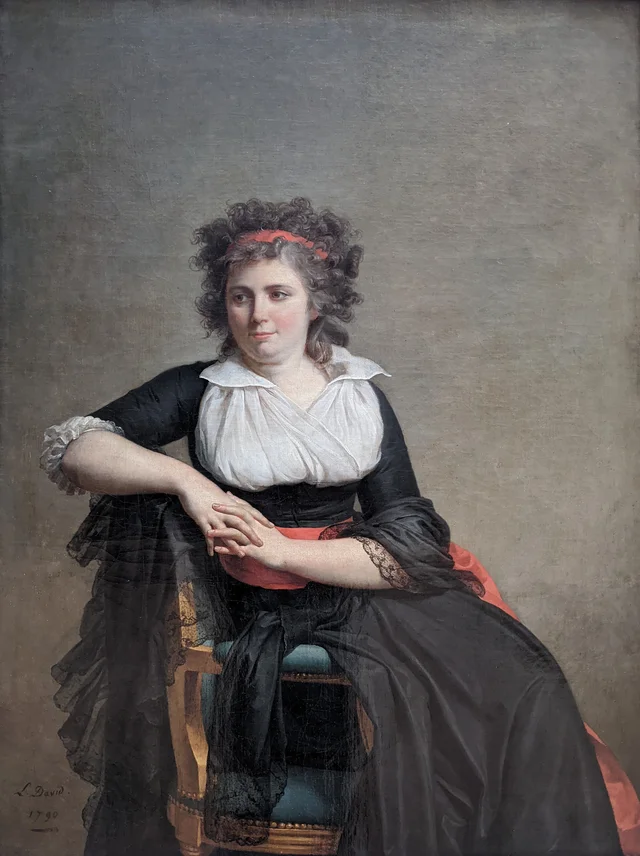 Portrait de la marquise d'OrvilliersJacques-Louis David, 1790