
L'histoire
Au printemps de 1945, la Gemäldegalerie perdit environ 400 de ses tableaux en quelques jours. Les plus grandes toiles, trop vastes pour descendre dans les puits de mine où le reste de la collection avait été caché, avaient été laissées dans une énorme tour de défense antiaérienne du parc de Friedrichshain, à Berlin. Après la fin des combats, deux incendies se déclarèrent dans la tour, on ne sait trop comment, et dix Rubens, plusieurs Caravage et des œuvres de Véronèse et de Van Dyck disparurent. Ce qui subsiste d'eux est une série de photographies en noir et blanc prises dans les années 1920, quand un photographe du musée avait été chargé de reproduire chaque tableau des murs.
Les tableaux épargnés sont la raison pour laquelle la galerie compte encore parmi les grandes collections d'art européen, du XIIIe au XVIIIe siècle environ. Elle se trouve aujourd'hui au Kulturforum, un ensemble de bâtiments modernistes près de l'ancien tracé du mur de Berlin, ses fonds reconstitués et réunis après que la ville elle-même eut été divisée puis rejointe.
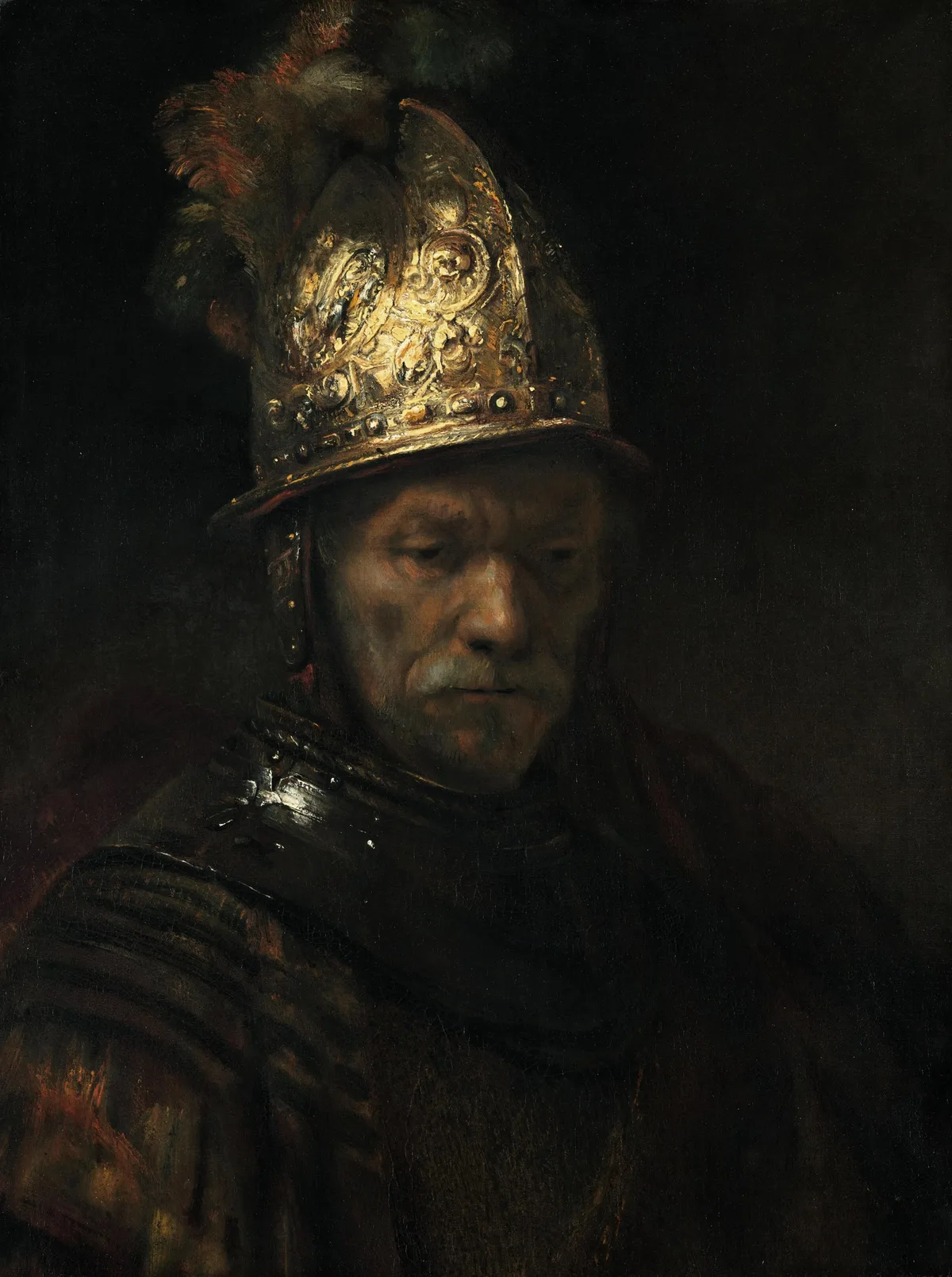
Les salles abritent des Rembrandt par douzaines et La Femme au collier de perles de Vermeer, saisie dans la lumière d'une fenêtre. Il y a aussi le fameux Homme au casque d'or, le casque étincelant d'un soldat émergeant de l'ombre, admiré des générations durant comme un Rembrandt jusqu'à ce qu'un examen attentif, dans les années 1980, le réattribue à un peintre de son entourage. Le musée l'a gardé au mur sous son ancien surnom.
Autres articles
Collection
169 œuvres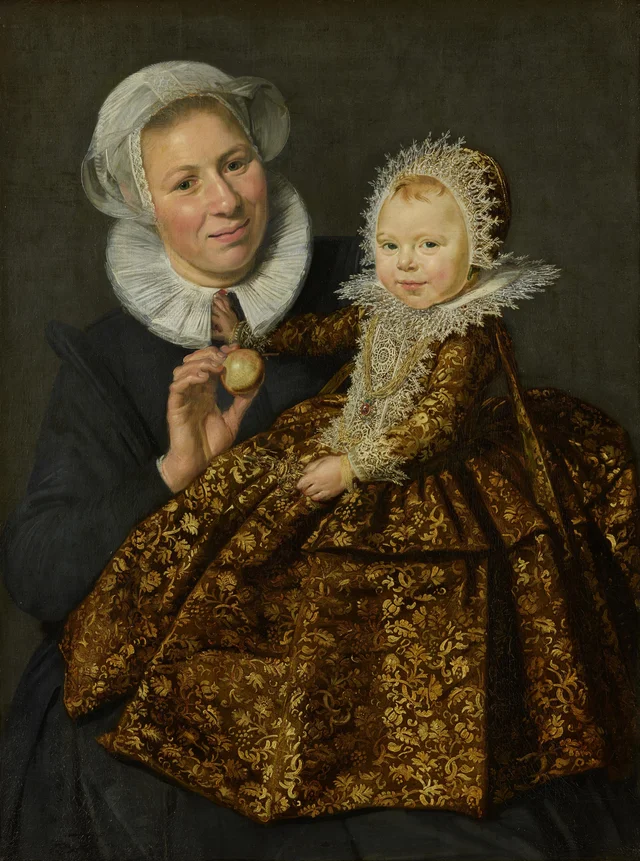 Catharina Hooft et sa nourriceFrans Hals, 1620
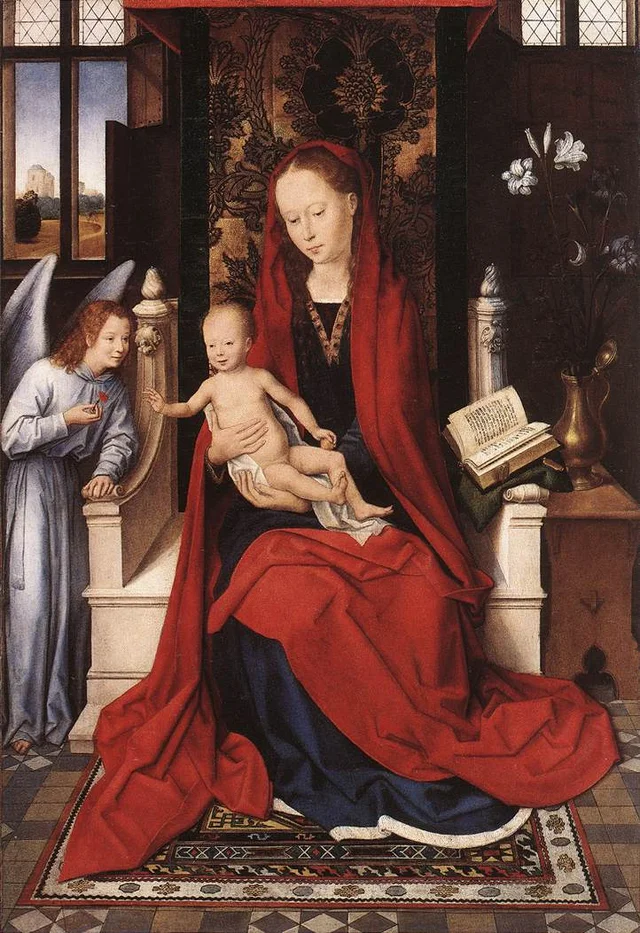 Vierge en majesté à l'Enfant avec un angeHans Memling, 1485
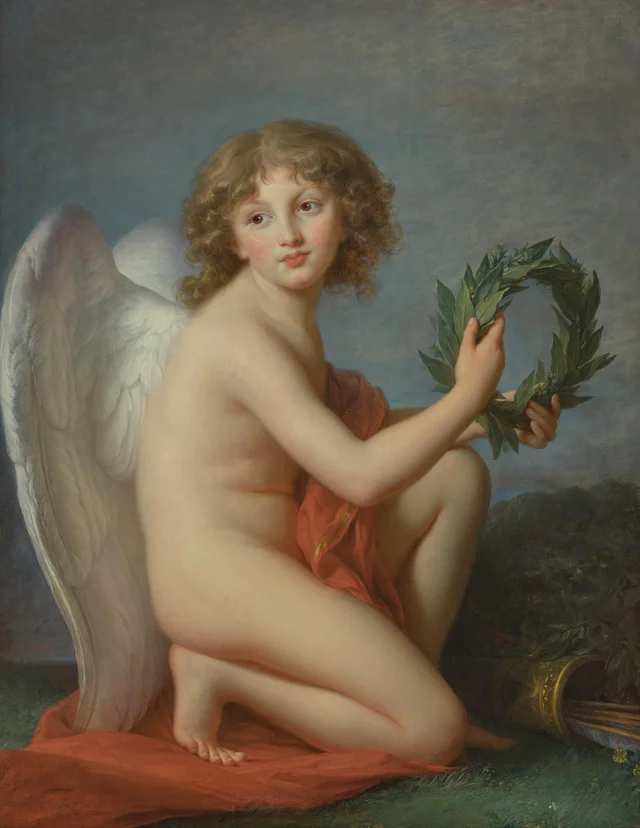 Henri Lubomirski en Génie de la RenomméeÉlisabeth Louise Vigée Le Brun, 1787
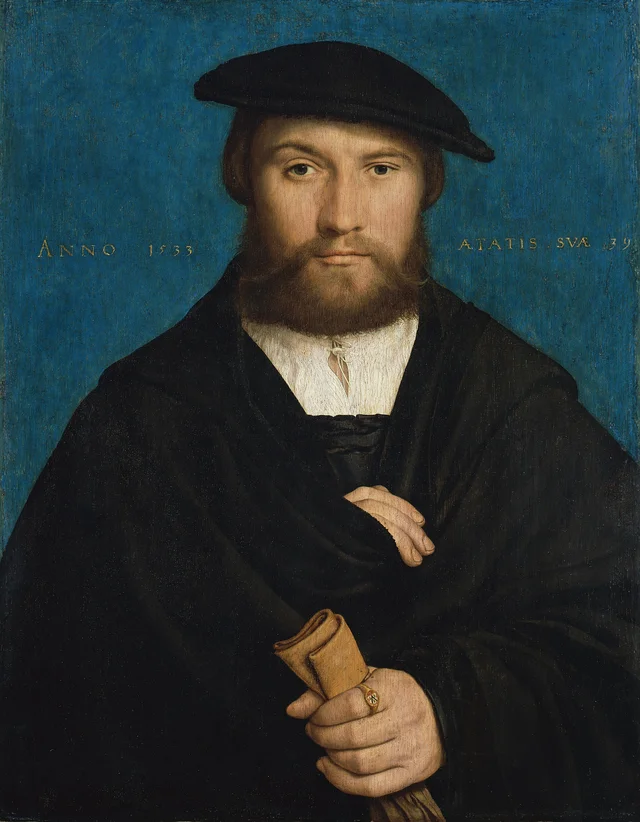 Hermann Hillebrandt de WedighHans Holbein le Jeune, 1533
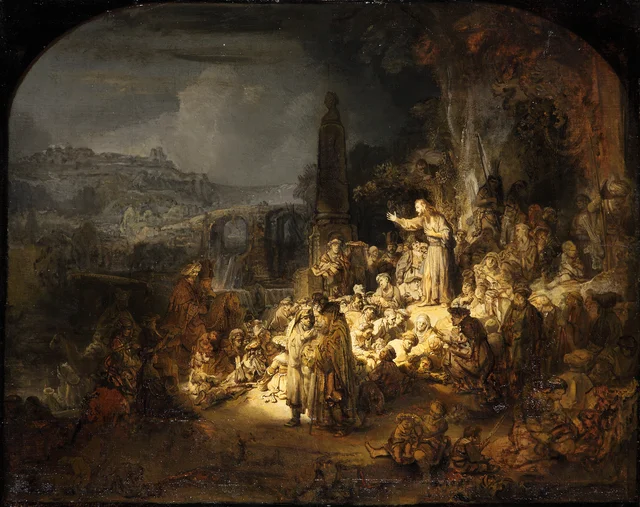 La Prédication de saint Jean-BaptisteRembrandt, 1634
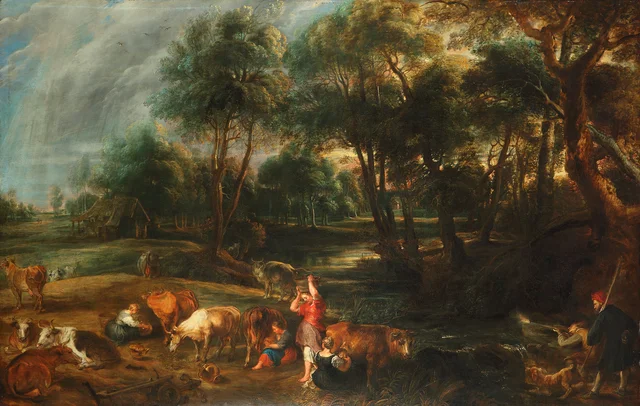 Paysage aux vaches et aux chasseurs d'oiseauxPierre Paul Rubens, 1636
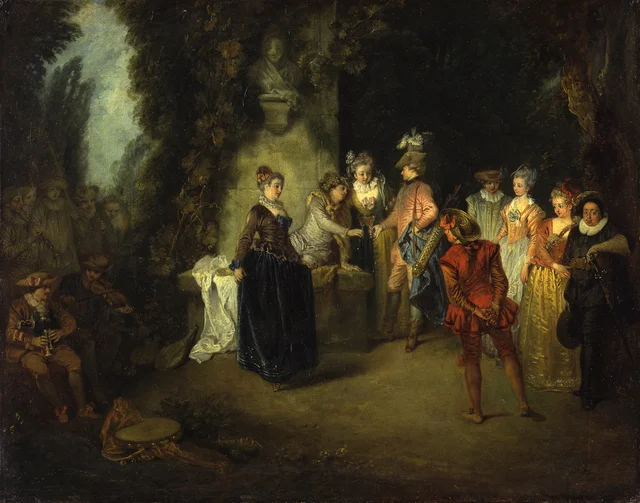 L'Amour au Théâtre-FrançaisJean-Antoine Watteau, 1716
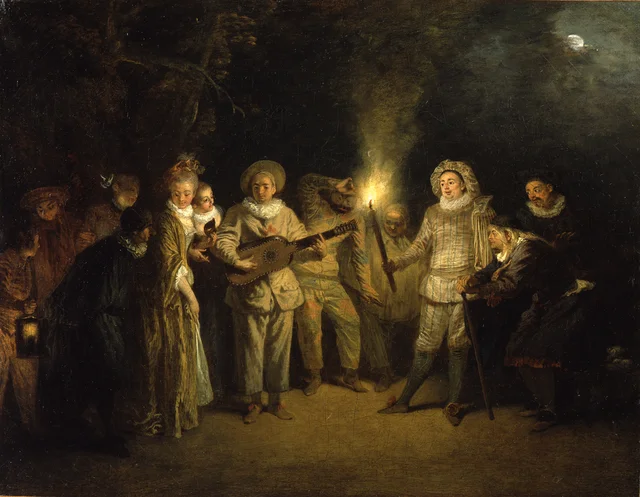 L'Amour au Théâtre-ItalienJean-Antoine Watteau, 1716
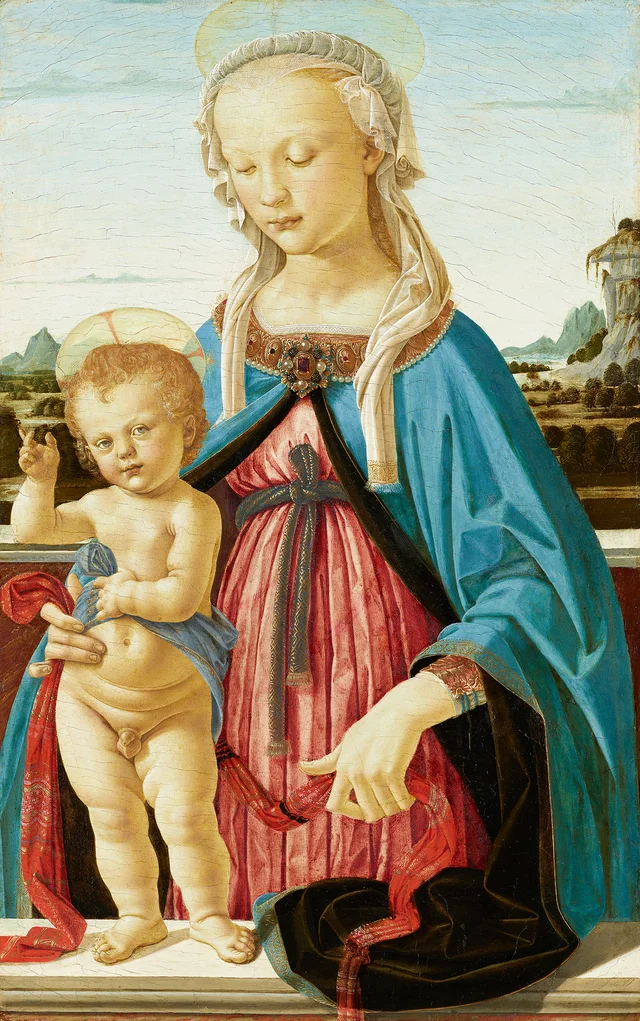 Vierge à l'EnfantAndrea del Verrocchio, 1473
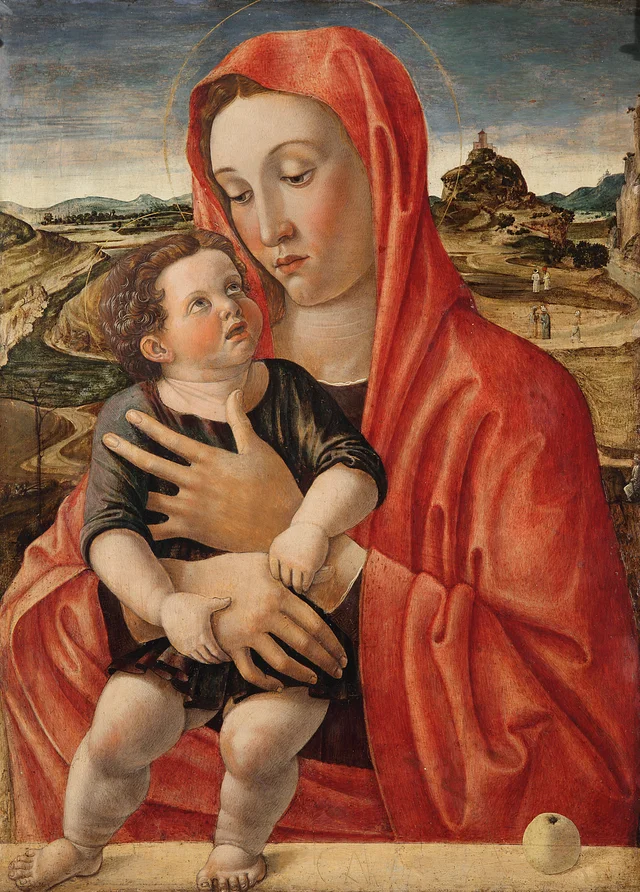 Vierge à l'EnfantGiovanni Bellini, 1460
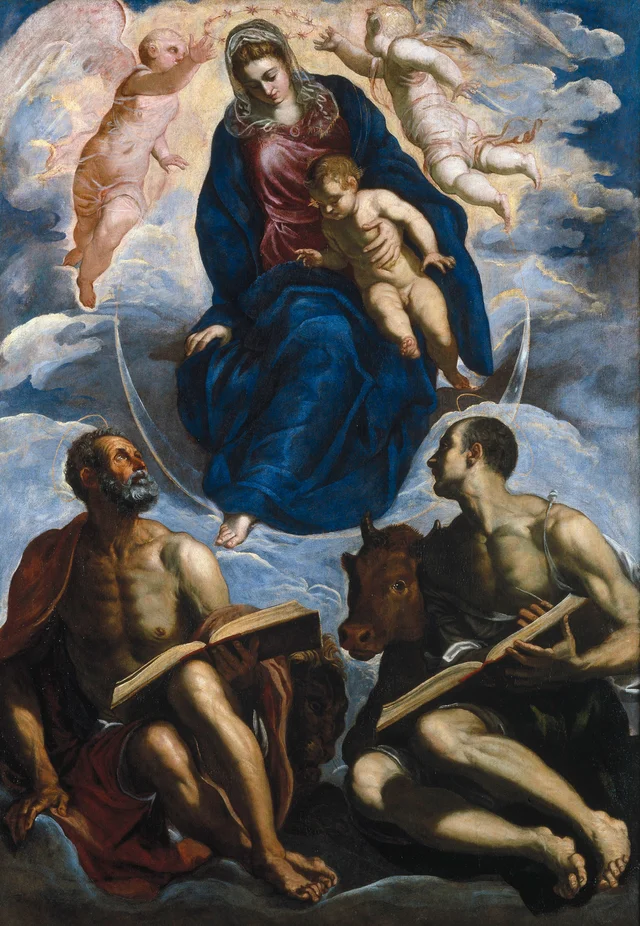 La Vierge à l'Enfant vénérée par saint Marc et saint LucJacopo Tintoretto, 1565
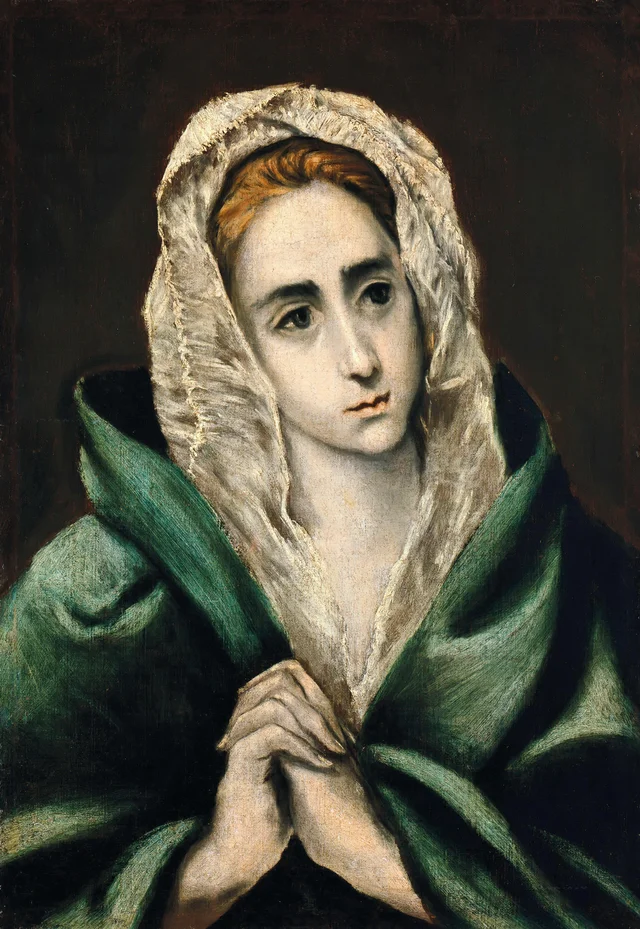 Mater DolorosaEl Greco, 1580
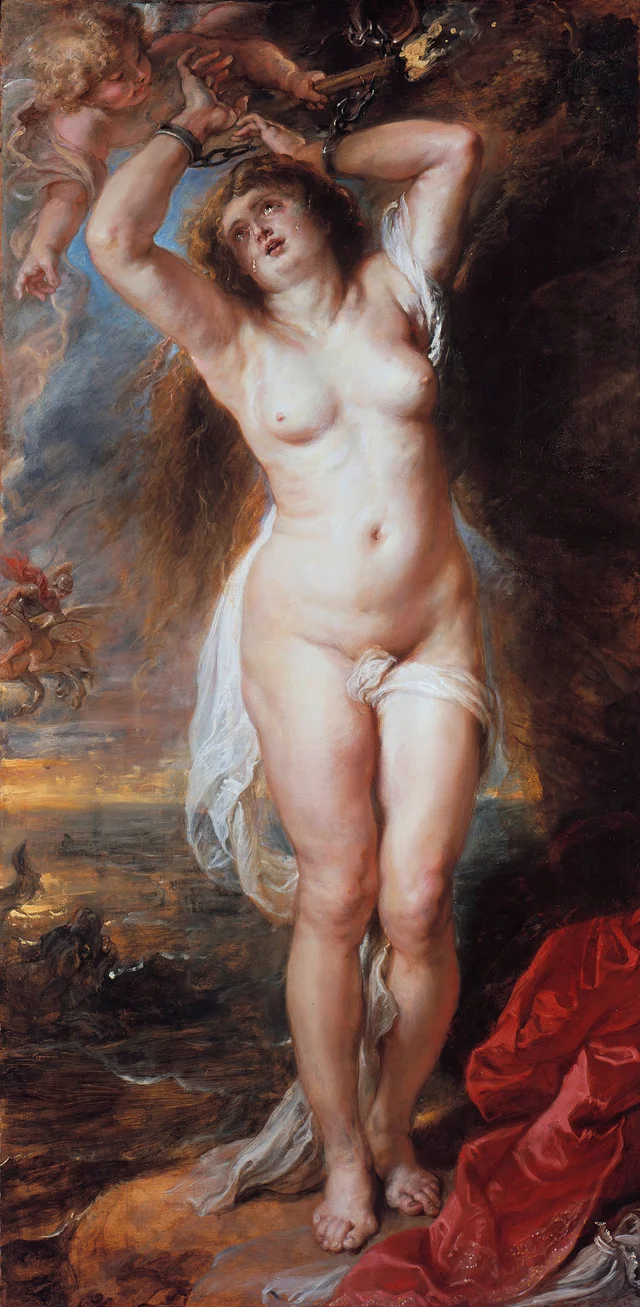 Persée délivrant AndromèdePierre Paul Rubens, 1638
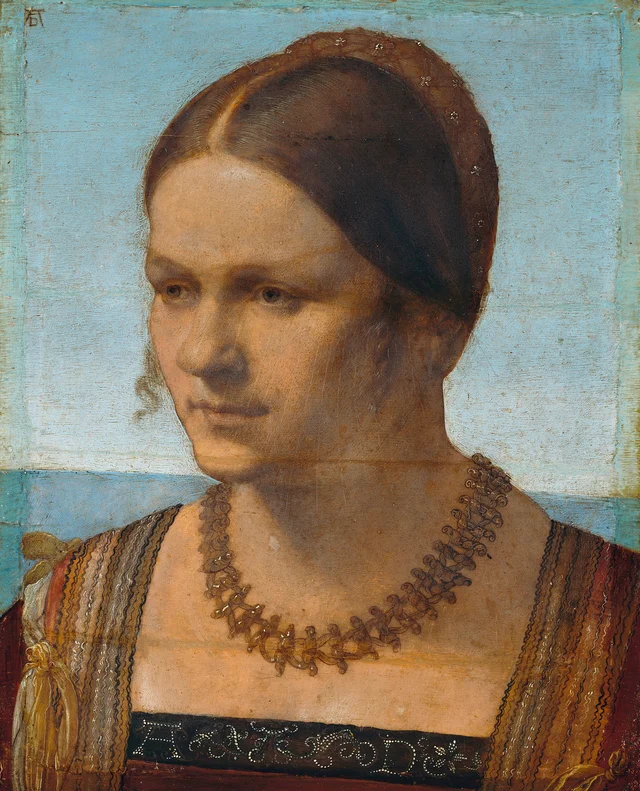 Portrait d'une jeune VénitienneAlbrecht Dürer, 1506
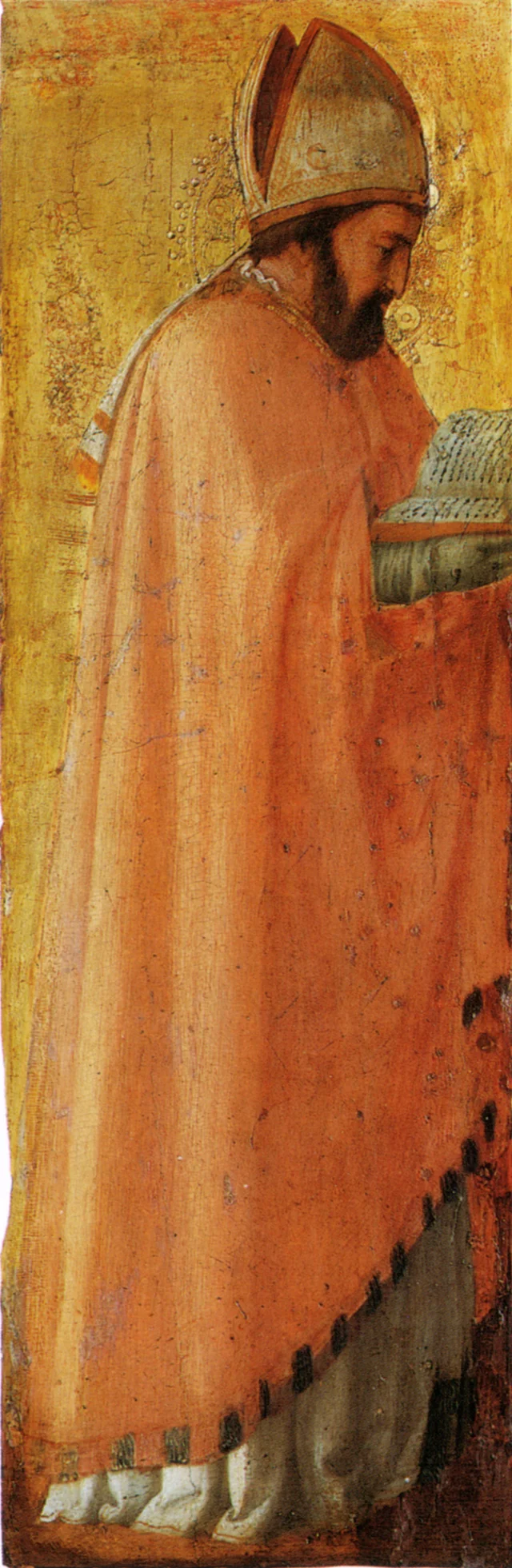 Saint AugustinMasaccio, 1426
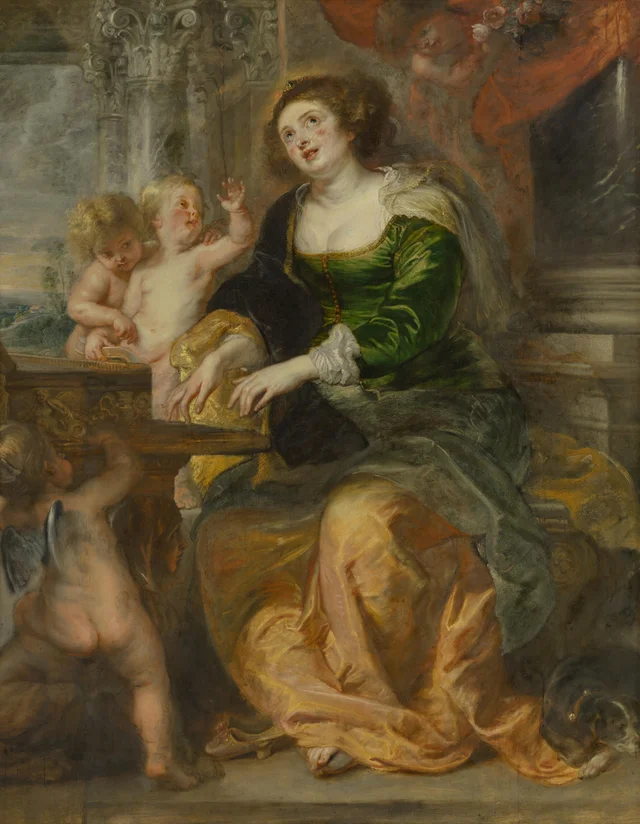 Sainte Cécile jouant du virginalPierre Paul Rubens, 1640
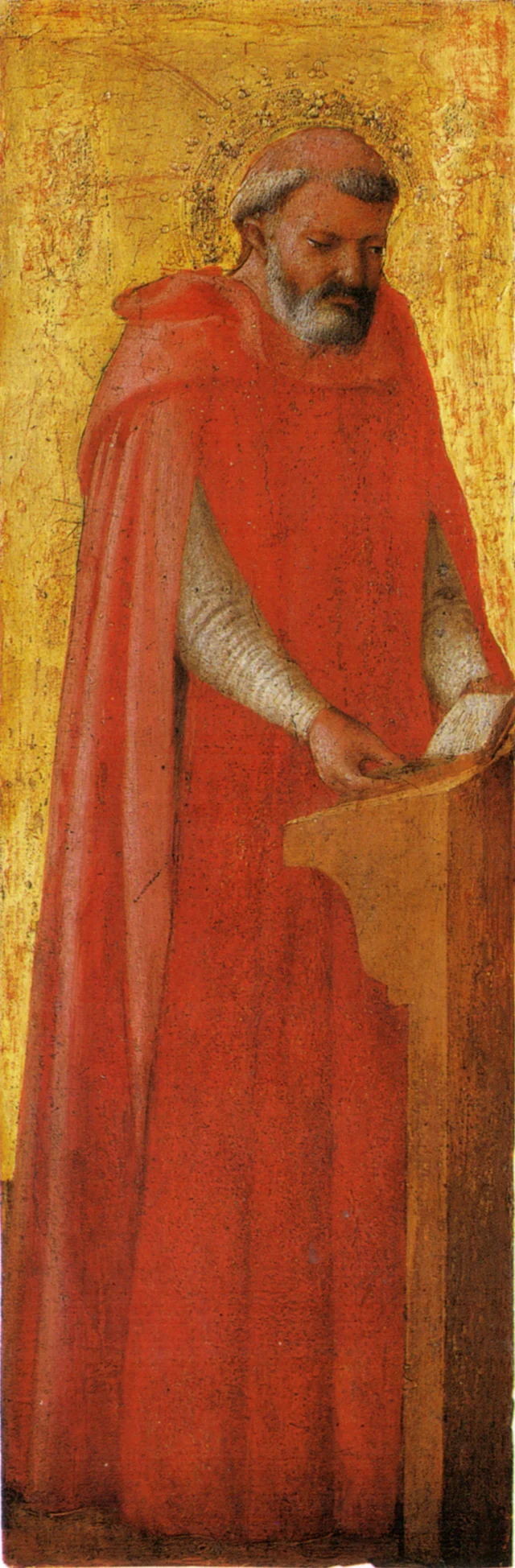 Saint JérômeMasaccio, 1426
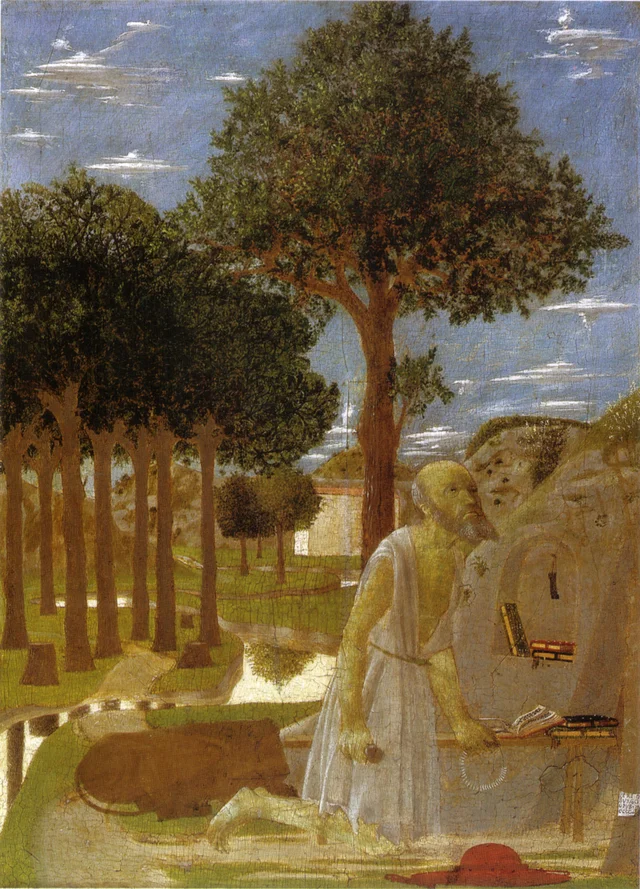 Saint Jérôme pénitentPiero della Francesca, 1450
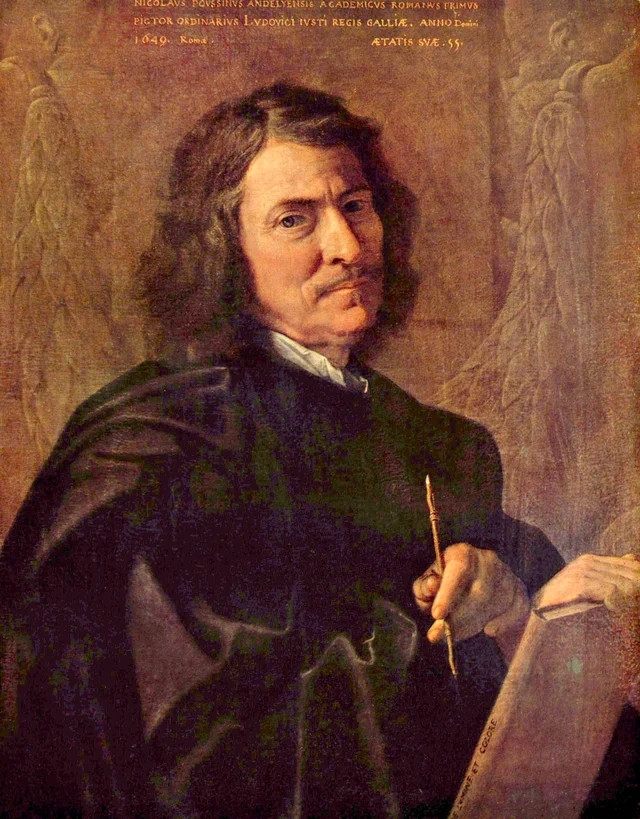 AutoportraitNicolas Poussin, 1649
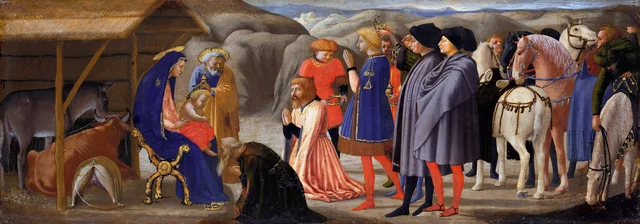 L'Adoration des MagesMasaccio, 1426
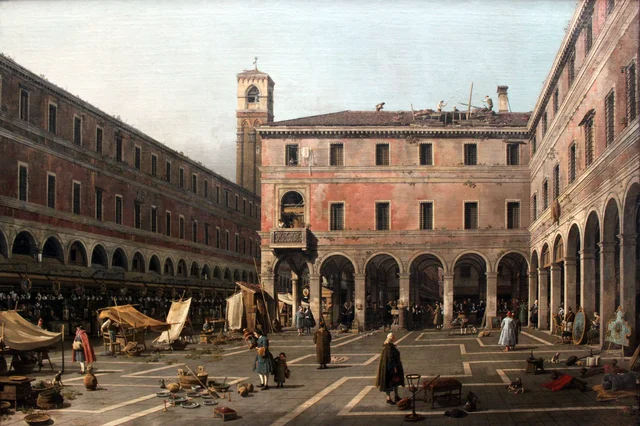 Le Campo di RialtoCanaletto, 1758
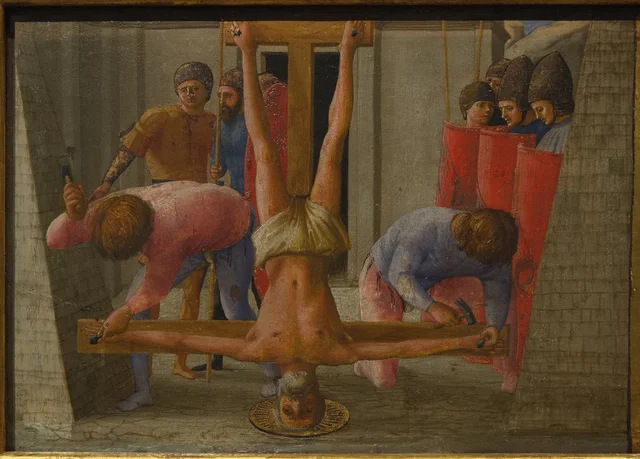 La Crucifixion de saint PierreMasaccio, 1426
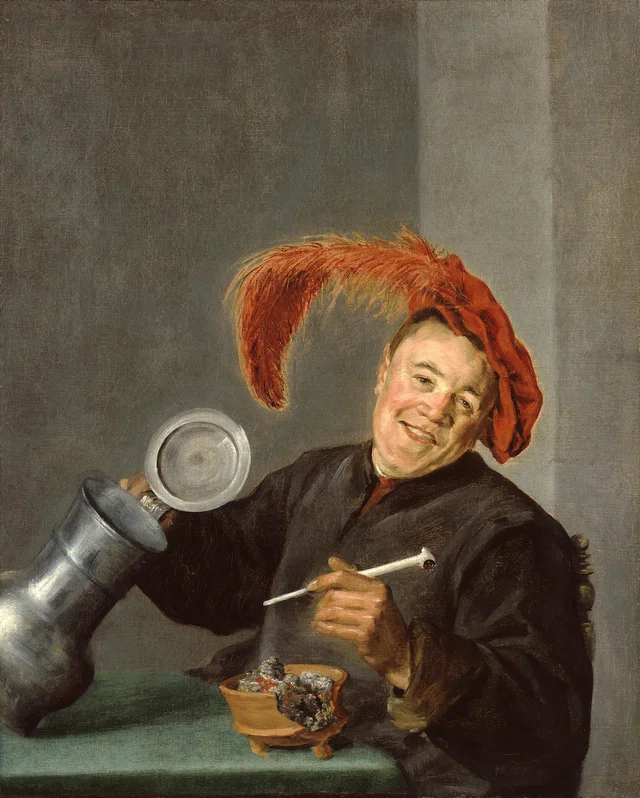 Le Joyeux BuveurJudith Leyster, 1629
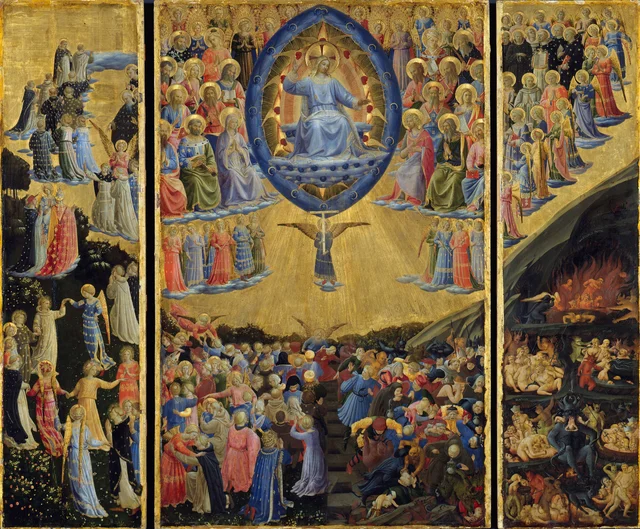 Triptyque : Le Jugement dernierFra Angelico, 1450
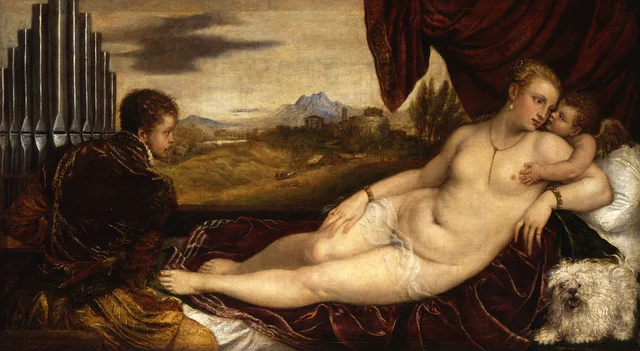 Vénus et l'organisteTitien, 1550