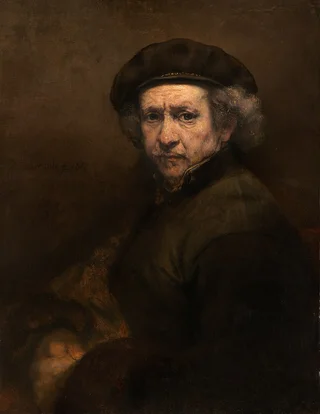
Rembrandt
1606–1669 · Provinces-Unies · Peinture du siècle d'or néerlandais
L'histoire
Dans les années 1630, Rembrandt était le portraitiste le plus recherché d'Amsterdam, ville alors gonflée par l'argent des navires hollandais qui atteignaient jusqu'au Japon. Il fait un bon mariage, avec Saskia, fille d'une famille bien introduite, achète une grande maison dans une rue à la mode, et la remplit d'objets — tableaux, armes, coquillages exotiques, armures — tout ce qu'il pensait pouvoir un jour peindre. Il achetait aux enchères comme d'autres buvaient.
Puis la marée se retira. Saskia meurt jeune, en 1642, l'année même où il achève l'immense portrait de milice aujourd'hui appelé La Ronde de nuit. La mode du portrait évoluait vers plus de lissé et de lumière que ses bruns profonds et ses ombres épaisses. Les commandes se raréfient. Ses dépenses, non. En 1656, il est insolvable, et plutôt que d'affronter la prison pour dettes, il remet ses biens à la ville pour qu'ils soient vendus au profit de ses créanciers. L'inventaire dressé cette année-là recense les coquillages, les armures, et plus de 60 de ses propres tableaux. En deux ans, la grande maison disparaît aussi, vendue aux enchères, et il s'installe avec ce qui reste de son ménage dans des pièces plus modestes.
Rien de tout cela n'a terni l'œuvre ; si quelque chose, c'est l'inverse qui se produisit. Libéré du portrait mondain et léché, il peint d'une main plus rude, plus épaisse, chargeant la lumière sur un front ou une manche et laissant le reste sombrer dans l'obscurité. Il n'a cessé de tourner le miroir vers lui-même, et laisse au fil de sa vie une bonne quatre-vingtaine d'autoportraits, les derniers sans complaisance, le visage d'un homme qui a presque tout perdu et continue de le regarder en face. Il meurt en 1669, et dans l'un de ses tout derniers autoportraits, il se peint riant, sous les traits d'un peintre grec antique, pinceau à la main, à une plaisanterie que le tableau n'explique jamais.
Autres articles
 Article · 48 min de lectureLe Mauritshuis à La Haye : 20 tableaux et comment ils y sont entrés
 Article · 42 min de lectureLa National Gallery of Art de Washington : vingt tableaux venus de mains privées
 Article · 46 min de lectureQue voir au Louvre : 25 œuvres majeures
 Article · 33 min de lectureQue voir au Met : 15 œuvres à ne pas manquer
 Article · 45 min de lectureLe musée Thyssen-Bornemisza : vingt tableaux achetés par un père et son fils
 Article · 62 min de lectureLe Rijksmuseum d'Amsterdam : 25 œuvres et leurs propriétaires
Œuvres
307 œuvres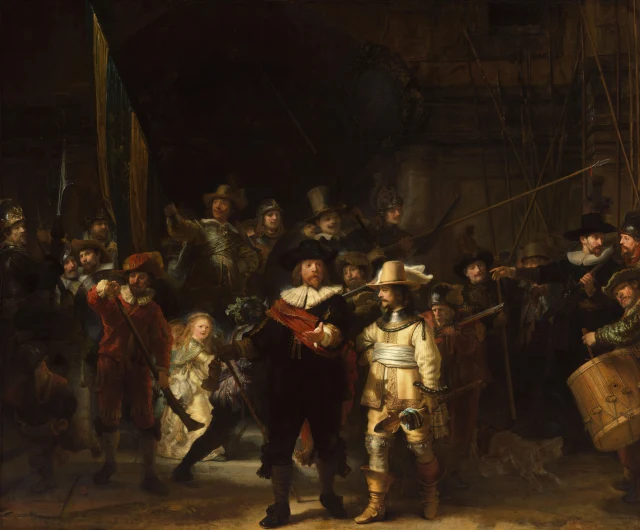 La Ronde de nuitRembrandt, 1642
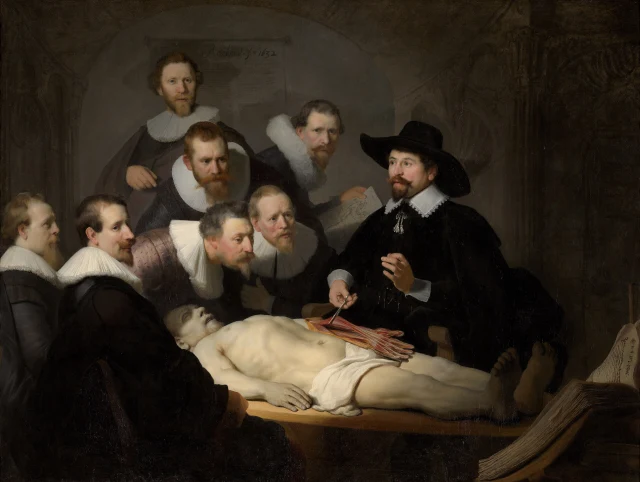 La Leçon d'anatomie du docteur Nicolaes TulpRembrandt, 1632
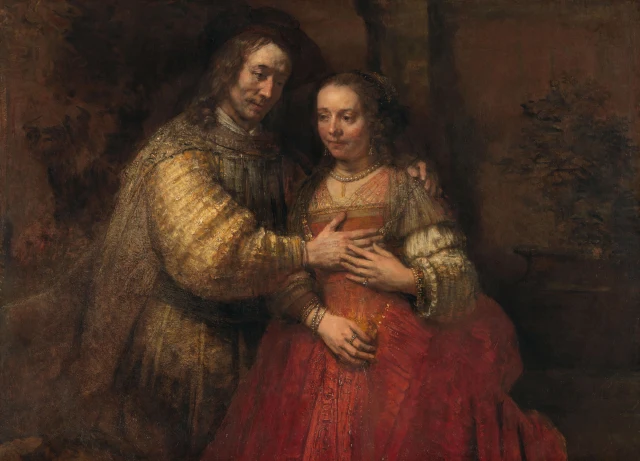 La Fiancée juiveRembrandt, 1667
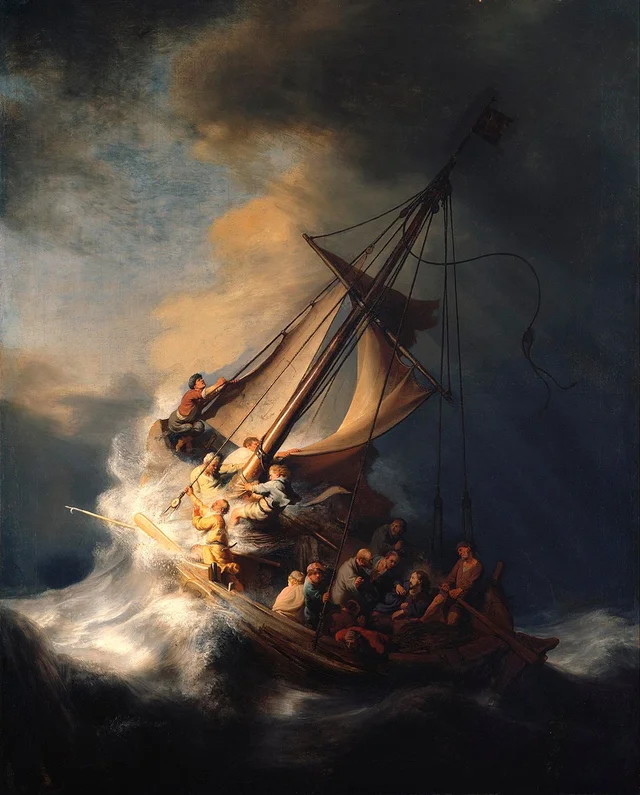 La Tempête sur la mer de GaliléeRembrandt, 1633
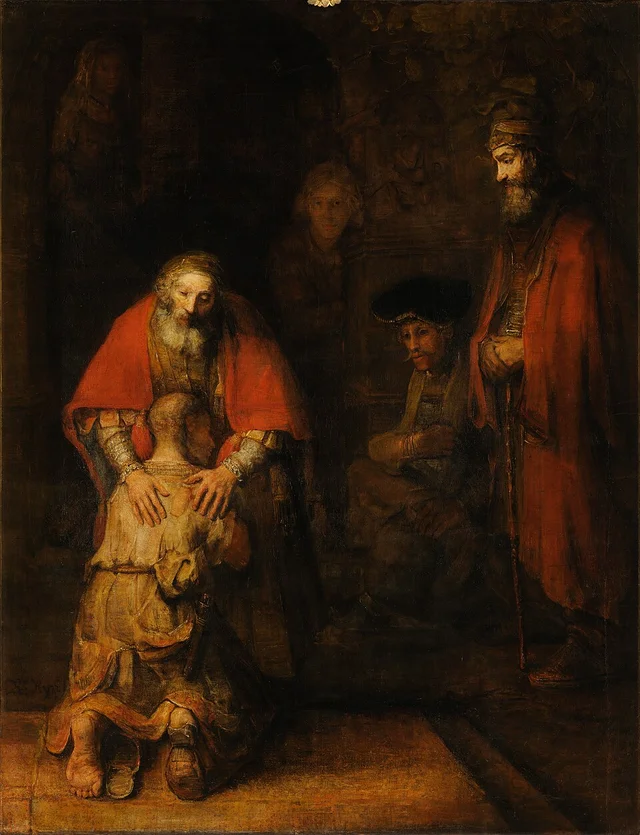 Le Retour du fils prodigueRembrandt, 1668
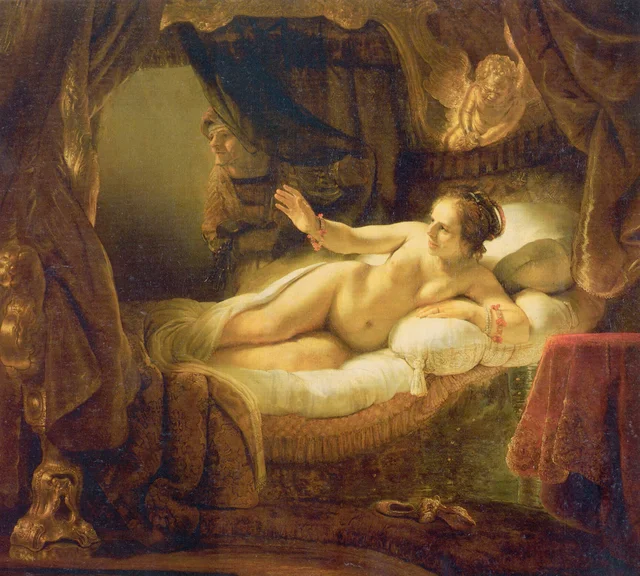 DanaéRembrandt, 1636
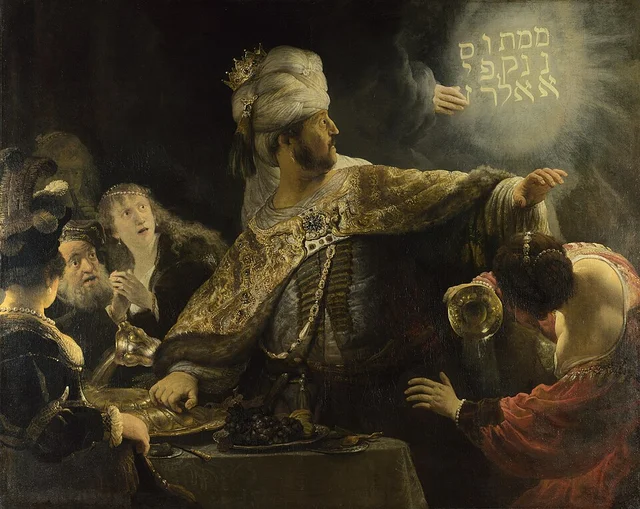 Le Festin de BalthazarRembrandt, 1636
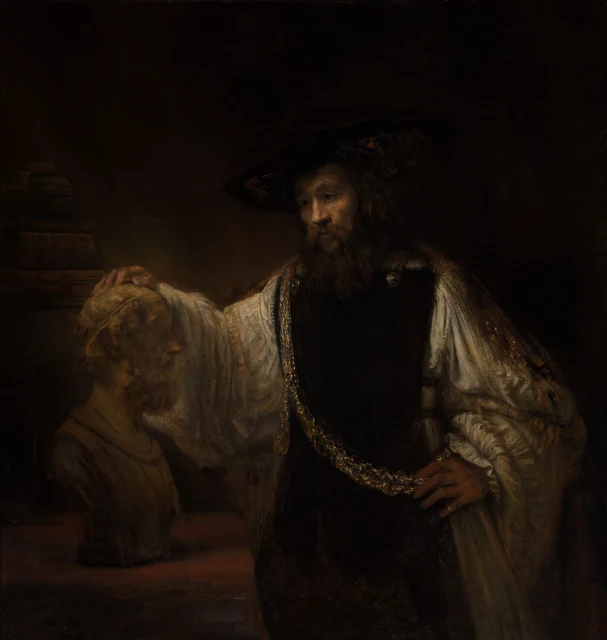 Aristote contemplant le buste d'HomèreRembrandt, 1653
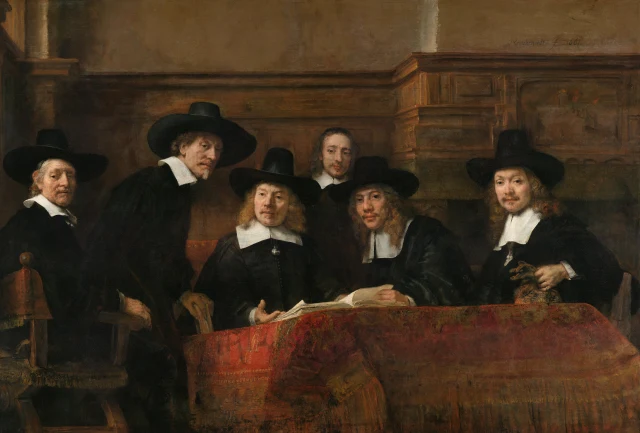 Les Syndics de la guilde des drapiersRembrandt, 1662
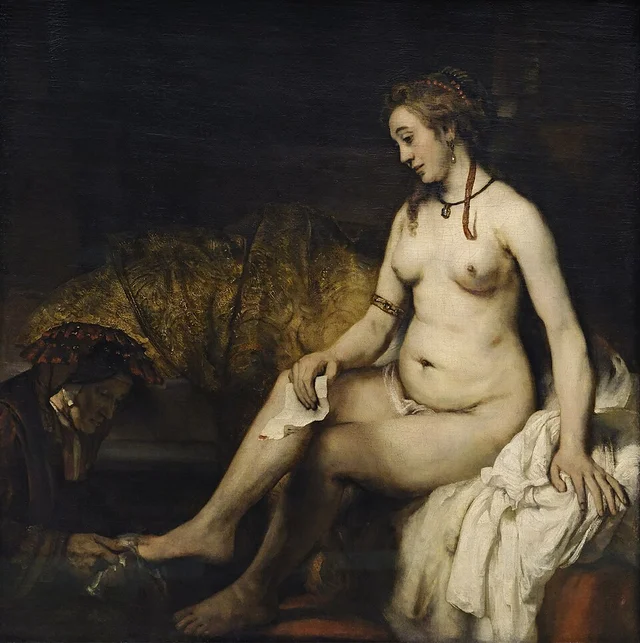 Bethsabée au bainRembrandt, 1654
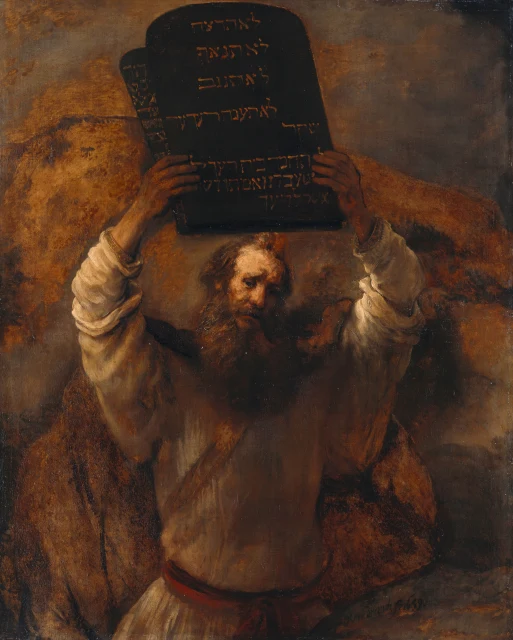 Moïse brisant les tables de la loiRembrandt, 1659
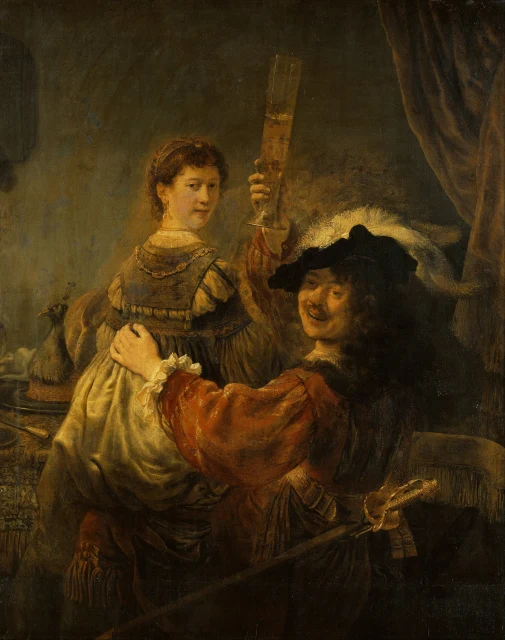 Rembrandt et Saskia dans la parabole du fils prodigueRembrandt, 1635
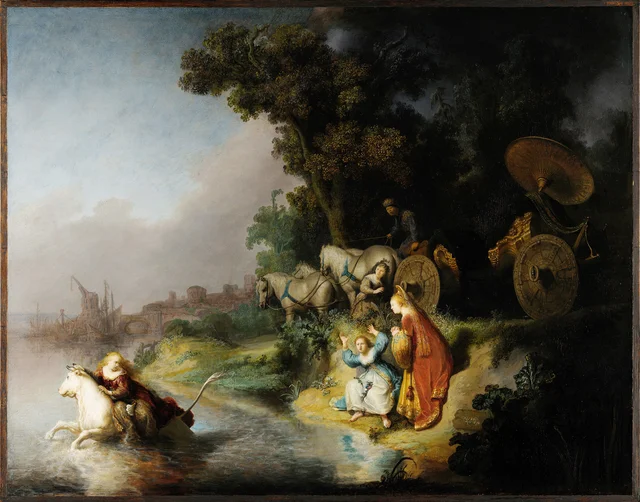 L'Enlèvement d'EuropeRembrandt, 1632
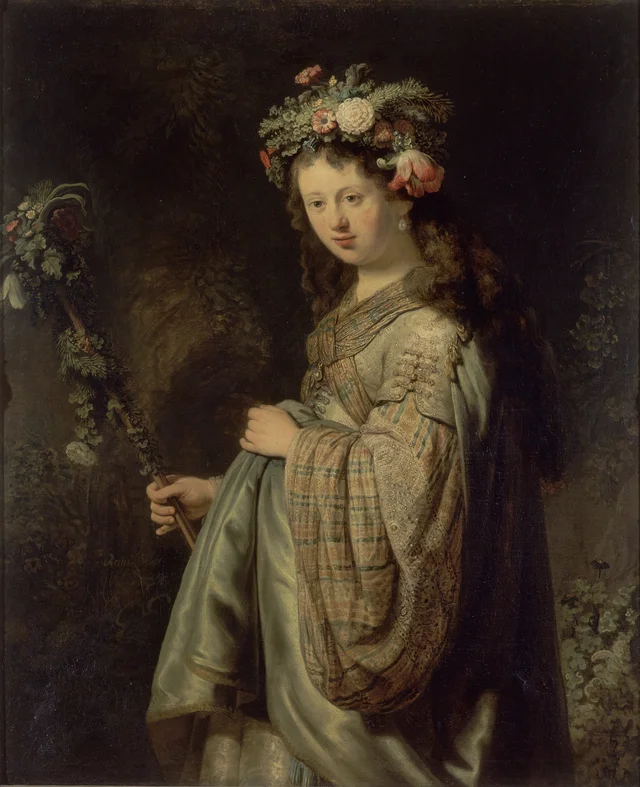 FloreRembrandt, 1634
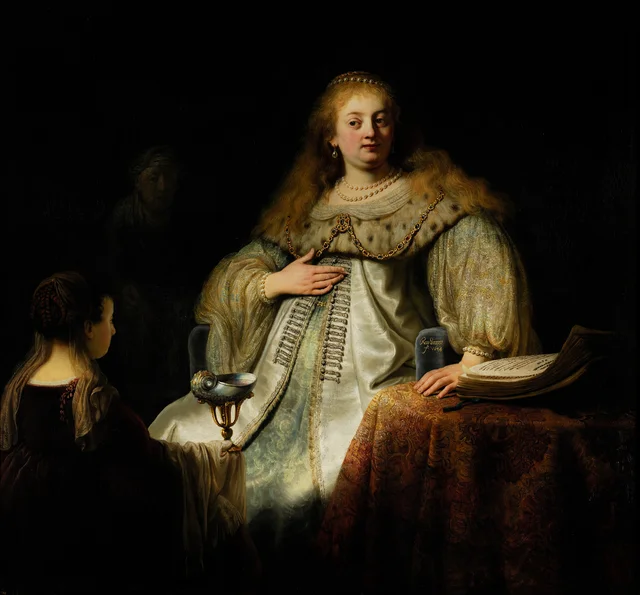 Judith au banquet d'HolopherneRembrandt, 1634
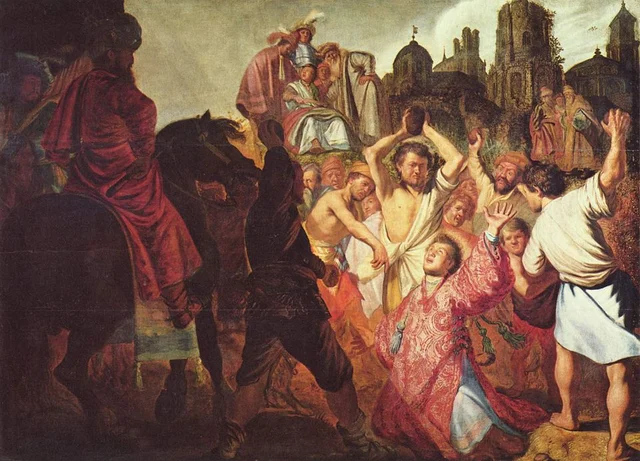 La Lapidation de saint ÉtienneRembrandt, 1624
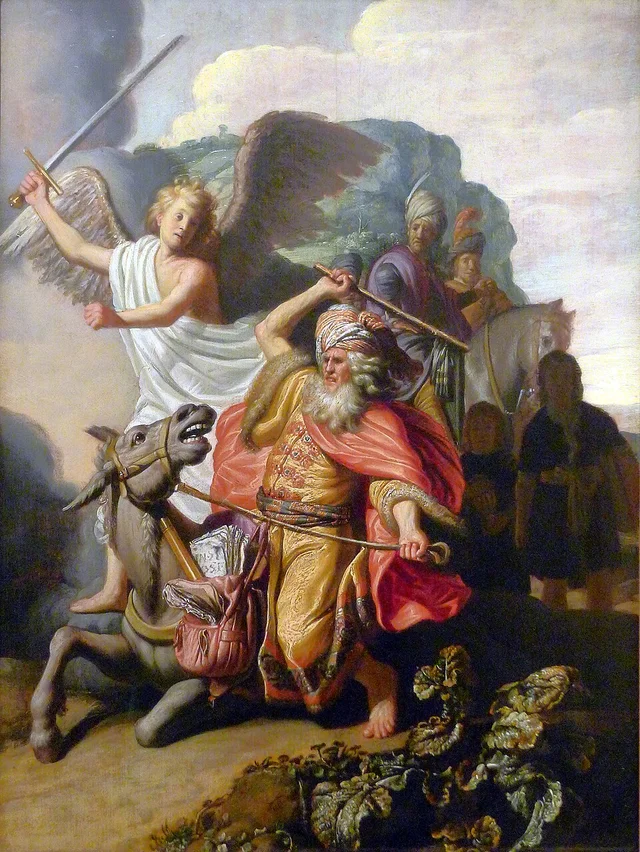 Balaam et l'ÂnesseRembrandt, 1626
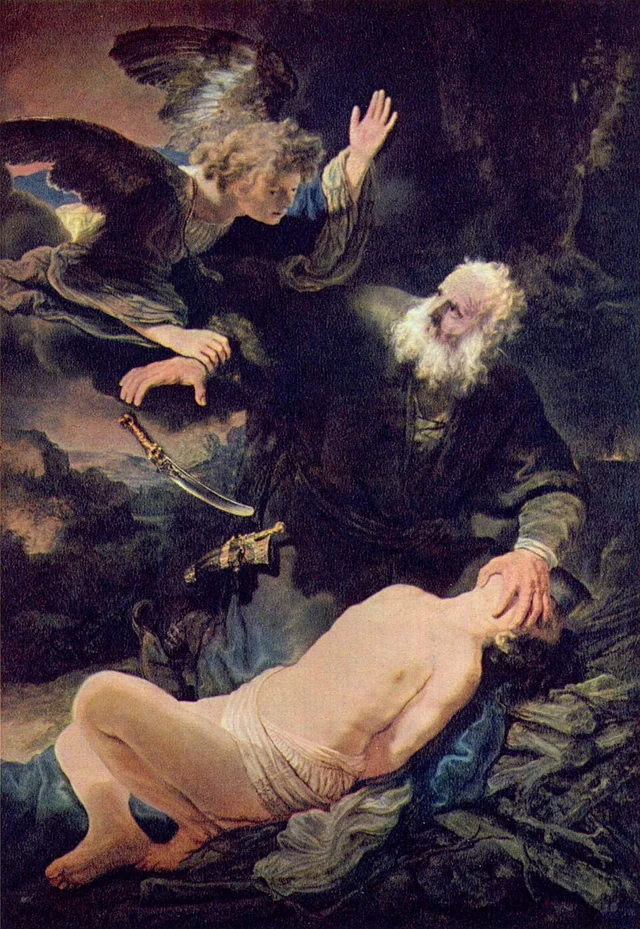 Le Sacrifice d'AbrahamRembrandt, 1635
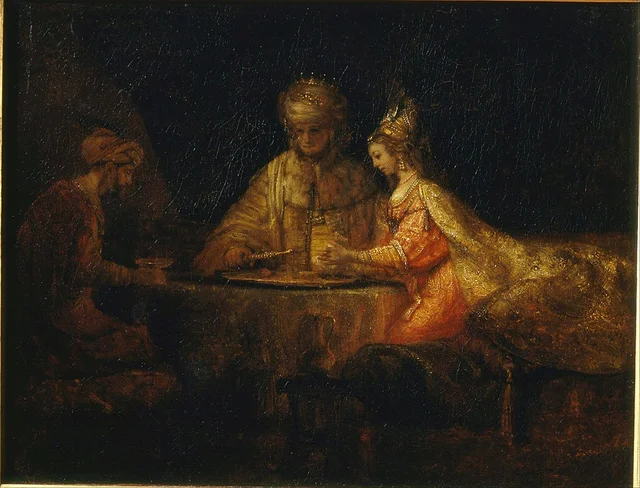 Assuérus et Aman au festin d'EstherRembrandt, 1660
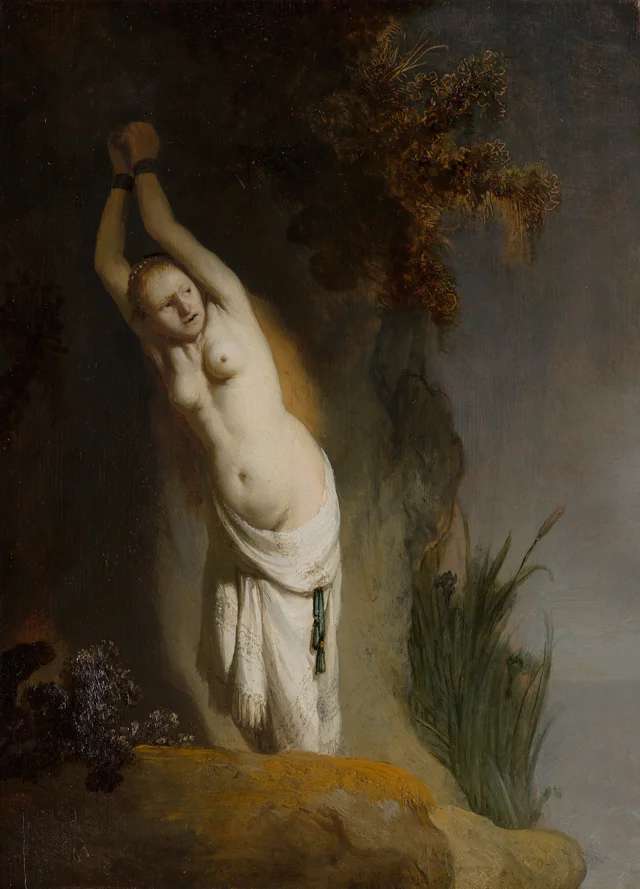 Andromède enchaînée au rocherRembrandt, 1630
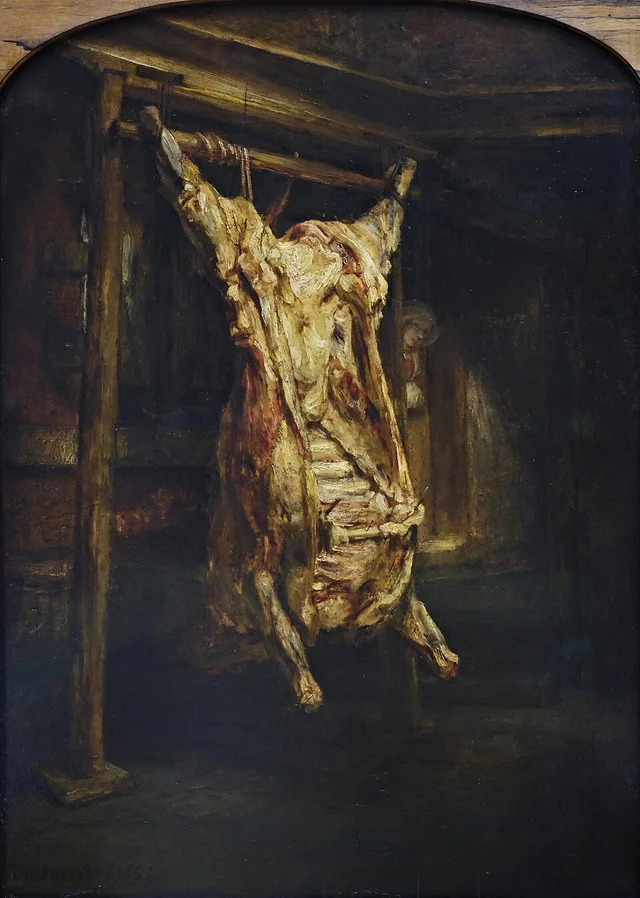 Le Bœuf écorchéRembrandt, 1655
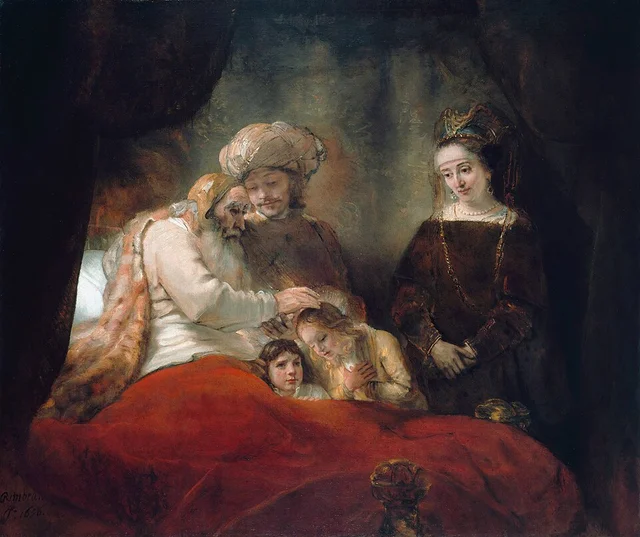 Jacob bénissant les fils de JosephRembrandt, 1656
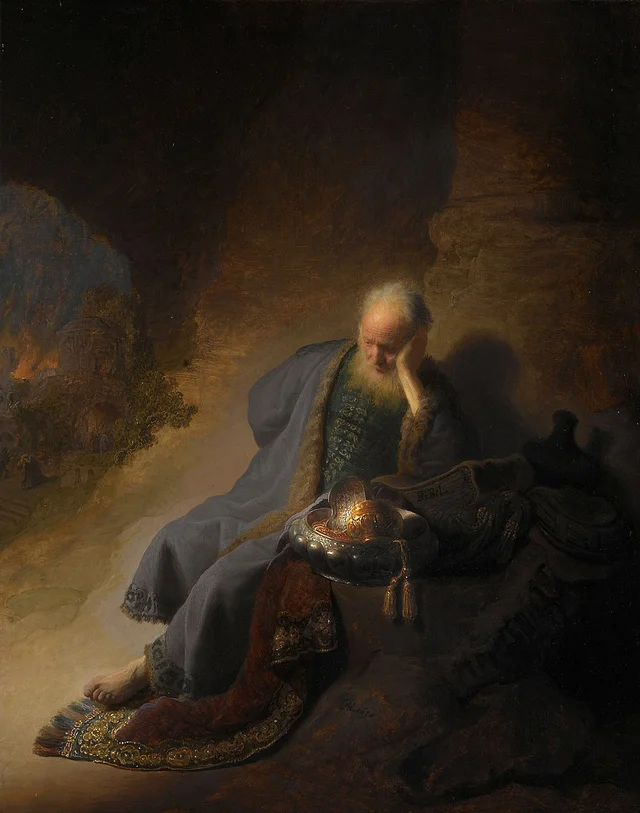 Jérémie déplorant la destruction de JérusalemRembrandt, 1630
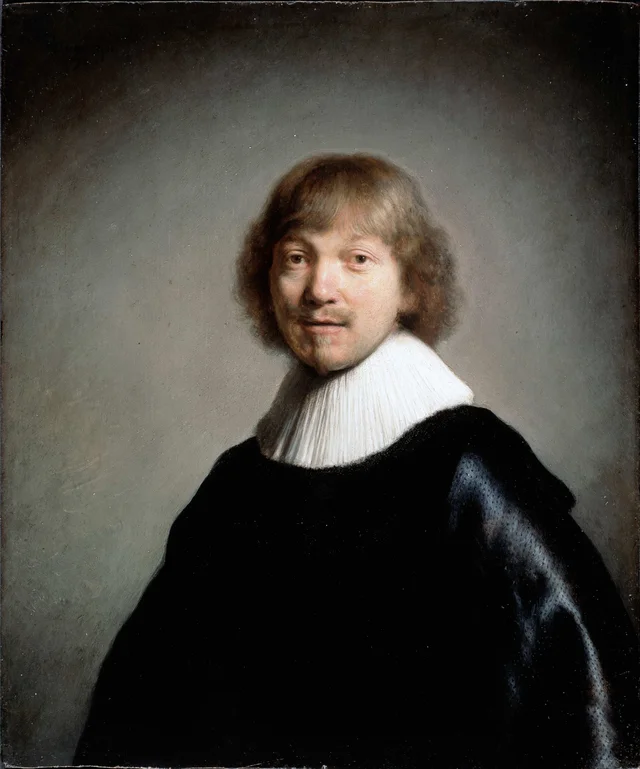 Portrait de Jacob de Gheyn IIIRembrandt, 1632
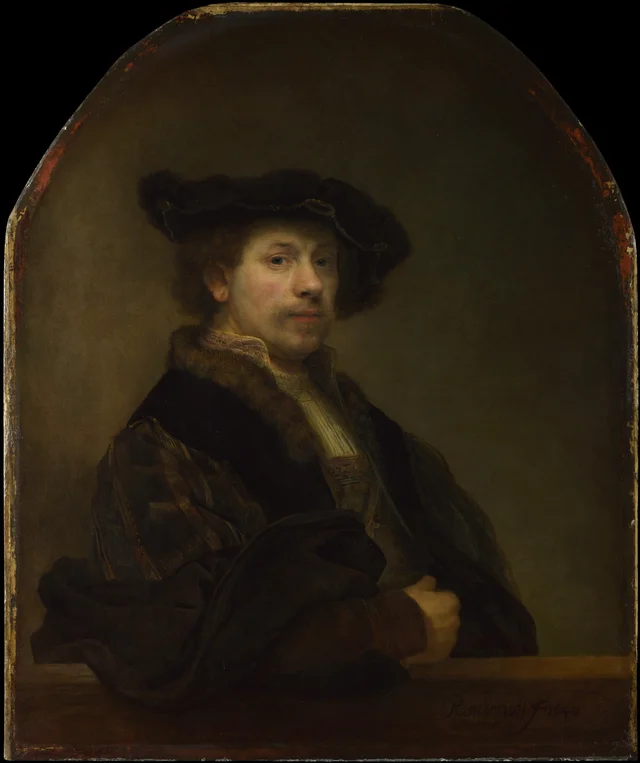 Autoportrait à l'âge de 34 ansRembrandt, 1640