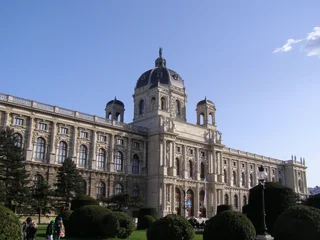
L'histoire
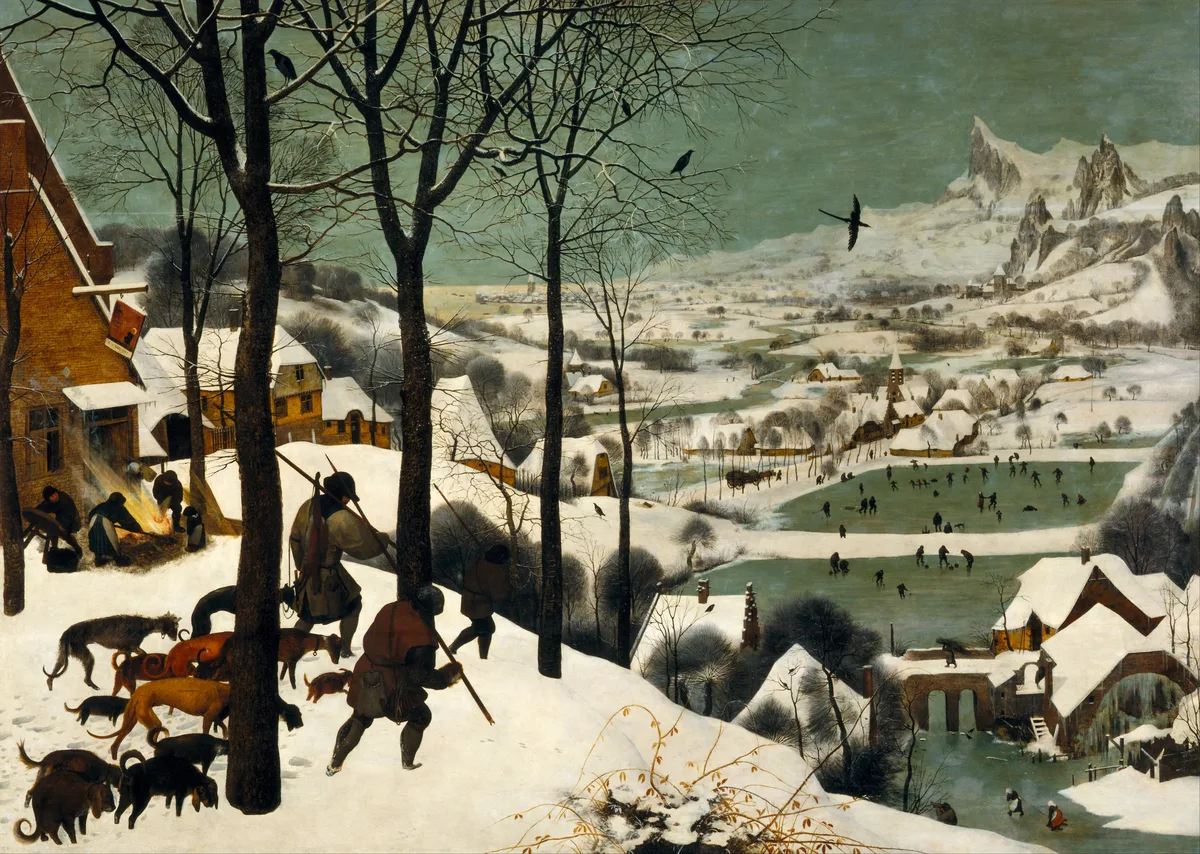
Une salle du premier étage réunit plus de tableaux de Pieter Bruegel l'Ancien que partout ailleurs sur terre, une douzaine environ, dont Les Chasseurs dans la neige, la file de chasseurs fatigués et de leurs chiens peinant sur une hauteur au-dessus d'une vallée gelée, peinte en 1565. Que Vienne les possède tient aux Habsbourg, la dynastie qui régna sur une grande partie de l'Europe pendant des siècles et employa une bonne part de ce pouvoir à acheter de l'art.
Le musée fut bâti pour montrer précisément cela. L'empereur François-Joseph l'inaugura en 1891 sur la Ringstraße, le grand boulevard tracé là où s'élevaient les vieux remparts de Vienne, dans un bâtiment-palais de Gottfried Semper et Karl von Hasenauer, son escalier décoré par le jeune Gustav Klimt avant qu'il ne devienne le Klimt de l'or et du scandale. L'idée était de rassembler sous un même toit les collections impériales dispersées et d'y laisser entrer le public.
Les murs se lisent donc comme un inventaire de la portée des Habsbourg. L'Art de la peinture de Vermeer, l'artiste vu de dos à son chevalet, que la famille garda comme l'un de ses trésors. Des salles de Titien, de Rubens et de Vélasquez, dont les portraits de cour des petites et graves infantes espagnoles vinrent à Vienne par les mariages qui liaient les deux branches de la famille. Et sous les galeries de peinture se trouve la Kunstkammer, un dédale d'ivoires sculptés, d'automates à mécanisme et de coupes en pierres précieuses réuni par des empereurs qui voulaient l'étrange et l'ingénieux autant que le beau. Son objet le plus célèbre est une salière en or réalisée par Benvenuto Cellini pour le roi de France.
Autres articles
Collection
381 œuvres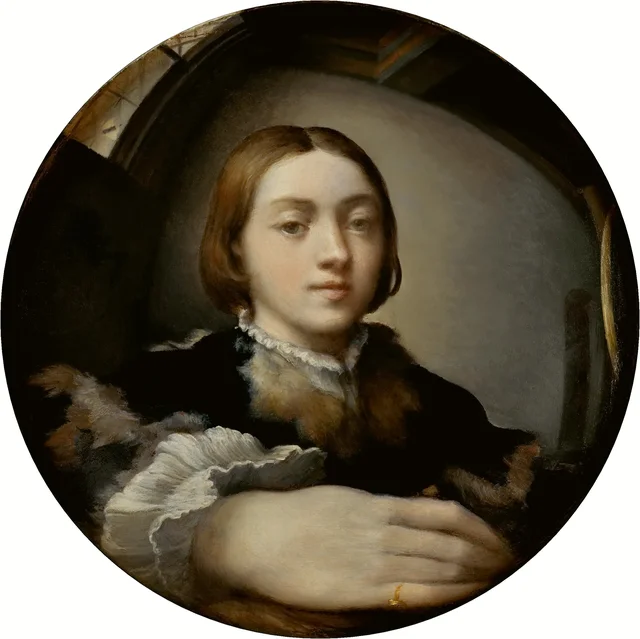 Autoportrait dans un miroir convexeLe Parmesan, 1523
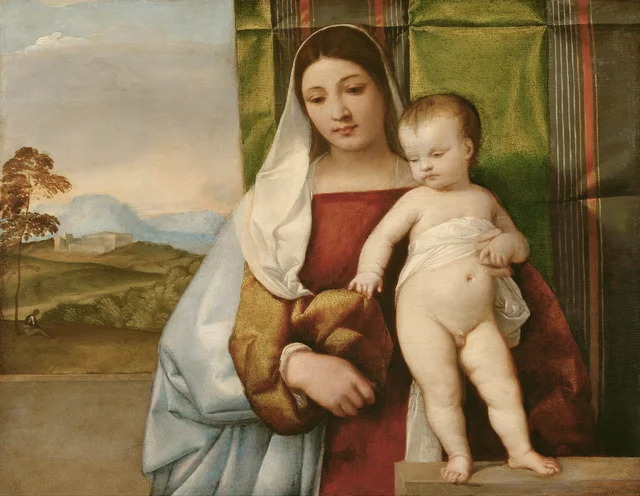 La Vierge à l'Enfant dite « la Gitane »Titien, 1510
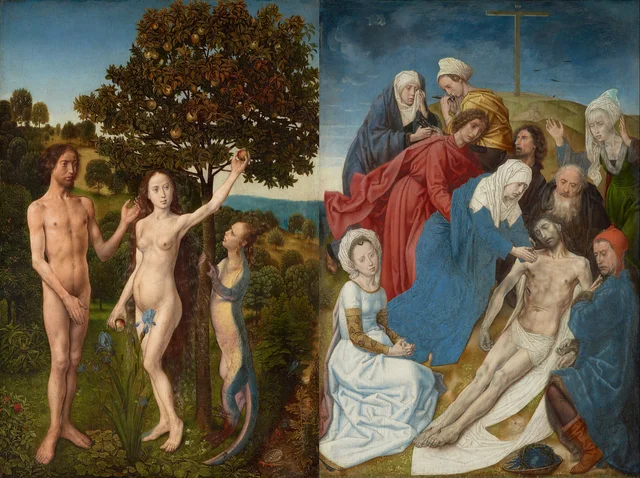 Diptyque de VienneHugo van der Goes, 1480
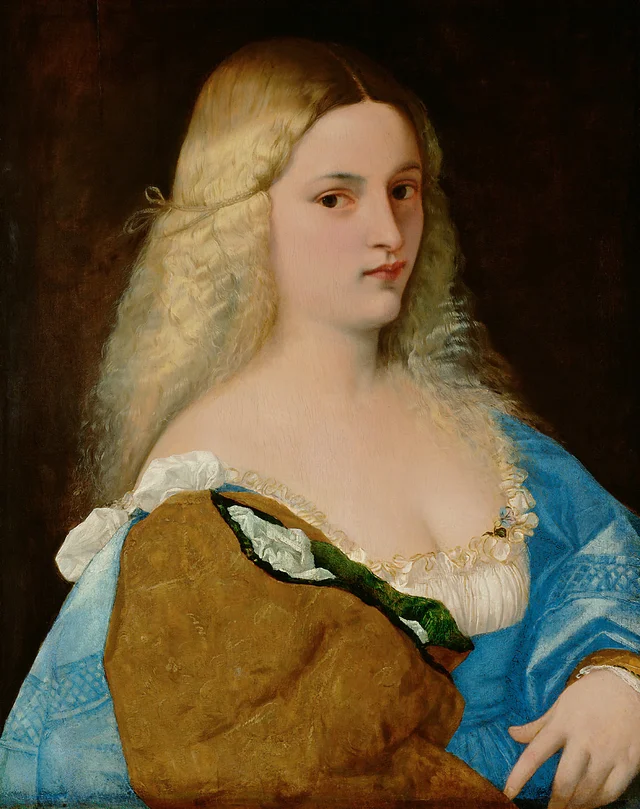 ViolanteTitien, 1515
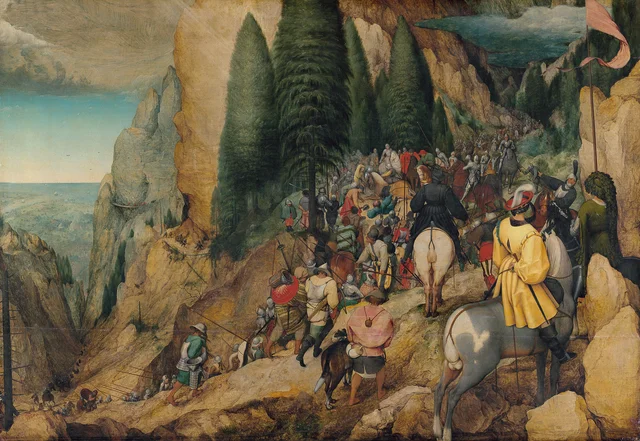 La Conversion de saint PaulPieter Brueghel l'Ancien, 1567
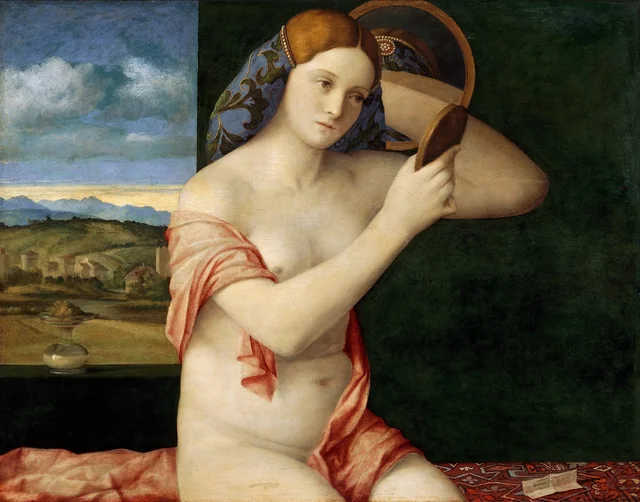 Jeune Femme nue devant un miroirGiovanni Bellini, 1515
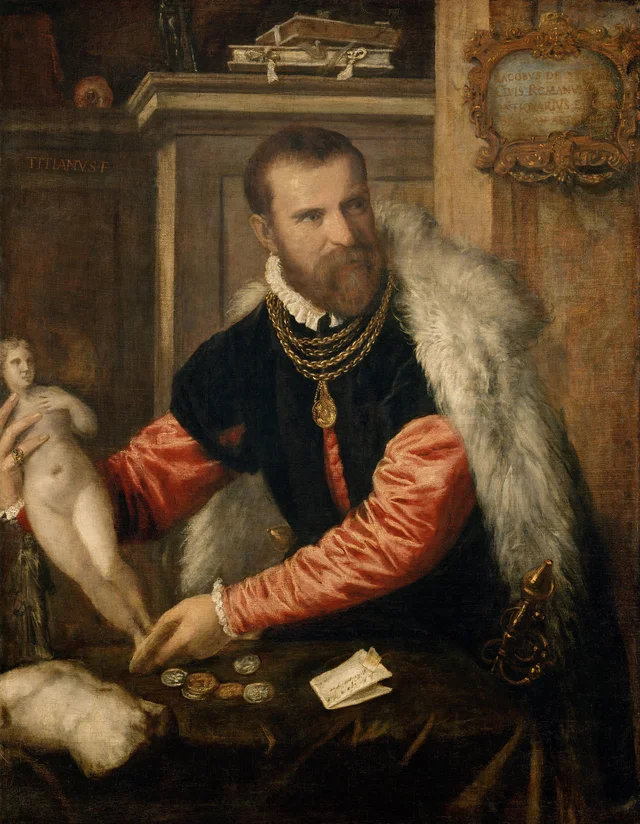 Portrait de Jacopo StradaTitien, 1567
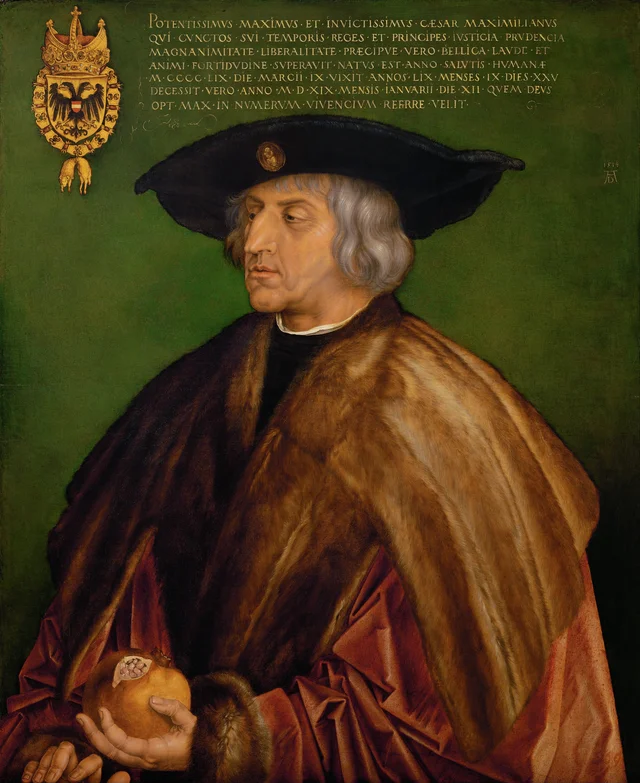 L'Empereur Maximilien IerAlbrecht Dürer, 1519
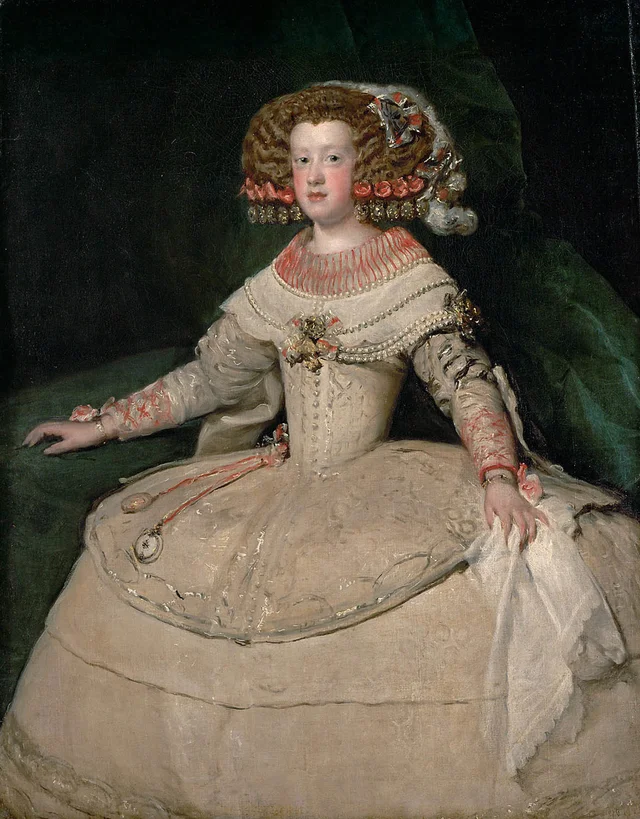 Portrait de l'infante Marie-Thérèse d'EspagneDiego Vélasquez, 1652
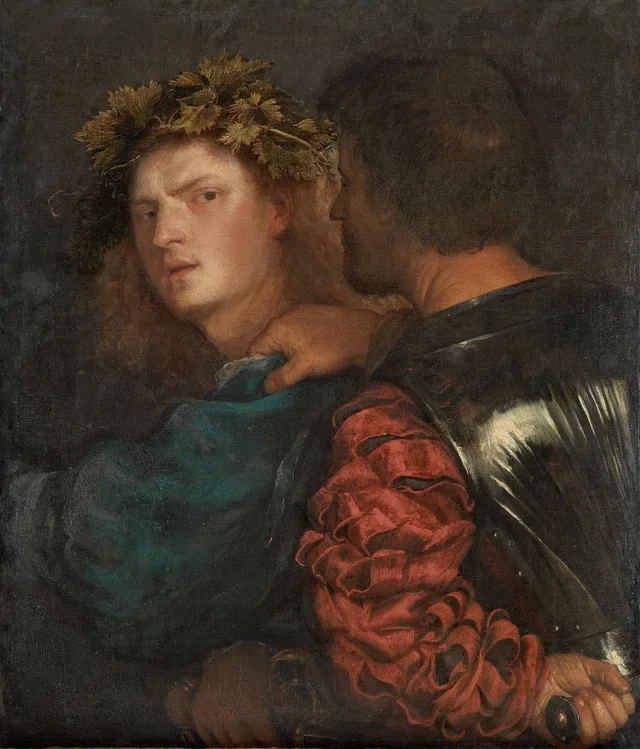 Le BravoTitien, 1520
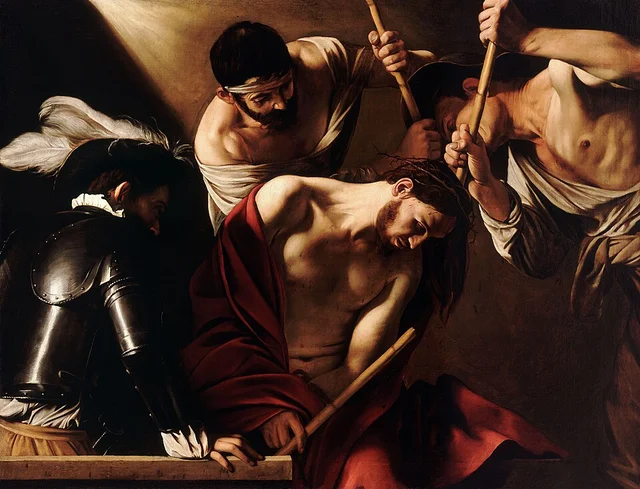 Le Couronnement d'épinesLe Caravage, 1602
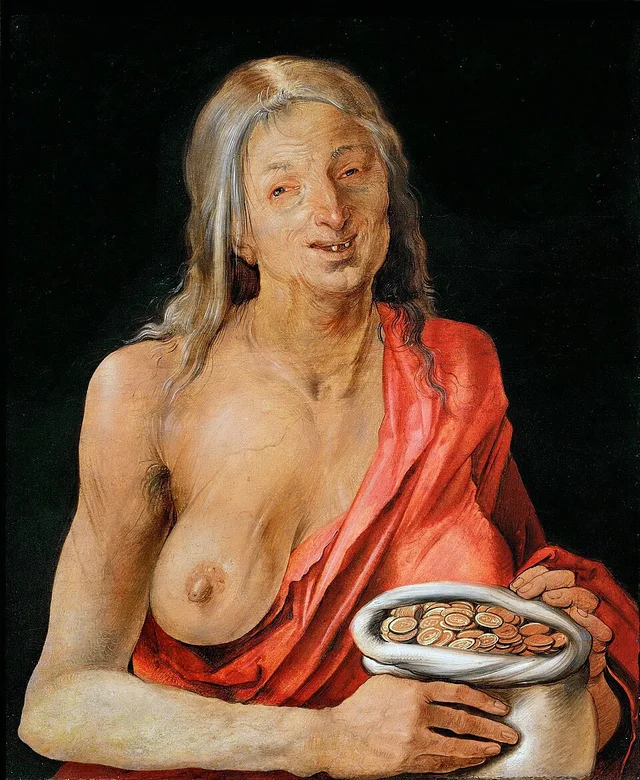 L'AvariceAlbrecht Dürer, 1507
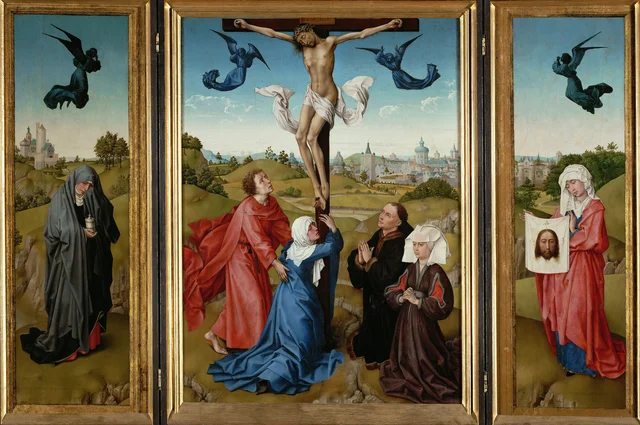 Triptyque de la CrucifixionRogier van der Weyden, 1440
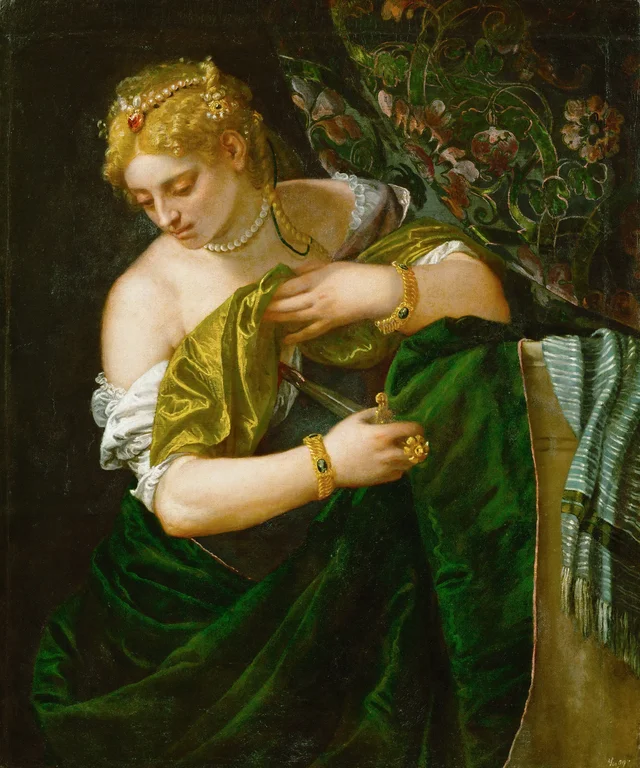 LucrècePaolo Véronèse, 1580
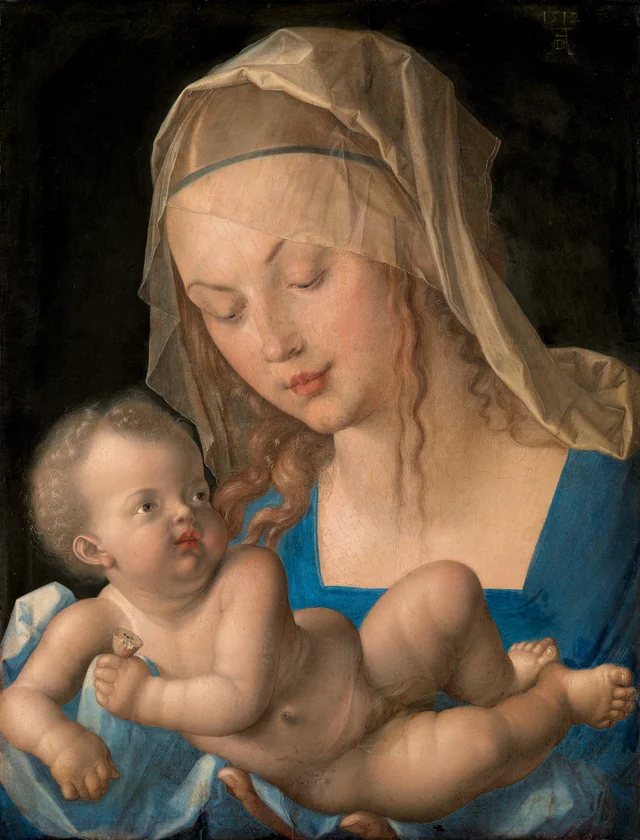 La Vierge à l'EnfantAlbrecht Dürer, 1512
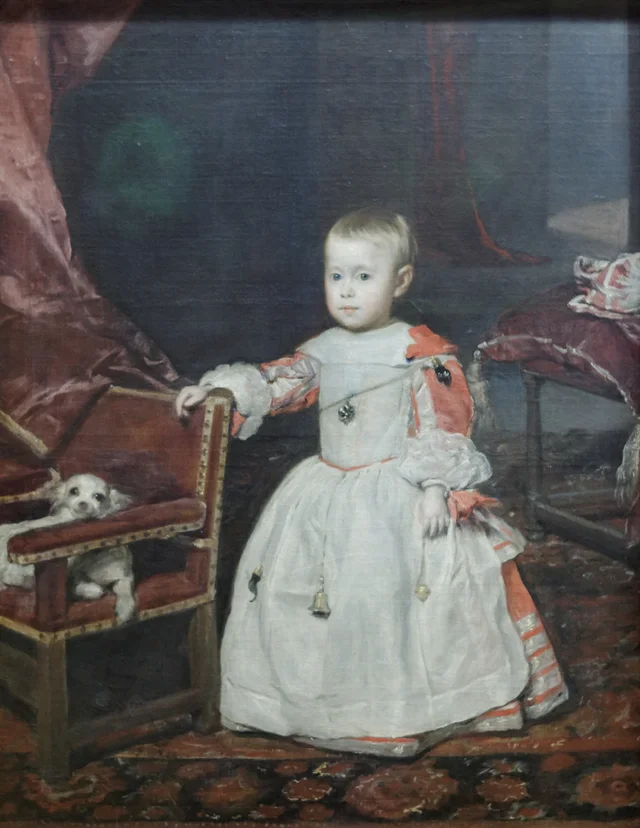 Portrait du prince Philippe ProsperDiego Vélasquez, 1659
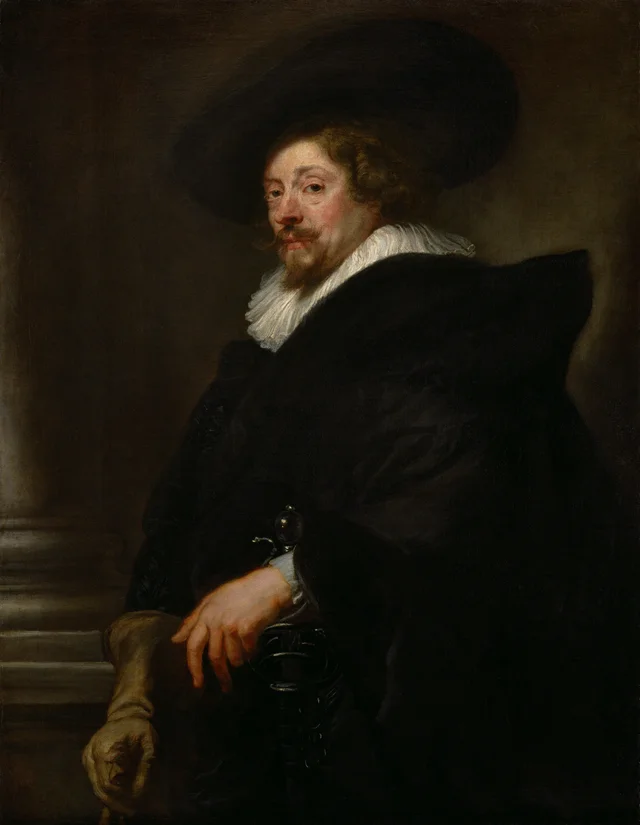 AutoportraitPierre Paul Rubens, 1638
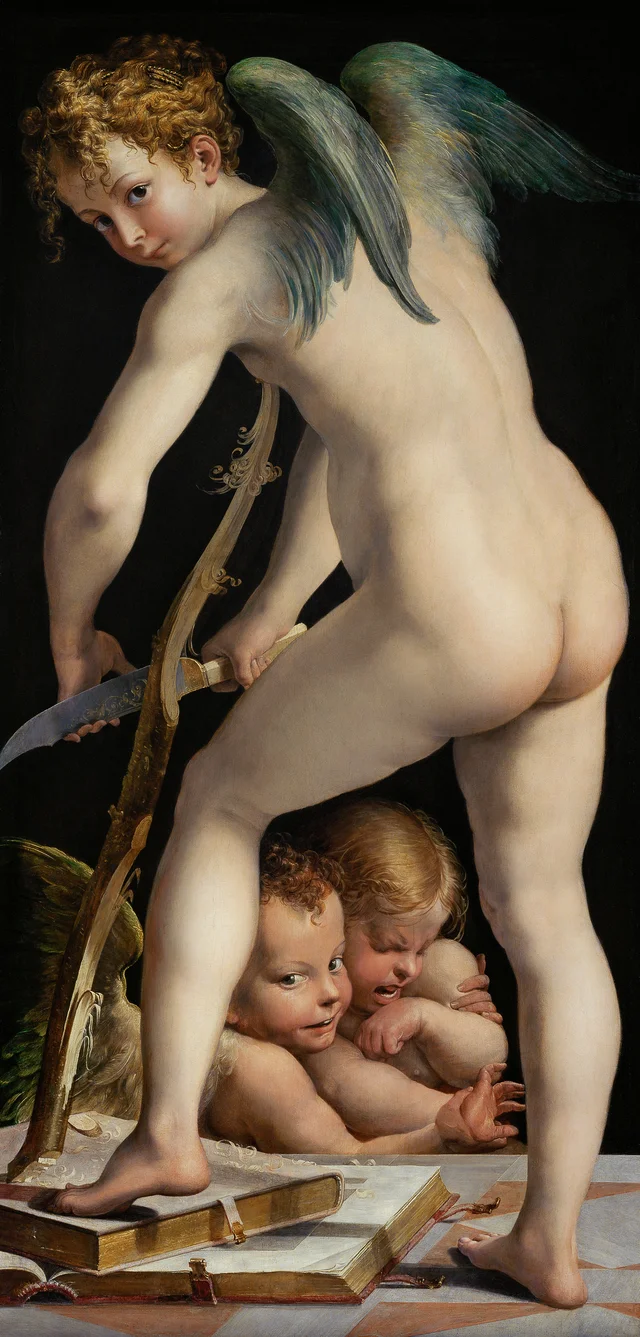 L'Amour taillant son arcLe Parmesan, 1536
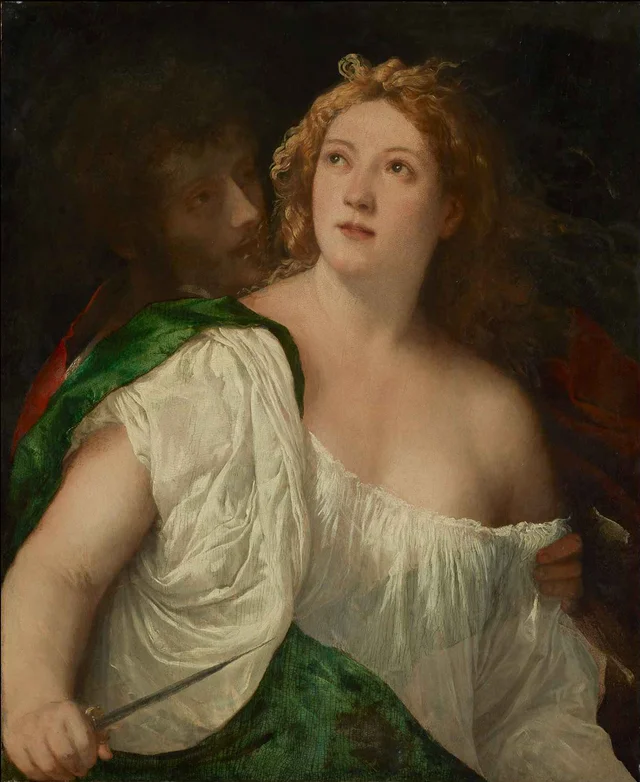 Lucrèce et son époux Lucius Tarquinius CollatinusTitien, 1515
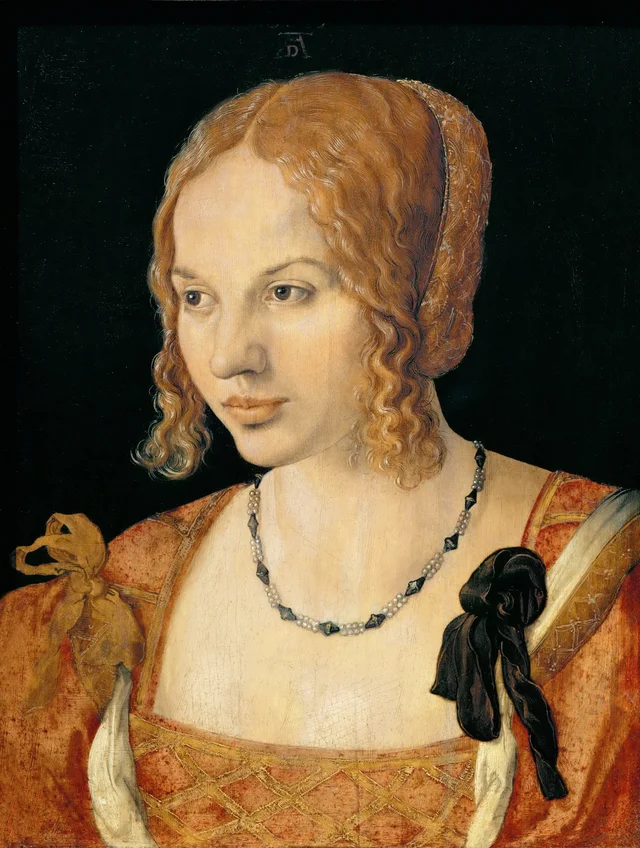 Portrait d’une VénitienneAlbrecht Dürer, 1505
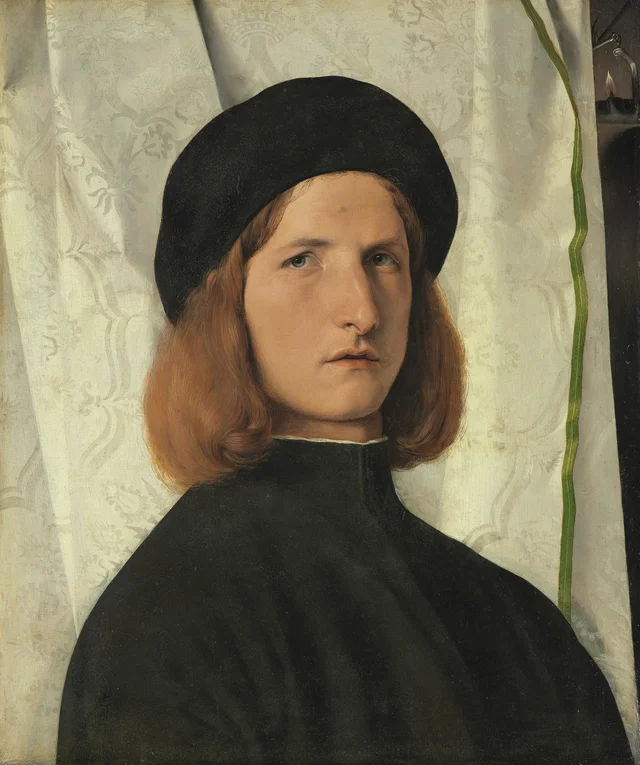 Portrait d'un jeune homme à la lampeLorenzo Lotto, 1508
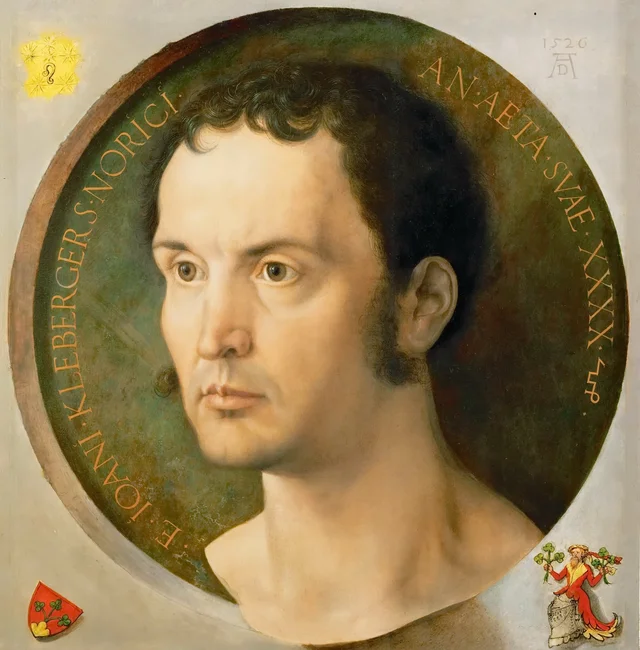 Portrait de Johann KleebergerAlbrecht Dürer, 1526
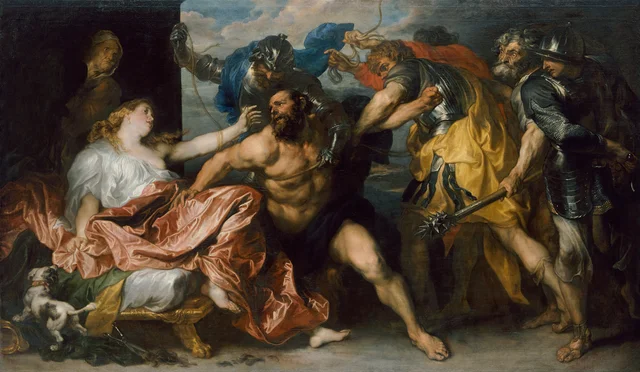 Samson et DalilaAntoine van Dyck, 1630
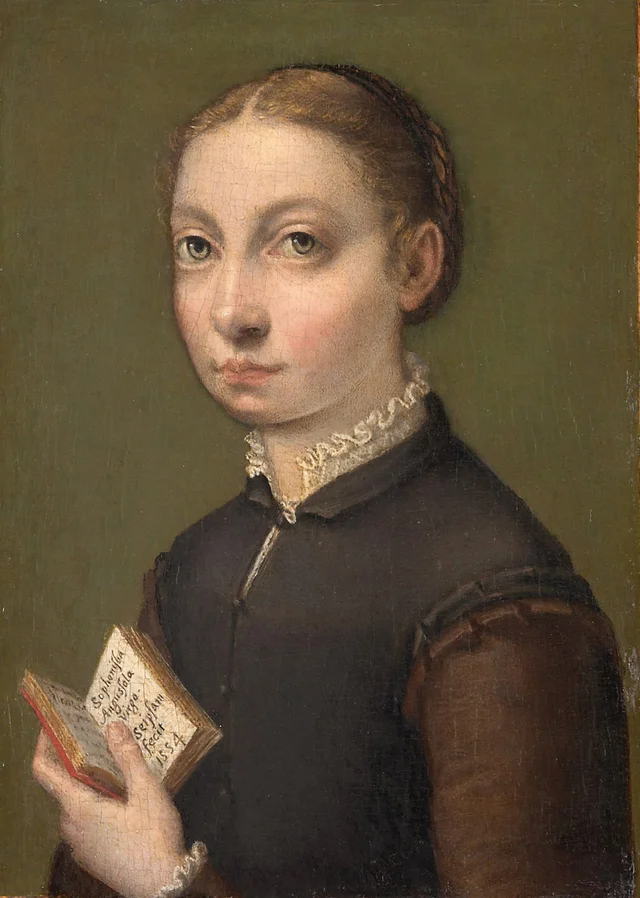 AutoportraitSofonisba Anguissola, 1554
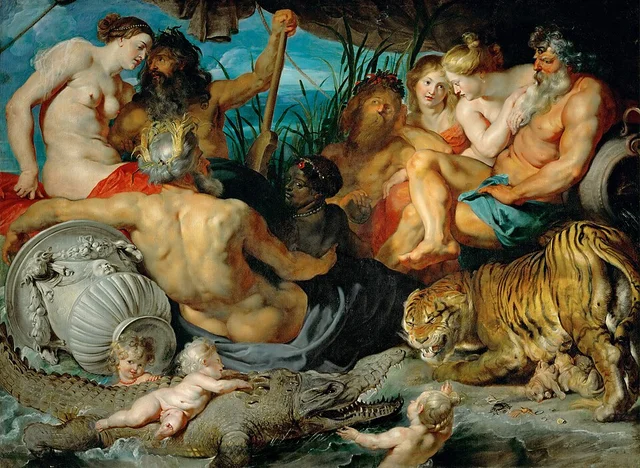 Les Quatre ContinentsPierre Paul Rubens, 1615