L'histoire
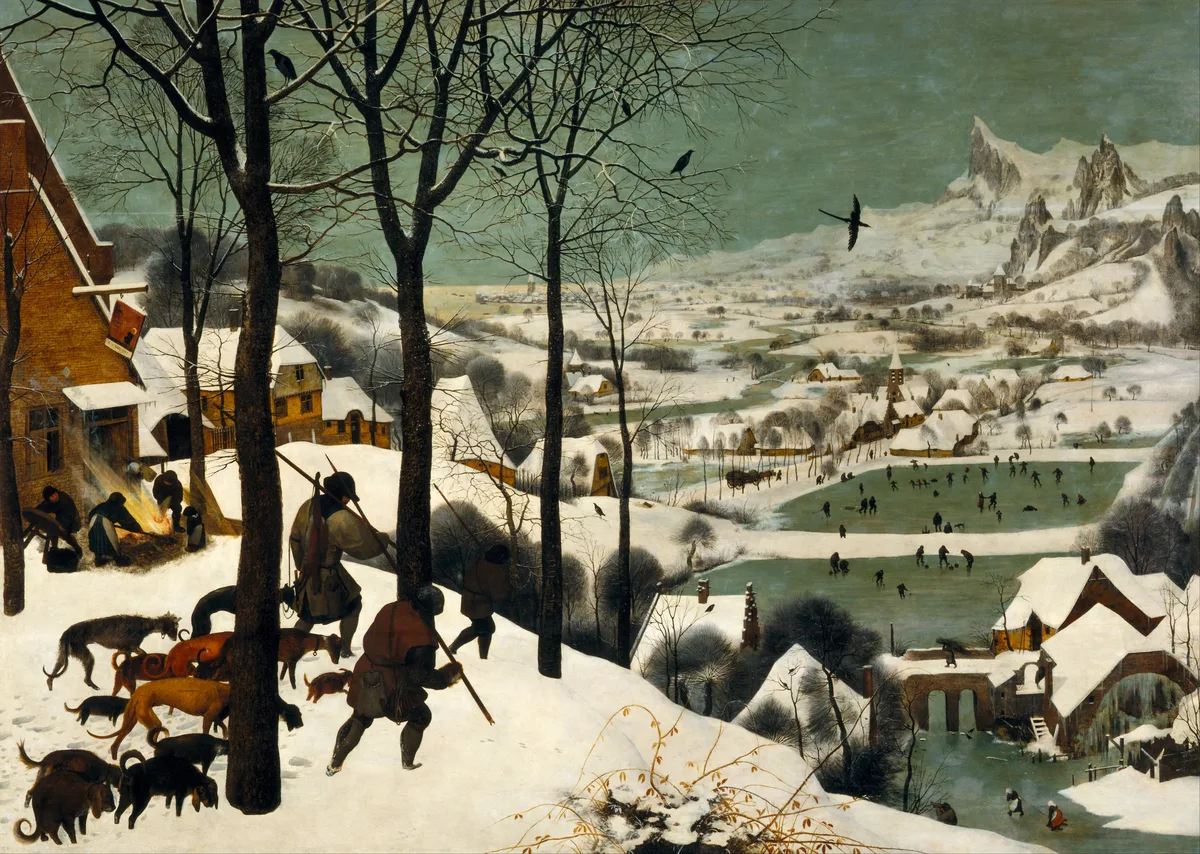
Une salle du premier étage réunit plus de tableaux de Pieter Bruegel l'Ancien que partout ailleurs sur terre, une douzaine environ, dont Les Chasseurs dans la neige, la file de chasseurs fatigués et de leurs chiens peinant sur une hauteur au-dessus d'une vallée gelée, peinte en 1565. Que Vienne les possède tient aux Habsbourg, la dynastie qui régna sur une grande partie de l'Europe pendant des siècles et employa une bonne part de ce pouvoir à acheter de l'art.
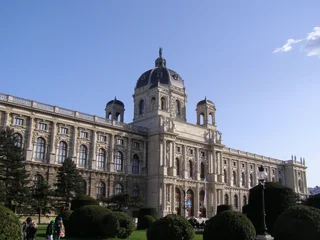
Le musée fut bâti pour montrer précisément cela. L'empereur François-Joseph l'inaugura en 1891 sur la Ringstraße, le grand boulevard tracé là où s'élevaient les vieux remparts de Vienne, dans un bâtiment-palais de Gottfried Semper et Karl von Hasenauer, son escalier décoré par le jeune Gustav Klimt avant qu'il ne devienne le Klimt de l'or et du scandale. L'idée était de rassembler sous un même toit les collections impériales dispersées et d'y laisser entrer le public.
Les murs se lisent donc comme un inventaire de la portée des Habsbourg. L'Art de la peinture de Vermeer, l'artiste vu de dos à son chevalet, que la famille garda comme l'un de ses trésors. Des salles de Titien, de Rubens et de Vélasquez, dont les portraits de cour des petites et graves infantes espagnoles vinrent à Vienne par les mariages qui liaient les deux branches de la famille. Et sous les galeries de peinture se trouve la Kunstkammer, un dédale d'ivoires sculptés, d'automates à mécanisme et de coupes en pierres précieuses réuni par des empereurs qui voulaient l'étrange et l'ingénieux autant que le beau. Son objet le plus célèbre est une salière en or réalisée par Benvenuto Cellini pour le roi de France.
Autres articles
Collection
381 œuvres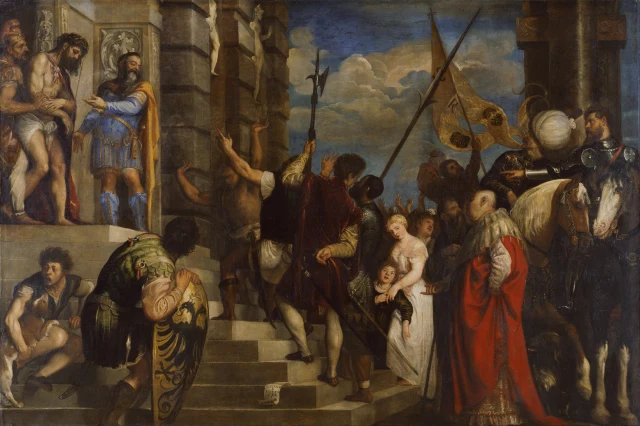 Ecce HomoTitien, 1543
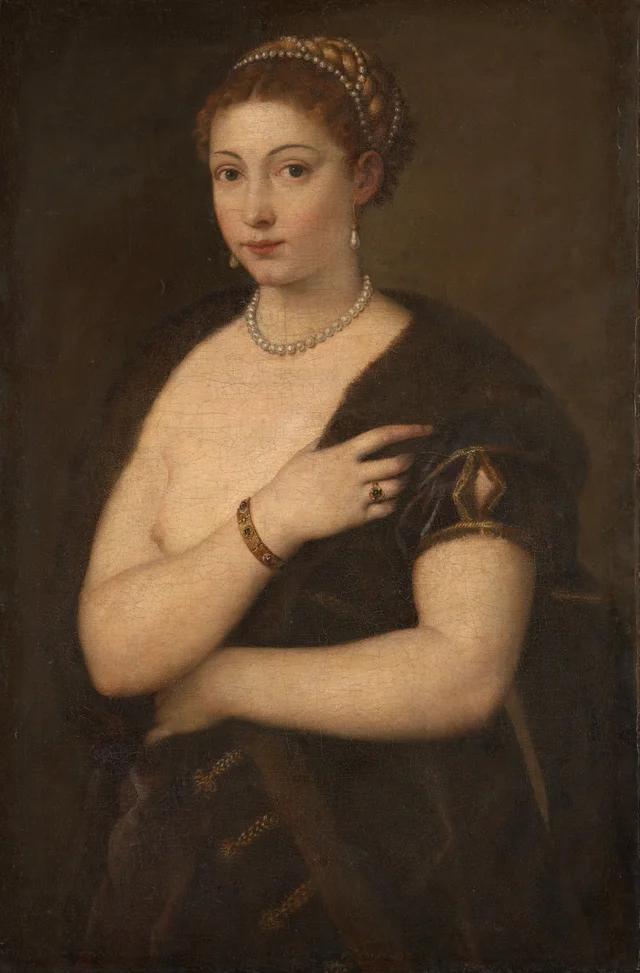 Jeune femme à la fourrureTitien, 1535
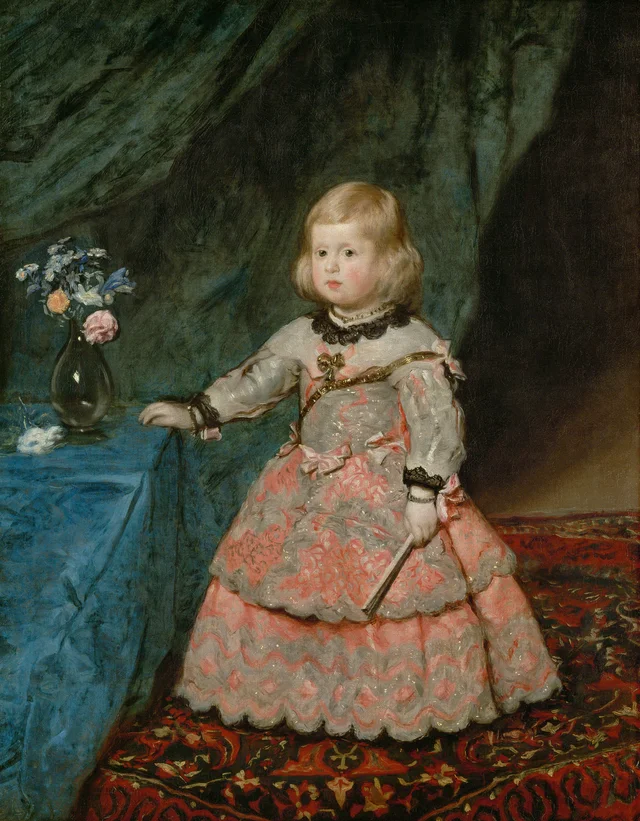 L'Infante Marguerite-ThérèseDiego Vélasquez, 1653
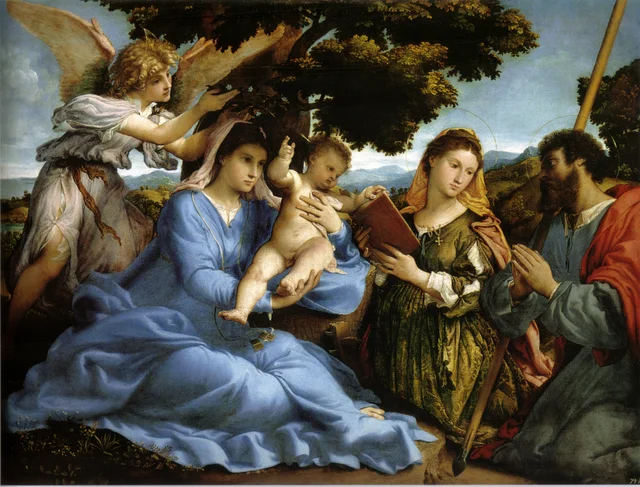 La Vierge à l'Enfant avec sainte Catherine, saint Jacques le Majeur et un angeLorenzo Lotto, 1527
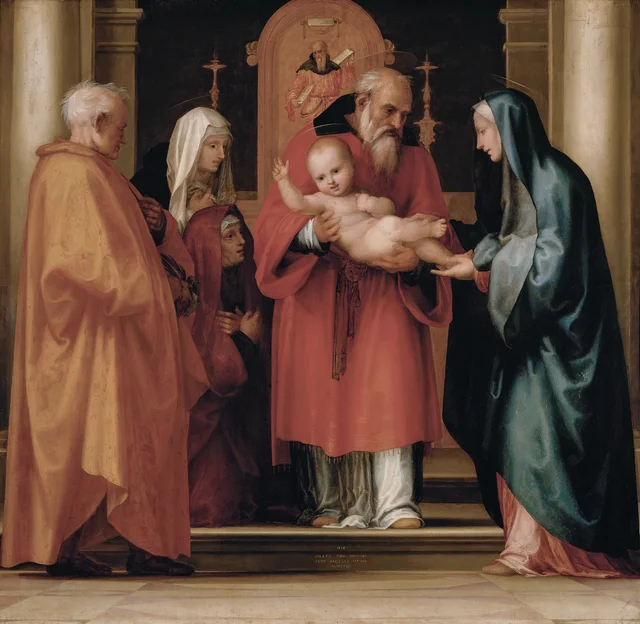 Présentation du Christ au TempleFra Bartolomeo, 1516
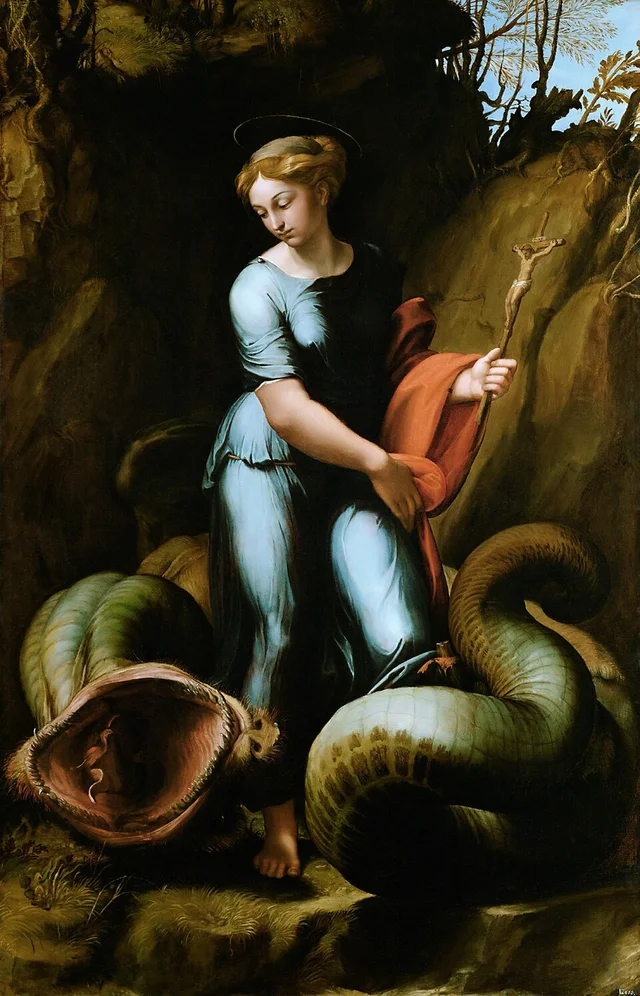 Sainte Marguerite et le dragonRaphaël, 1518
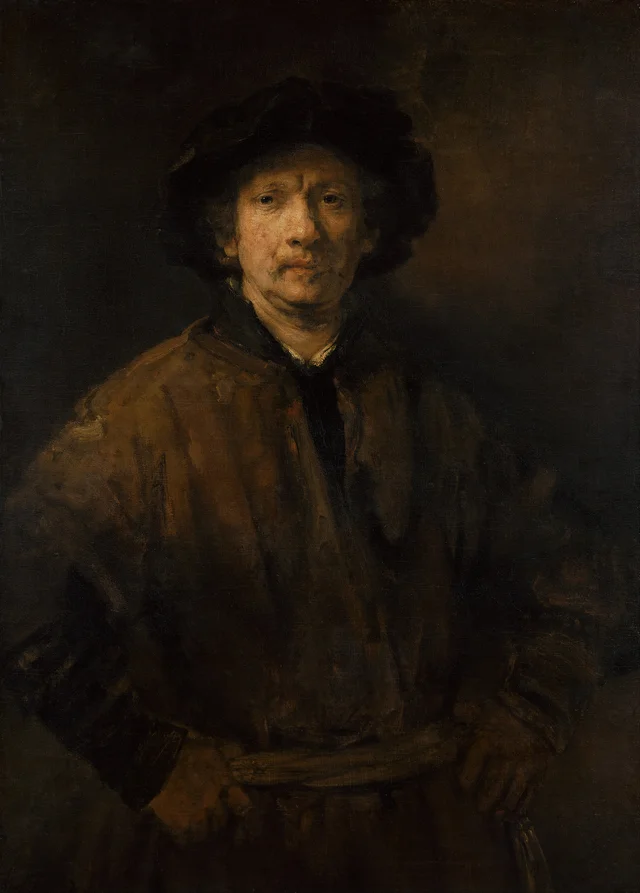 AutoportraitRembrandt, 1652
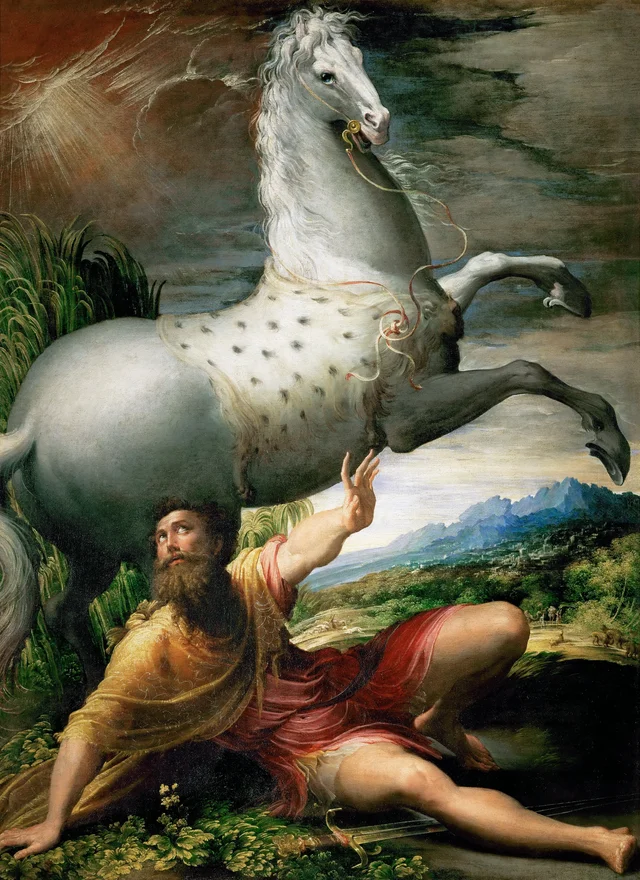 La Conversion de saint PaulLe Parmesan, 1527
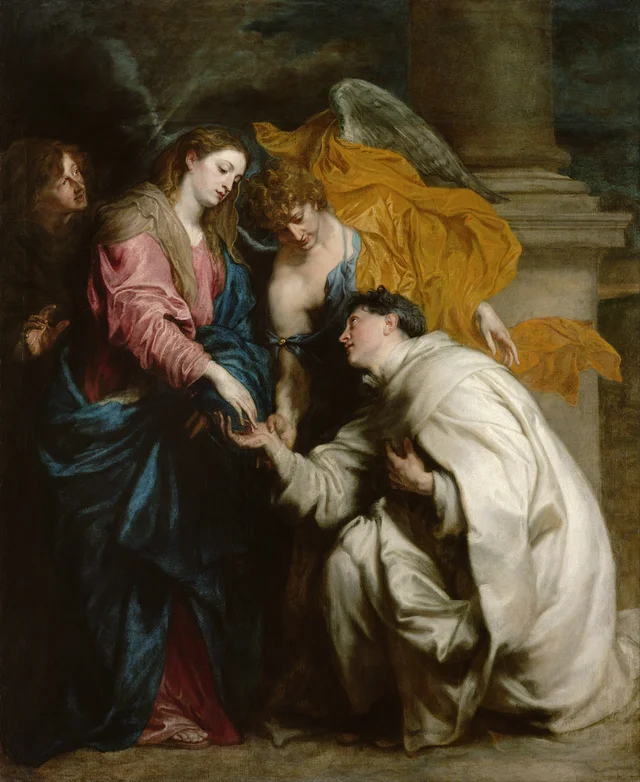 La Vision du bienheureux Hermann JosephAntoine van Dyck, 1629
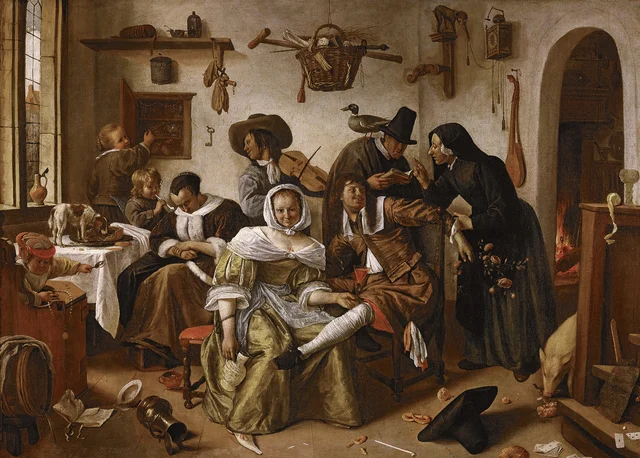 Prends garde au luxeJan Steen, 1663
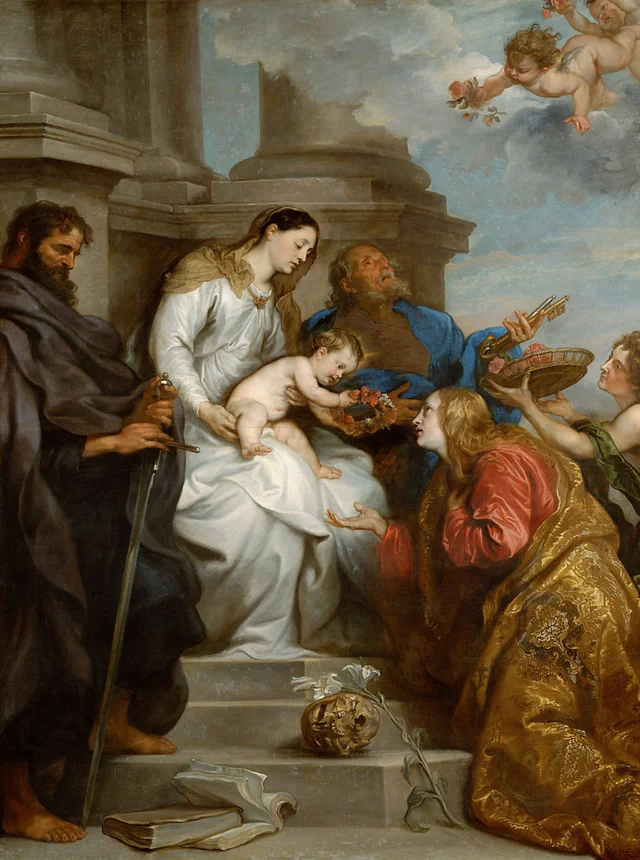 Le Couronnement de sainte RosalieAntoine van Dyck, 1629
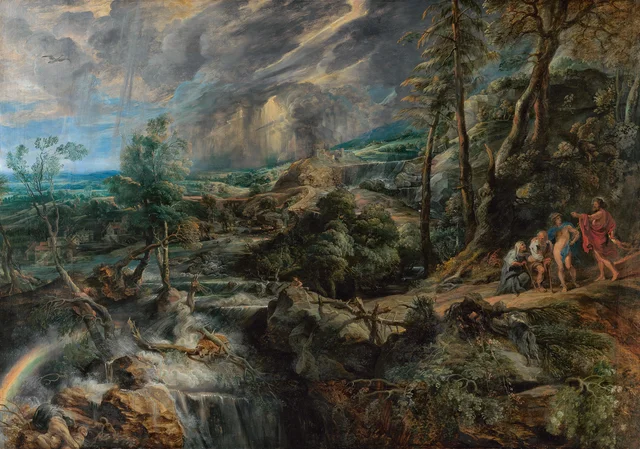 Paysage avec Philémon et BaucisPierre Paul Rubens, 1620
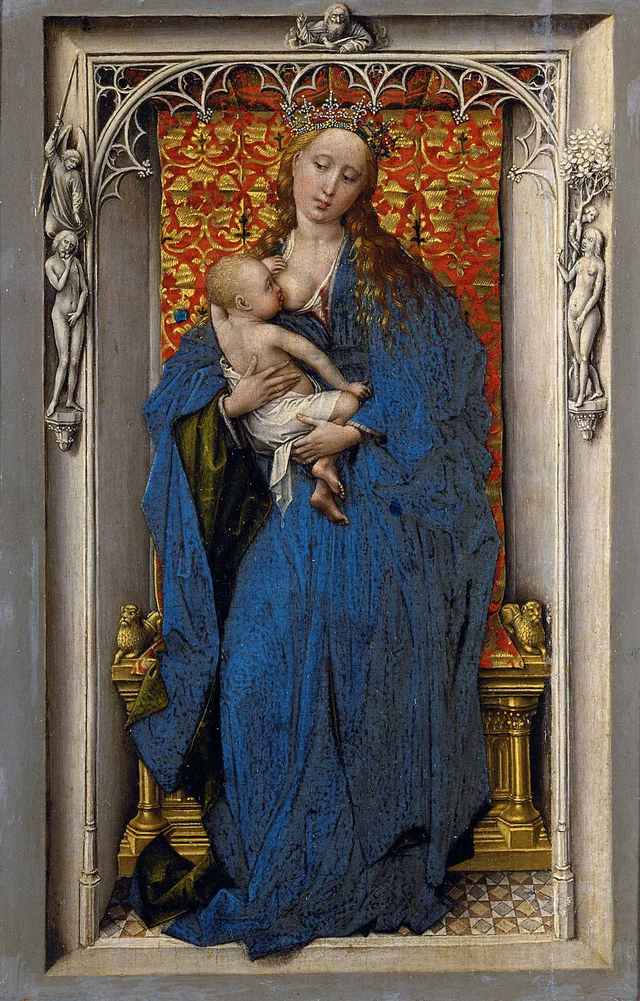 La Vierge deboutRogier van der Weyden, 1451
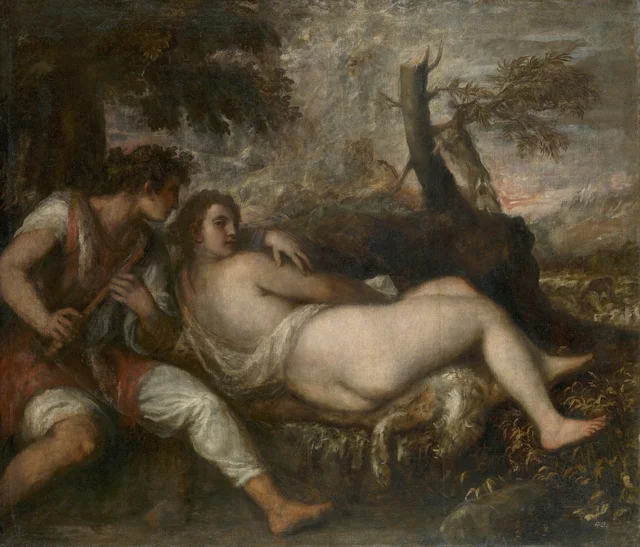 Nymphe et bergerTitien, 1570
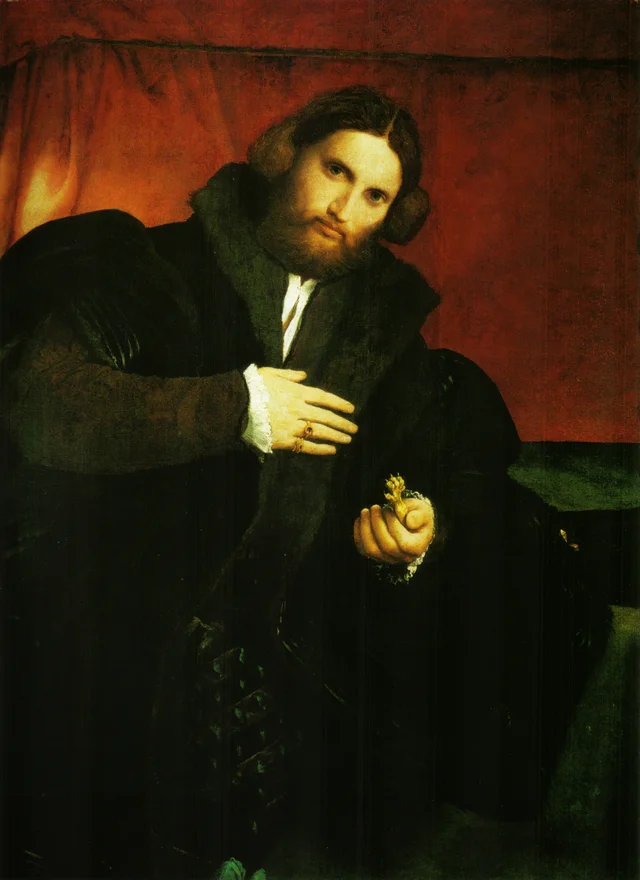 Portrait d'un gentilhomme à la patte de lionLorenzo Lotto, 1527
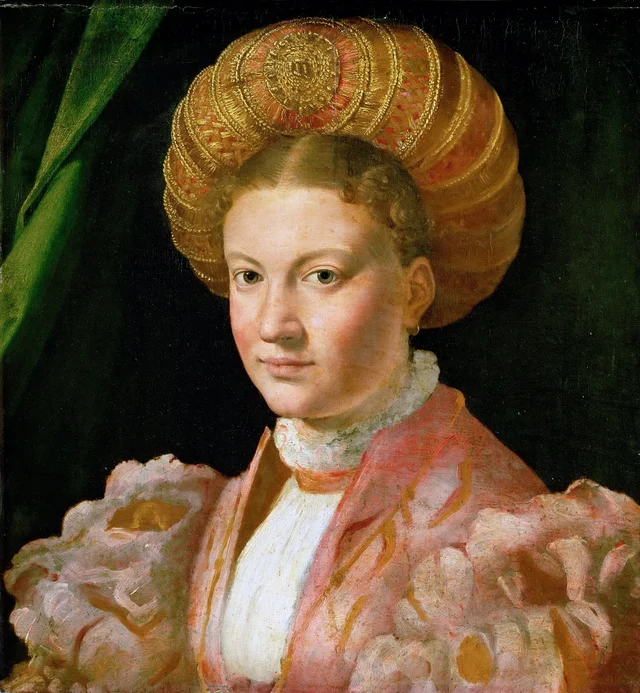 Portrait d'une jeune femmeLe Parmesan, 1530
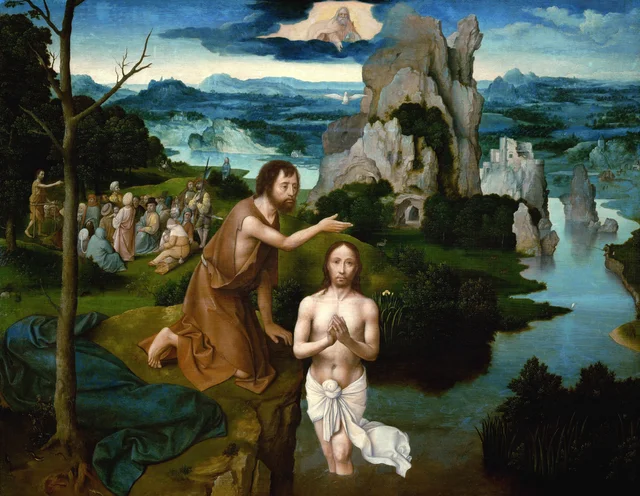 Le Baptême du ChristJoachim Patinir, 1510
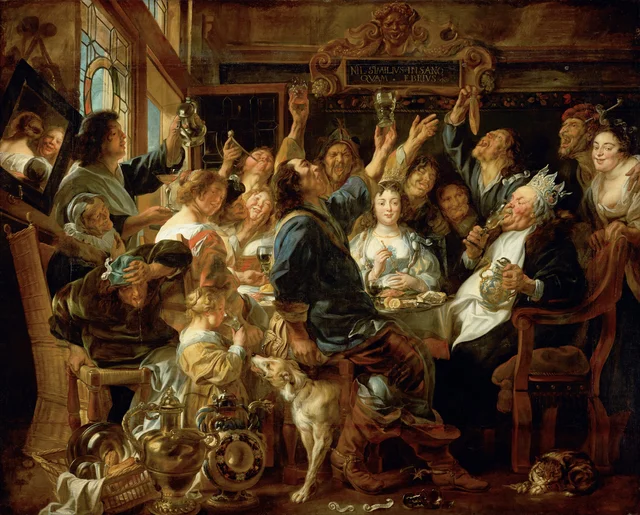 Le Roi boitJacob Jordaens, 1640
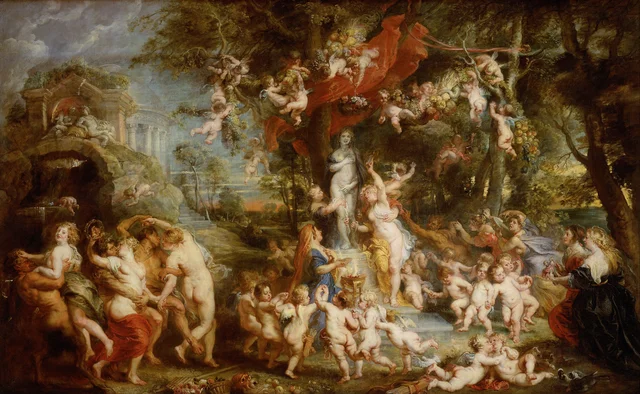 La Fête de VénusPierre Paul Rubens, 1636
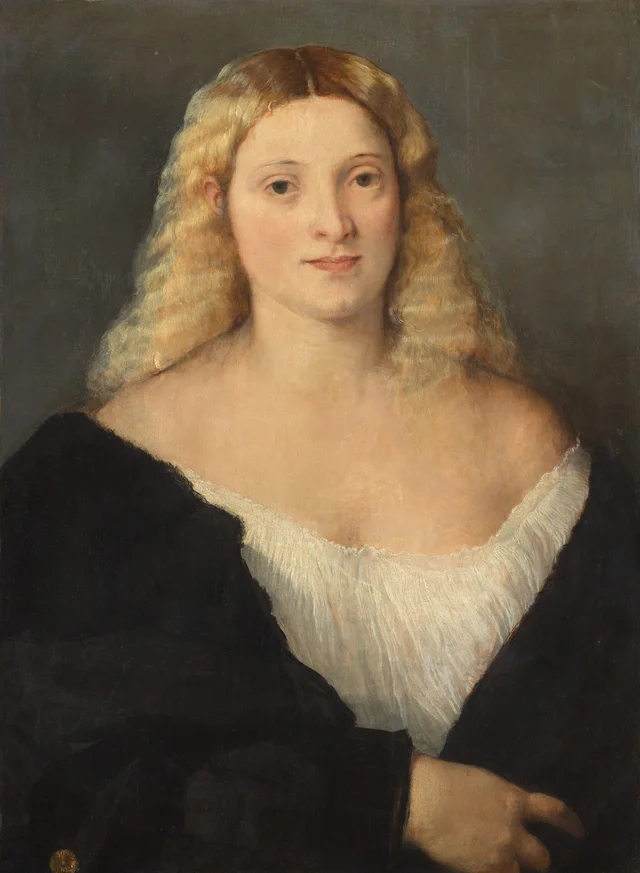 Jeune femme en robe noireTitien, 1520
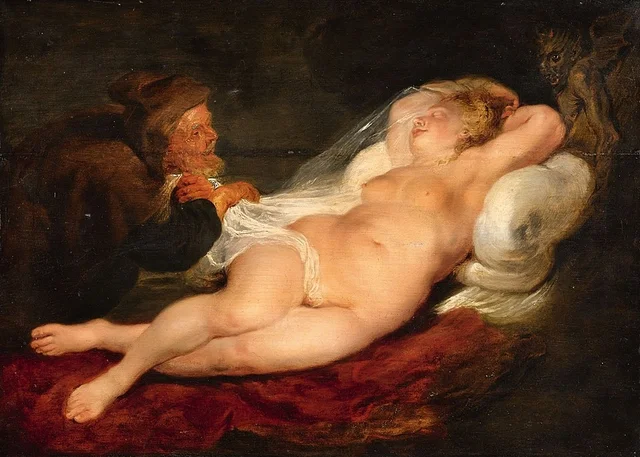 Angélique et l'ermitePierre Paul Rubens, 1620
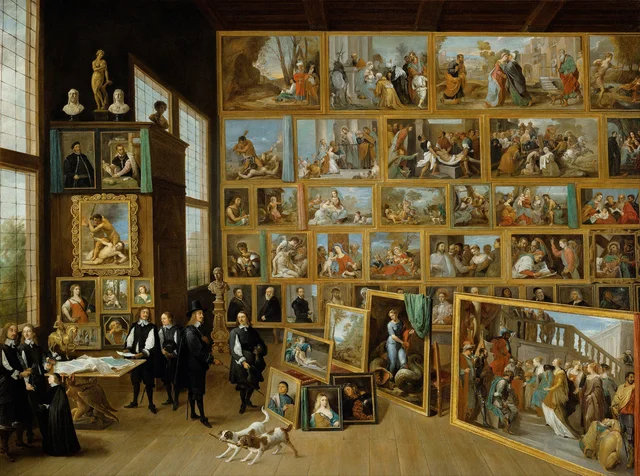 L'Archiduc Léopold-Guillaume dans sa galerie à BruxellesDavid Teniers le Jeune, 1651
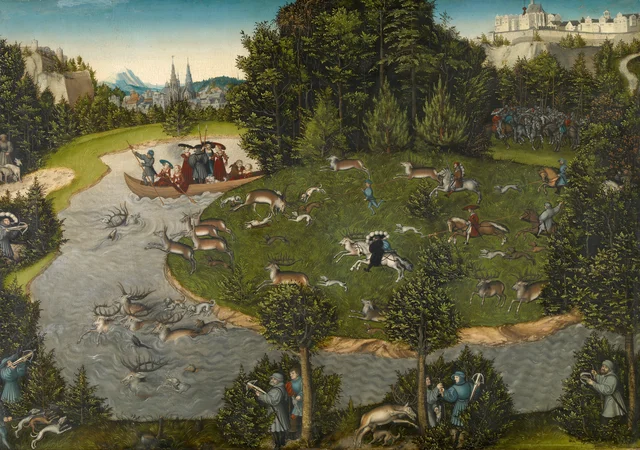 Une chasse au cerf avec l'électeur Frédéric le Sage de SaxeLucas Cranach l'Ancien, 1529
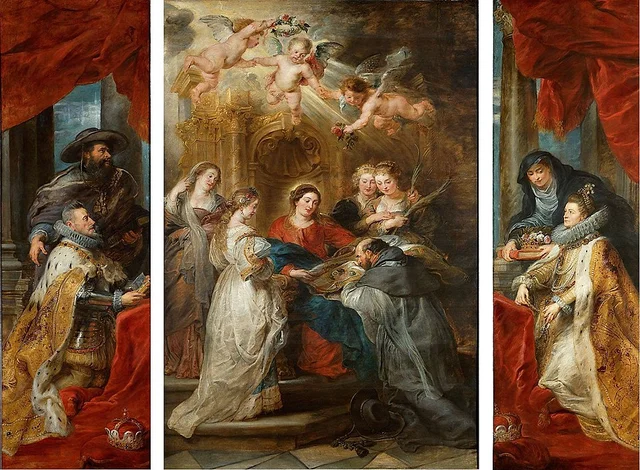 Retable de saint IldefonsePierre Paul Rubens, 1630
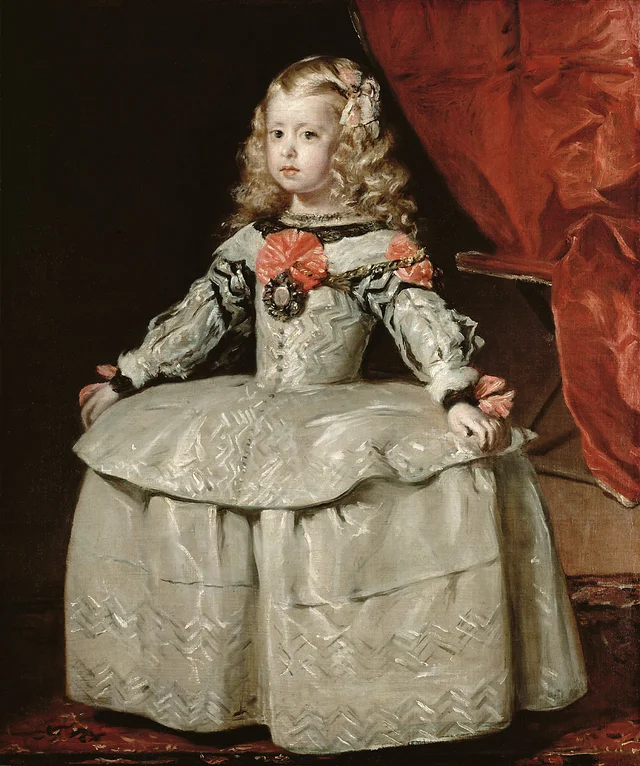 L’infante Marguerite-Thérèse en robe blanche et argentDiego Vélasquez, 1656