L'histoire
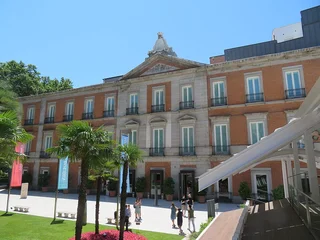
Le quartier des musées de Madrid est souvent appelé le Triangle d'or, et ce musée en est la troisième pointe, à quelques pas du Prado et du Reina Sofía. Là où ces deux-là sont des collections publiques espagnoles constituées au fil des siècles, le Thyssen-Bornemisza fut réuni en deux générations par une seule famille. Le baron Heinrich Thyssen-Bornemisza, un industriel germano-hongrois, commença à acheter des maîtres anciens entre les deux guerres, et son fils Hans Heinrich alla bien plus loin, ajoutant des impressionnistes, des expressionnistes et une peinture américaine que les collectionneurs européens négligeaient alors.
À la fin des années 1980, le baron cherchait un foyer permanent, et plusieurs pays rivalisèrent pour accueillir la collection. L'Espagne l'emporta, aidée par sa femme espagnole Carmen Cervera, et en 1993 l'État acheta environ 775 œuvres et les installa dans le palais de Villahermosa, un hôtel particulier du début du 19e siècle sur le Paseo del Prado, réaménagé à l'intérieur pour les recevoir.
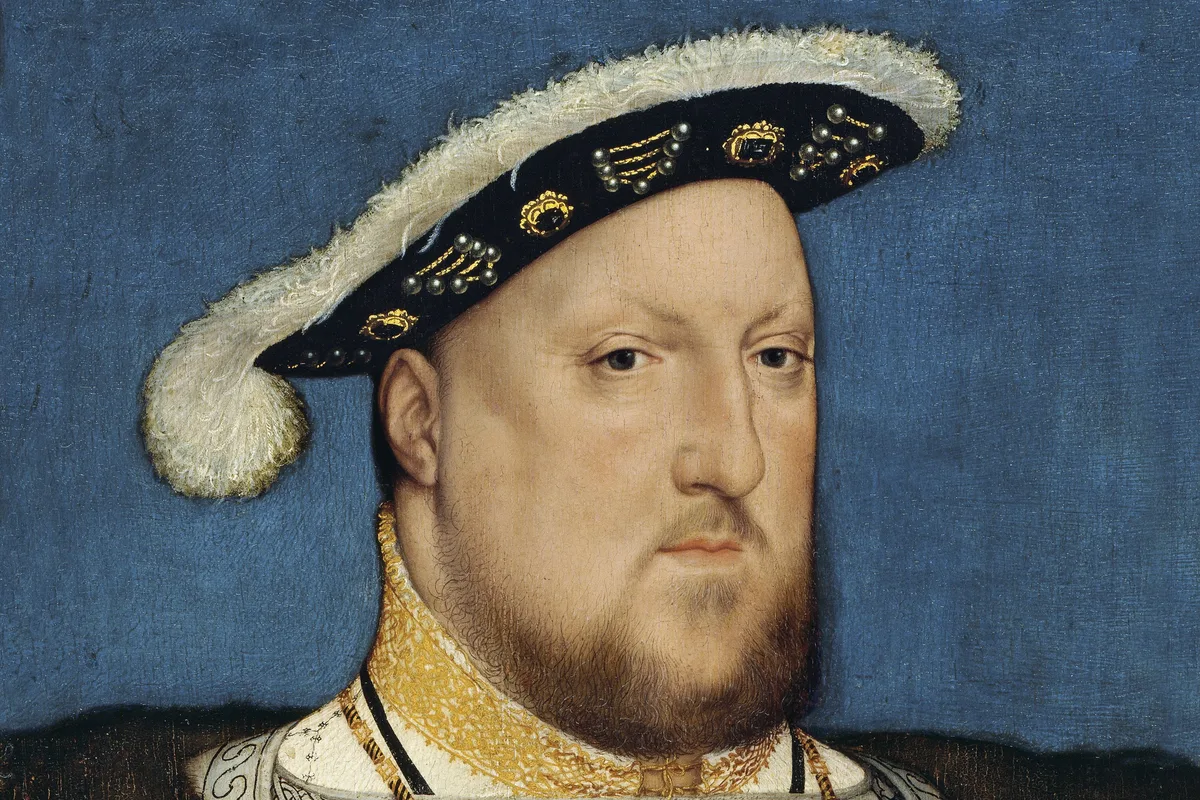
Le plaisir du lieu tient à son ampleur. On peut passer des panneaux italiens à fond d'or du 14e siècle à Holbein, Caravage et Rubens, puis à Monet et Van Gogh, et jusqu'à Kandinsky, Hopper et Lichtenstein, le tout sous un même toit. Il comble les lacunes que laisse le Prado, ce qui explique que les trois musées se visitent d'ordinaire ensemble. Parmi ses œuvres les plus aimées figure le portrait par Ghirlandaio d'une jeune femme de profil, sa robe rouge tranchant sur un fond sombre.
Autres articles
Collection
82 œuvres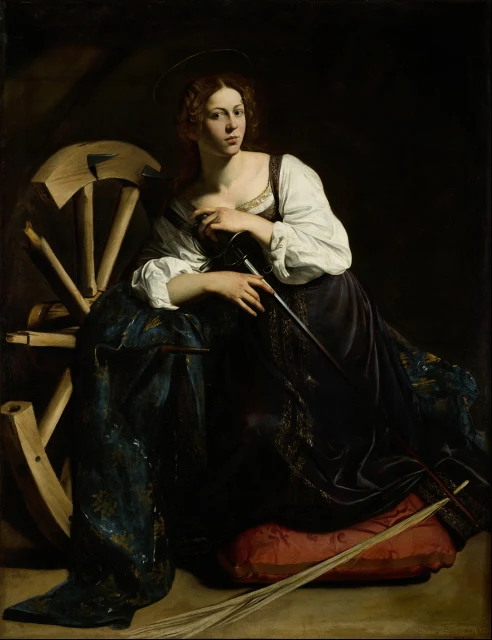 Sainte Catherine d'AlexandrieLe Caravage, 1598
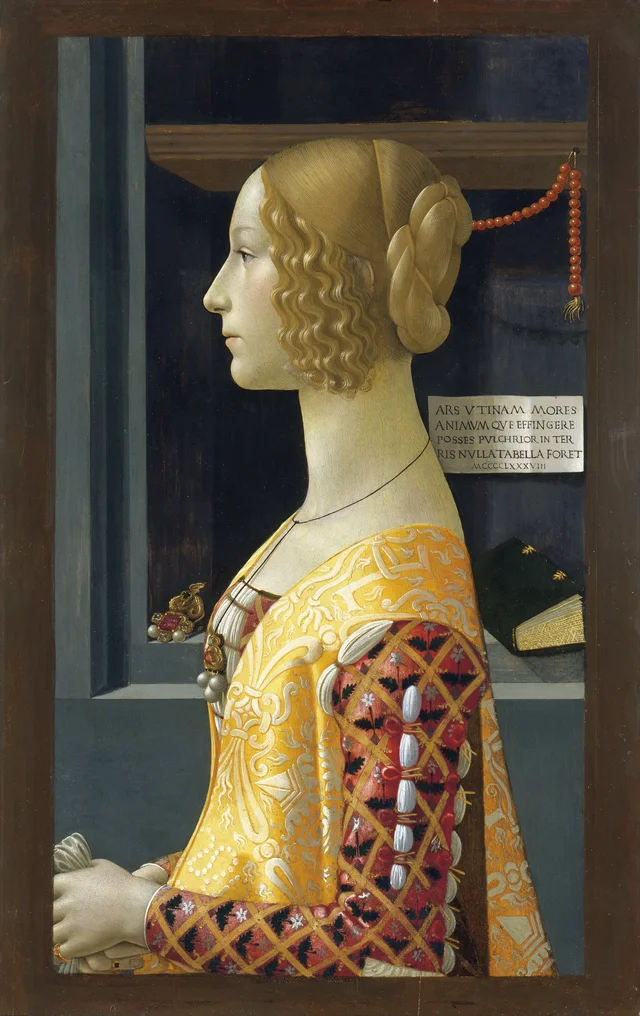 Portrait de Giovanna TornabuoniDomenico Ghirlandaio, 1488
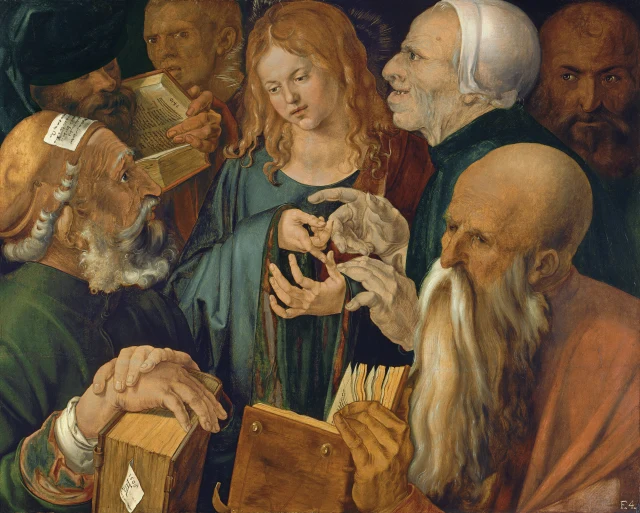 Le Christ parmi les docteursAlbrecht Dürer, 1506
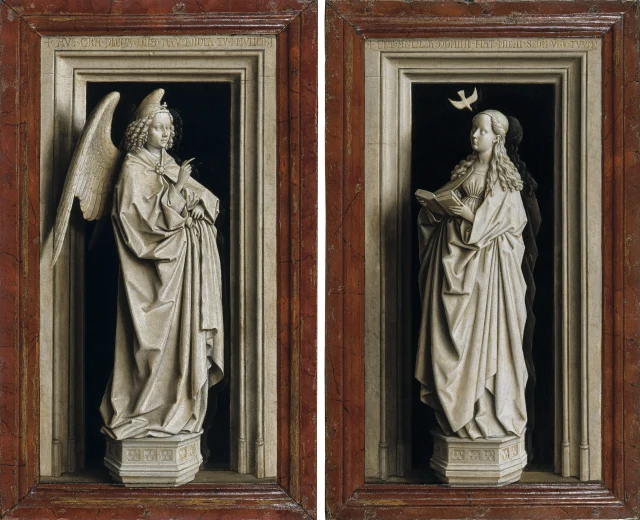 L'AnnonciationJan van Eyck, 1440
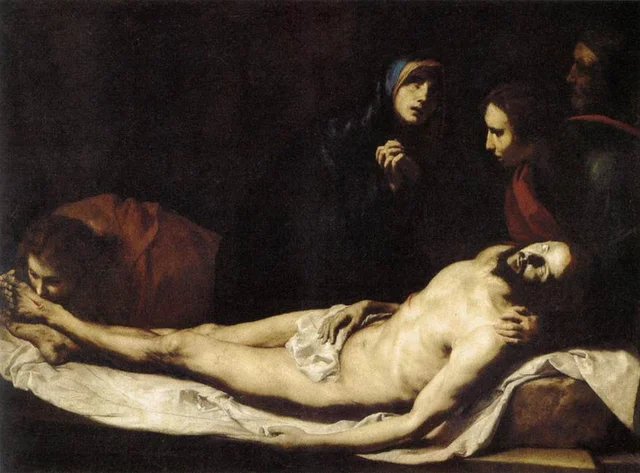 La PietàJusepe de Ribera, 1633
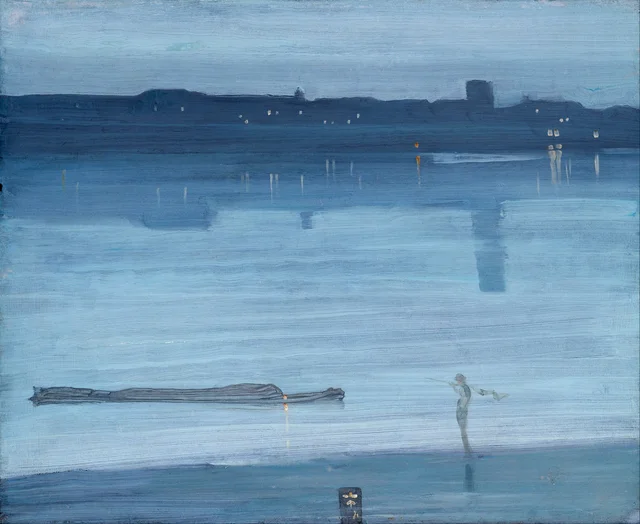 Nocturne : bleu et argent – ChelseaJames McNeill Whistler, 1871
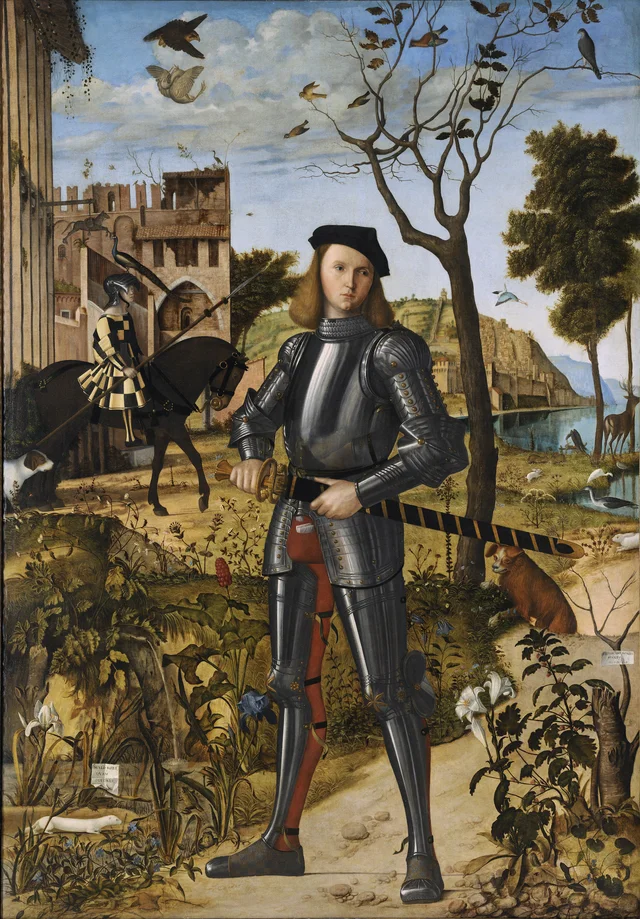 Portrait d'un chevalierVittore Carpaccio, 1510
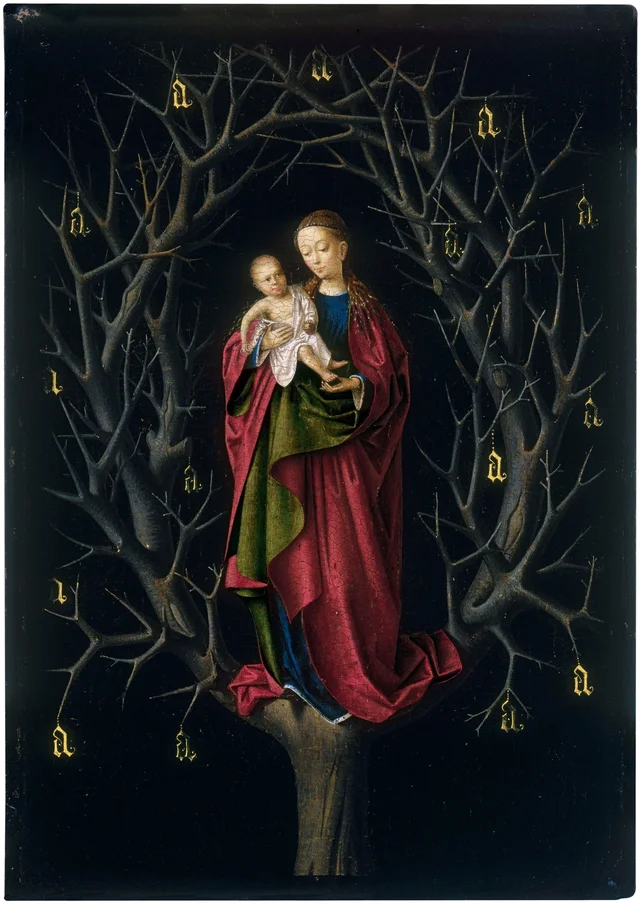 La Vierge à l'arbre secPetrus Christus, 1462
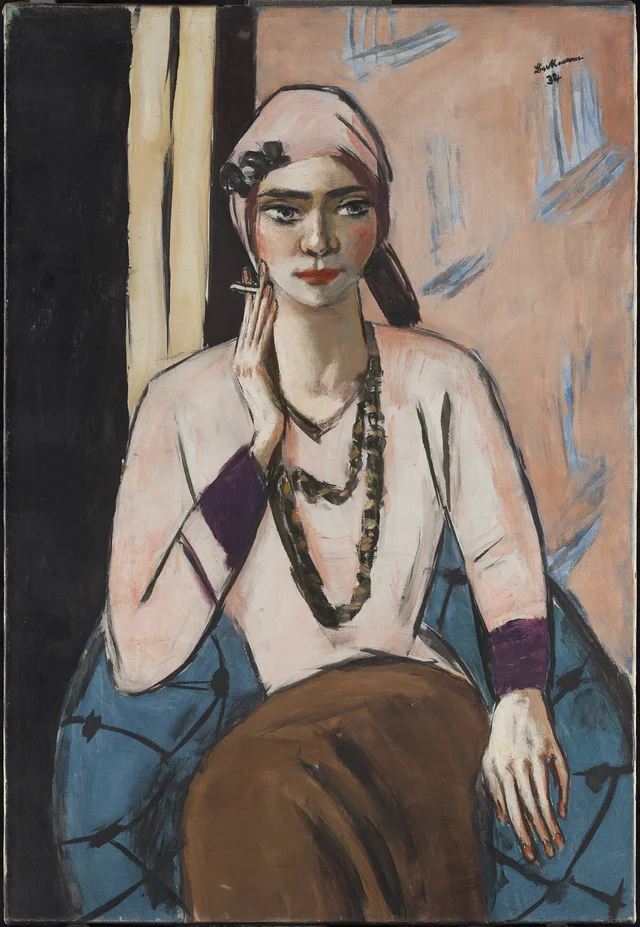 Quappi en pull roseMax Beckmann, 1934
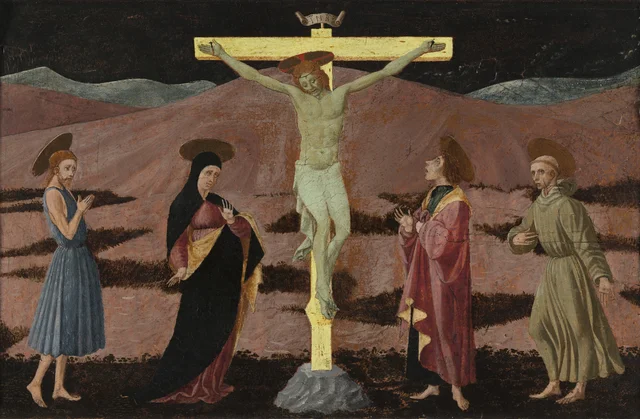 La Crucifixion avec la Vierge, saint Jean-Baptiste, saint Jean l'Évangéliste et saint FrançoisPaolo Uccello, 1460
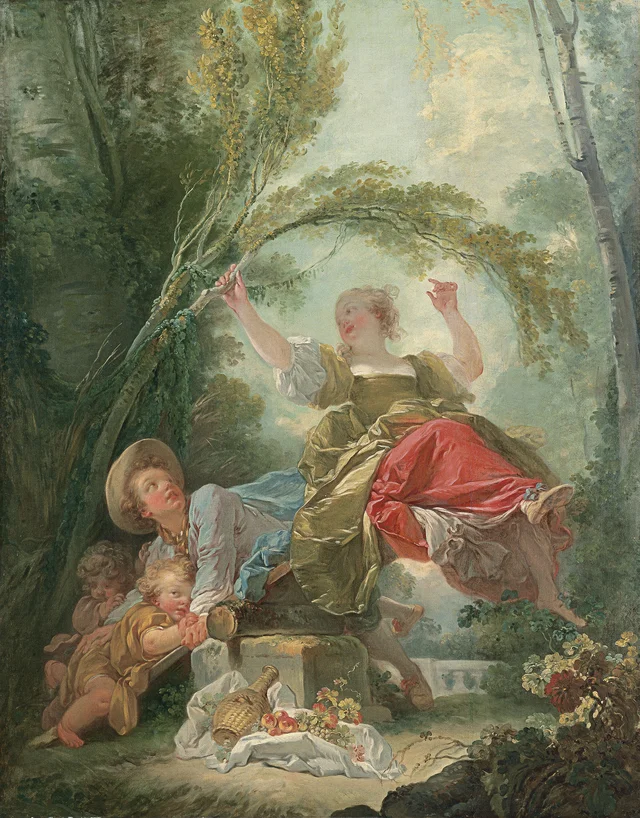 La BalançoireJean-Honoré Fragonard, 1750
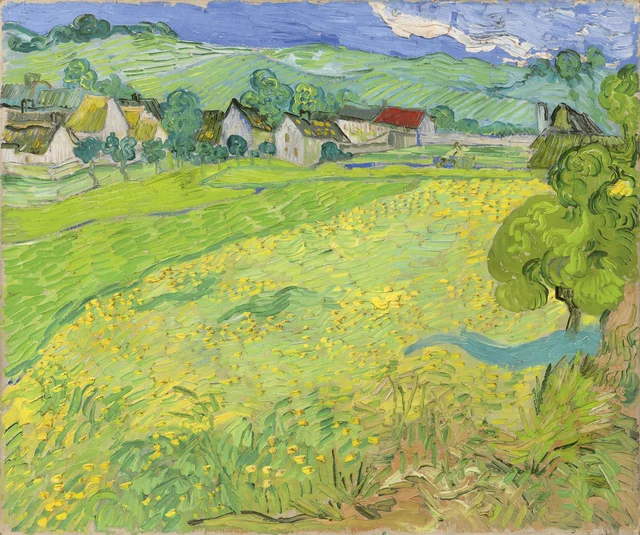 Vue des Vessenots près d'AuversVincent van Gogh, 1890
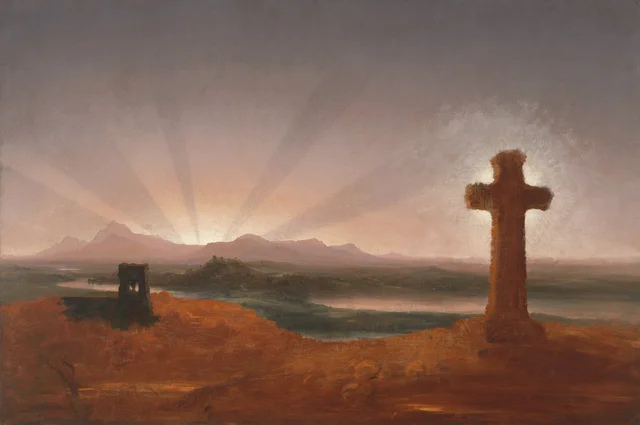 Croix au coucher du soleilThomas Cole, 1848
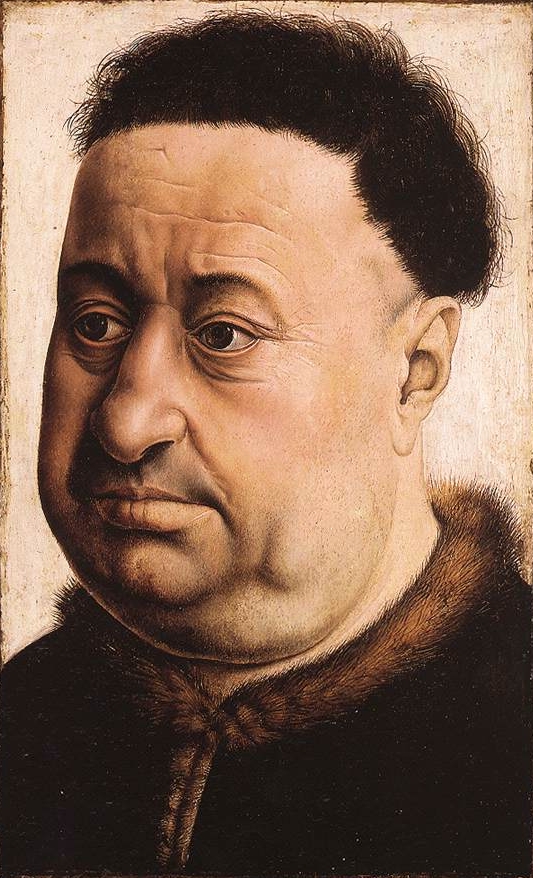 Portrait d'un homme corpulentRobert Campin, 1425
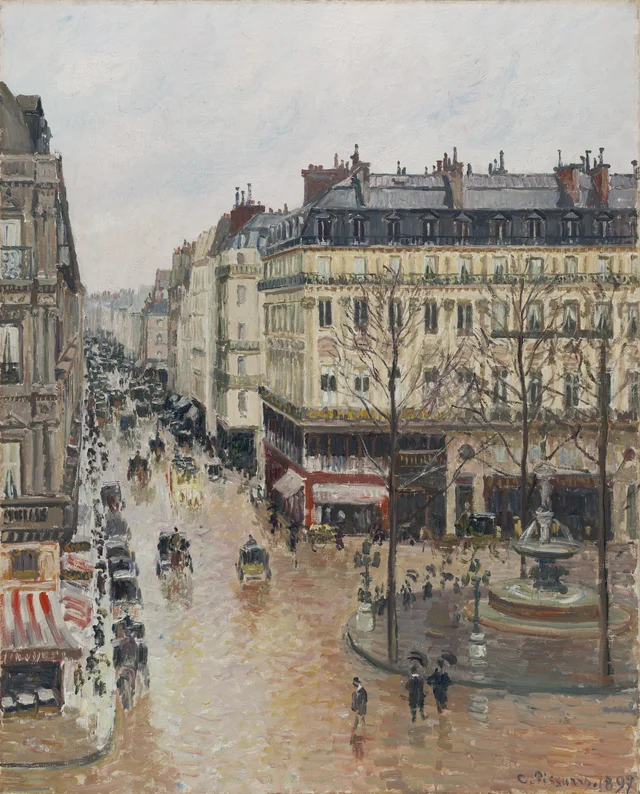 La rue Saint-Honoré, après-midi, effet de pluieCamille Pissarro, 1897
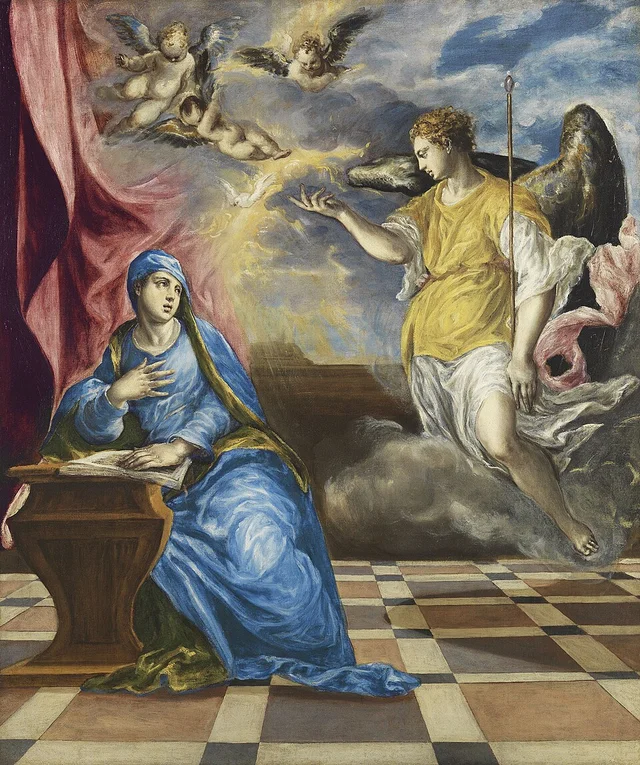 L'AnnonciationEl Greco, 1576
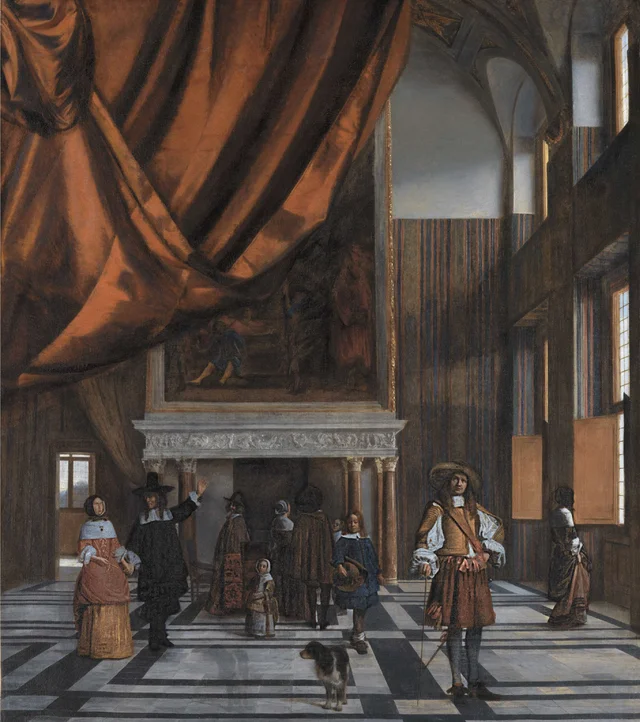 La Salle du conseil de l'hôtel de ville d'AmsterdamPieter de Hooch, 1664
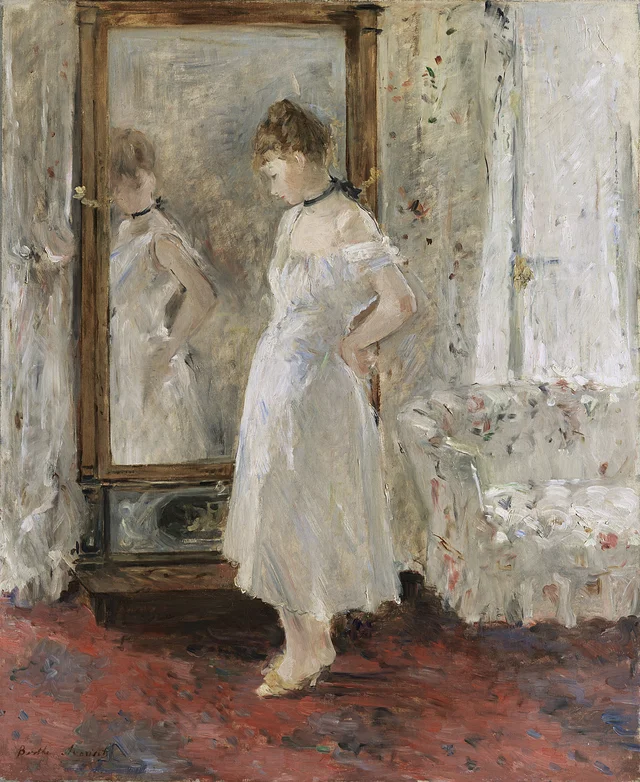 La PsychéBerthe Morisot, 1876
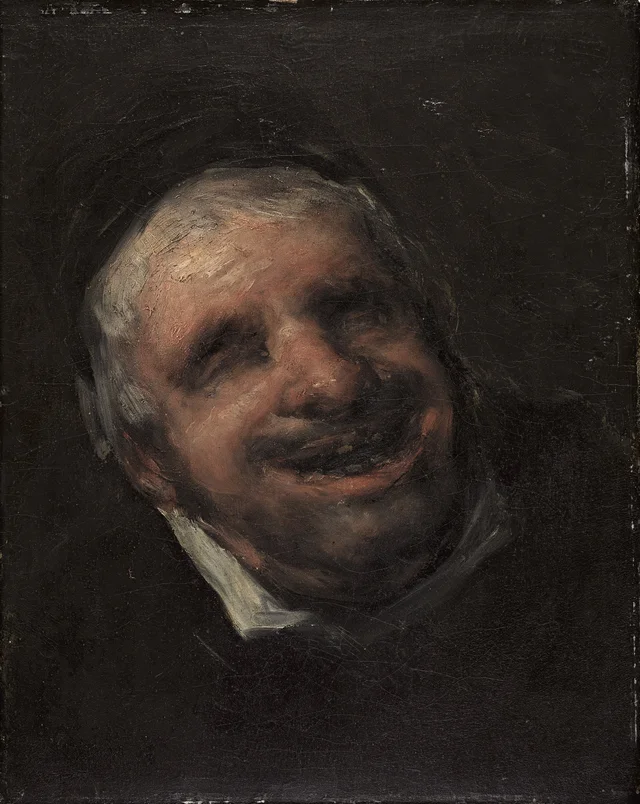 L’Oncle PaqueteFrancisco Goya, 1820
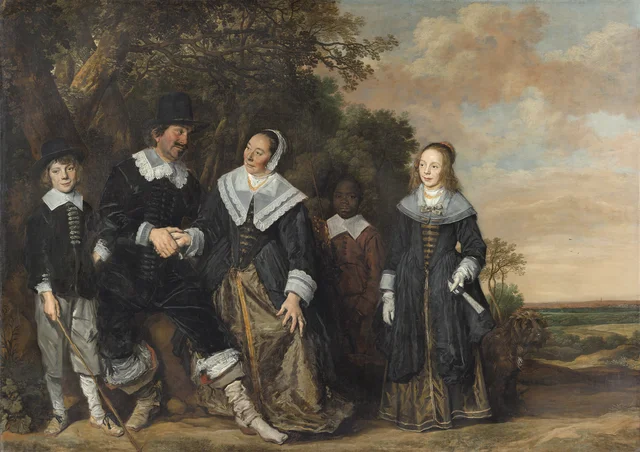 Groupe familial dans un paysageFrans Hals, 1640
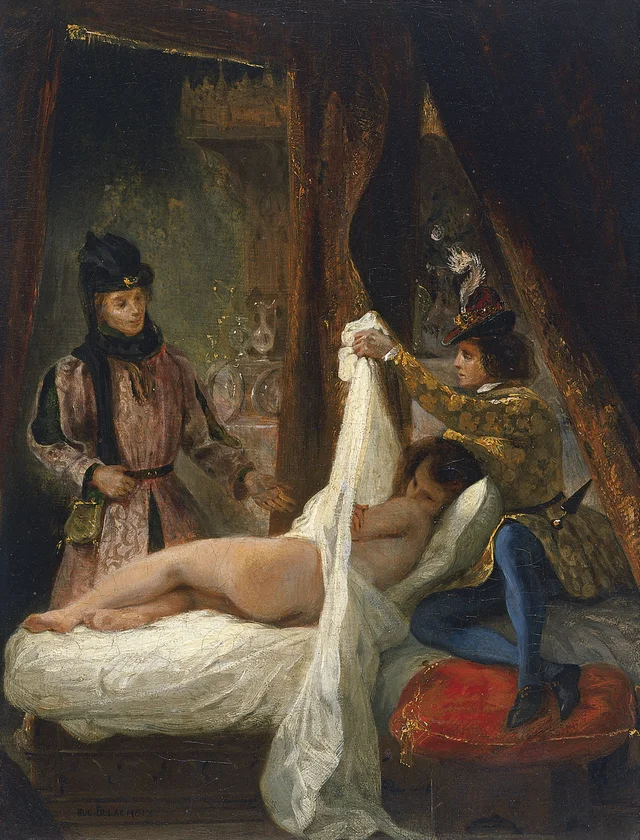 Louis d'Orléans dévoilant une maîtresseEugène Delacroix, 1825
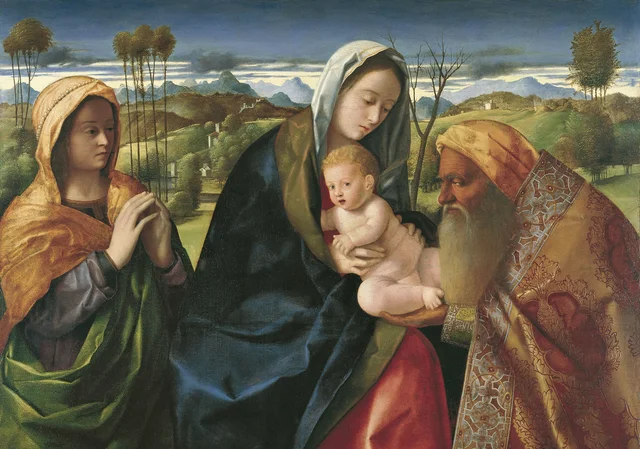 Conversation sacréeGiovanni Bellini, 1507
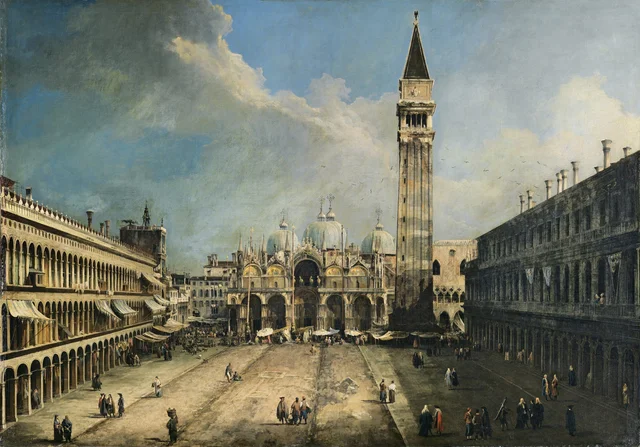 La place Saint-Marc à VeniseCanaletto, 1723
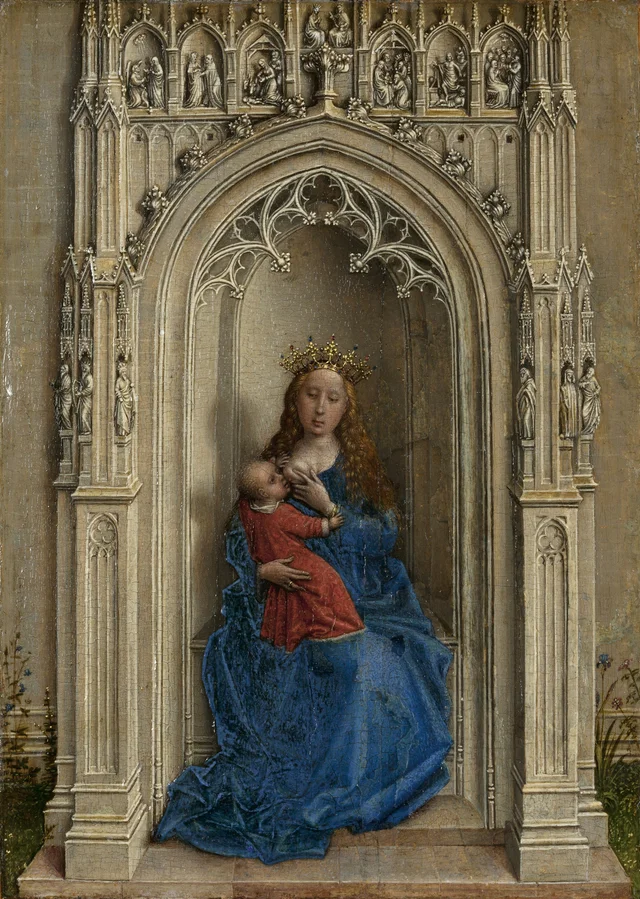 La Vierge à l'Enfant en majestéRogier van der Weyden, 1430
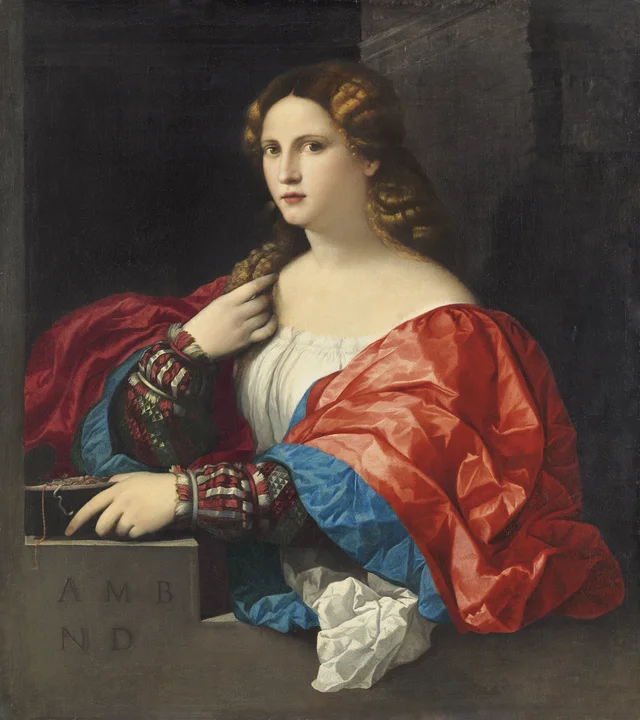 Portrait d'une jeune femme dite « La Bella »Palma l'Ancien, 1519