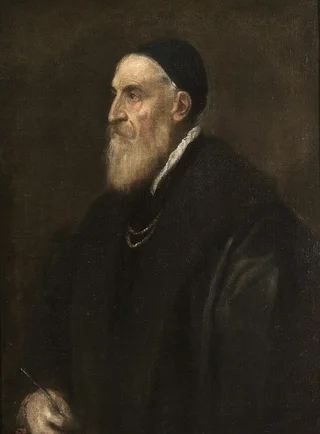
Tiziano
1488–1576 · Repubblica di Venezia · Scuola veneziana
La storia
Tiziano diresse la bottega pittorica più attiva e potente della Venezia del Cinquecento, e la diresse per moltissimo tempo. Nato intorno al 1488 tra le montagne a nord della città, subentrò come primo pittore di Venezia alla morte di Giovanni Bellini, e lo confermò nel 1518 con una monumentale pala per la chiesa dei Frari raffigurante l'Assunzione della Vergine, con figure più grandi e più vive di quanto la città avesse mai visto.
La sua fama andava ben oltre Venezia. Nel 1530 incontrò l'imperatore Carlo V, l'uomo più potente d'Europa, e ne divenne il ritrattista prediletto. Si racconta che l'imperatore si sia chinato una volta a raccogliere un pennello caduto a Tiziano, un gesto inaudito verso un semplice pittore. Carlo lo nominò conte, e suo figlio Filippo II di Spagna mantenne Tiziano al proprio servizio per decenni, commissionandogli una serie di grandi tele mitologiche con dèi ed eroi greci che il pittore spediva a Madrid.
Tiziano lavorò fino a un'età molto avanzata, e i suoi dipinti tardi si allentano quasi fino alla sfocatura, la pittura trascinata e sfumata con le dita tanto quanto con i pennelli, sicché da vicino si dissolvono. Era ancora al lavoro quando la peste si abbatté su Venezia nel 1576. Lo uccise in quell'agosto, insieme al figlio Orazio, e fu sepolto nella stessa chiesa dei Frari che custodiva il suo primo grande trionfo. Aveva circa 88 anni.
Altri articoli
 Articolo · 38 min di letturaNational Gallery of Art di Washington: venti quadri arrivati da mani private
 Articolo · 35 min di letturaLe Gallerie dell'Accademia di Venezia: venti opere e la strada che ciascuna ha fatto per arrivarci
 Articolo · 41 min di letturaCosa vedere al Louvre: le 25 opere principali
 Articolo · 19 min di letturaMuseo del Prado: i dipinti che sono sopravvissuti ai loro mondi
 Articolo · 39 min di letturaGalleria Borghese: da Scipione Borghese all'acquisto dello Stato
 Articolo · 43 min di letturaLa Gemäldegalerie di Berlino: 20 dipinti che Berlino ha comprato, perso e diviso
Opere
286 opere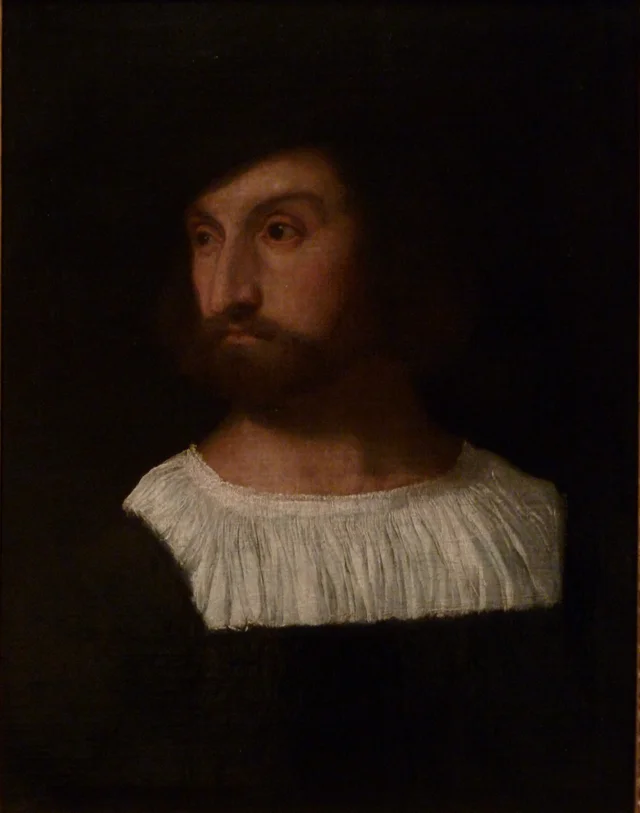 Ritratto d'uomoTiziano, 1515
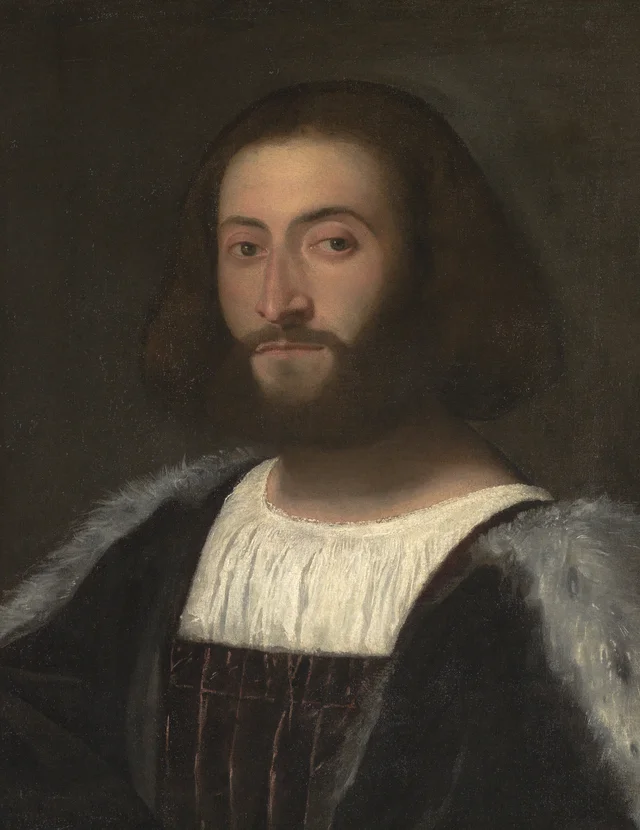 Ritratto di un uomoTiziano, 1509
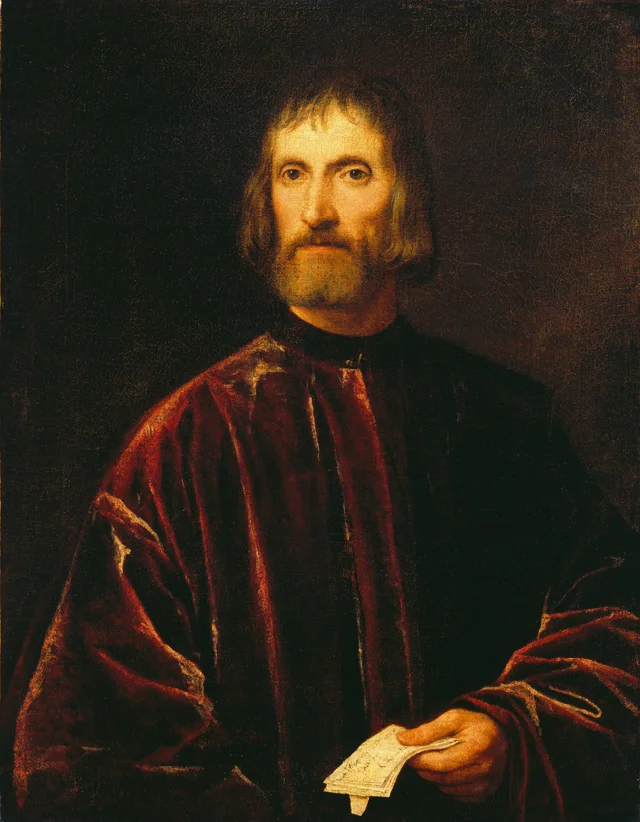 Ritratto di Andrea dei FranceschiTiziano, 1532
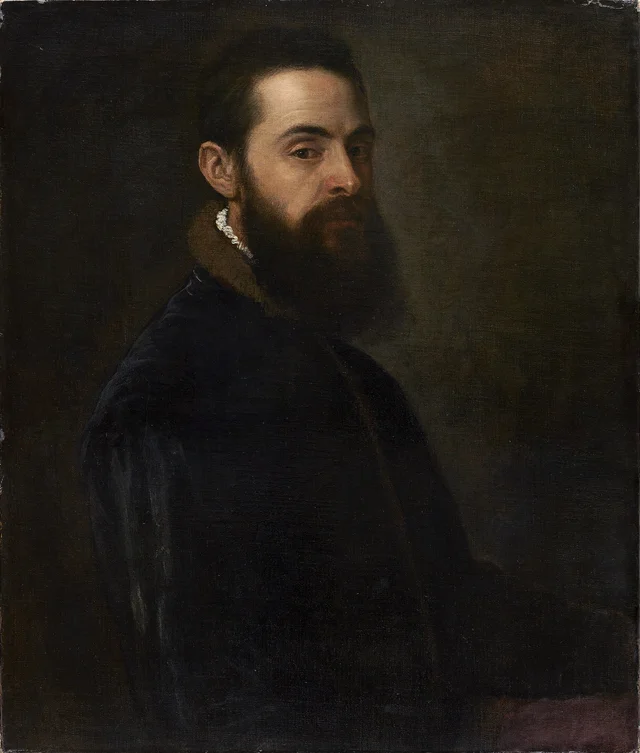 Ritratto di Antonio AnselmiTiziano, 1550
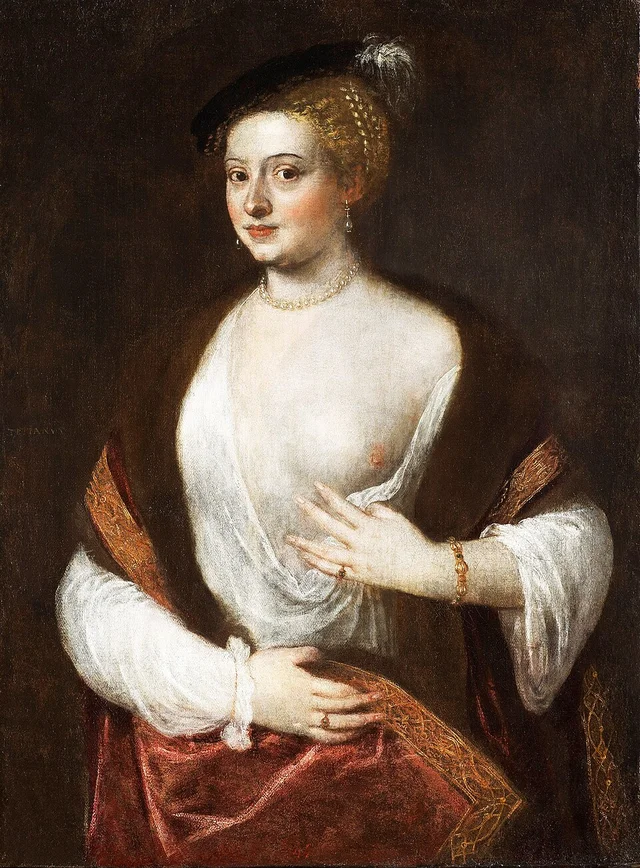 Ritratto di una dama sconosciuta, detta l'amante di TizianoTiziano, 1550
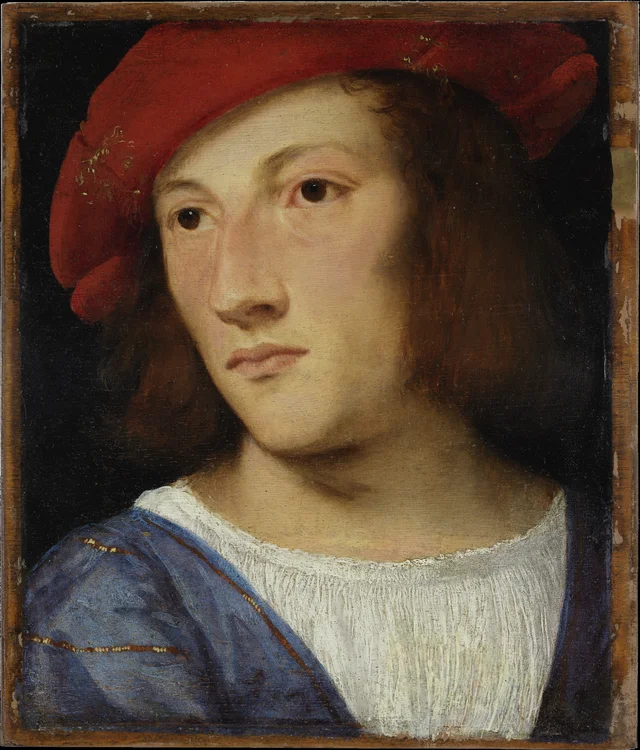 Ritratto di un giovaneTiziano, 1510
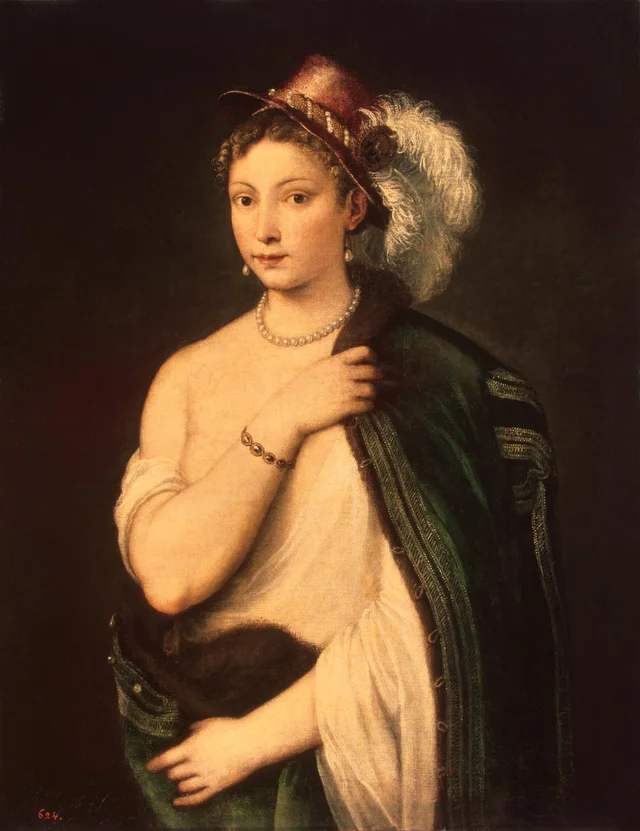 Ritratto di una giovane donnaTiziano, 1536
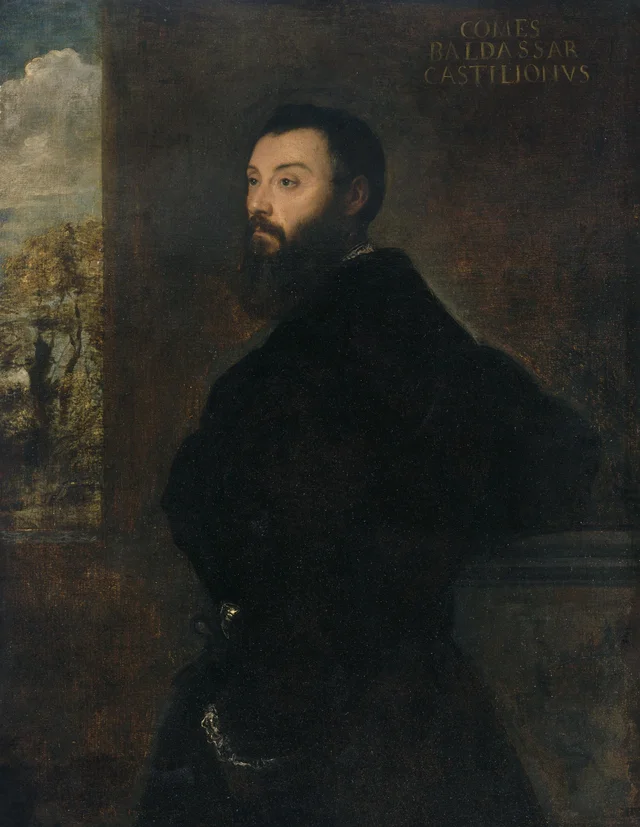 Ritratto di Baldassare CastiglioneTiziano, 1537
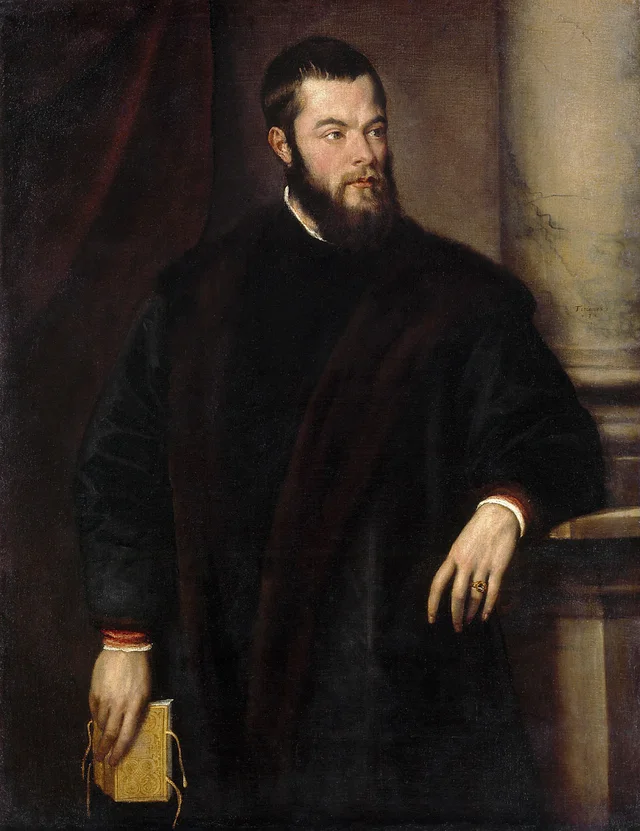 Ritratto di Benedetto VarchiTiziano, 1540
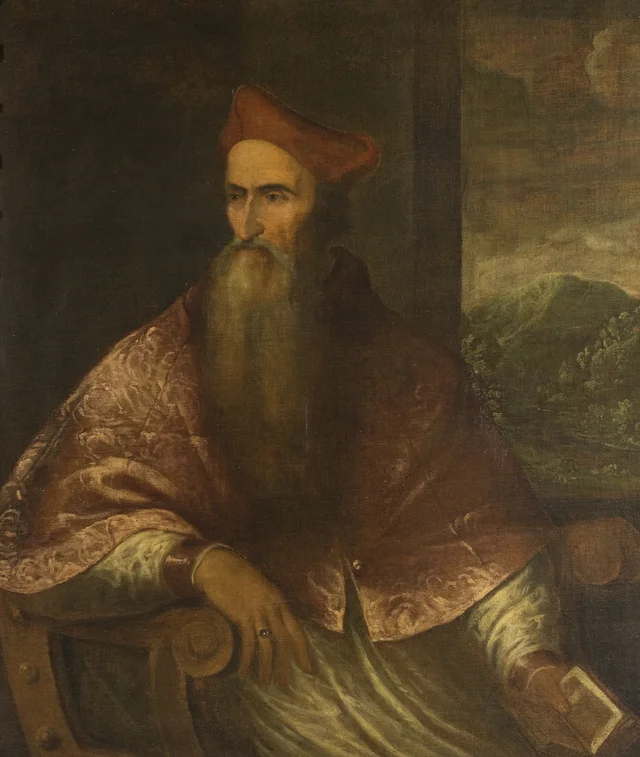 Ritratto del cardinale Pietro BemboTiziano, 1545
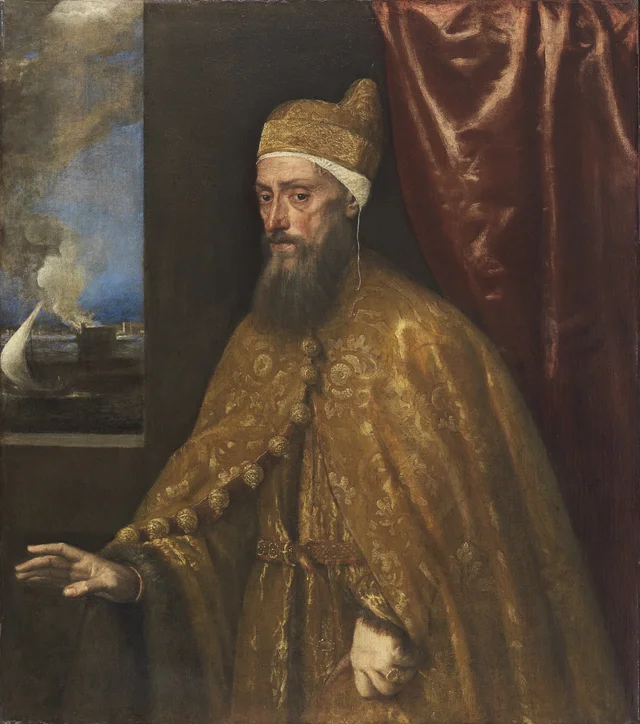 Ritratto del doge Francesco VenierTiziano, 1554
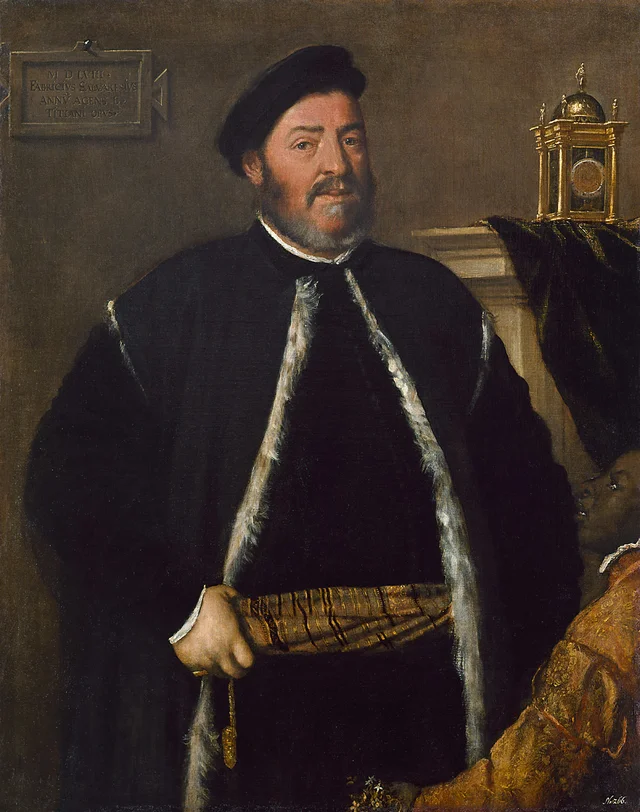 Ritratto di Fabrizio SalvaresioTiziano, 1558
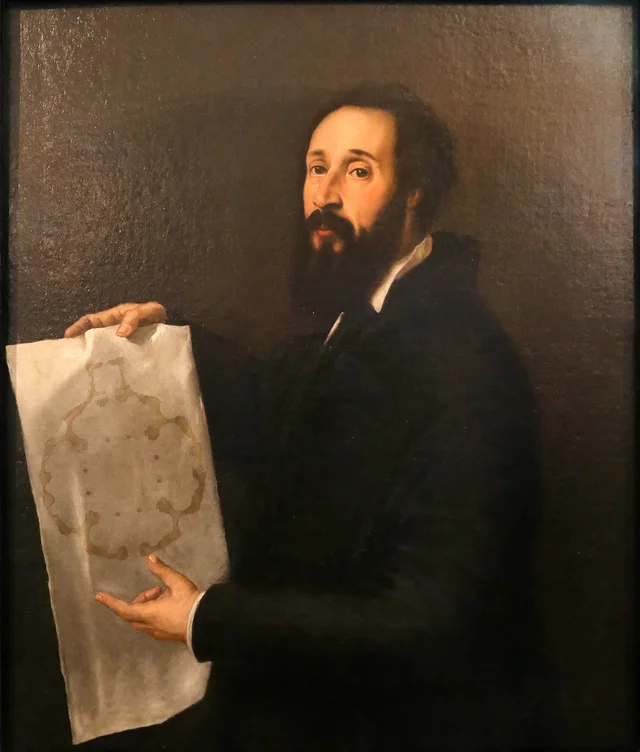 Ritratto di Giulio RomanoTiziano, 1537
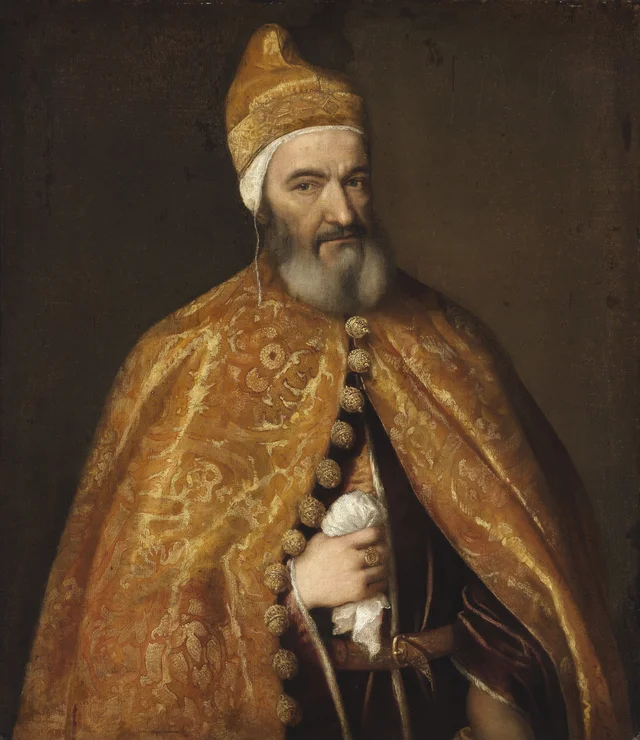 Ritratto di Marcantonio Trevisan, doge di VeneziaTiziano, 1553
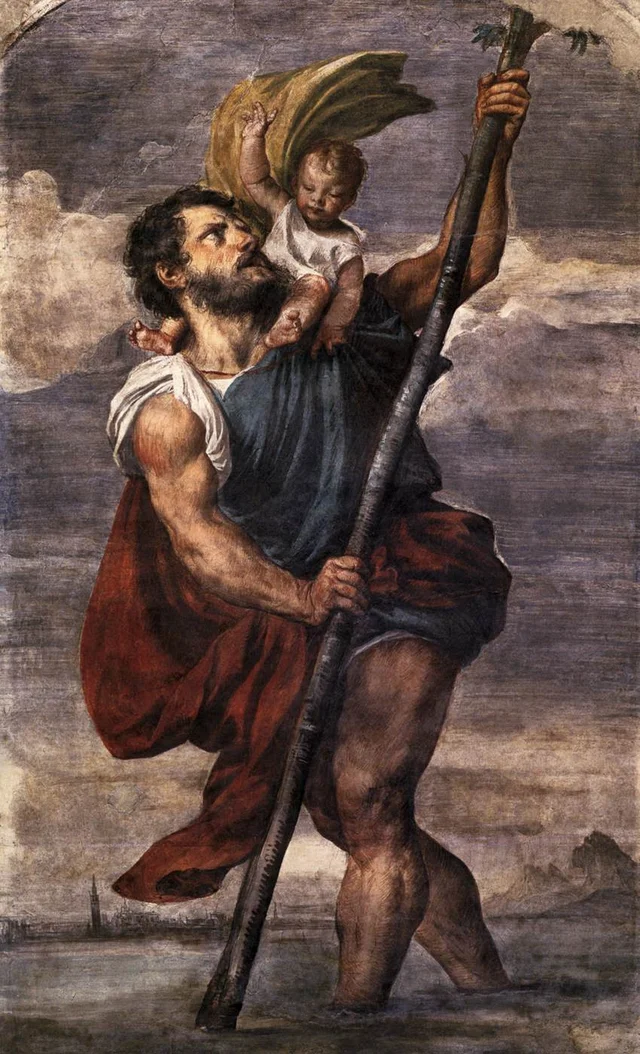 San CristoforoTiziano, 1523
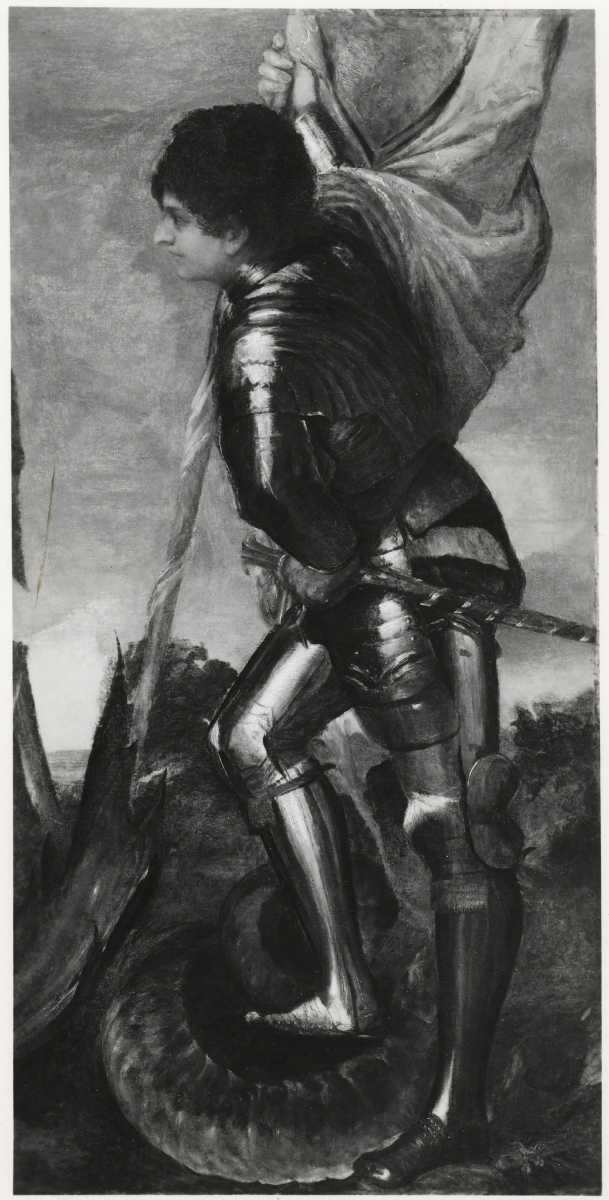 San GiorgioTiziano, 1510
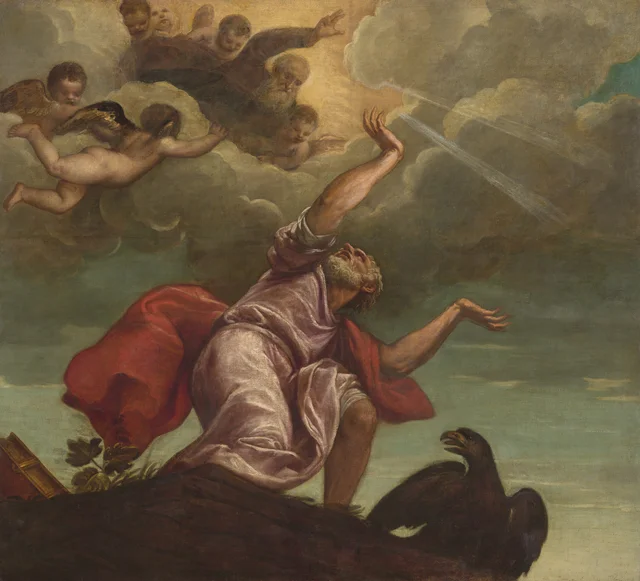 San Giovanni Evangelista a PatmosTiziano, 1547
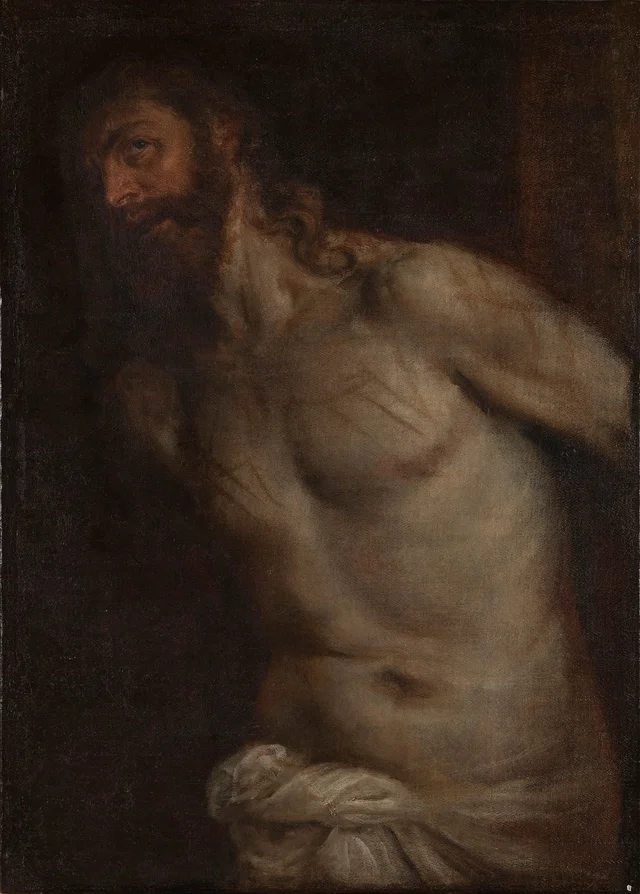 Cristo flagellatoTiziano, 1568
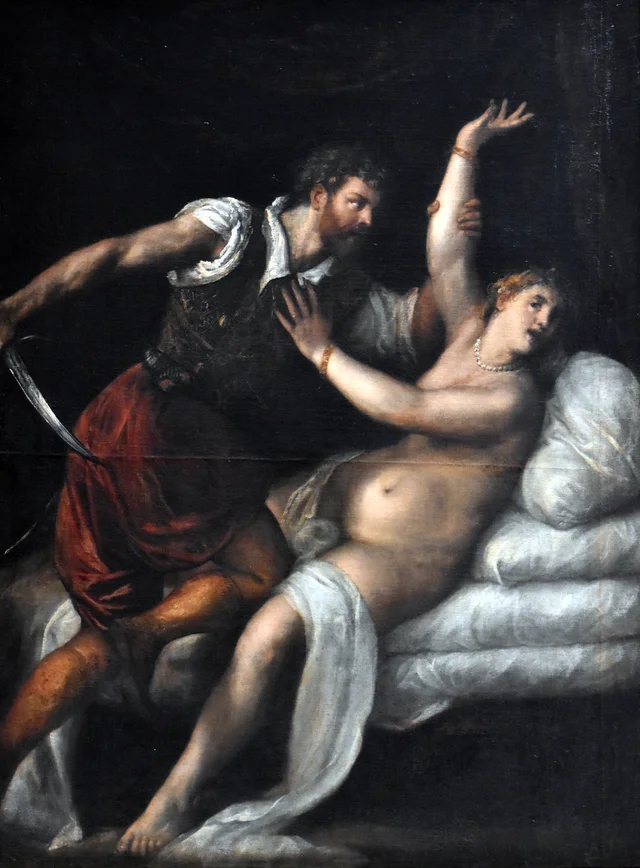 Tarquinio e LucreziaTiziano, 1570
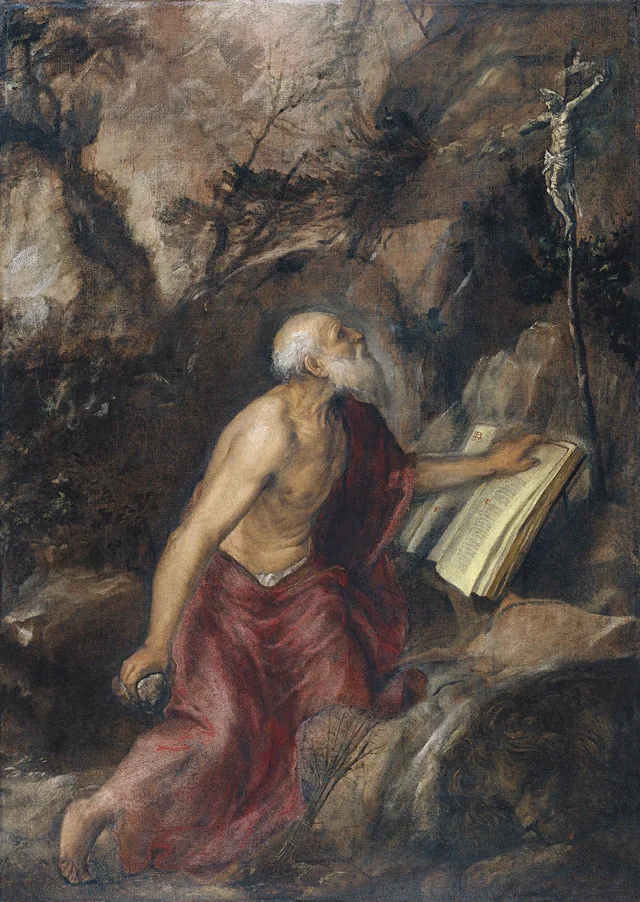 San Girolamo penitenteTiziano, 1570
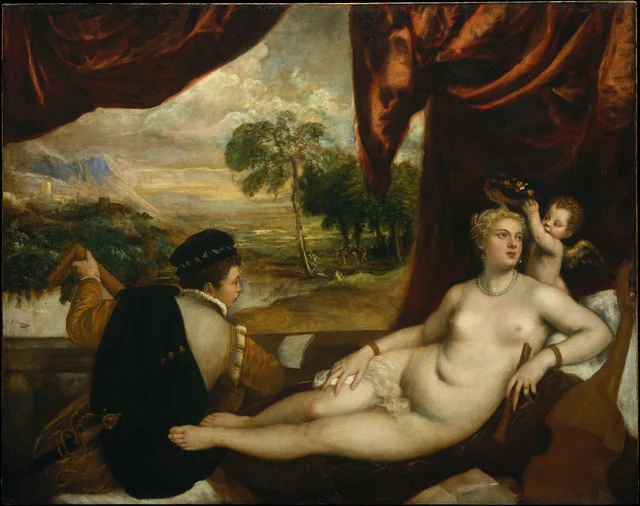 Venere e il suonatore di liutoTiziano, 1567
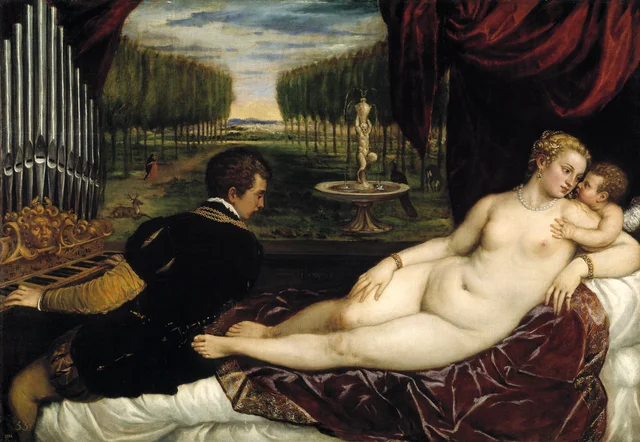 Venere con l'organista e CupidoTiziano, 1555
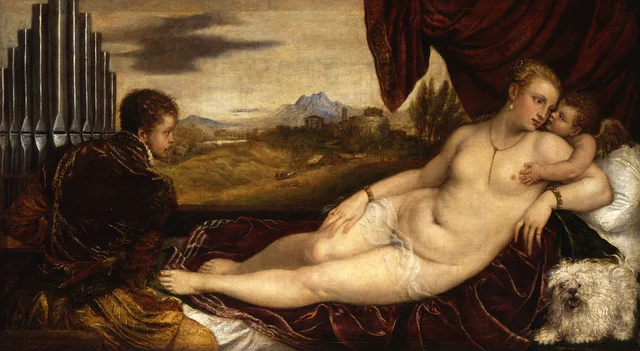 Venere e il suonatore d'organoTiziano, 1550
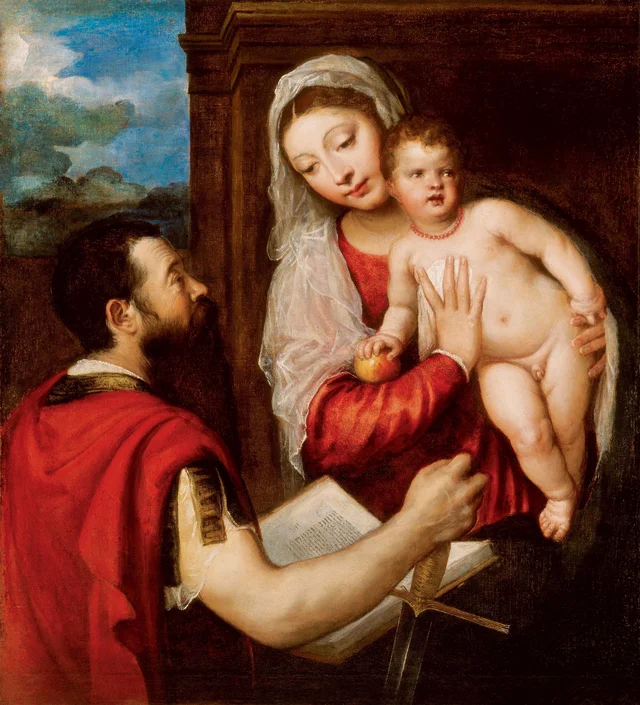 Madonna con Bambino e san PaoloTiziano, 1540
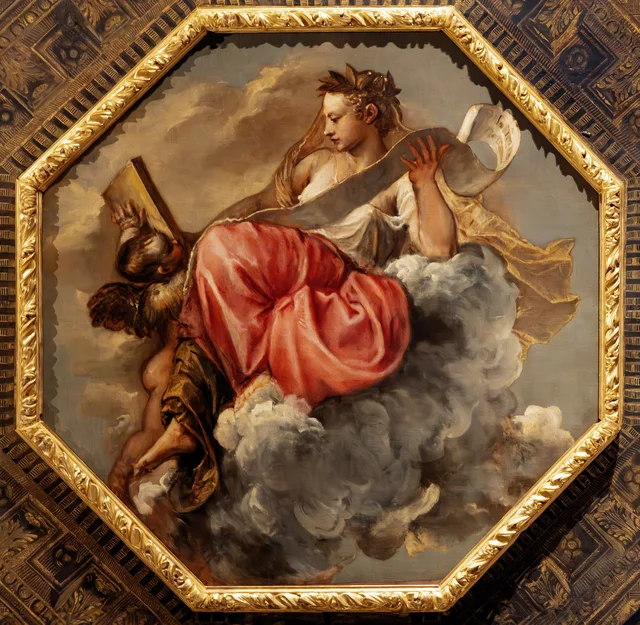 La SapienzaTiziano, 1560