La storia
Il Louvre nacque come fortezza. Filippo II Augusto la eresse sulla riva destra della Senna intorno al 1190 per difendere la Parigi medievale, e nei secoli successivi i re di Francia la trasformarono in un palazzo reale, finché Luigi XIV nel 1682 spostò la corte a Versailles e lasciò le sale incompiute alle collezioni reali e agli artisti che vi alloggiavano.
Fu la Rivoluzione a farne un museo pubblico. Il 10 agosto 1793 il Muséum central des arts aprì le porte, mostrando le opere confiscate alla corona e alla Chiesa a qualunque cittadino volesse entrare. Napoleone lo riempì con il bottino delle sue campagne e per un breve periodo gli diede il proprio nome. Molto fu restituito dopo Waterloo, ma l'idea rimase, una collezione nazionale ordinata per lo studio e gratuita per il pubblico.
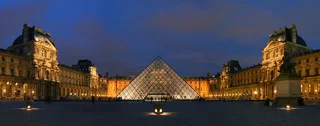
Oggi il Louvre conserva più di 35.000 opere, dalla Venere di Milo alla Zattera della Medusa di Géricault. La folla, però, si accalca verso un piccolo ritratto. Nell'agosto 1911 sparì: Vincenzo Peruggia, un tuttofare italiano che aveva lavorato nel museo, staccò dalla parete la Gioconda di Leonardo e la portò fuori sotto il cappotto. Per due anni la cornice restò vuota mentre i visitatori venivano a fissare quel vuoto, e il dipinto tornò solo nel 1913, dopo che Peruggia cercò di venderlo a un mercante di Firenze. La piramide di vetro di I. M. Pei, collocata nel cortile nel 1989, segna oggi l'ingresso.
Altri articoli
Collezione
1174 opere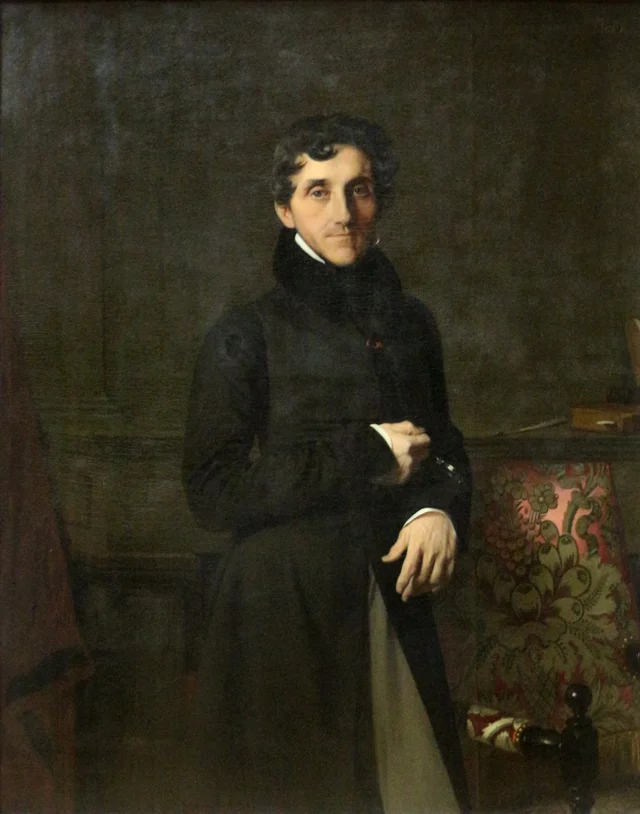 Ritratto di Louis-Mathieu MoléJean-Auguste-Dominique Ingres, 1834
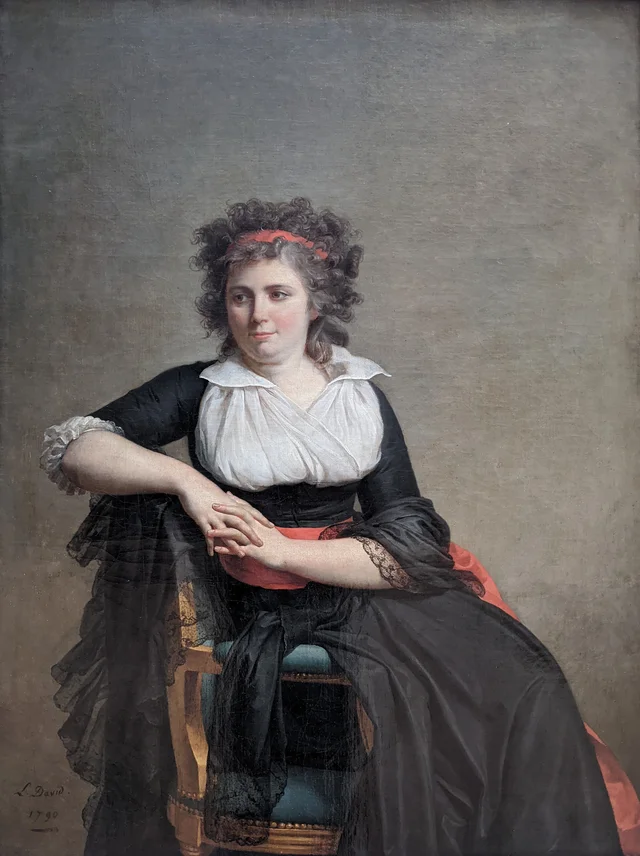 Ritratto della marchesa d'OrvilliersJacques-Louis David, 1790
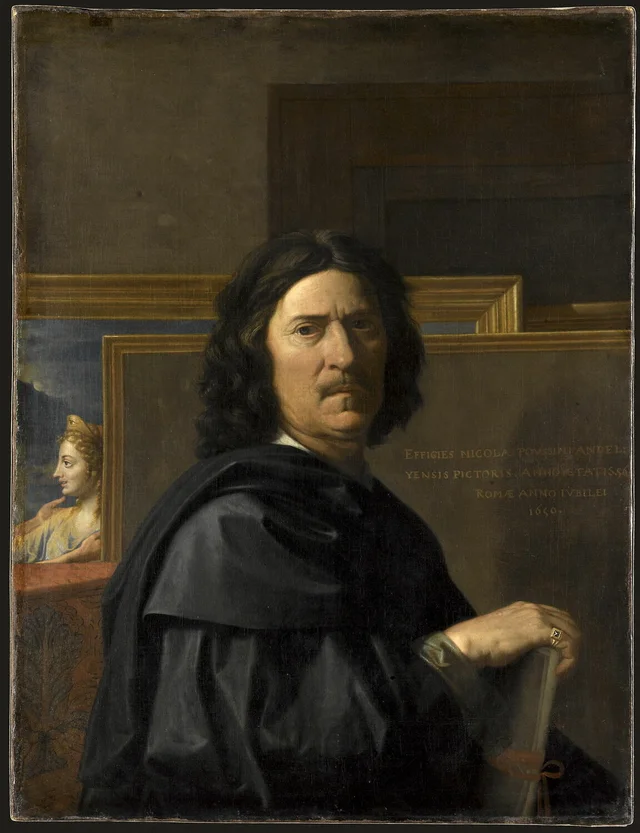 AutoritrattoNicolas Poussin, 1650
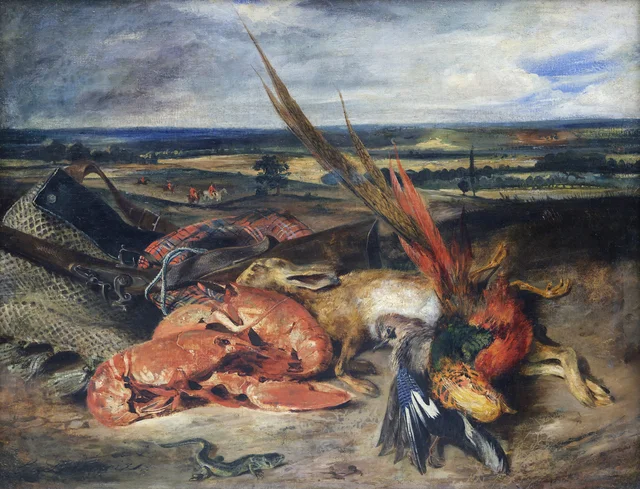 Natura morta con astice e trofei di caccia e pescaEugène Delacroix, 1827
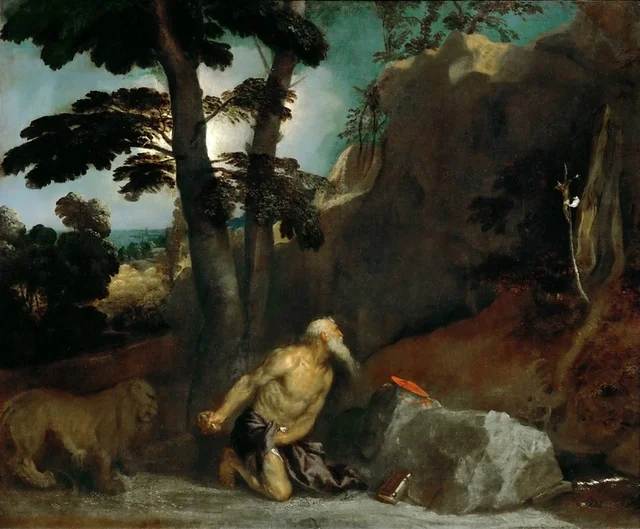 San Girolamo penitenteTiziano, 1531
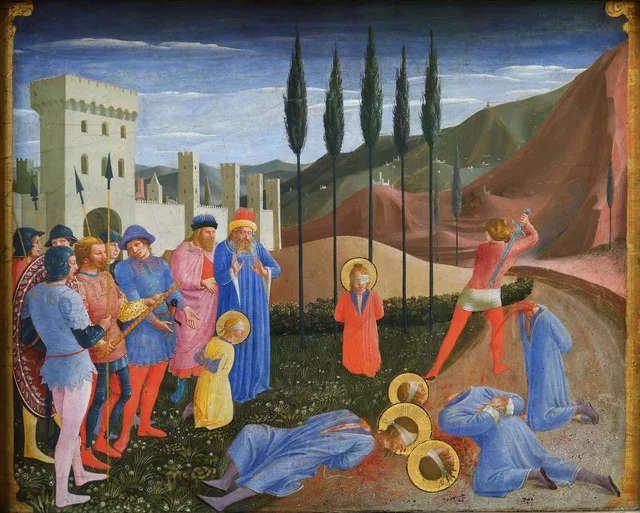 La decapitazione dei santi Cosma e DamianoBeato Angelico, 1443
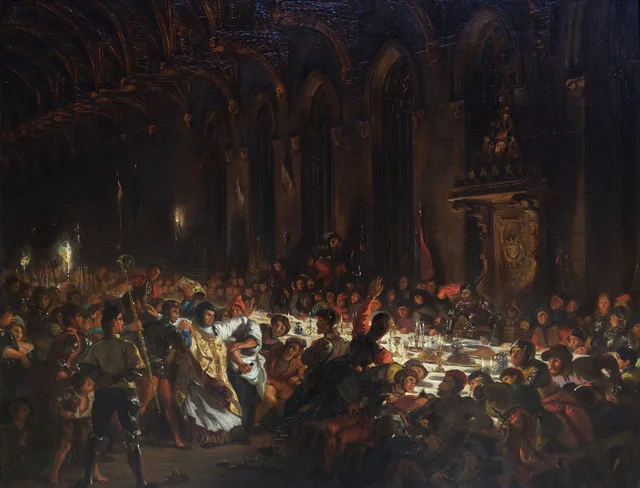 L'assassinio del vescovo di LiegiEugène Delacroix, 1828
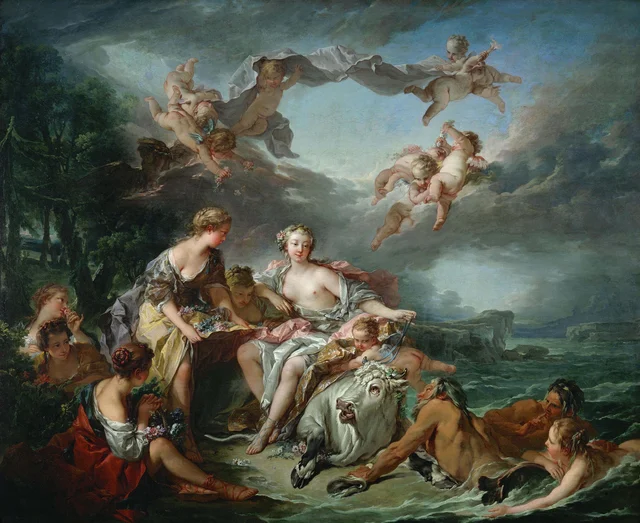 Il ratto di EuropaFrançois Boucher, 1747
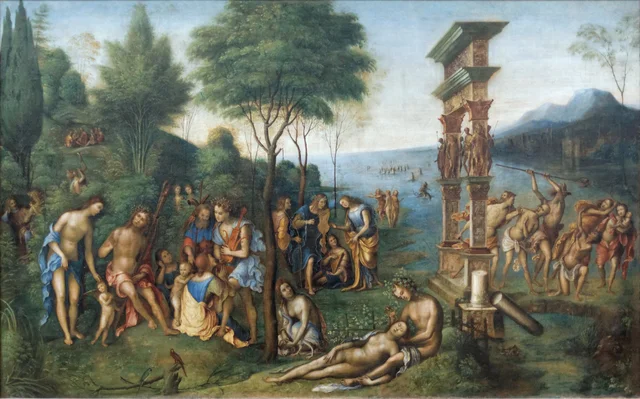 Il regno di ComusLorenzo Costa, 1511
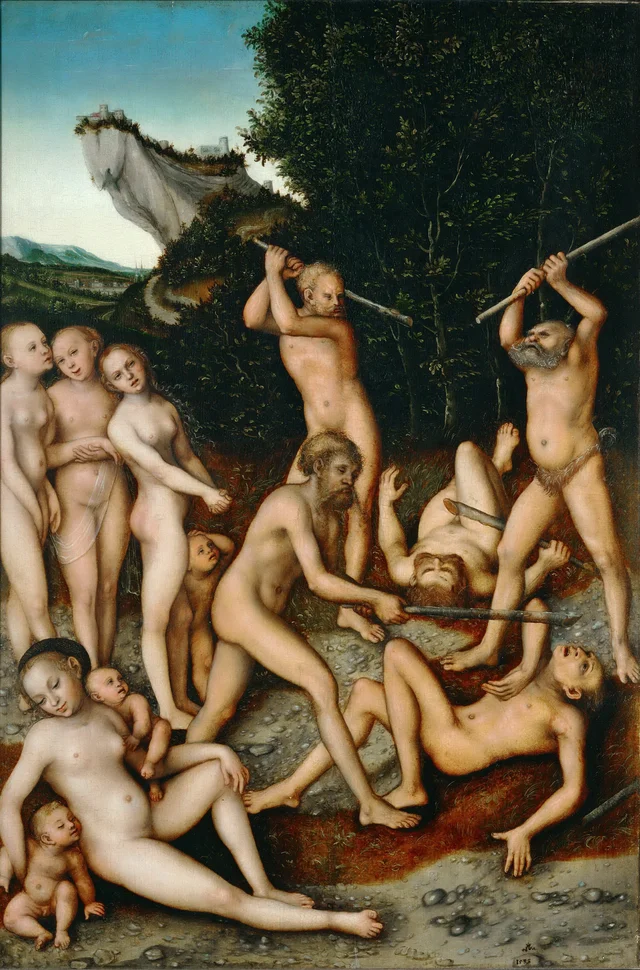 L'età dell'argentoLucas Cranach il Vecchio, 1535
 Il trionfo di FloraNicolas Poussin, 1627
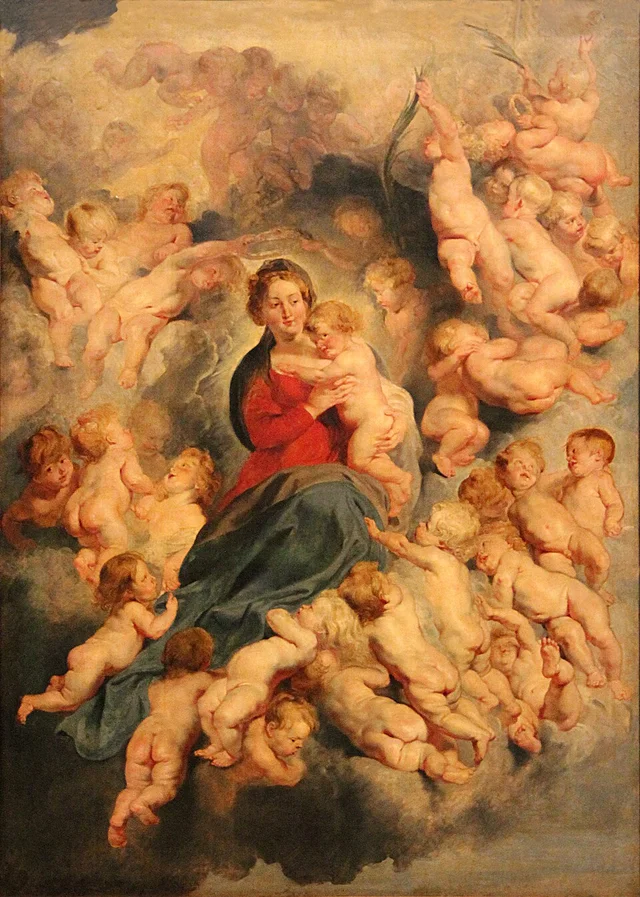 La Vergine col Bambino circondata dai Santi InnocentiPieter Paul Rubens, 1618
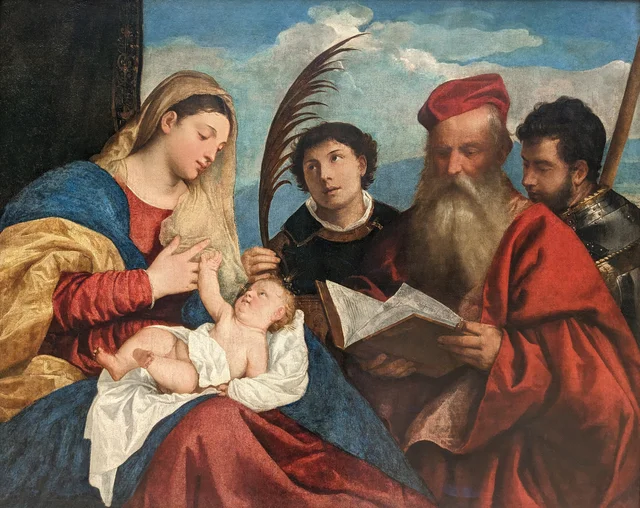 Madonna con Bambino tra i santi Stefano, Gerolamo e MaurizioTiziano, 1517
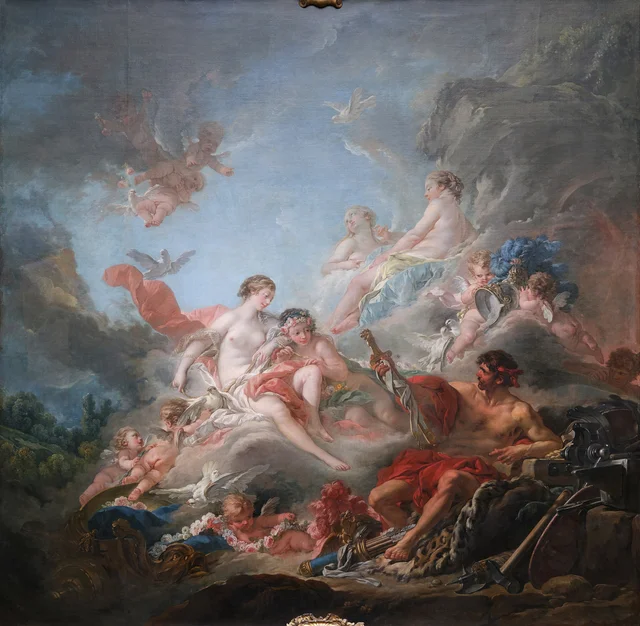 Vulcano che presenta a Venere le armi per EneaFrançois Boucher, 1757
 L'invernoNicolas Poussin, 1662
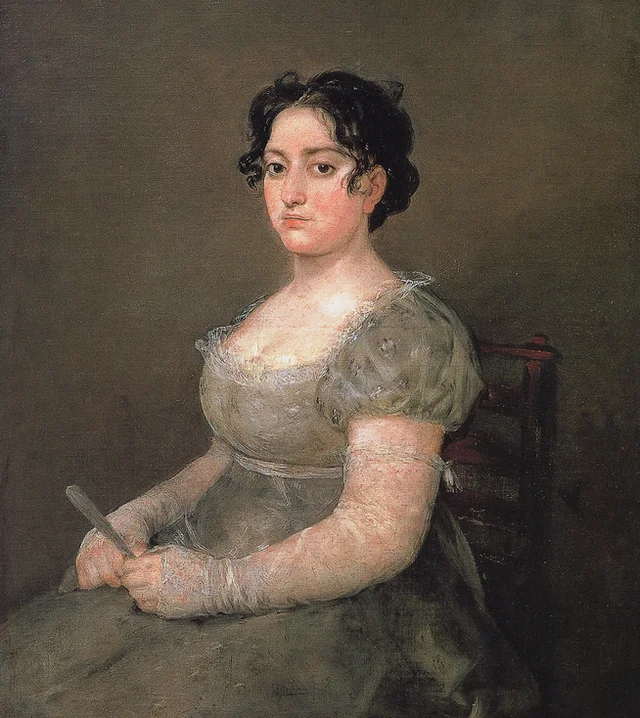 La dama con il ventaglioFrancisco Goya, 1805
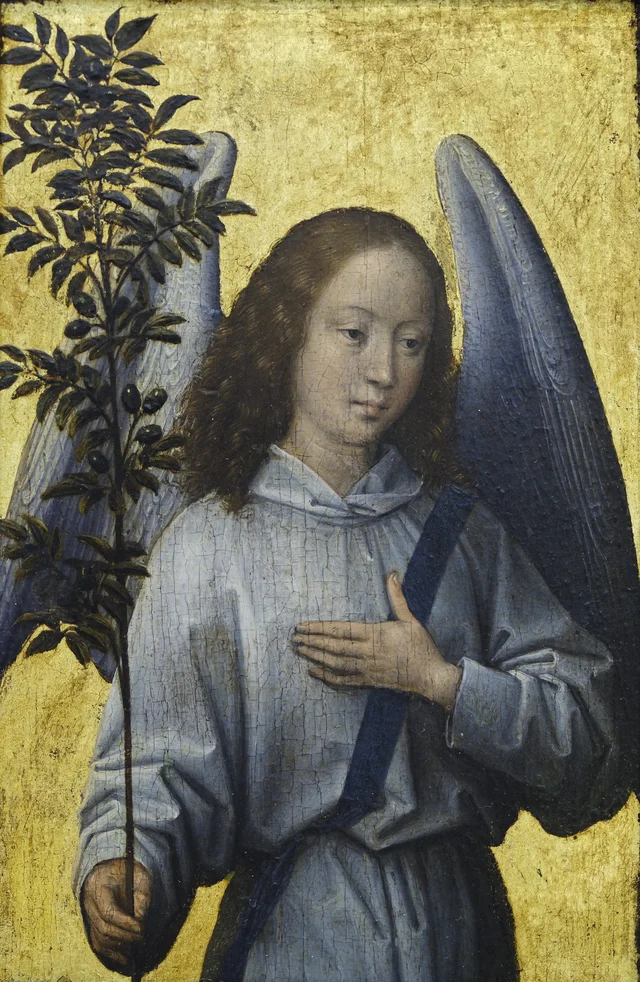 Angelo con ramo d'ulivoHans Memling, 1477
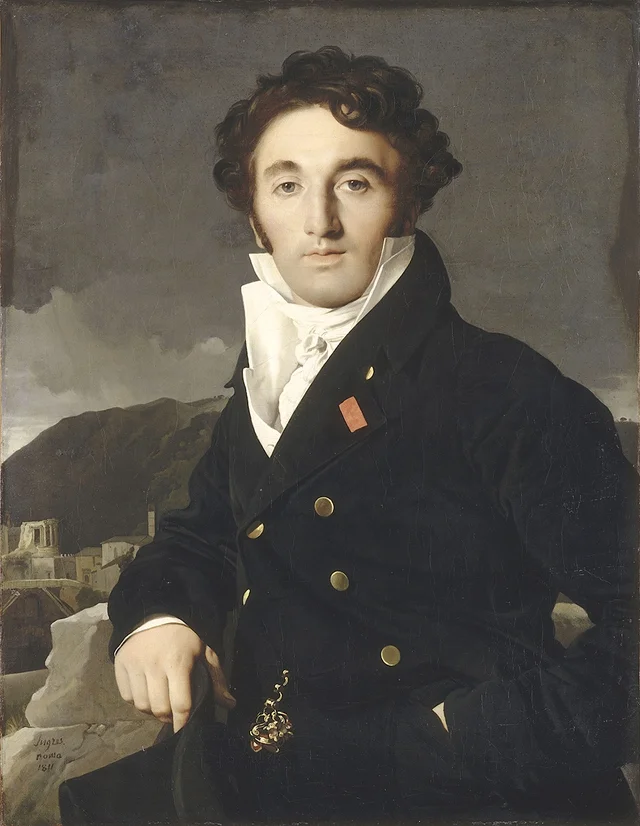 Charles CordierJean-Auguste-Dominique Ingres, 1811
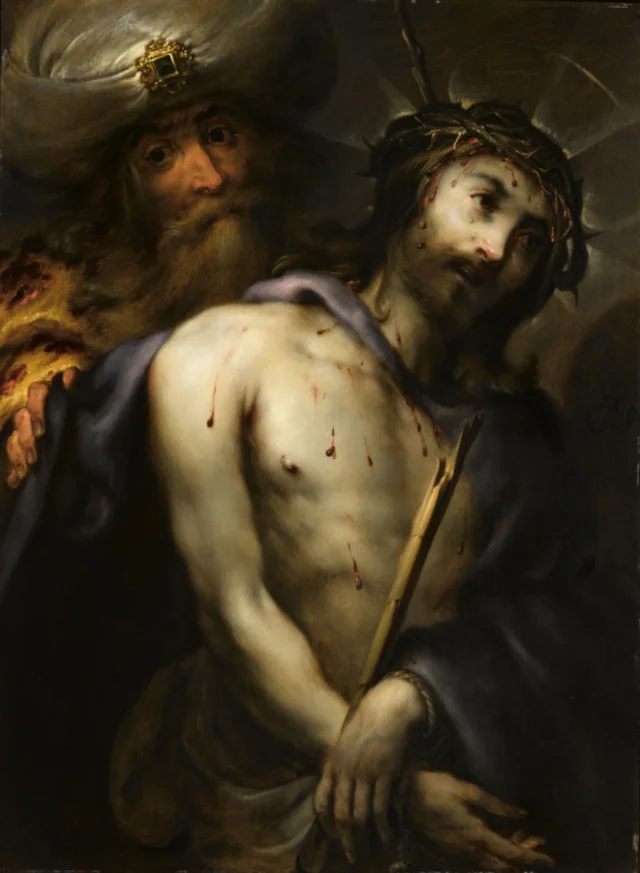 Ecce HomoJan Cossiers, 1620
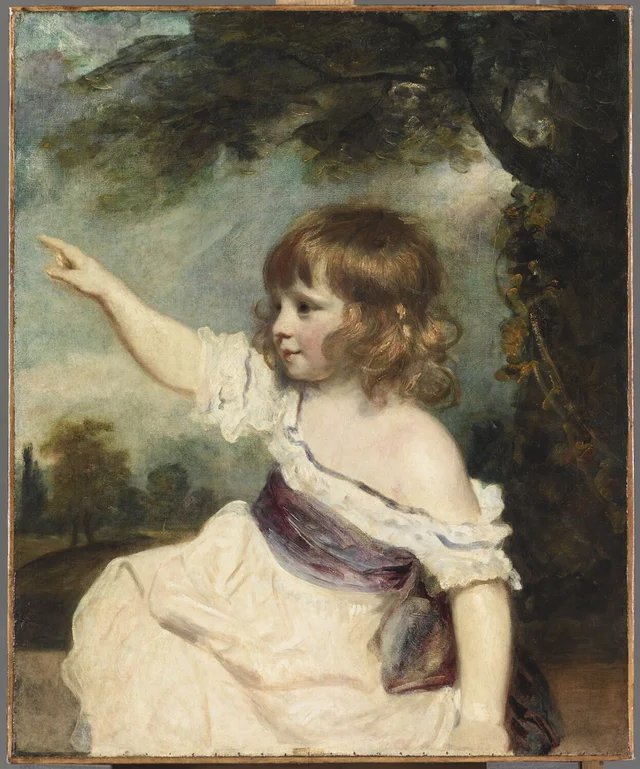 Francis George Hare, detto Master Hare, da bambinoJoshua Reynolds, 1788
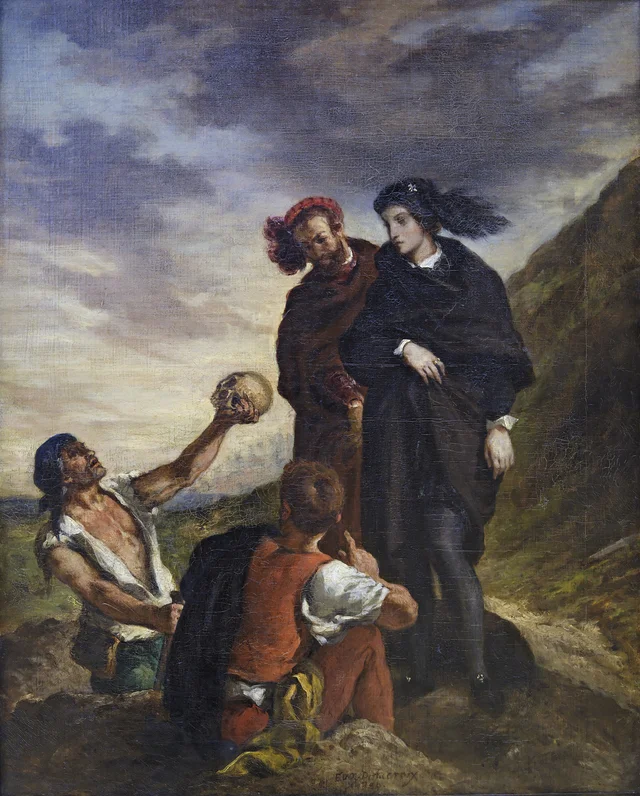 Amleto e Orazio al cimiteroEugène Delacroix, 1839
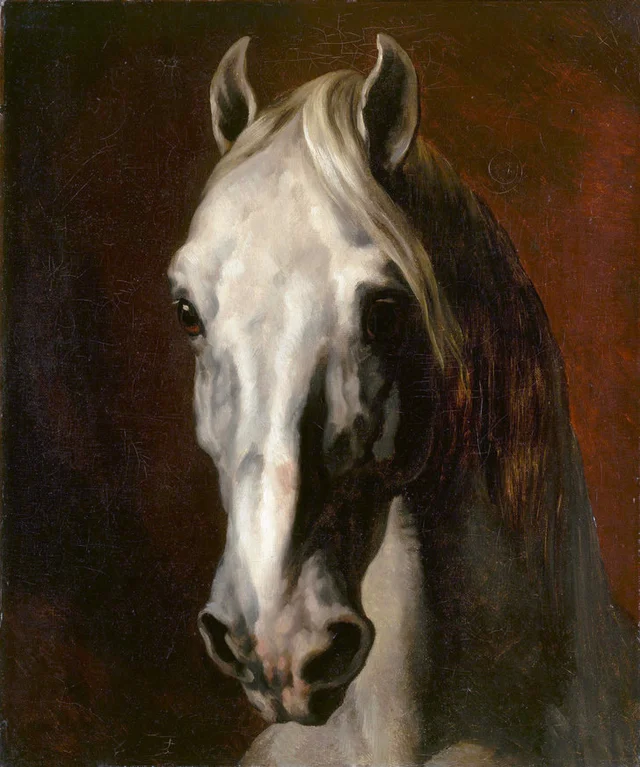 Testa di un cavallo biancoThéodore Géricault, 1811
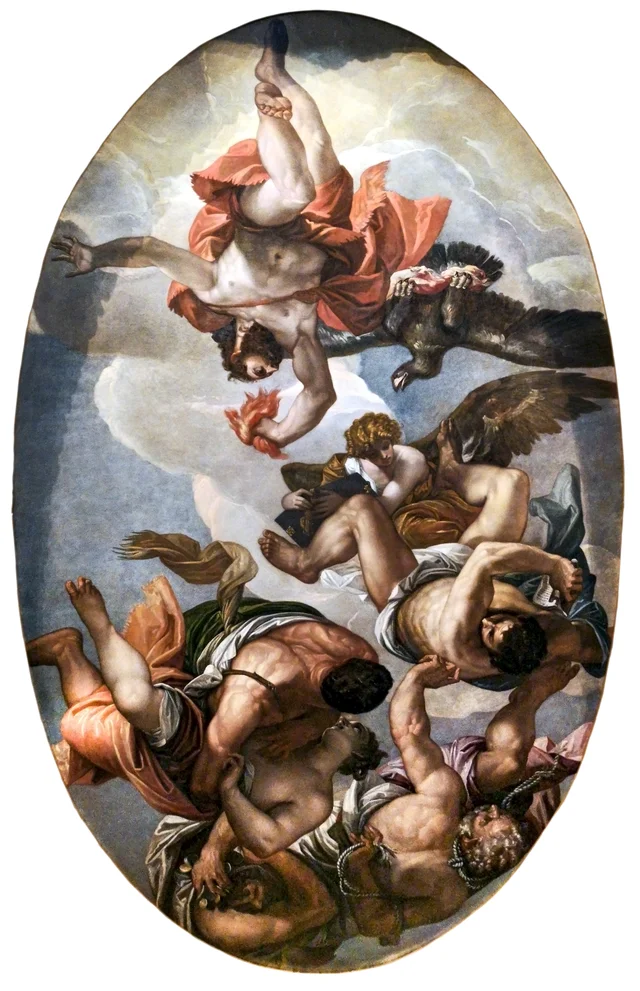 Giove che fulmina i ViziPaolo Veronese, 1553
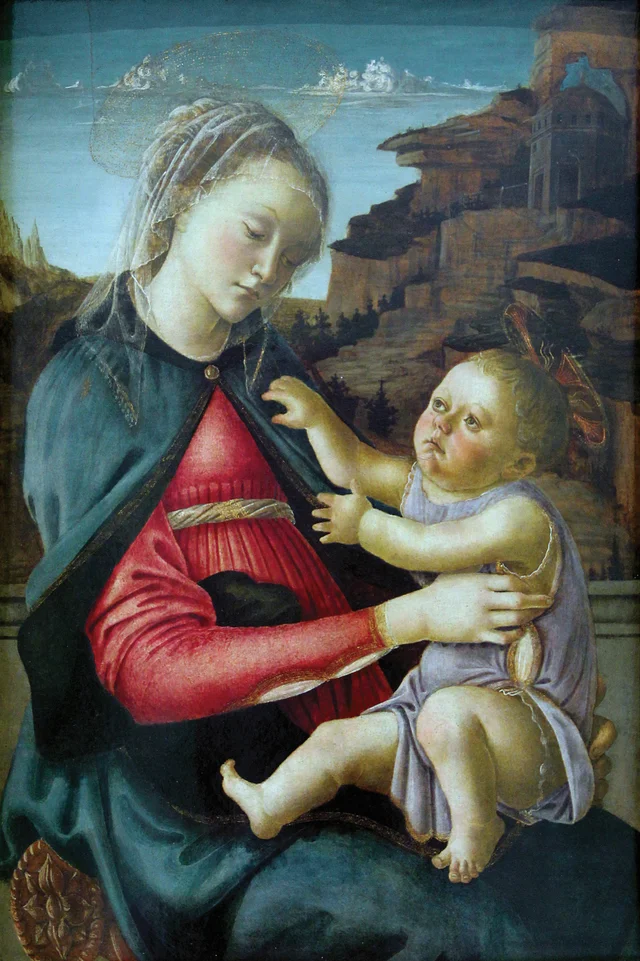 Madonna col BambinoSandro Botticelli, 1465
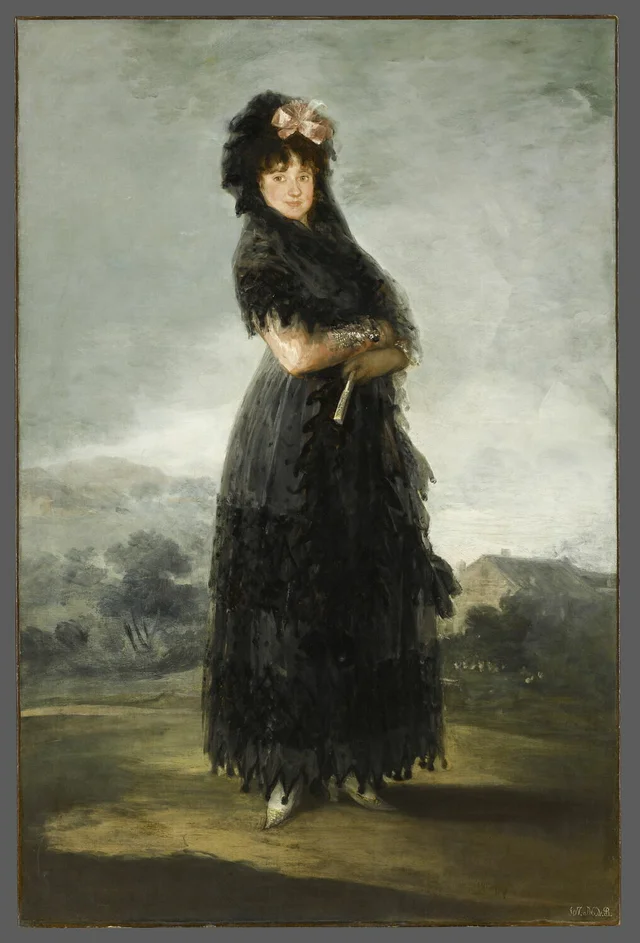 Mariana Waldstein, nona marchesa di Santa CruzFrancisco Goya, 1797