La storia
Il Louvre nacque come fortezza. Filippo II Augusto la eresse sulla riva destra della Senna intorno al 1190 per difendere la Parigi medievale, e nei secoli successivi i re di Francia la trasformarono in un palazzo reale, finché Luigi XIV nel 1682 spostò la corte a Versailles e lasciò le sale incompiute alle collezioni reali e agli artisti che vi alloggiavano.
Fu la Rivoluzione a farne un museo pubblico. Il 10 agosto 1793 il Muséum central des arts aprì le porte, mostrando le opere confiscate alla corona e alla Chiesa a qualunque cittadino volesse entrare. Napoleone lo riempì con il bottino delle sue campagne e per un breve periodo gli diede il proprio nome. Molto fu restituito dopo Waterloo, ma l'idea rimase, una collezione nazionale ordinata per lo studio e gratuita per il pubblico.
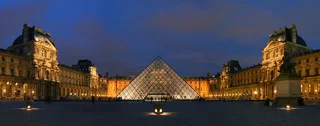
Oggi il Louvre conserva più di 35.000 opere, dalla Venere di Milo alla Zattera della Medusa di Géricault. La folla, però, si accalca verso un piccolo ritratto. Nell'agosto 1911 sparì: Vincenzo Peruggia, un tuttofare italiano che aveva lavorato nel museo, staccò dalla parete la Gioconda di Leonardo e la portò fuori sotto il cappotto. Per due anni la cornice restò vuota mentre i visitatori venivano a fissare quel vuoto, e il dipinto tornò solo nel 1913, dopo che Peruggia cercò di venderlo a un mercante di Firenze. La piramide di vetro di I. M. Pei, collocata nel cortile nel 1989, segna oggi l'ingresso.
Altri articoli
Collezione
1174 opere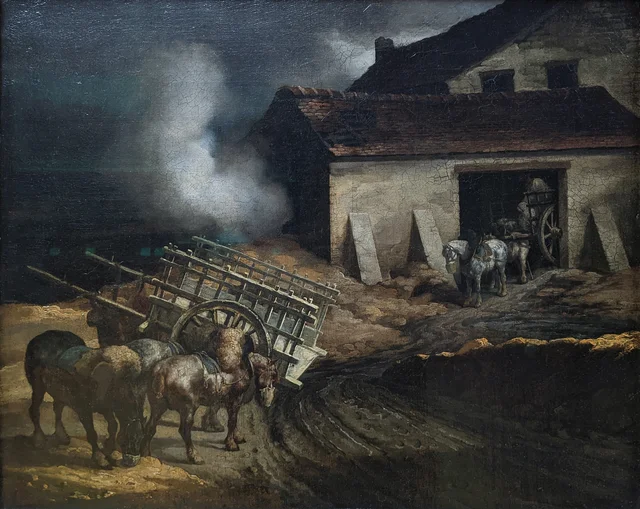 Una fornace da gessoThéodore Géricault, 1821
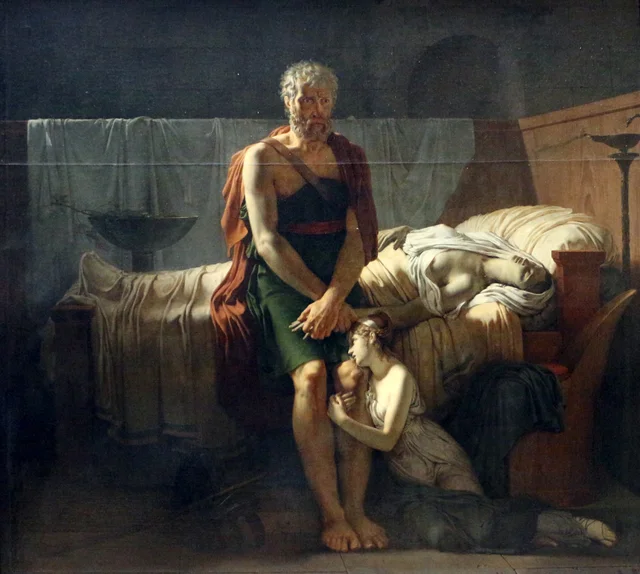 Il ritorno di Marco SestoPierre-Narcisse Guérin, 1799
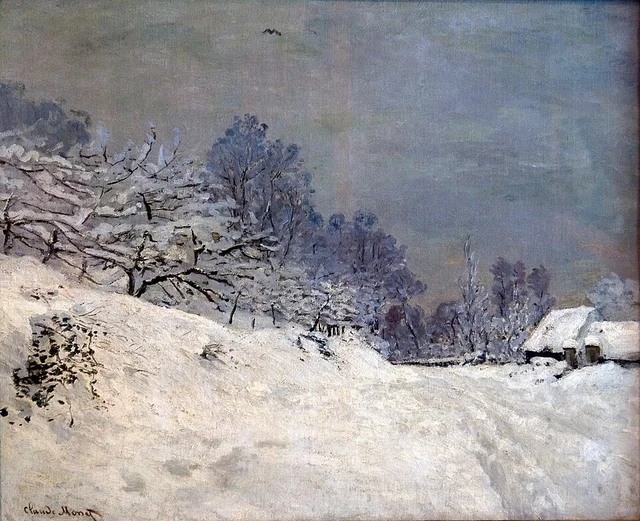 La strada davanti alla fattoria di Saint-Siméon in invernoClaude Monet, 1867
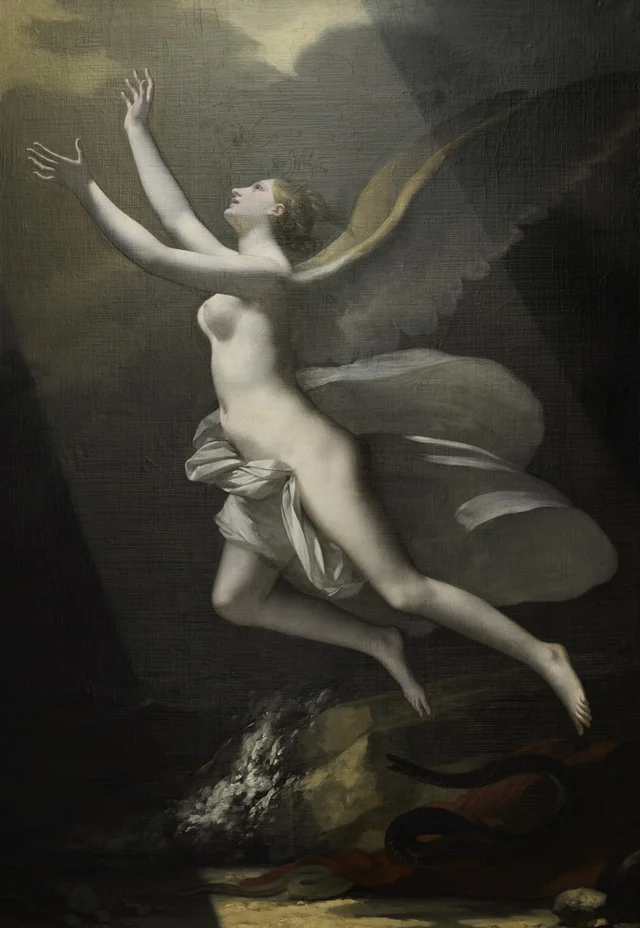 L'anima che spezza i legami che la tengono legata alla terraPierre-Paul Prud'hon, 1822
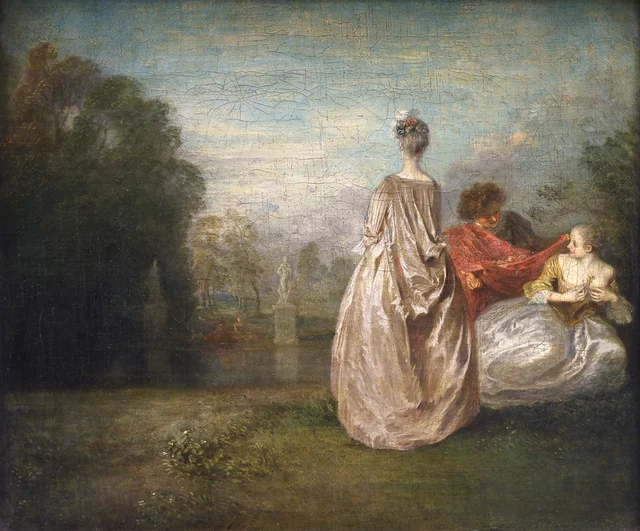 Le due cugineJean-Antoine Watteau, 1716
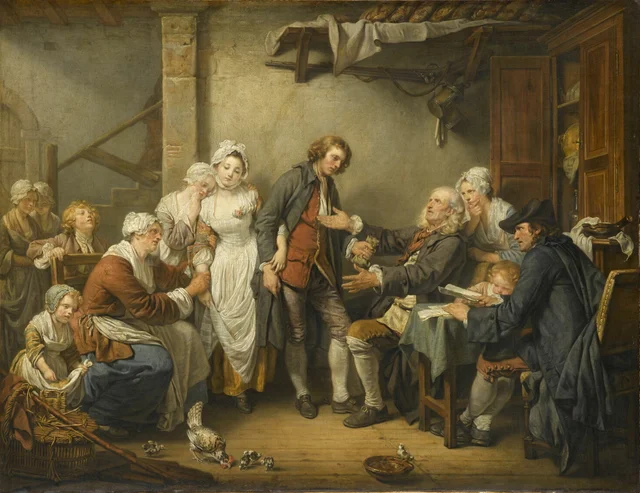 La sposa di villaggioJean-Baptiste Greuze, 1761
 Apollo innamorato di DafneNicolas Poussin, 1664
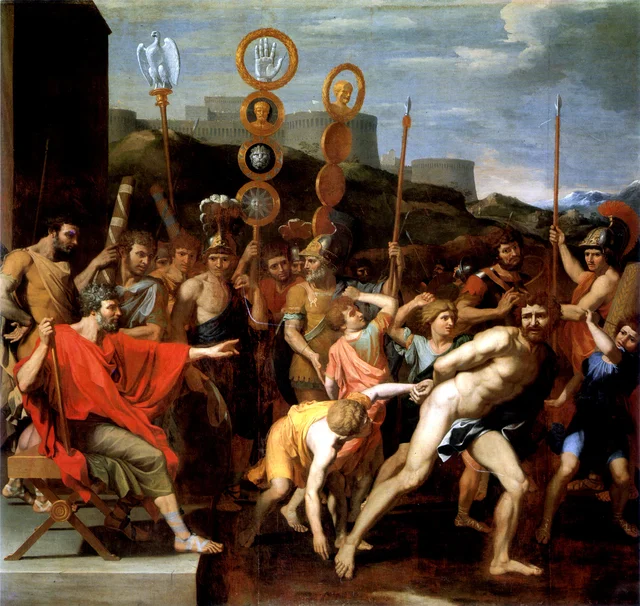 Camillo consegna il maestro di Falerii ai suoi alunniNicolas Poussin, 1637
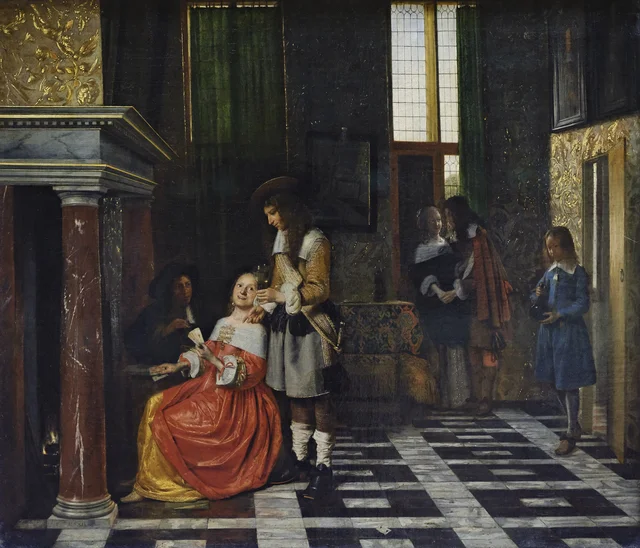 Giocatori di carte in un interno sontuosoPieter de Hooch, 1663
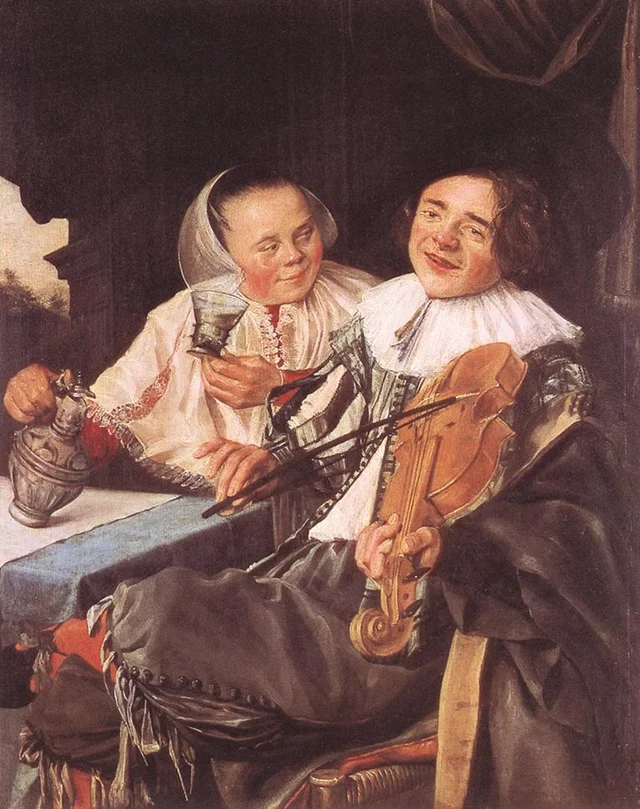 Coppia in baldoriaJudith Leyster, 1630
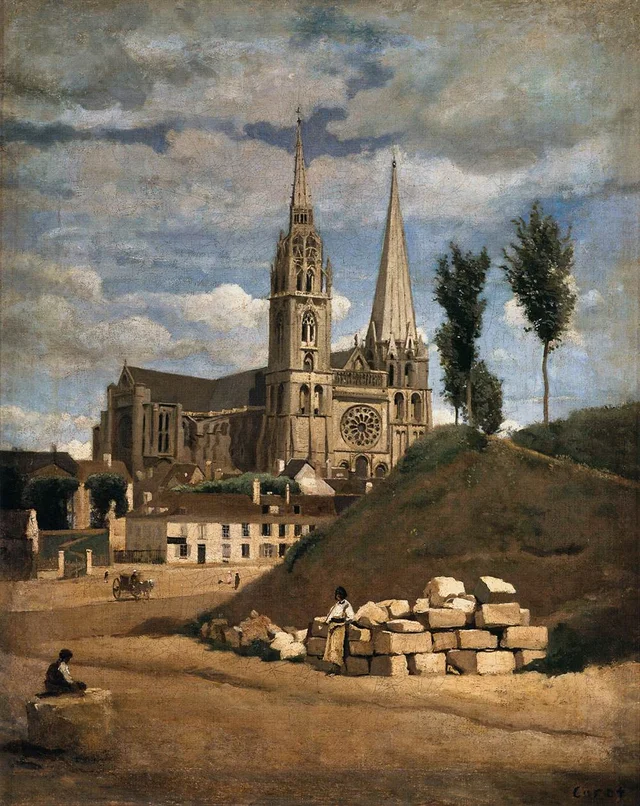 Cattedrale di ChartresJean-Baptiste Camille Corot, 1830
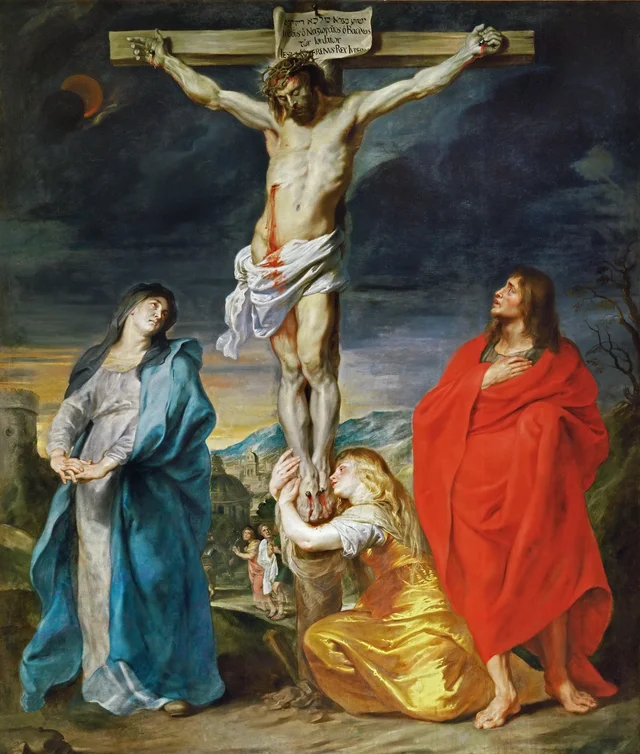 Crocifissione con la Vergine Maria, san Giovanni e santa Maria MaddalenaAnton van Dyck, 1618
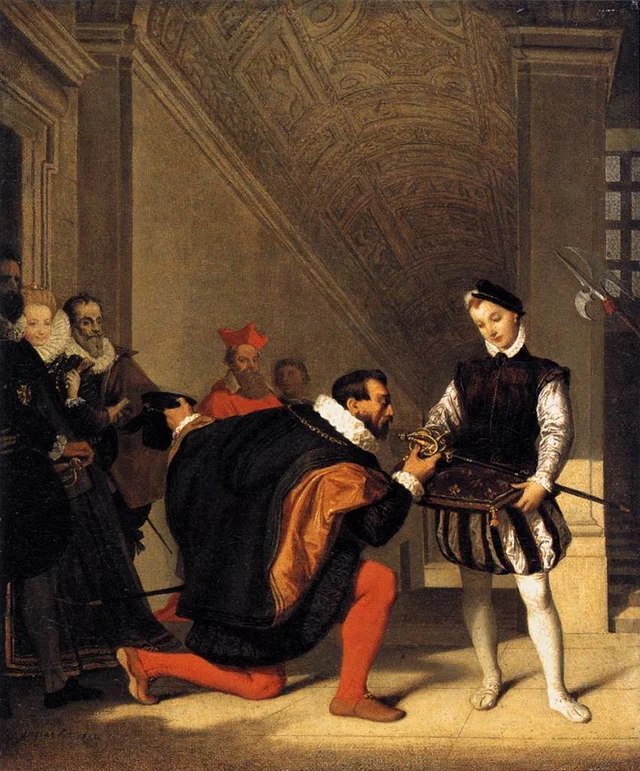 Don Pedro di Toledo che bacia la spada di Enrico IVJean-Auguste-Dominique Ingres, 1831
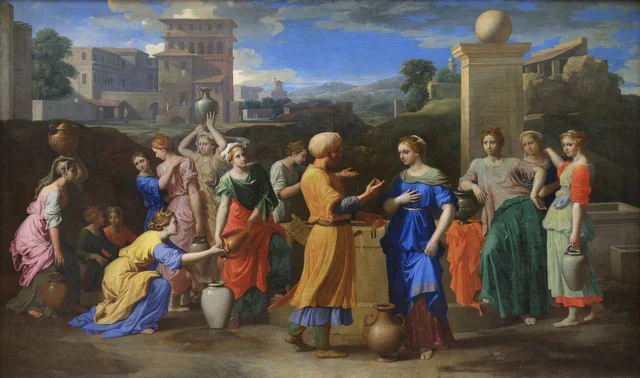 Eliezer e RebeccaNicolas Poussin, 1648
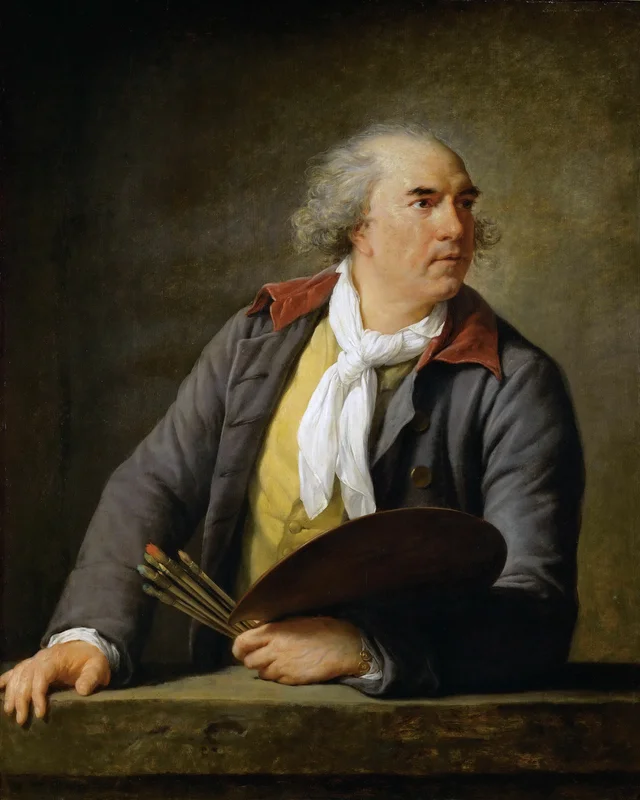 Hubert RobertÉlisabeth Louise Vigée Le Brun, 1788
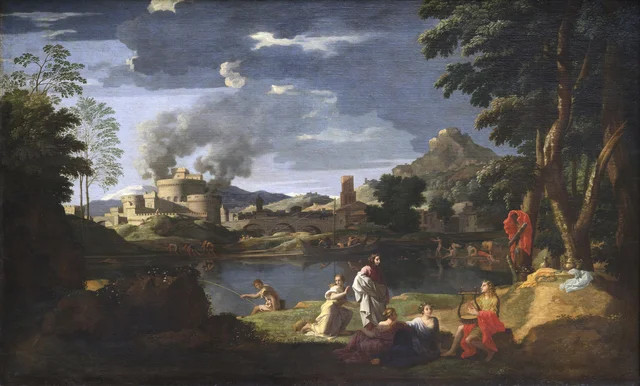 Paesaggio con Orfeo ed EuridiceNicolas Poussin, 1650
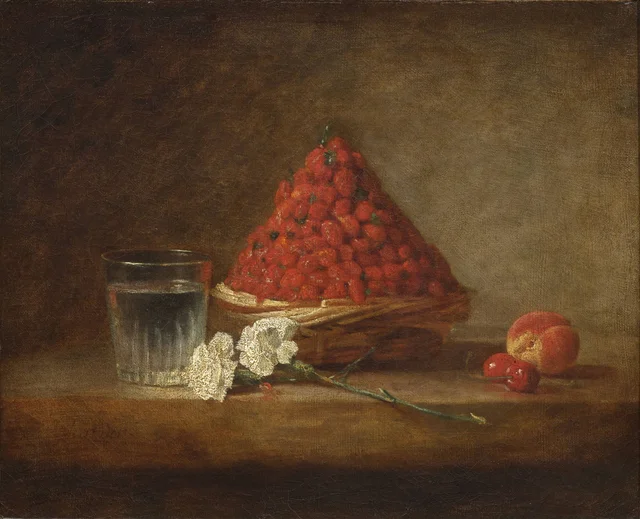 Il cesto di fragole selvaticheJean-Baptiste-Siméon Chardin, 1761
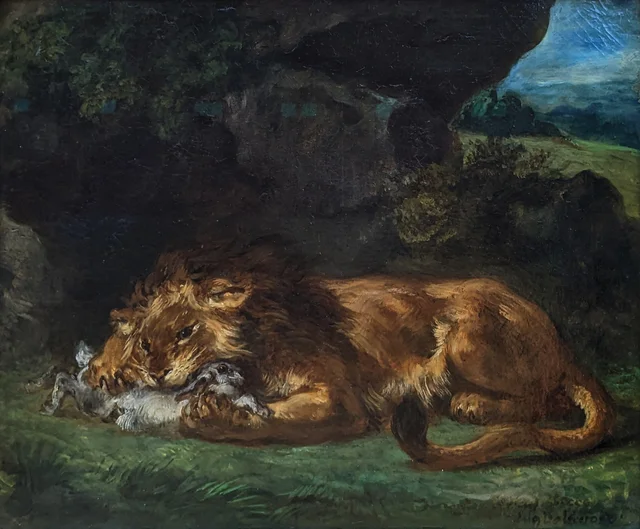 Leone che divora un coniglioEugène Delacroix, 1853
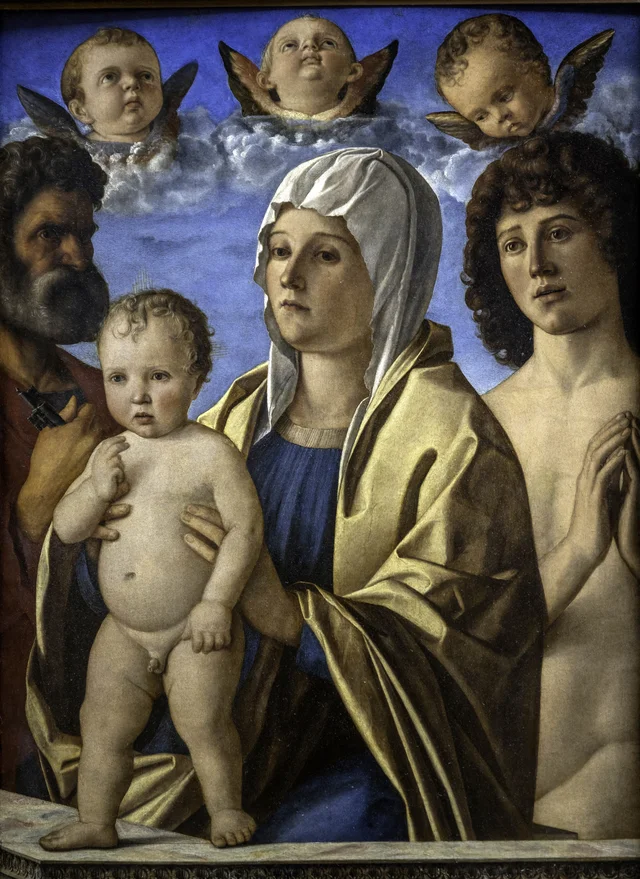 Madonna con Bambino tra i santi Pietro e SebastianoGiovanni Bellini, 1480
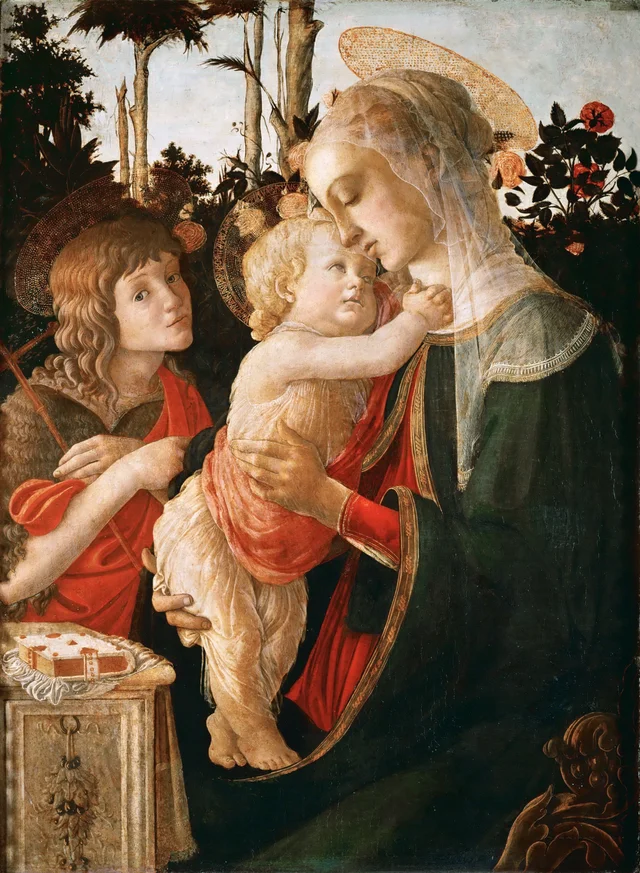 Madonna col Bambino e il giovane san Giovanni BattistaSandro Botticelli, 1500
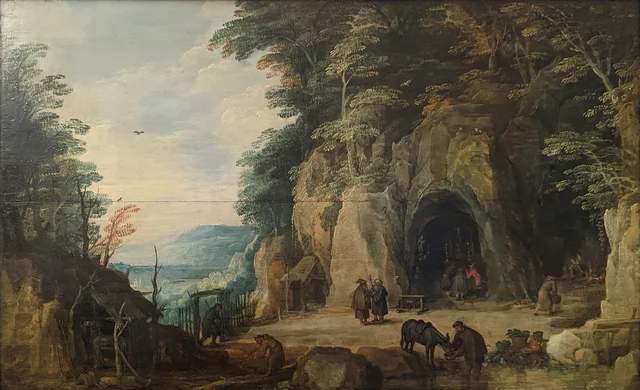 L'eremo di un monaco in una grottaJoos de Momper il Giovane, 1600
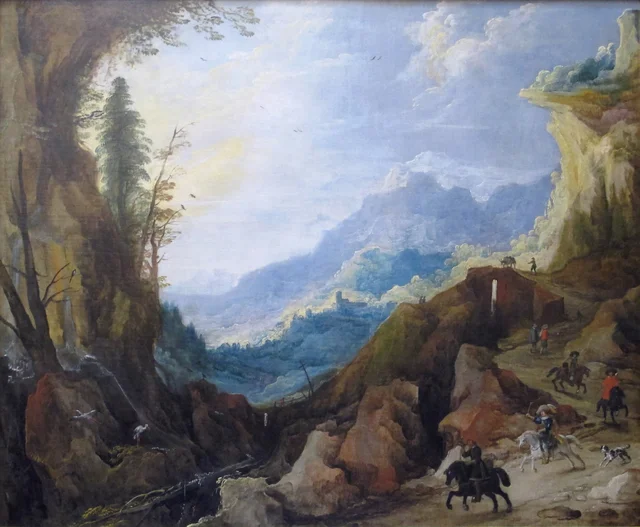 Paesaggio montano con un ponte e quattro cavalieriJoos de Momper il Giovane, 1600
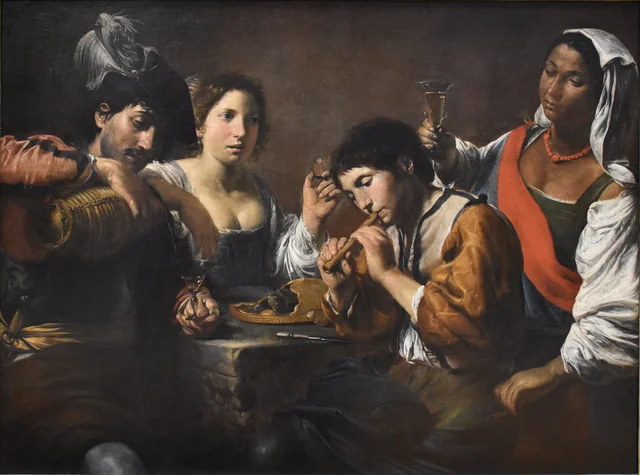 Musicista e bevitoriValentin de Boulogne, 1623
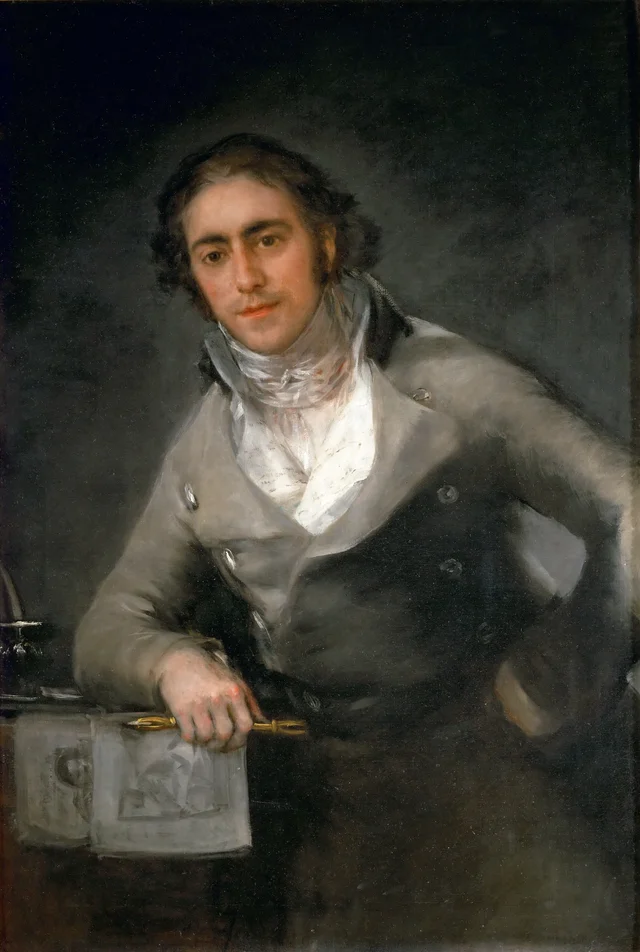 Ritratto di un uomoFrancisco Goya, 1806
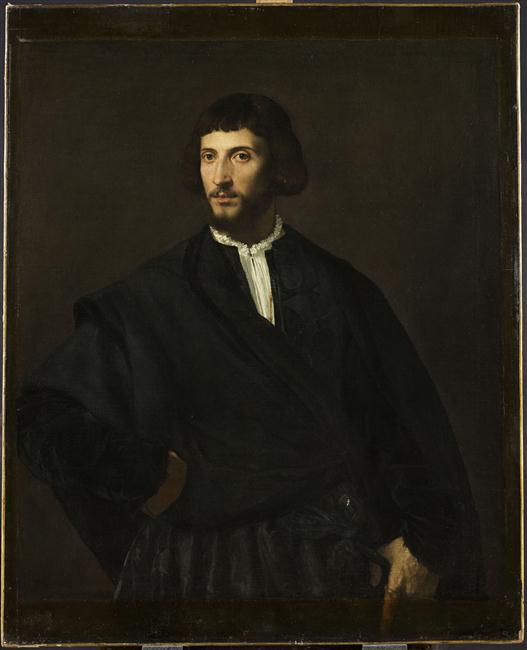 Ritratto d'uomo con la mano sulla cinturaTiziano, 1520