La storia
Il Louvre nacque come fortezza. Filippo II Augusto la eresse sulla riva destra della Senna intorno al 1190 per difendere la Parigi medievale, e nei secoli successivi i re di Francia la trasformarono in un palazzo reale, finché Luigi XIV nel 1682 spostò la corte a Versailles e lasciò le sale incompiute alle collezioni reali e agli artisti che vi alloggiavano.
Fu la Rivoluzione a farne un museo pubblico. Il 10 agosto 1793 il Muséum central des arts aprì le porte, mostrando le opere confiscate alla corona e alla Chiesa a qualunque cittadino volesse entrare. Napoleone lo riempì con il bottino delle sue campagne e per un breve periodo gli diede il proprio nome. Molto fu restituito dopo Waterloo, ma l'idea rimase, una collezione nazionale ordinata per lo studio e gratuita per il pubblico.
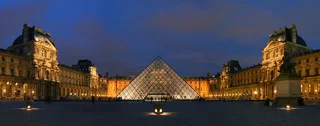
Oggi il Louvre conserva più di 35.000 opere, dalla Venere di Milo alla Zattera della Medusa di Géricault. La folla, però, si accalca verso un piccolo ritratto. Nell'agosto 1911 sparì: Vincenzo Peruggia, un tuttofare italiano che aveva lavorato nel museo, staccò dalla parete la Gioconda di Leonardo e la portò fuori sotto il cappotto. Per due anni la cornice restò vuota mentre i visitatori venivano a fissare quel vuoto, e il dipinto tornò solo nel 1913, dopo che Peruggia cercò di venderlo a un mercante di Firenze. La piramide di vetro di I. M. Pei, collocata nel cortile nel 1989, segna oggi l'ingresso.
Altri articoli
Collezione
1174 opere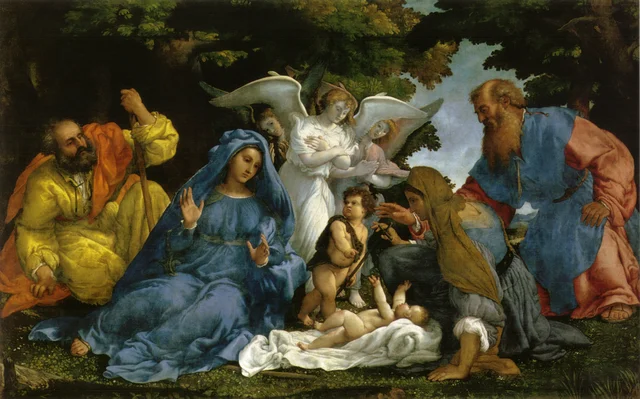 Sacra Famiglia con san Giovanni BattistaLorenzo Lotto, 1536
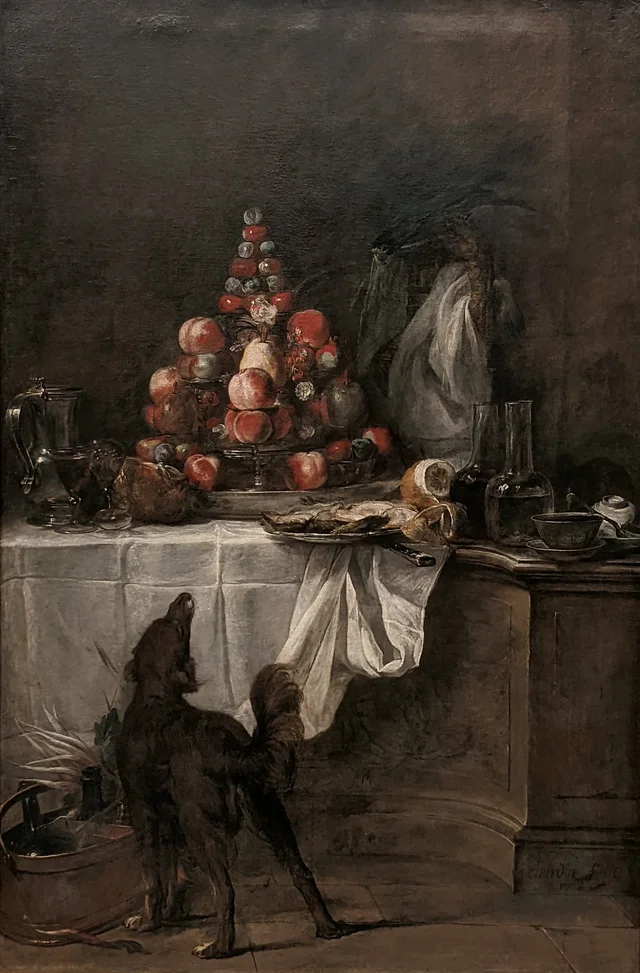 La credenzaJean-Baptiste-Siméon Chardin, 1728
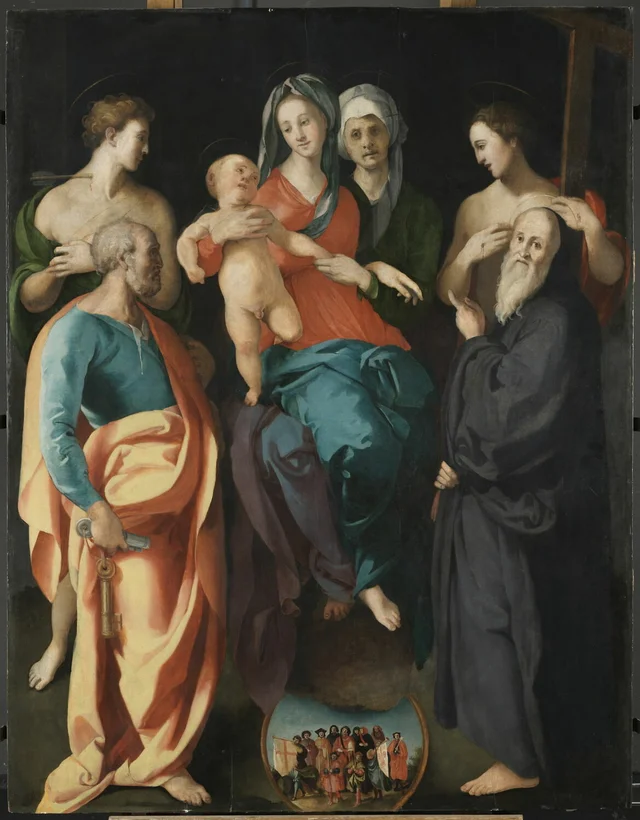 Madonna col Bambino, sant'Anna e quattro santiPontormo, 1528
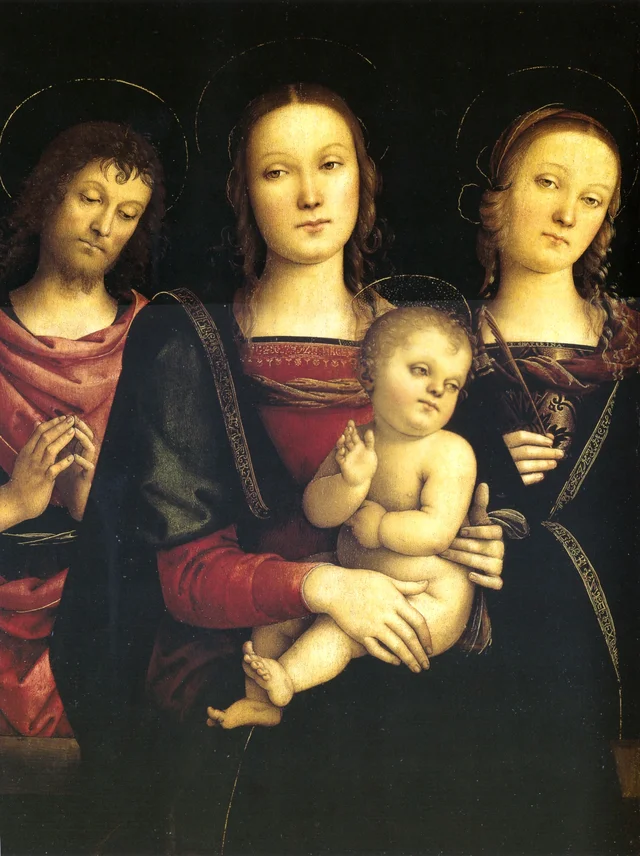 Madonna col Bambino, san Giovanni Battista e santa Caterina d'AlessandriaPietro Perugino, 1495
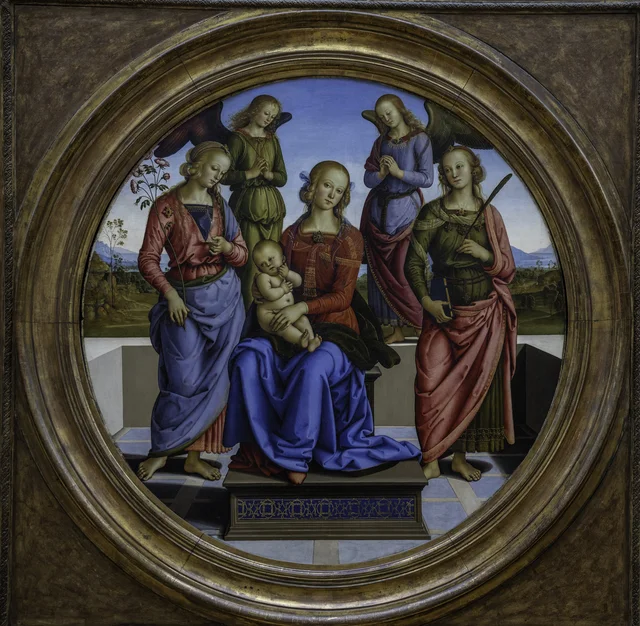 Madonna col Bambino tra due angeli, santa Rosa e santa CaterinaPietro Perugino, 1490
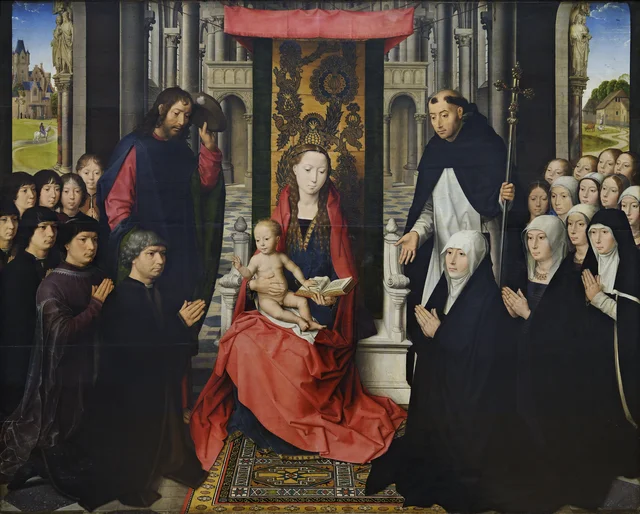 La Madonna di Jacob FloreinsHans Memling, 1485
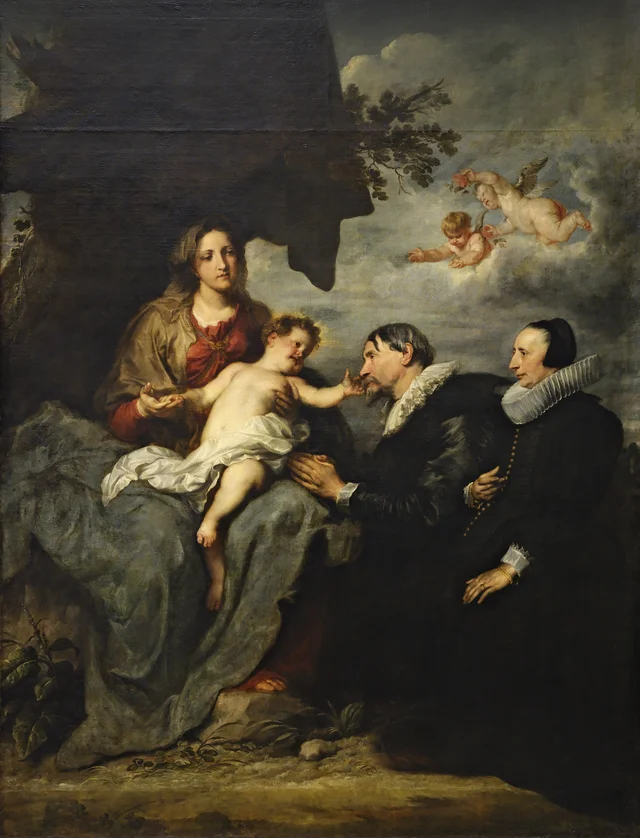 Madonna con due donatoriAnton van Dyck, 1630
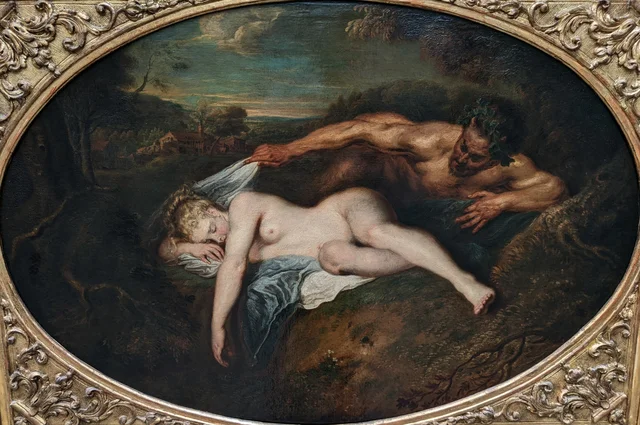 Ninfa e satiroJean-Antoine Watteau, 1716
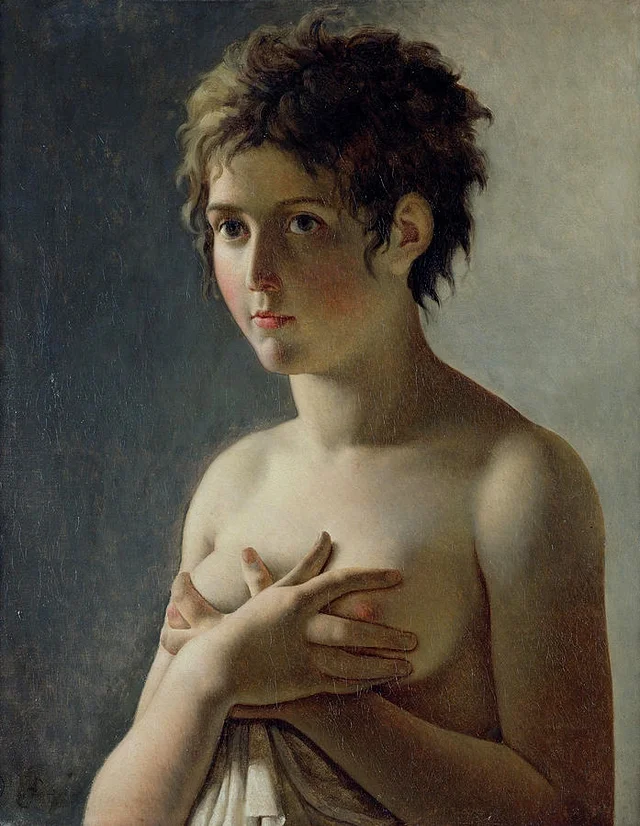 Ritratto di una giovanePierre-Narcisse Guérin, 1795
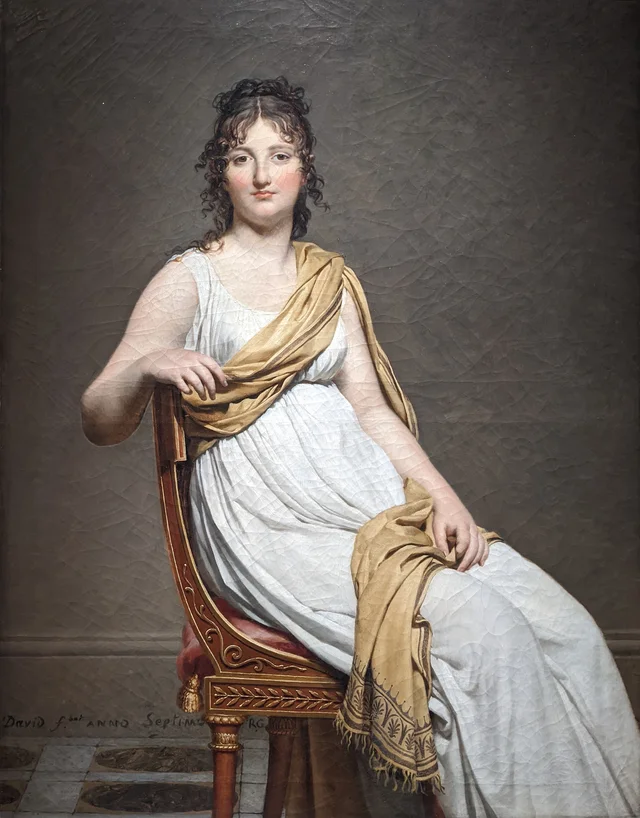 Ritratto di Madame de VerninacJacques-Louis David, 1799
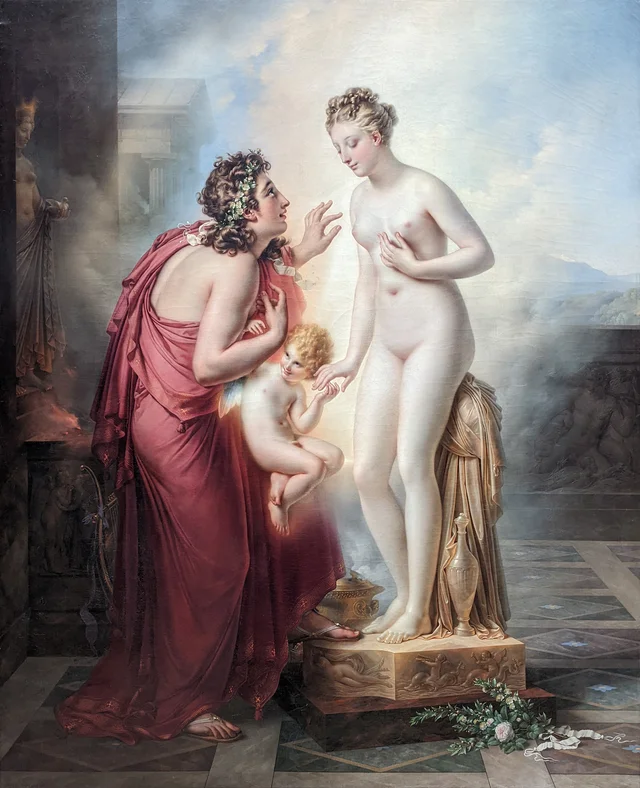 Pigmalione e GalateaAnne-Louis Girodet, 1819
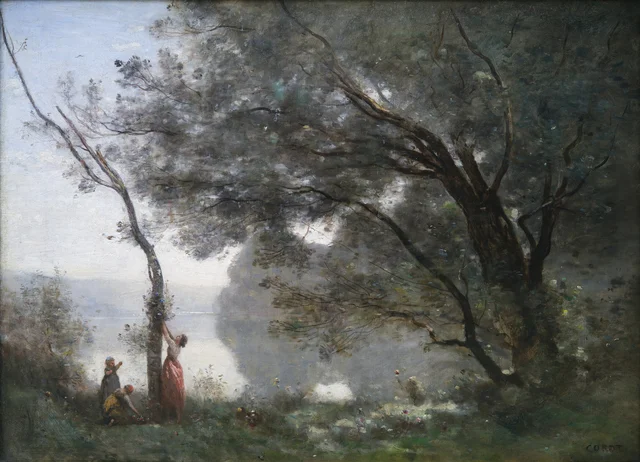 Ricordo di MortefontaineJean-Baptiste Camille Corot, 1864
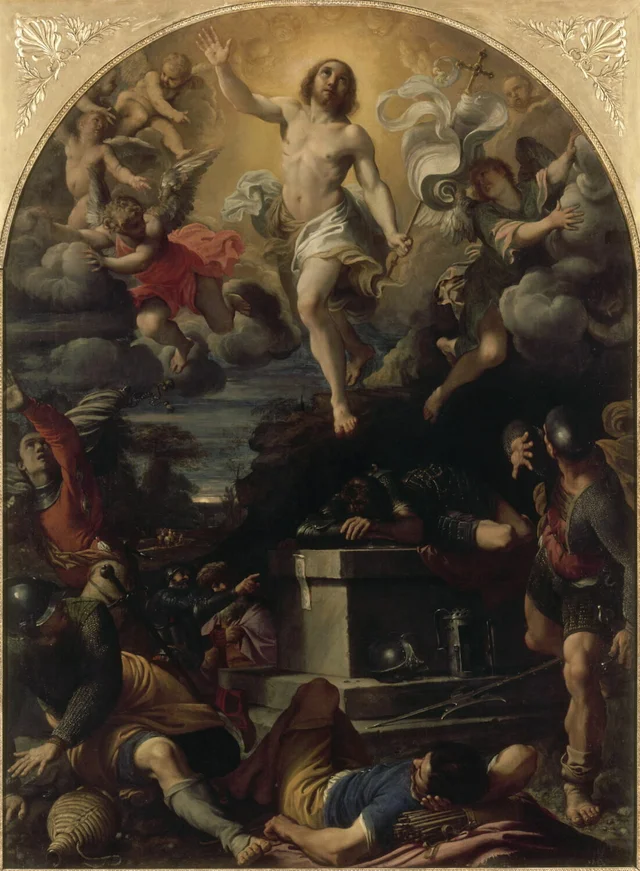 Resurrezione di CristoAnnibale Carracci, 1593
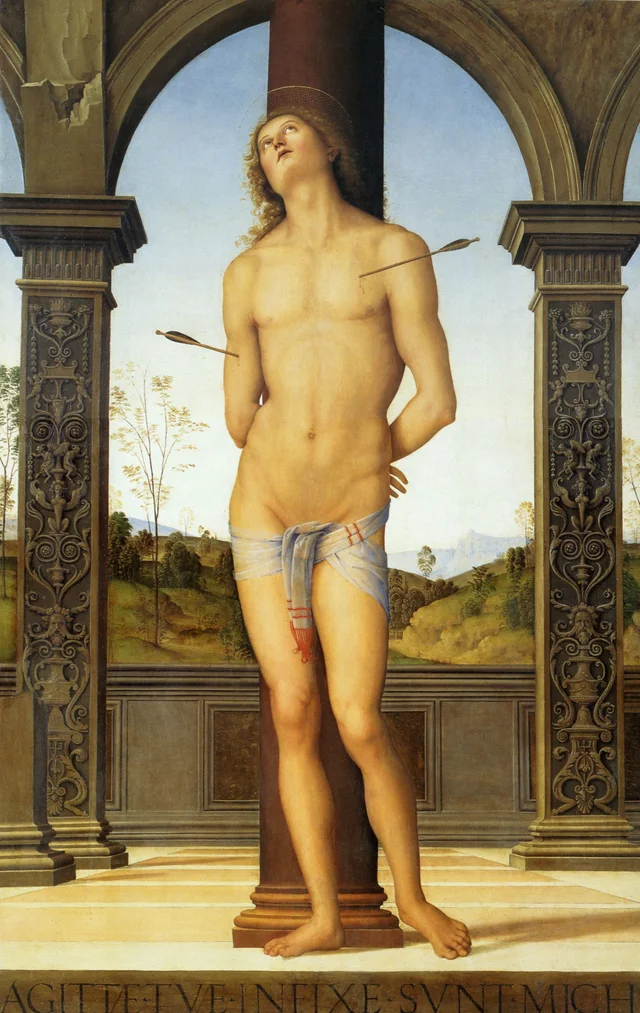 San SebastianoPietro Perugino, 1490
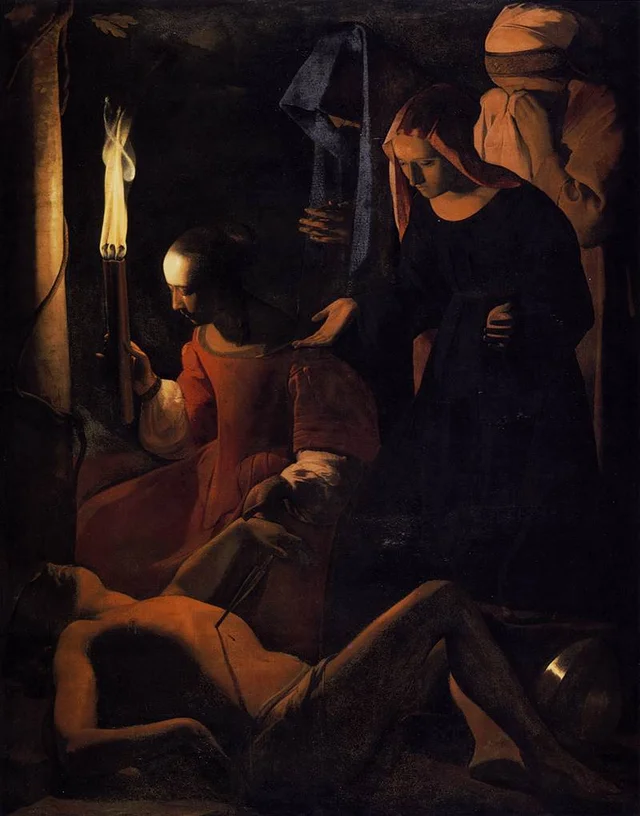 San Sebastiano curato da Sant'IreneGeorges de La Tour, 1649
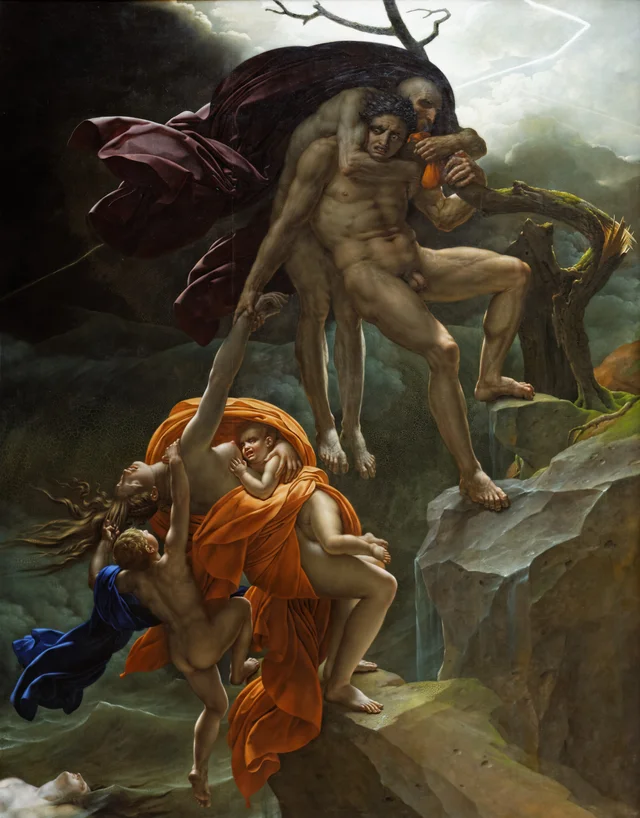 Scena del diluvioAnne-Louis Girodet, 1806
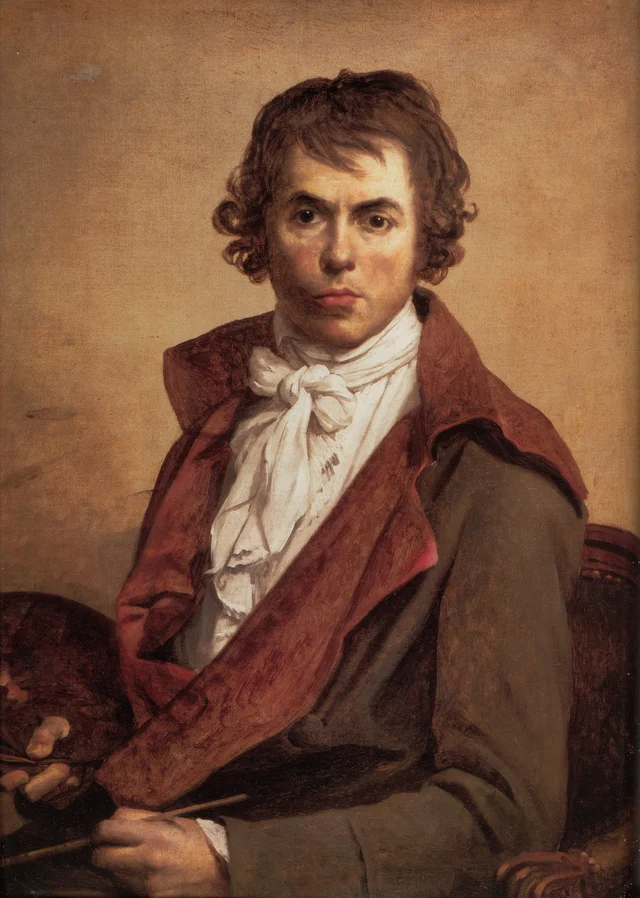 AutoritrattoJacques-Louis David, 1794
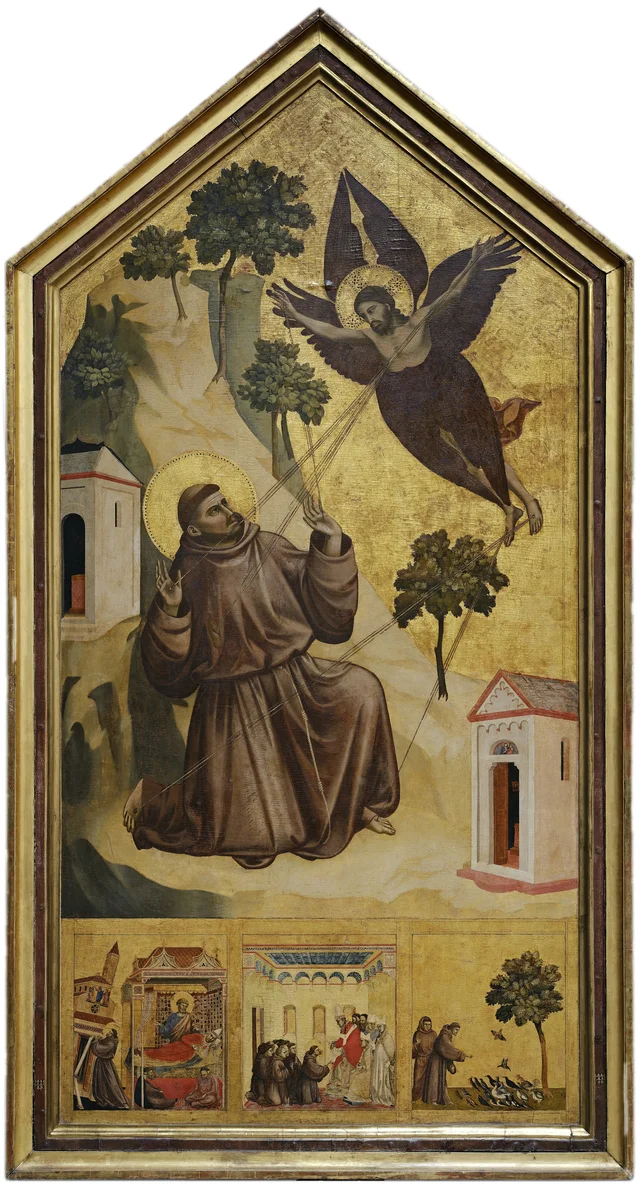 San Francesco d'Assisi che riceve le stimmateGiotto, 1297
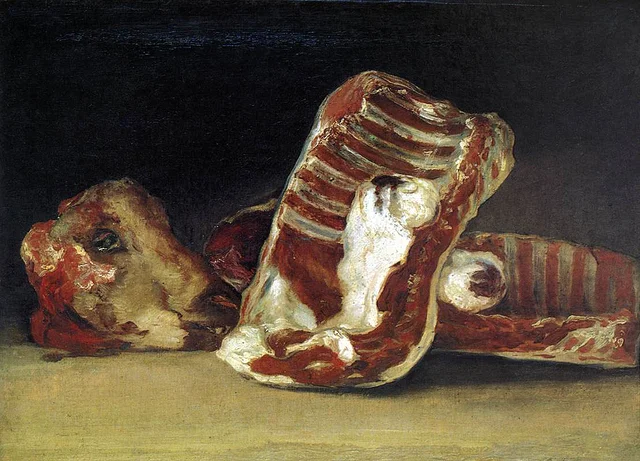 Natura morta: bancone di macelleriaFrancisco Goya, 1808
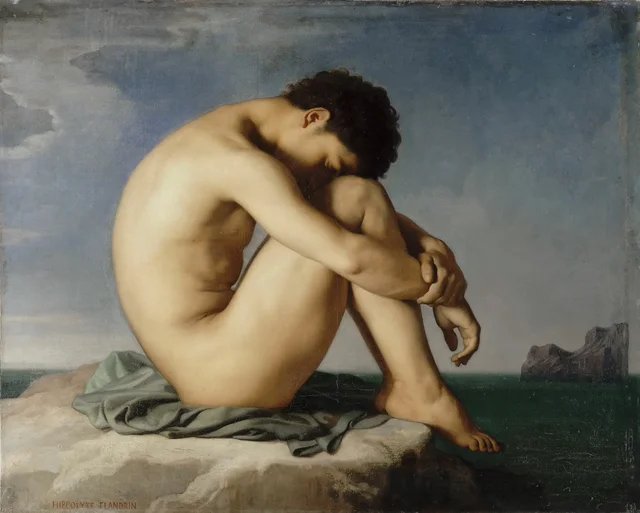 Studio (Giovane nudo seduto in riva al mare)Hippolyte Flandrin, 1837
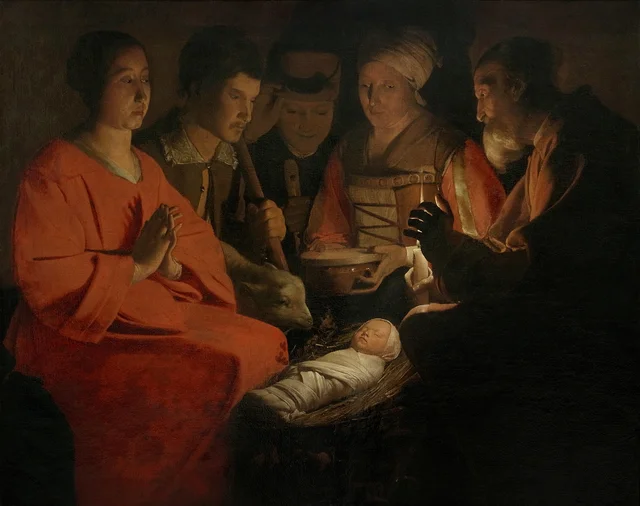 L'adorazione dei pastoriGeorges de La Tour, 1645
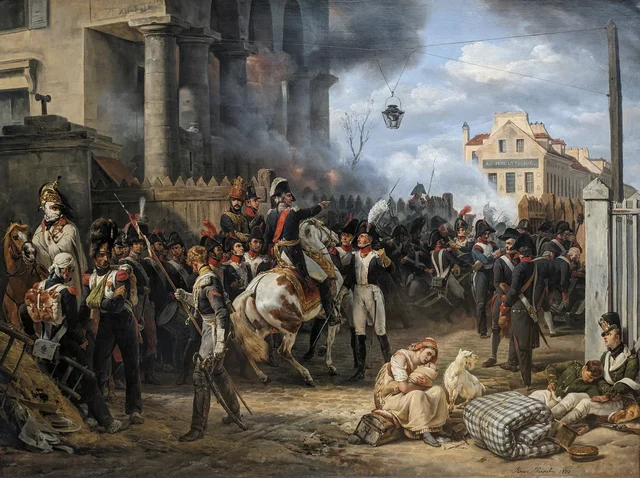 La barriera di ClichyHorace Vernet, 1820
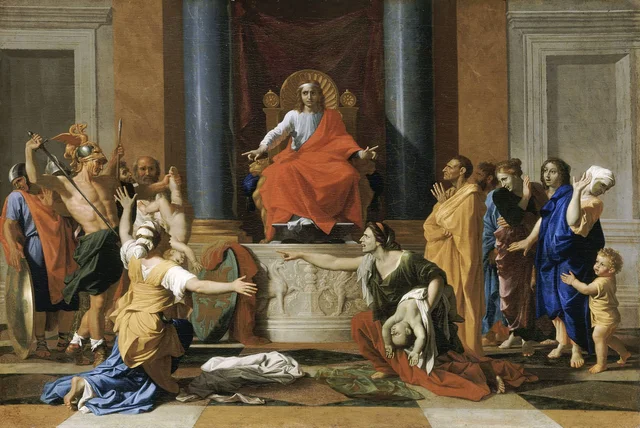 Il giudizio di SalomoneNicolas Poussin, 1649
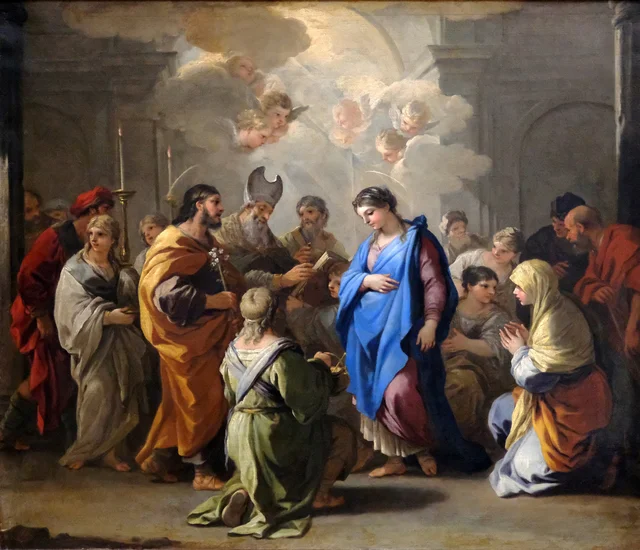 Lo sposalizio della VergineLuca Giordano, 1688
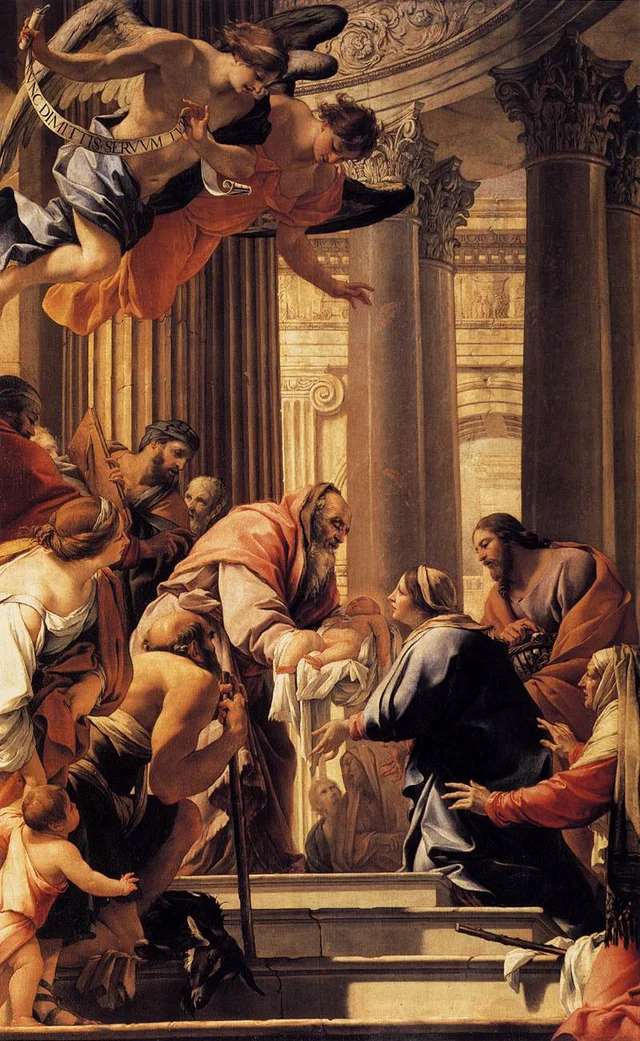 La presentazione al tempioSimon Vouet, 1640