La storia
Il Louvre nacque come fortezza. Filippo II Augusto la eresse sulla riva destra della Senna intorno al 1190 per difendere la Parigi medievale, e nei secoli successivi i re di Francia la trasformarono in un palazzo reale, finché Luigi XIV nel 1682 spostò la corte a Versailles e lasciò le sale incompiute alle collezioni reali e agli artisti che vi alloggiavano.
Fu la Rivoluzione a farne un museo pubblico. Il 10 agosto 1793 il Muséum central des arts aprì le porte, mostrando le opere confiscate alla corona e alla Chiesa a qualunque cittadino volesse entrare. Napoleone lo riempì con il bottino delle sue campagne e per un breve periodo gli diede il proprio nome. Molto fu restituito dopo Waterloo, ma l'idea rimase, una collezione nazionale ordinata per lo studio e gratuita per il pubblico.
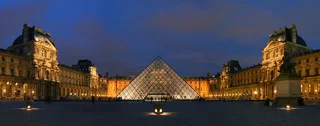
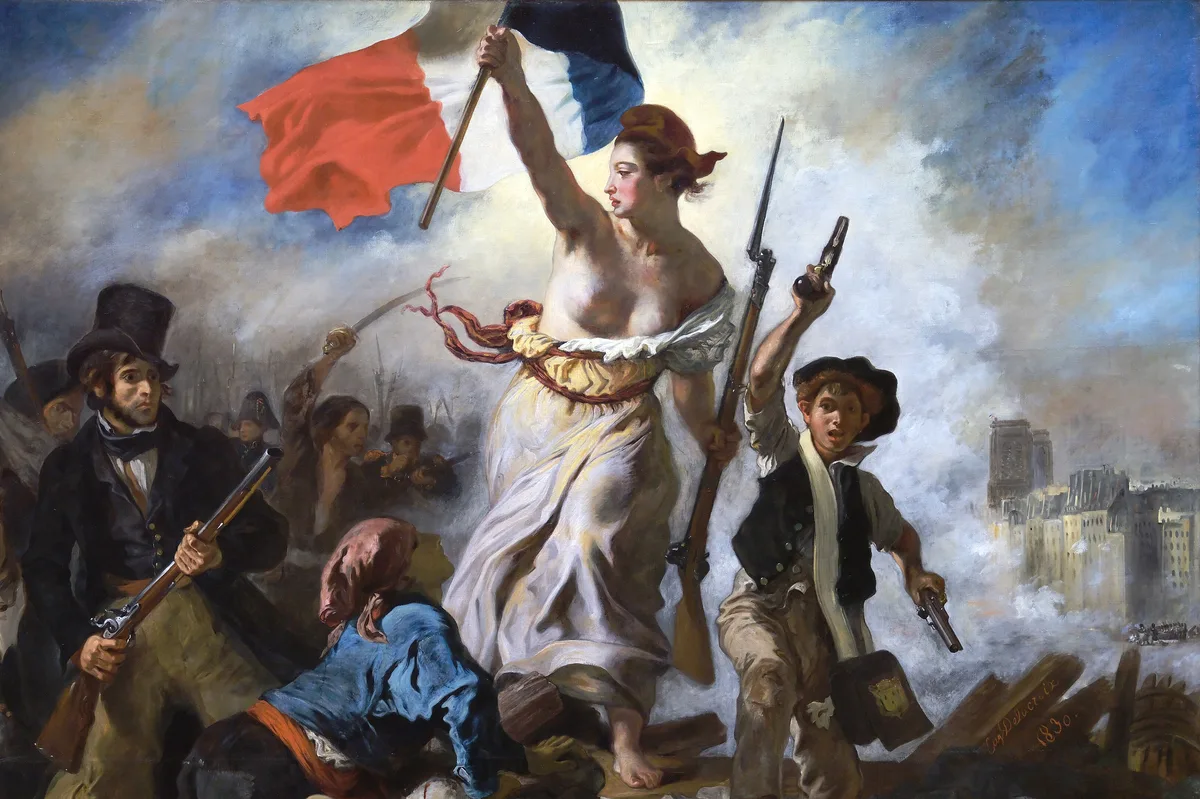
Oggi il Louvre conserva più di 35.000 opere, dalla Venere di Milo alla Zattera della Medusa di Géricault. La folla, però, si accalca verso un piccolo ritratto. Nell'agosto 1911 sparì: Vincenzo Peruggia, un tuttofare italiano che aveva lavorato nel museo, staccò dalla parete la Gioconda di Leonardo e la portò fuori sotto il cappotto. Per due anni la cornice restò vuota mentre i visitatori venivano a fissare quel vuoto, e il dipinto tornò solo nel 1913, dopo che Peruggia cercò di venderlo a un mercante di Firenze. La piramide di vetro di I. M. Pei, collocata nel cortile nel 1989, segna oggi l'ingresso.
Altri articoli
Collezione
1174 opere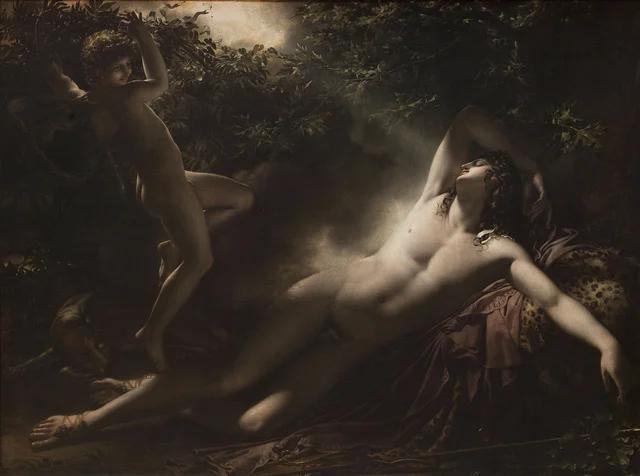 Il sonno di EndimioneAnne-Louis Girodet, 1791
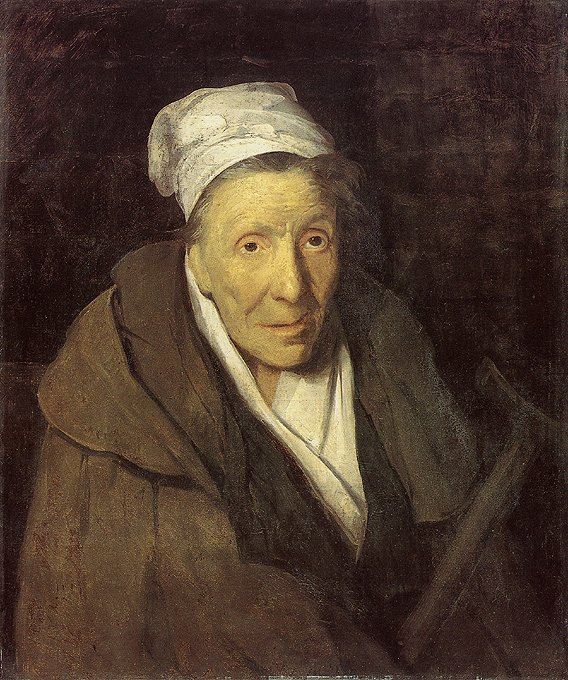 La monomane del giocoThéodore Géricault, 1820
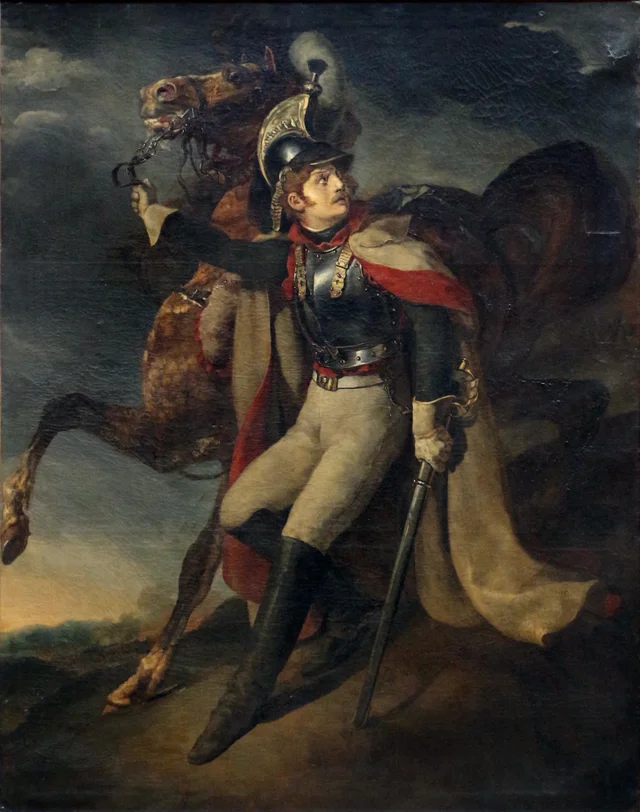 Il corazziere feritoThéodore Géricault, 1814
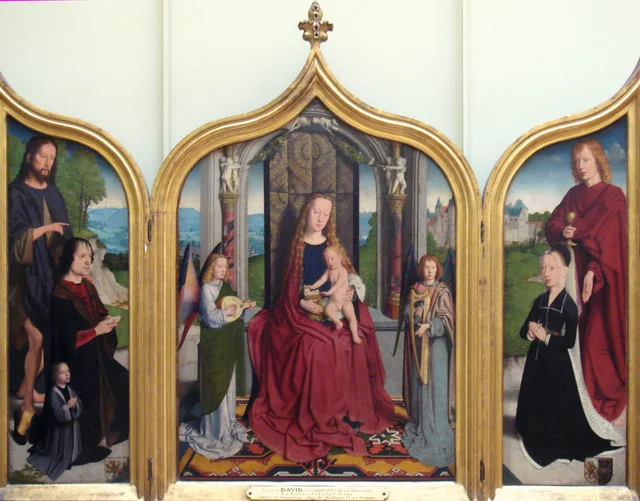 Trittico della famiglia SedanoGerard David, 1492
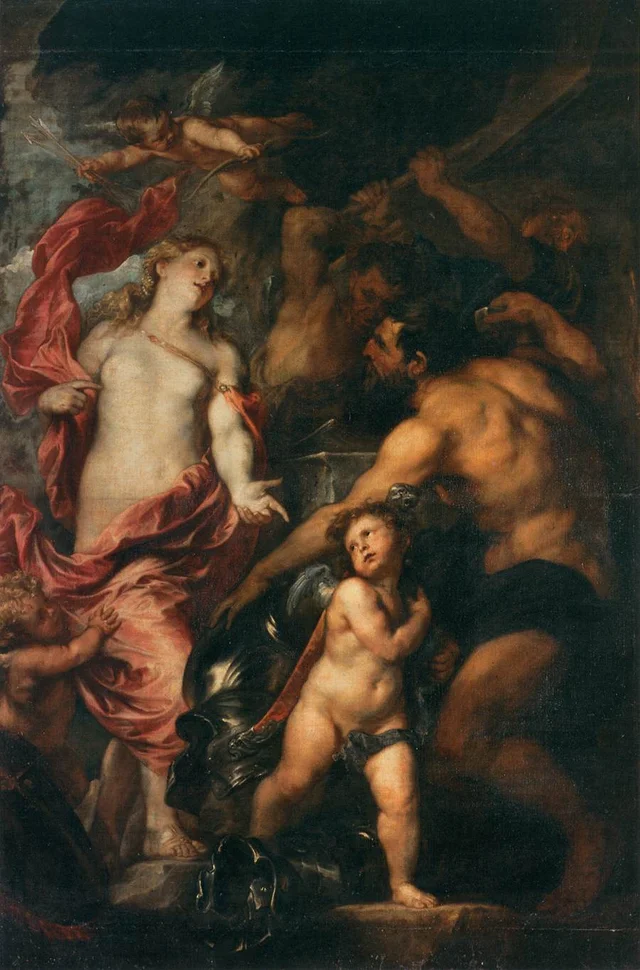 Venere chiede a Vulcano di forgiare le armi per il figlio EneaAnton van Dyck, 1630
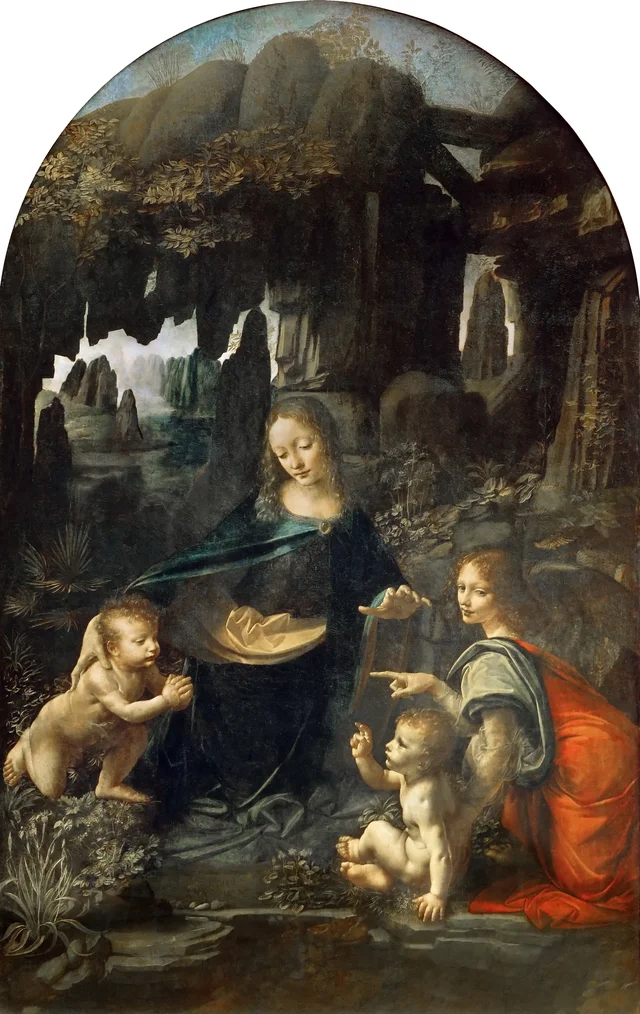 Vergine delle rocceLeonardo da Vinci, 1484
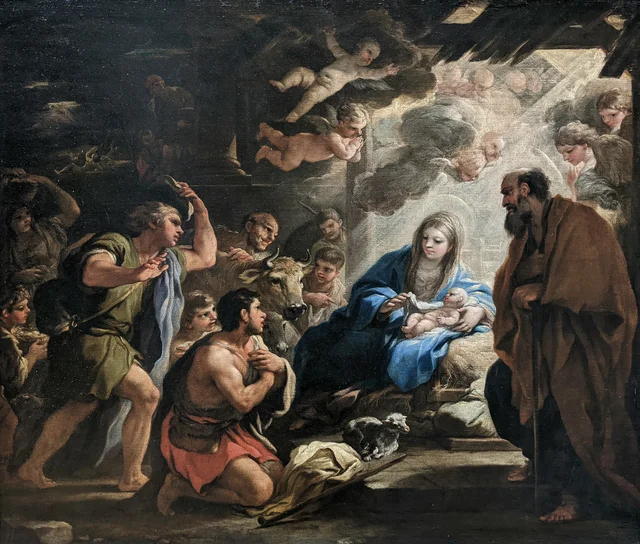 Adorazione dei pastori (1688)Luca Giordano, 1688
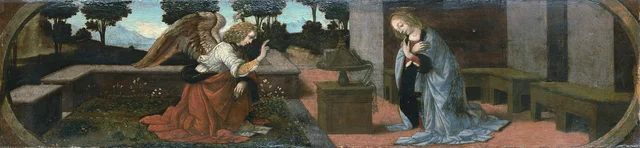 AnnunciazioneLorenzo di Credi, 1475
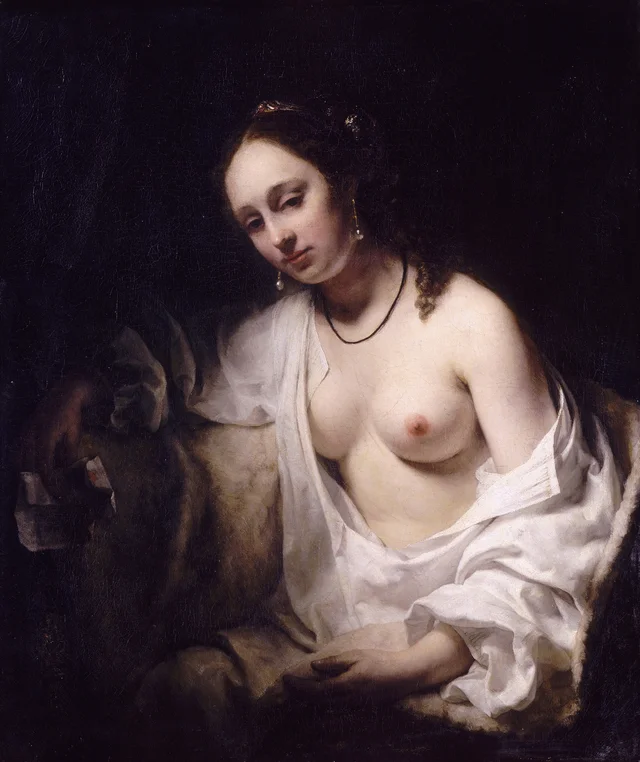 Betsabea con la lettera di re DavideWillem Drost, 1654
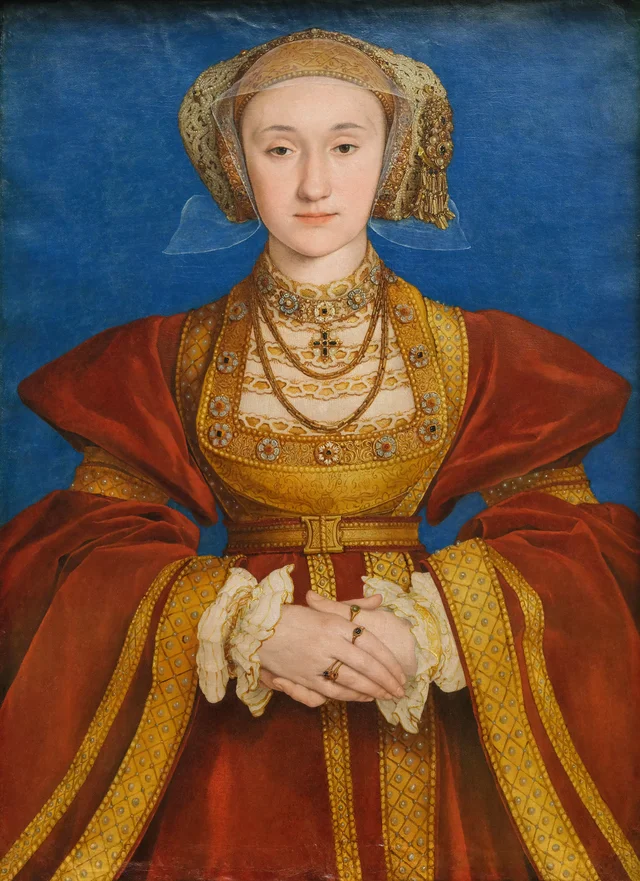 Ritratto nuziale di Anna di ClèvesHans Holbein il Giovane, 1539
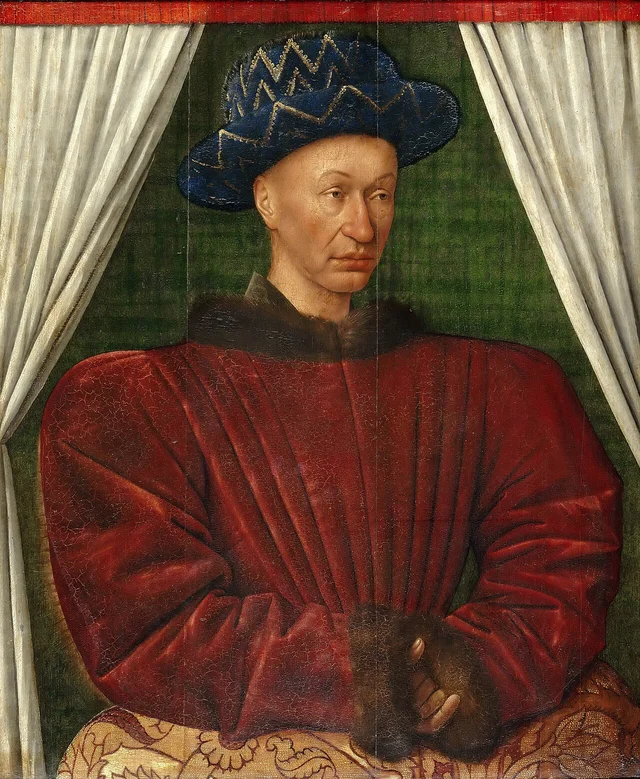 Carlo VII, re di FranciaJean Fouquet, 1444
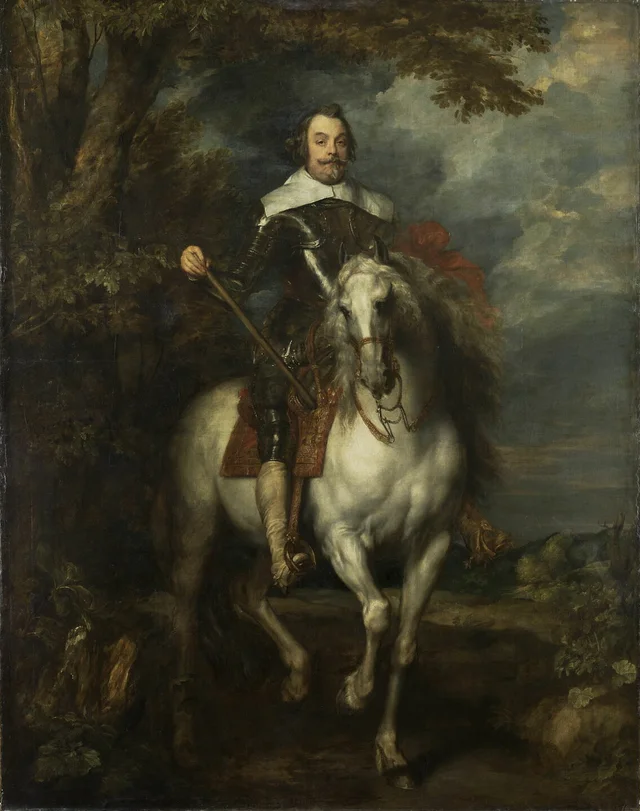 Ritratto equestre di Francisco de MoncadaAnton van Dyck, 1634
 La Giustizia e la Vendetta divina all'inseguimento del DelittoPierre-Paul Prud'hon, 1808
 Paesaggio con castelloRembrandt, 1641
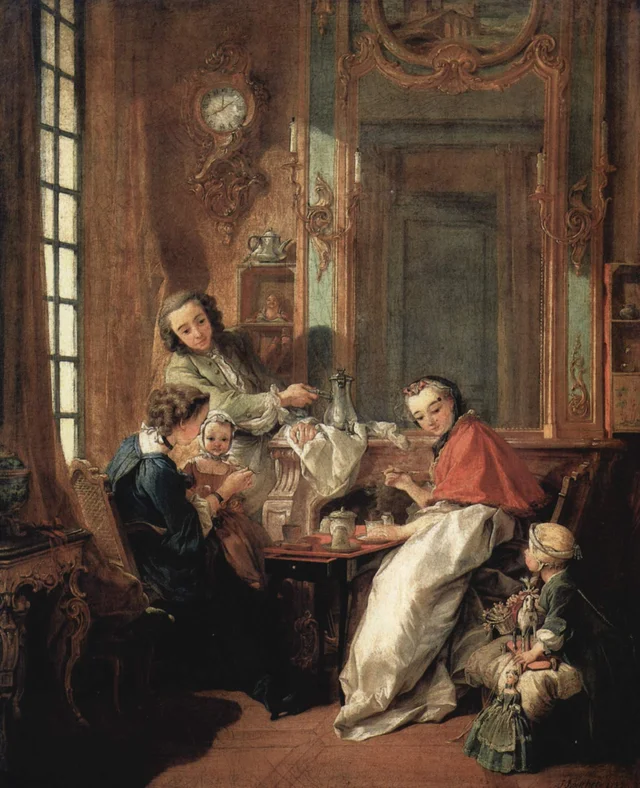 La colazione del mattinoFrançois Boucher, 1739
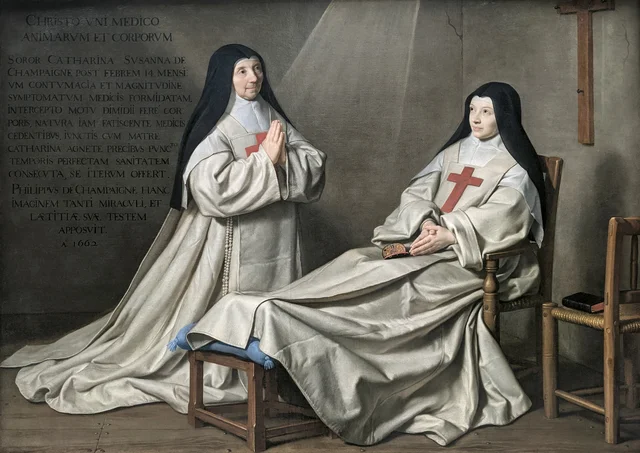 La madre Catherine-Agnès Arnauld e suor Catherine de Sainte-Suzanne de ChampaignePhilippe de Champaigne, 1662
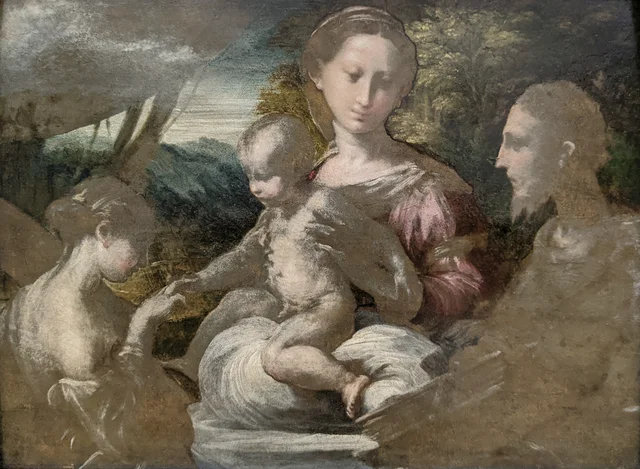 Matrimonio mistico di santa CaterinaParmigianino, 1528
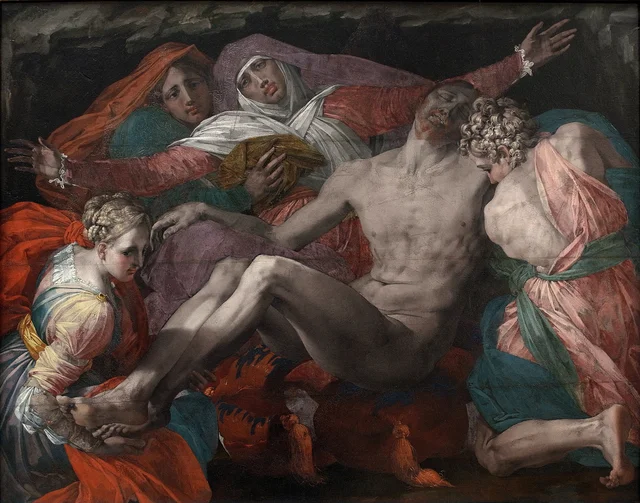 PietàRosso Fiorentino, 1536
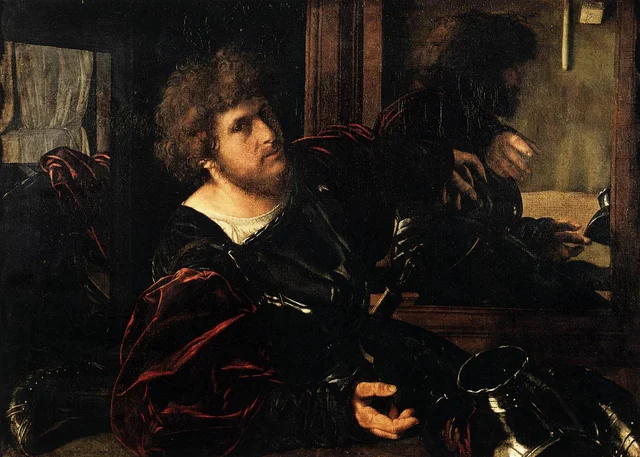 Ritratto di guerriero in armaturaGiovanni Girolamo Savoldo, 1529
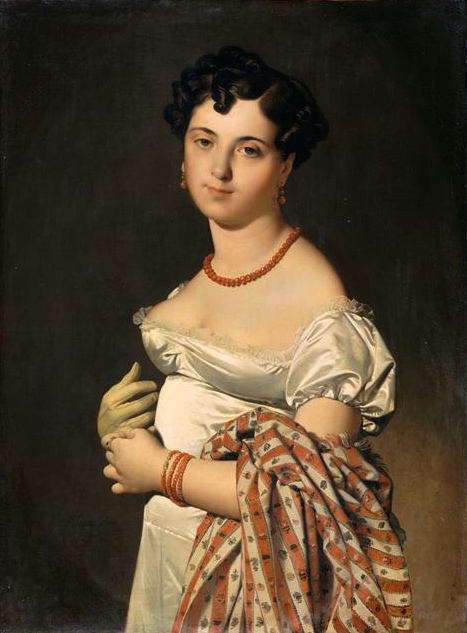 Ritratto di Madame PanckouckeJean-Auguste-Dominique Ingres, 1811
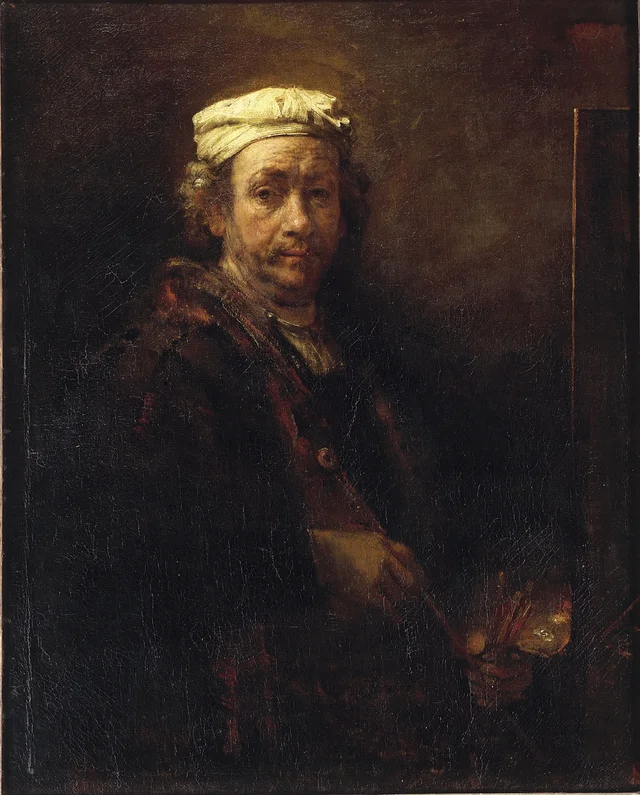 Autoritratto al cavallettoRembrandt, 1660
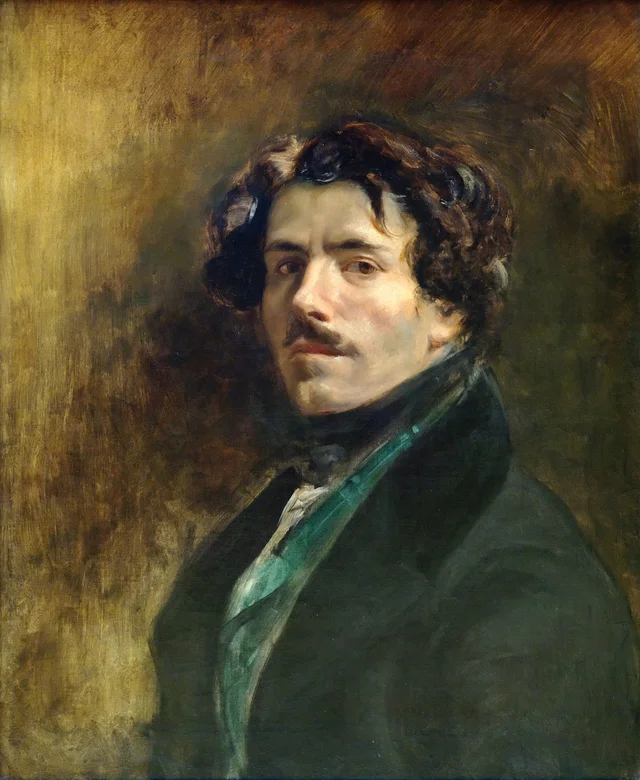 Autoritratto con panciotto verdeEugène Delacroix, 1837
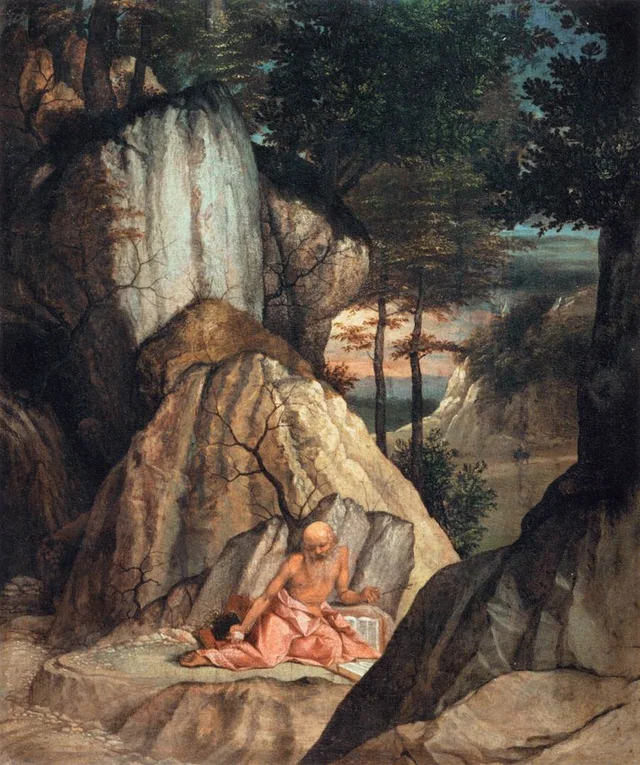 San Girolamo nel desertoLorenzo Lotto, 1506
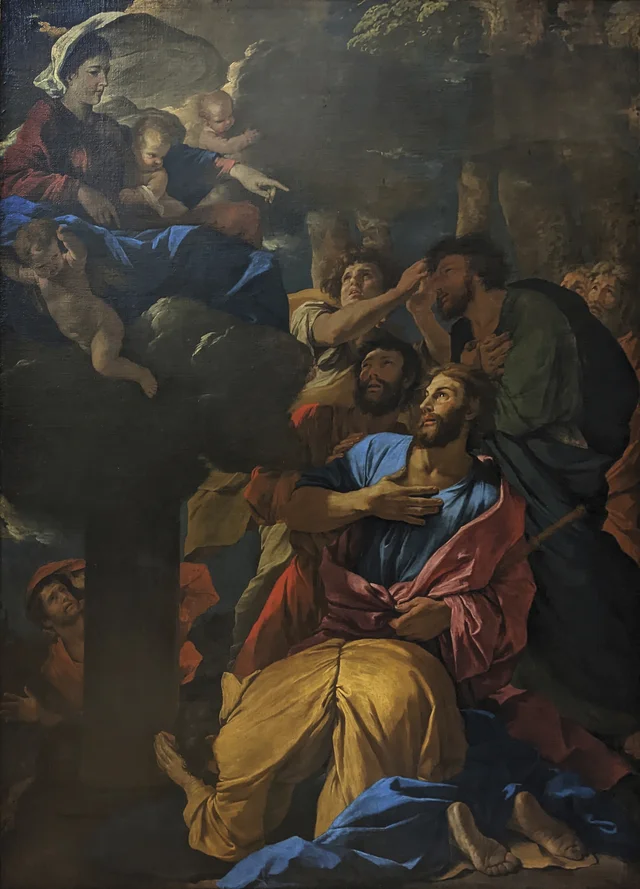 L'apparizione della Vergine a san Giacomo il MaggioreNicolas Poussin, 1629
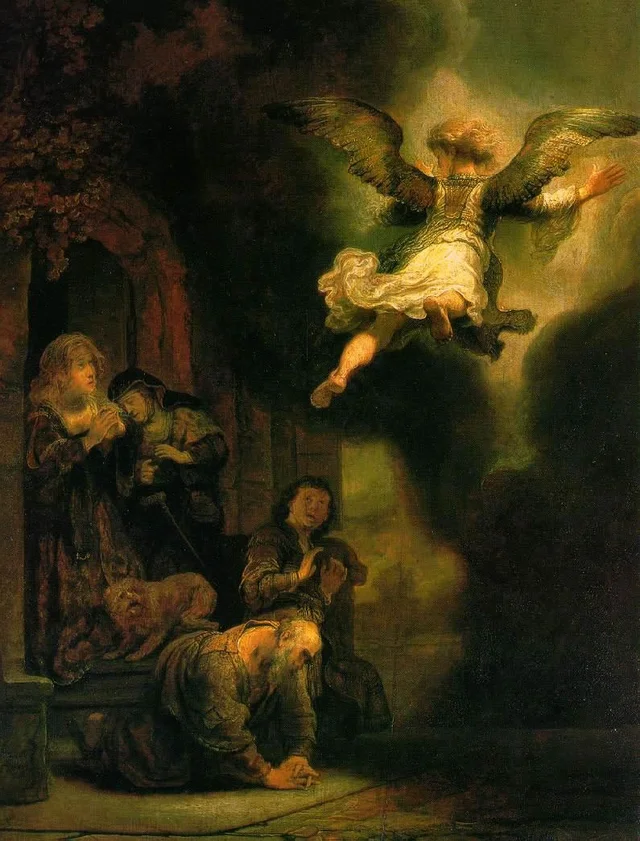 L'arcangelo lascia Tobia e la sua famigliaRembrandt, 1637