La storia
Il Louvre nacque come fortezza. Filippo II Augusto la eresse sulla riva destra della Senna intorno al 1190 per difendere la Parigi medievale, e nei secoli successivi i re di Francia la trasformarono in un palazzo reale, finché Luigi XIV nel 1682 spostò la corte a Versailles e lasciò le sale incompiute alle collezioni reali e agli artisti che vi alloggiavano.
Fu la Rivoluzione a farne un museo pubblico. Il 10 agosto 1793 il Muséum central des arts aprì le porte, mostrando le opere confiscate alla corona e alla Chiesa a qualunque cittadino volesse entrare. Napoleone lo riempì con il bottino delle sue campagne e per un breve periodo gli diede il proprio nome. Molto fu restituito dopo Waterloo, ma l'idea rimase, una collezione nazionale ordinata per lo studio e gratuita per il pubblico.
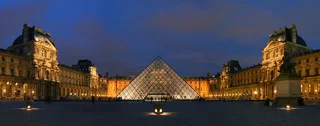
Oggi il Louvre conserva più di 35.000 opere, dalla Venere di Milo alla Zattera della Medusa di Géricault. La folla, però, si accalca verso un piccolo ritratto. Nell'agosto 1911 sparì: Vincenzo Peruggia, un tuttofare italiano che aveva lavorato nel museo, staccò dalla parete la Gioconda di Leonardo e la portò fuori sotto il cappotto. Per due anni la cornice restò vuota mentre i visitatori venivano a fissare quel vuoto, e il dipinto tornò solo nel 1913, dopo che Peruggia cercò di venderlo a un mercante di Firenze. La piramide di vetro di I. M. Pei, collocata nel cortile nel 1989, segna oggi l'ingresso.
Altri articoli
Collezione
1174 opere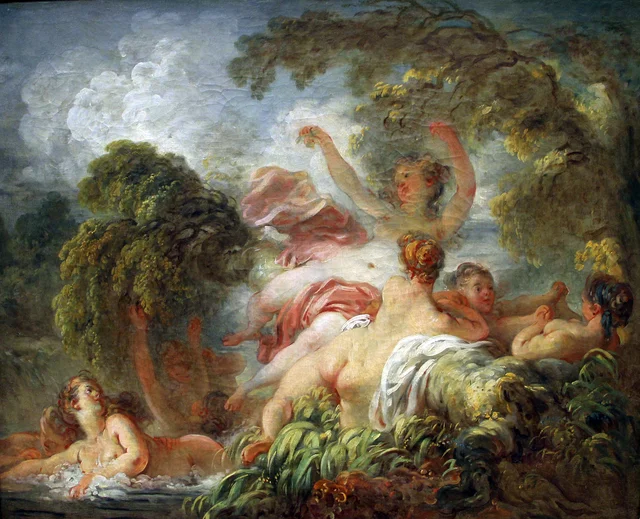 Le bagnantiJean-Honoré Fragonard, 1765
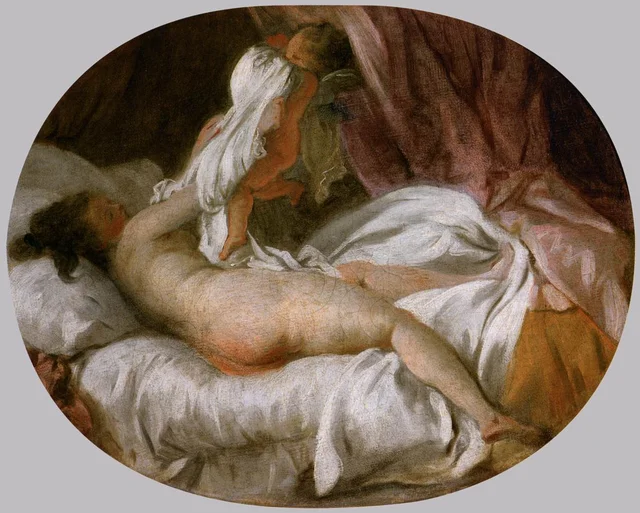 La camicia toltaJean-Honoré Fragonard, 1770
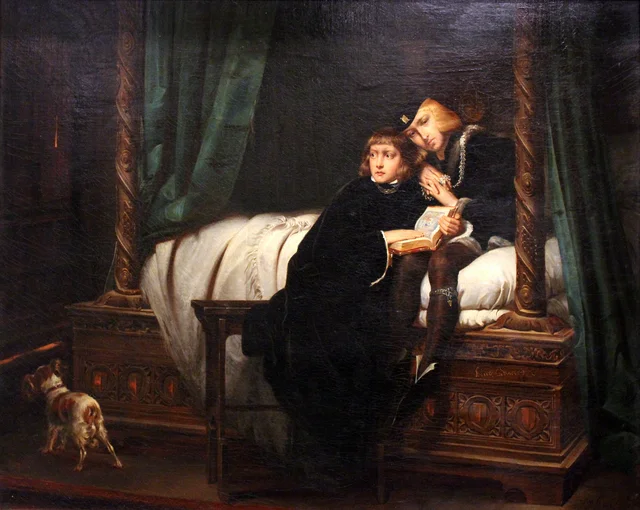 I figli di EdoardoPaul Delaroche, 1830
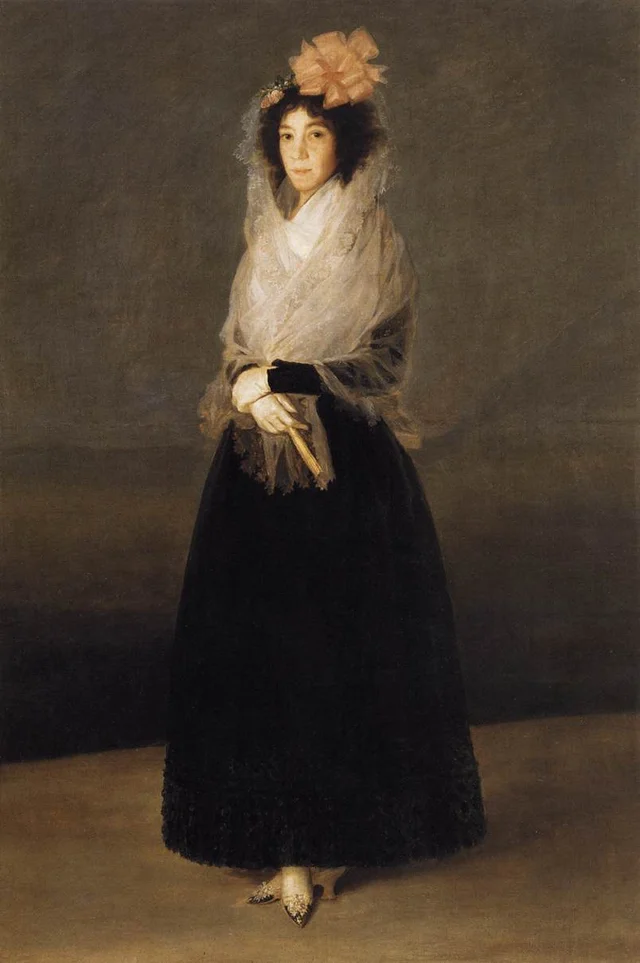 La contessa del Carpio, marchesa de La SolanaFrancisco Goya, 1793
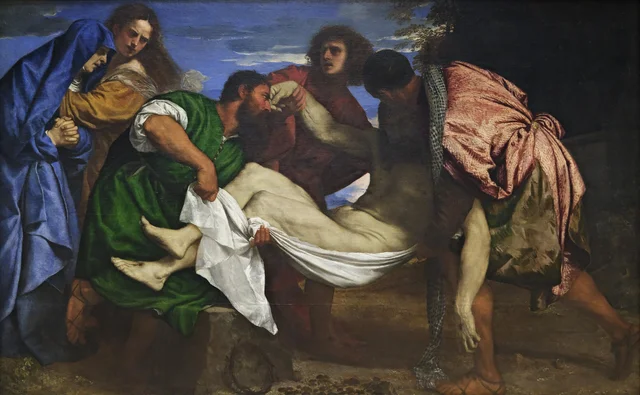 La deposizione nel sepolcroTiziano, 1524
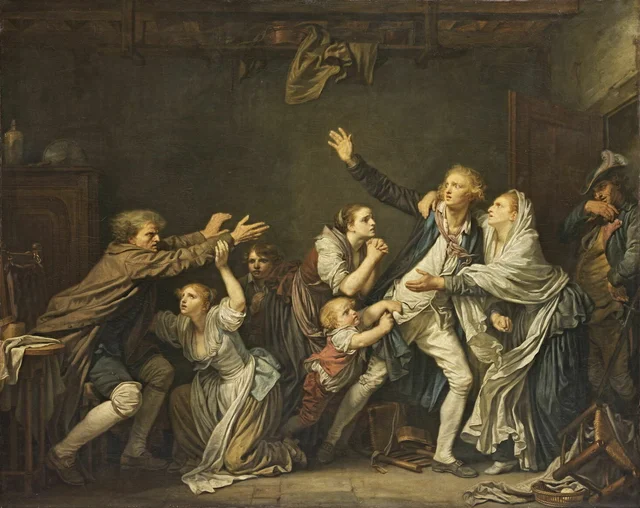 La maledizione paterna - Il figlio ingratoJean-Baptiste Greuze, 1777
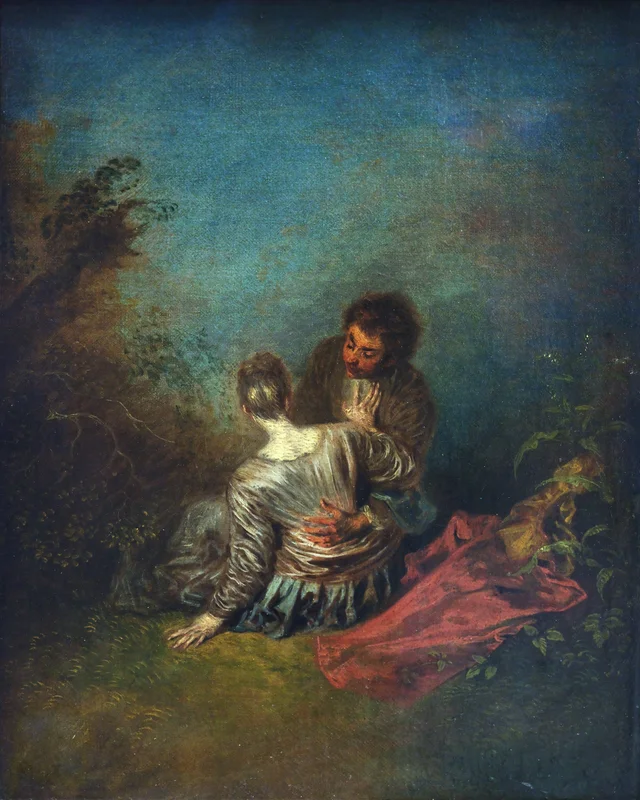 Il passo falsoJean-Antoine Watteau, 1717
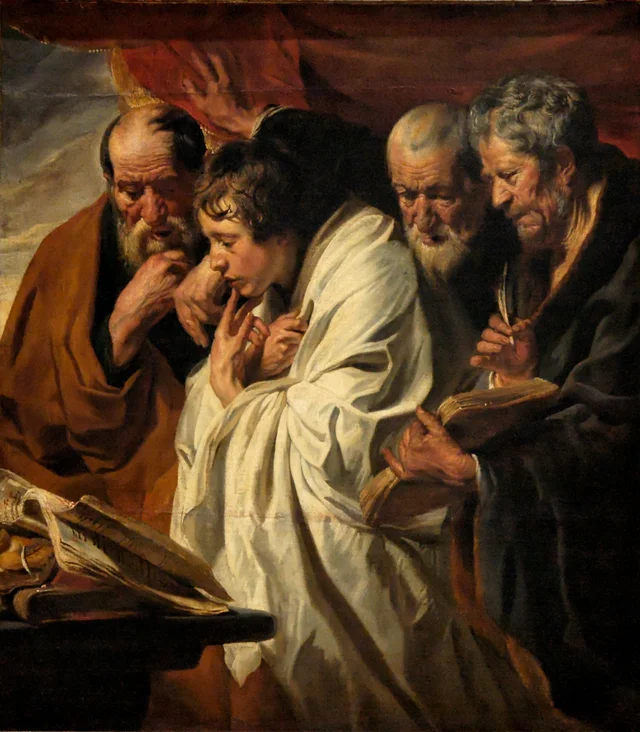 I quattro evangelistiJacob Jordaens, 1625
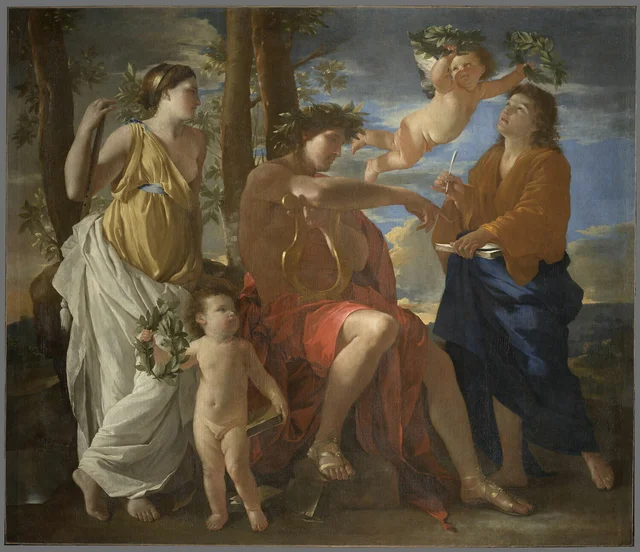 L'ispirazione del poetaNicolas Poussin, 1629
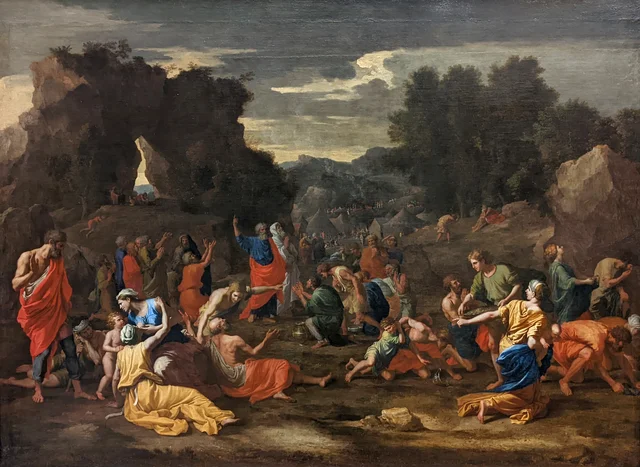 Gli israeliti che raccolgono la manna nel desertoNicolas Poussin, 1638
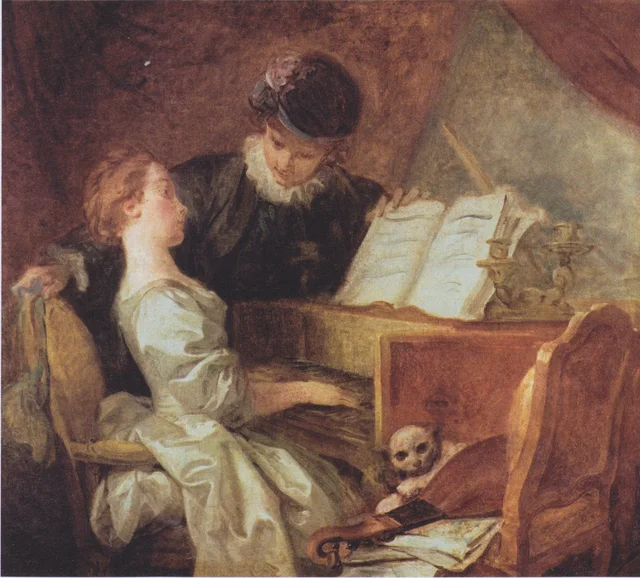 La lezione di musicaJean-Honoré Fragonard, 1770
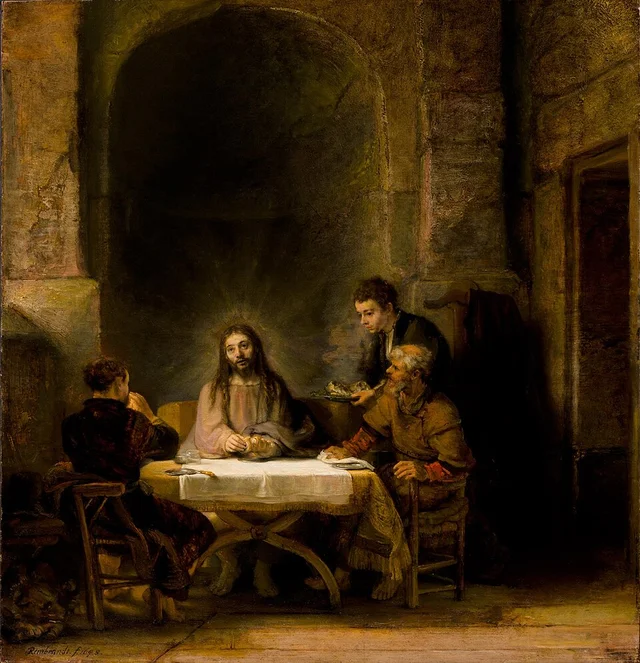 I pellegrini di EmmausRembrandt, 1648
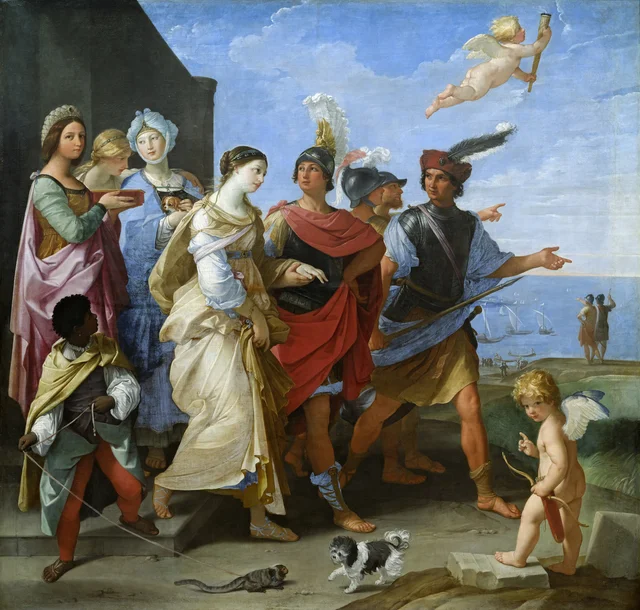 Il ratto di ElenaGuido Reni, 1631
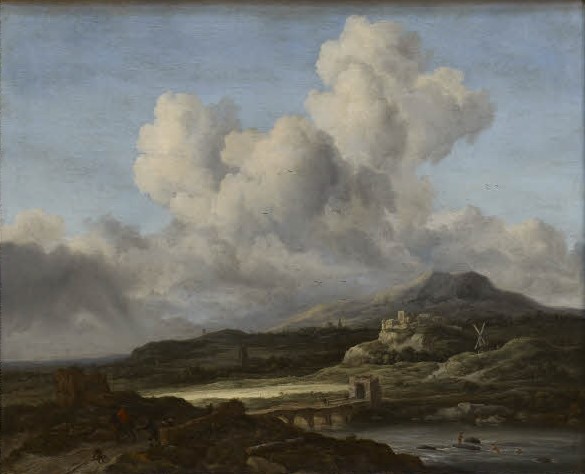 Il raggio di soleJacob van Ruisdael, 1665
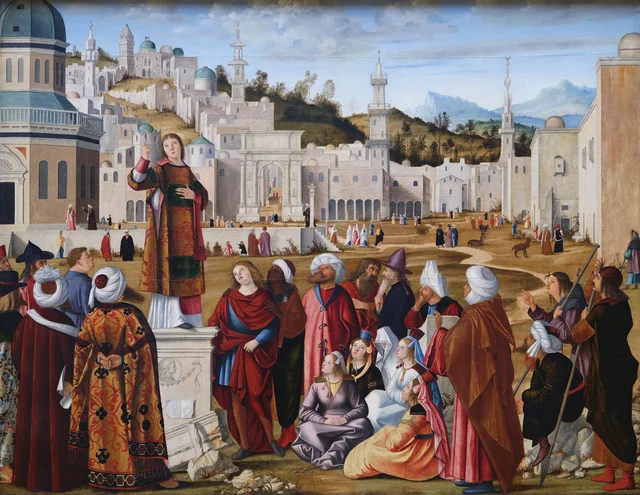 La predica di santo StefanoVittore Carpaccio, 1514
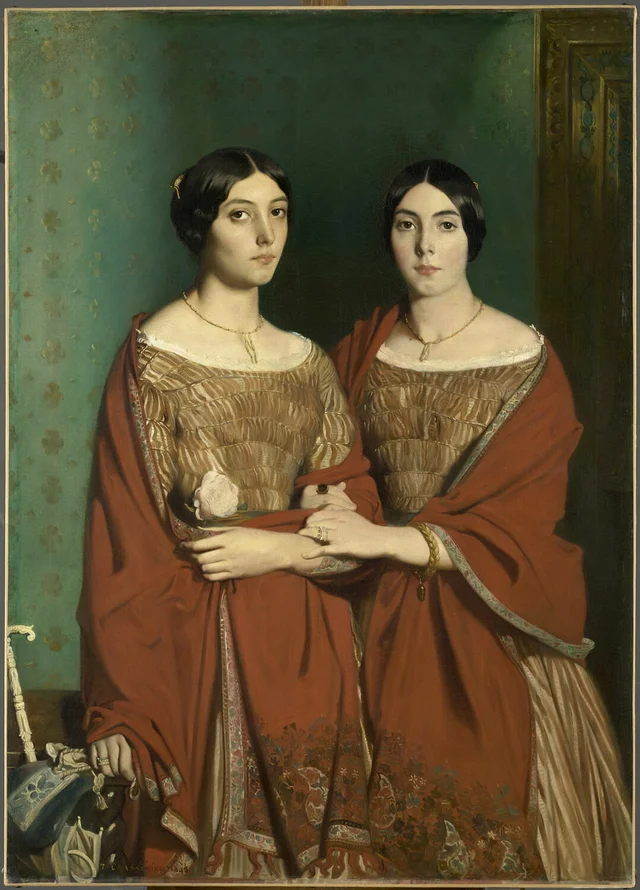 Le due sorelleThéodore Chassériau, 1843
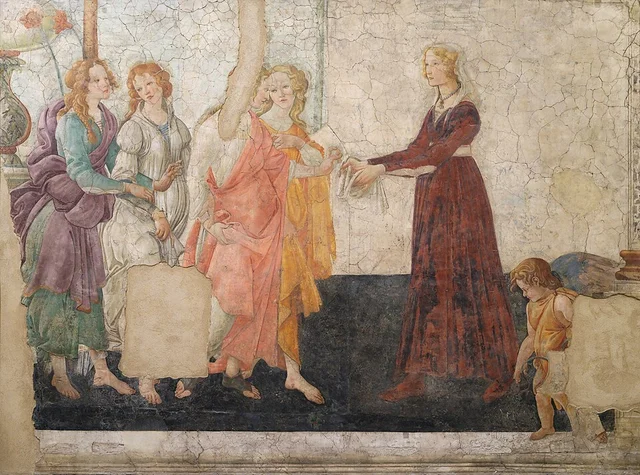 Venere e le tre Grazie offrono doni a Giovanna degli AlbizziSandro Botticelli, 1484
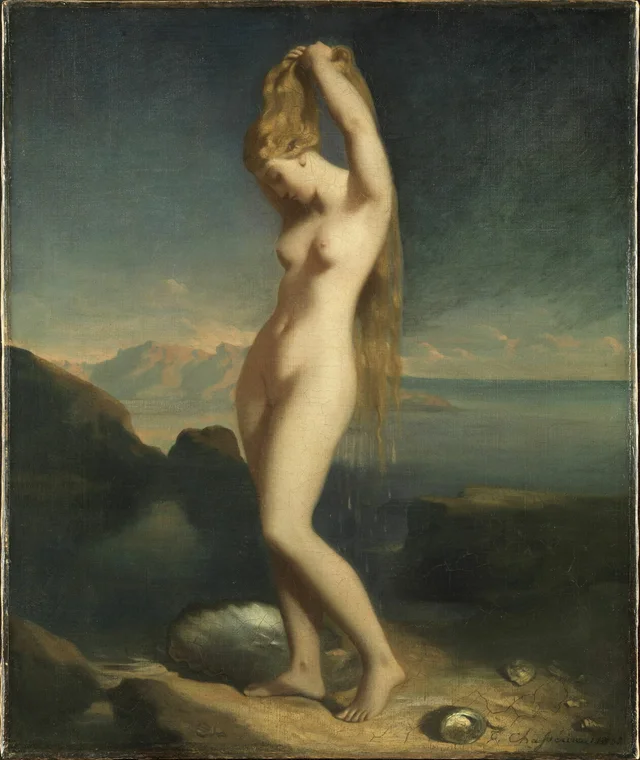 Venere marinaThéodore Chassériau, 1838
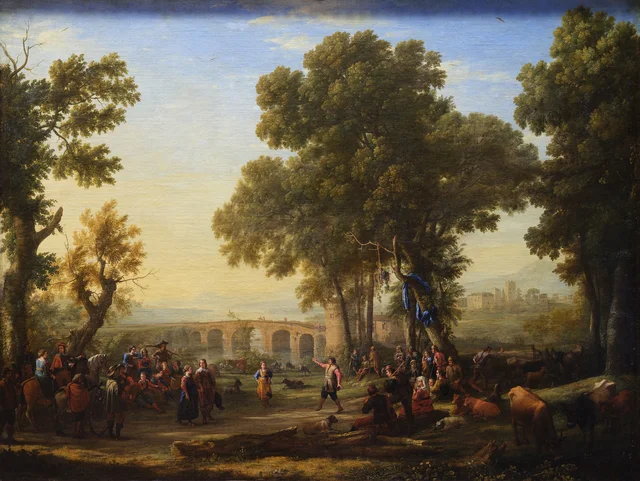 Festa di villaggioClaude Lorrain, 1639
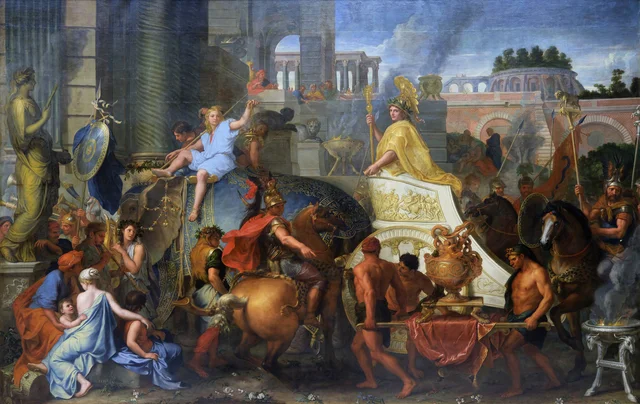 Ingresso di Alessandro a BabiloniaCharles Le Brun, 1664
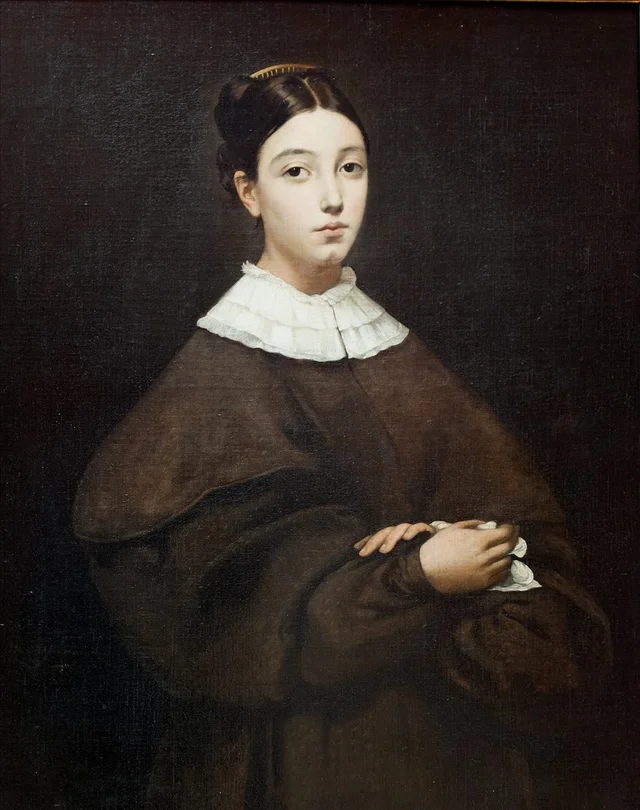 Aline ChassériauThéodore Chassériau, 1835
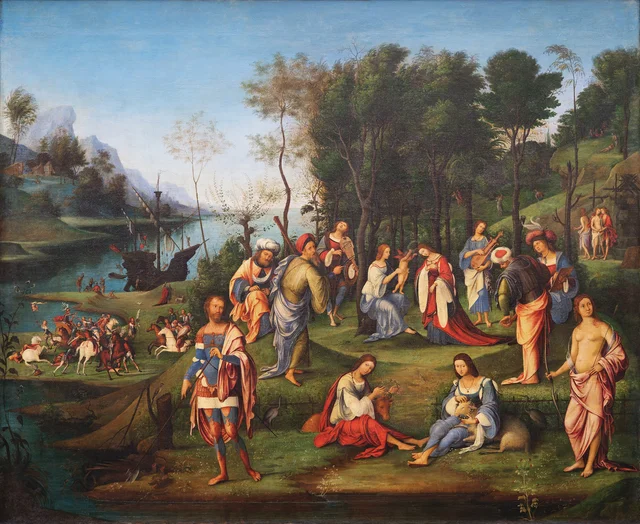 Allegoria dell'incoronazione di Isabella d'EsteLorenzo Costa, 1506
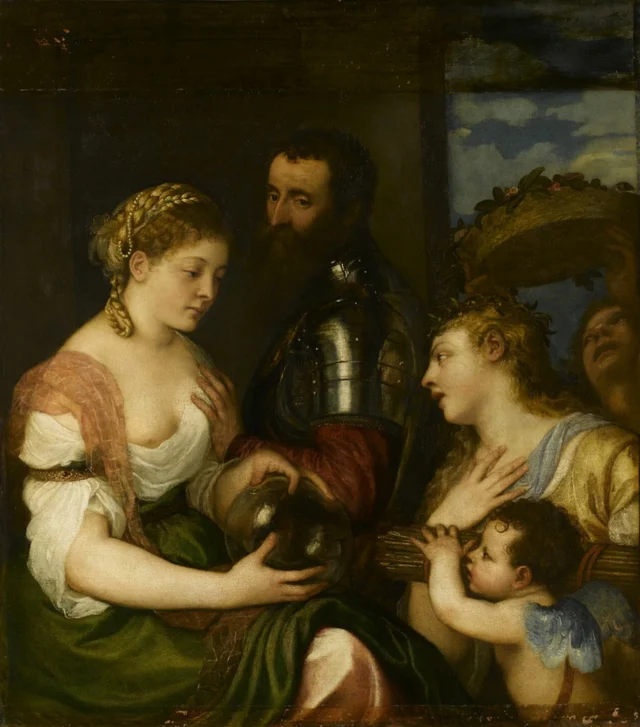 Allegoria coniugaleTiziano, 1532
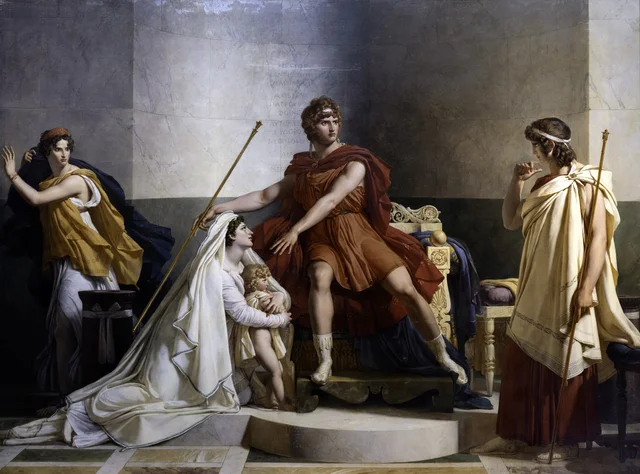 Andromaca e PirroPierre-Narcisse Guérin, 1810
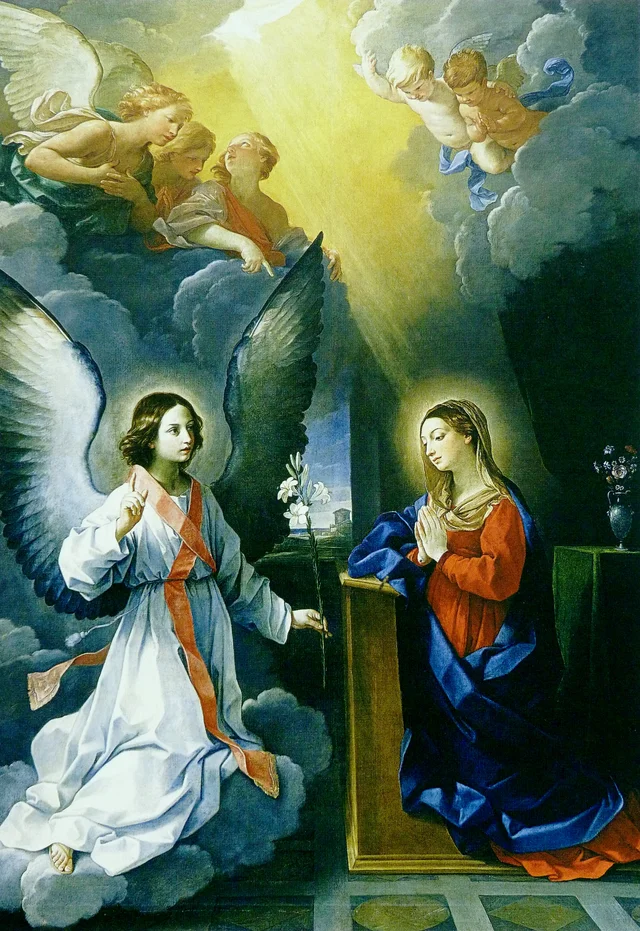 AnnunciazioneGuido Reni, 1629