音声ガイド
ストーリー
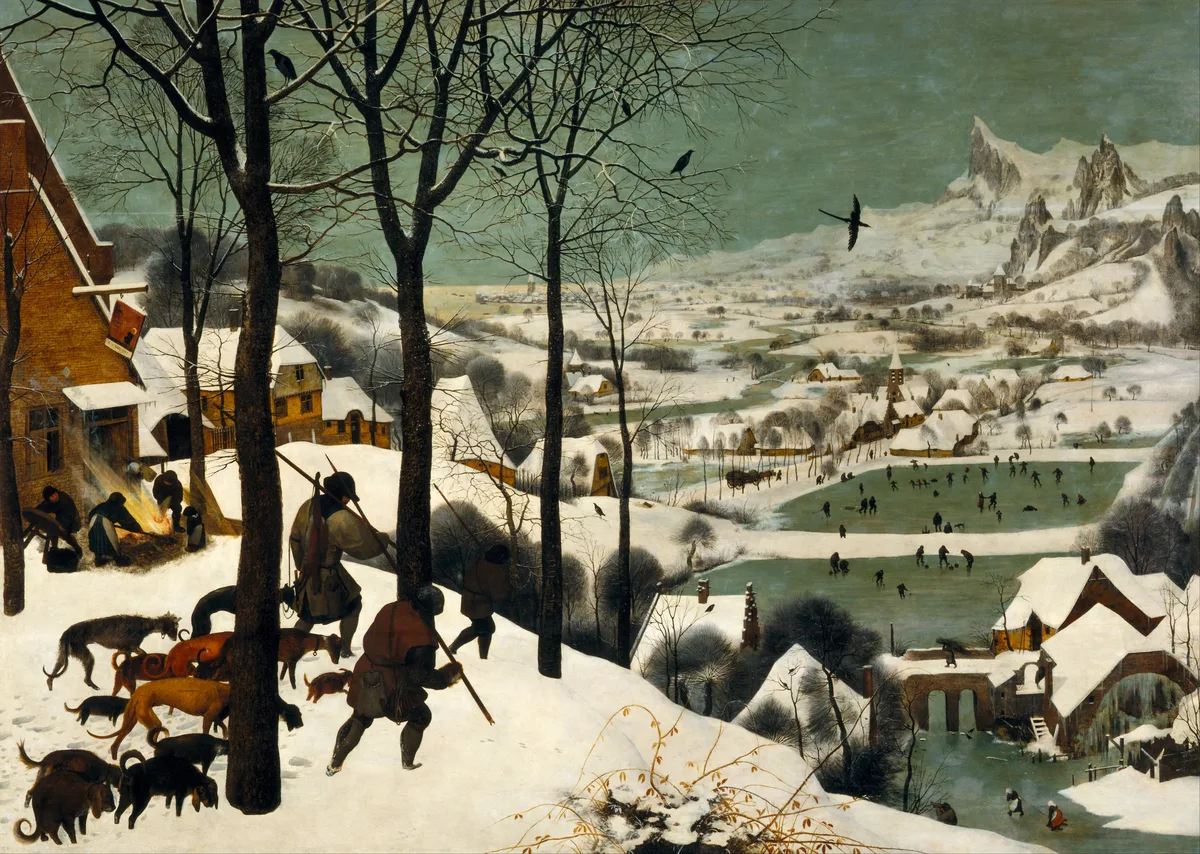
1階のある一室には、ピーテル・ブリューゲル(父)の絵が、地上のどこよりも多く、およそ十数点集められている。そのなかには「雪中の狩人」もある。凍りついた谷を見おろす丘を、疲れた狩人たちと犬の列がとぼとぼと越えていく、1565年の作品だ。ウィーンがそもそもこれらを所有しているのは、幾世紀にもわたってヨーロッパの大部分を治め、その権力の少なからぬ部分を美術の収集に費やしたハプスブルク家のおかげである。
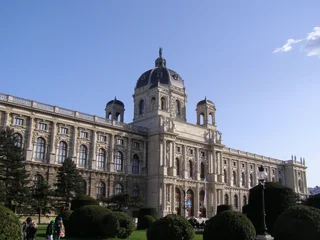
この美術館は、まさにそれを誇示するために建てられた。皇帝フランツ・ヨーゼフが1891年、ウィーンの旧市壁があった場所に敷かれた壮麗な大通りリンク通りに開館させた。ゴットフリート・ゼンパーとカール・フォン・ハーゼナウアーによる宮殿さながらの建物で、その階段室は、金と醜聞のクリムトになる前の若きグスタフ・クリムトが装飾した。散逸していた皇室のコレクションをひとつ屋根の下に集め、民衆に公開することがねらいだった。
だから壁は、ハプスブルク家の広がりの目録のように読める。フェルメールの「絵画芸術」は、画架に向かう画家を背後から見た作品で、一族が宝のひとつとして手元に置いていた。ティツィアーノ、ルーベンス、ベラスケスの部屋が続く。ベラスケスがスペイン宮廷で描いた、小さく厳かな王女たちの肖像は、一族の二つの家系を結んだ婚姻を通じてウィーンへもたらされた。そして絵画のギャラリーの下には、クンストカンマーがある。象牙の彫刻、からくり時計、宝石の杯が入り組んで並ぶ部屋で、美しいものと同じくらい奇妙で精巧なものを求めた皇帝たちが集めた。最も名高い品は、ベンヴェヌート・チェッリーニがフランス王のために作った金の塩入れである。
他の記事
コレクション
381点の作品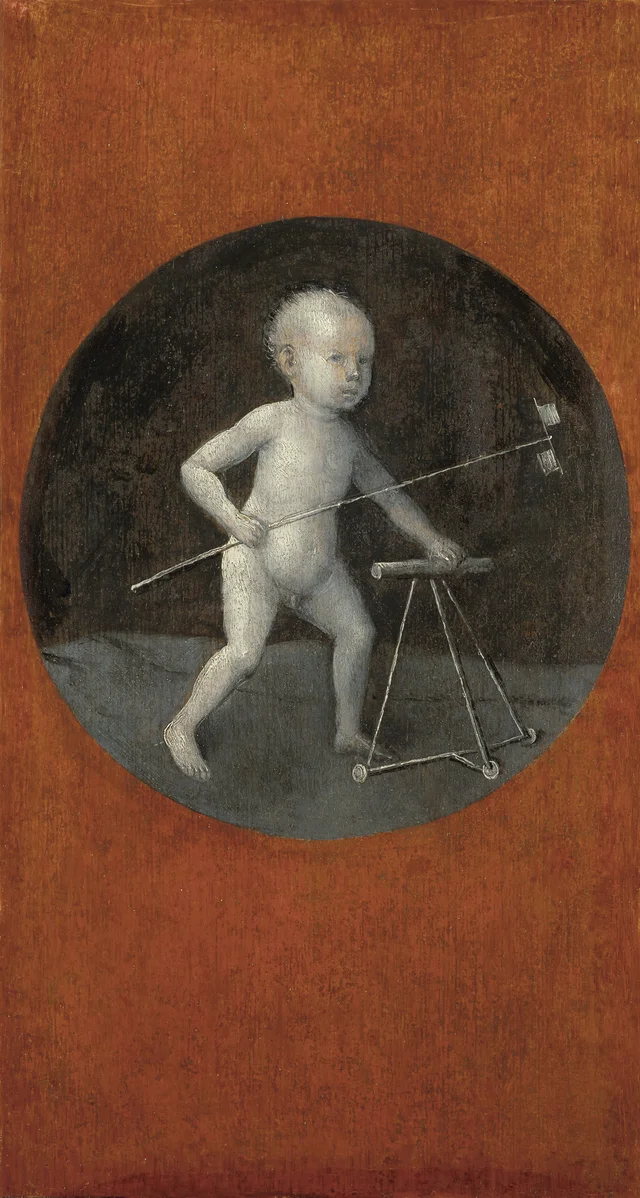 歩行器を使う幼子キリストヒエロニムス・ボス, 1500
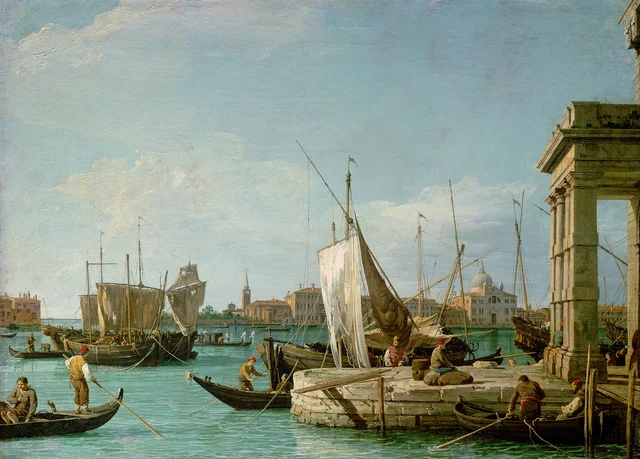 プンタ・デッラ・ドガーナカナレット, 1726
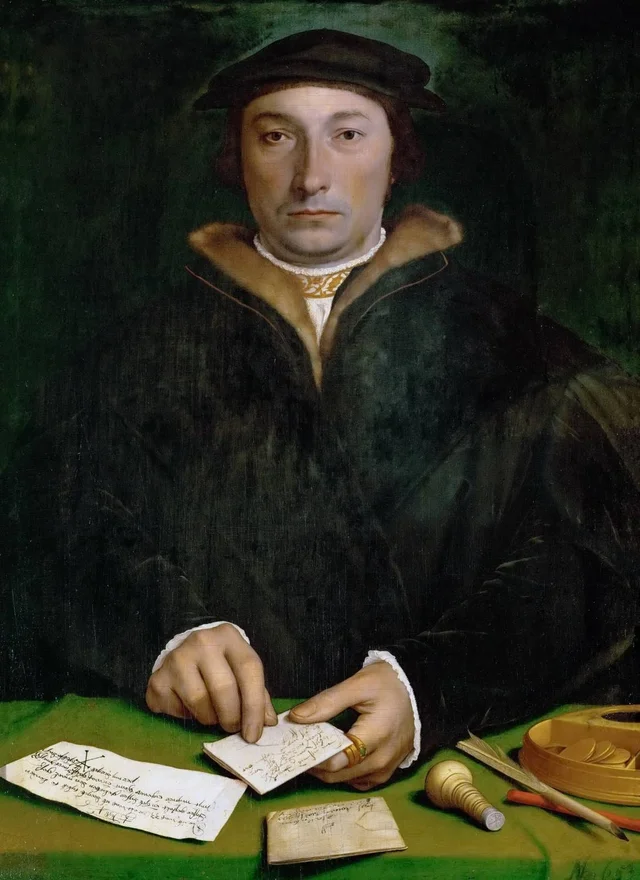 デュースブルクの商人ディルク・ティビス小ハンス・ホルバイン, 1533
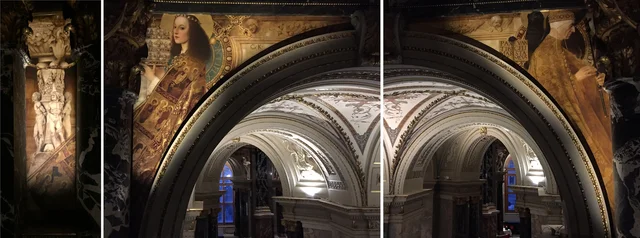 ローマとヴェネツィアのクワトロチェントグスタフ・クリムト, 1891
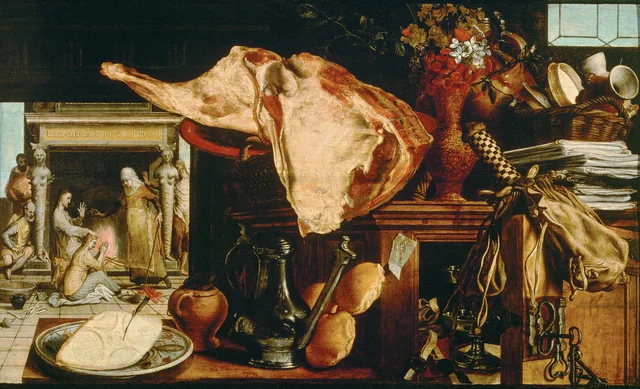 ヴァニタス静物画(マルタとマリアの家のキリスト)ピーテル・アールツェン, 1552
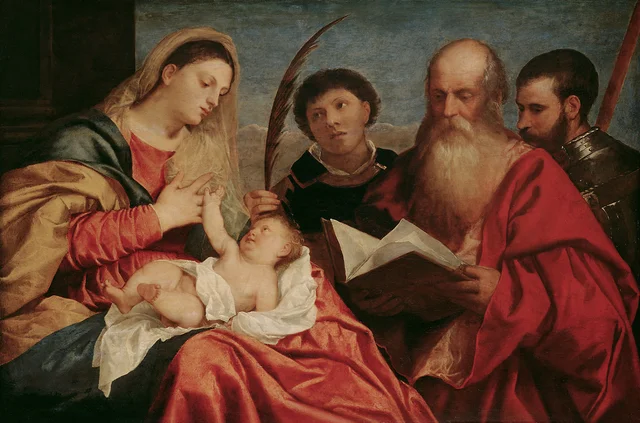 聖母子と聖ステファノ、聖ヒエロニムス、聖マウリティウスティツィアーノ, 1520
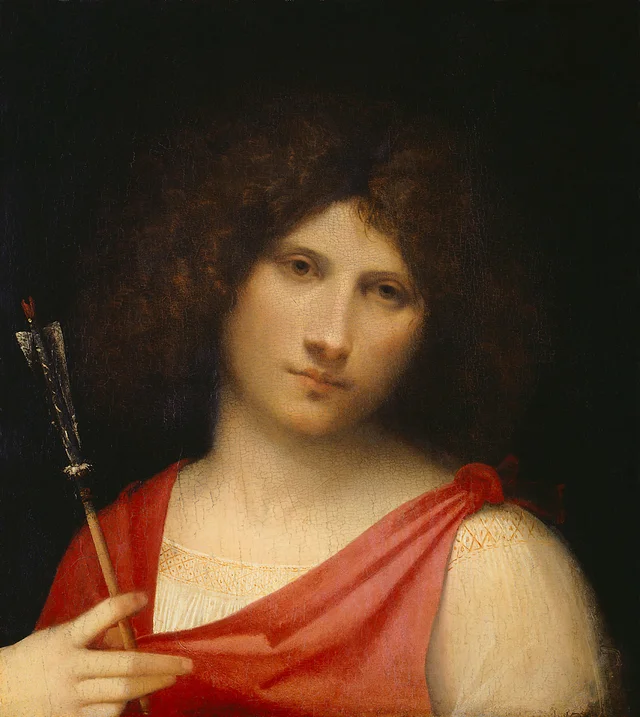 矢を持つ若者ジョルジョーネ, 1505
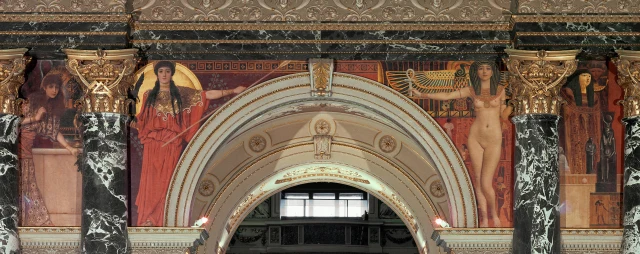 古代ギリシャと古代エジプトグスタフ・クリムト, 1891
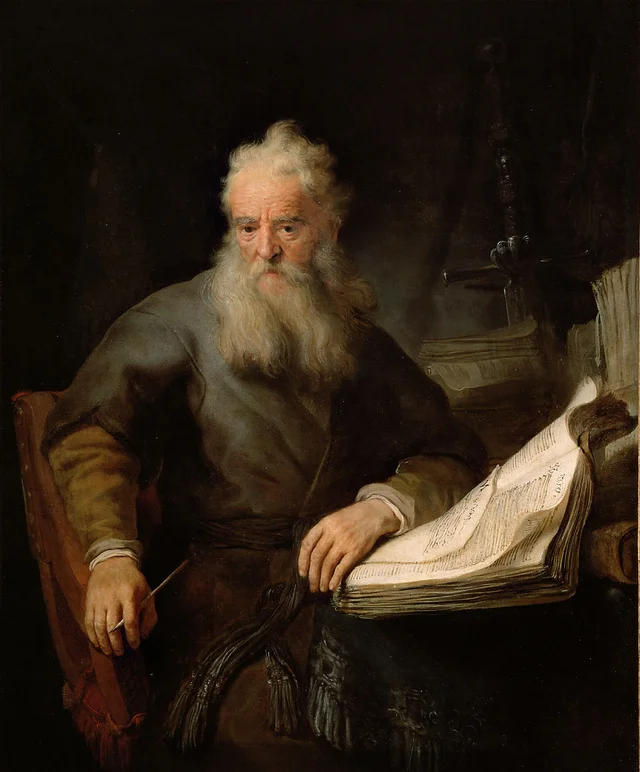 使徒パウロレンブラントに帰属, 1633
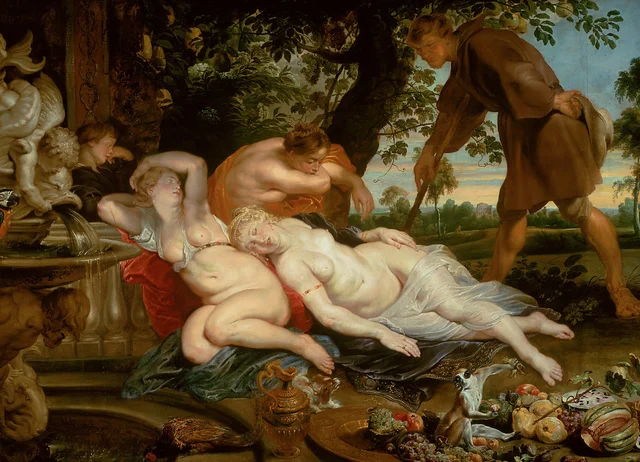 シモンとイフィゲネイアピーテル・パウル・ルーベンス, 1617
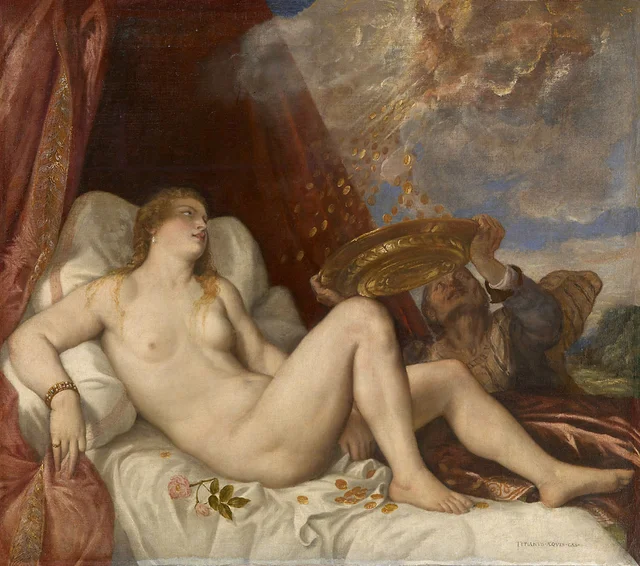 ダナエティツィアーノ, 1550
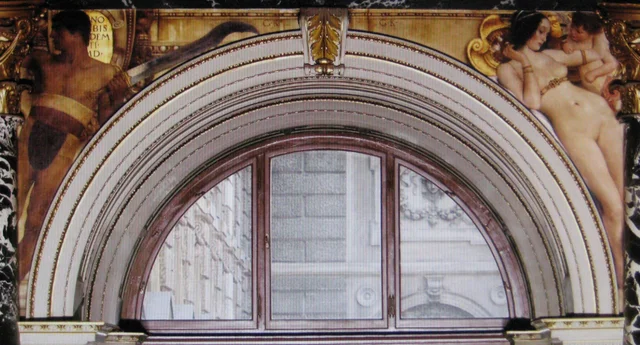 クインチェチェントとクワトロチェントのフィレンツェグスタフ・クリムト, 1891
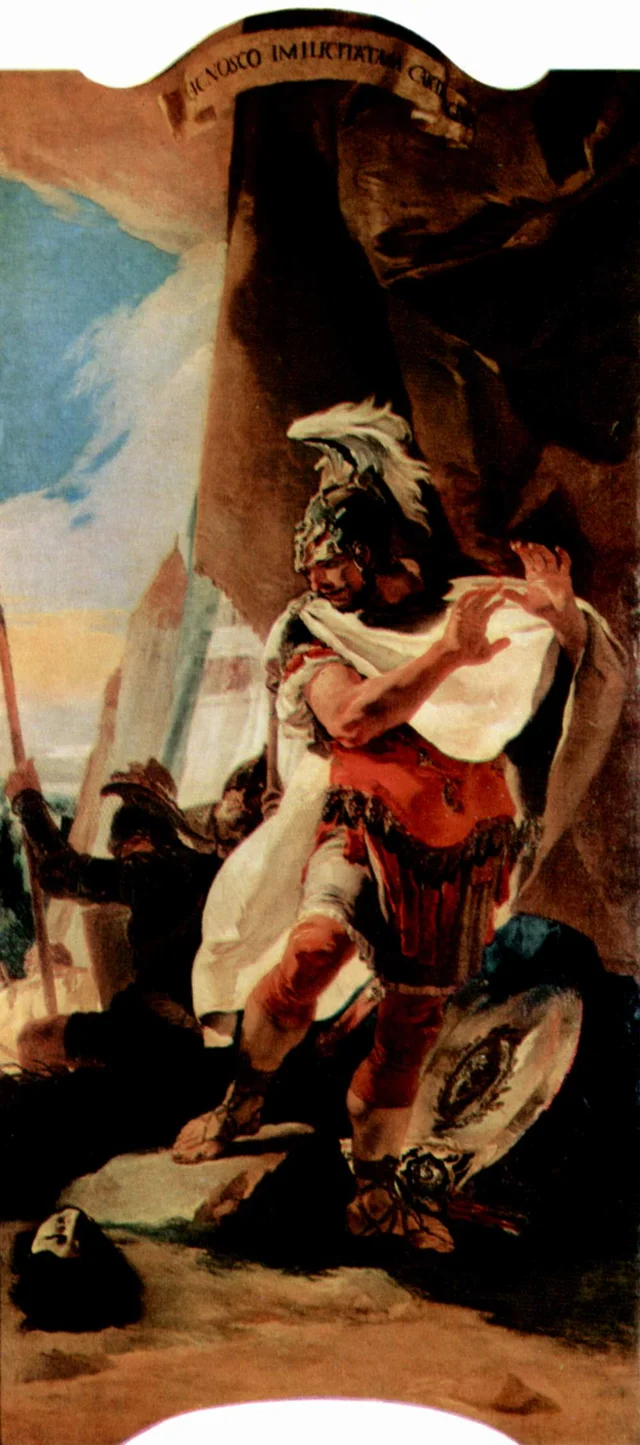 弟ハスドルバルの首を見分けるハンニバルジョヴァンニ・バッティスタ・ティエポロ, 1729
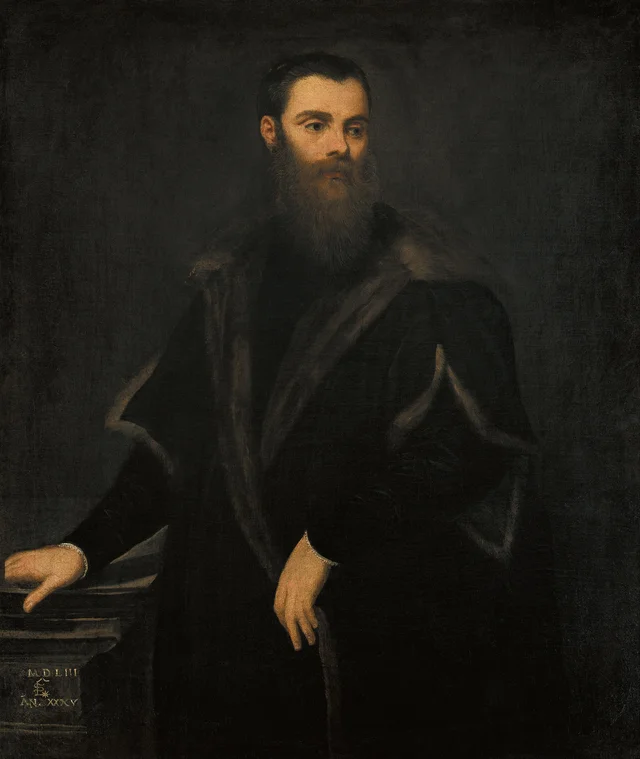 ロレンツォ・ソランツォヤコポ・ティントレット, 1553
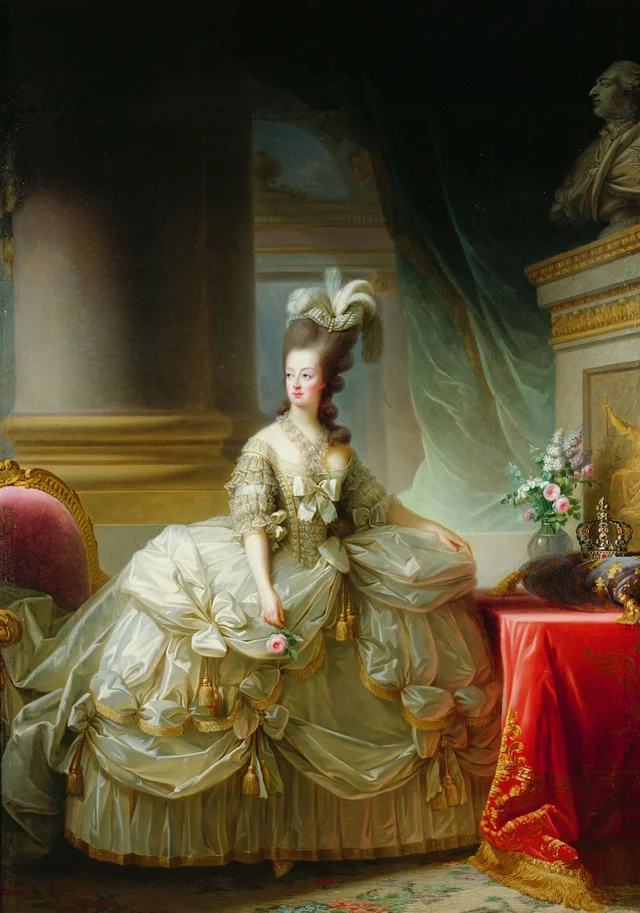 宮廷服のマリー・アントワネットエリザベート・ヴィジェ・ルブラン, 1778
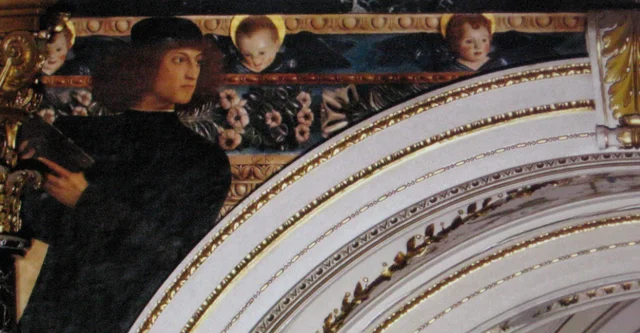 古いイタリア美術グスタフ・クリムト, 1891
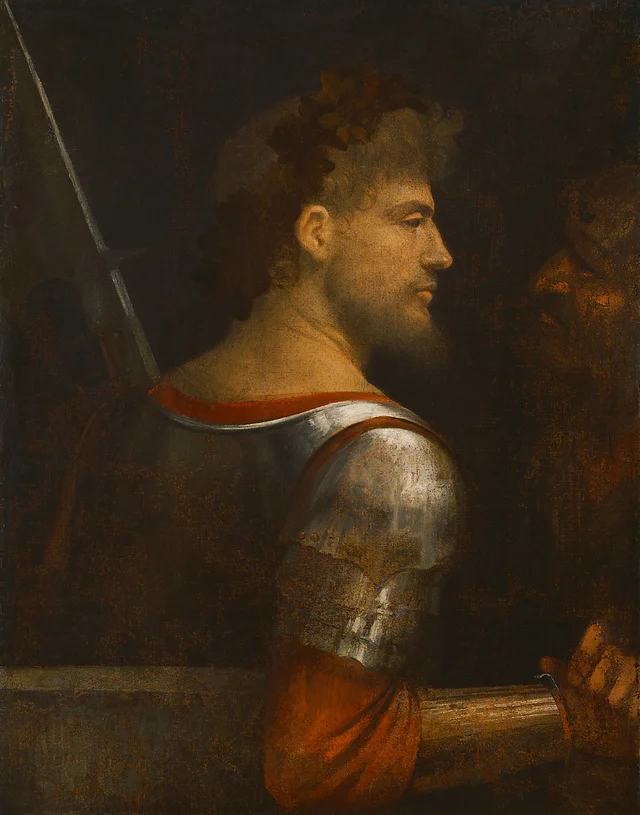 戦士の肖像ジョルジョーネ, 1500
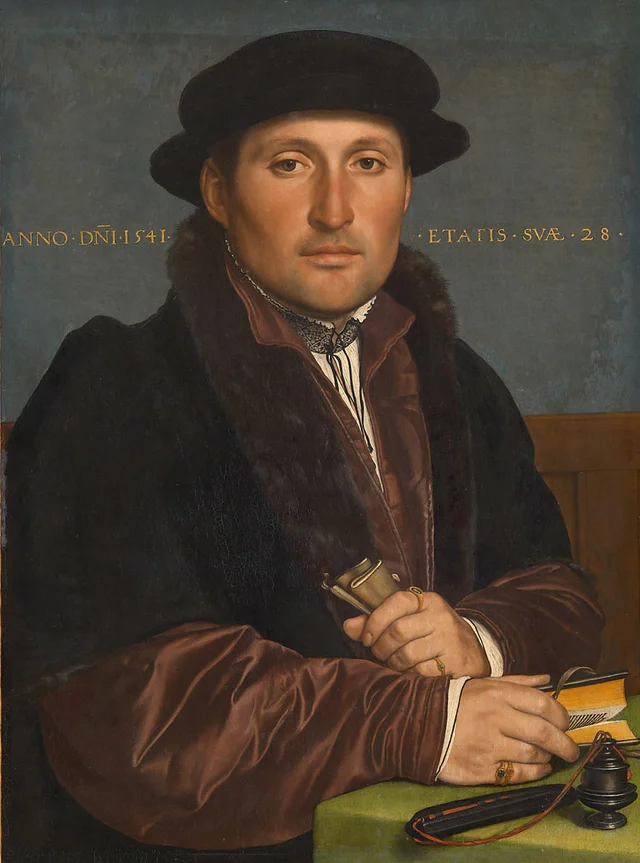 若い商人の肖像小ハンス・ホルバイン, 1541
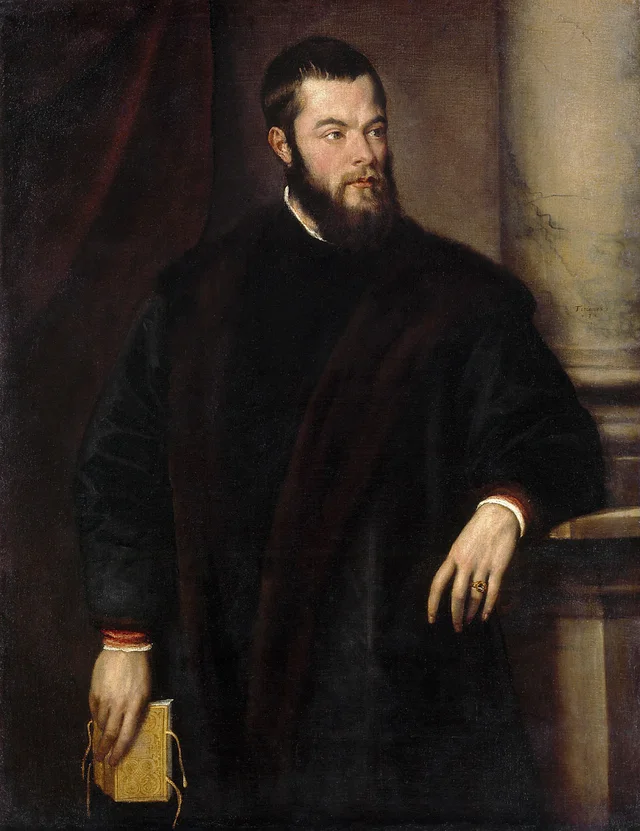 ベネデット・ヴァルキの肖像ティツィアーノ, 1540
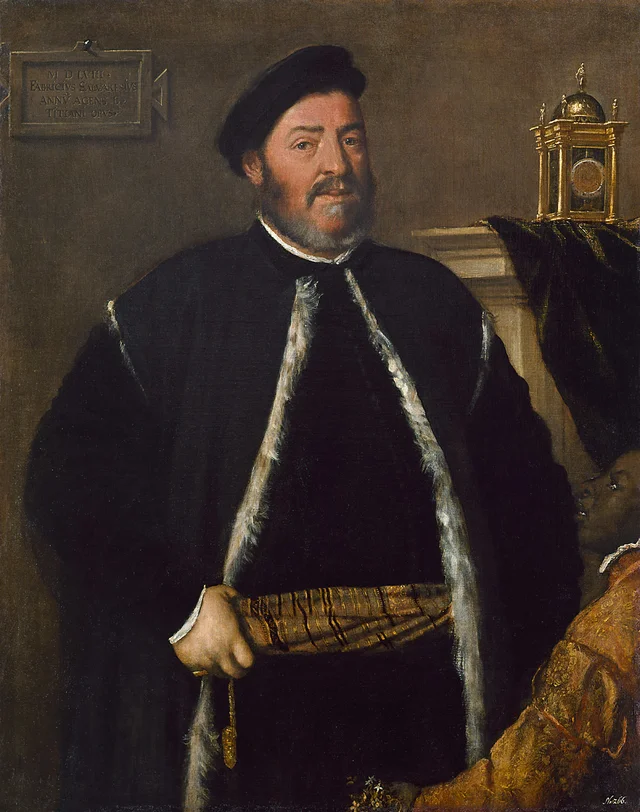 ファブリツィオ・サルヴァレージオの肖像ティツィアーノ, 1558
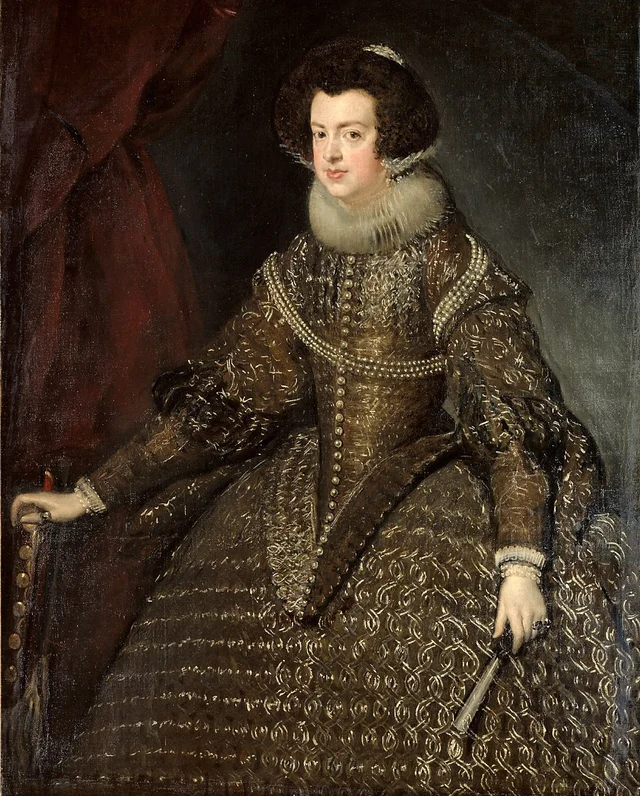 スペイン王妃イサベル(1602-1644)ディエゴ・ベラスケスと工房, 1632
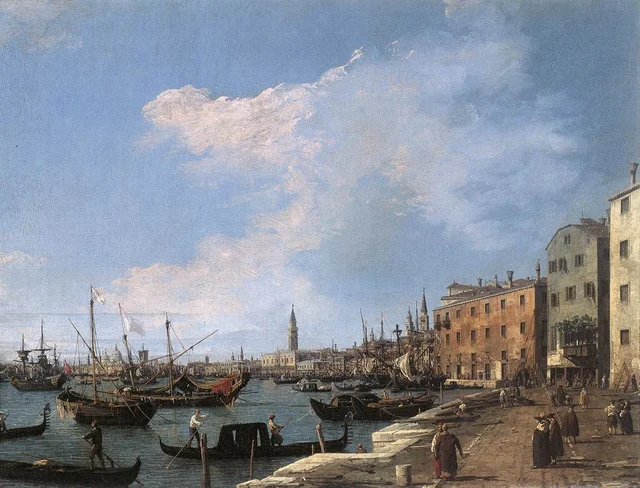 リーヴァ・デッリ・スキアヴォーニカナレット, 1730
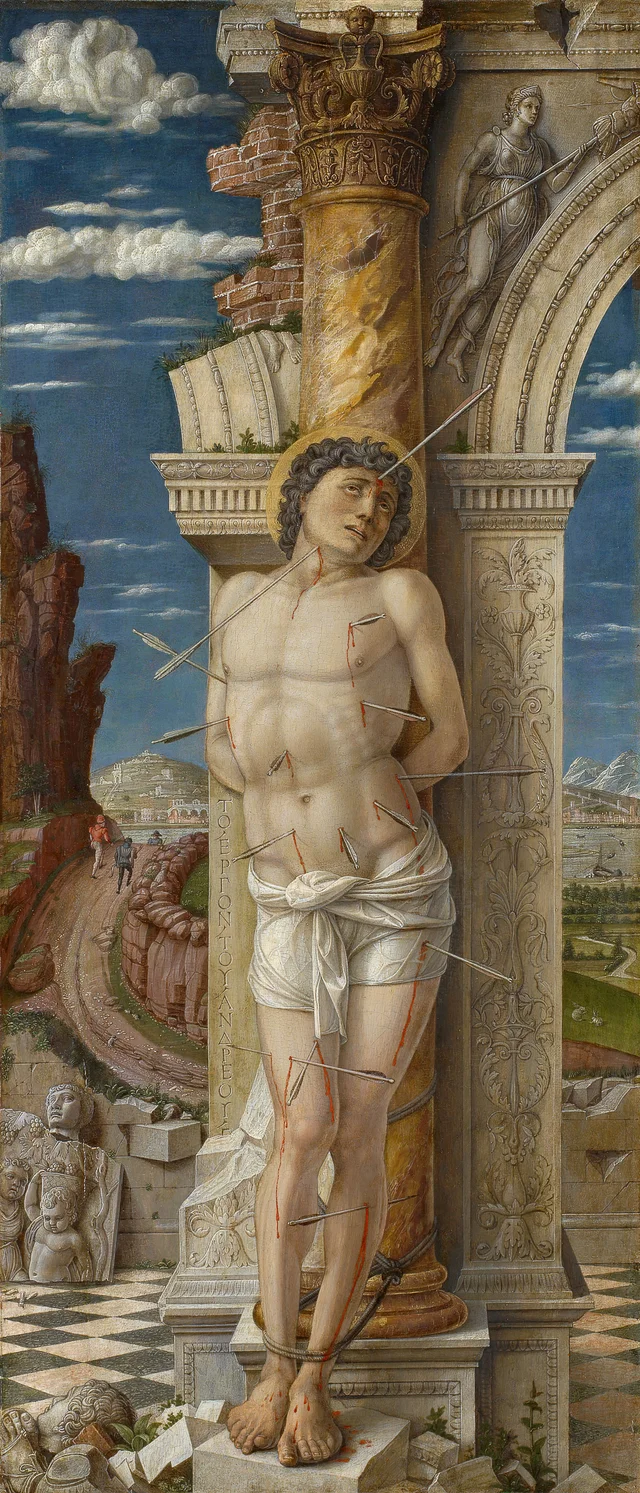 聖セバスティアヌスアンドレア・マンテーニャ, 1458
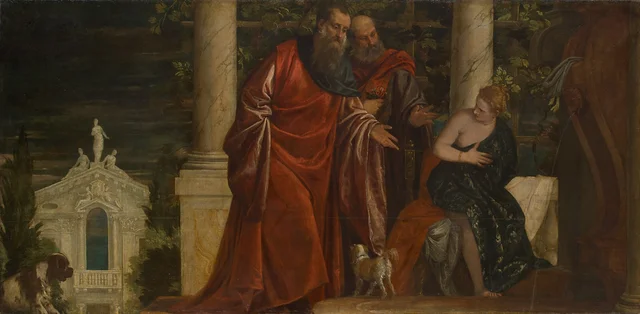 スザンナと長老たちパオロ・ヴェロネーゼと工房, 1585
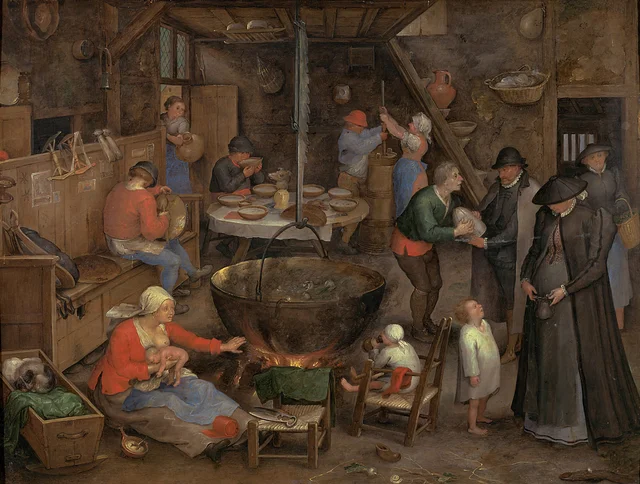 農場への訪問ヤン・ブリューゲル(父), 1597