音声ガイド
ストーリー
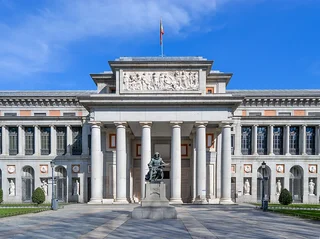
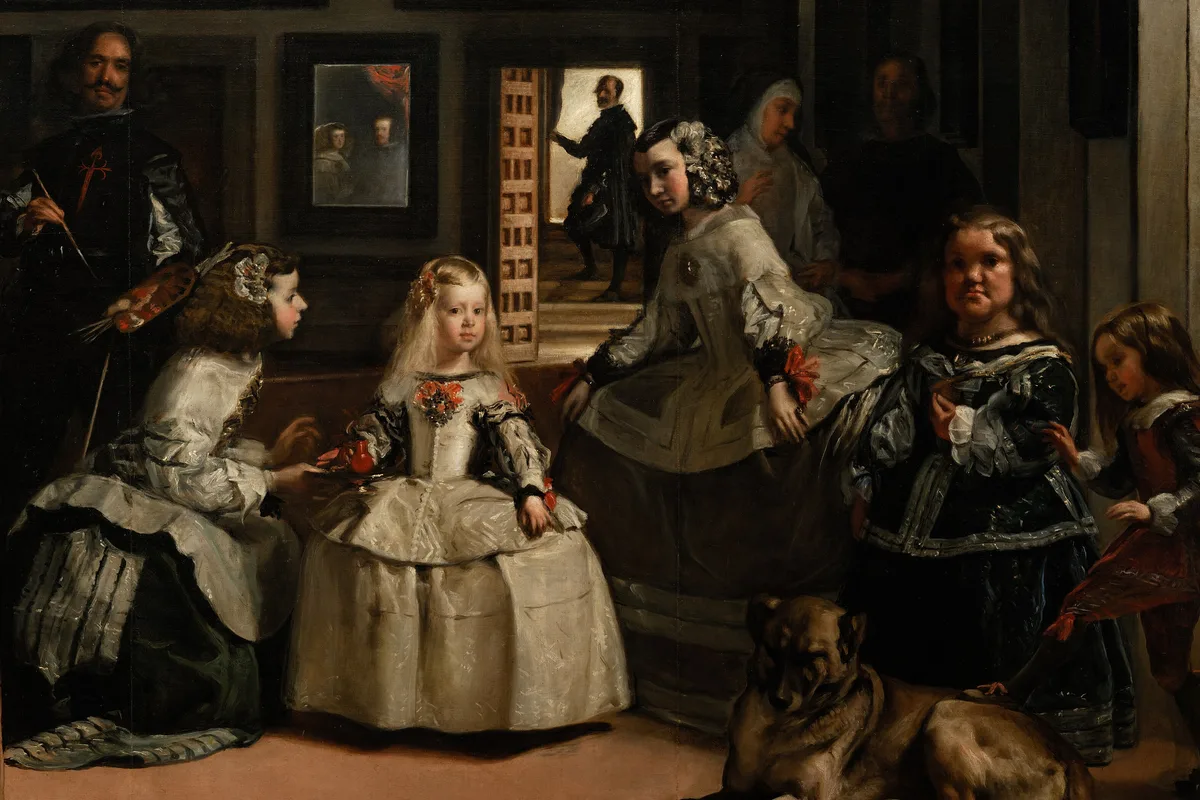
プラド美術館は、公開された王のコレクションだ。3世紀にわたってスペインのハプスブルク家とブルボン家は王家の規模で買い、注文し続けた。その趣味がそのまま美術館である。王たちが愛したティツィアーノとルーベンス、生涯の大半をスペイン宮廷に仕えたベラスケス。彼の「ラス・メニーナス(女官たち)」は建物の中心に掛かり、旧王宮アルカサルの一室で、画家が自らのカンヴァスの陰からこちらを見つめている。
このギャラリーは1819年、建築家フアン・デ・ビリャヌエバが当初は自然科学の展示館として設計した建物に開館した。その壁は、スペイン美術の華麗さとともに、より暗い転回も掲げている。ゴヤの「1808年5月3日」は、闇のなかで銃殺隊がカンテラを掲げる場面だ。そして晩年、耳が聞こえず世を避けて、自邸の壁に直接描き、決して人に見せるつもりのなかった「黒い絵」もある。
その大いなる至宝のうち最も古いものは、この王家のスペイン趣味に先立つ。ヒエロニムス・ボスの「快楽の園」だ。楽園、欲望、地獄を描く三連の幻視で、のちにフェリペ2世のコレクションに入り、その修道院兼宮殿エル・エスコリアルへ送られた。かつては宮廷だけが目にすることを許されたものが、いまでは群衆を引き寄せている。
他の記事
コレクション
870点の作品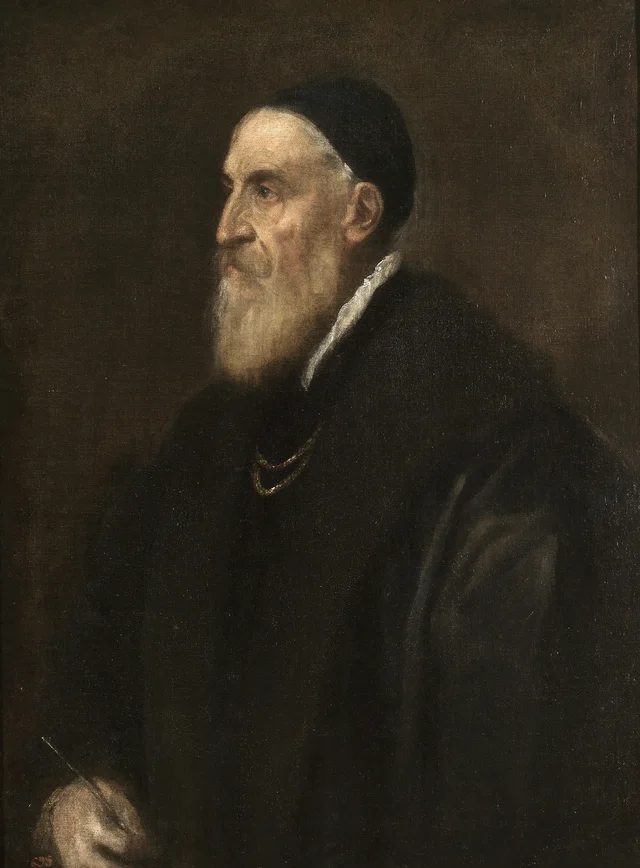 自画像ティツィアーノ, 1562
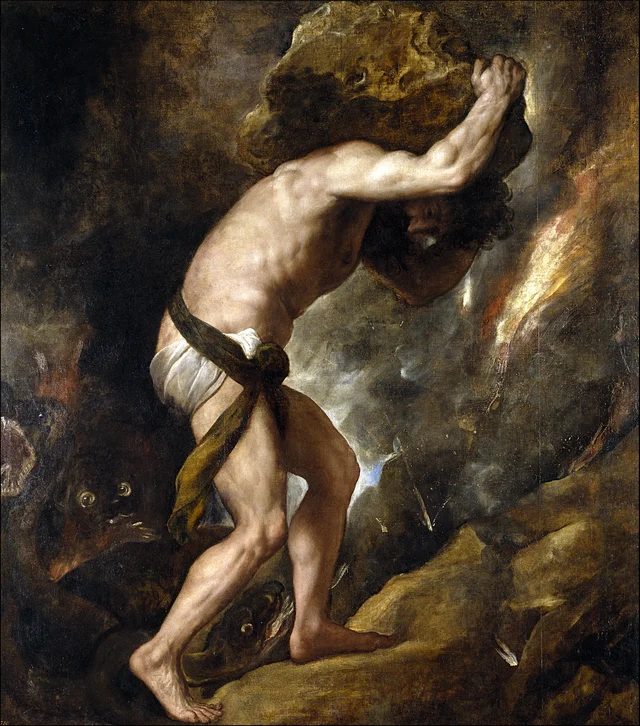 シジフォスティツィアーノ, 1548
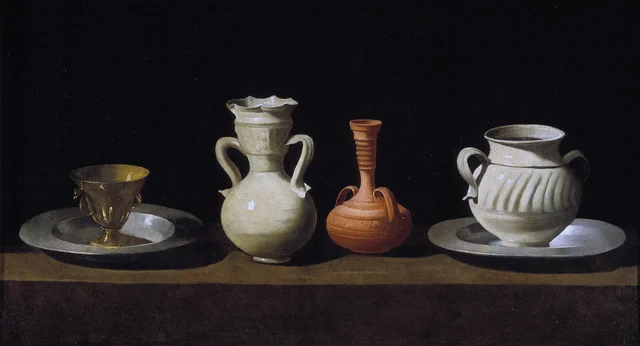 壺のある静物フランシスコ・デ・スルバラン, 1650
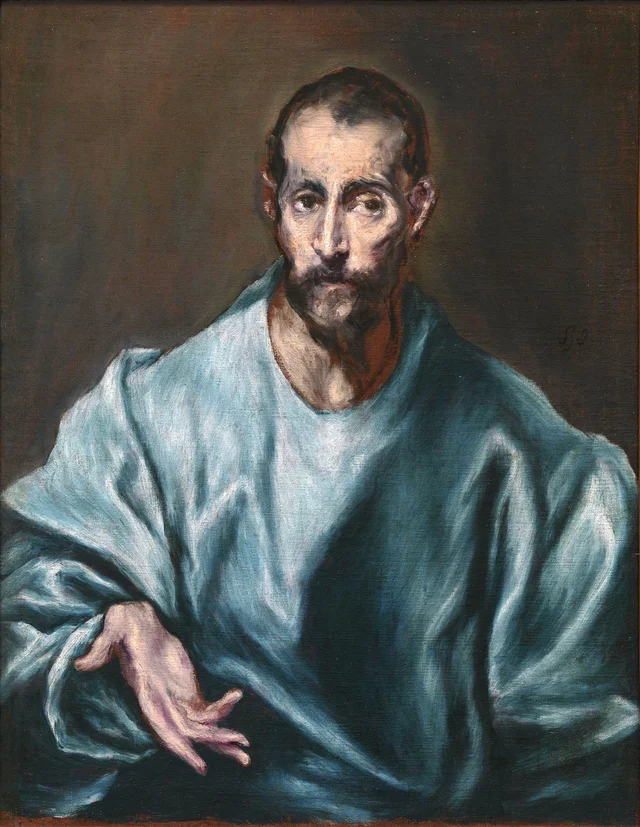 聖大ヤコブエル・グレコ, 1608
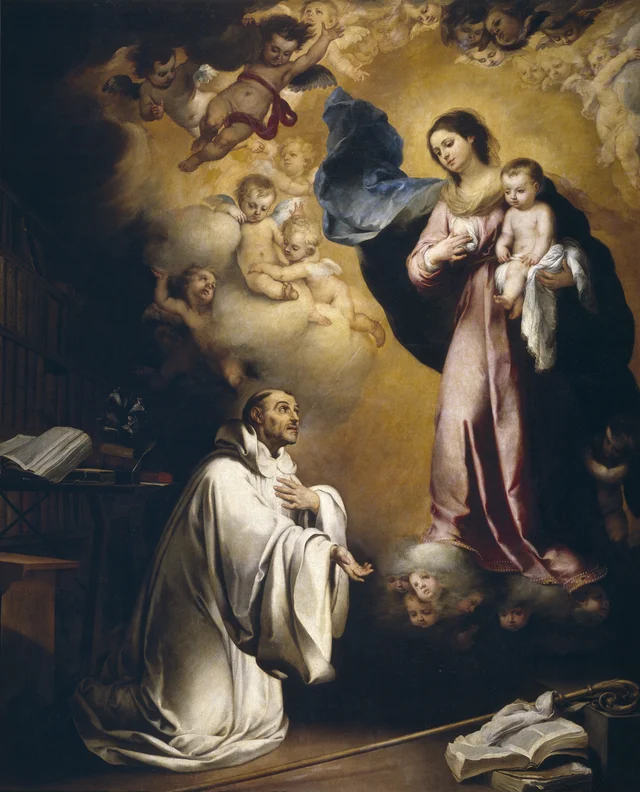 聖ベルナルドゥスへの聖母の出現バルトロメ・エステバン・ムリーリョ, 1655
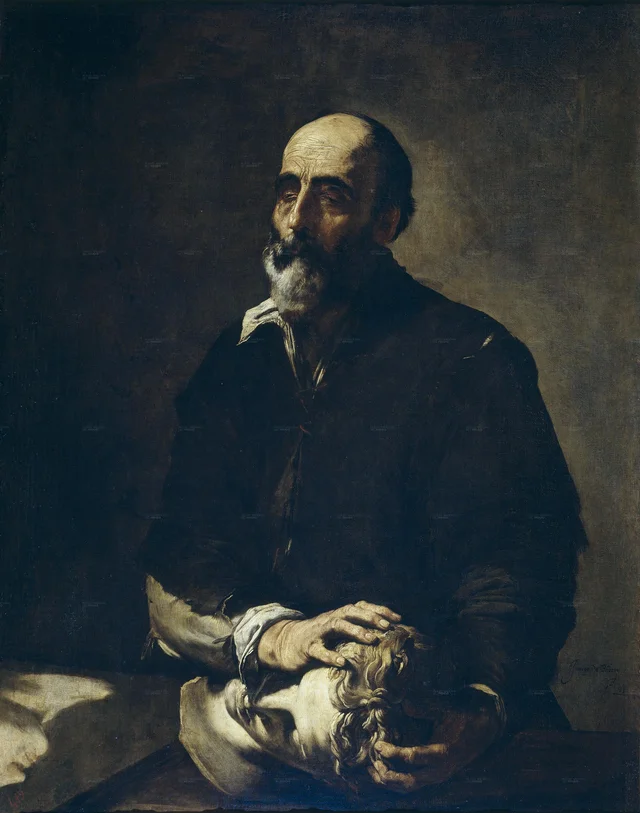 盲目の彫刻家フセペ・デ・リベーラ, 1632
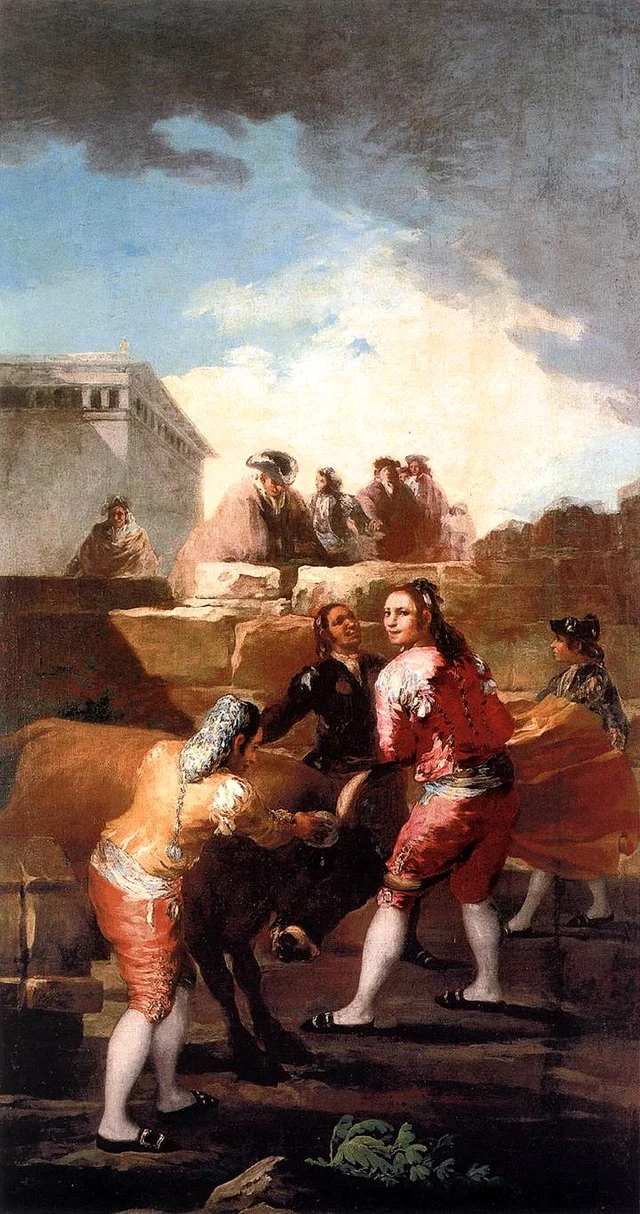 闘牛フランシスコ・ゴヤ, 1779
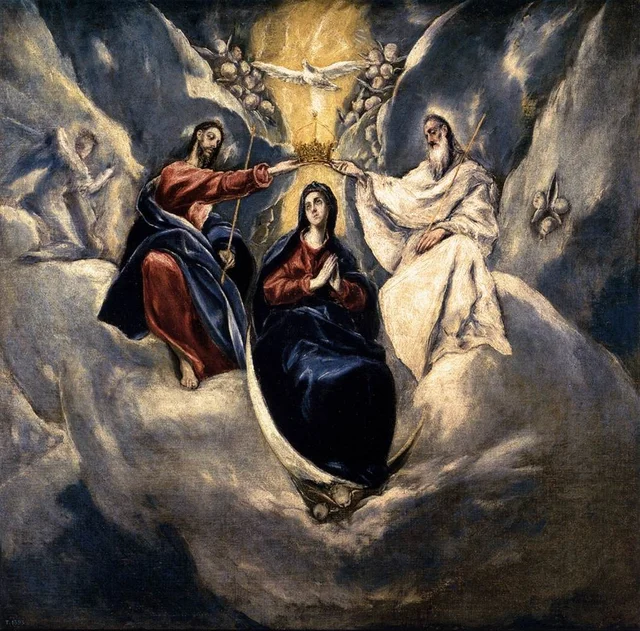 聖母戴冠エル・グレコ, 1591
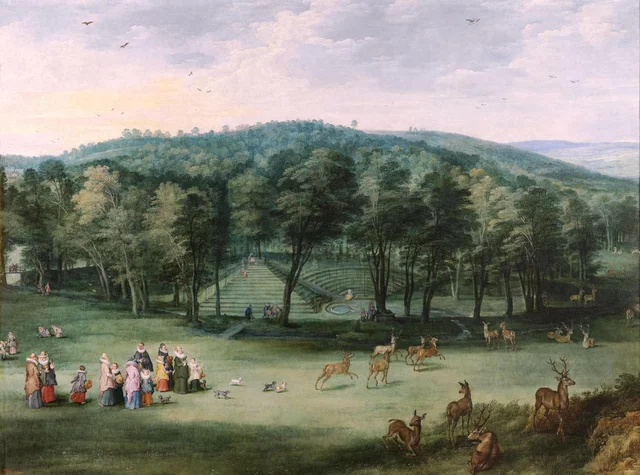 マリエモン公園のインファンタ、イサベル・クララ・エウヘニアヤン・ブリューゲル(父), 1601
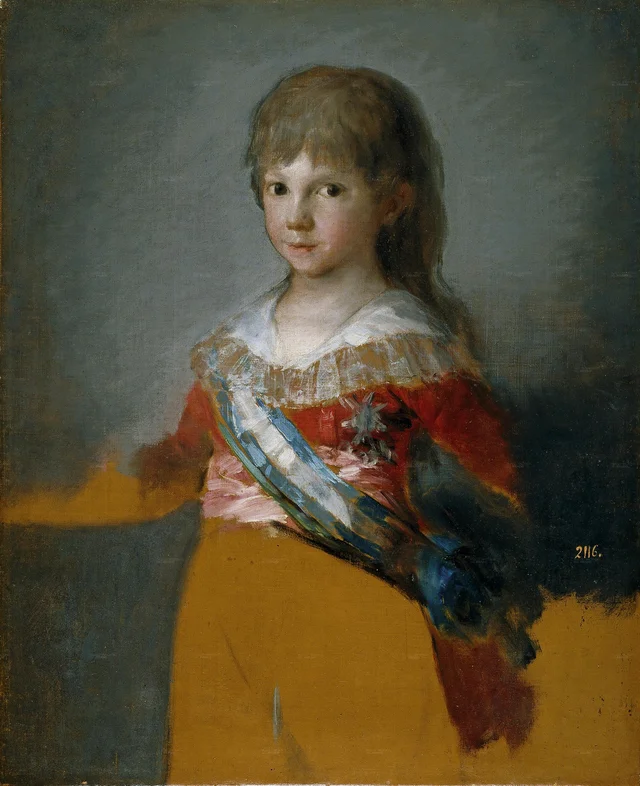 フランシスコ・デ・パウラ王子フランシスコ・ゴヤ, 1800
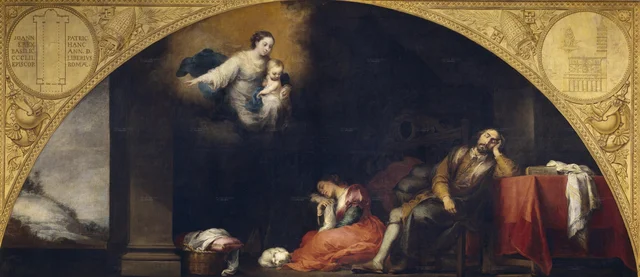 貴族の夢バルトロメ・エステバン・ムリーリョ, 1665
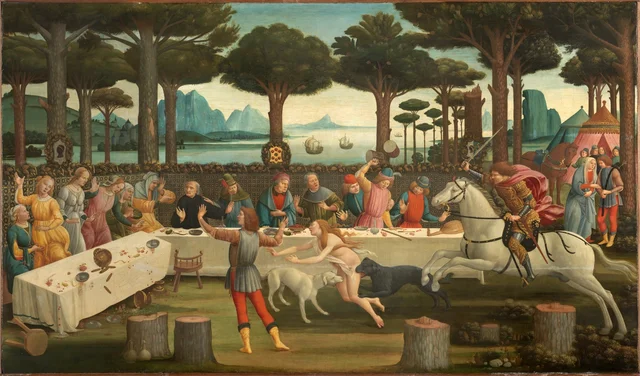 ナスタジオ・デリ・オネスティの物語 第三部サンドロ・ボッティチェッリ, 1483
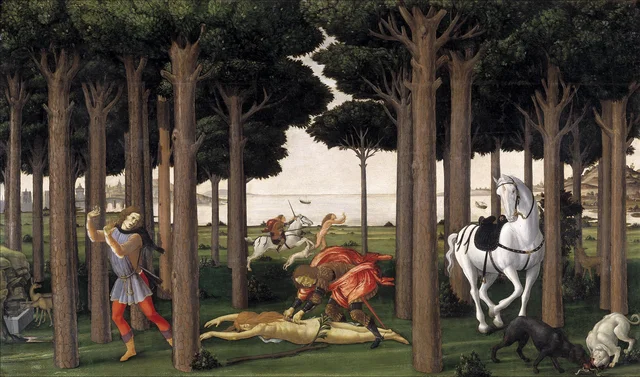 ナスタジオ・デリ・オネスティの物語 第二部サンドロ・ボッティチェッリ, 1483
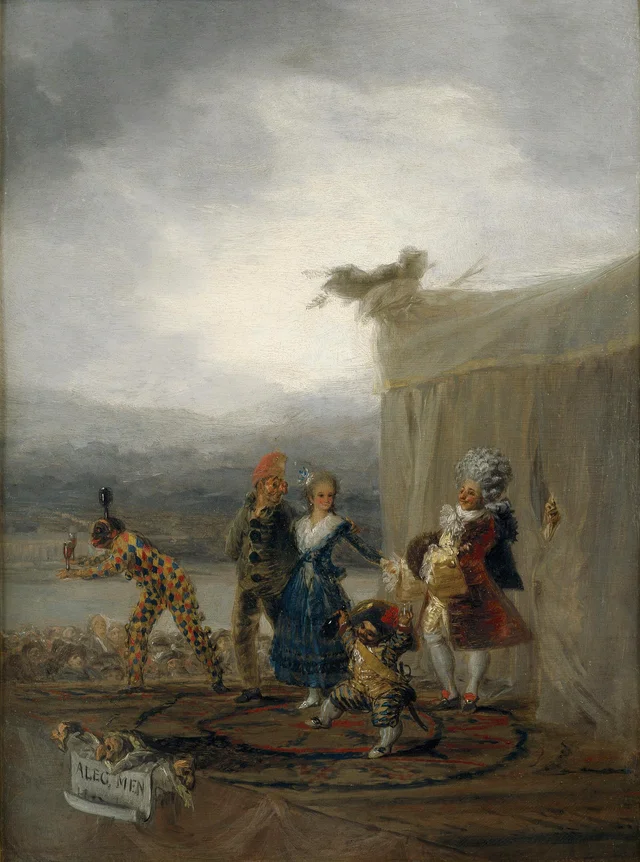 旅回りの役者たちフランシスコ・ゴヤ, 1793
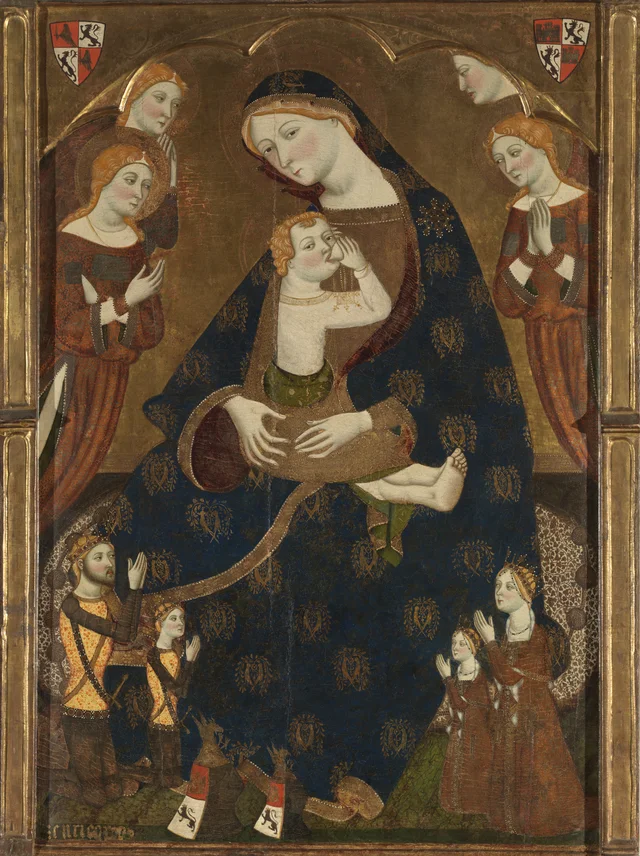 トベドの聖母ジャウマ・セラ, 1359
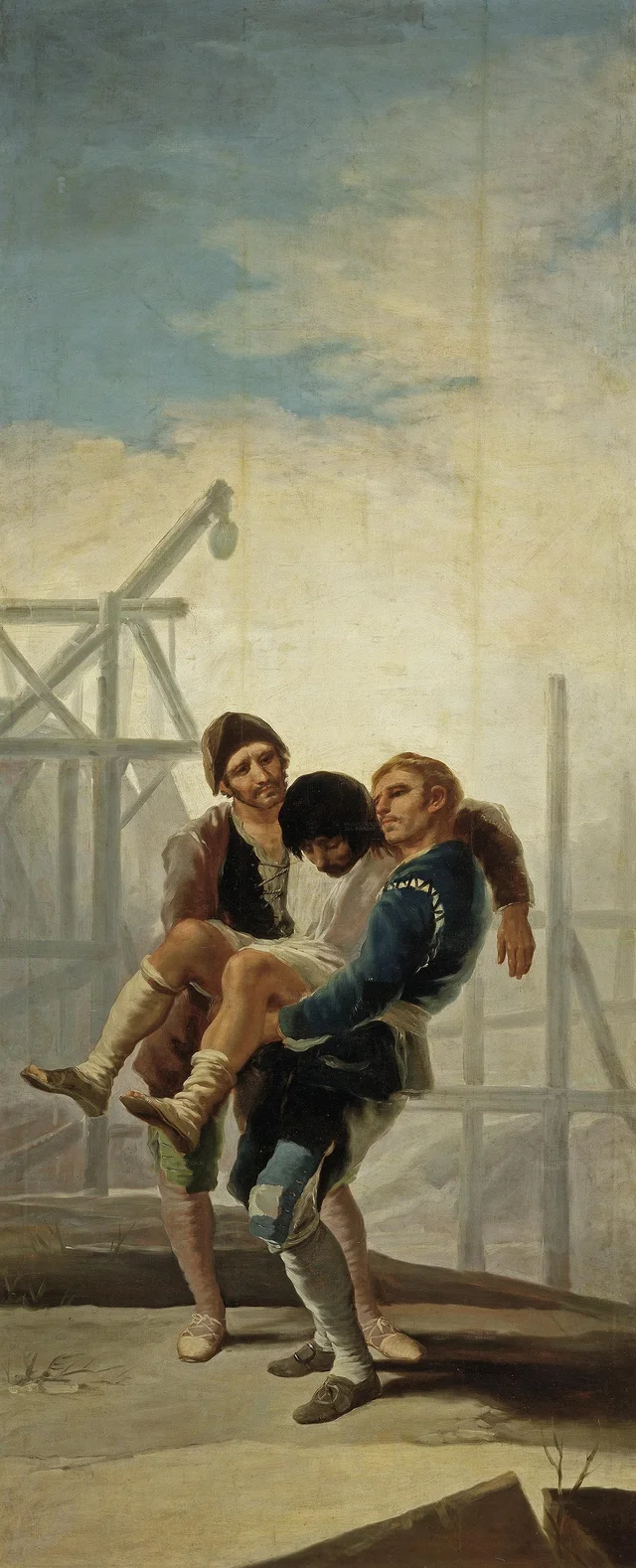 負傷した石工フランシスコ・ゴヤ, 1786
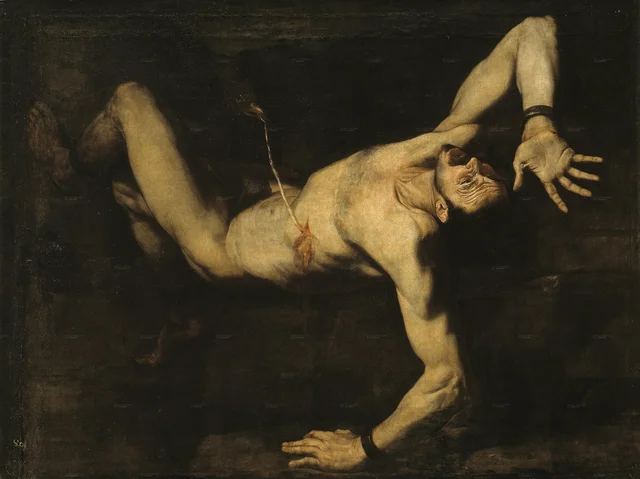 ティーテュオスフセペ・デ・リベーラ, 1632
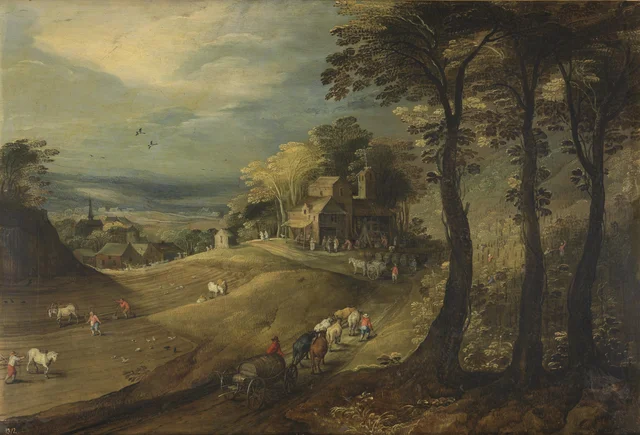 農場ヤン・ブリューゲル(父), 1620
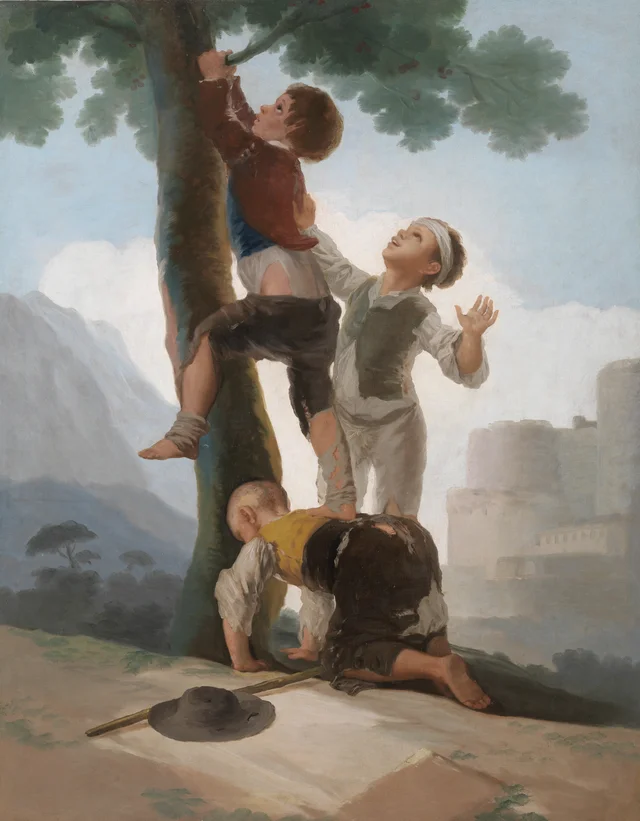 木に登る少年たちフランシスコ・ゴヤ, 1791
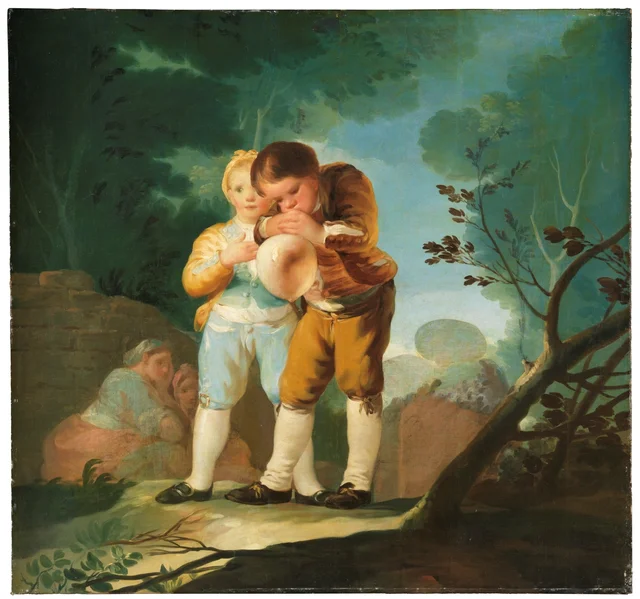 膀胱を膨らませる子供たちフランシスコ・ゴヤ, 1778
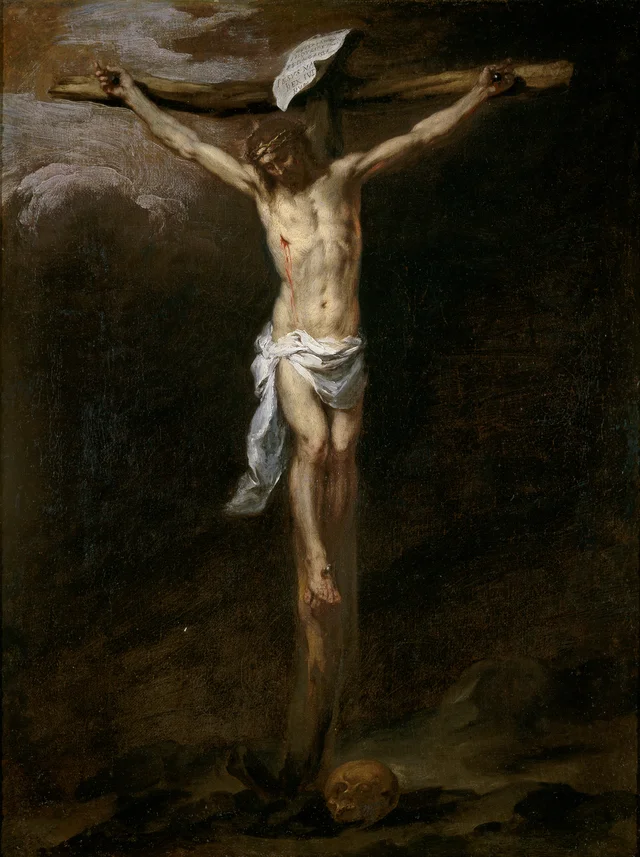 十字架上のキリストバルトロメ・エステバン・ムリーリョ, 1677
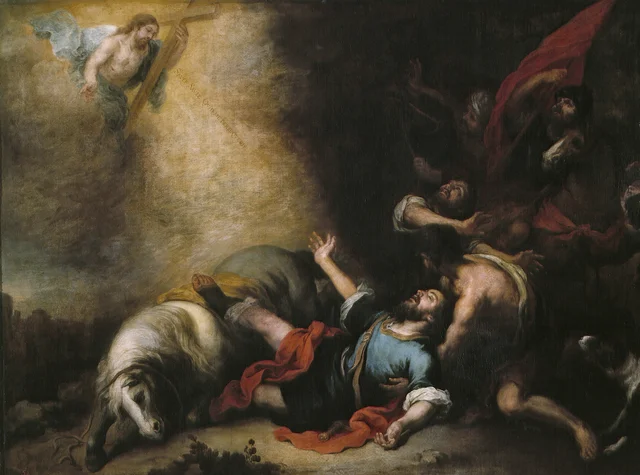 聖パウロの回心バルトロメ・エステバン・ムリーリョ, 1678
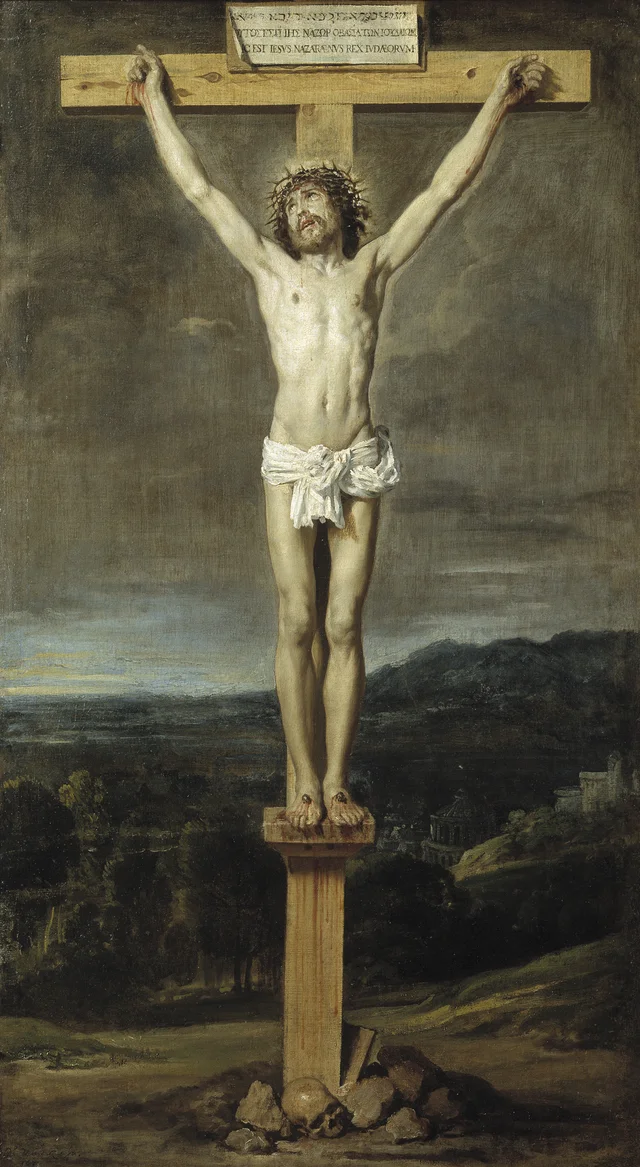 キリストの磔刑ディエゴ・ベラスケス, 1631
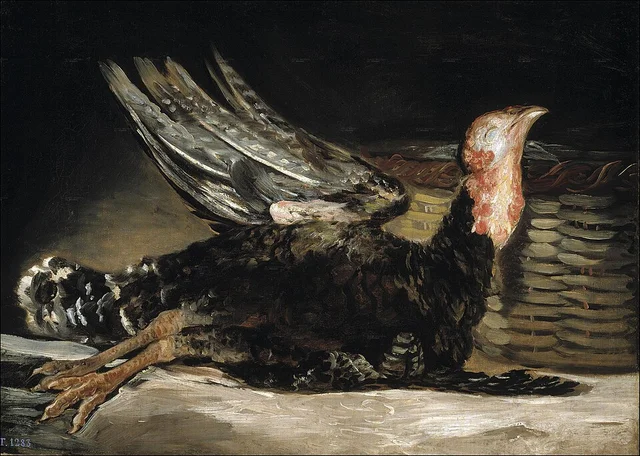 死んだ七面鳥フランシスコ・ゴヤ, 1808
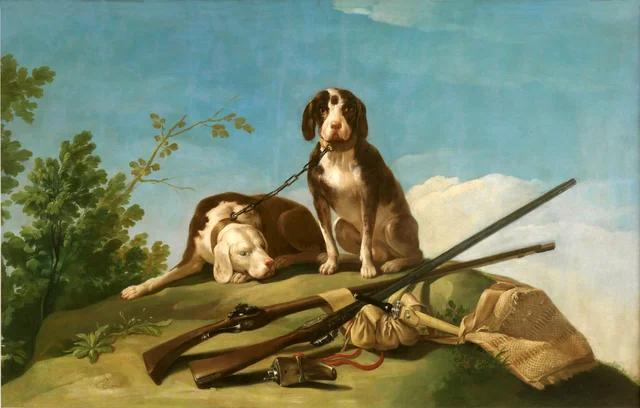 猟犬と狩猟道具フランシスコ・ゴヤ, 1775