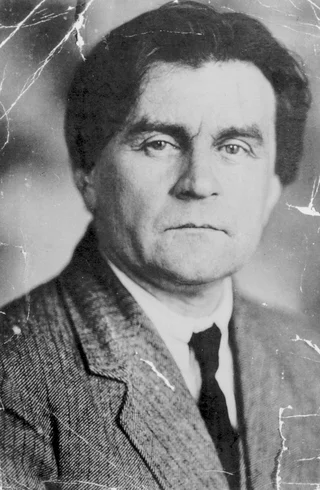
카지미르 말레비치
1878–1935 · 러시아 제국 · 절대주의
이야기
1915년 12월, 러시아가 전쟁에 뛰어든 지 2년째로 전황은 기울어 가고 혁명이 멀지 않았던 시기, 말레비치는 페트로그라드의 한 화랑 구석 높은 곳에 흰 바탕 위 검은 사각형을 그린 작은 그림을 걸었다. 그 구석은 전통적으로 러시아 가정에서 성상화를 두는 자리였고, 전시장에 있던 모든 이가 그 의도를 알아차렸다. 그는 이 전시를 '0.10, 마지막 미래주의 전시회'라 이름 붙이고, 회화는 영(零)으로 되돌려져 다시 시작되어야 한다고 주장했다.
그는 이 새로운 예술을 절대주의라 불렀다. 나무나 얼굴, 사물이 아니라 순수한 감각에만 답하는, 흰 바탕 위를 떠도는 평평한 색면들이었다. 1917년 혁명 이후 몇 년 동안 이 급진적인 작업은 그 물결을 타고 나아갔고, 말레비치는 가르치고 글을 쓰며 사각형과 십자형을 하나의 완전한 형태 체계로 구축해 나갔다.
그러나 정치 지형이 바뀌었다. 스탈린 치하에서 국가는 평범한 사람들이 읽어낼 수 있는 사실주의를 원했고, 추상미술은 변두리로 밀려났다. 1930년 말레비치는 체포되어 몇 주간 심문을 받았고, 말년에는 다시 알아볼 수 있는 농민과 초상화를 그리는 쪽으로 돌아갔다. 다만 그는 종종 작은 검은 사각형을 은밀한 서명처럼 그림 속에 슬쩍 끼워 넣곤 했다. 1935년 그가 세상을 떠났을 때, 친구들은 검은 사각형 아래 그를 눕혔고, 그의 무덤에도 검은 사각형을 새겨 넣었다.
작품
작품 26점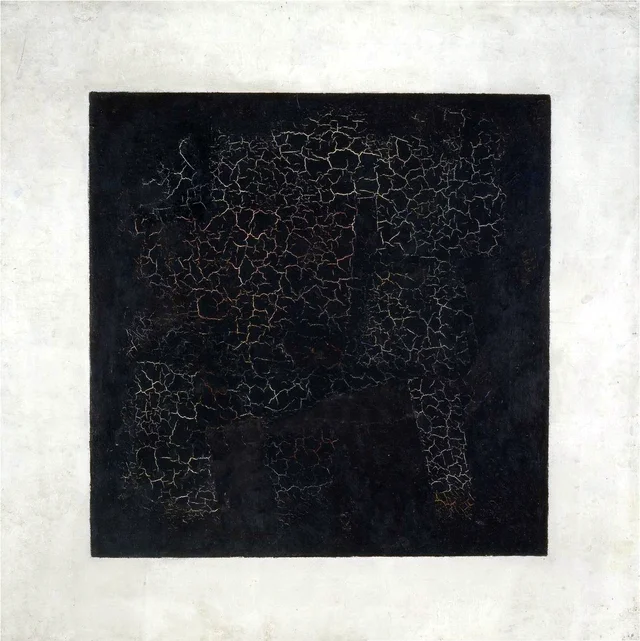 검은 사각형 (1915)카지미르 말레비치, 1915
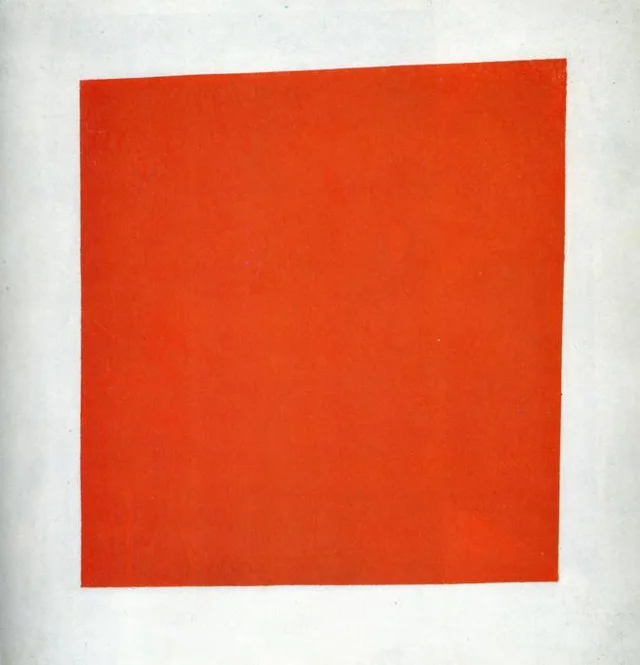 붉은 사각형카지미르 말레비치, 1915
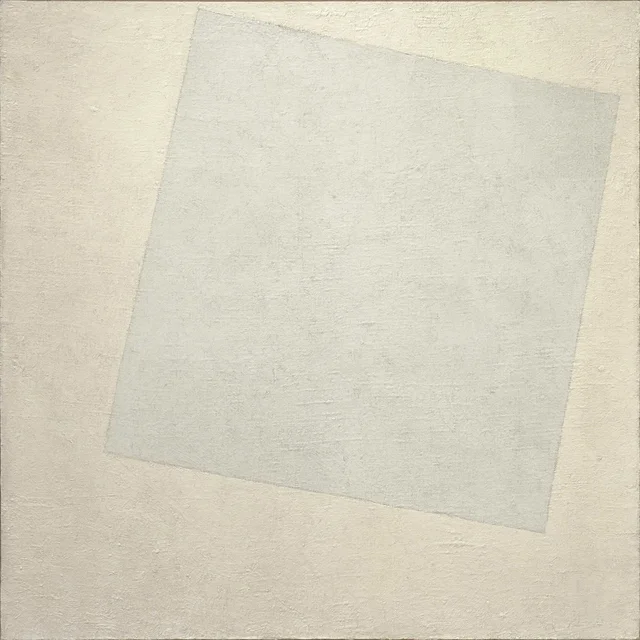 흰색 위의 흰색카지미르 말레비치, 1918
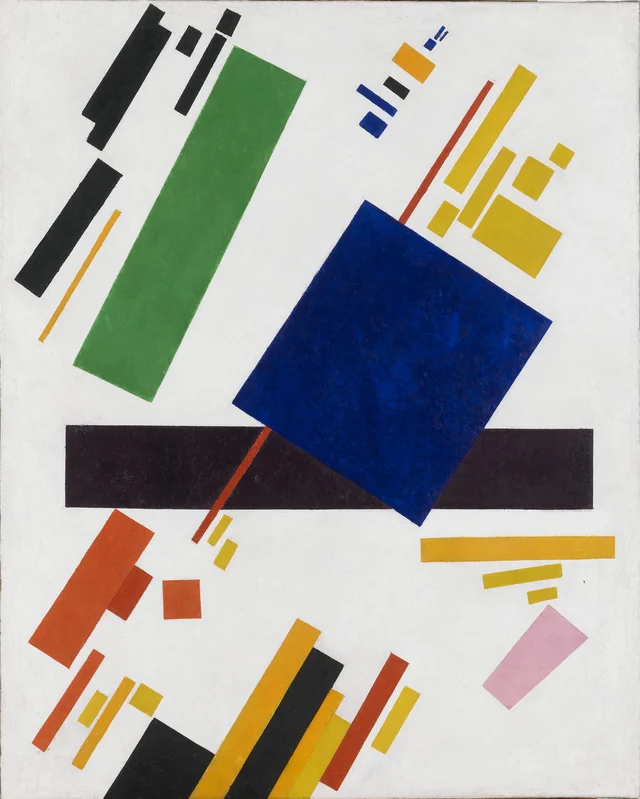 절대주의 구성카지미르 말레비치, 1916
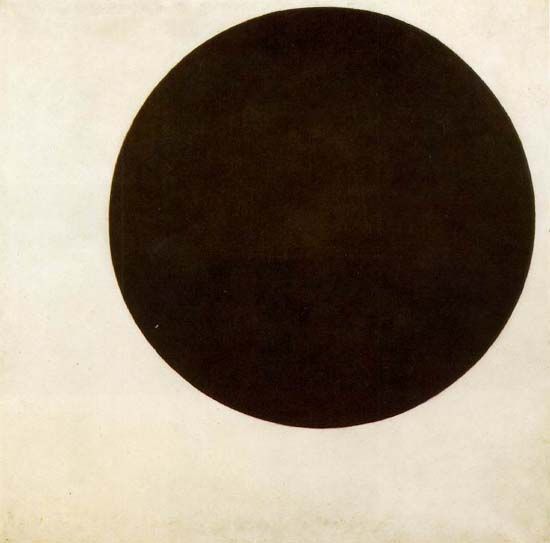 검은 원카지미르 말레비치, 1924
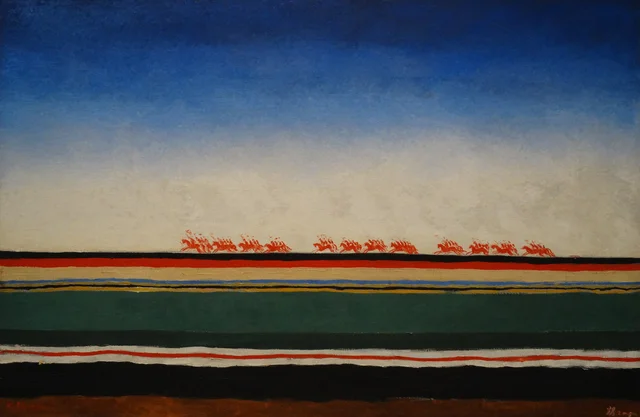 붉은 기병대카지미르 말레비치, 1932
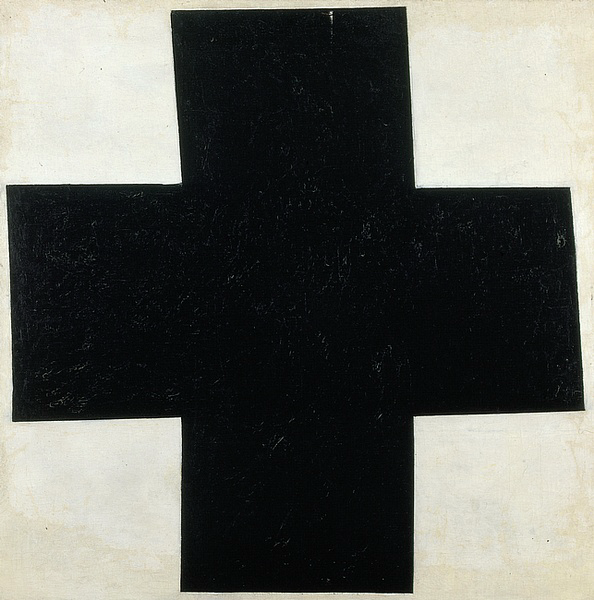 검은 십자가카지미르 말레비치, 1915
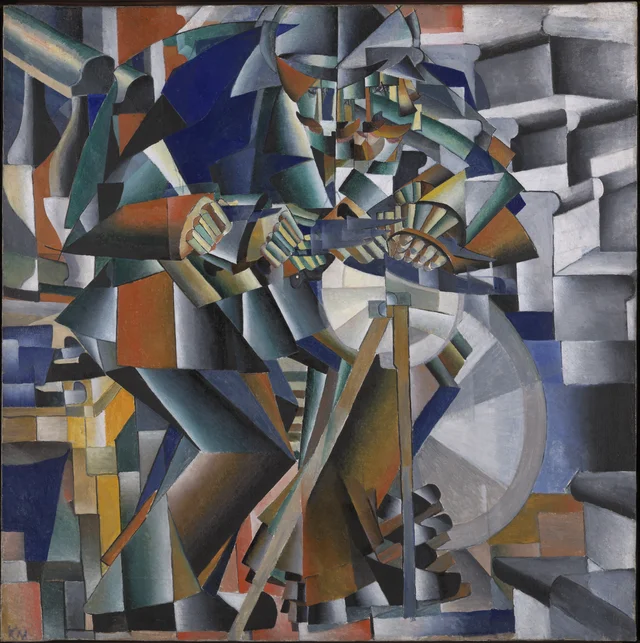 칼 가는 사람카지미르 말레비치, 1912
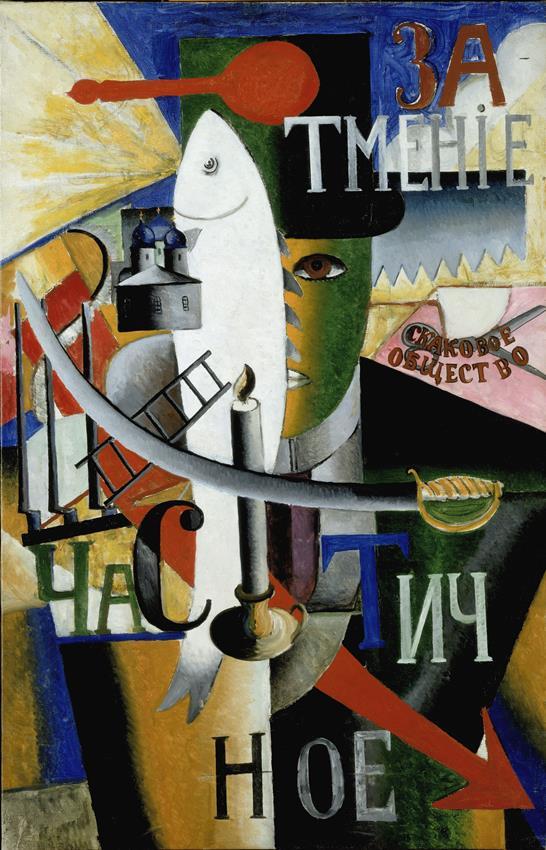 모스크바의 영국인카지미르 말레비치, 1914
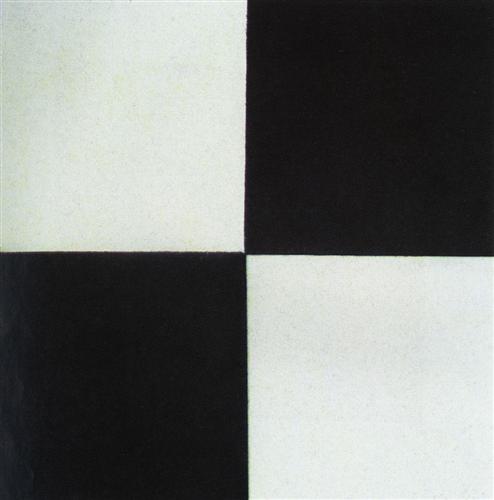 네 개의 정사각형카지미르 말레비치, 1915
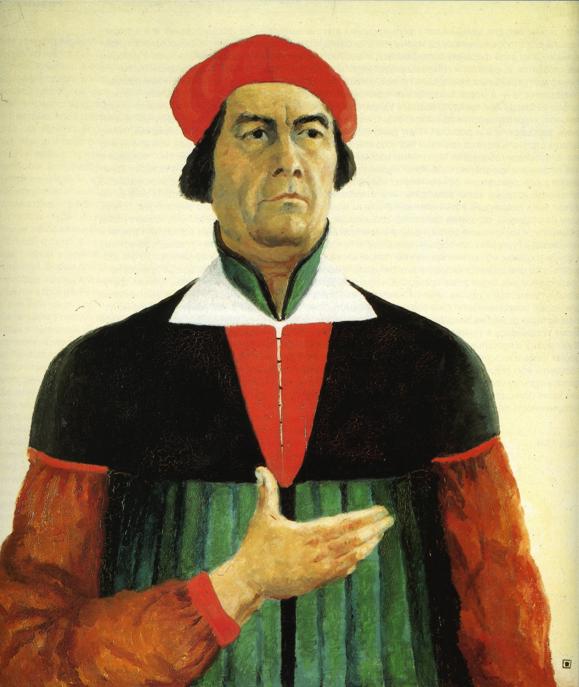 자화상카지미르 말레비치, 1933
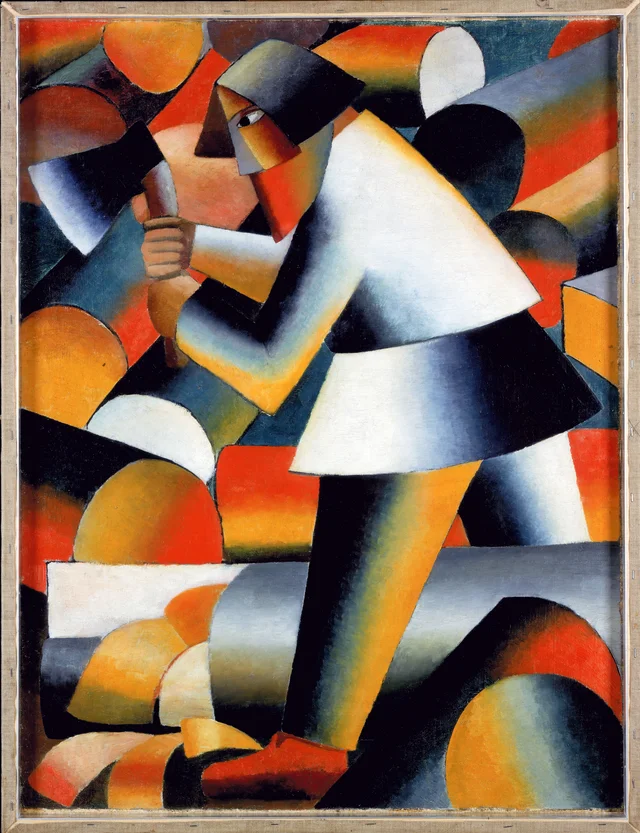 나무꾼카지미르 말레비치, 1912
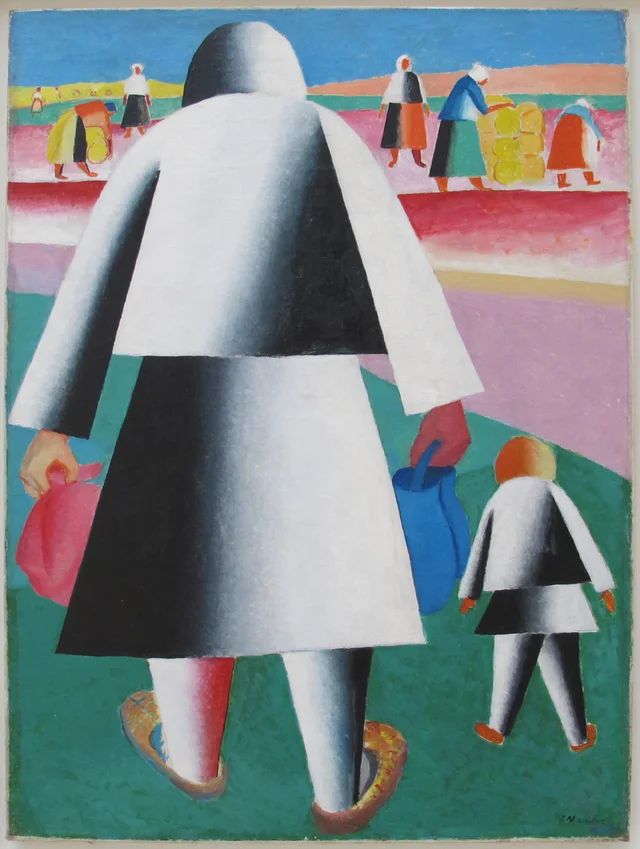 들판으로 II(마르트와 자노)카지미르 말레비치, 1929
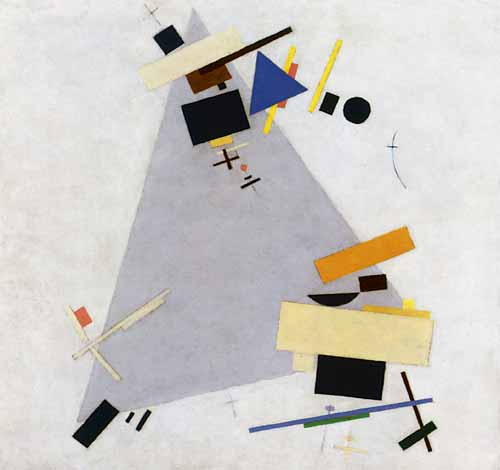 역동적 절대주의카지미르 말레비치, 1915
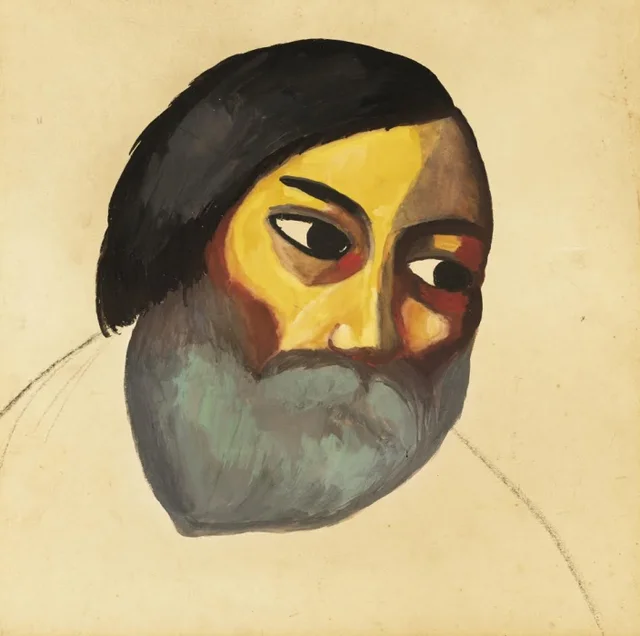 농부의 머리카지미르 말레비치, 1911
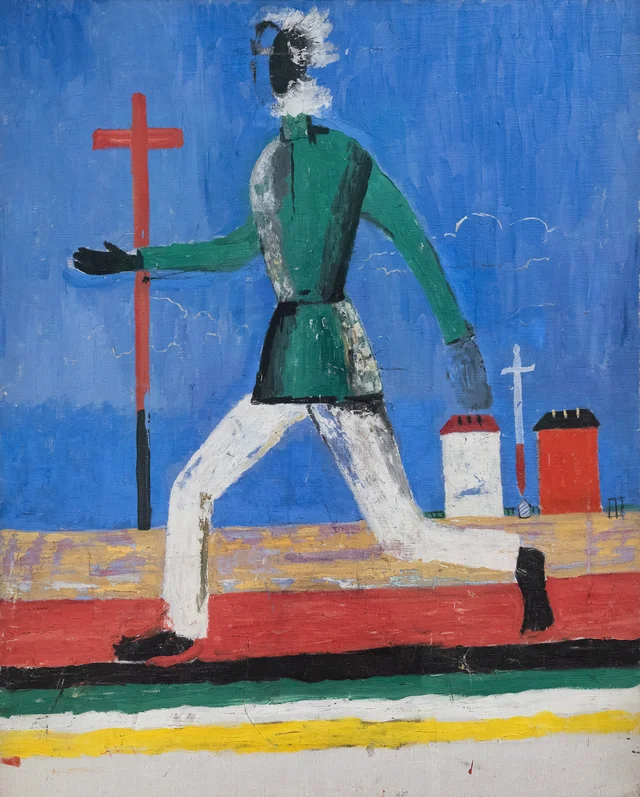 위험의 감각카지미르 말레비치, 1930
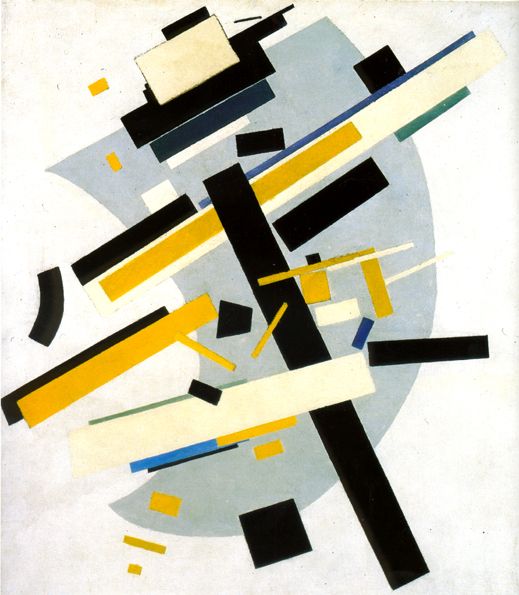 수프레무스 제58호: 노랑과 검정카지미르 말레비치, 1916
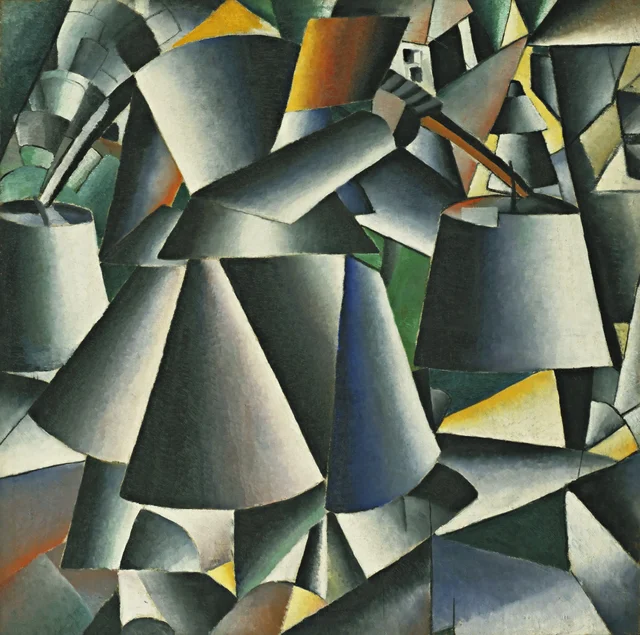 양동이를 든 여인: 역동적 구성카지미르 말레비치, 1912
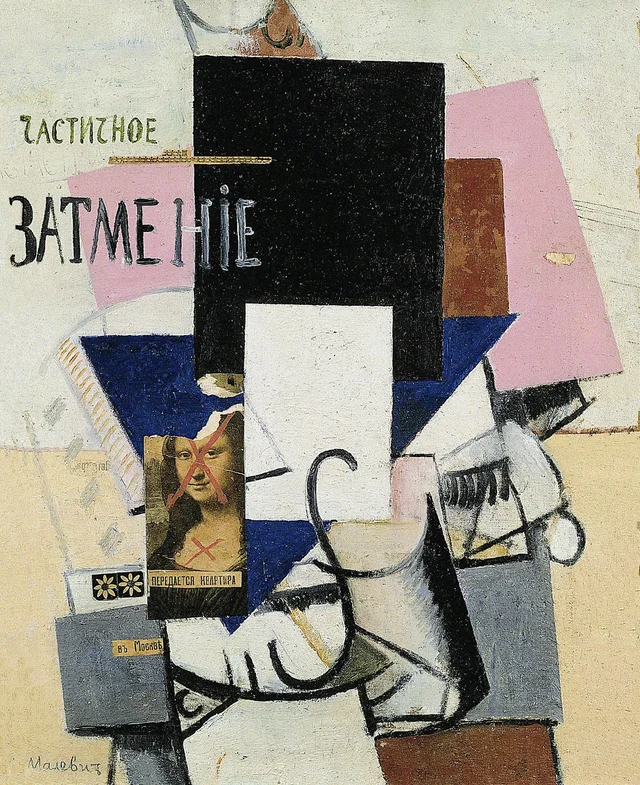 부분 일식카지미르 말레비치, 1914
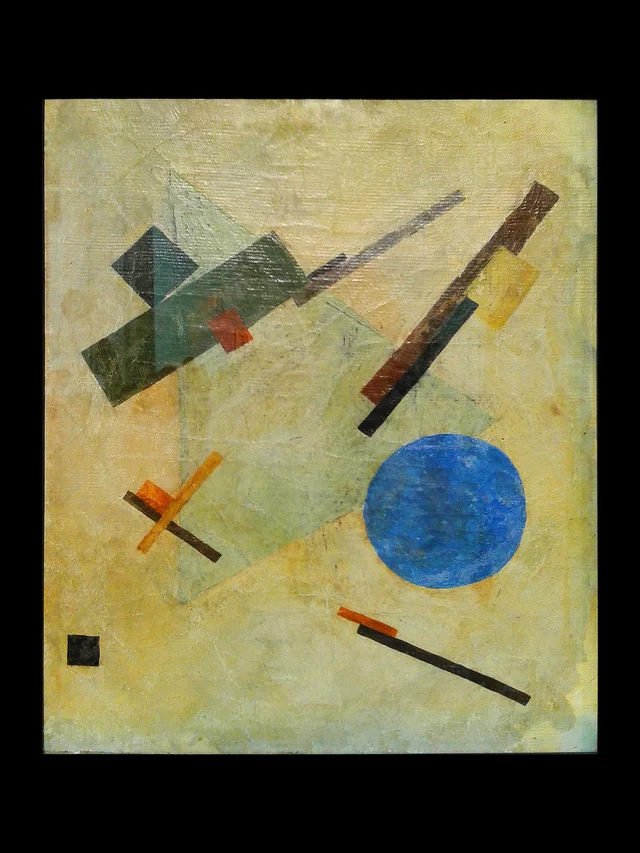 절대주의 구성 1카지미르 말레비치, 1916
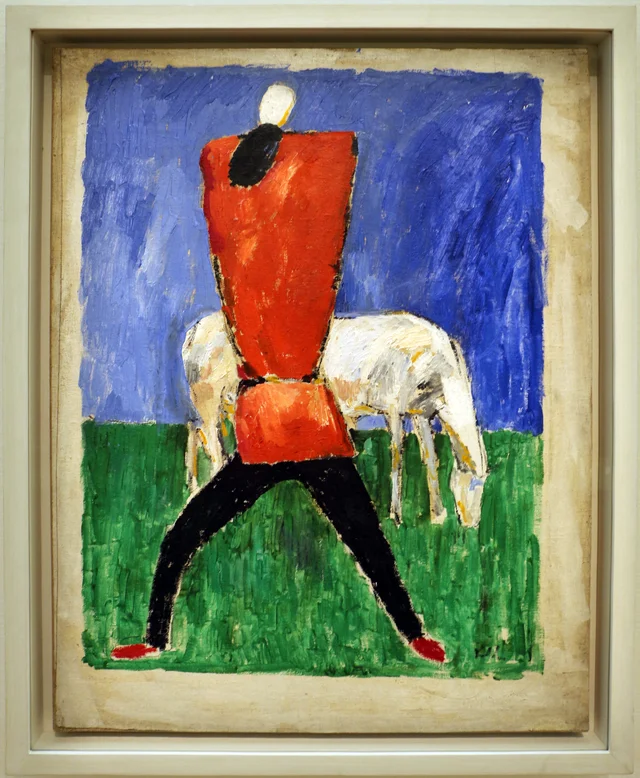 하얀 말카지미르 말레비치, 1930
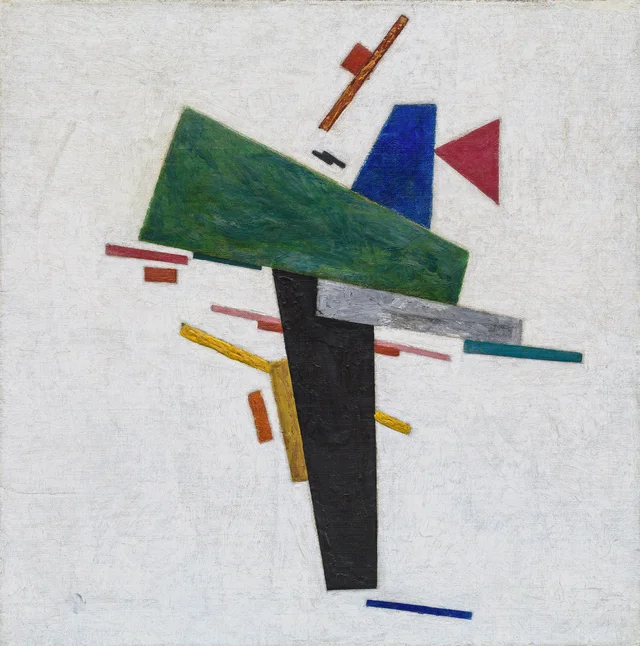 무제카지미르 말레비치, 1916
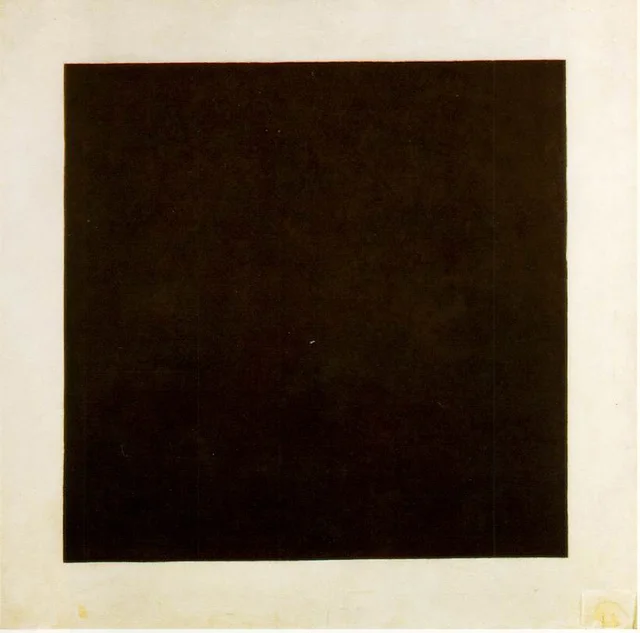 검은 사각형 (1924)카지미르 말레비치, 1924
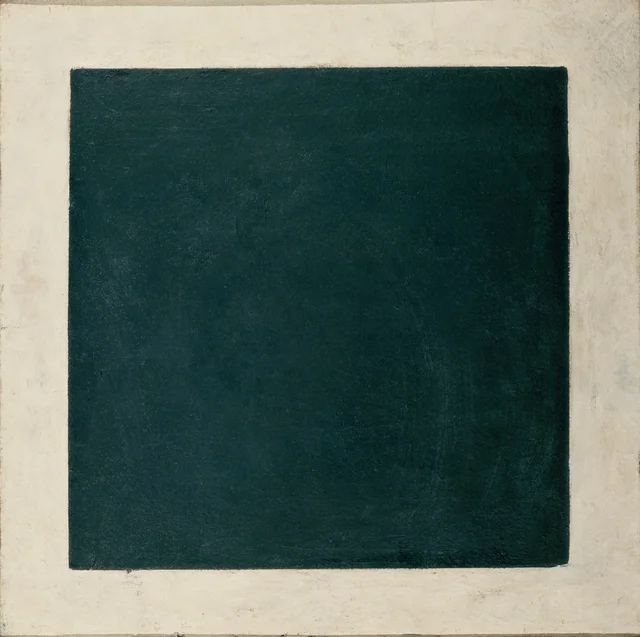 검은 사각형 (1930년)카지미르 말레비치, 1930
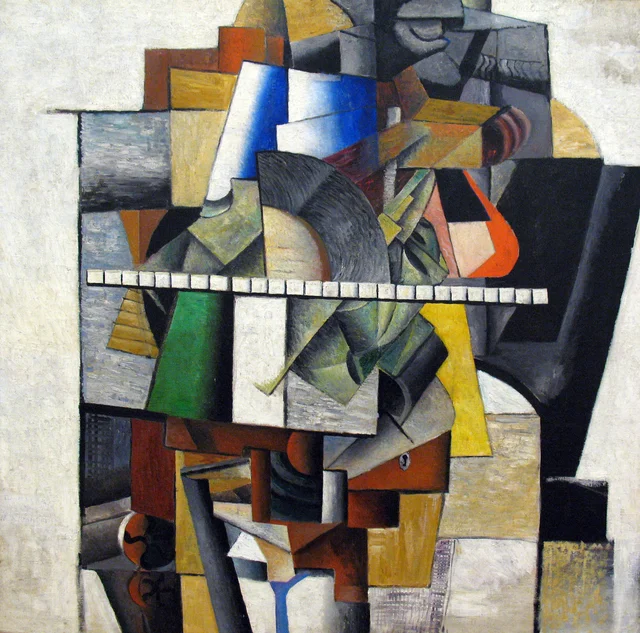 미하일 마튜신의 초상카지미르 말레비치, 1913