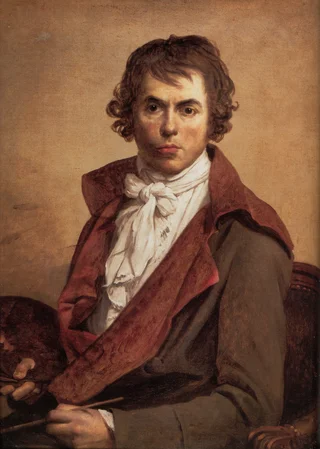
Jacques-Louis David
1748–1825 · França · Neoclassicismo
A história
David foi o grande pintor da Revolução Francesa, e também parte atuante dela. Eleito para a Convenção Nacional, a assembleia da nova república, sentou-se entre os radicais da Montanha, integrou um comitê que enviava pessoas à guilhotina e votou pela morte do rei Luís XVI.
Em julho de 1793, o jornalista Jean-Paul Marat, amigo e aliado político, foi esfaqueado em sua banheira por Charlotte Corday, uma jovem da facção adversária. Meses depois, David o pintou morto, caído sobre a banheira num quarto escuro e despojado, com a arma do crime e uma carta manchada de sangue quase os únicos elementos da composição. Ele eliminou as colunas e a alegoria que a pintura histórica costumava carregar e deu à Revolução um mártir posicionado como um Cristo morto.
Quando o Terror desmoronou, David foi preso; depois ressurgiu como pintor oficial de Napoleão, retratando a coroação do imperador numa tela imensa. Após a derrota final de Napoleão em 1815, David exilou-se em Bruxelas e nunca mais voltou à França, morrendo lá em 1825.
Mais artigos
Obras
82 obras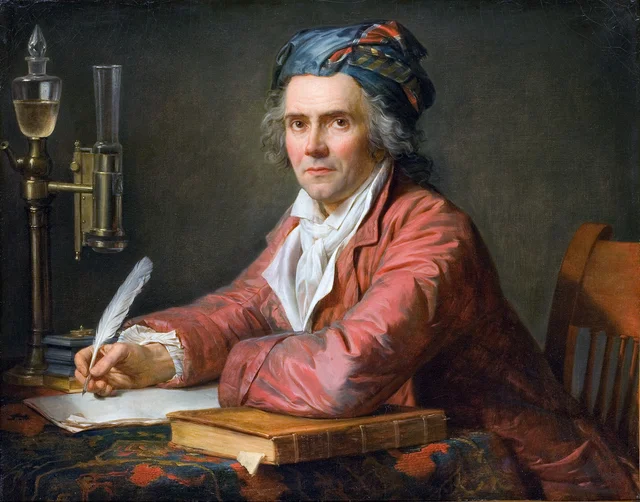 Retrato de Alphonse LeroyJacques-Louis David, 1783
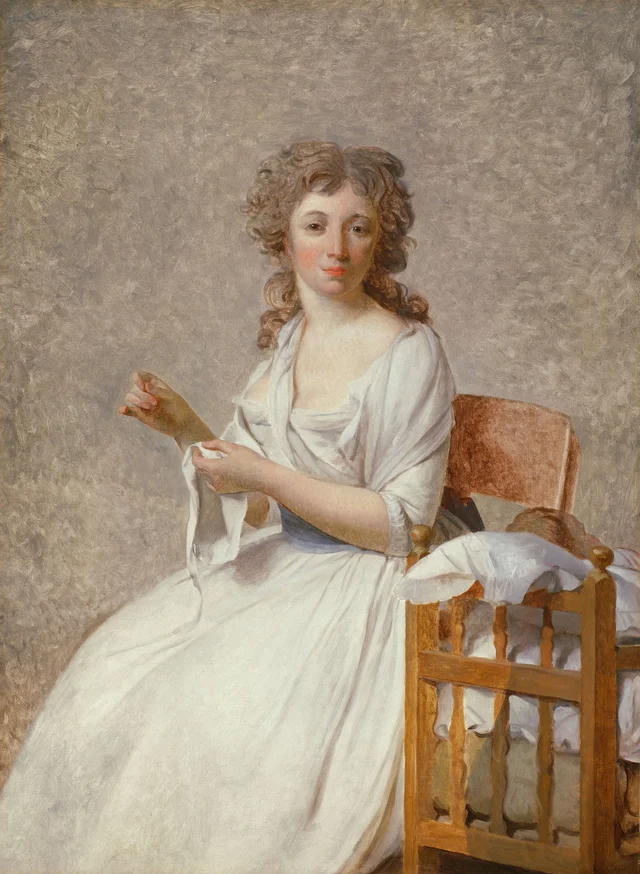 Retrato de Madame Adélaïde PastoretJacques-Louis David, 1791
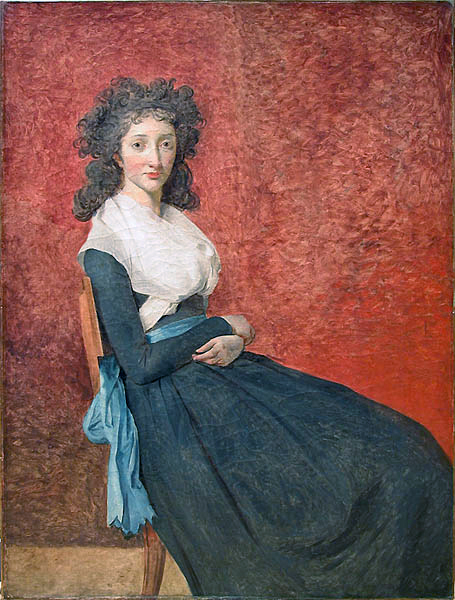 Retrato de Madame Marie-Louise TrudaineJacques-Louis David, 1794
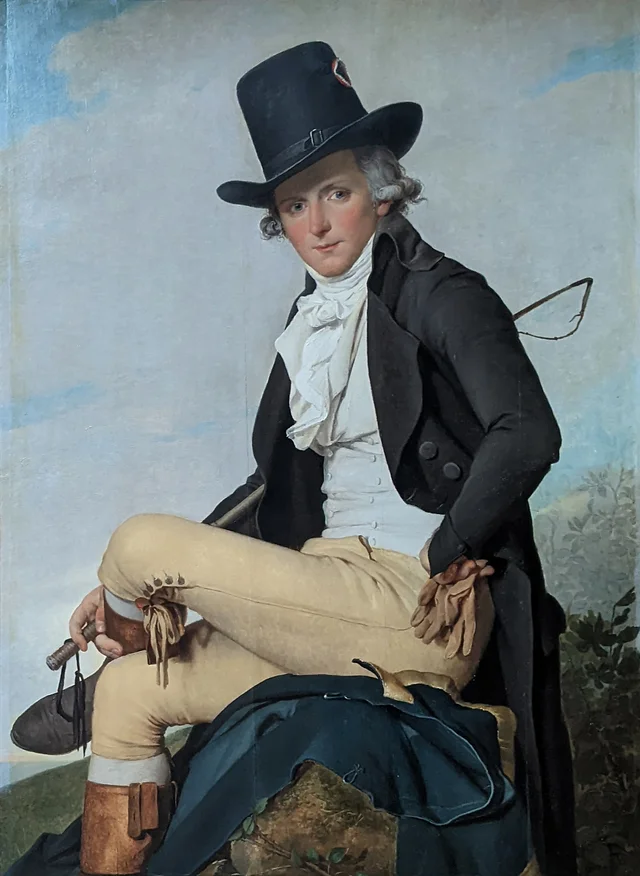 Retrato de Pierre SériziatJacques-Louis David, 1795
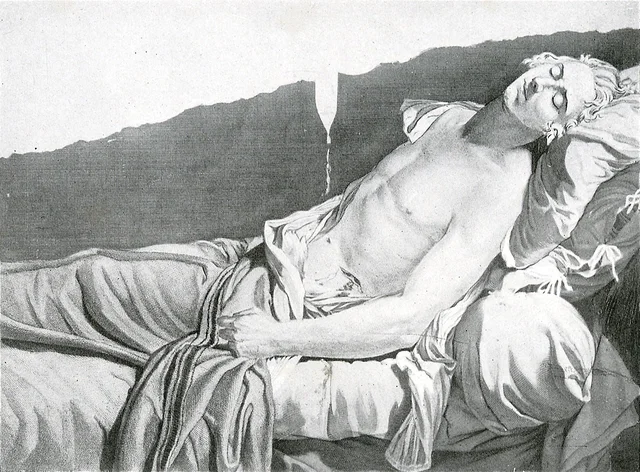 Os últimos momentos de Michel LepeletierJacques-Louis David, 1793
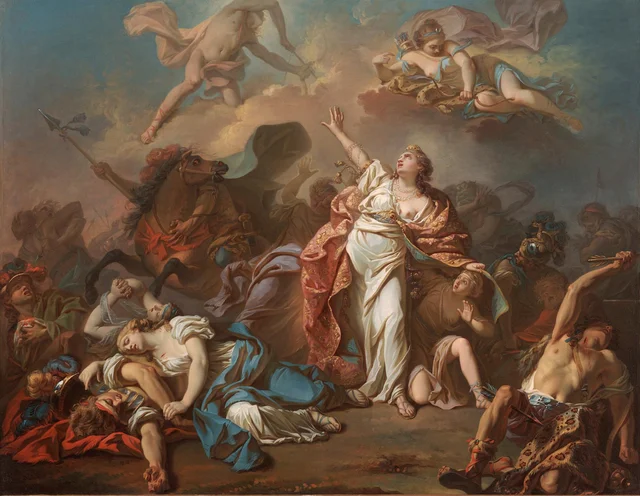 Apolo e Diana atacando os filhos de NíobeJacques-Louis David, 1772
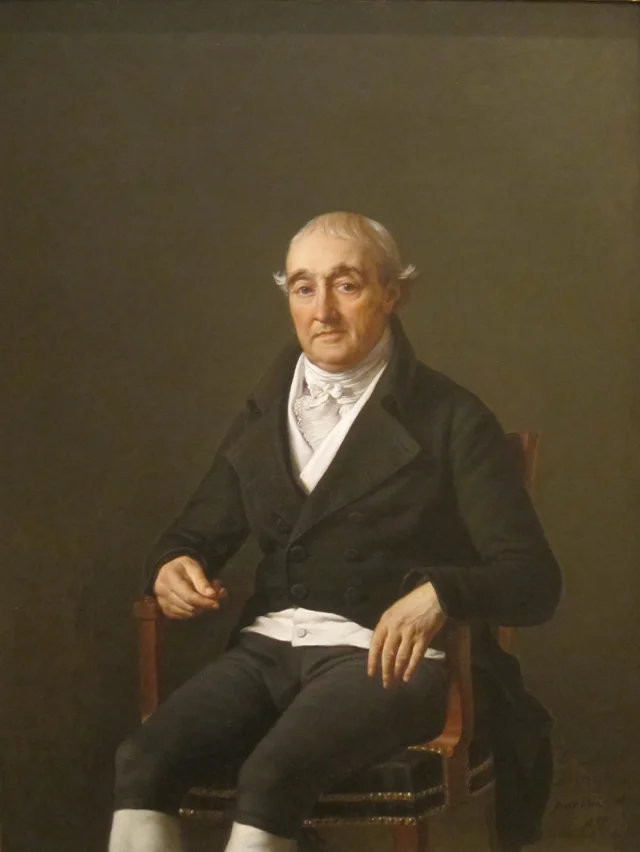 Retrato de Cooper PenroseJacques-Louis David, 1802
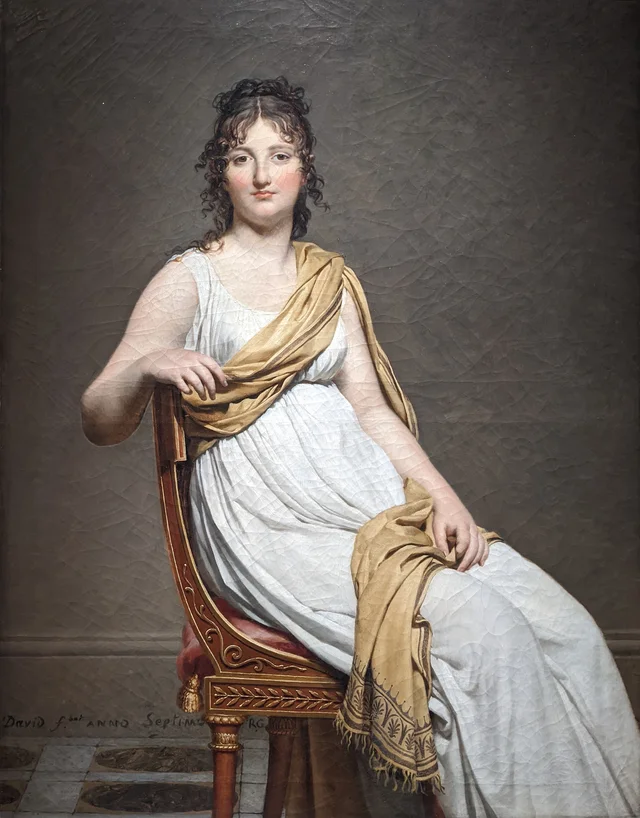 Retrato de Madame de VerninacJacques-Louis David, 1799
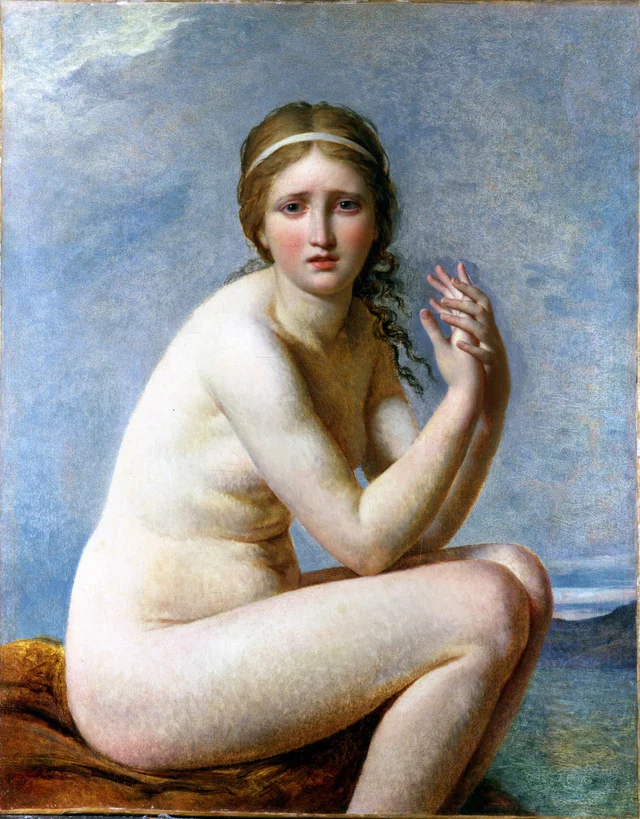 Psiquê abandonadaJacques-Louis David, 1795
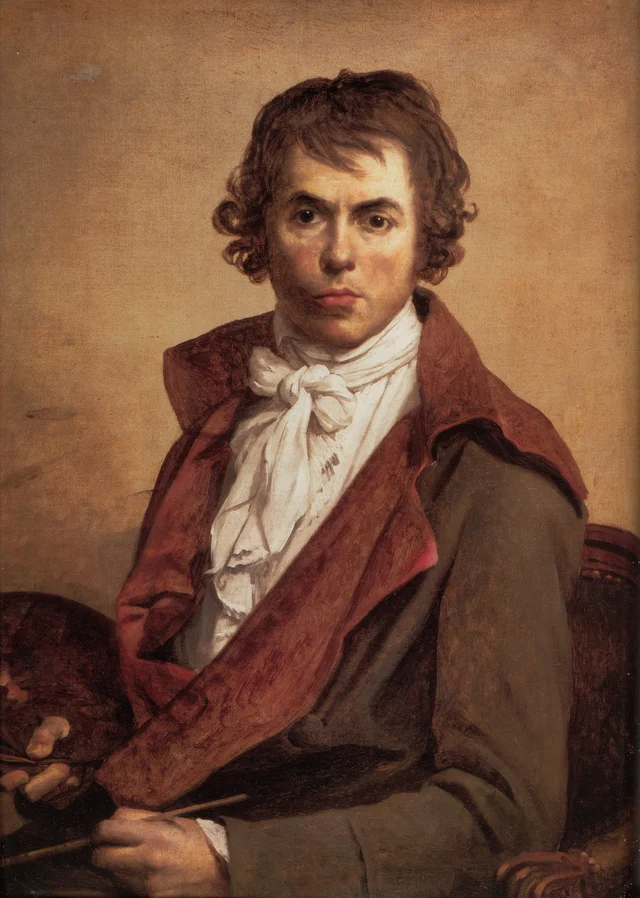 AutorretratoJacques-Louis David, 1794
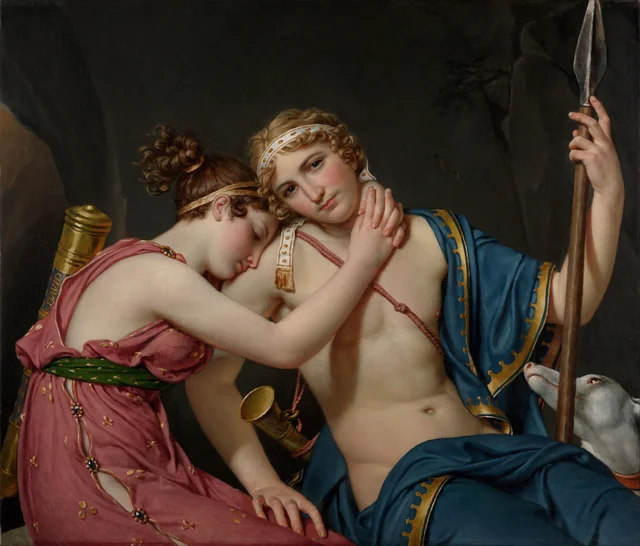 A despedida de Telêmaco e EucárisJacques-Louis David, 1818
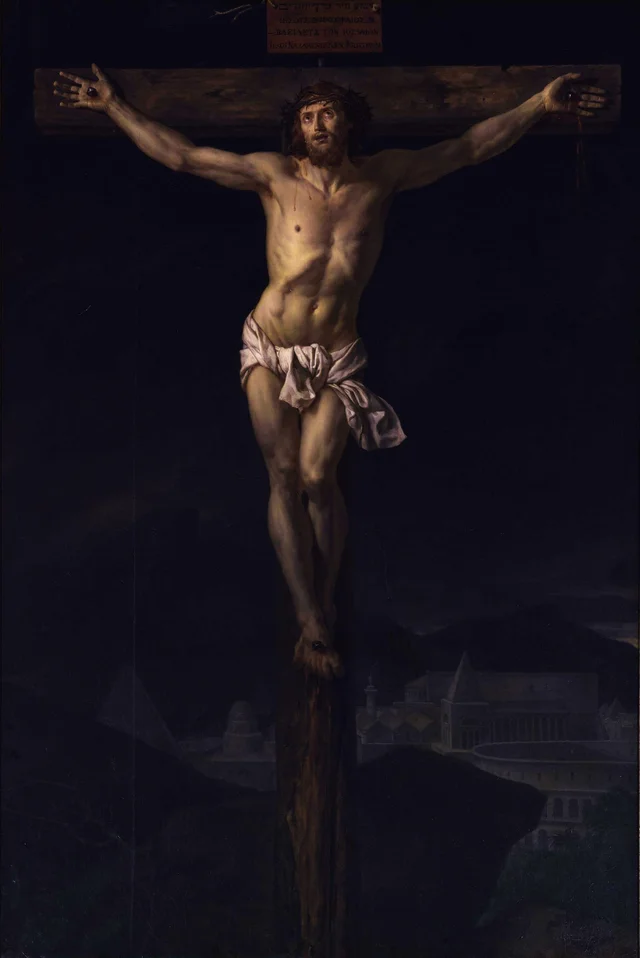 Cristo na CruzJacques-Louis David, 1782
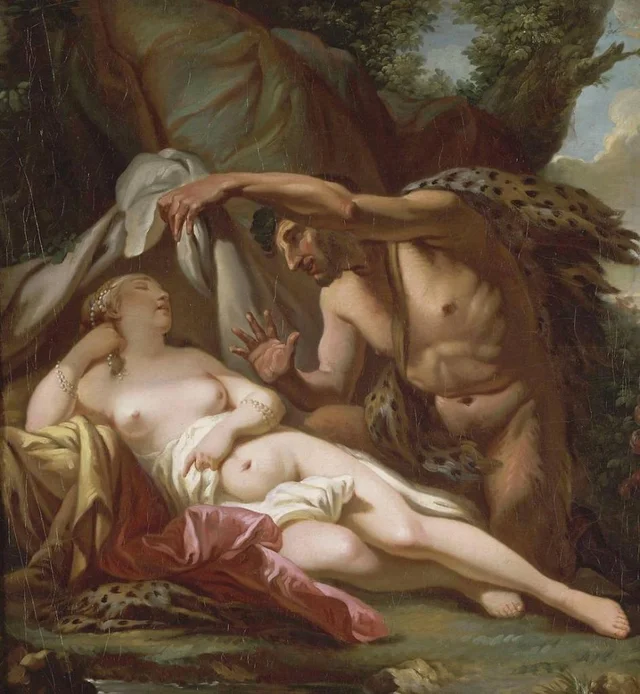 Júpiter e AntíopeJacques-Louis David, 1771
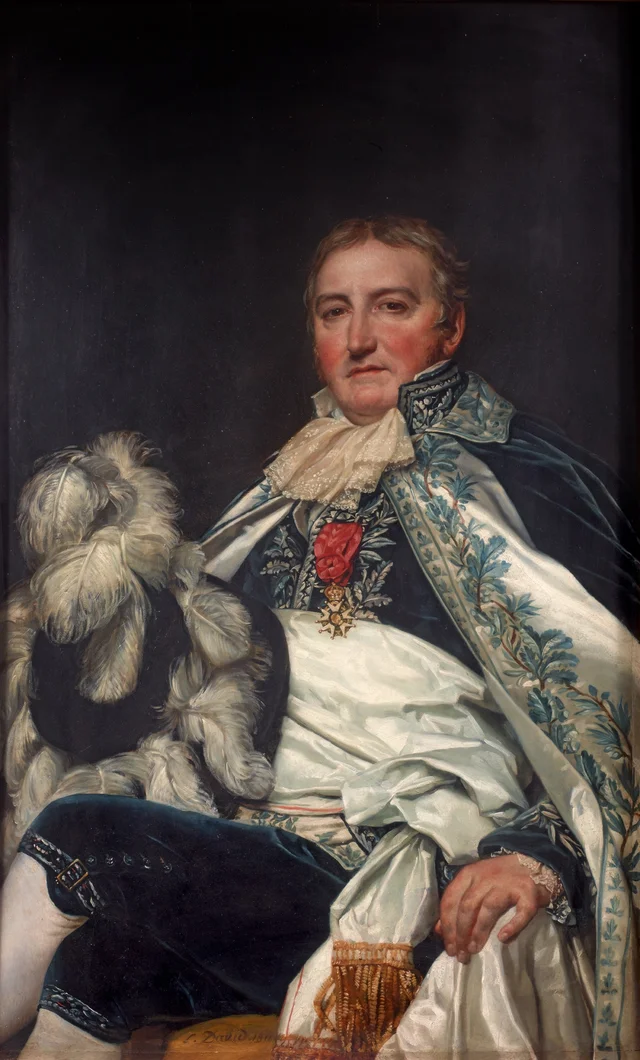 Retrato do Conde Antoine Français de NantesJacques-Louis David, 1811
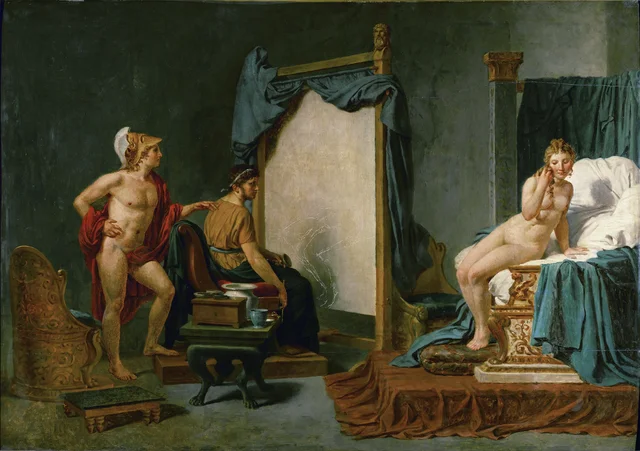 Apeles Pintando Campaspe na Presença de Alexandre, o GrandeJacques-Louis David, 1814
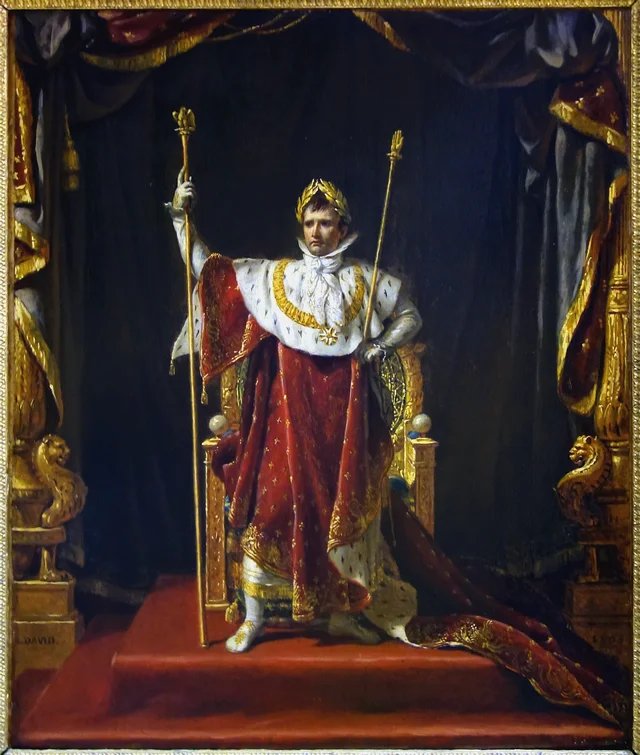 Napoleão em Traje ImperialJacques-Louis David, 1805
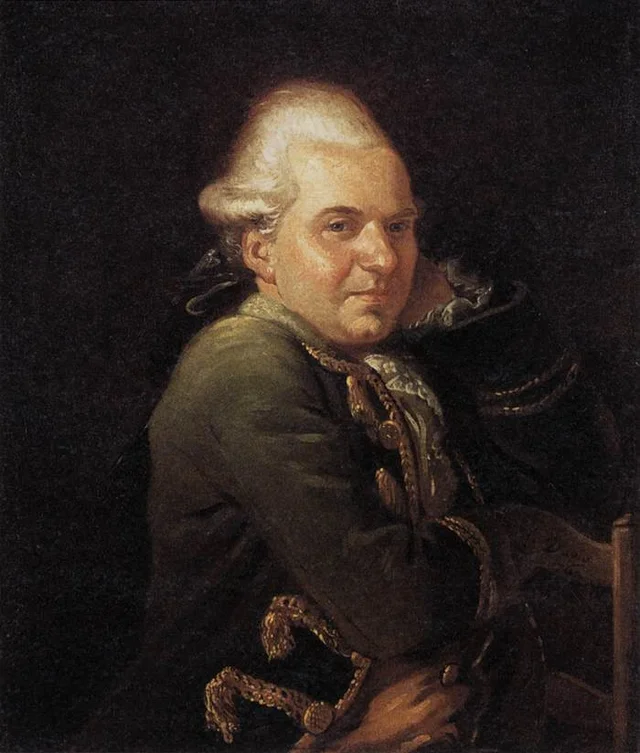 Retrato de François BuronJacques-Louis David, 1769
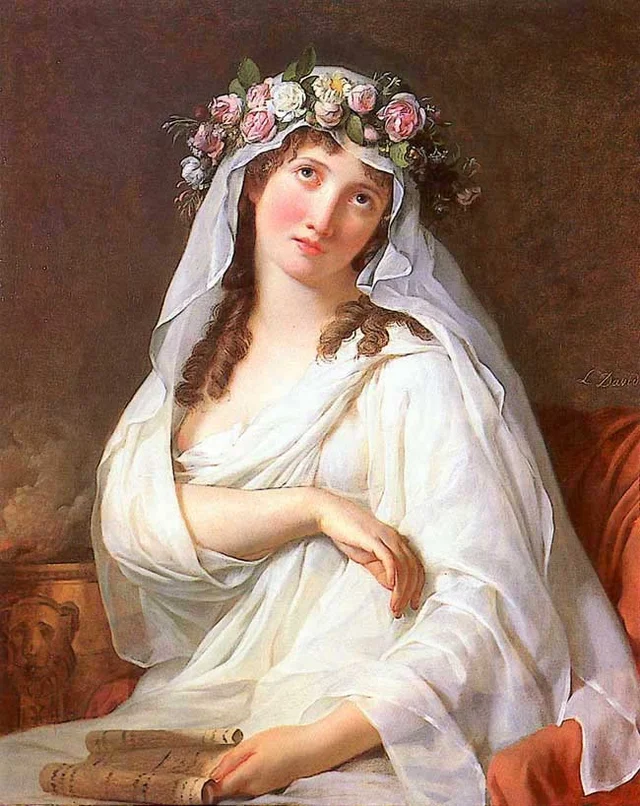 A VestalJacques-Louis David, 1783
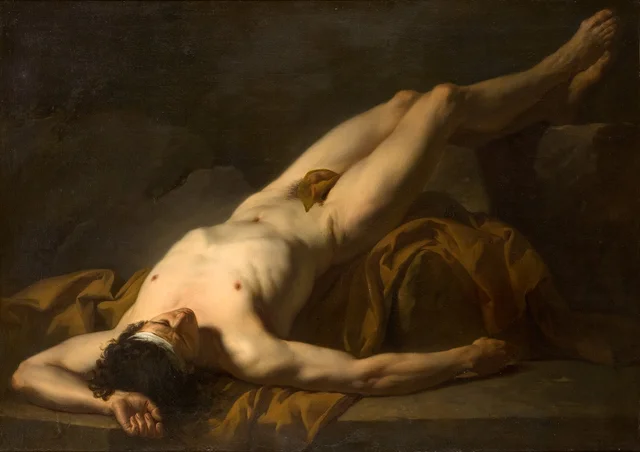 Academia de homem, dita HeitorJacques-Louis David, 1778
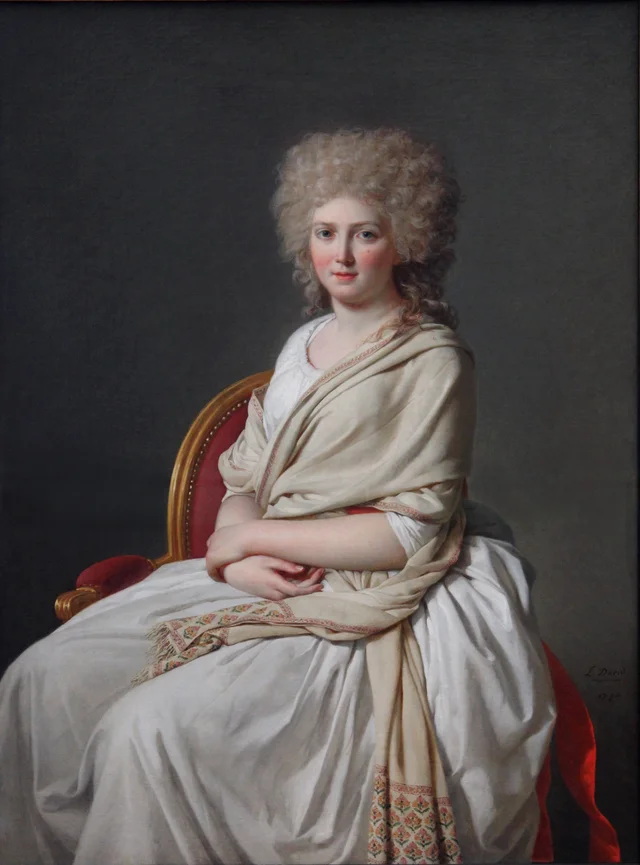 Anne-Marie-Louise Thélusson, Condessa de SorcyJacques-Louis David, 1790
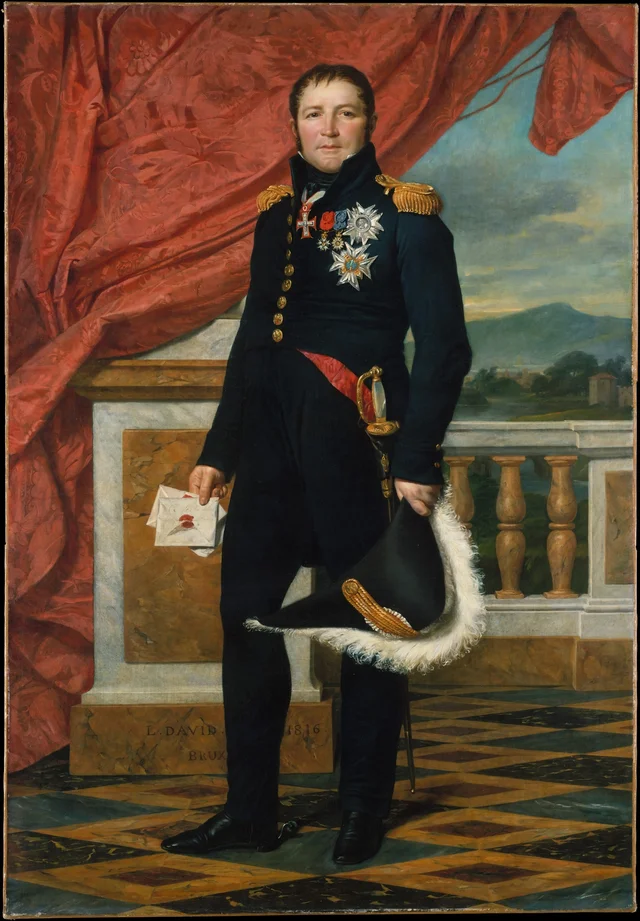 General Étienne-Maurice Gérard (1773-1852), Marechal da FrançaJacques-Louis David, 1816
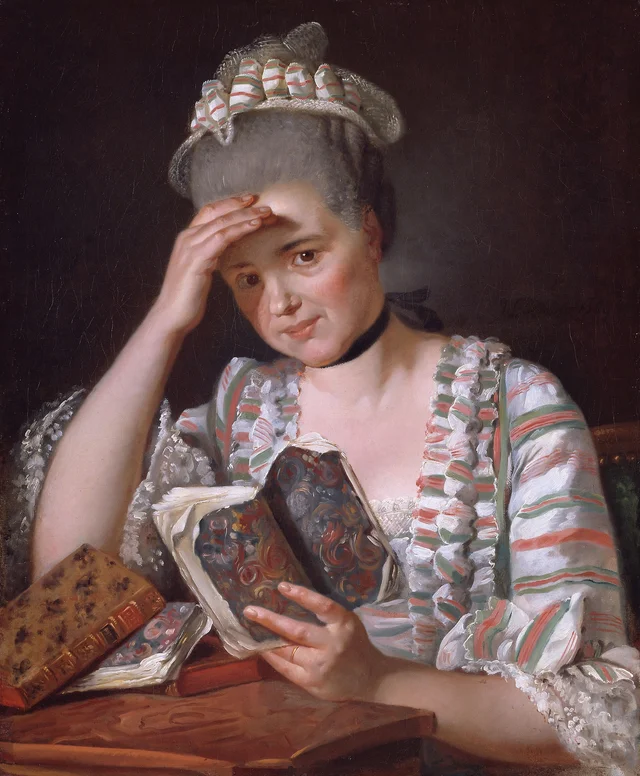 Madame François BuronJacques-Louis David, 1769
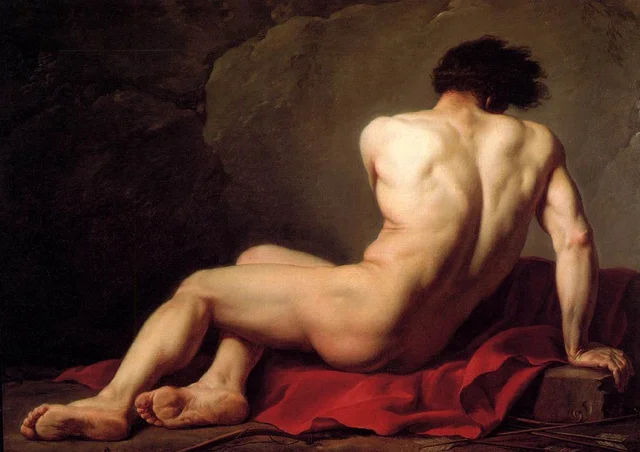 PátrocloJacques-Louis David, 1780
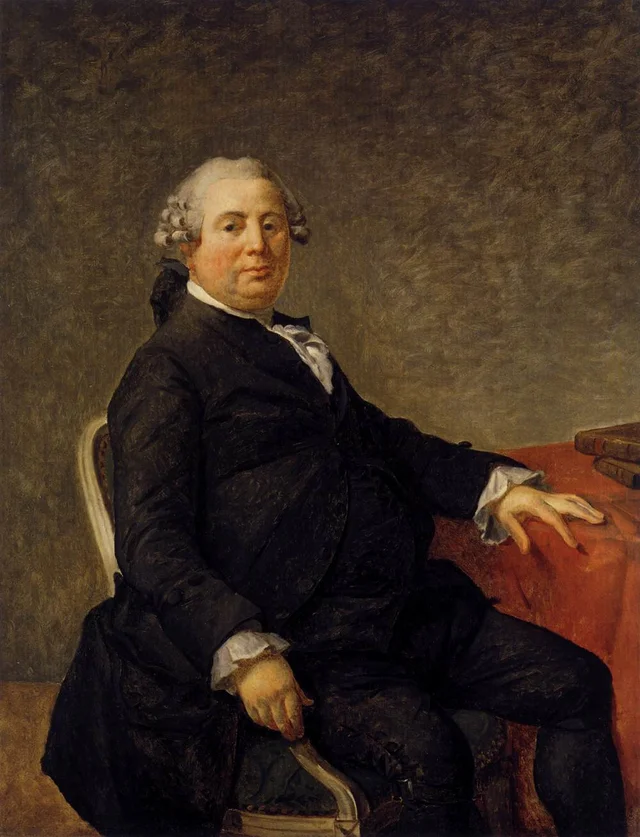 Philippe-Laurent de JoubertJacques-Louis David, 1790
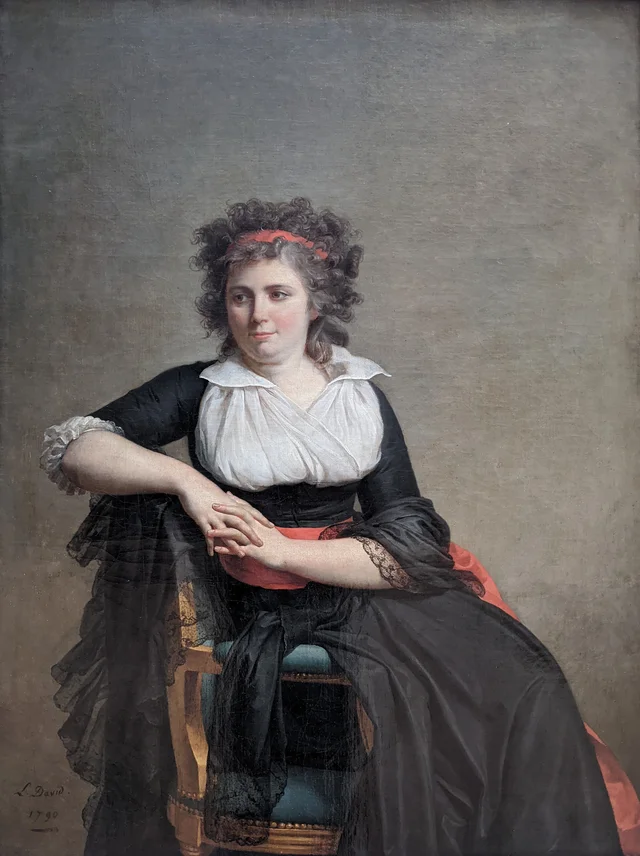 Retrato da Marquesa de OrvilliersJacques-Louis David, 1790