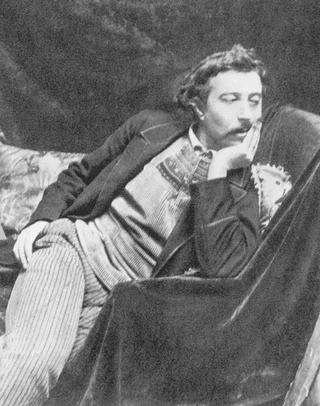
Paul Gauguin
1848–1903 · França · Pós-impressionismo
A história
Até os trinta e poucos anos, Paul Gauguin era um corretor da bolsa em Paris, com um bom salário, uma esposa dinamarquesa e cinco filhos. Colecionava quadros impressionistas como hobby de homem rico e se arriscava a fazer os próprios. Então, em 1882, a bolsa de Paris quebrou, a firma onde trabalhava se desfez, e a vida confortável foi junto. Gauguin decidiu que o desastre era uma permissão: passaria a pintar em tempo integral. A família, horrorizada, acabou por deixá-lo.
Foi parar em Pont-Aven, uma vila barata de artistas na Bretanha, e ali desenvolveu o estilo que o consagrou. Em 1888 pintou um grupo de bretãs de touca branca vendo uma visão depois da missa, Jacó lutando com um anjo num campo plano de vermelho puro. Não havia tentativa de espaço real ou cor natural; o quadro era construído a partir de contornos fortes e blocos de tom chapado, uma ideia mais do que uma cena. Essa maneira de pintar a partir da imaginação e do símbolo, que ele chamou de Sintetismo, alimentou diretamente a arte moderna.
Naquele outono, Vincent van Gogh o convenceu a ir para o sul, para Arles, para dividir uma casa e iniciar uma colônia de artistas. Durou nove semanas. Os dois pintavam furiosamente e discutiam pior ainda, e pouco antes do Natal de 1888 a briga terminou com van Gogh cortando parte da própria orelha e Gauguin fugindo de volta a Paris. Gauguin queria algo bem mais longe da Europa, e em 1891 embarcou para o Taiti, colônia francesa no Pacífico, em busca de um paraíso que meio que inventara na própria cabeça. Encontrou uma Papeete já colonizada e católica, mesmo assim pintou ali alguns dos quadros mais famosos de sua vida, e morreu pobre nas mais remotas Ilhas Marquesas, em 1903.
Mais artigos
 Artigo · 48 min de leituraMuseu d'Orsay: do Cabanel comprado por Napoleão III ao Caillebotte de 43 milhões
 Artigo · 41 min de leituraMuseu Thyssen-Bornemisza: 20 quadros comprados por pai e filho
 Artigo · 40 min de leituraO Kunstmuseum de Basileia: da compra dos Amerbach ao caso da “Musa”, 1661–2023
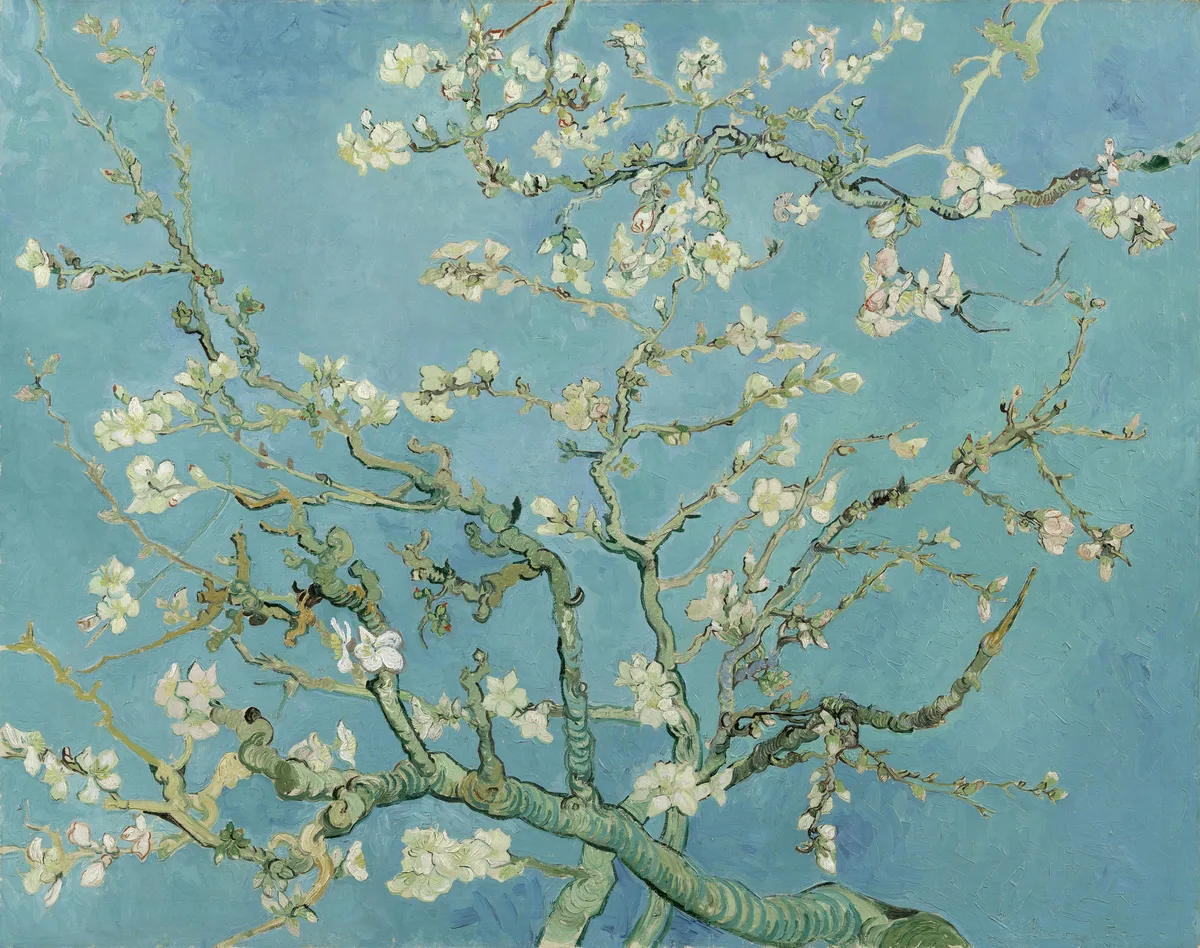 Artigo · 38 min de leituraMuseu Van Gogh: a mãe, Theo, Gauguin e as outras pessoas dos quadros de Vincent
Obras
158 obras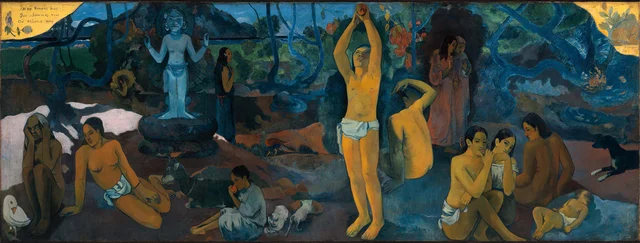 De onde viemos? O que somos? Para onde vamos?Paul Gauguin, 1897
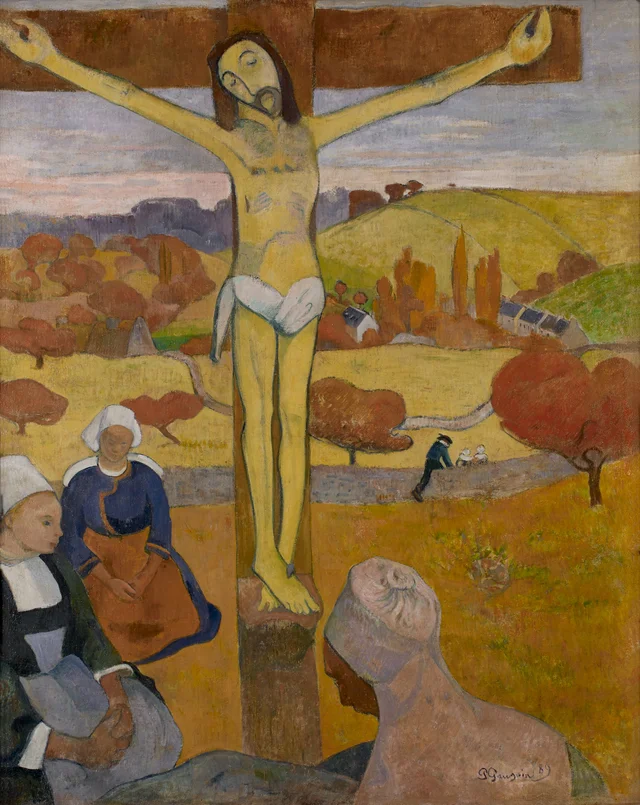 O Cristo AmareloPaul Gauguin, 1889
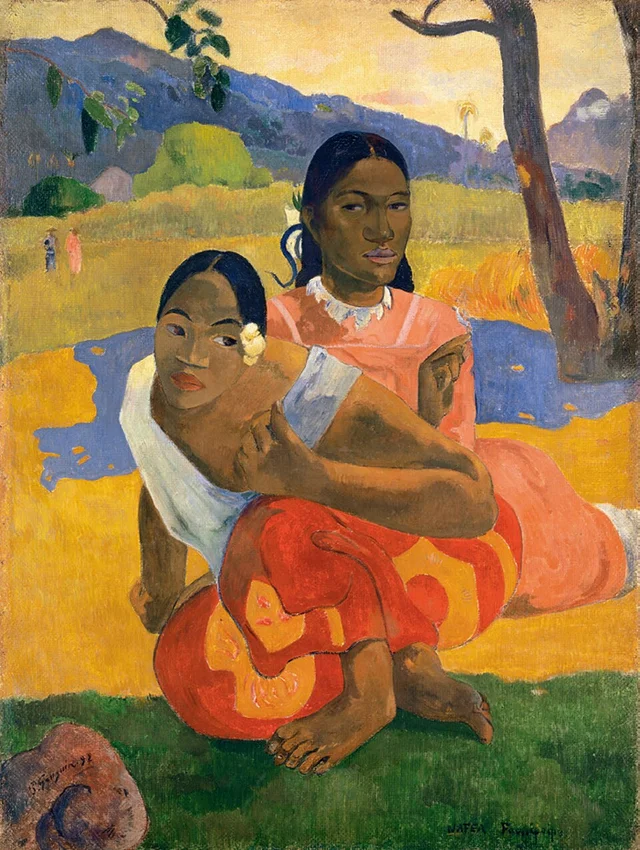 Quando Você Vai se Casar?Paul Gauguin, 1892
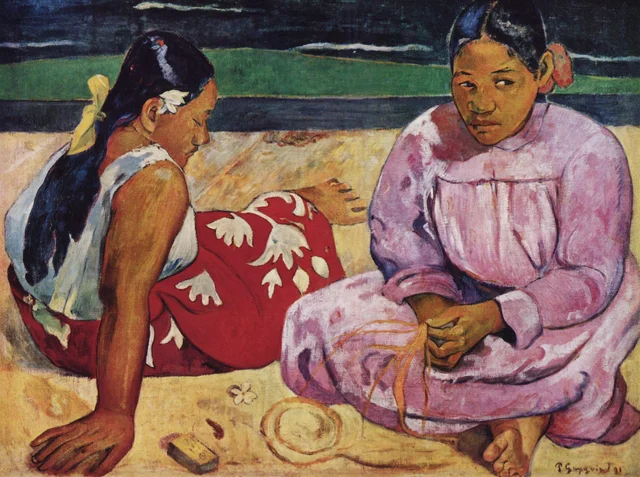 Mulheres taitianas na praiaPaul Gauguin, 1891
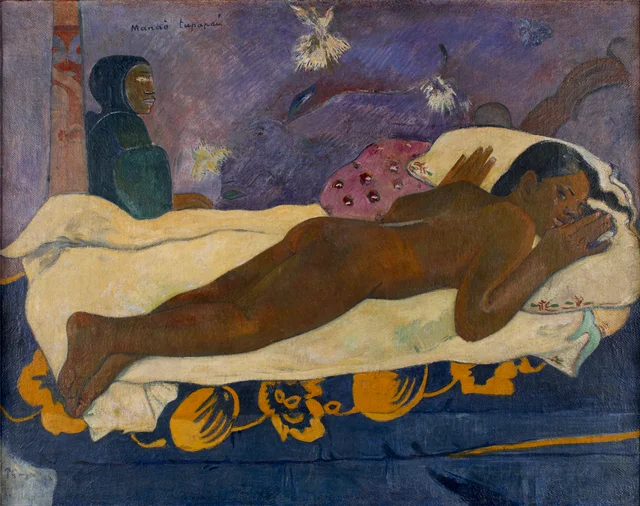 O Espírito dos Mortos VigiaPaul Gauguin, 1892
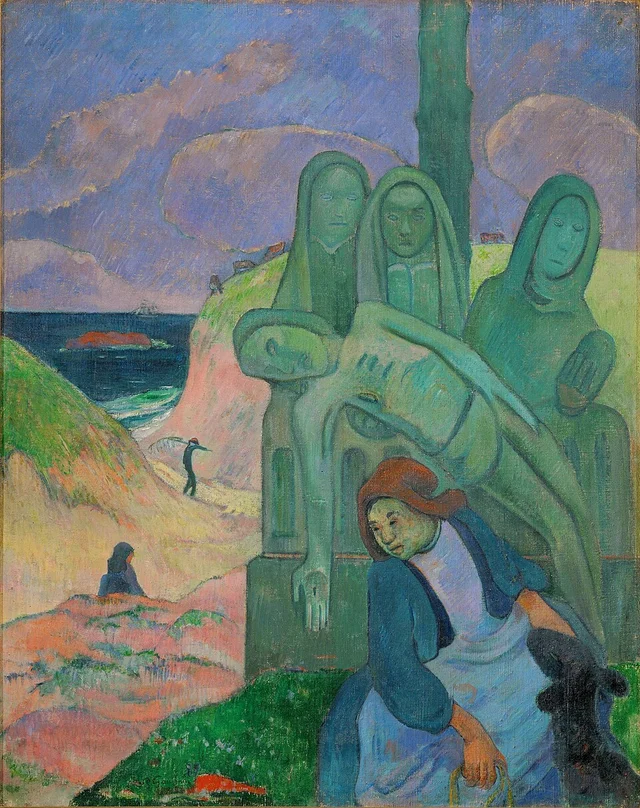 O Cristo VerdePaul Gauguin, 1889
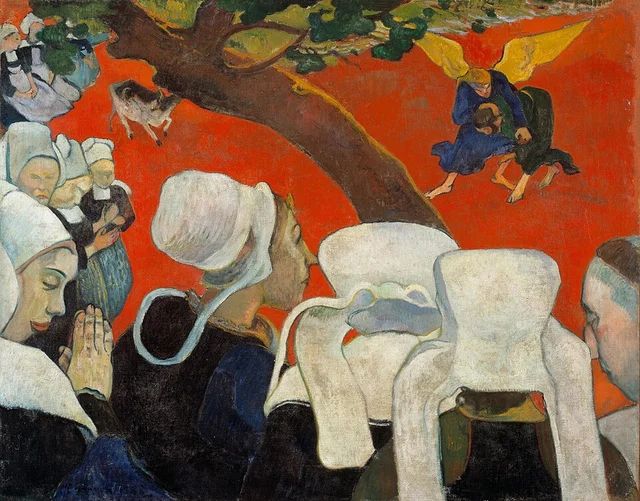 Visão após o sermãoPaul Gauguin, 1888
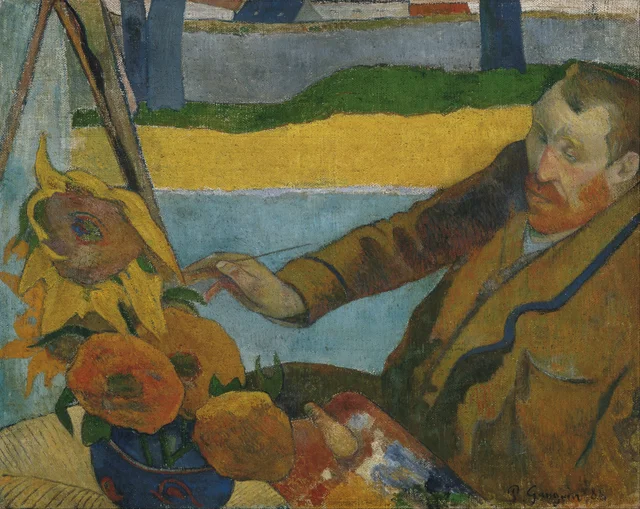 O Pintor de GirassóisPaul Gauguin, 1888
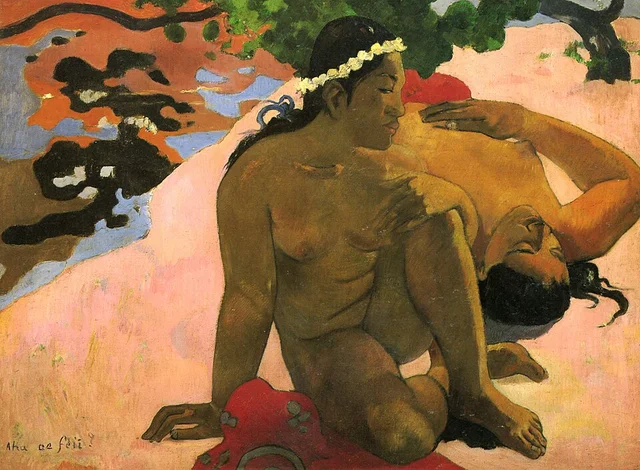 Aha Oe Feii?Paul Gauguin, 1892
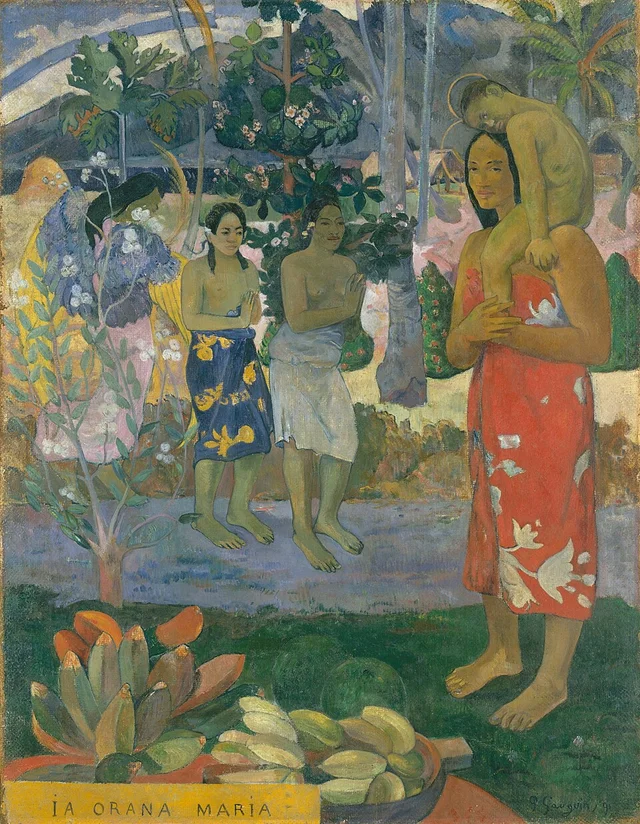 Ia Orana MariaPaul Gauguin, 1891
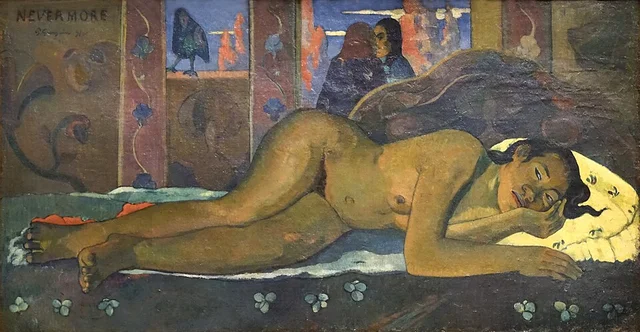 NevermorePaul Gauguin, 1897
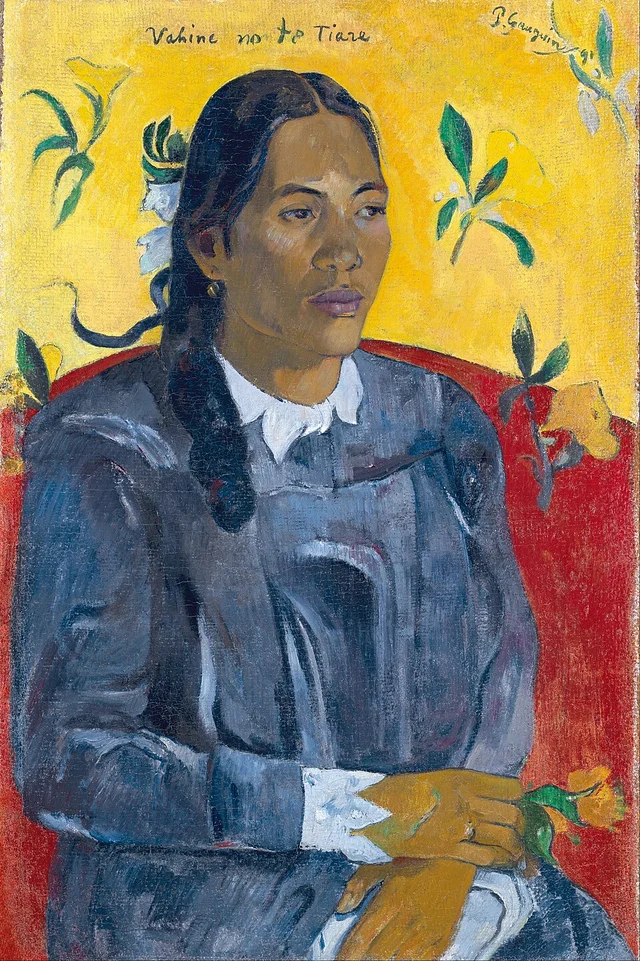 Mulher Taitiana com uma FlorPaul Gauguin, 1891
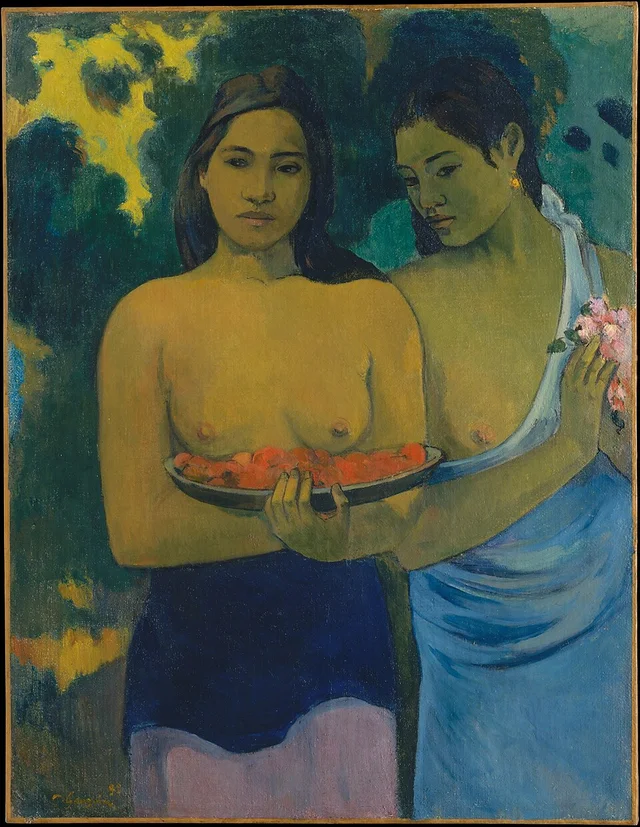 Duas Mulheres TaitianasPaul Gauguin, 1899
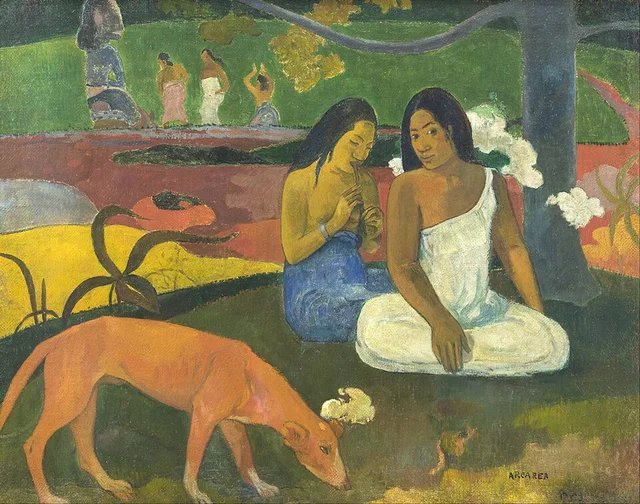 AreareaPaul Gauguin, 1892
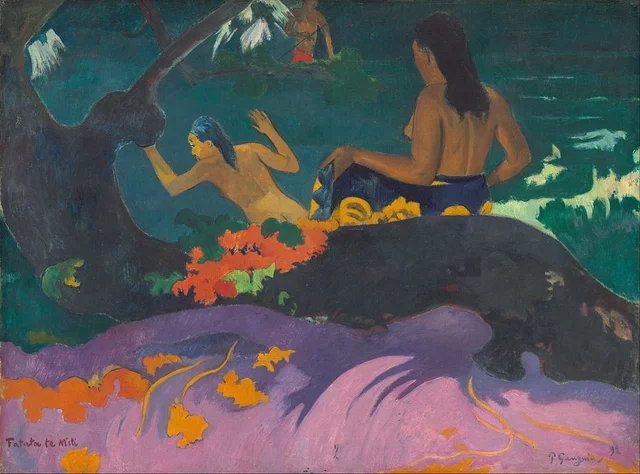 Fatata te MitiPaul Gauguin, 1892
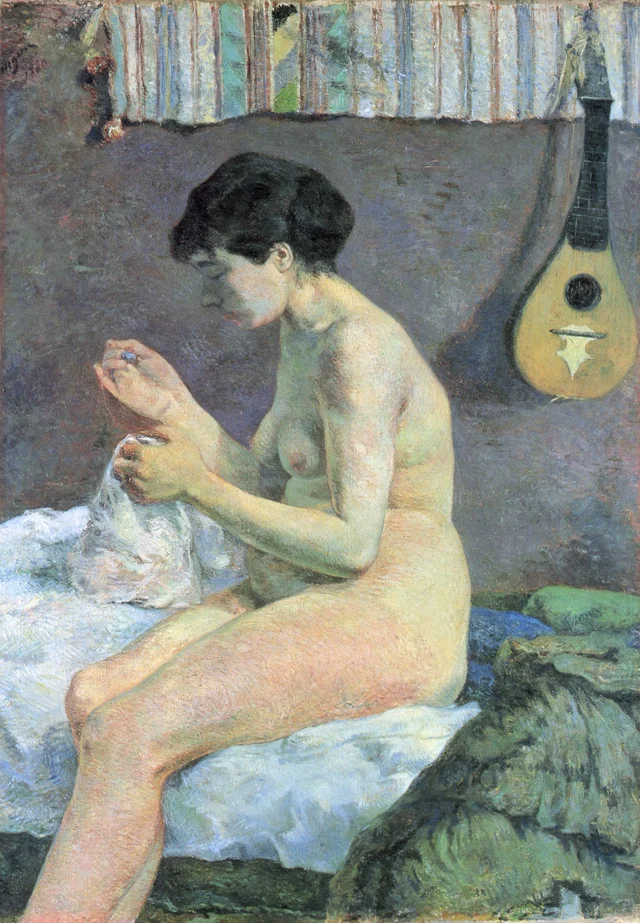 Estudo de nuPaul Gauguin, 1880
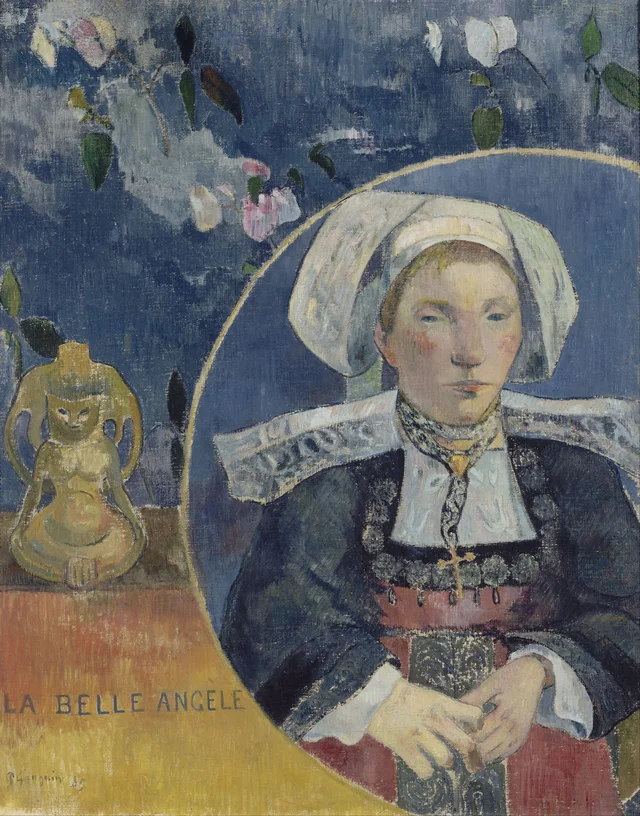 A Bela AngèlePaul Gauguin, 1889
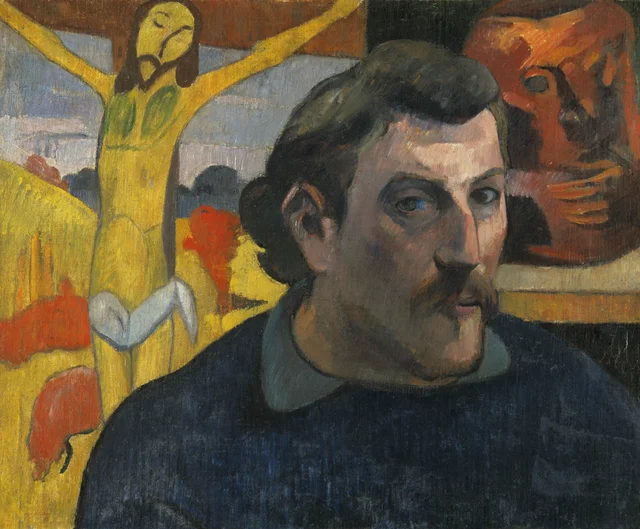 Autorretrato com o Cristo AmareloPaul Gauguin, 1890
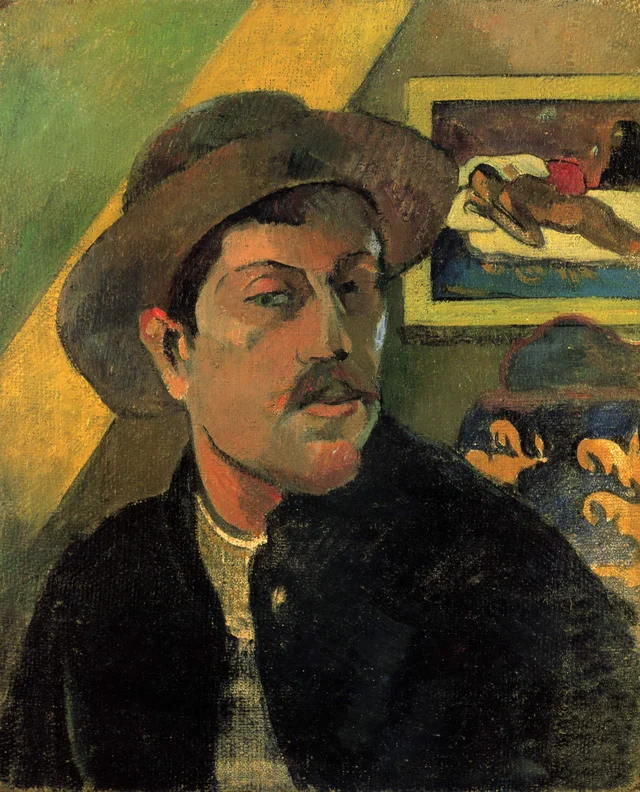 Autorretrato com ChapéuPaul Gauguin, 1893
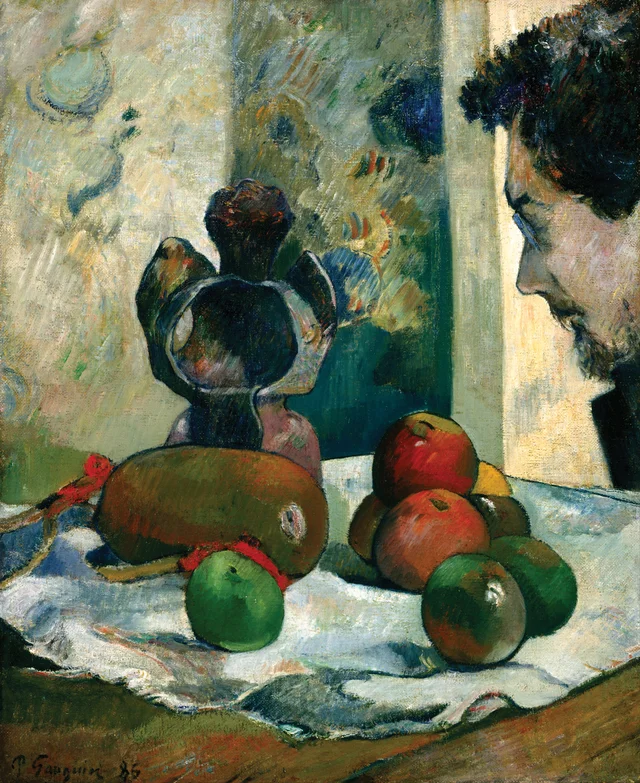 Natureza-morta com perfil de LavalPaul Gauguin, 1886
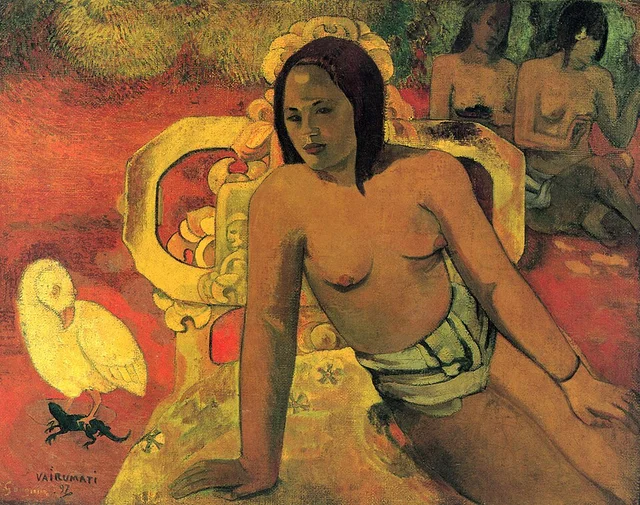 VairumatiPaul Gauguin, 1897
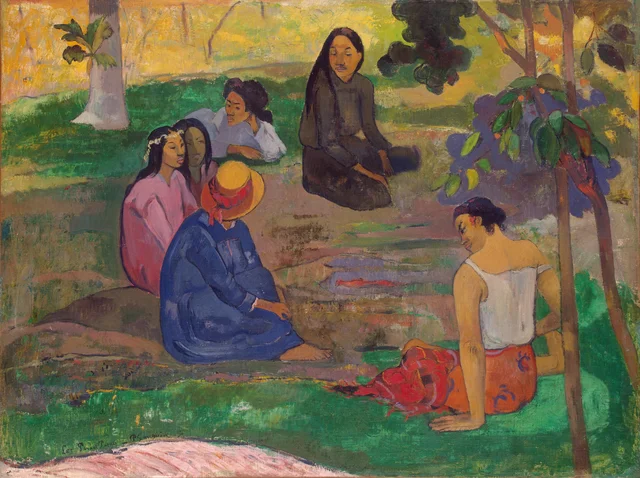 Conversa (Les Parau Parau)Paul Gauguin, 1891
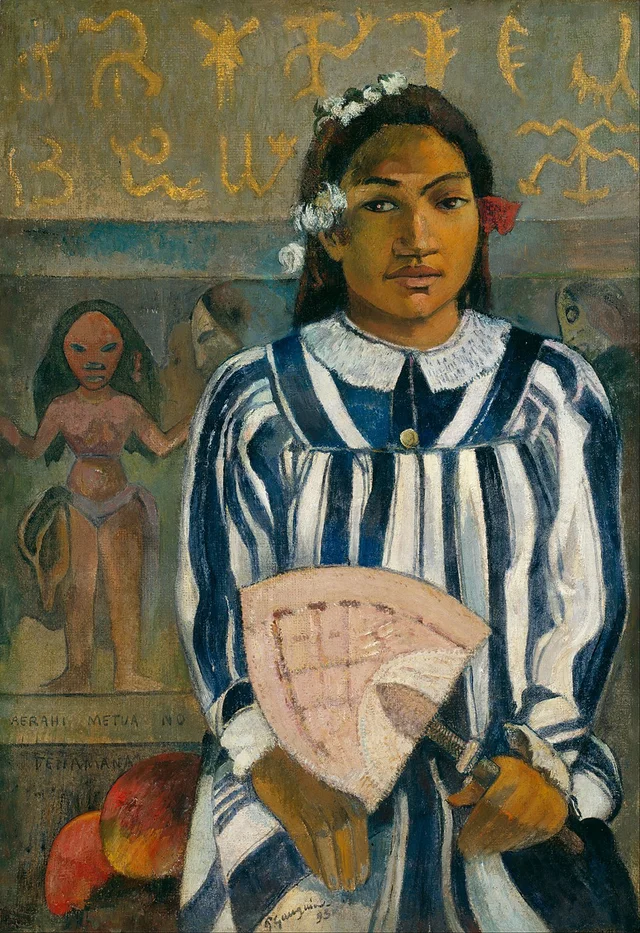 Merahi metua no Tehamana (Os ancestrais de Tehamana)Paul Gauguin, 1893
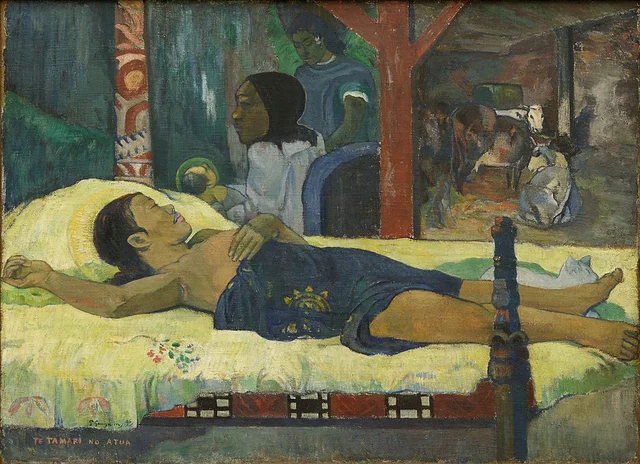 Te tamari no atuaPaul Gauguin, 1896
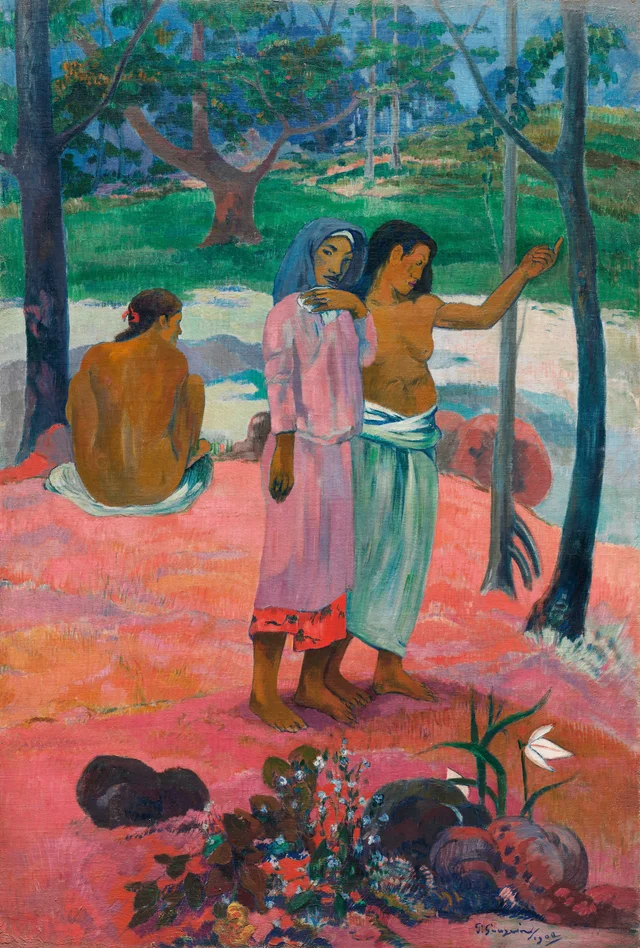 O chamadoPaul Gauguin, 1902