A história
O Louvre começou como uma fortaleza. Filipe II a ergueu na margem direita do Sena por volta de 1190 para guardar a Paris medieval, e ao longo dos séculos seguintes os reis franceses a reconstruíram como um palácio real, até que Luís XIV mudou sua corte para Versalhes em 1682 e deixou os salões inacabados para a coleção real e os artistas ali alojados.
A Revolução o transformou em museu público. Em 10 de agosto de 1793 o Muséum central des arts abriu suas portas, mostrando a arte confiscada da coroa e da igreja a qualquer cidadão que quisesse entrar. Napoleão o encheu com os espólios de suas campanhas e por um tempo o rebatizou com o próprio nome. Muito foi devolvido depois de Waterloo, mas a ideia se manteve, a de uma coleção nacional organizada para o estudo e gratuita ao público.
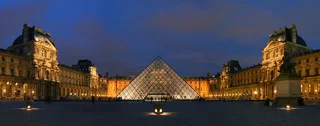
Hoje o Louvre guarda mais de 35.000 obras, da Vênus de Milo à Balsa da Medusa de Géricault. A multidão, porém, se aperta em direção a um pequeno retrato. Em agosto de 1911 ele sumiu: Vincenzo Peruggia, um faz-tudo italiano que trabalhara no museu, tirou a Mona Lisa de Leonardo da parede e a levou embora sob o casaco. Por dois anos a moldura ficou vazia enquanto os visitantes vinham olhar o vão, e a pintura só voltou em 1913, depois que Peruggia tentou vendê-la a um negociante em Florença. A pirâmide de vidro de I. M. Pei, instalada no pátio em 1989, marca hoje a entrada.
Mais artigos
Acervo
1.174 obras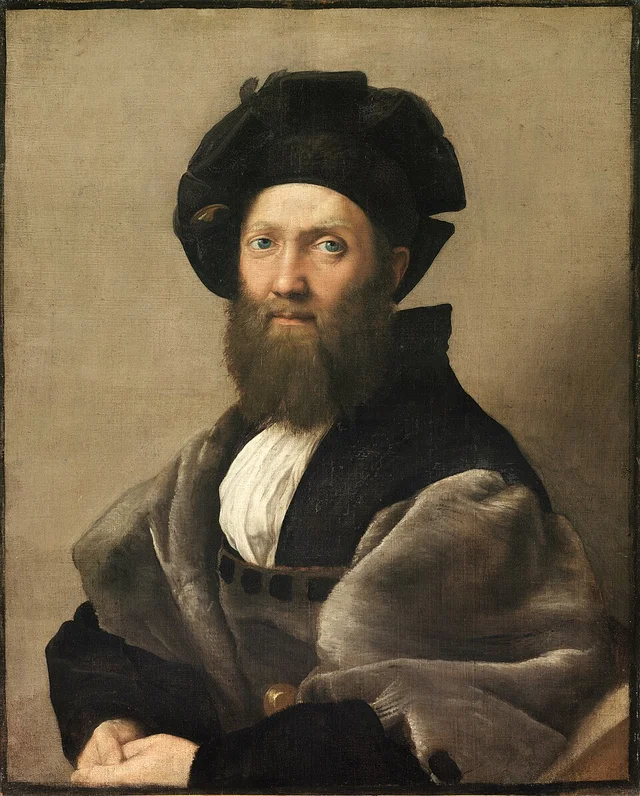 Retrato de Baldassare CastiglioneRafael, 1515
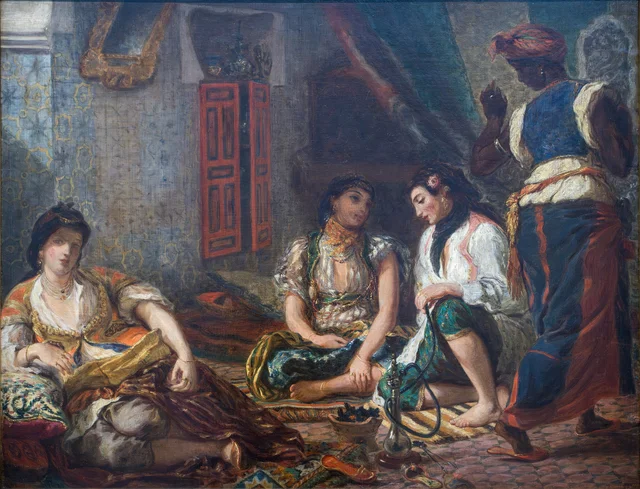 Mulheres de Argel em seu apartamentoEugène Delacroix, 1834
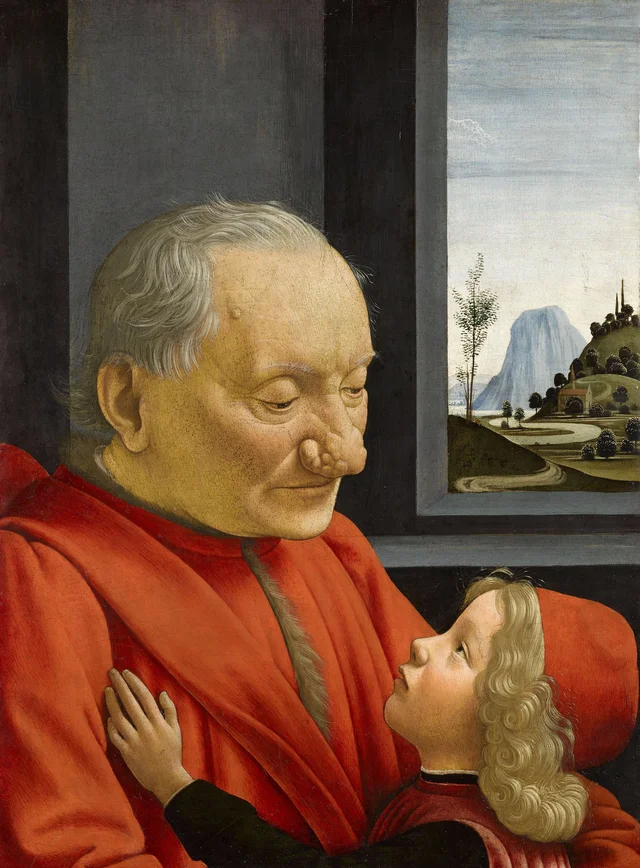 Um velho e seu netoDomenico Ghirlandaio, 1490
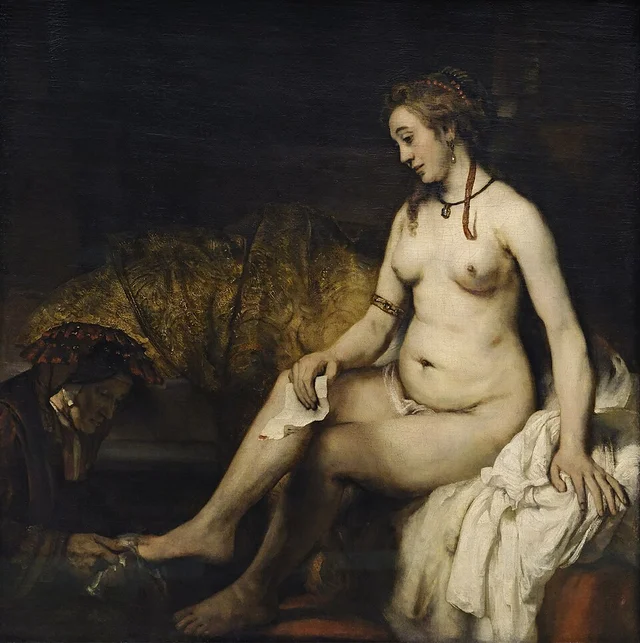 Betsabé no BanhoRembrandt, 1654
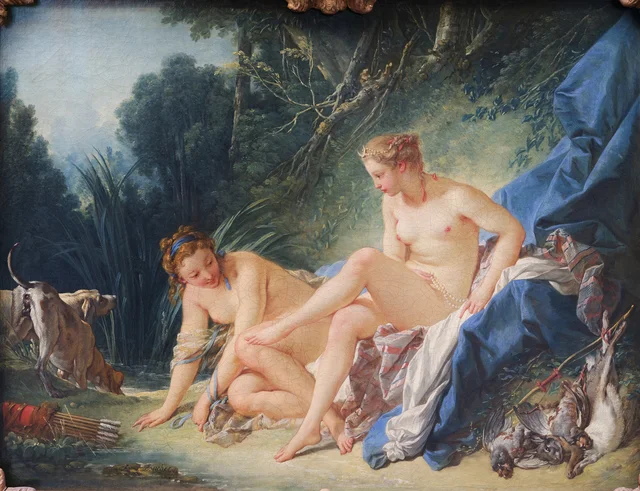 Diana Saindo do BanhoFrançois Boucher, 1742
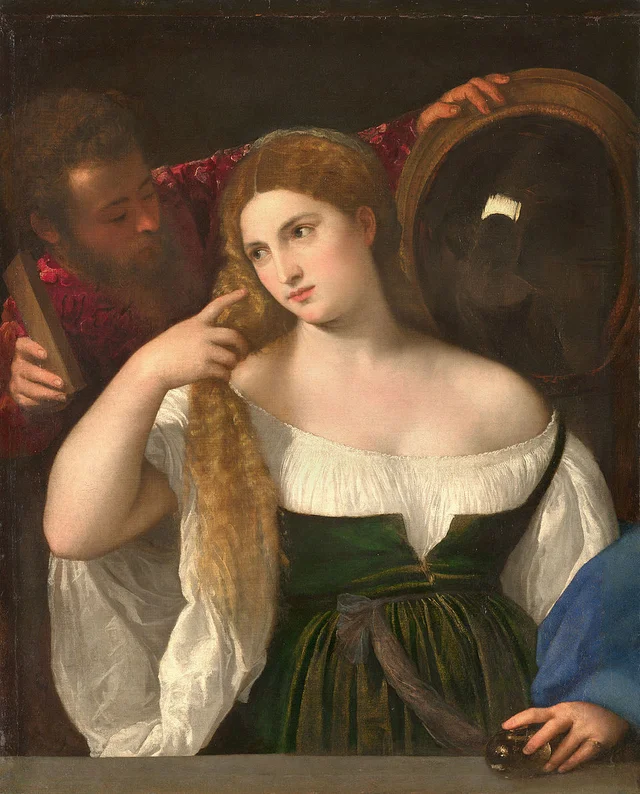 Mulher com espelhoTiciano, 1515
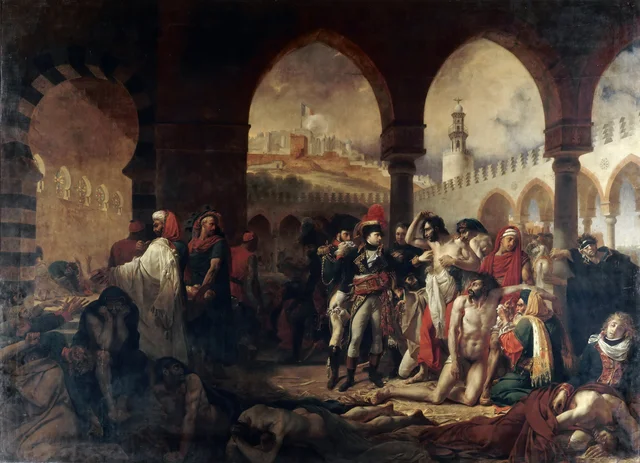 Bonaparte visitando os pestilentos de JaffaAntoine-Jean Gros, 1804
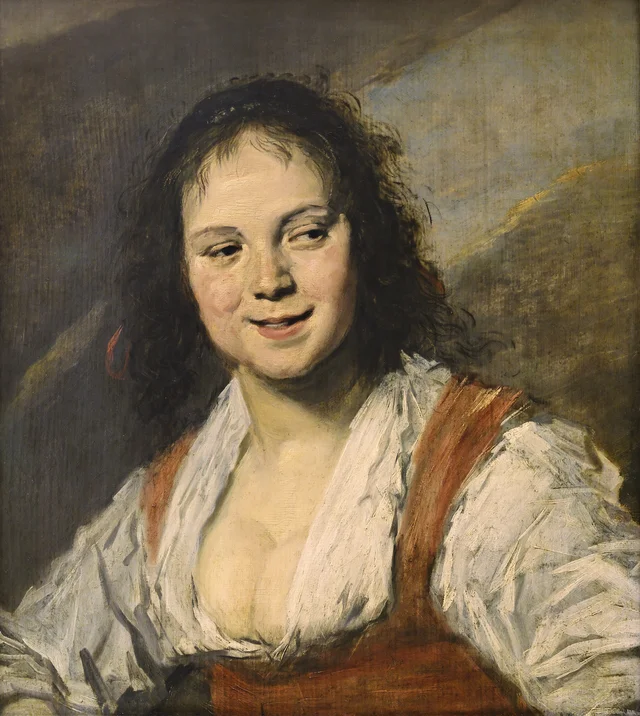 A CiganaFrans Hals, 1628
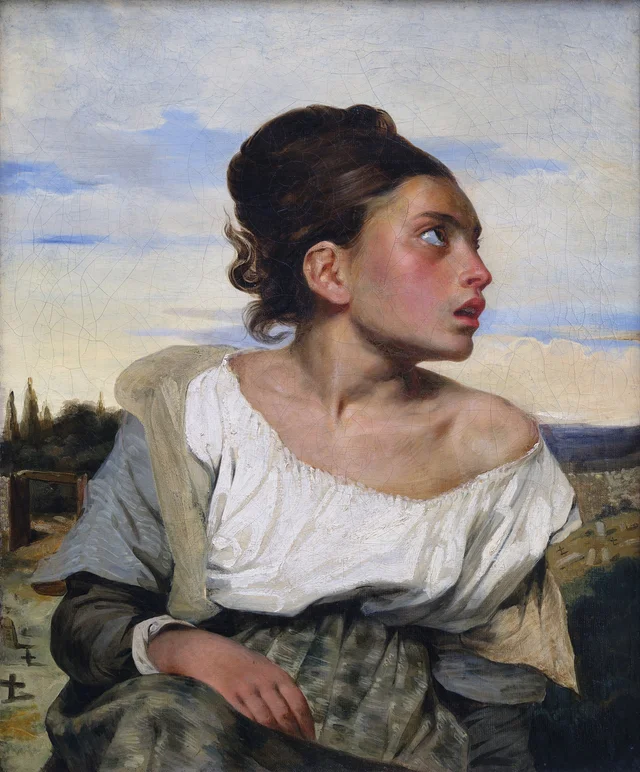 Órfã no cemitérioEugène Delacroix, 1824
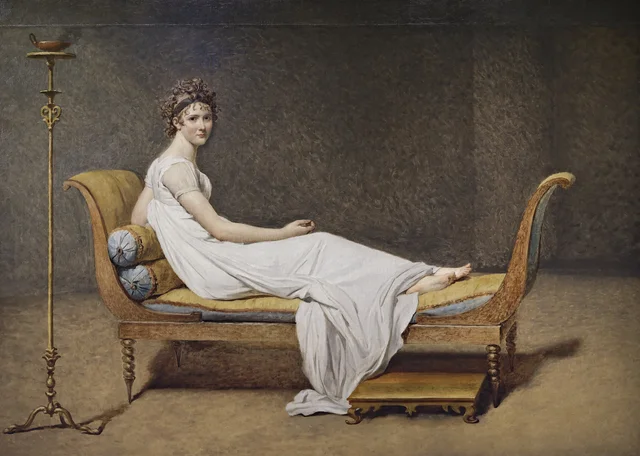 Retrato de Madame RécamierJacques-Louis David, 1800
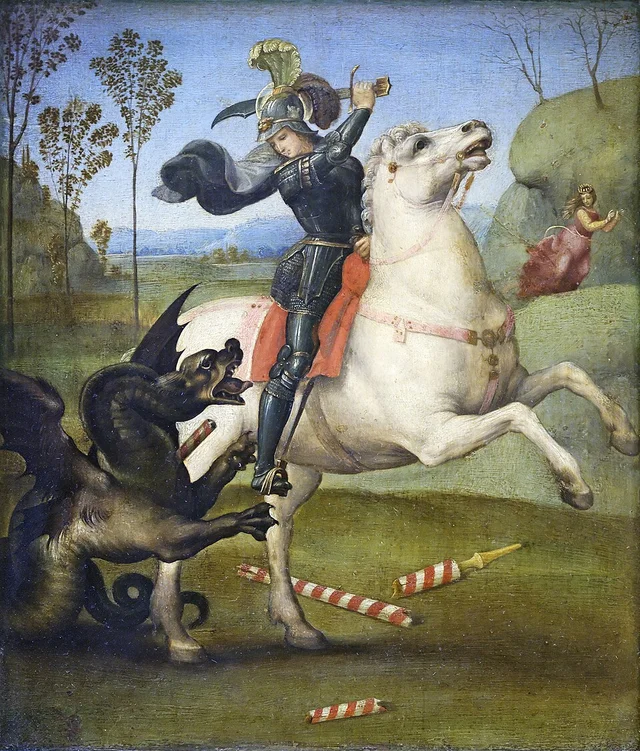 São Jorge e o DragãoRafael, 1500
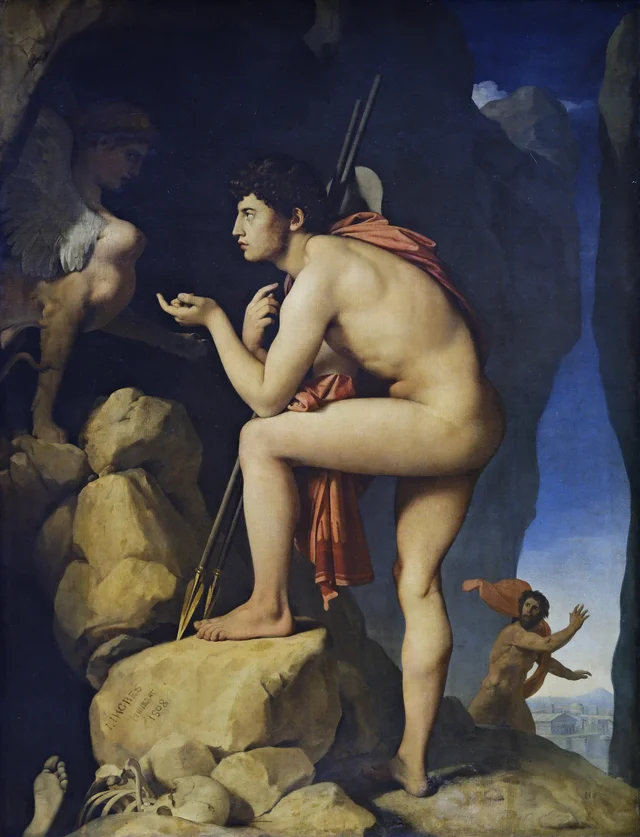 Édipo e a EsfingeJean-Auguste-Dominique Ingres, 1808
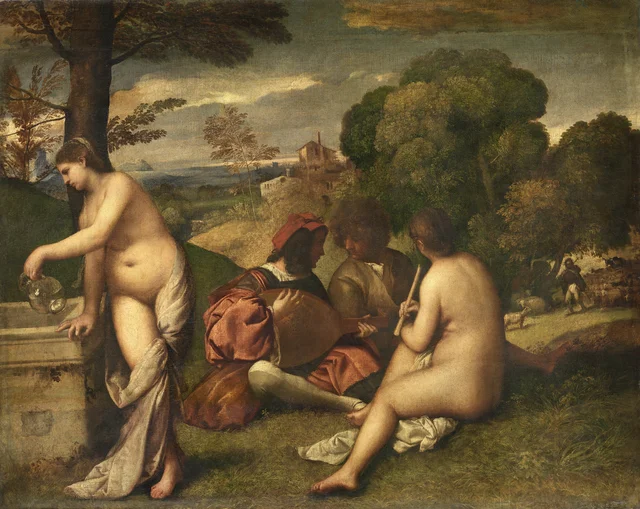 Concerto CampestreTiciano, 1510
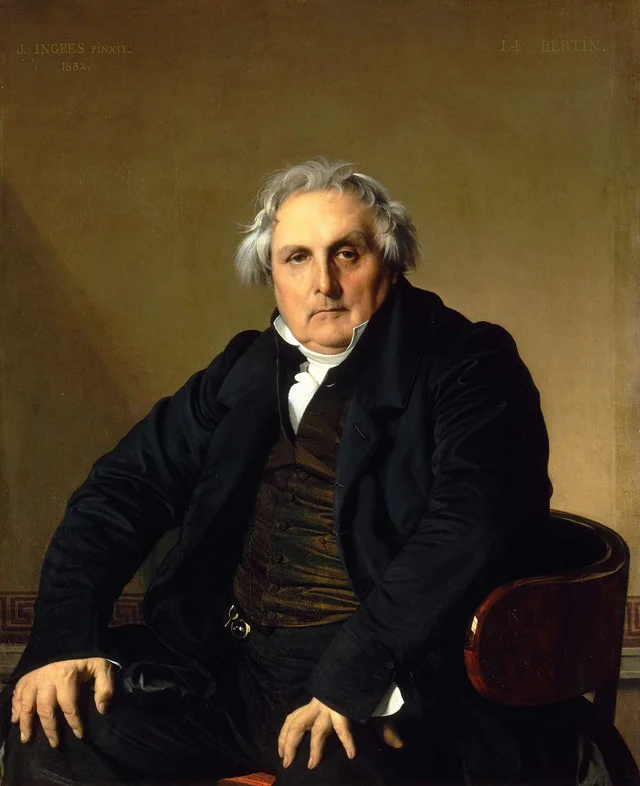 Retrato do Senhor BertinJean-Auguste-Dominique Ingres, 1832
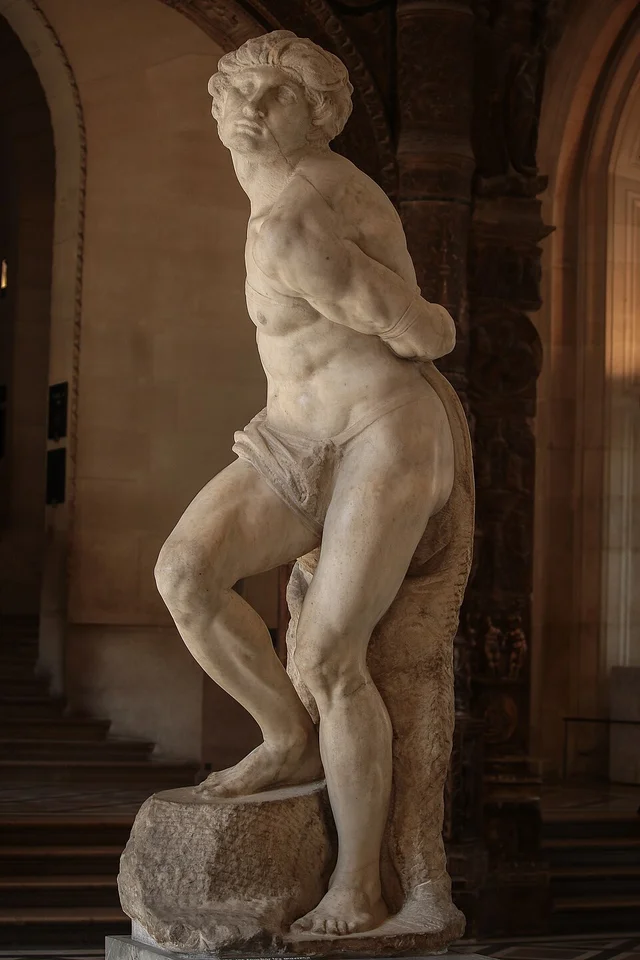 O Escravo RebeldeMichelangelo, 1514
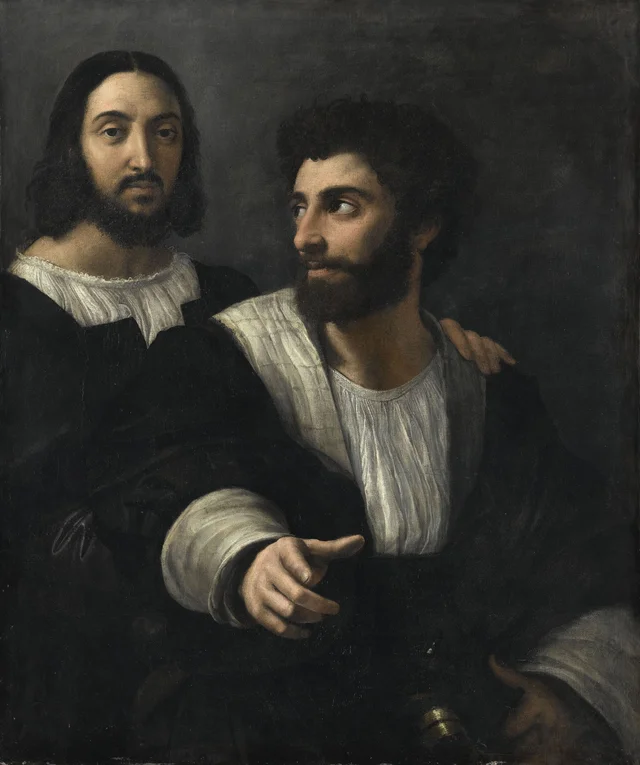 Autorretrato com um AmigoRafael, 1519
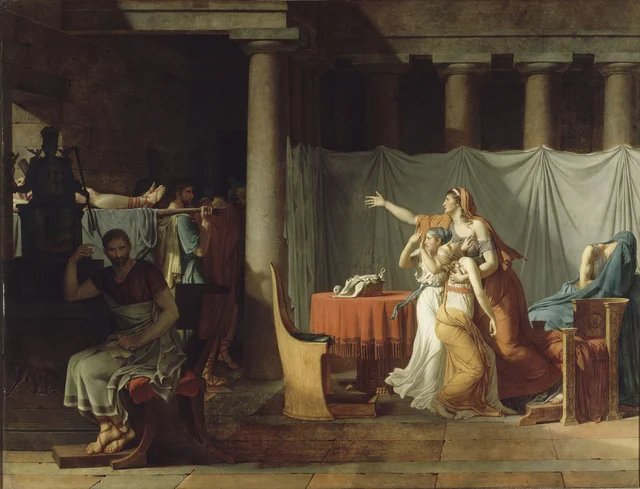 Os Litores Trazem a Bruto os Corpos de Seus FilhosJacques-Louis David, 1789
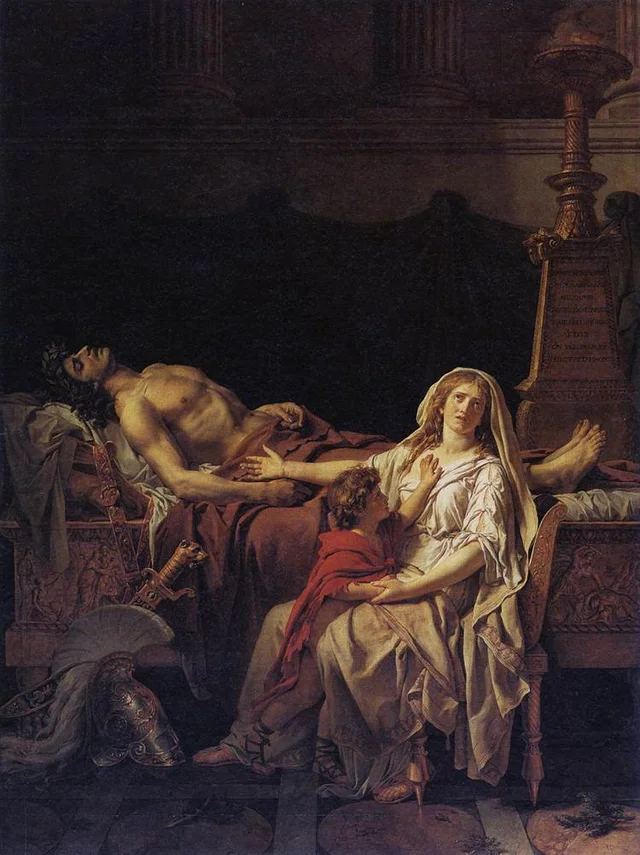 Andrômaca Chorando por HeitorJacques-Louis David, 1783
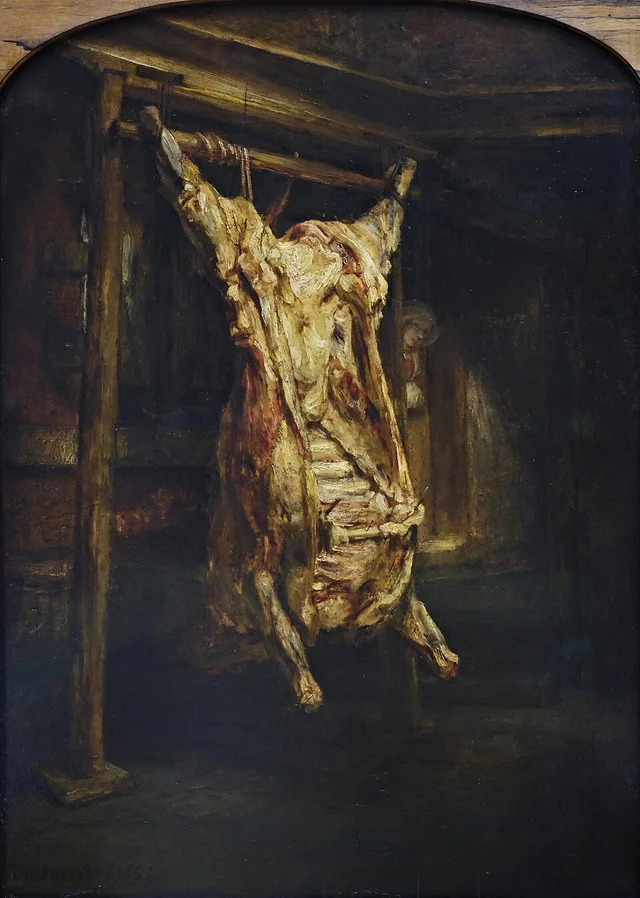 O Boi EsfoladoRembrandt, 1655
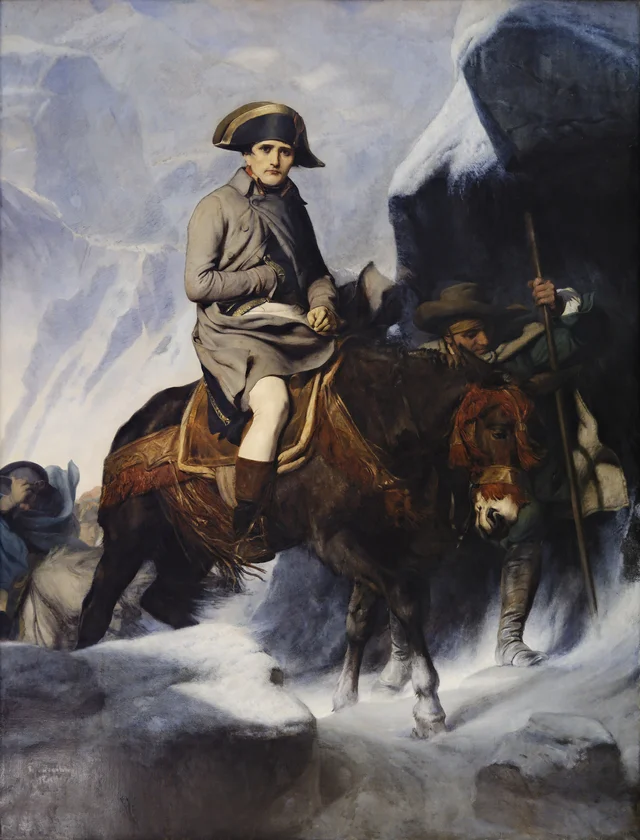 Bonaparte Atravessando os AlpesPaul Delaroche, 1848
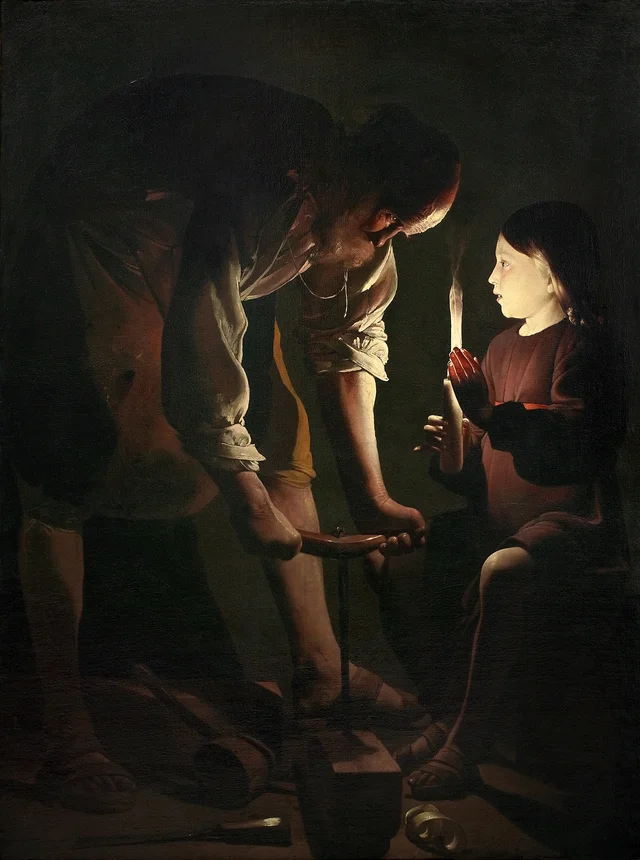 São José CarpinteiroGeorges de La Tour, 1642
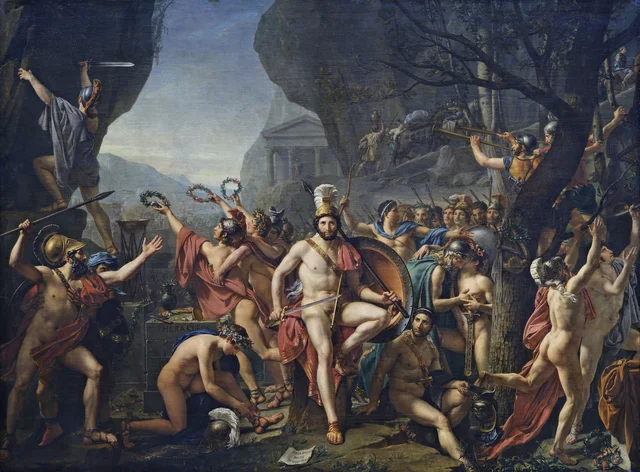 Leônidas nas TermópilasJacques-Louis David, 1814
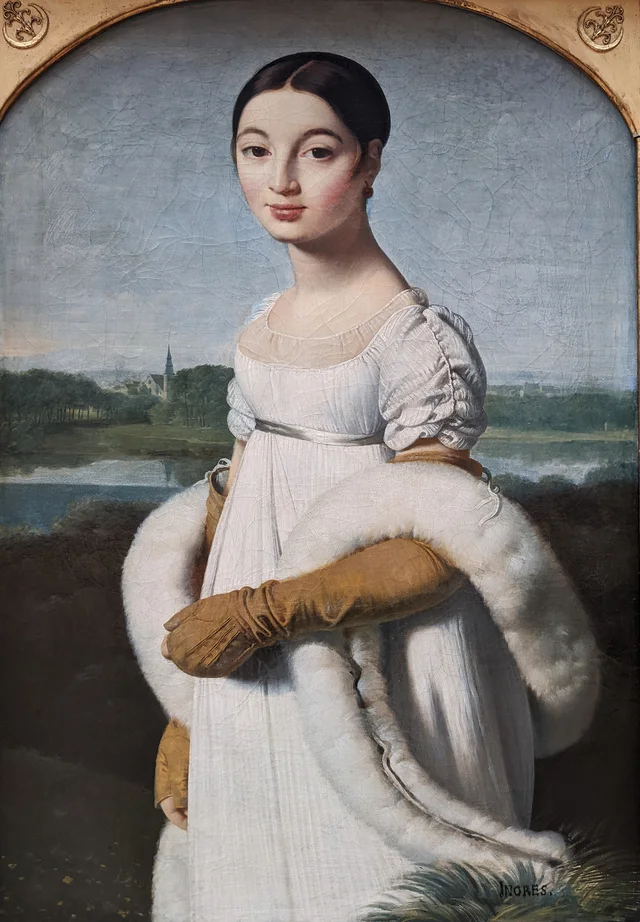 Mademoiselle Caroline RivièreJean-Auguste-Dominique Ingres, 1806
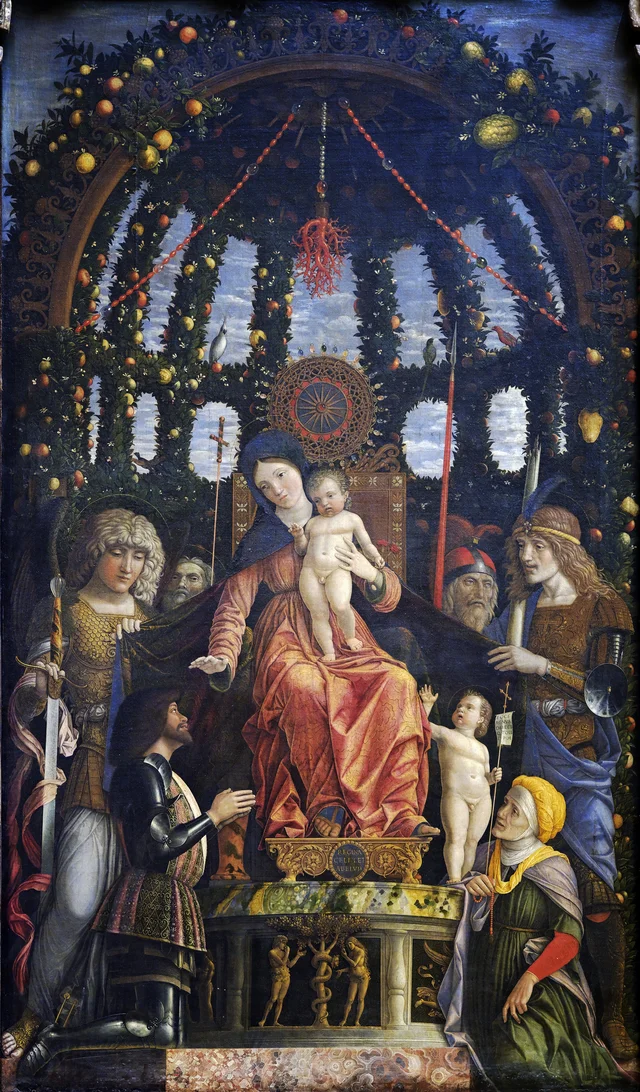 Madona da VitóriaAndrea Mantegna, 1495
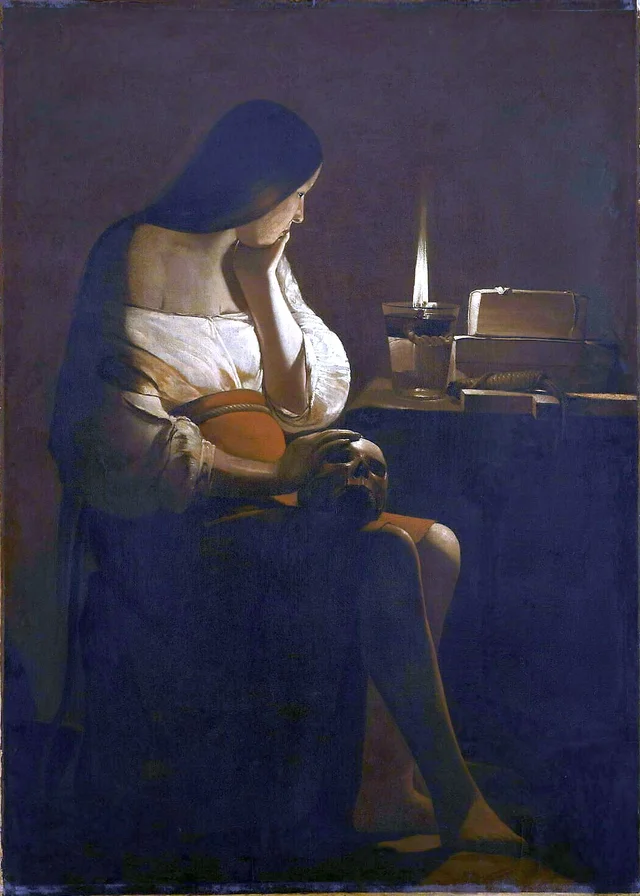 Madalena da chama fumeganteGeorges de La Tour, 1642