A história
O Louvre começou como uma fortaleza. Filipe II a ergueu na margem direita do Sena por volta de 1190 para guardar a Paris medieval, e ao longo dos séculos seguintes os reis franceses a reconstruíram como um palácio real, até que Luís XIV mudou sua corte para Versalhes em 1682 e deixou os salões inacabados para a coleção real e os artistas ali alojados.
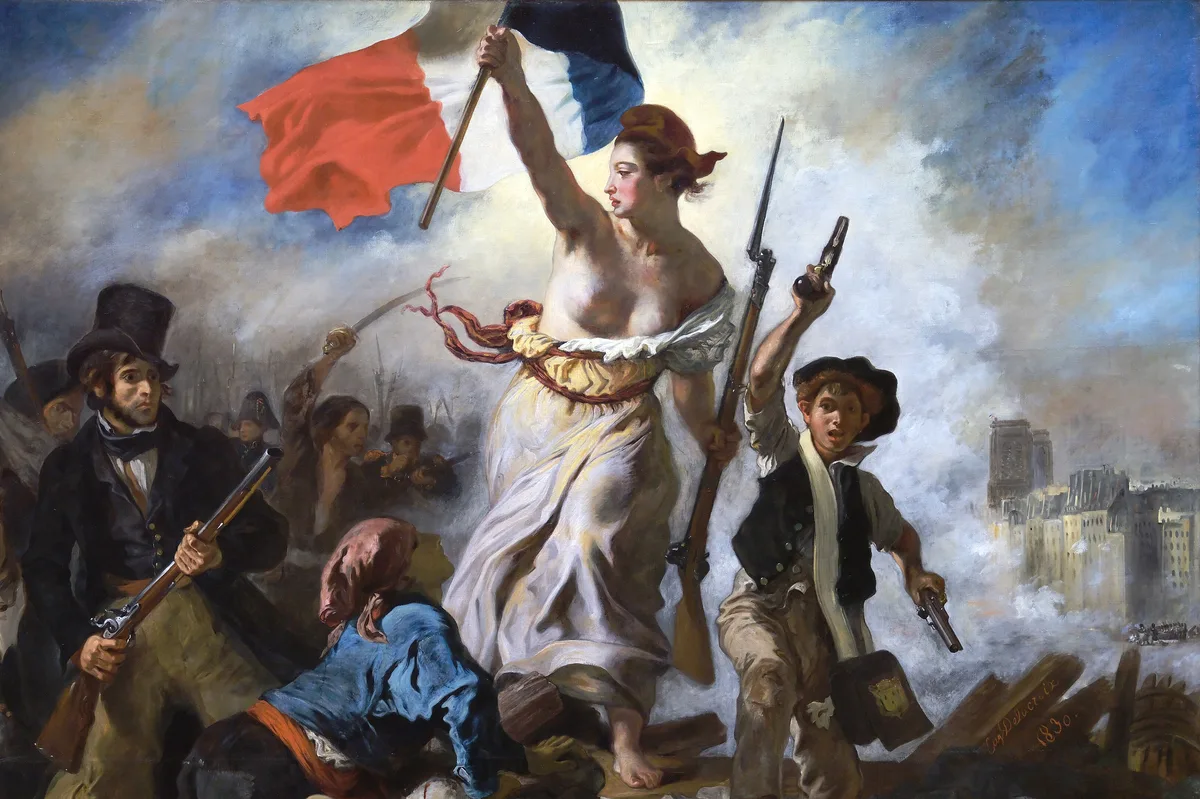
A Revolução o transformou em museu público. Em 10 de agosto de 1793 o Muséum central des arts abriu suas portas, mostrando a arte confiscada da coroa e da igreja a qualquer cidadão que quisesse entrar. Napoleão o encheu com os espólios de suas campanhas e por um tempo o rebatizou com o próprio nome. Muito foi devolvido depois de Waterloo, mas a ideia se manteve, a de uma coleção nacional organizada para o estudo e gratuita ao público.
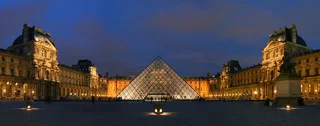
Hoje o Louvre guarda mais de 35.000 obras, da Vênus de Milo à Balsa da Medusa de Géricault. A multidão, porém, se aperta em direção a um pequeno retrato. Em agosto de 1911 ele sumiu: Vincenzo Peruggia, um faz-tudo italiano que trabalhara no museu, tirou a Mona Lisa de Leonardo da parede e a levou embora sob o casaco. Por dois anos a moldura ficou vazia enquanto os visitantes vinham olhar o vão, e a pintura só voltou em 1913, depois que Peruggia tentou vendê-la a um negociante em Florença. A pirâmide de vidro de I. M. Pei, instalada no pátio em 1989, marca hoje a entrada.
Mais artigos
Acervo
1.174 obras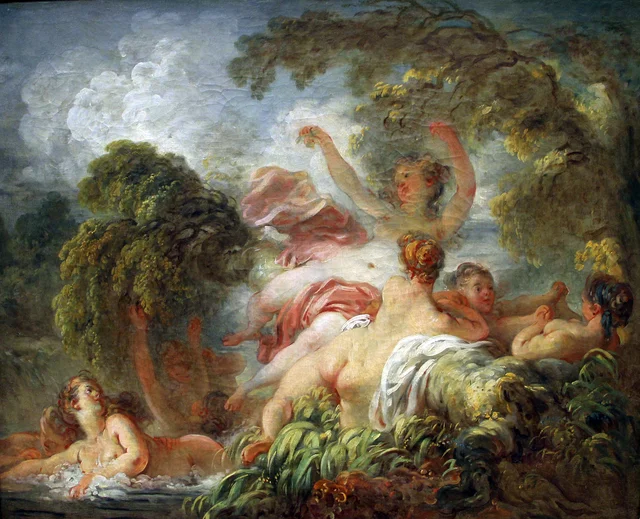 As BanhistasJean-Honoré Fragonard, 1765
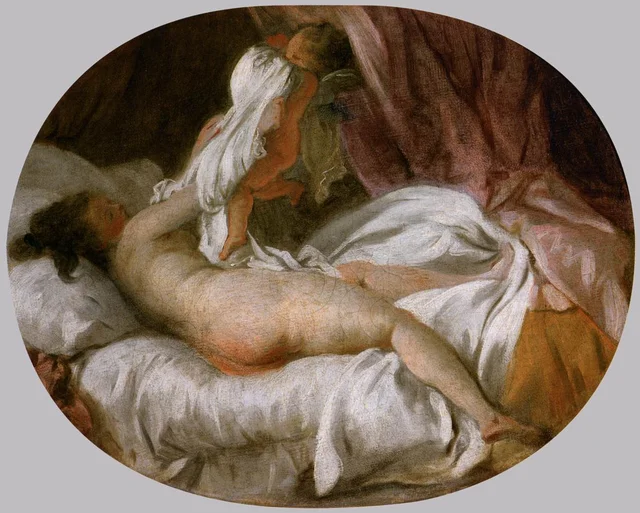 A camisa retiradaJean-Honoré Fragonard, 1770
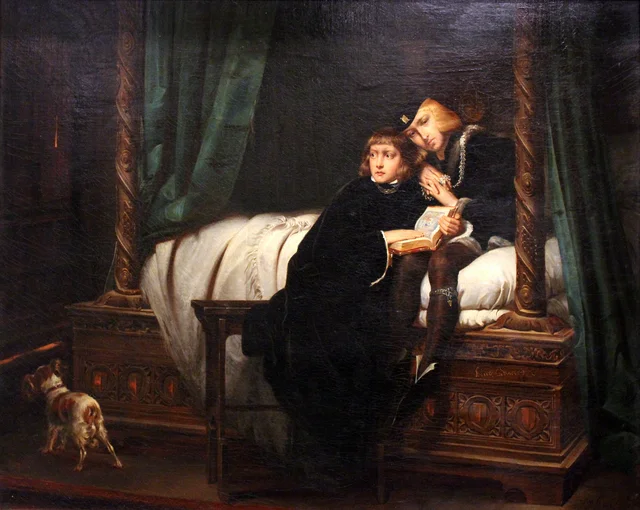 Os Filhos de EduardoPaul Delaroche, 1830
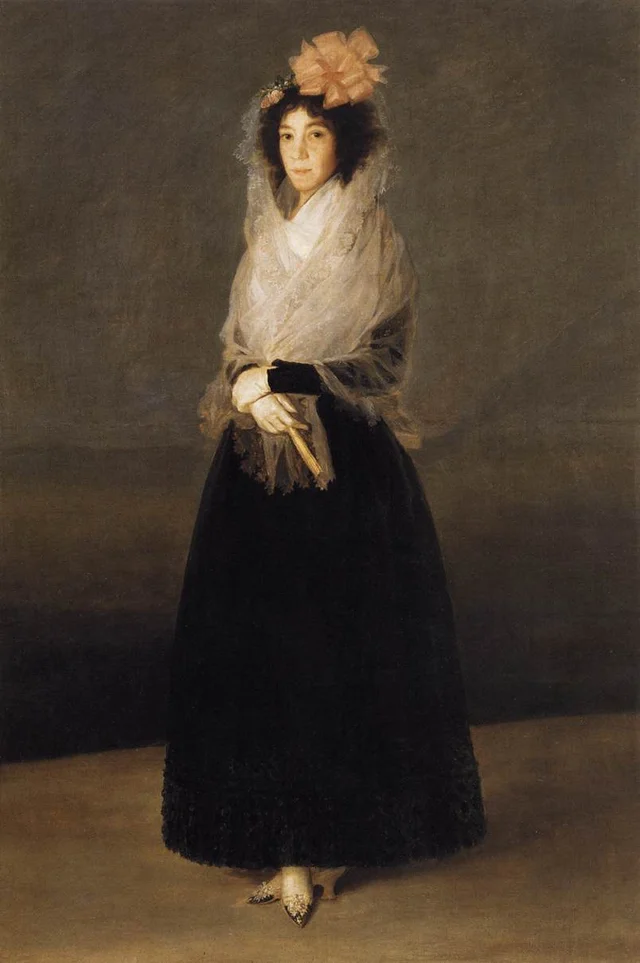 A condessa del Carpio, marquesa de La SolanaFrancisco Goya, 1793
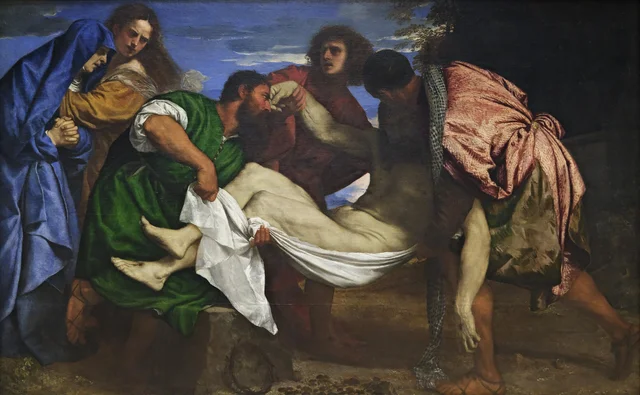 O Sepultamento de CristoTiciano, 1524
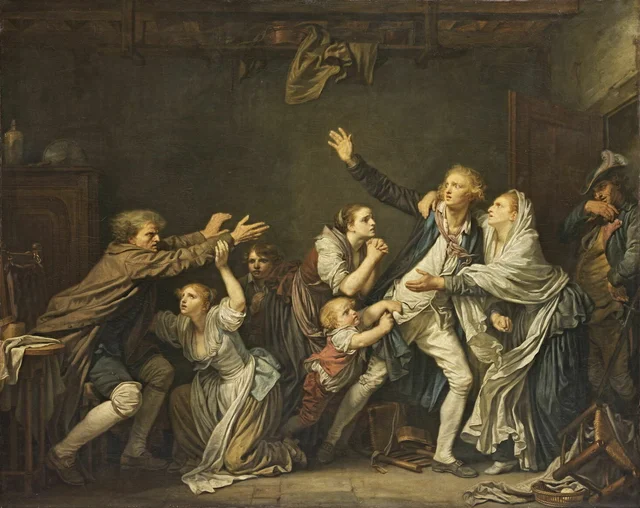 A Maldição Paterna - O Filho IngratoJean-Baptiste Greuze, 1777
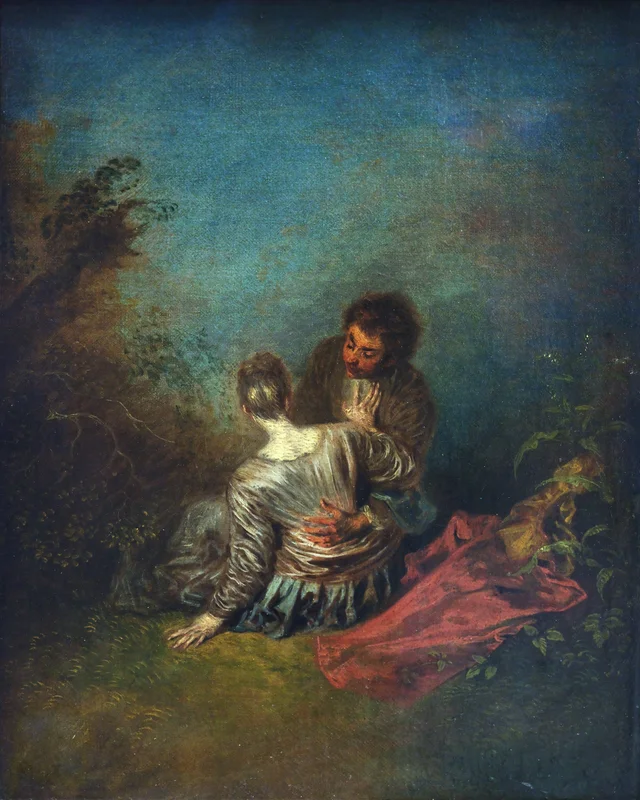 O Passo em FalsoJean-Antoine Watteau, 1717
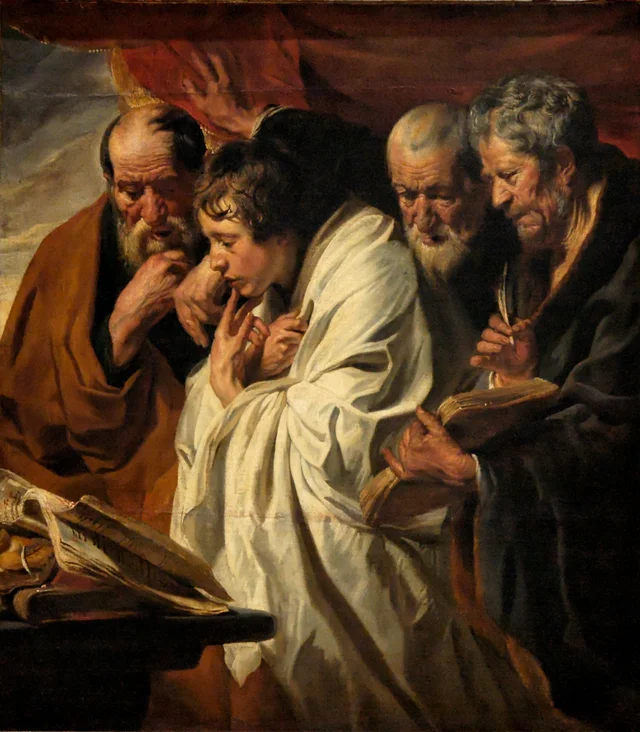 Os Quatro EvangelistasJacob Jordaens, 1625
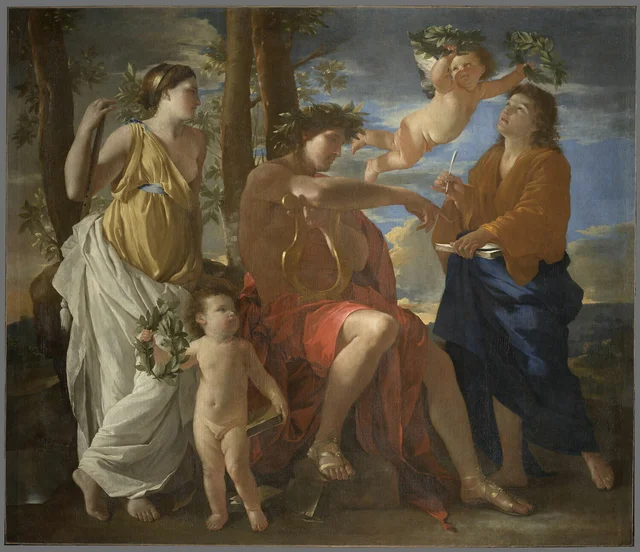 A Inspiração do PoetaNicolas Poussin, 1629
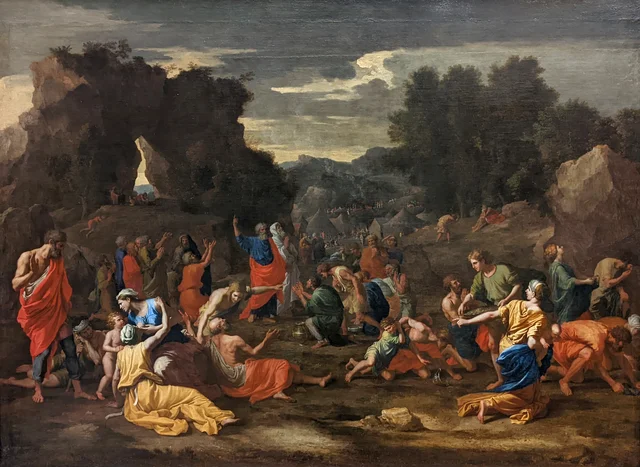 Os Israelitas Recolhendo o Maná no DesertoNicolas Poussin, 1638
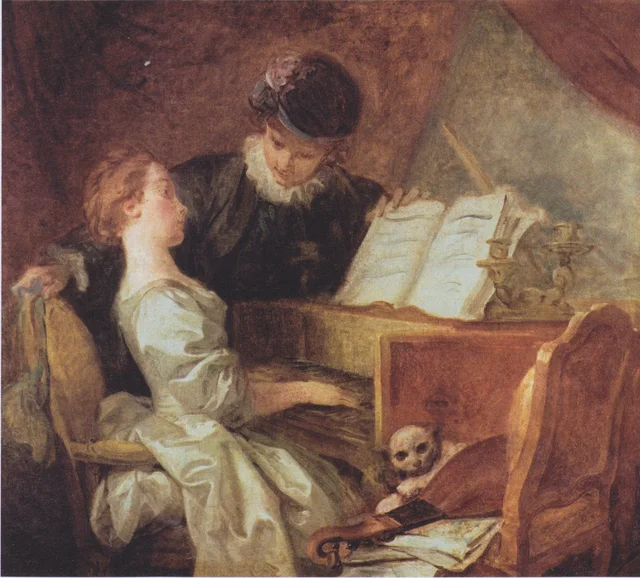 A lição de músicaJean-Honoré Fragonard, 1770
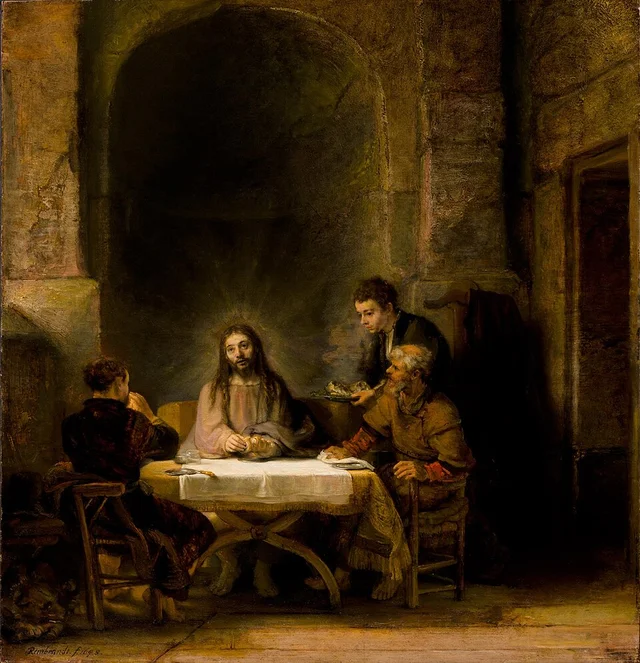 Os Peregrinos de EmaúsRembrandt, 1648
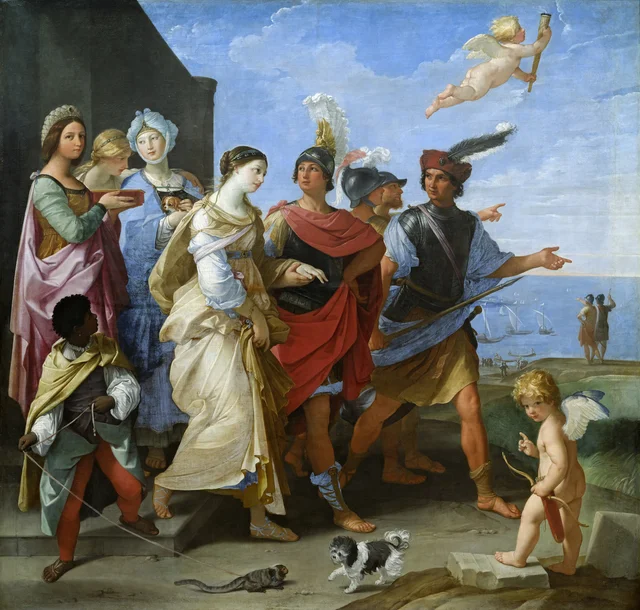 O Rapto de HelenaGuido Reni, 1631
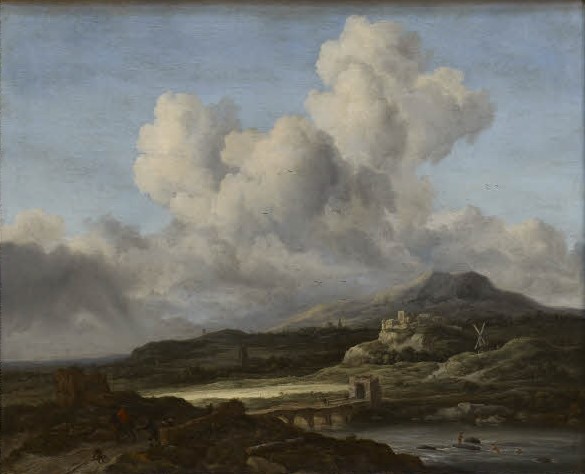 O Raio de SolJacob van Ruisdael, 1665
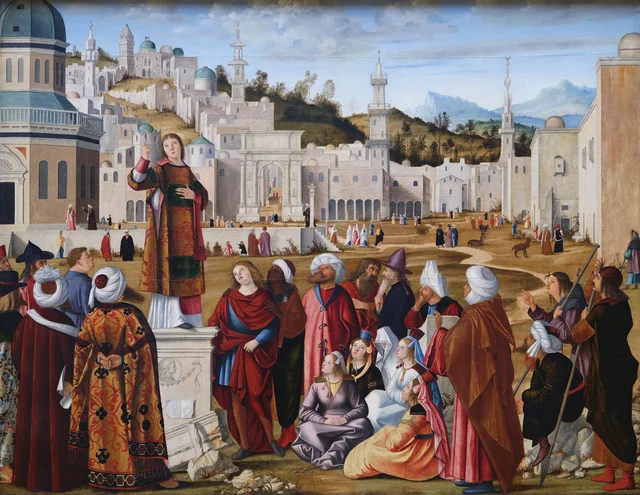 O Sermão de Santo EstêvãoVittore Carpaccio, 1514
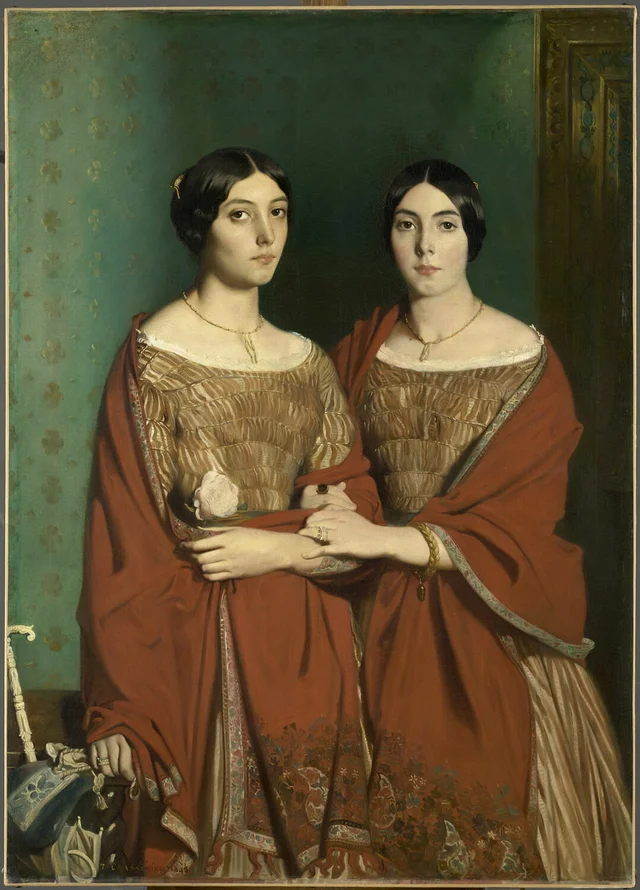 As Duas IrmãsThéodore Chassériau, 1843
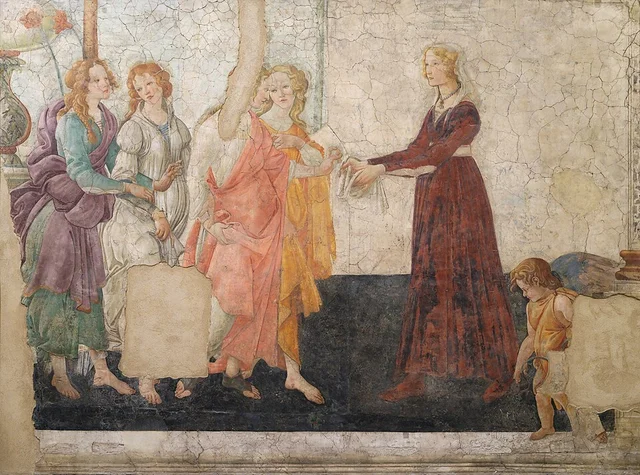 Vênus e as três Graças oferecendo presentes a Giovanna degli AlbizziSandro Botticelli, 1484
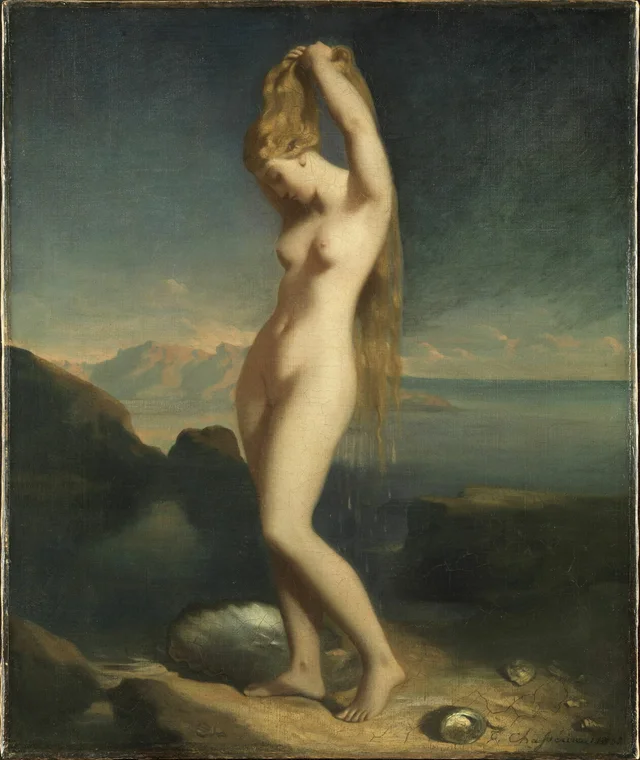 Vênus MarinhaThéodore Chassériau, 1838
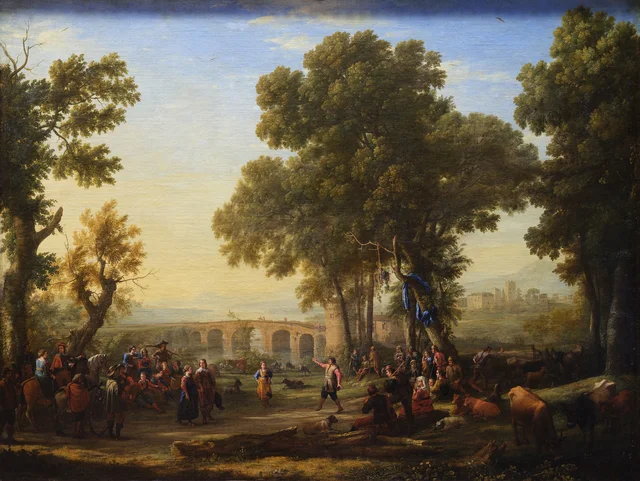 Festa na aldeiaClaude Lorrain, 1639
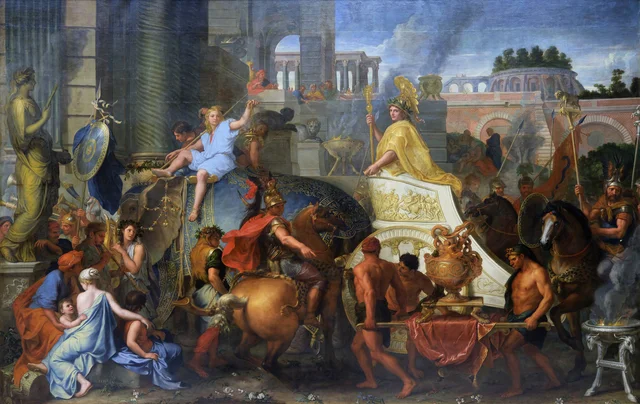 A Entrada de Alexandre na BabilôniaCharles Le Brun, 1664
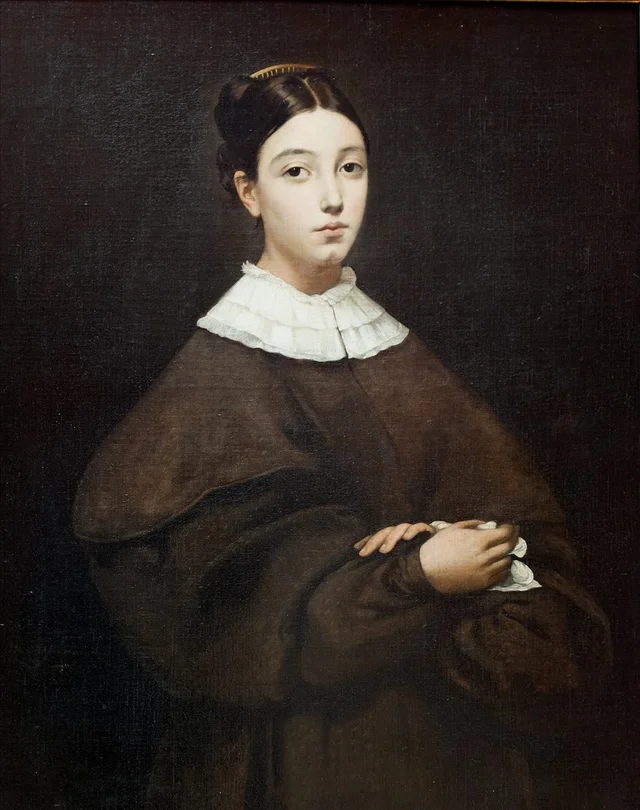 Aline ChassériauThéodore Chassériau, 1835
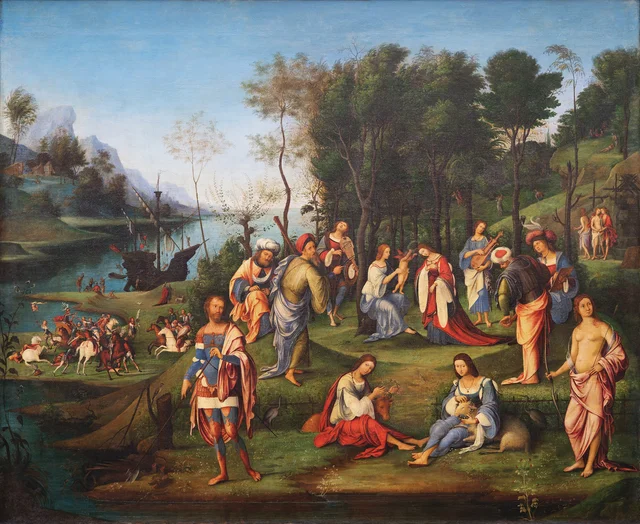 Alegoria da coroação de Isabel d'EsteLorenzo Costa, 1506
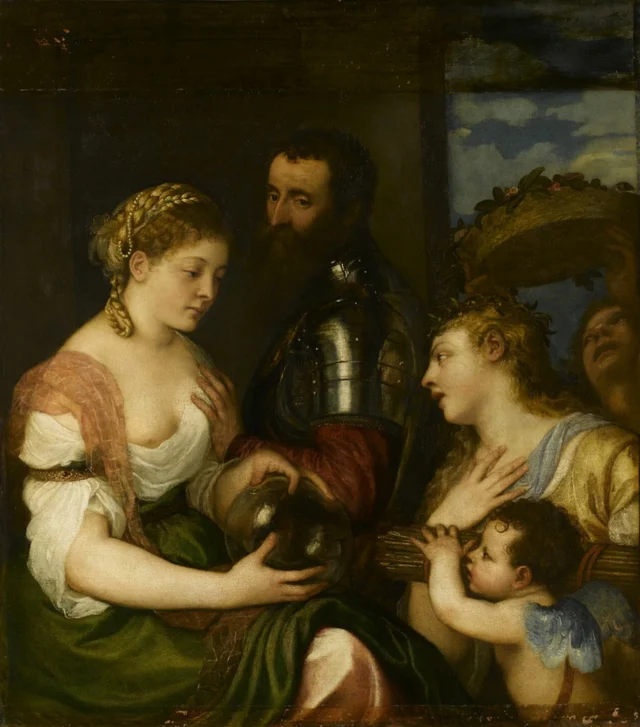 Alegoria do MatrimônioTiciano, 1532
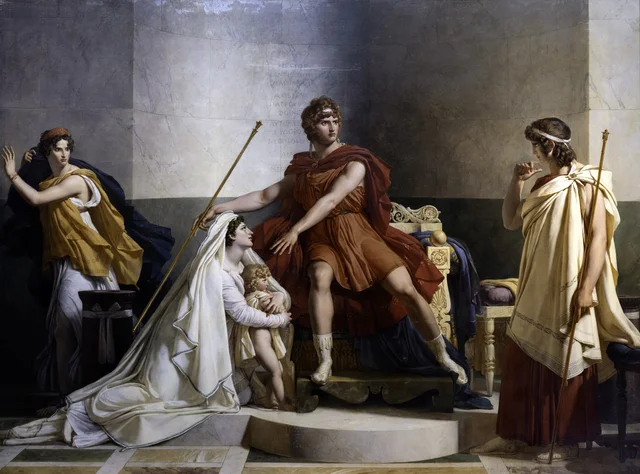 Andrômaca e PirroPierre-Narcisse Guérin, 1810
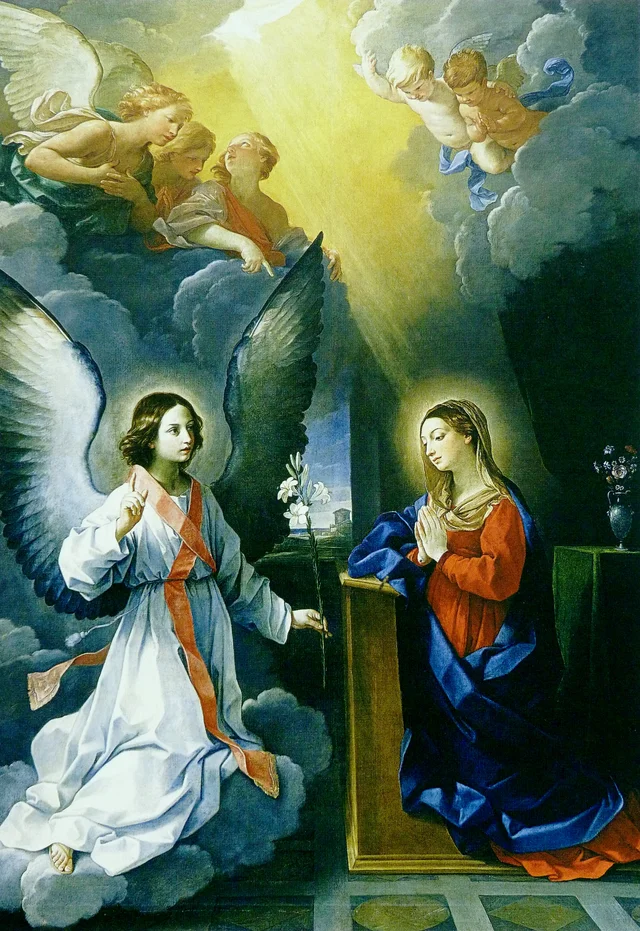 AnunciaçãoGuido Reni, 1629