A história
O Louvre começou como uma fortaleza. Filipe II a ergueu na margem direita do Sena por volta de 1190 para guardar a Paris medieval, e ao longo dos séculos seguintes os reis franceses a reconstruíram como um palácio real, até que Luís XIV mudou sua corte para Versalhes em 1682 e deixou os salões inacabados para a coleção real e os artistas ali alojados.
A Revolução o transformou em museu público. Em 10 de agosto de 1793 o Muséum central des arts abriu suas portas, mostrando a arte confiscada da coroa e da igreja a qualquer cidadão que quisesse entrar. Napoleão o encheu com os espólios de suas campanhas e por um tempo o rebatizou com o próprio nome. Muito foi devolvido depois de Waterloo, mas a ideia se manteve, a de uma coleção nacional organizada para o estudo e gratuita ao público.
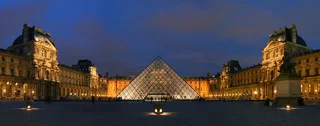
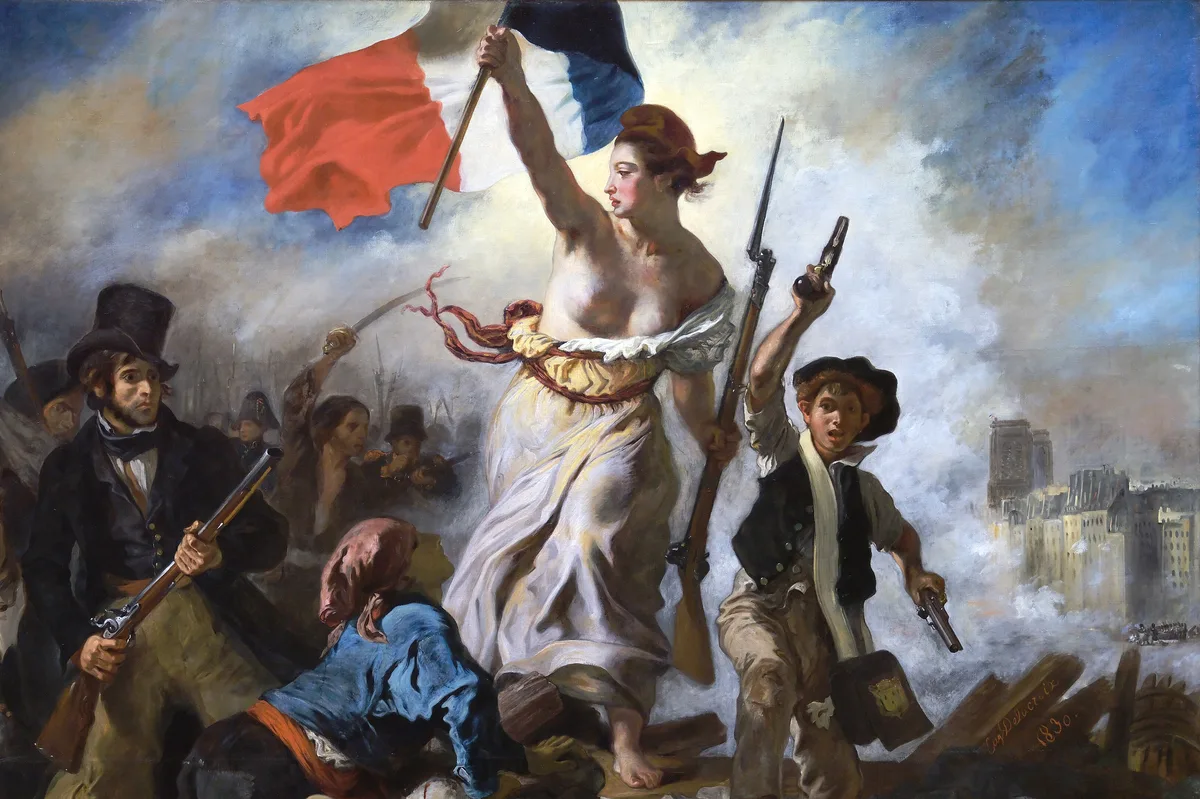
Hoje o Louvre guarda mais de 35.000 obras, da Vênus de Milo à Balsa da Medusa de Géricault. A multidão, porém, se aperta em direção a um pequeno retrato. Em agosto de 1911 ele sumiu: Vincenzo Peruggia, um faz-tudo italiano que trabalhara no museu, tirou a Mona Lisa de Leonardo da parede e a levou embora sob o casaco. Por dois anos a moldura ficou vazia enquanto os visitantes vinham olhar o vão, e a pintura só voltou em 1913, depois que Peruggia tentou vendê-la a um negociante em Florença. A pirâmide de vidro de I. M. Pei, instalada no pátio em 1989, marca hoje a entrada.
Mais artigos
Acervo
1.174 obras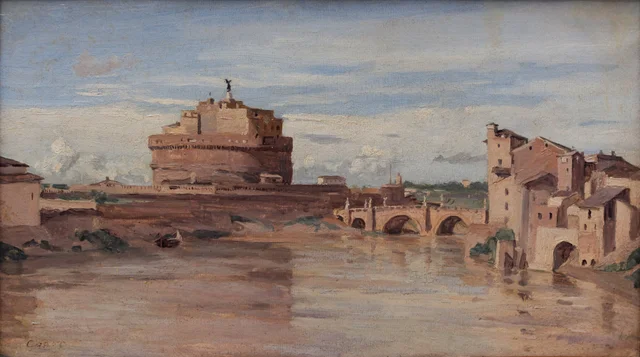 Castel Sant'Angelo e o TibreJean-Baptiste Camille Corot, 1826
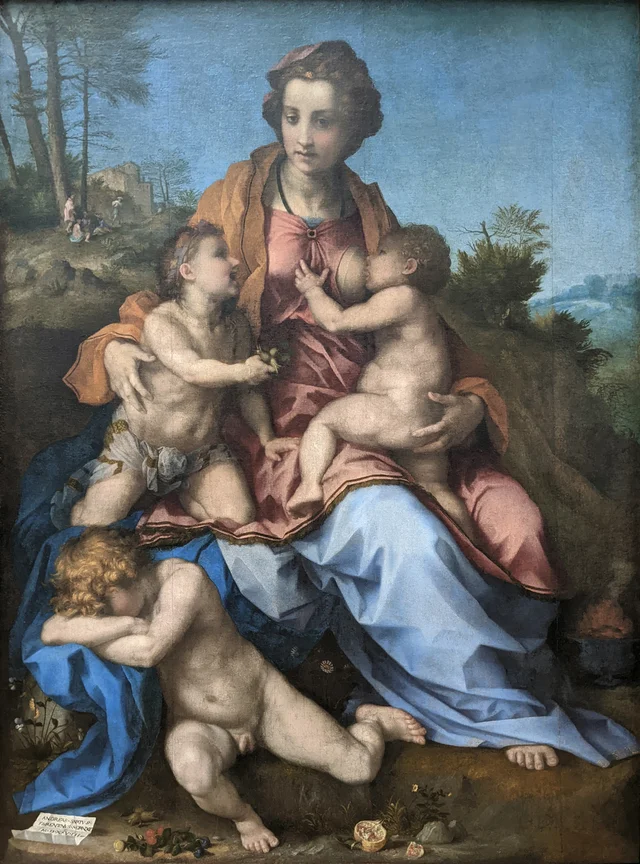 A CaridadeAndrea del Sarto, 1518
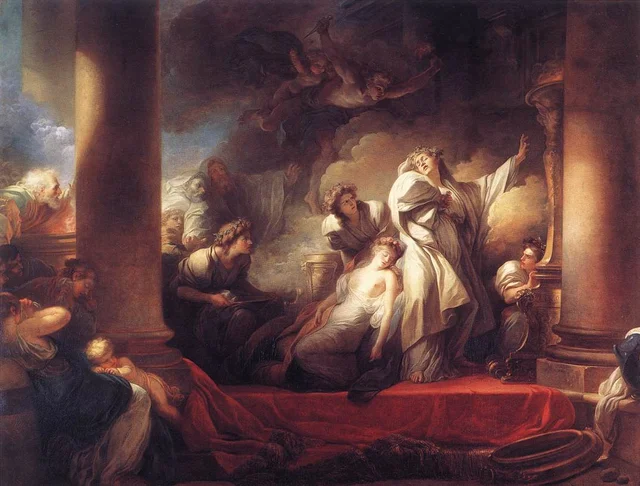 Corésio sacrificando-se para salvar CalírroeJean-Honoré Fragonard, 1765
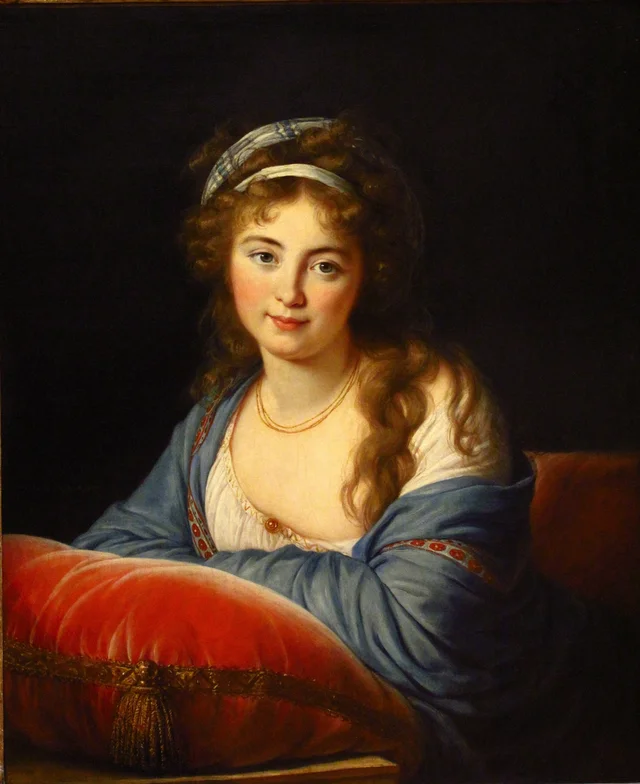 A condessa Ekaterina Vassílievna SkavrónskaiaÉlisabeth Louise Vigée Le Brun, 1796
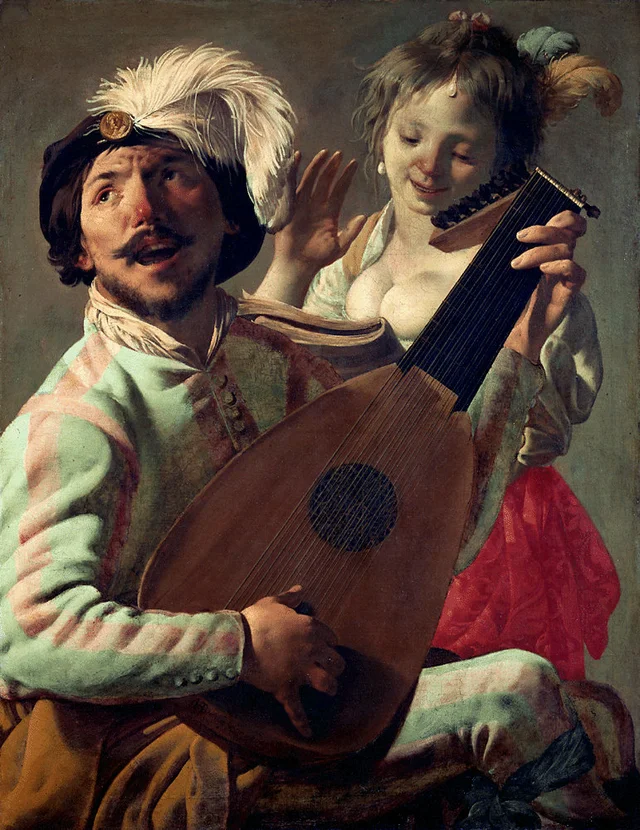 DuetoHendrick ter Brugghen, 1628
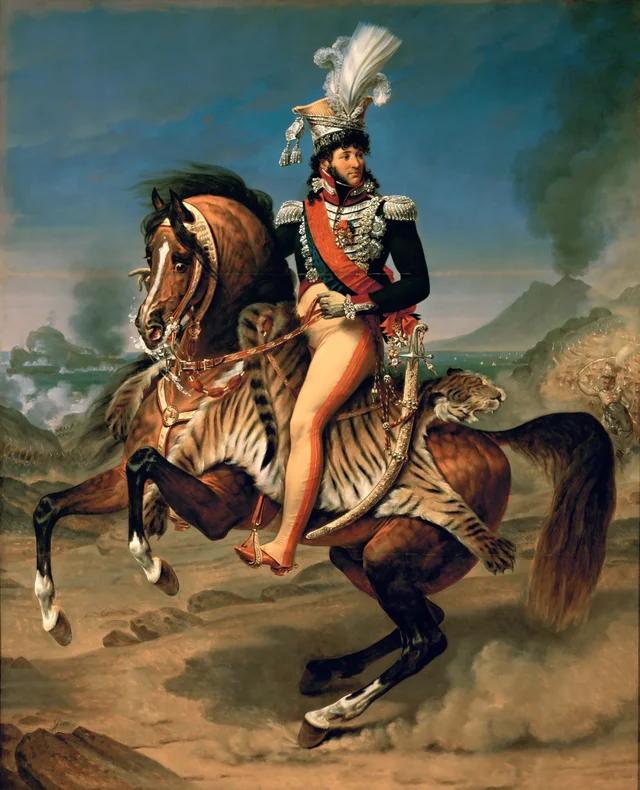 Retrato Equestre de Joachim MuratAntoine-Jean Gros, 1812
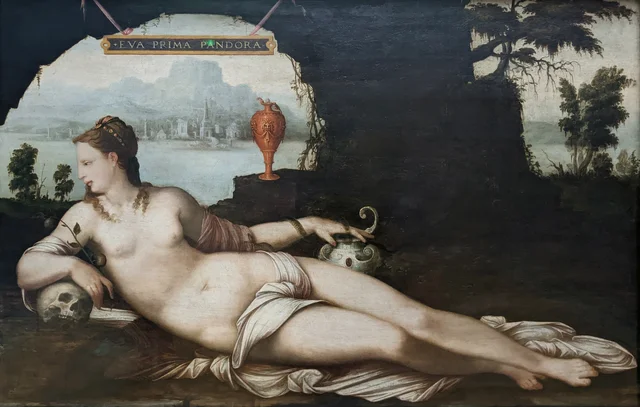 Eva Prima PandoraJean Cousin, 1550
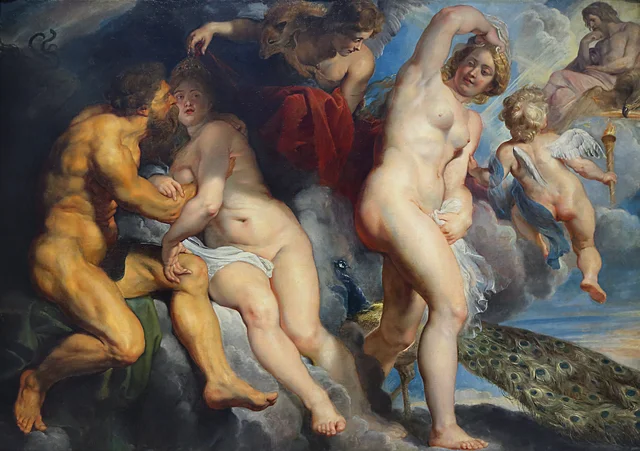 Ixíon, rei dos lápitas, enganado por Juno, a quem desejava seduzirPedro Paulo Rubens, 1615
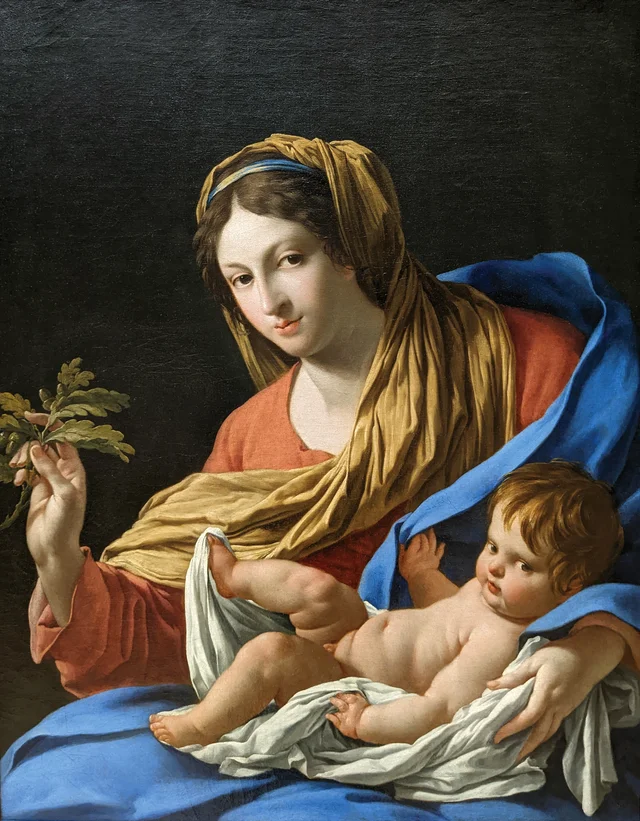 Virgem com o MeninoSimon Vouet, 1640
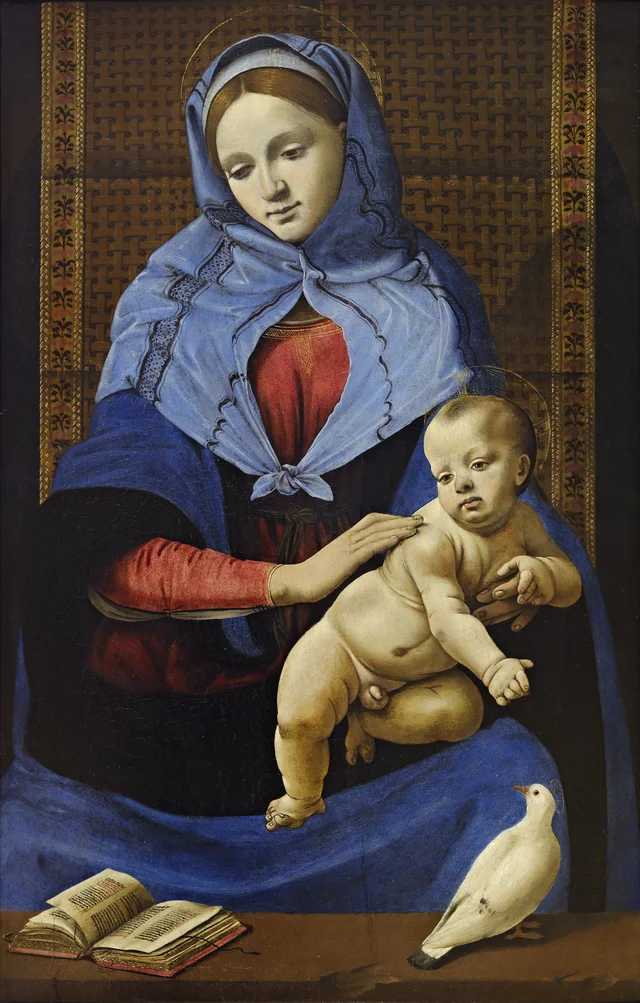 Madona com o Menino e uma PombaPiero di Cosimo, 1490
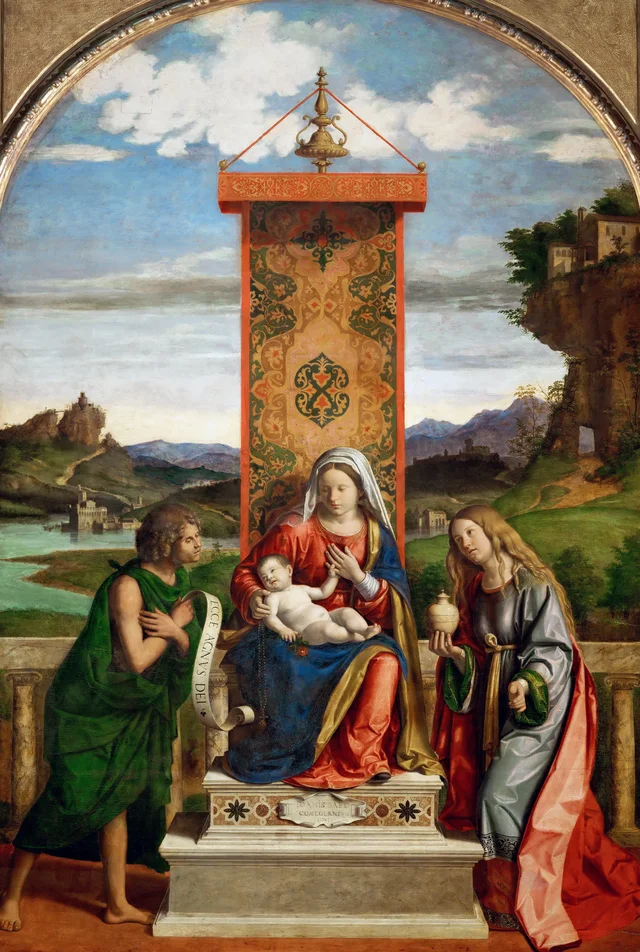 Madona com o Menino, São João Batista e Maria MadalenaGiovanni Battista Cima da Conegliano, 1511
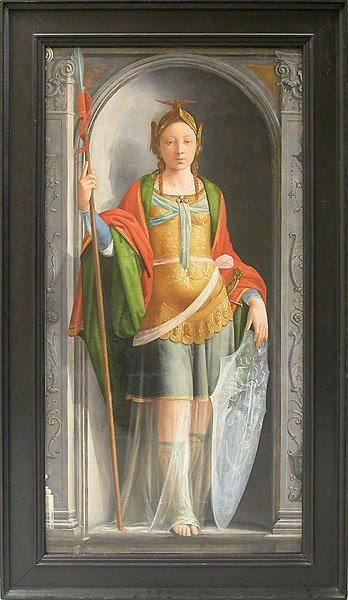 MinervaFra Bartolomeo, 1490
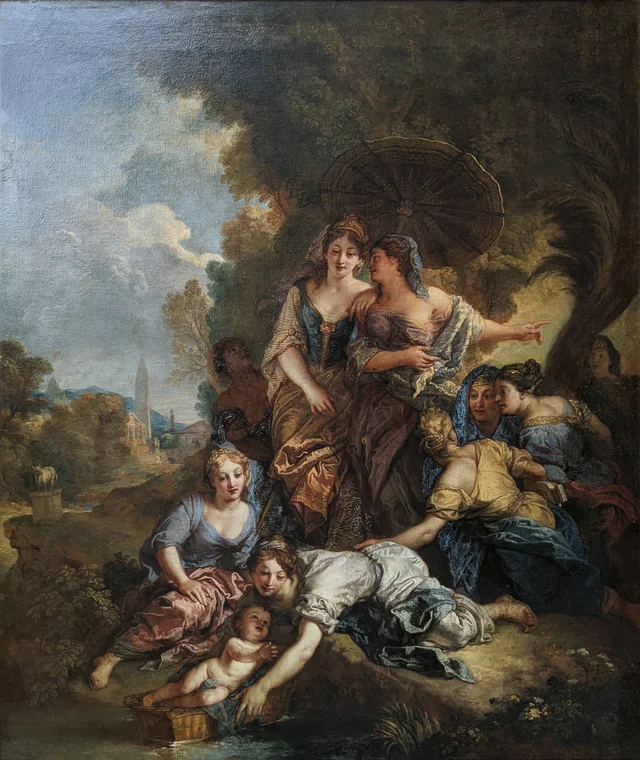 Moisés Salvo das ÁguasCharles de La Fosse, 1701
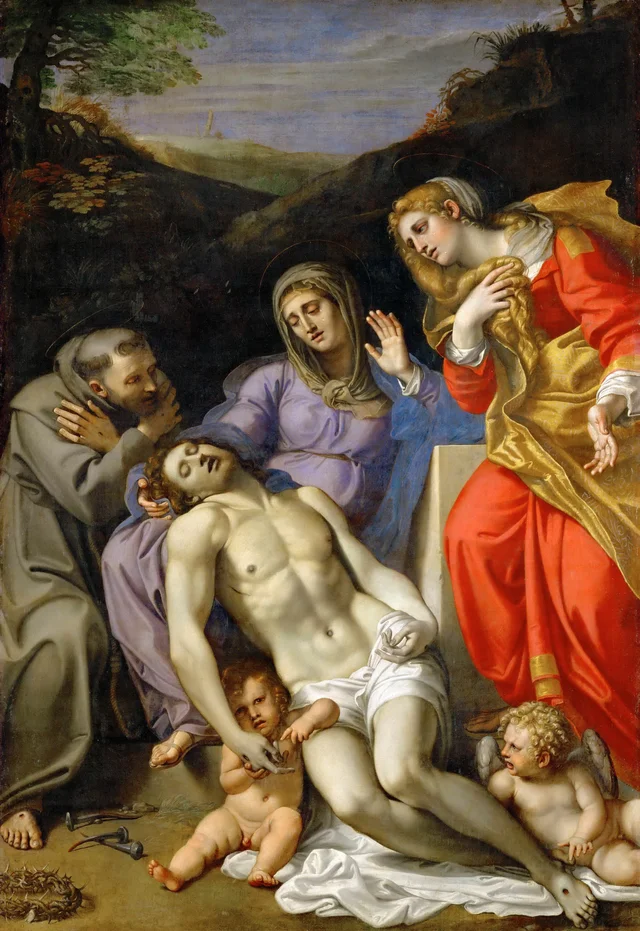 Pietà com são Francisco e santa Maria MadalenaAnnibale Carracci, 1602
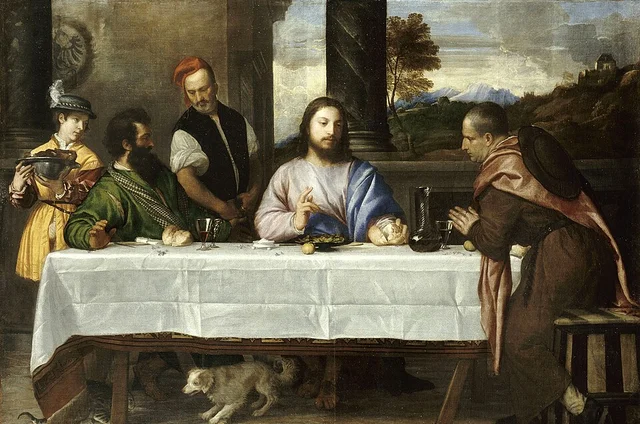 Os Peregrinos de EmaúsTiciano, 1533
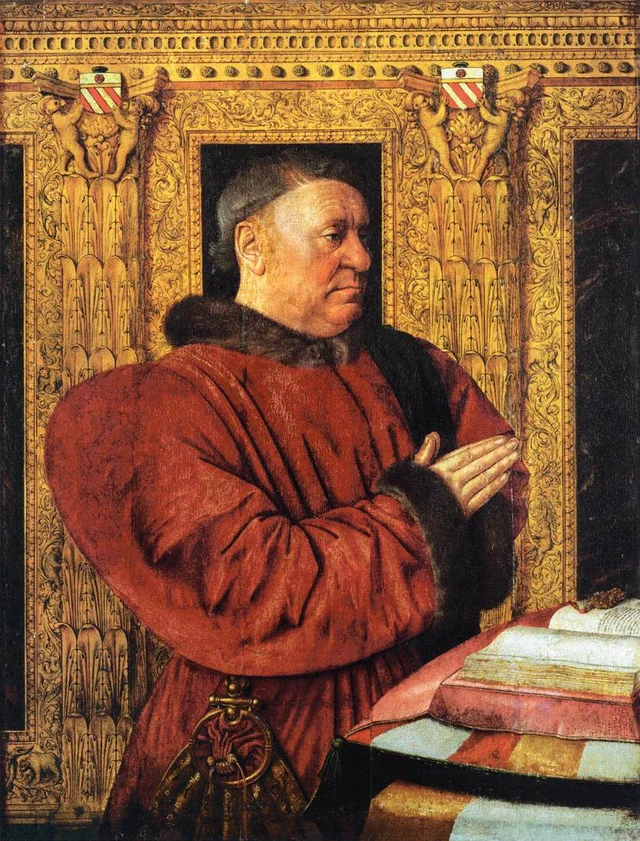 Retrato de Guillaume Jouvenel des UrsinsJean Fouquet, 1460
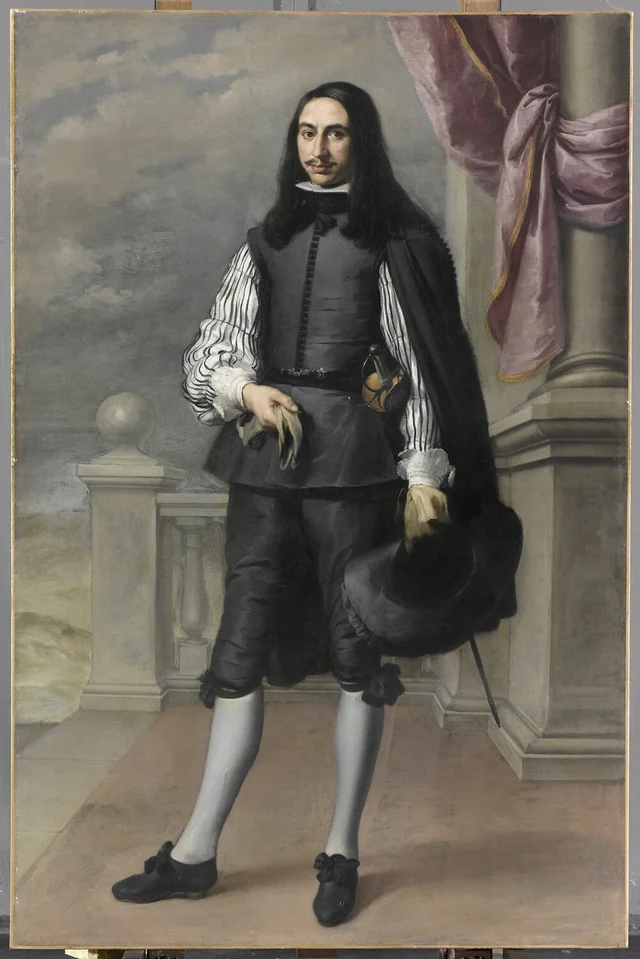 Retrato de Íñigo Fernández de VelascoBartolomé Esteban Murillo, 1659
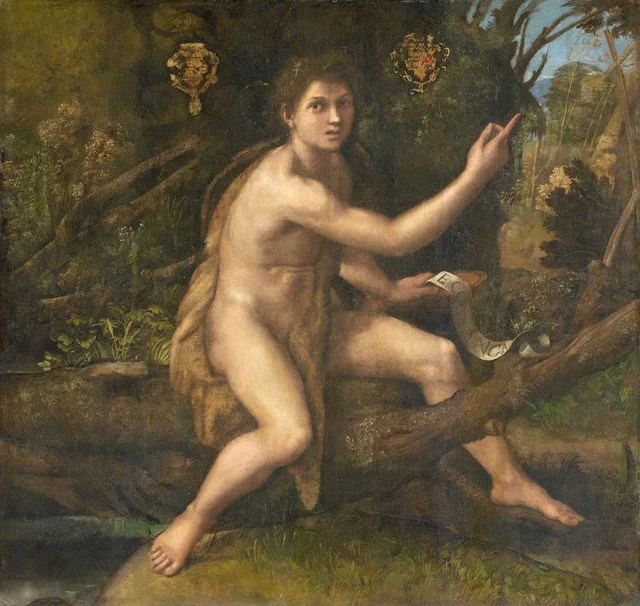 São João Batista no desertoRafael, 1516
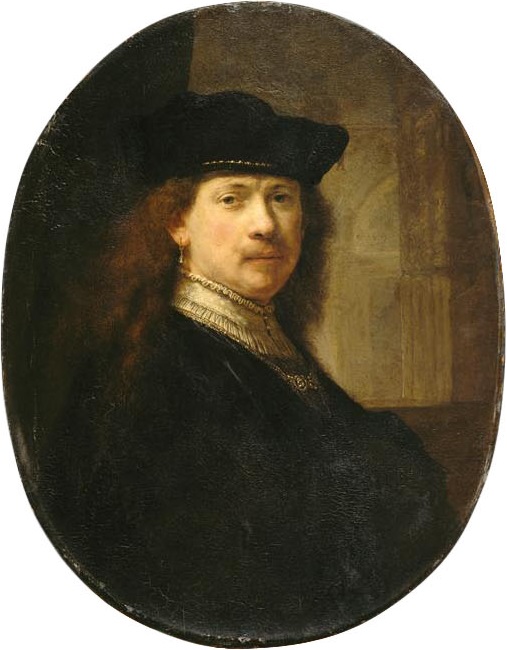 Autorretrato com elementos arquitetônicos ao fundoRembrandt, 1639
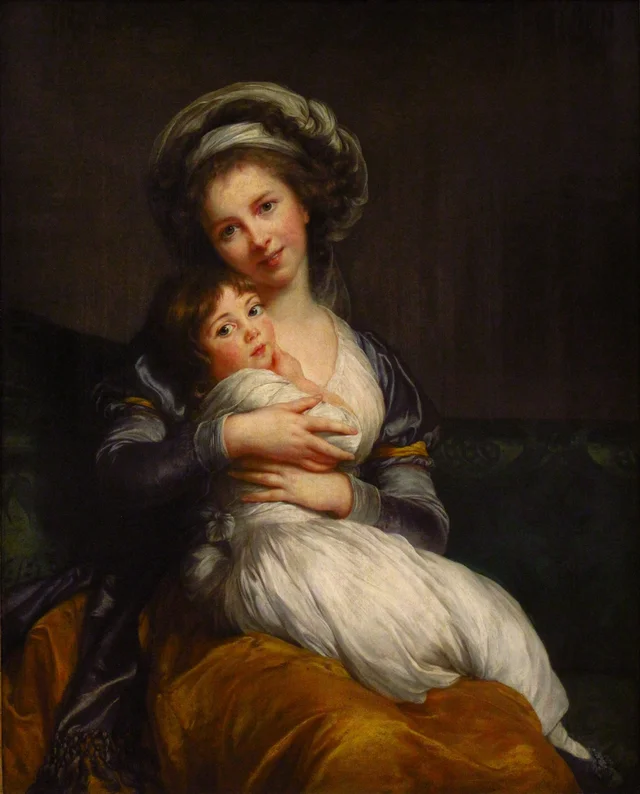 Autorretrato com sua filha JulieÉlisabeth Louise Vigée Le Brun, 1786
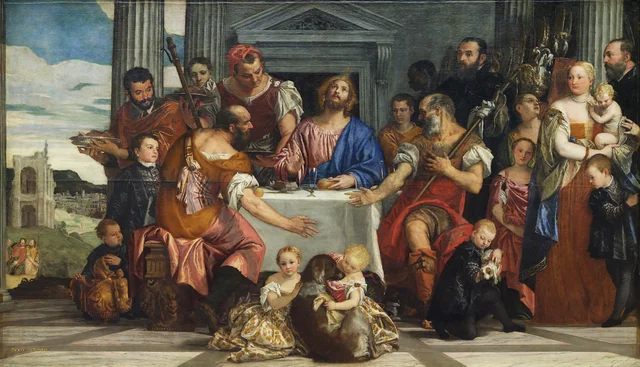 A Ceia em EmaúsPaolo Veronese, 1559
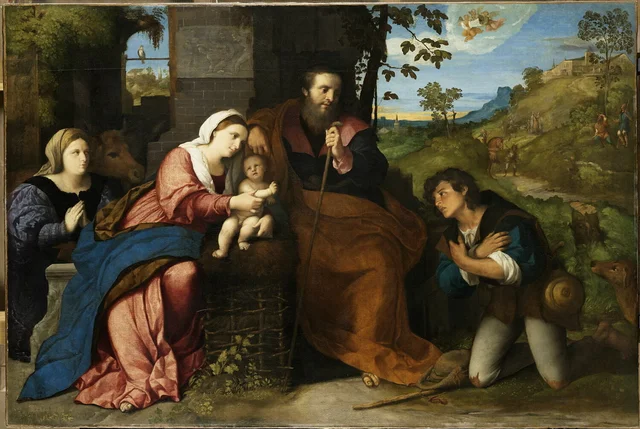 A Adoração dos Pastores com um DoadorPalma, o Velho, 1520
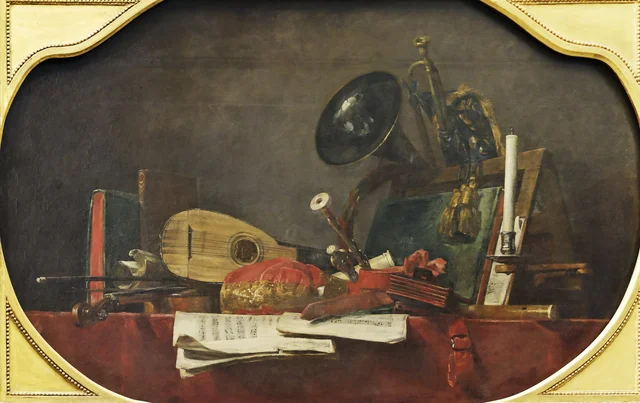 Os atributos da músicaJean-Baptiste-Siméon Chardin, 1765
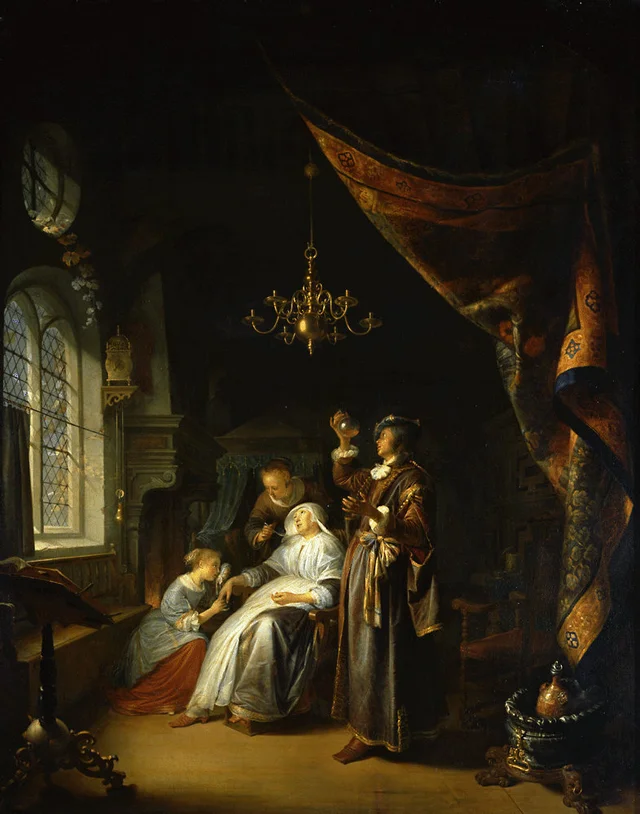 A Mulher HidrópicaGerrit Dou, 1663
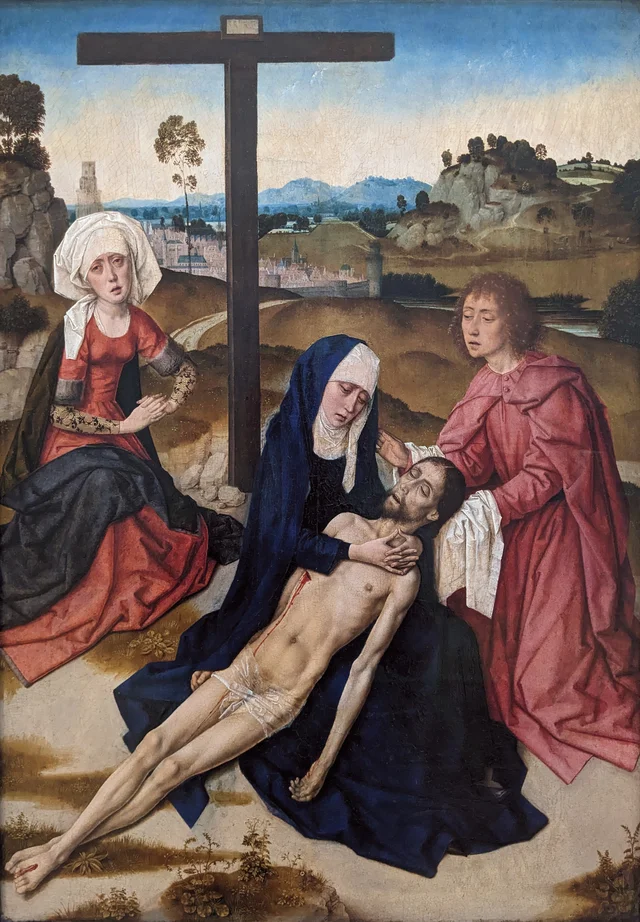 A Lamentação sobre Cristo MortoDieric Bouts, 1460