A história
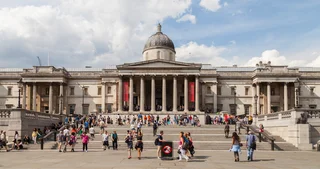
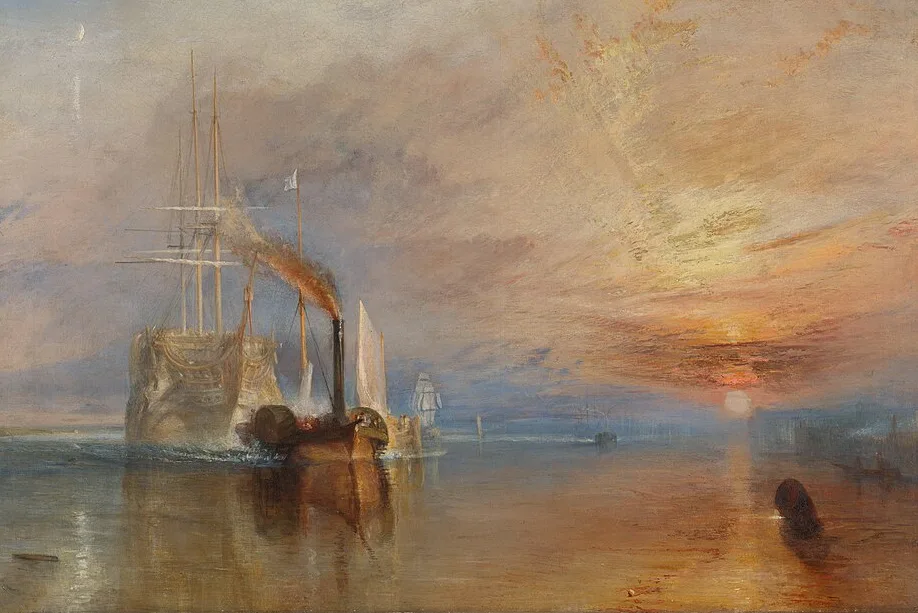
Depois de estourar a guerra, e com a invasão prevista para 1940, os quadros da National Gallery foram levados para longe de Londres. No verão de 1941 já estavam escondidos numa mina de ardósia nas montanhas do norte do País de Gales. Alguém sugerira embarcá-los para o Canadá, e Churchill respondeu: escondam-nos em cavernas e porões, mas nenhum quadro deixará esta ilha. No fundo da pedreira de Manod, em câmaras de tijolo construídas para manter estáveis a umidade e a temperatura, o Retrato de Arnolfini de van Eyck e O Temerário de Turner esperaram o fim da Blitz, enquanto a pianista Myra Hess dava concertos ao meio-dia nas galerias esvaziadas de volta em Londres.
A galeria nasceu pública. Começou em 1824, quando o Parlamento comprou 38 pinturas do banqueiro John Julius Angerstein, e foi implantada de propósito na Trafalgar Square, no centro de Londres, para que um caixeiro ou um carroceiro chegasse a ela tão facilmente quanto um lorde. Sua coleção permanente continua gratuita.
Durante a guerra, a equipe seguiu trazendo obras-primas isoladas de volta do País de Gales, uma de cada vez, para expô-las no edifício vazio como uma Pintura do Mês, para uma cidade sob bombardeio. As mesmas salas guardam hoje o Díptico Wilton, os Girassóis de Van Gogh e A Carroça de Feno de Constable, abertas a quem quer que suba os degraus a partir da praça.
Mais artigos
Acervo
648 obras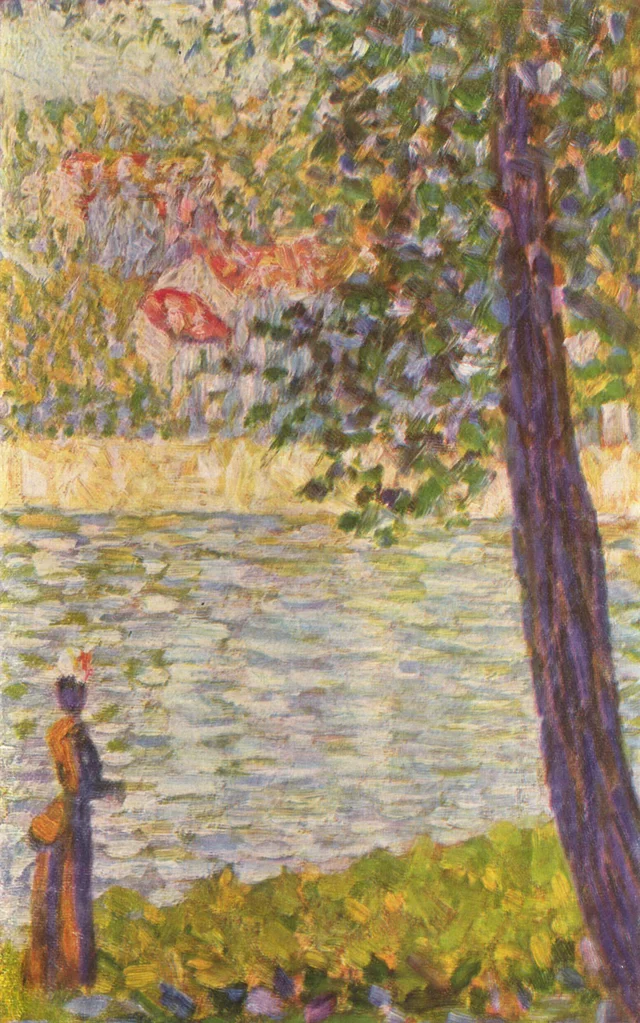 O Passeio MatinalGeorges Seurat, 1884
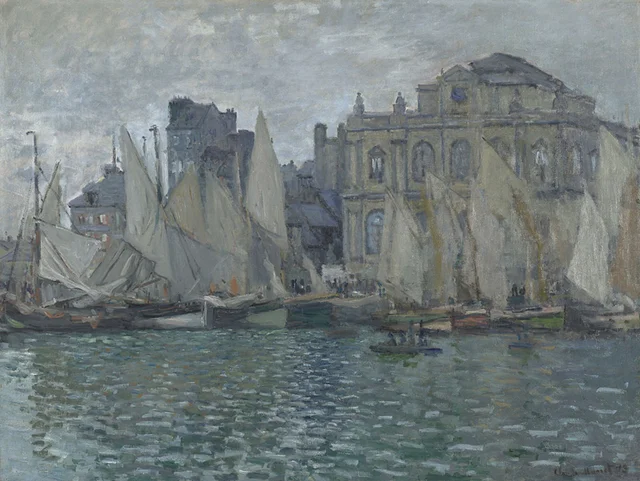 O Museu de Le HavreClaude Monet, 1873
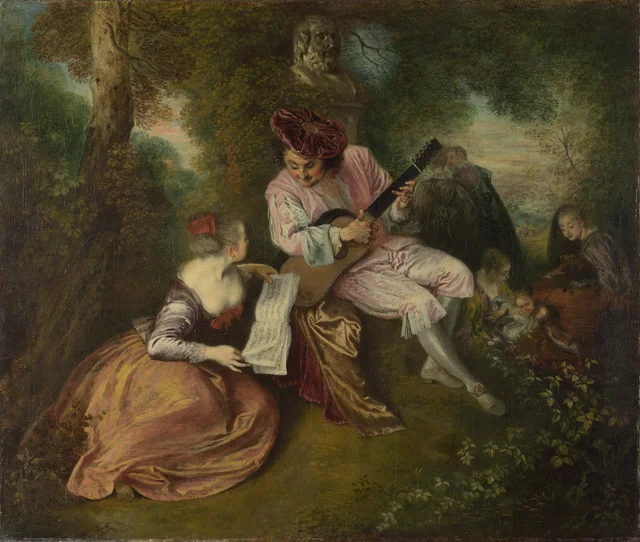 A Escala do AmorJean-Antoine Watteau, 1717
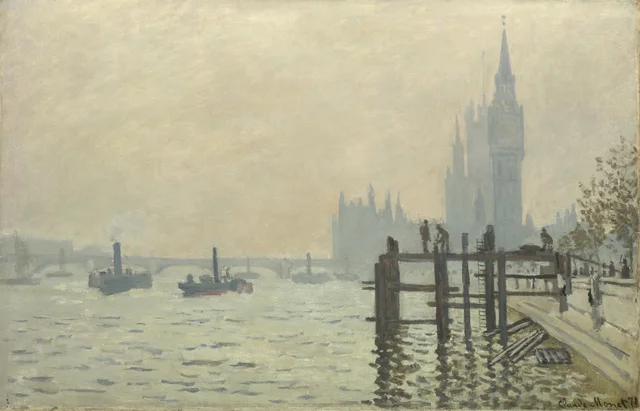 O Tâmisa abaixo de WestminsterClaude Monet, 1871
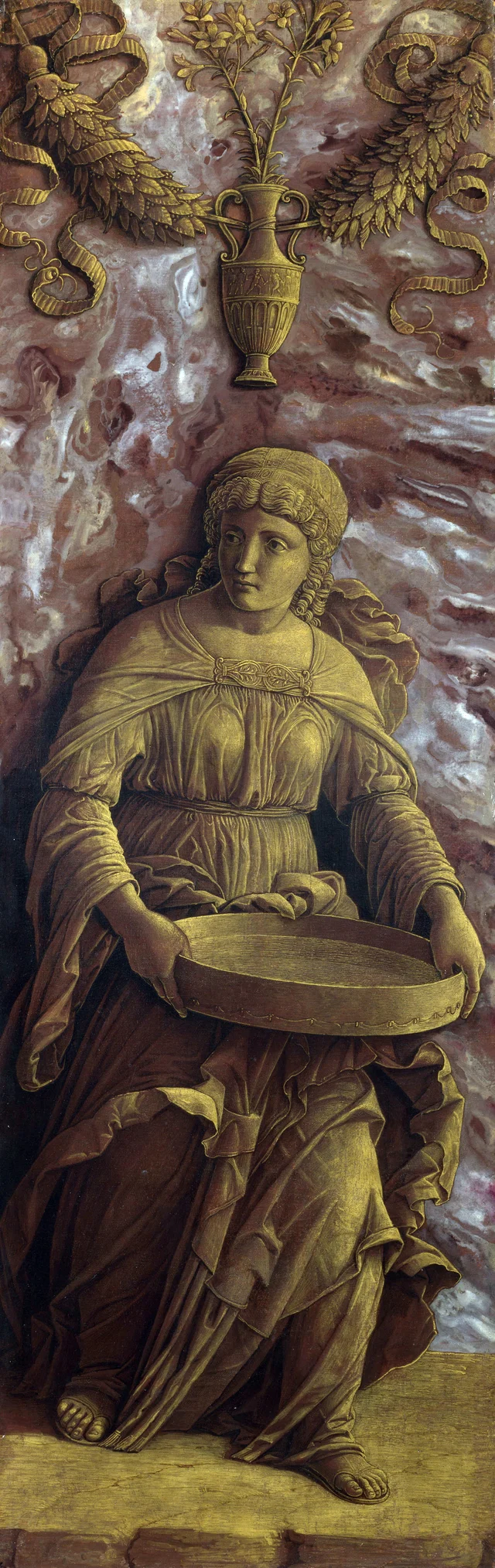 A vestal Tuccia com a peneiraAndrea Mantegna, 1495
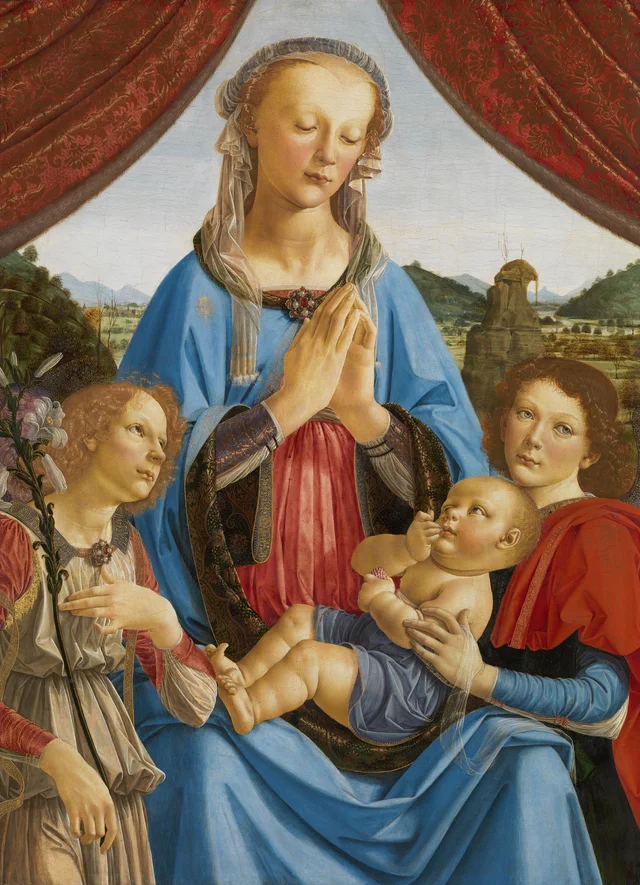 A Virgem e o Menino com dois anjosAndrea del Verrocchio, 1476
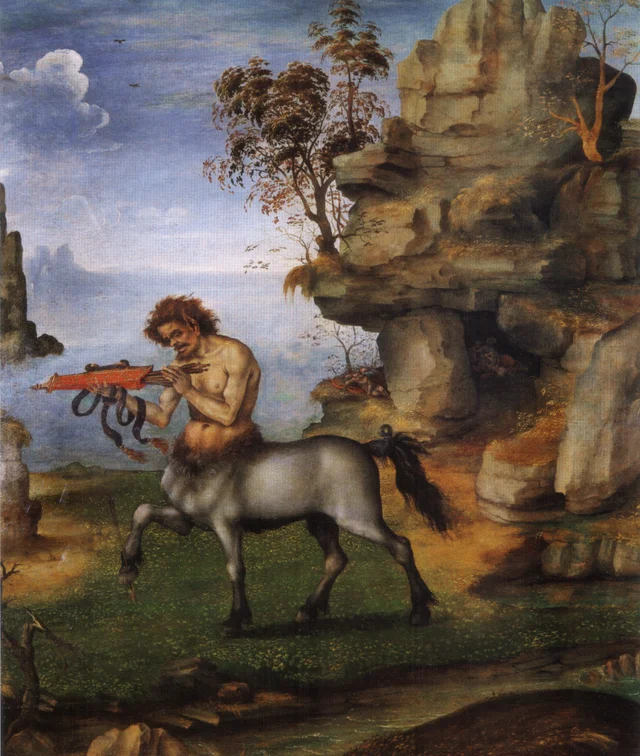 O Centauro ferido (verso: o Nascimento de Vênus?)Filippino Lippi, 1495
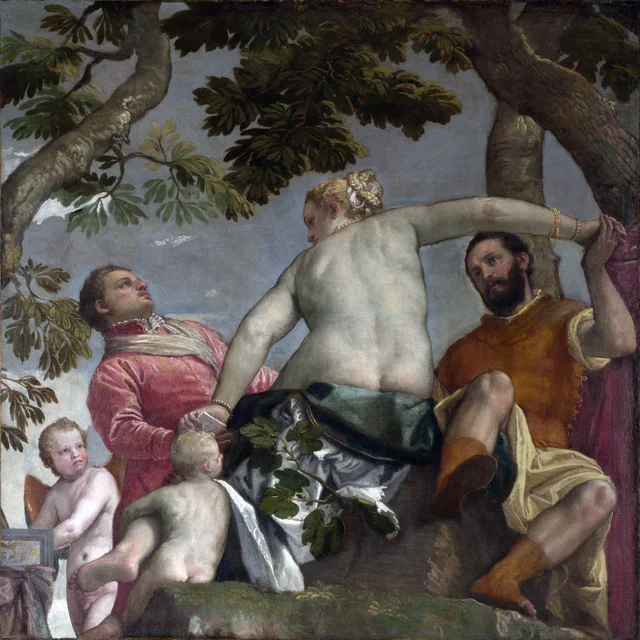 InfidelidadePaolo Veronese, 1575
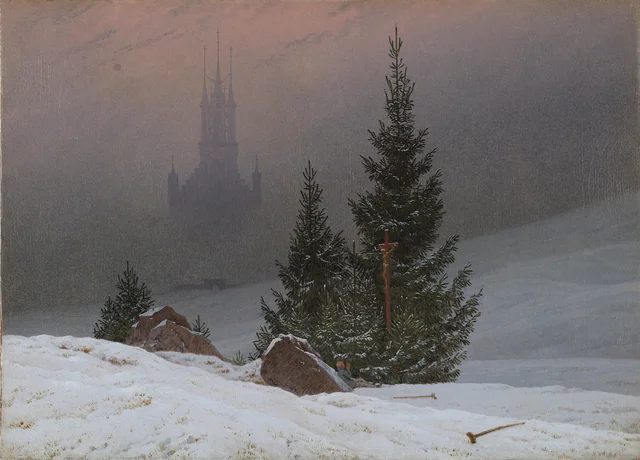 Paisagem de invernoCaspar David Friedrich, 1811
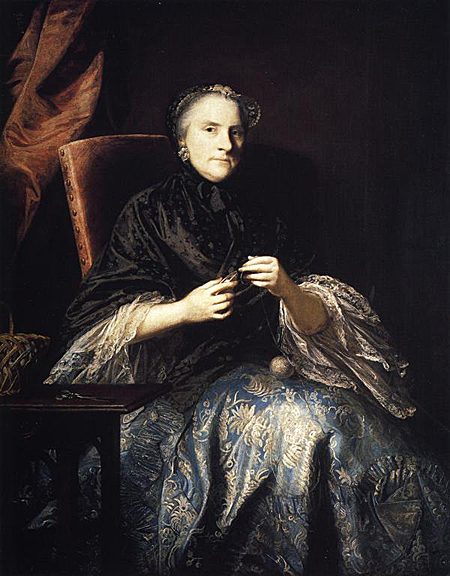 Anne, 2ª Condessa de AlbemarleJoshua Reynolds, 1760
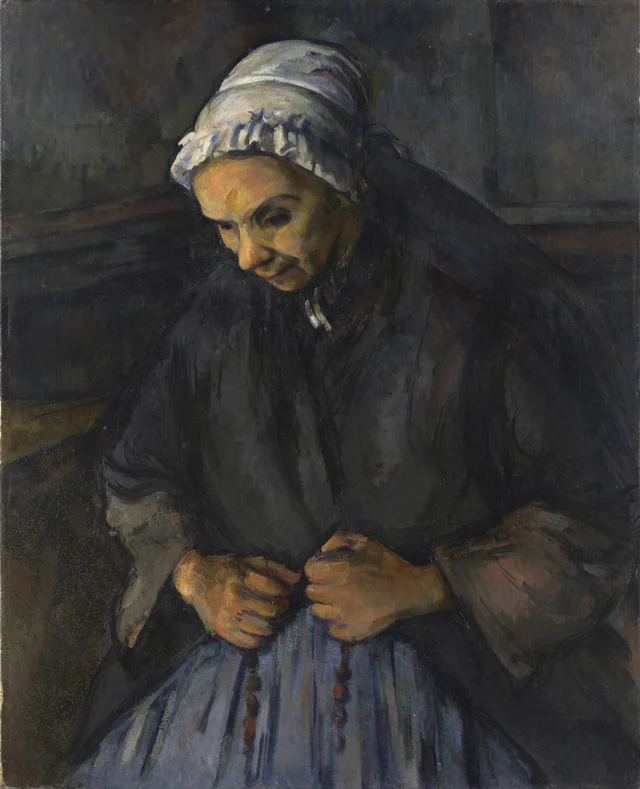 Velha com rosárioPaul Cézanne, 1895
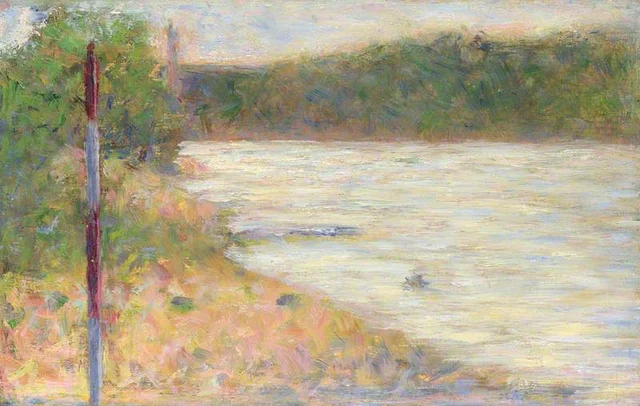 Uma margem do rio (o Sena em Asnières)Georges Seurat, 1883
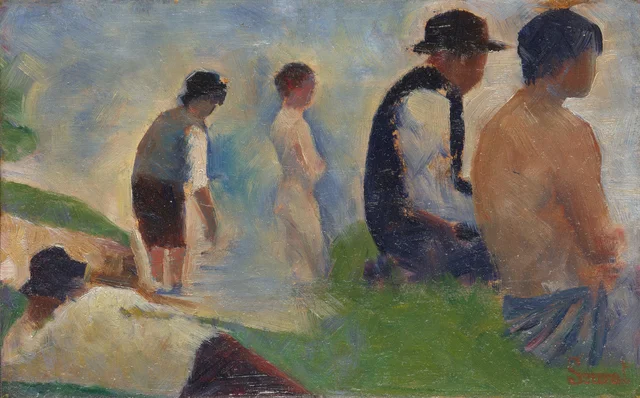 Banhistas em Asnières (estudo II)Georges Seurat, 1883
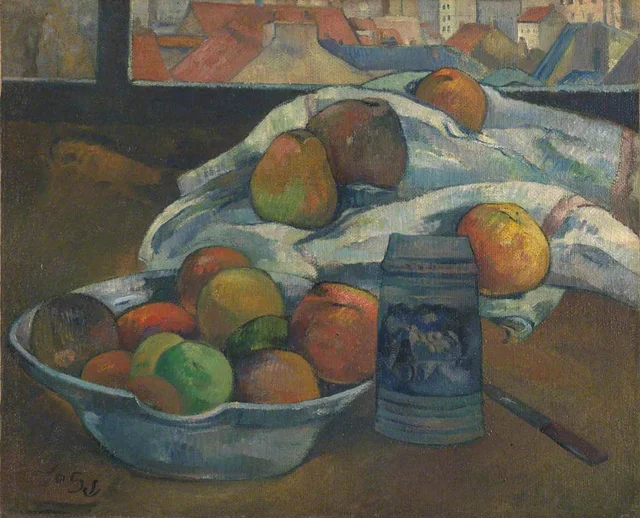 Tigela de frutas e caneca diante de uma janelaPaul Gauguin, 1890
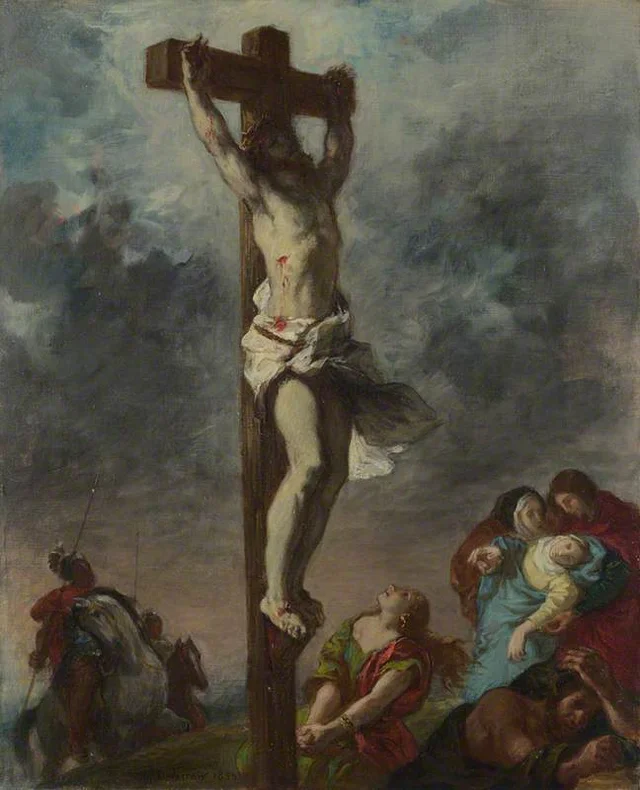 Cristo na cruzEugène Delacroix, 1853
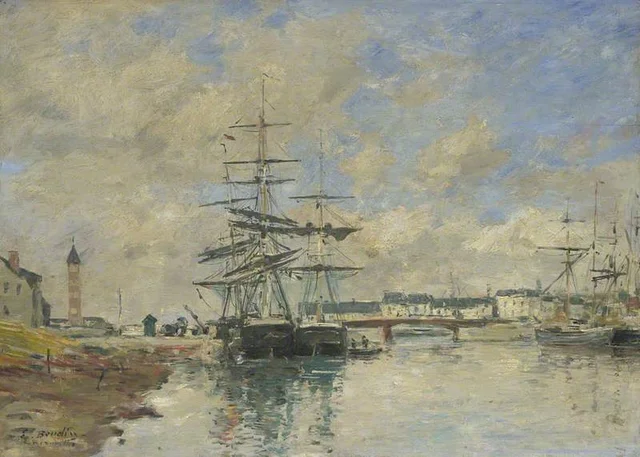 O porto de DeauvilleEugène Louis Boudin, 1889
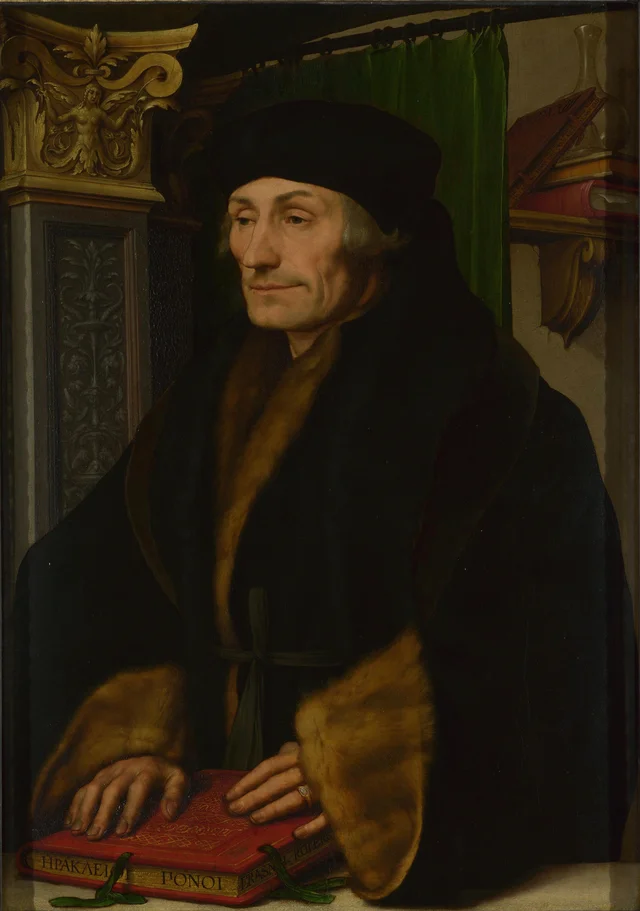 ErasmoHans Holbein, o Jovem, 1523
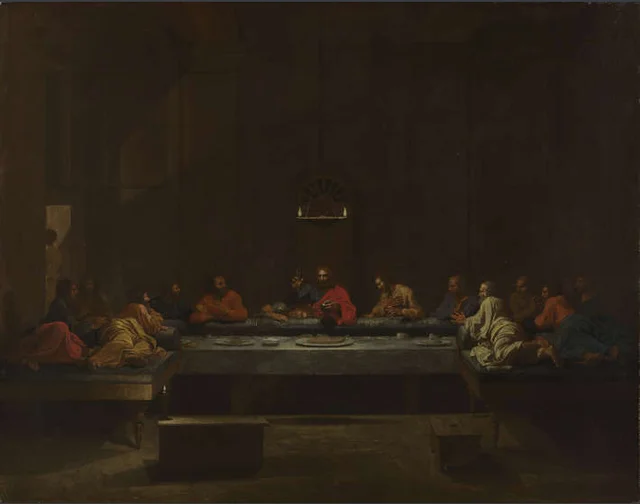 A EucaristiaNicolas Poussin, 1638
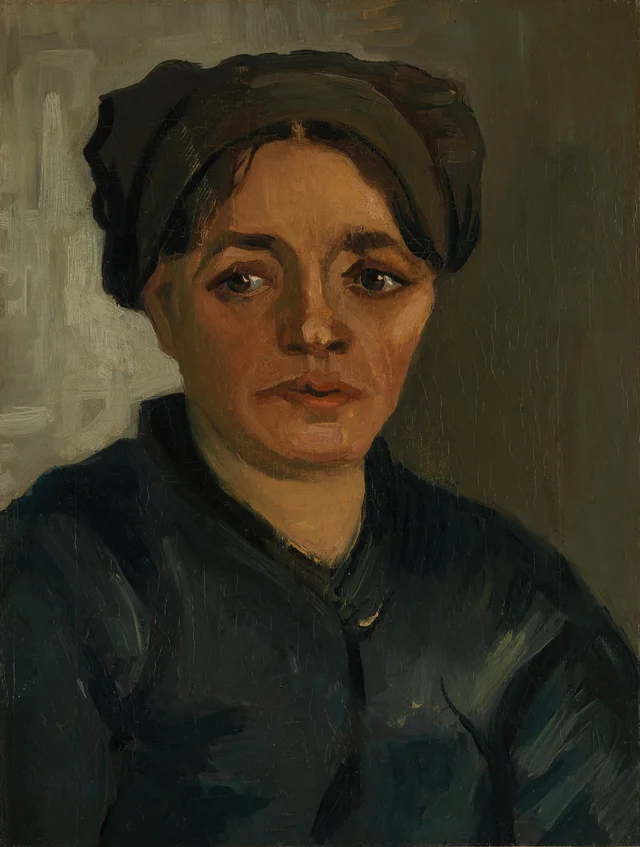 Cabeça de camponesaVincent van Gogh, 1885
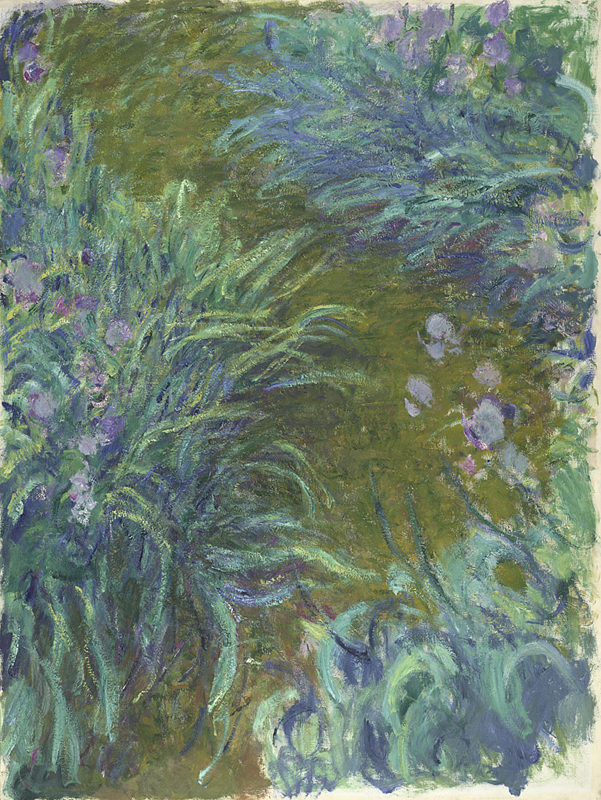 ÍrisClaude Monet, 1915
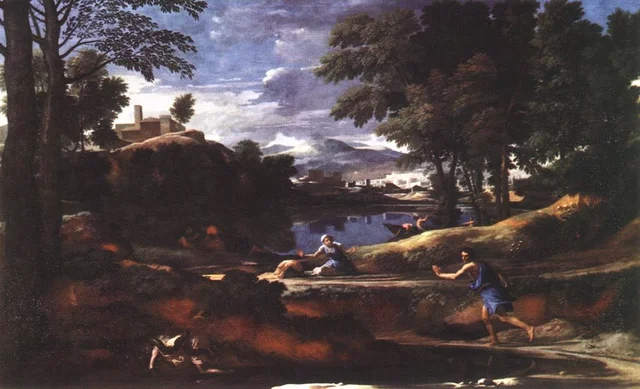 Paisagem com um homem morto por uma cobraNicolas Poussin, 1648
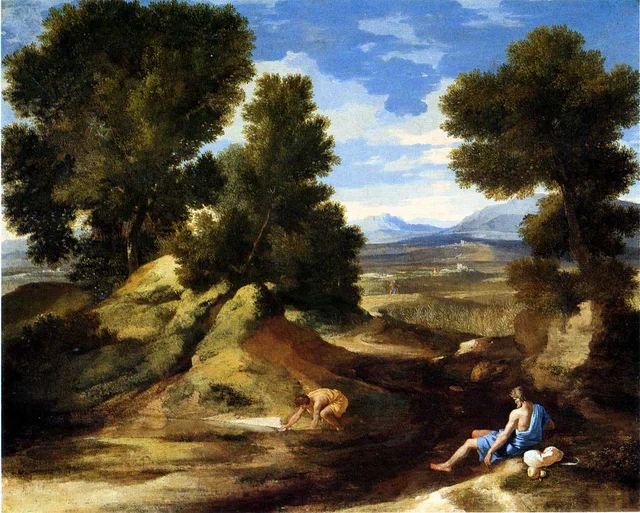 Paisagem com um homem tirando água de um riachoNicolas Poussin, 1637
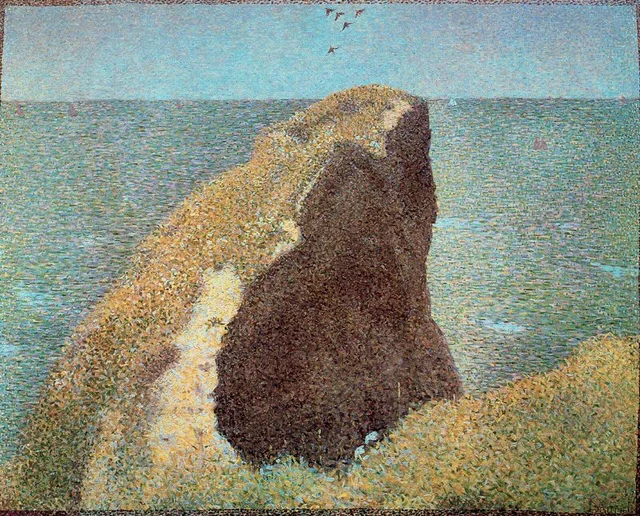 Le Bec du Hoc, GrandcampGeorges Seurat, 1885
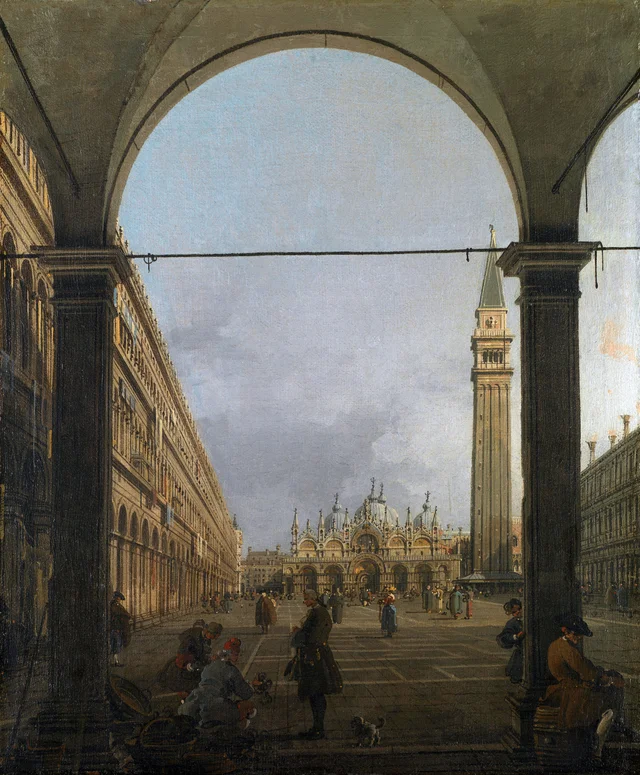 Piazza San Marco vista para o leste a partir do canto noroesteCanaletto, 1758
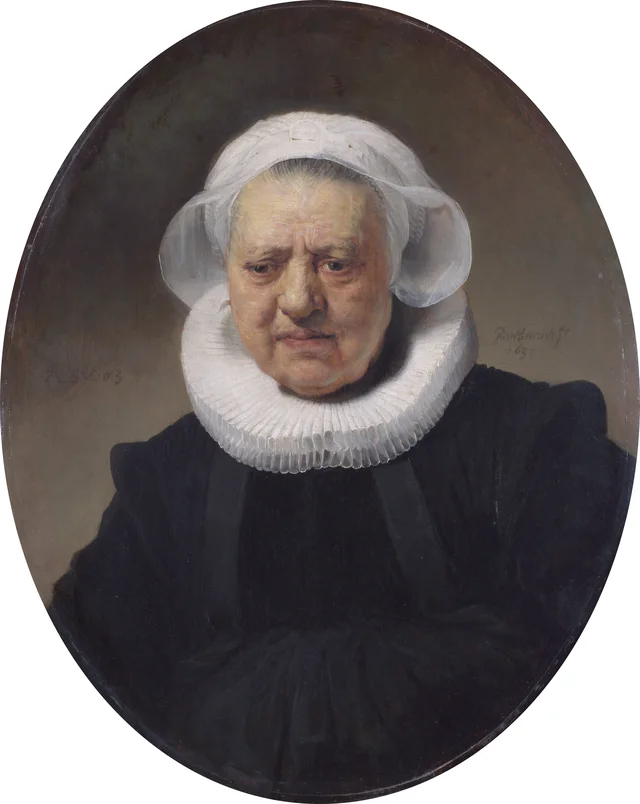 Retrato de Aechje Claesdr.Rembrandt, 1634