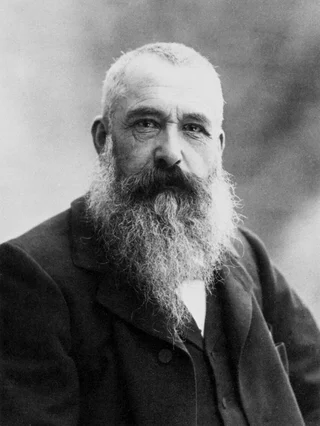
Claude Monet
1840–1926 · Frankreich · Impressionismus
Die Geschichte
Im April 1874 zeigte eine Gruppe von Malern, es leid, vom offiziellen Salon abgewiesen zu werden, ihre eigene Ausstellung im alten Atelier eines Fotografen am Boulevard des Capucines in Paris. Monet schickte eine locker gemalte Hafenszene seiner Heimatstadt Le Havre im Morgengrauen, betitelt Impression, Sonnenaufgang. Ein Kritiker griff dieses Wort auf, um den Saal zu verspotten, und der Spott blieb haften: Impressionismus. Monet war 33 und sollte die nächsten 50 Jahre damit verbringen, aus dem Spott eine Prophezeiung zu machen.
Der Reiz war immer derselbe: Licht auf einer Oberfläche, so wie es sich tatsächlich veränderte, Minute für Minute. Er malte denselben Heuhaufen, dieselbe Kathedralenfassade immer wieder, zu verschiedenen Stunden, auf der Jagd nach dem Moment, bevor er sich schon wieder verschob. 1883 mietete er ein Haus in Giverny, nordwestlich von Paris, und verwandelte dessen Grundstück in das Motiv, das er nie mehr verlassen musste: einen Teich, gespeist aus einem umgeleiteten Flussarm, mit japanischer Brücke und Seerosen. Er musste um die Wasserrechte kämpfen; Nachbarn fürchteten, sie vergifteten den Bach. In den letzten zwei Jahrzehnten seines Lebens war der Teich fast sein einziges Thema, mit rund 250 Gemälden davon.
Diese letzten Jahre waren hart. Seine zweite Frau Alice starb 1911, sein ältester Sohn Jean 1914, und seine Augen trübten sich durch grauen Star, der seine Farben ins Schlammig-Rötliche zog. Er malte die Seerosen trotzdem weiter, die Leinwände wurden wilder, je weniger er sah. Nach einer Operation, die ihm etwas Sehkraft zurückgab, betrachtete er manches halb blind Geschaffene und verbrannte es. Die riesigen Seerosentafeln, die er dem französischen Staat schenkte, hängen bis heute in zwei ovalen Sälen der Orangerie in Paris, tief und gekrümmt angebracht, sodass man als Betrachter mitten im Teich steht, den er selbst kaum noch sehen konnte.
Weitere Artikel
 Artikel · 35 Min. LesezeitNational Gallery of Art in Washington: Zwanzig Bilder aus privater Hand
 Artikel · 45 Min. LesezeitMusée d’Orsay: vom Kauf des Cabanel durch Napoleon III. bis zum Caillebotte für 43 Millionen
 Artikel · 29 Min. LesezeitBelvedere: vom Pacher-Altar bis zum Fall Amalie Zuckerkandl
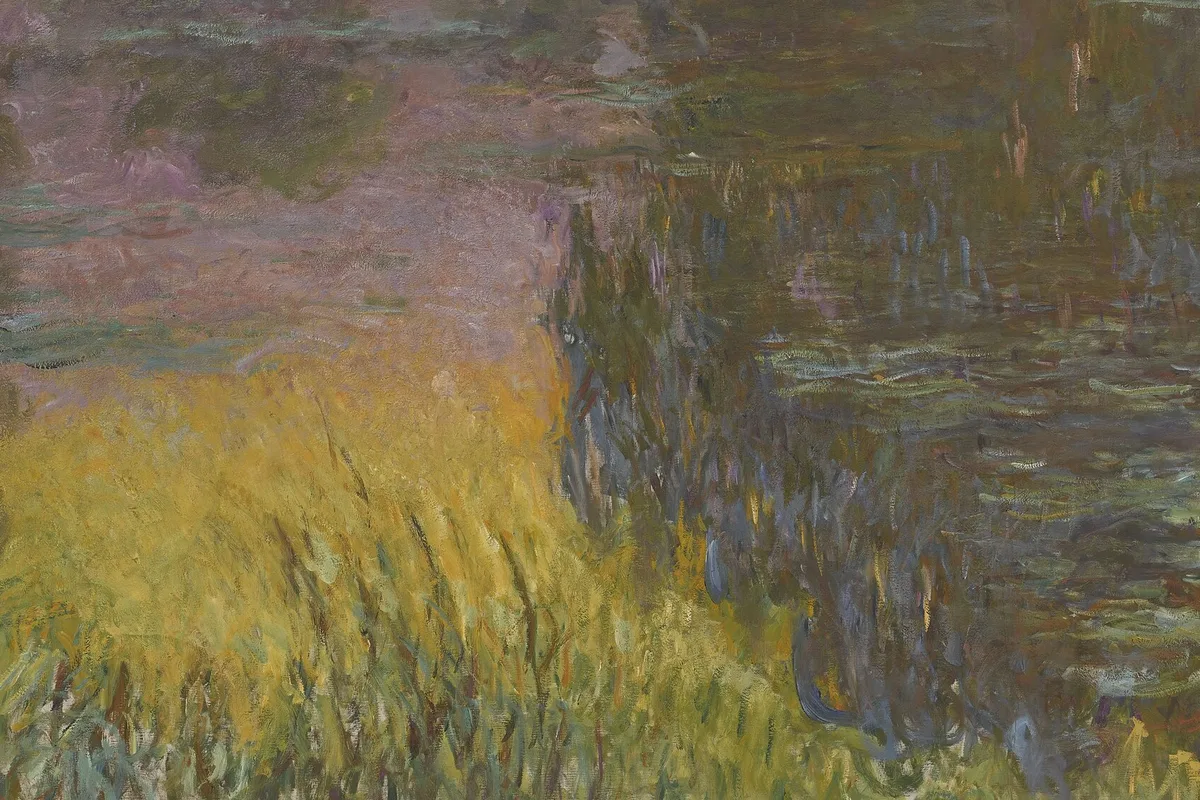 Artikel · 19 Min. LesezeitMusée de l’Orangerie: Monet, Paul Guillaume und Domenica
 Artikel · 35 Min. LesezeitVan-Gogh-Museum: seine Mutter, Theo, Gauguin und die anderen Menschen hinter seinen Bildern
Werke
377 Werke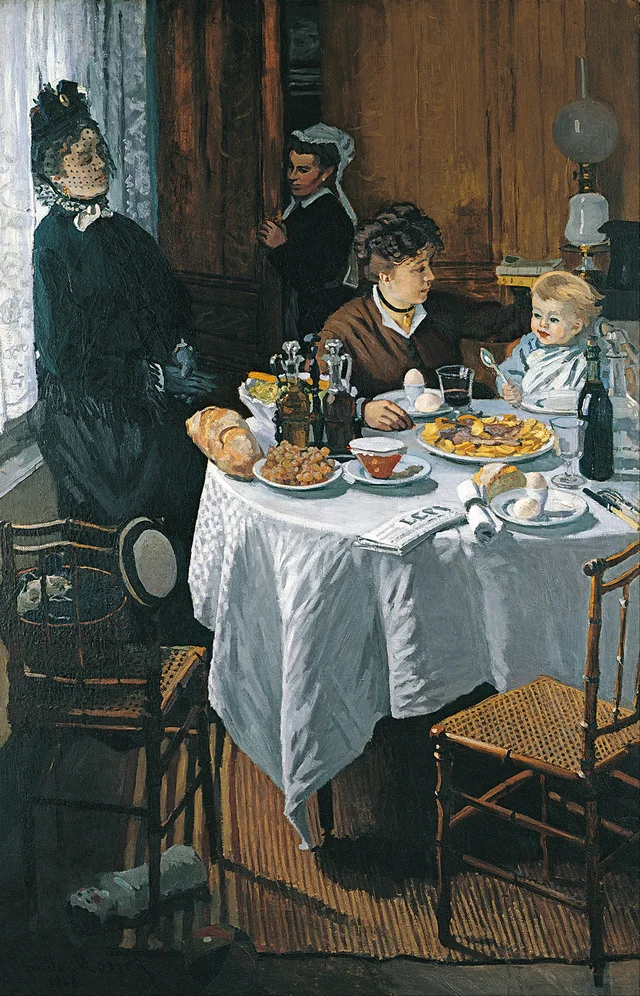 Das FrühstückClaude Monet, 1868
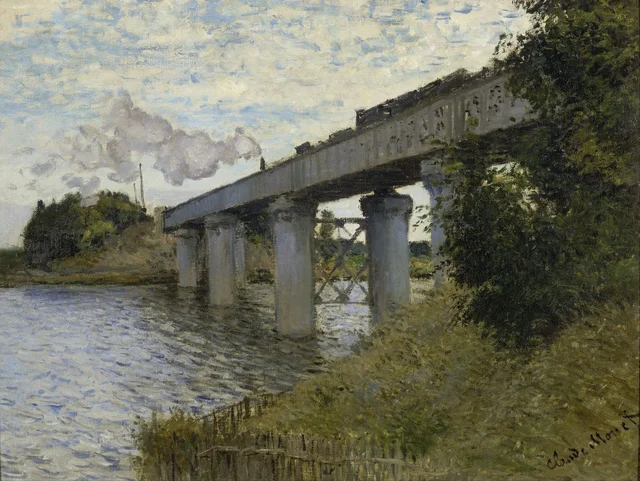 Die Eisenbahnbrücke bei ArgenteuilClaude Monet, 1873
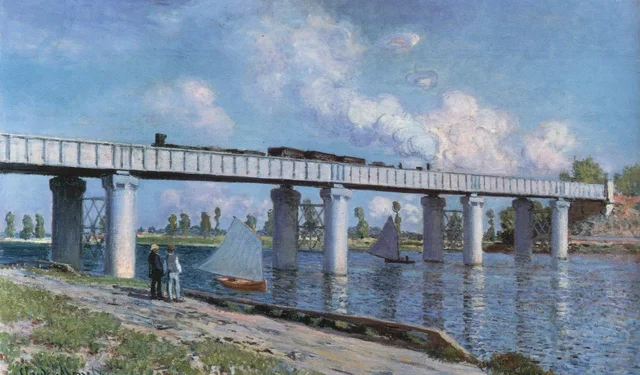 Die Eisenbahnbrücke bei ArgenteuilClaude Monet, 1873
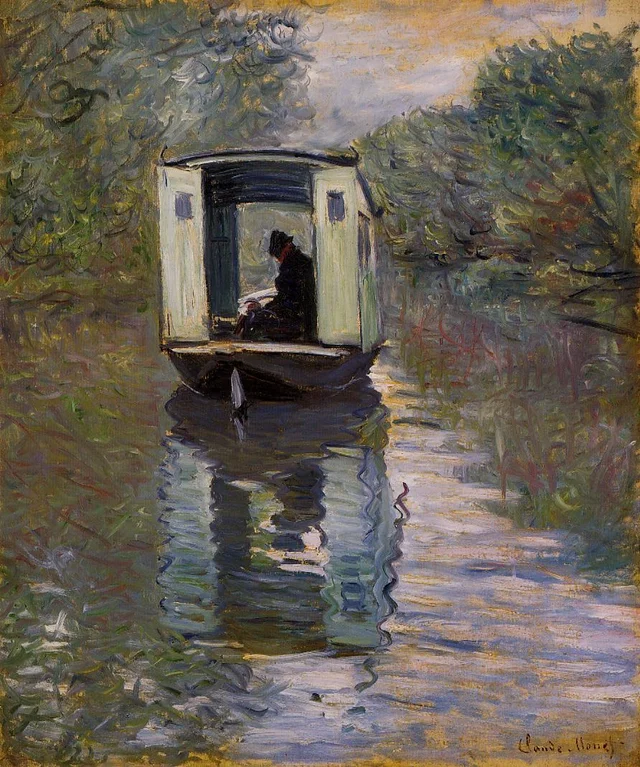 Das AtelierbootClaude Monet, 1876
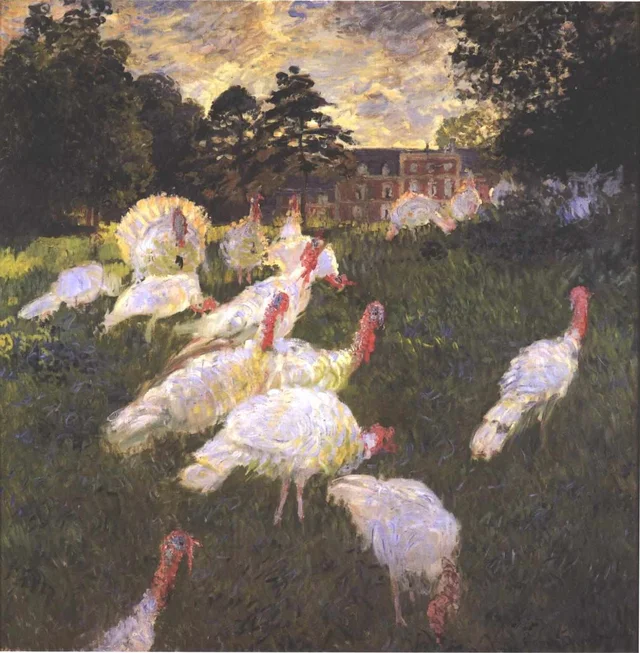 Die TruthähneClaude Monet, 1877
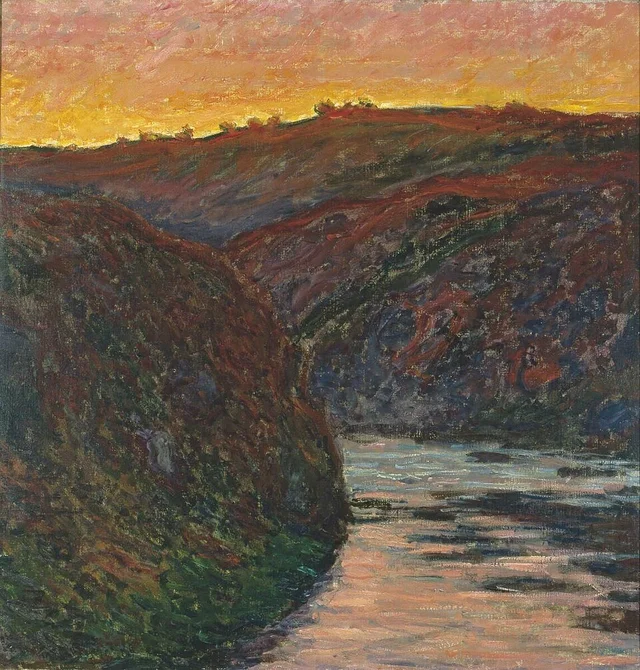 Das Creuse-Tal, SonnenuntergangClaude Monet, 1889
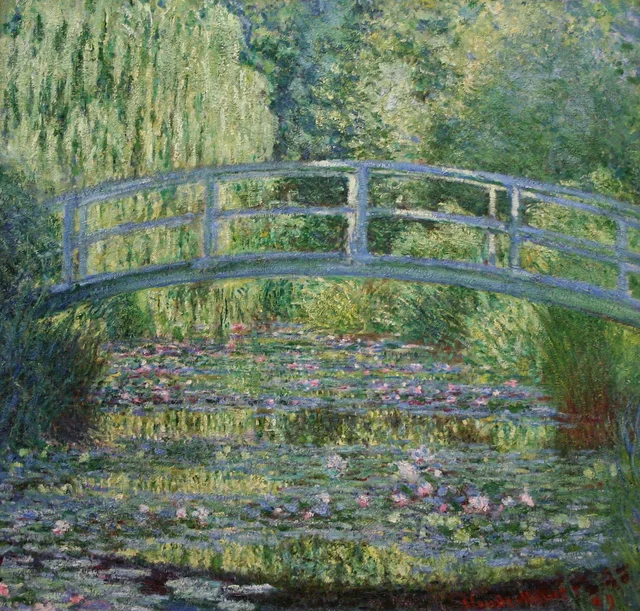 Der Seerosenteich: Harmonie in GrünClaude Monet, 1899
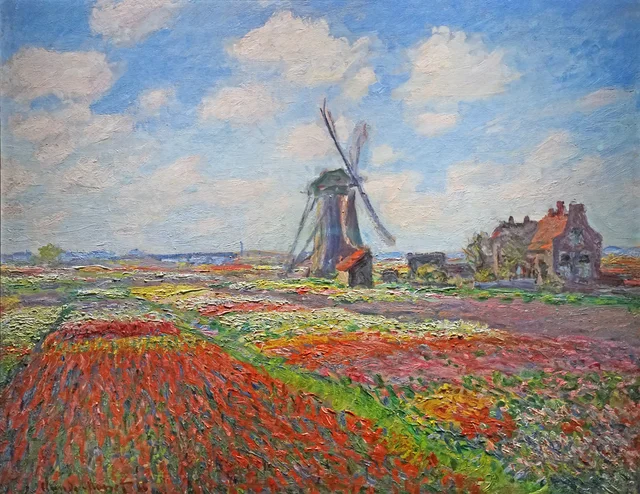 Tulpenfeld in HollandClaude Monet, 1886
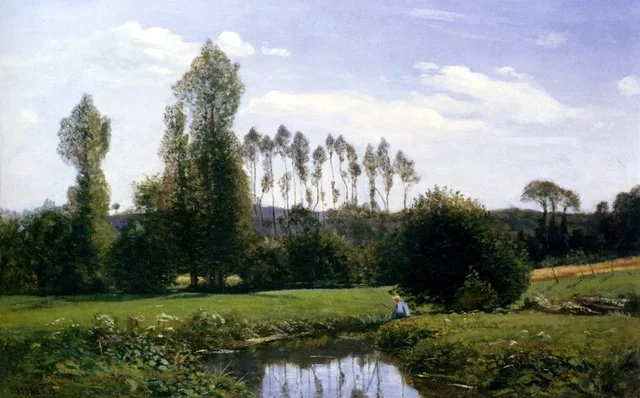 Ansicht von Rouelles bei Le HavreClaude Monet, 1858
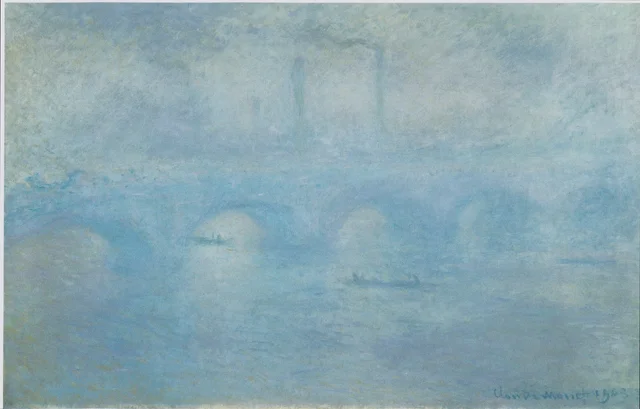 Waterloo-Brücke. NebeleffektClaude Monet, 1903
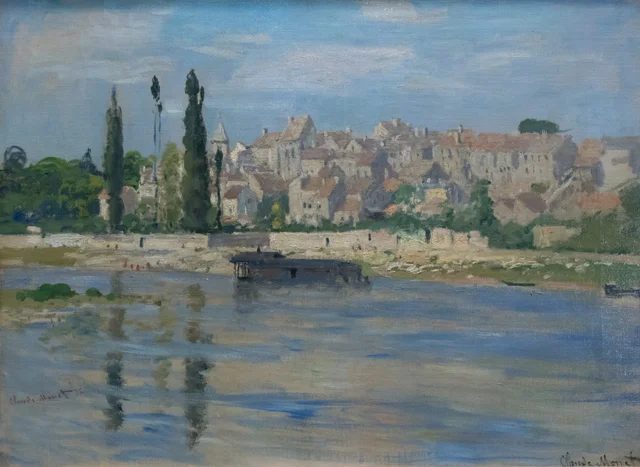 Carrières-Saint-DenisClaude Monet, 1872
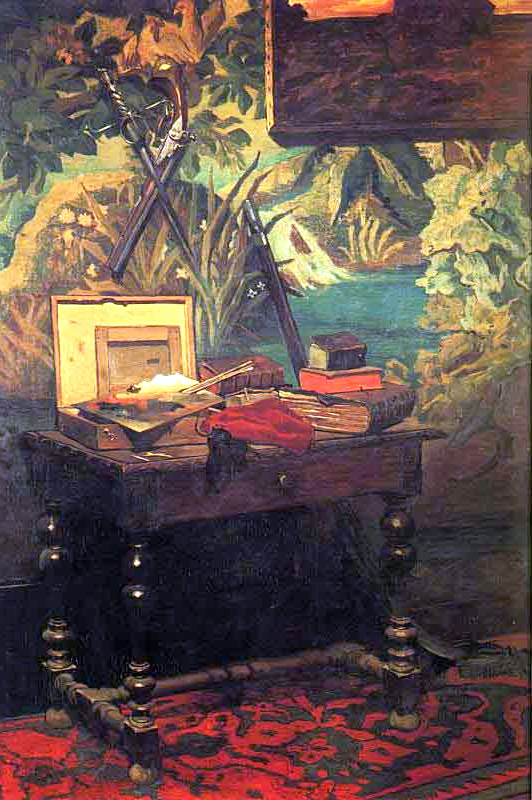 Ecke eines AteliersClaude Monet, 1861
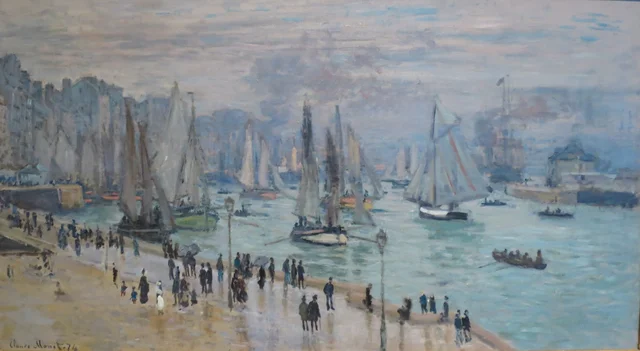 Fischerboote verlassen den Hafen von Le HavreClaude Monet, 1874
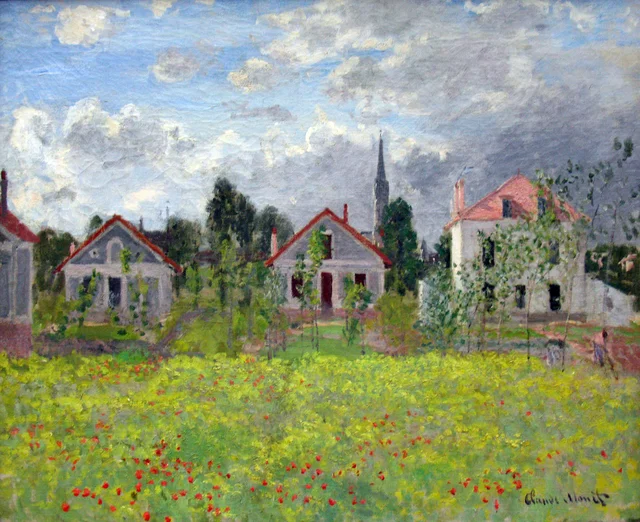 Häuser in ArgenteuilClaude Monet, 1873
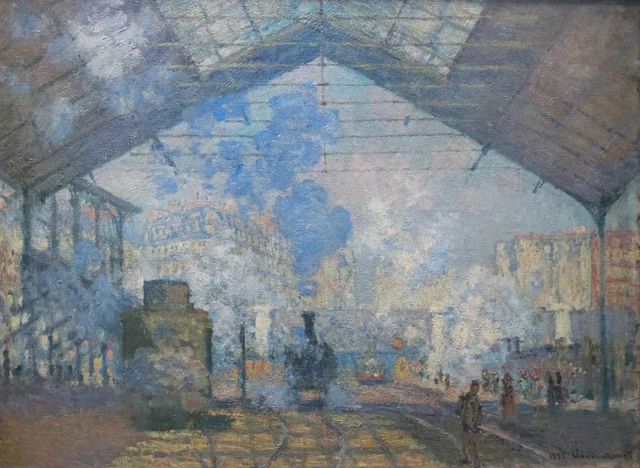 Der Bahnhof Saint-LazareClaude Monet, 1877
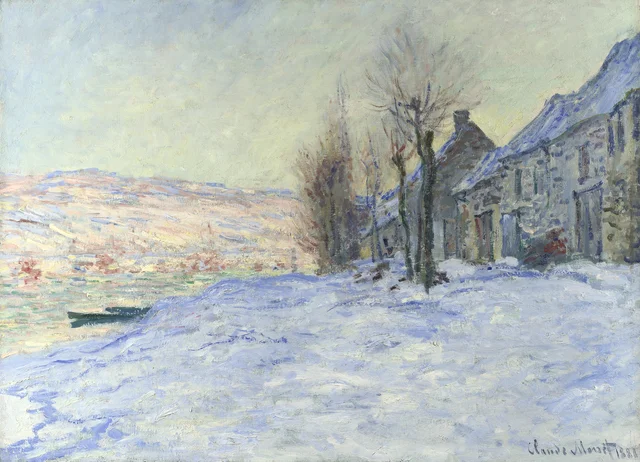 Lavacourt unter SchneeClaude Monet, 1881
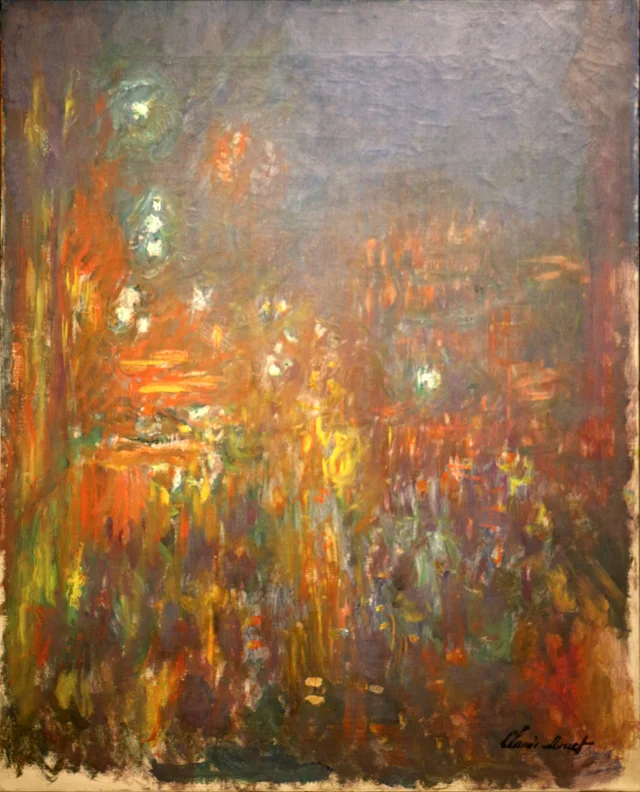 Leicester Square bei NachtClaude Monet, 1901
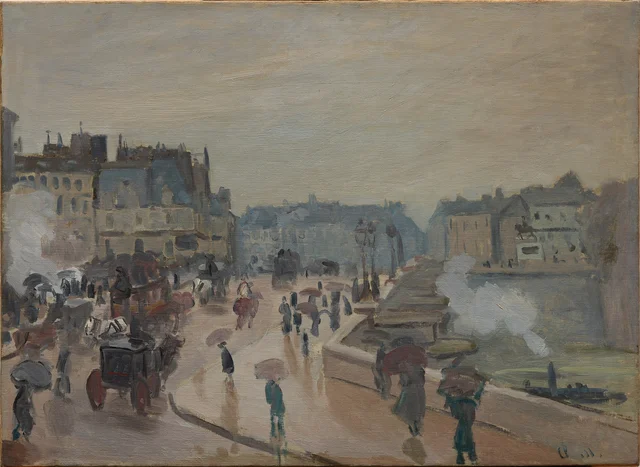 Der Pont NeufClaude Monet, 1873
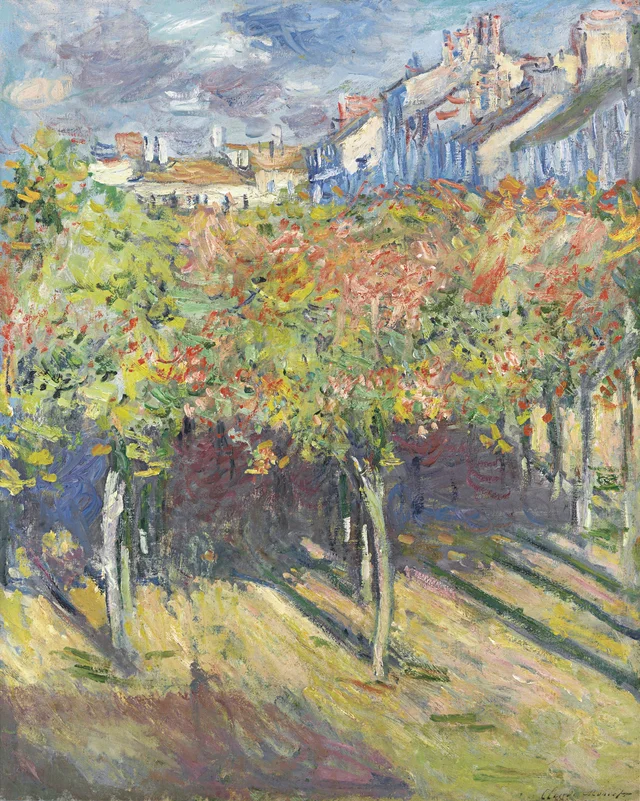 Die Linden in PoissyClaude Monet, 1882
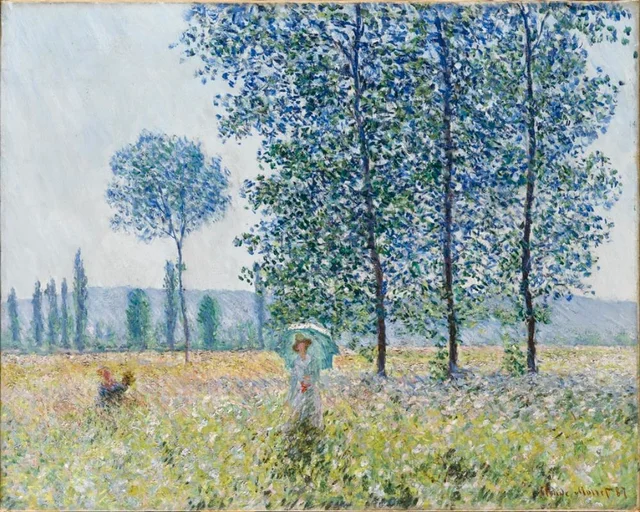 Pappeln in der SonneClaude Monet, 1887
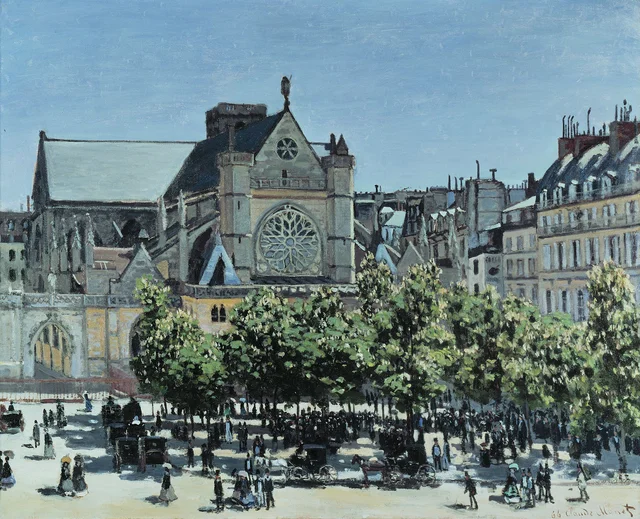 Saint-Germain-l'AuxerroisClaude Monet, 1867
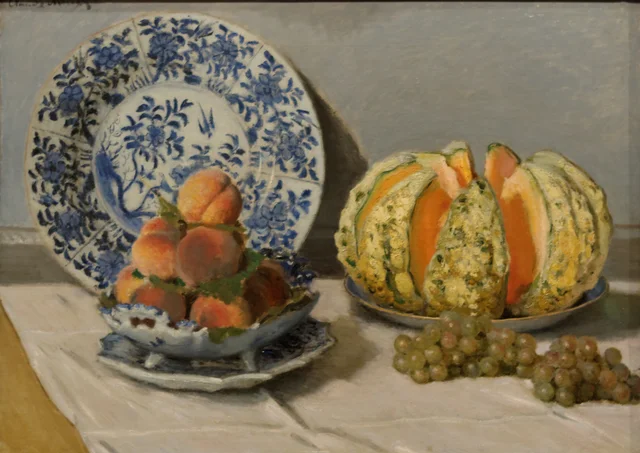 Stillleben mit MeloneClaude Monet, 1872
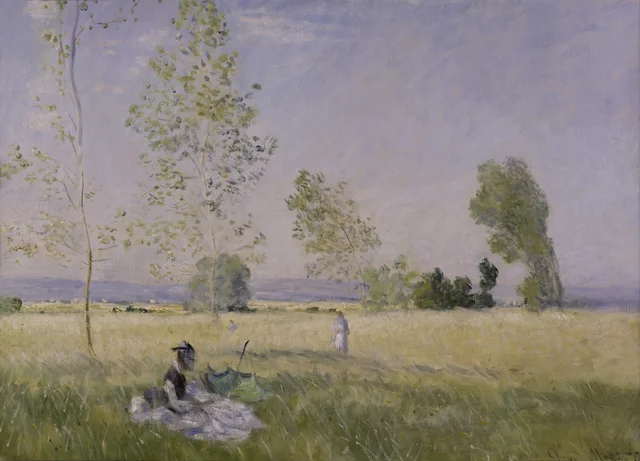 SommerClaude Monet, 1874
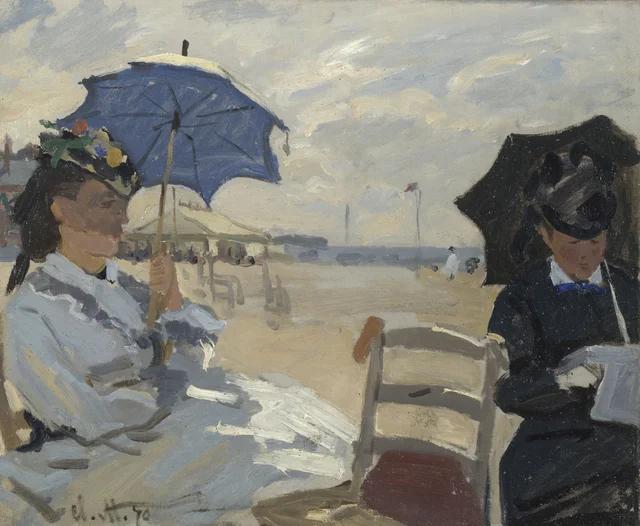 Der Strand von TrouvilleClaude Monet, 1870
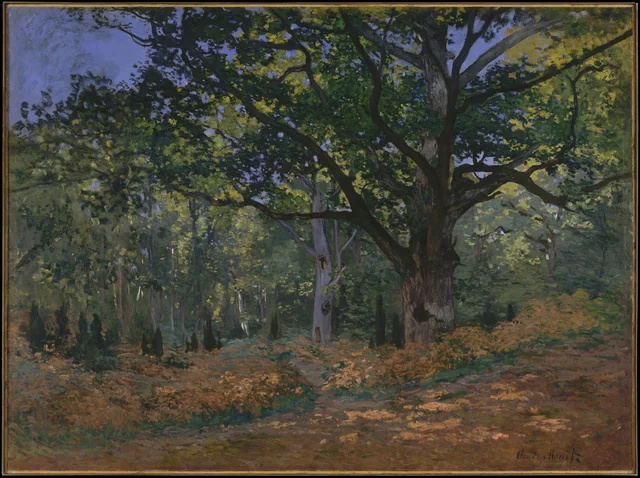 Die Bodmer-Eiche, Wald von FontainebleauClaude Monet, 1865