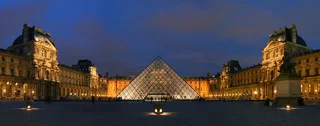
Die Geschichte
Der Louvre begann als Festung. Philipp II. ließ sie um 1190 am rechten Seineufer errichten, um das mittelalterliche Paris zu schützen, und über die folgenden Jahrhunderte bauten die französischen Könige sie zu einem Schloss um, bis Ludwig XIV. seinen Hof 1682 nach Versailles verlegte und die halbfertigen Säle der königlichen Sammlung und den dort einquartierten Künstlern überließ.
Die Revolution machte daraus ein öffentliches Museum. Am 10. August 1793 öffnete das Muséum central des arts seine Türen und zeigte die beschlagnahmte Kunst von Krone und Kirche jedem Bürger, der eintreten wollte. Napoleon füllte es mit der Beute seiner Feldzüge und benannte es kurzzeitig nach sich selbst. Vieles kehrte nach Waterloo zurück, doch die Idee hielt, eine für das Studium geordnete Nationalsammlung, frei zugänglich für alle.
Heute besitzt der Louvre mehr als 35.000 Werke, von der Venus von Milo bis zu Géricaults Floß der Medusa. Die Menge aber drängt zu einem kleinen Bildnis. Im August 1911 verschwand es: Vincenzo Peruggia, ein italienischer Handwerker, der im Museum gearbeitet hatte, nahm Leonardos Mona Lisa von der Wand und trug sie unter seinem Mantel hinaus. Zwei Jahre lang hing der Rahmen leer, während Besucher kamen, um die Lücke anzustarren, und das Bild kehrte erst 1913 zurück, nachdem Peruggia versucht hatte, es einem Händler in Florenz zu verkaufen. Die gläserne Pyramide von I. M. Pei, 1989 in den Hof gesetzt, markiert heute den Eingang.
Weitere Artikel
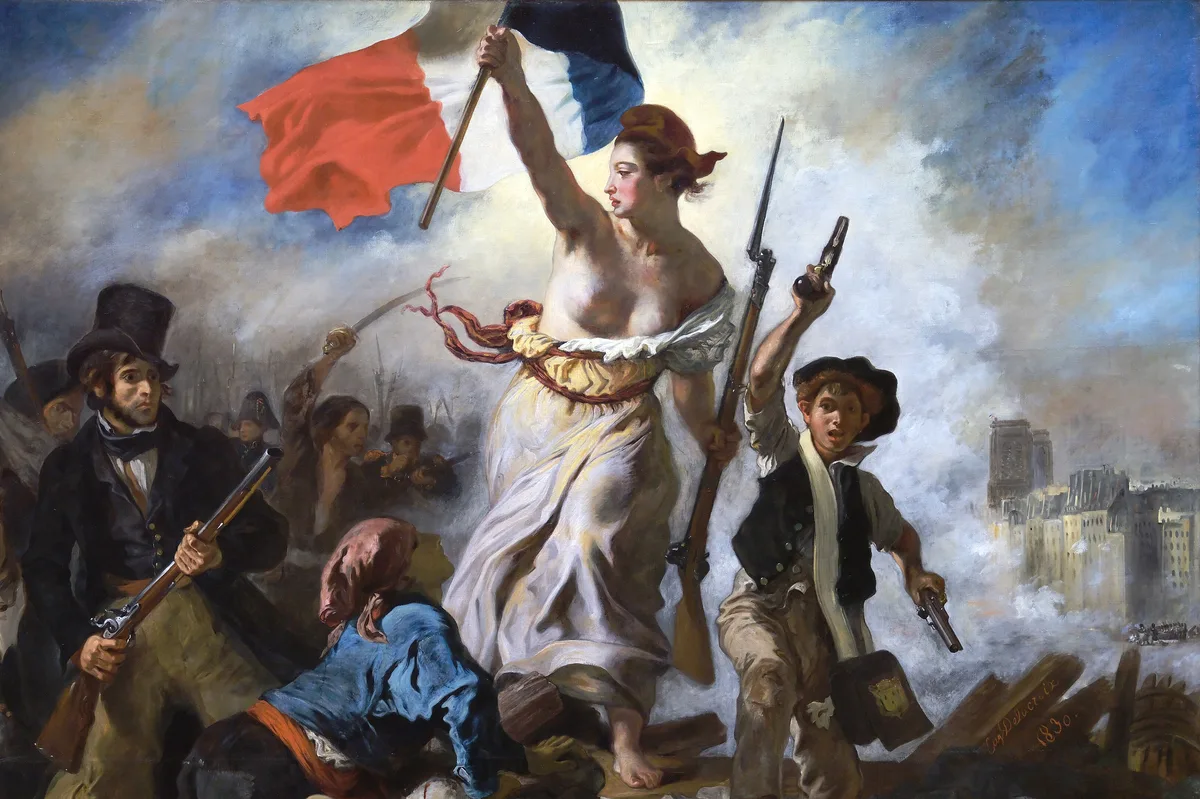
Sammlung
1.174 Werke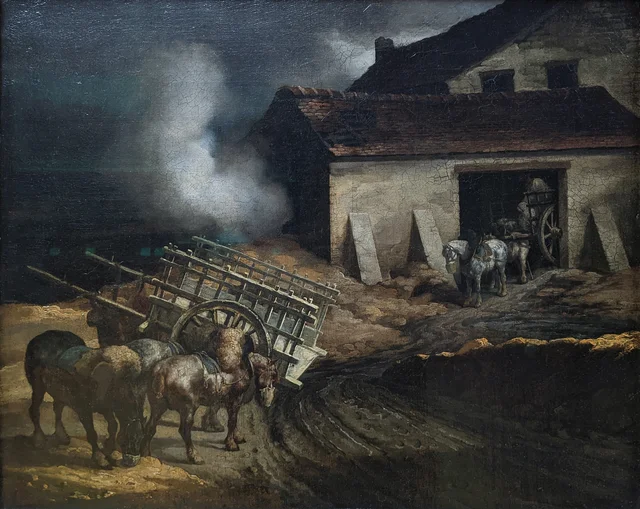 Der GipsofenThéodore Géricault, 1821
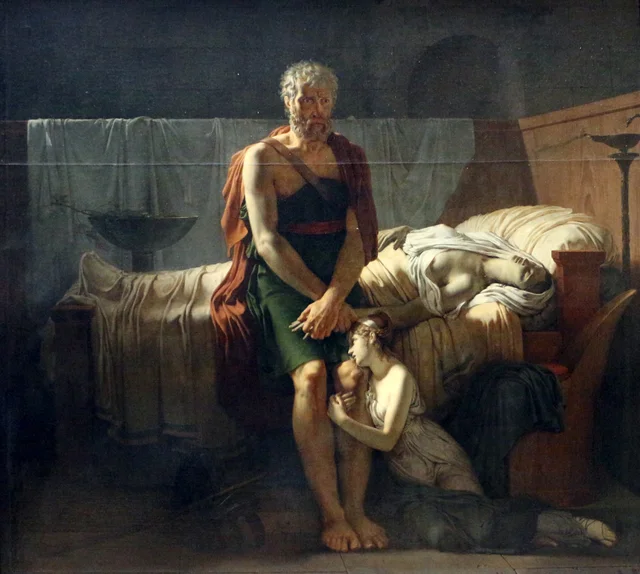 Die Rückkehr des Marcus SextusPierre-Narcisse Guérin, 1799
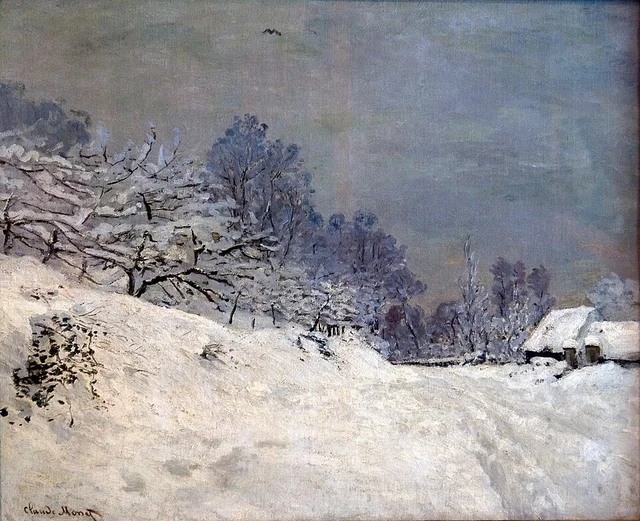 Die Straße vor dem Bauernhof Saint-Siméon im WinterClaude Monet, 1867
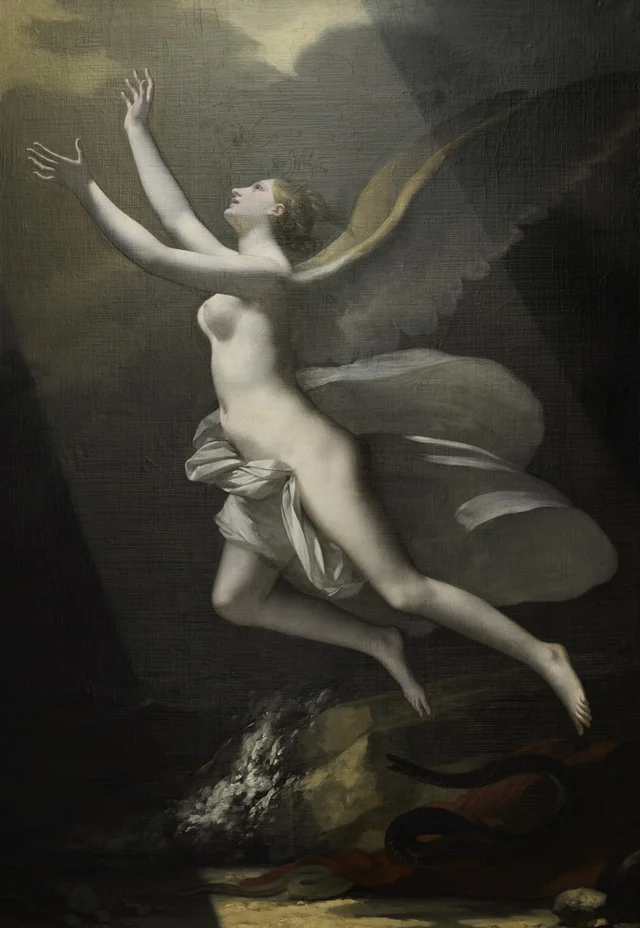 Die Seele zerreißt die Bande, die sie an die Erde fesselnPierre-Paul Prud'hon, 1822
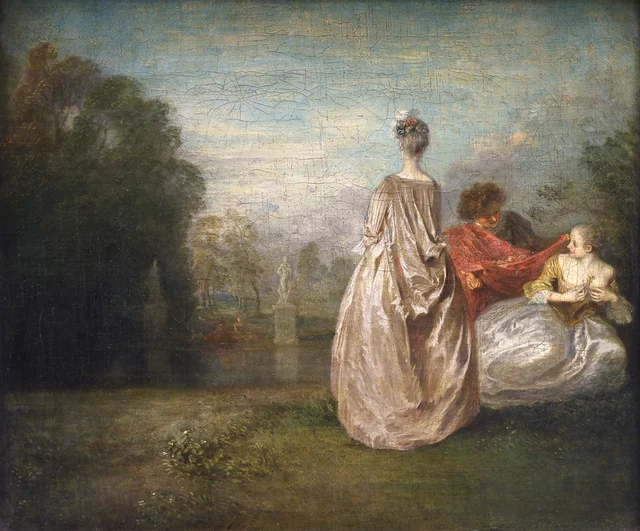 Die beiden CousinenJean-Antoine Watteau, 1716
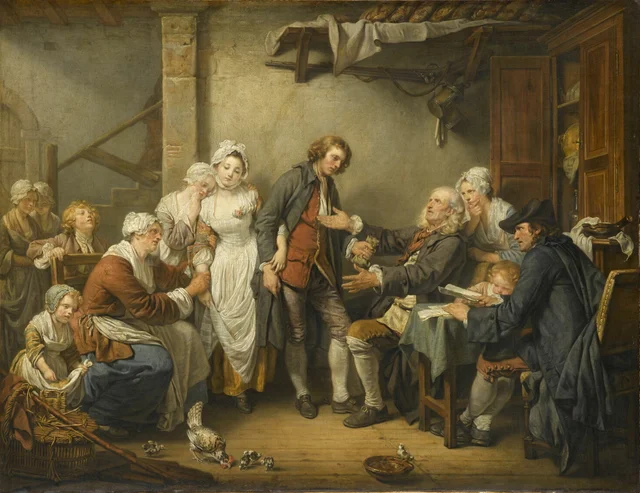 Die DorfbrautJean-Baptiste Greuze, 1761
 Apollo verliebt in DaphneNicolas Poussin, 1664
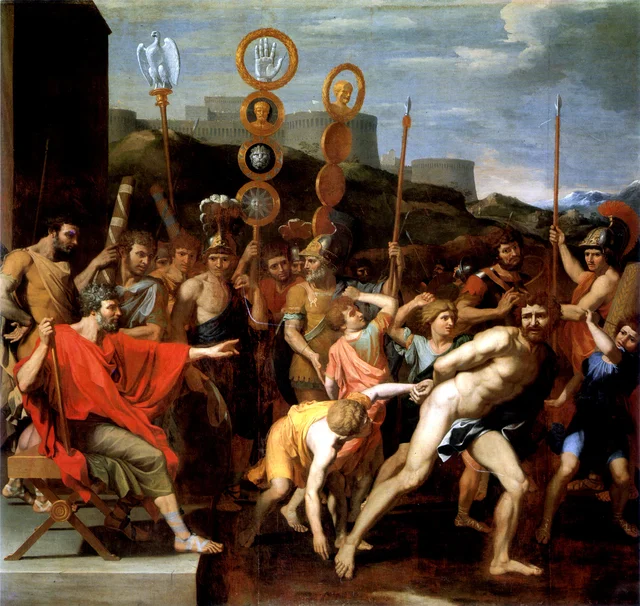 Camillus übergibt den Schulmeister von Falerii seinen SchülernNicolas Poussin, 1637
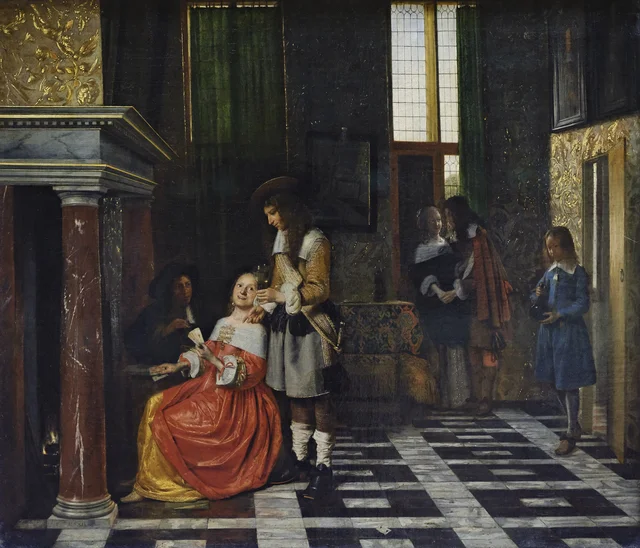 Kartenspieler in einem prächtigen InterieurPieter de Hooch, 1663
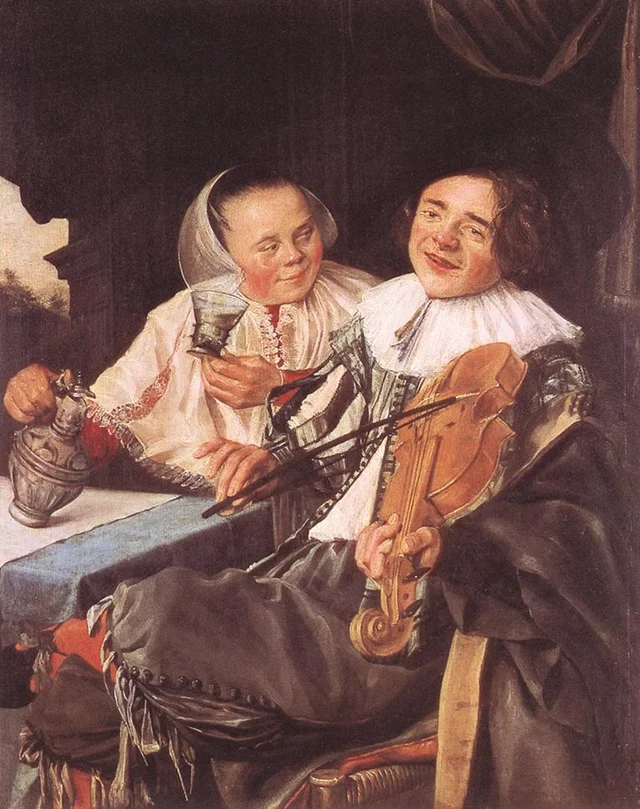 Zechendes PaarJudith Leyster, 1630
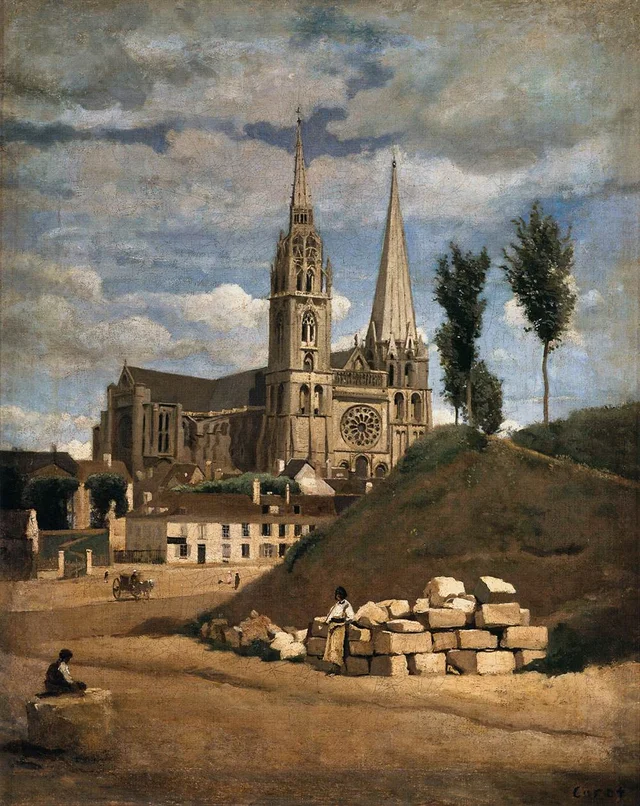 Kathedrale von ChartresJean-Baptiste Camille Corot, 1830
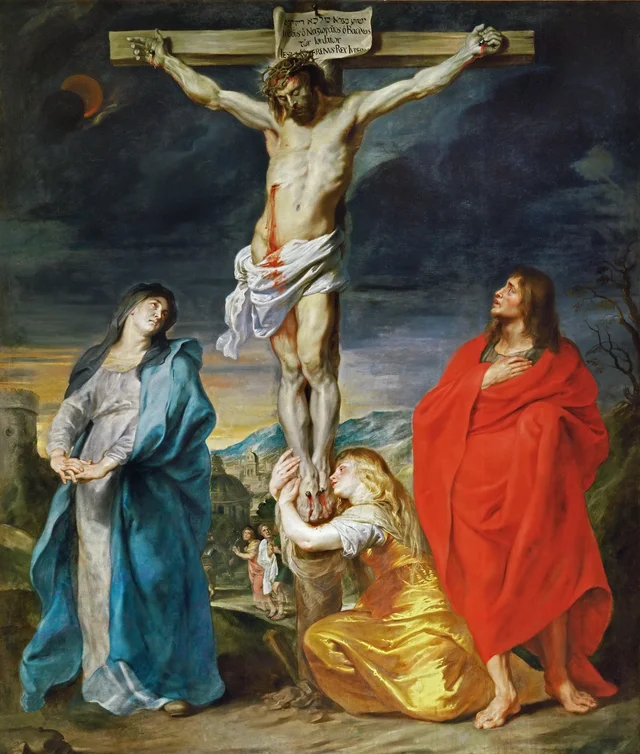 Kreuzigung mit der Jungfrau Maria, dem heiligen Johannes und der heiligen Maria MagdalenaAnthonis van Dyck, 1618
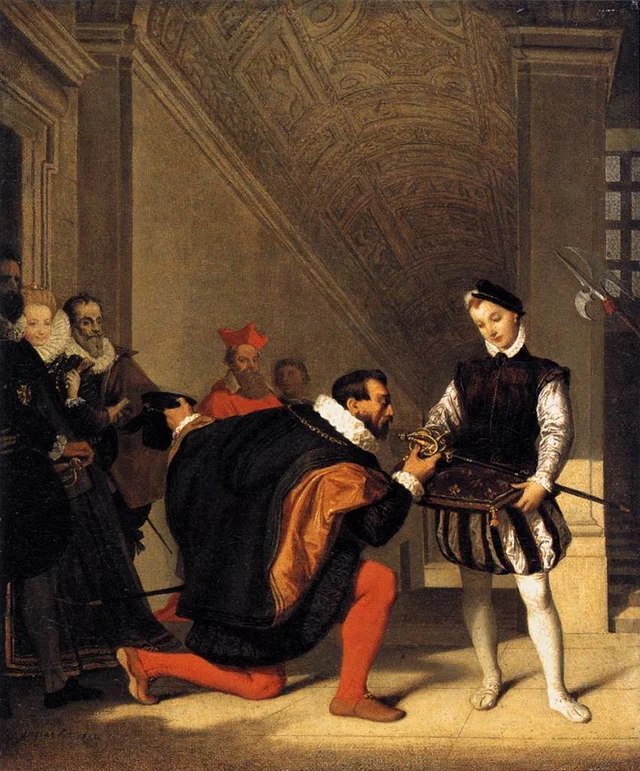 Don Pedro von Toledo küsst das Schwert Heinrichs IV.Jean-Auguste-Dominique Ingres, 1831
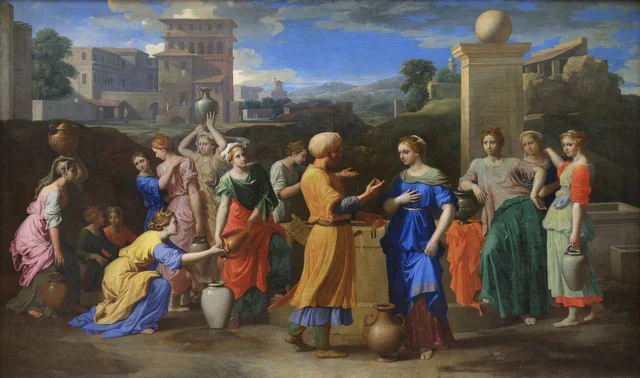 Eliezer und RebekkaNicolas Poussin, 1648
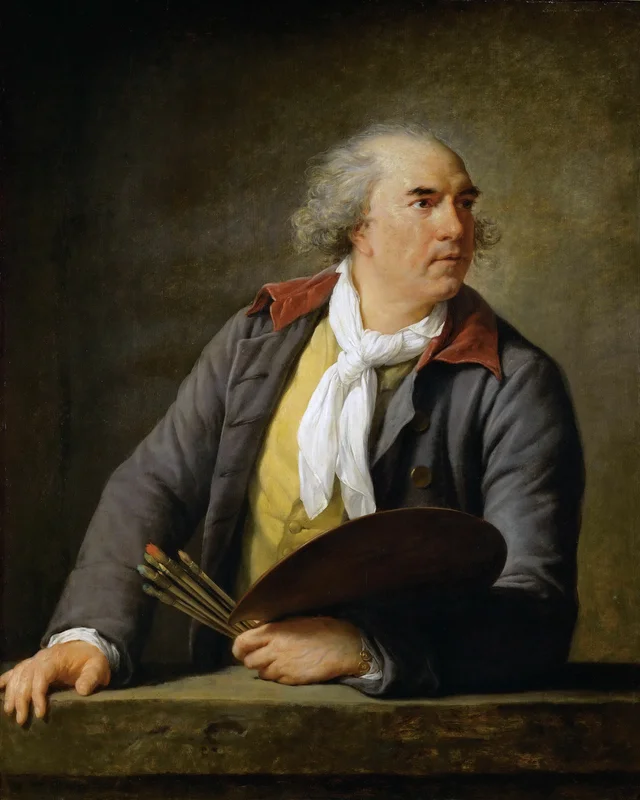 Hubert RobertÉlisabeth Louise Vigée Le Brun, 1788
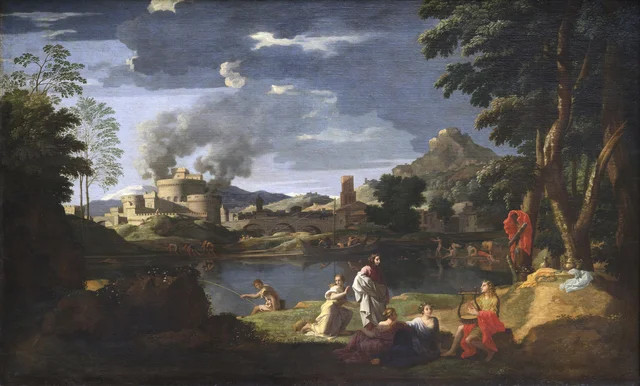 Landschaft mit Orpheus und EurydikeNicolas Poussin, 1650
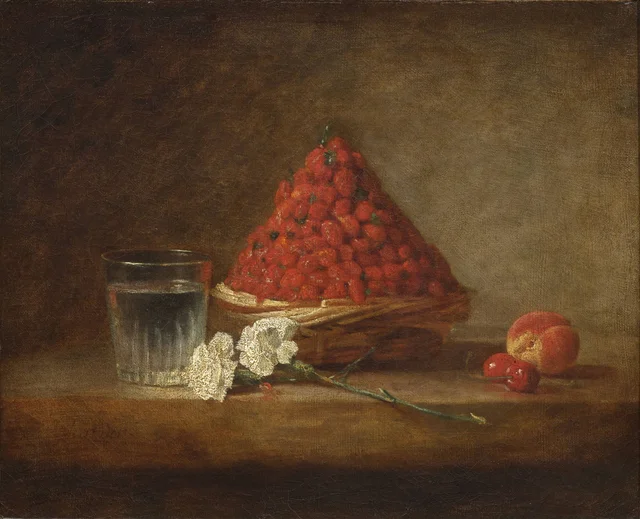 Der Korb mit WalderdbeerenJean-Baptiste-Siméon Chardin, 1761
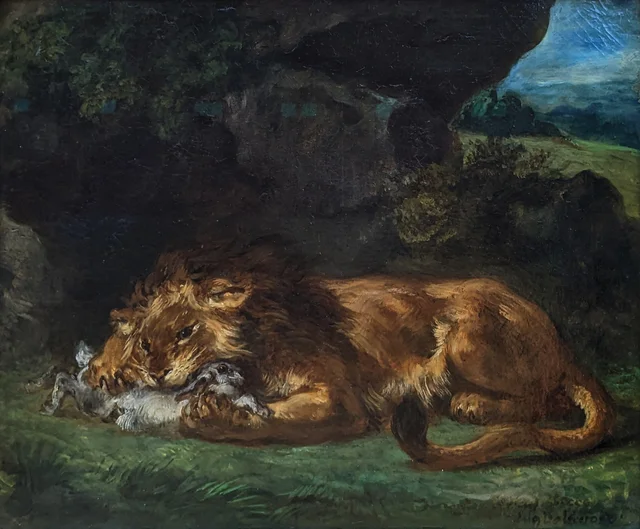 Löwe, einen Hasen verschlingendEugène Delacroix, 1853
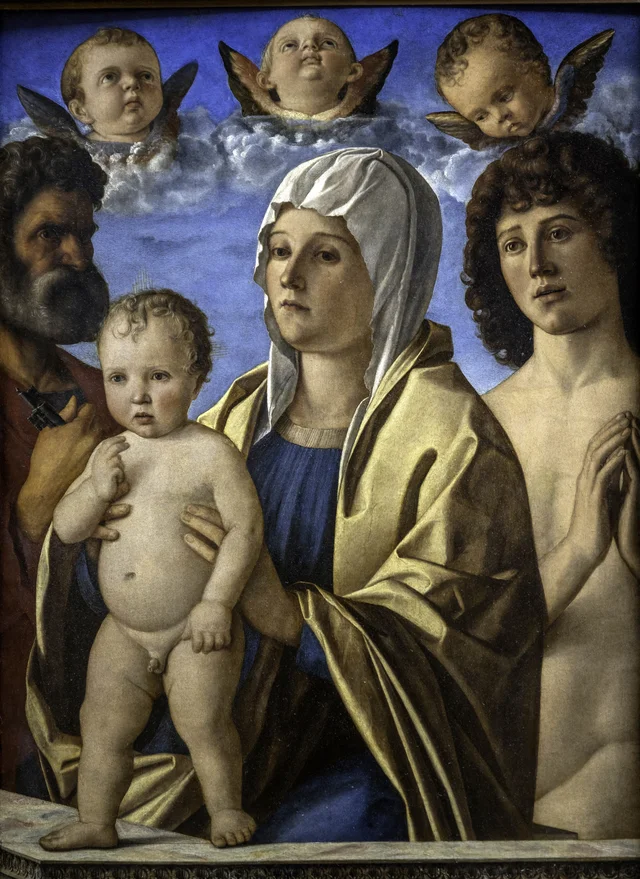 Madonna mit Kind, dem heiligen Petrus und dem heiligen SebastianGiovanni Bellini, 1480
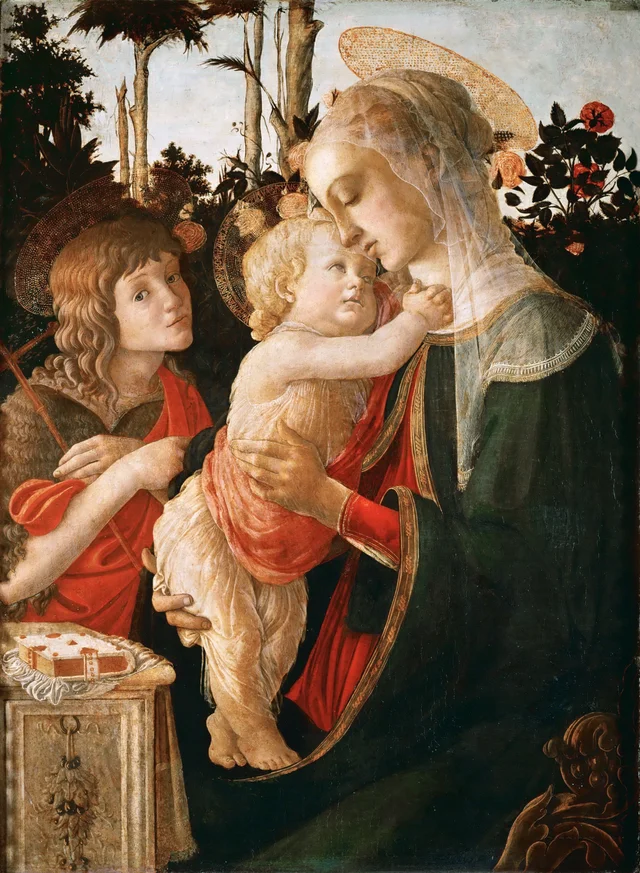 Madonna mit Kind und dem jungen Johannes dem TäuferSandro Botticelli, 1500
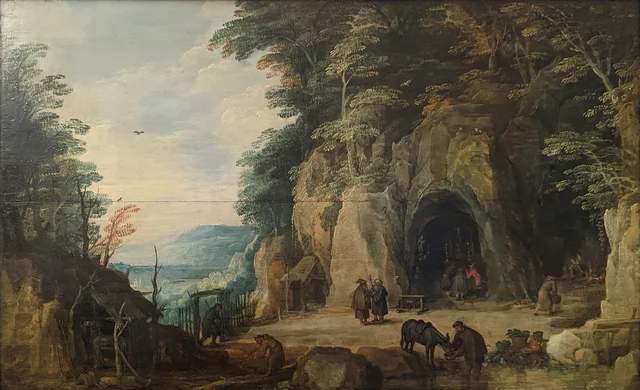 Klause eines Mönchs in einer HöhleJoos de Momper der Jüngere, 1600
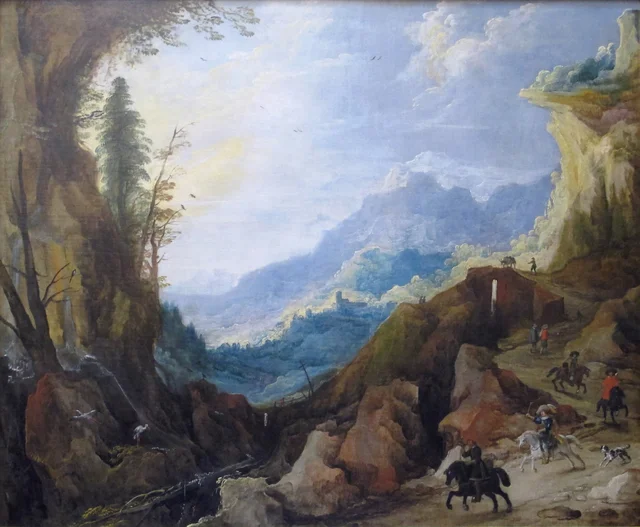 Gebirgslandschaft mit einer Brücke und vier ReiternJoos de Momper der Jüngere, 1600
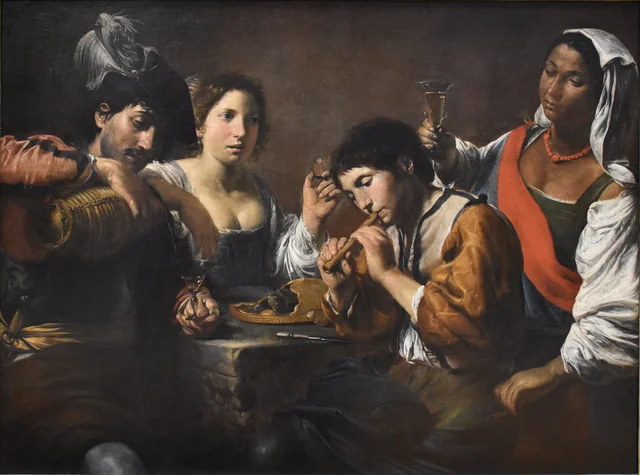 Musikant und TrinkerValentin de Boulogne, 1623
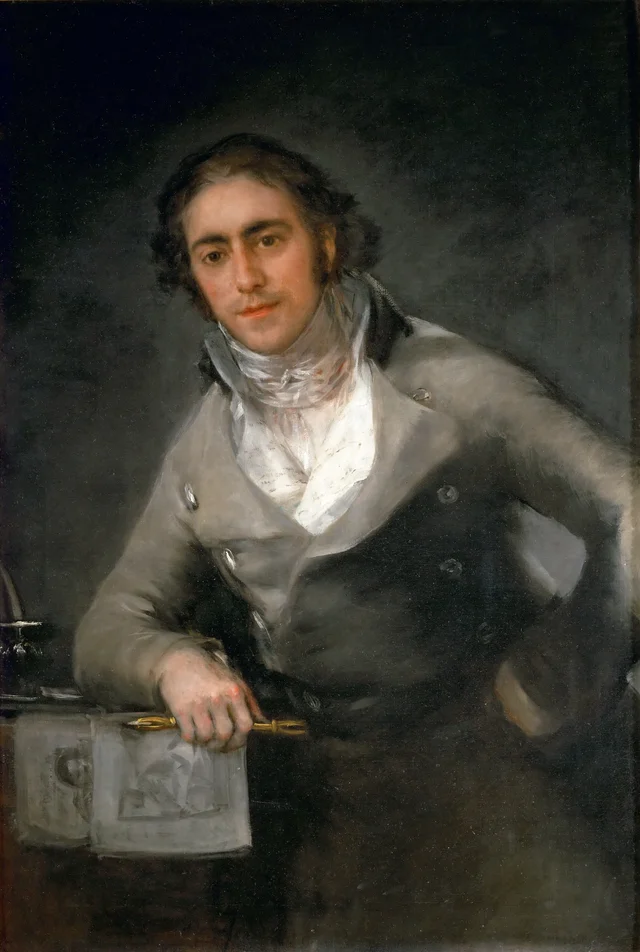 Bildnis eines MannesFrancisco Goya, 1806
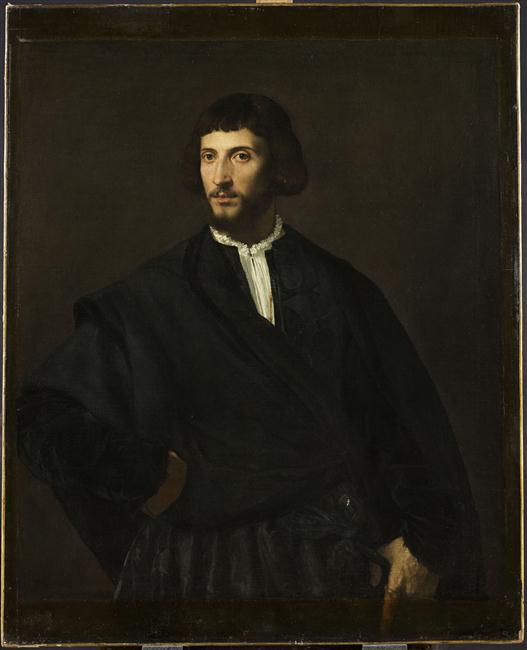 Porträt eines Mannes mit der Hand am GürtelTizian, 1520