Die Geschichte
Der Louvre begann als Festung. Philipp II. ließ sie um 1190 am rechten Seineufer errichten, um das mittelalterliche Paris zu schützen, und über die folgenden Jahrhunderte bauten die französischen Könige sie zu einem Schloss um, bis Ludwig XIV. seinen Hof 1682 nach Versailles verlegte und die halbfertigen Säle der königlichen Sammlung und den dort einquartierten Künstlern überließ.
Die Revolution machte daraus ein öffentliches Museum. Am 10. August 1793 öffnete das Muséum central des arts seine Türen und zeigte die beschlagnahmte Kunst von Krone und Kirche jedem Bürger, der eintreten wollte. Napoleon füllte es mit der Beute seiner Feldzüge und benannte es kurzzeitig nach sich selbst. Vieles kehrte nach Waterloo zurück, doch die Idee hielt, eine für das Studium geordnete Nationalsammlung, frei zugänglich für alle.
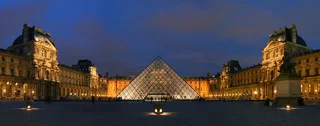
Heute besitzt der Louvre mehr als 35.000 Werke, von der Venus von Milo bis zu Géricaults Floß der Medusa. Die Menge aber drängt zu einem kleinen Bildnis. Im August 1911 verschwand es: Vincenzo Peruggia, ein italienischer Handwerker, der im Museum gearbeitet hatte, nahm Leonardos Mona Lisa von der Wand und trug sie unter seinem Mantel hinaus. Zwei Jahre lang hing der Rahmen leer, während Besucher kamen, um die Lücke anzustarren, und das Bild kehrte erst 1913 zurück, nachdem Peruggia versucht hatte, es einem Händler in Florenz zu verkaufen. Die gläserne Pyramide von I. M. Pei, 1989 in den Hof gesetzt, markiert heute den Eingang.
Weitere Artikel
Sammlung
1.174 Werke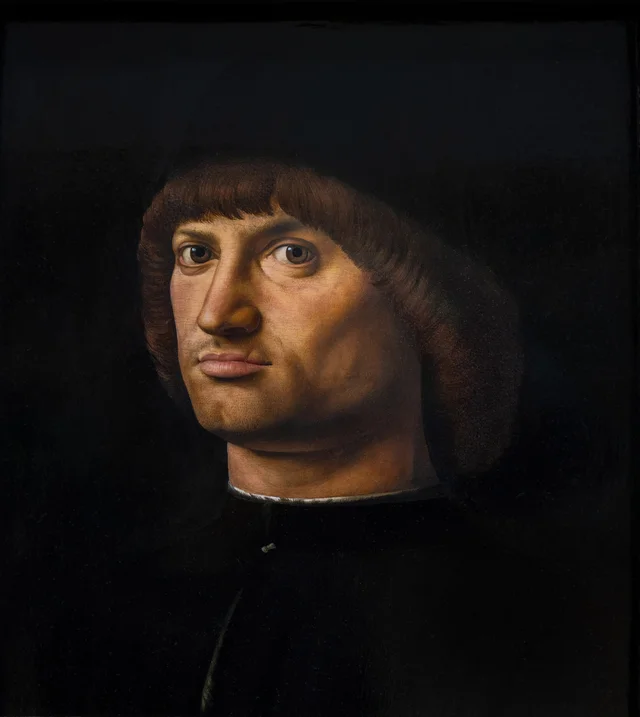 Bildnis eines Mannes, genannt Der CondottiereAntonello da Messina, 1475
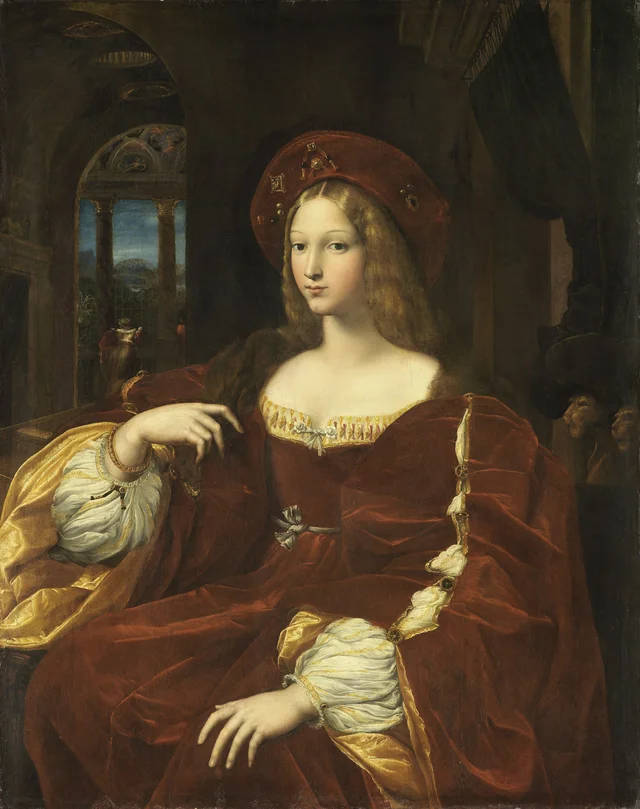 Bildnis der Doña Isabel de Requesens y Enríquez de Cardona-AnglesolaRaffael, 1518
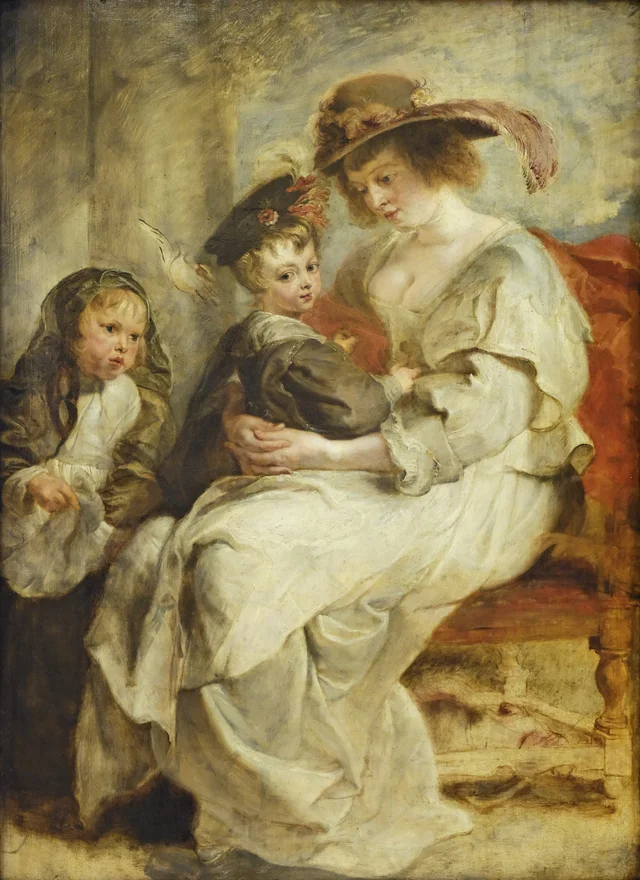 Bildnis der Helena Fourment mit zwei ihrer KinderPeter Paul Rubens, 1636
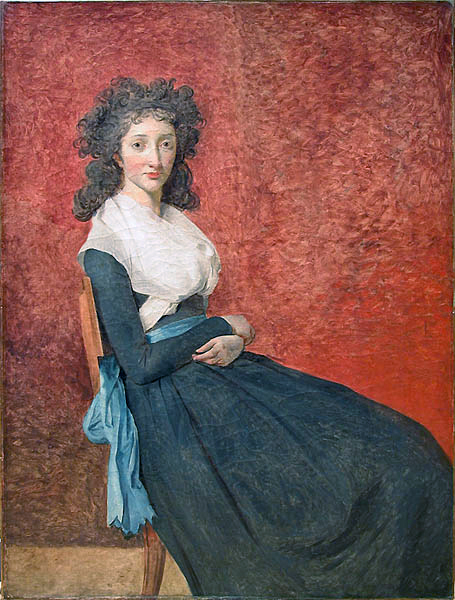 Bildnis der Madame Marie-Louise TrudaineJacques-Louis David, 1794
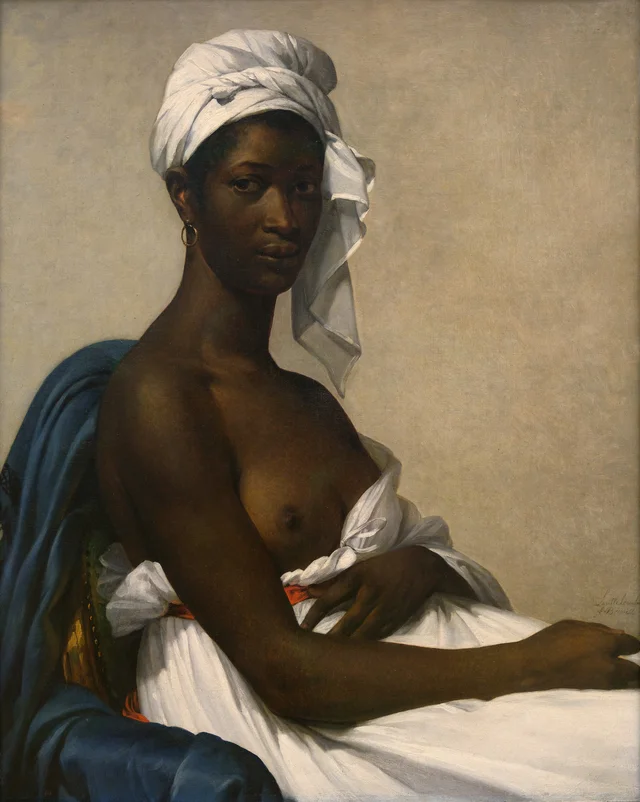 Bildnis der MadeleineMarie-Guillemine Benoist, 1800
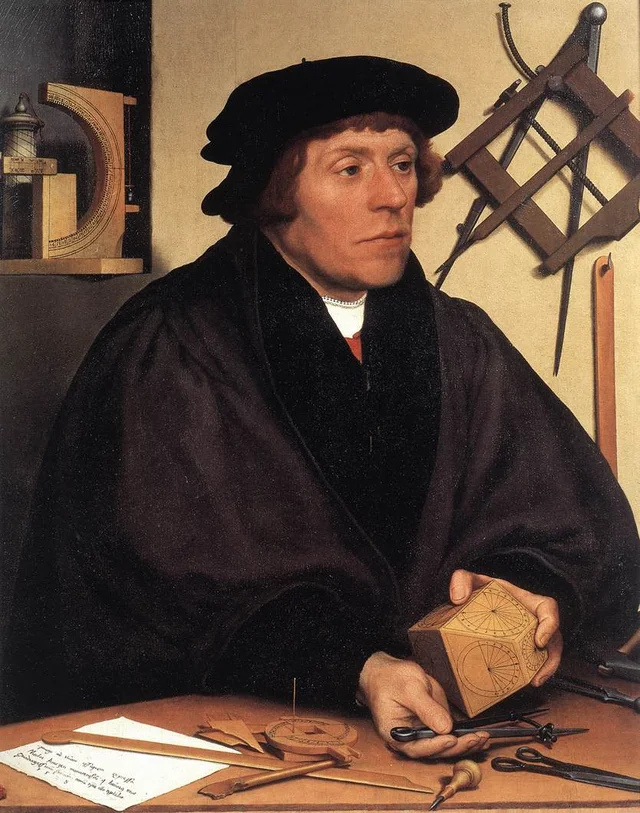 Bildnis des Nikolaus KratzerHans Holbein der Jüngere, 1528
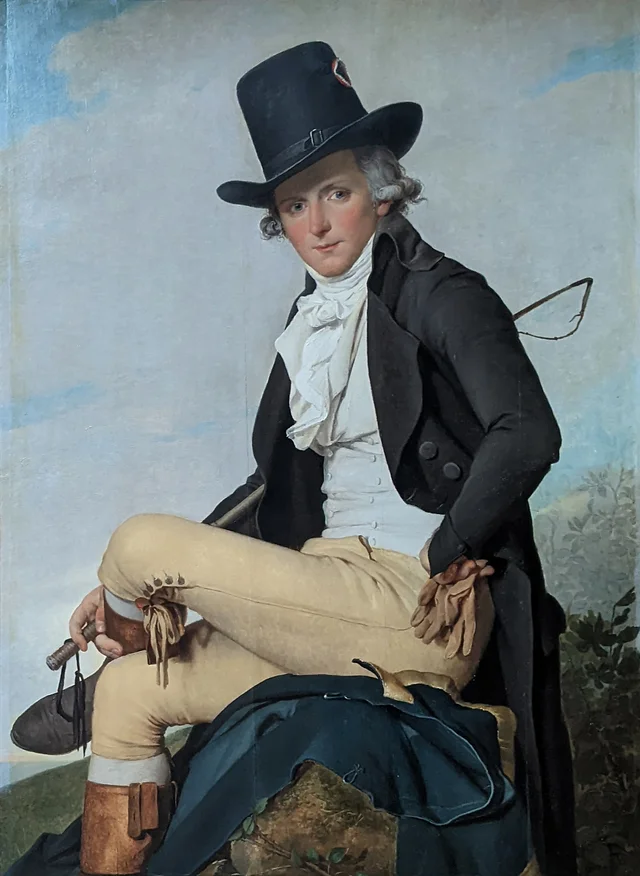 Bildnis des Pierre SériziatJacques-Louis David, 1795
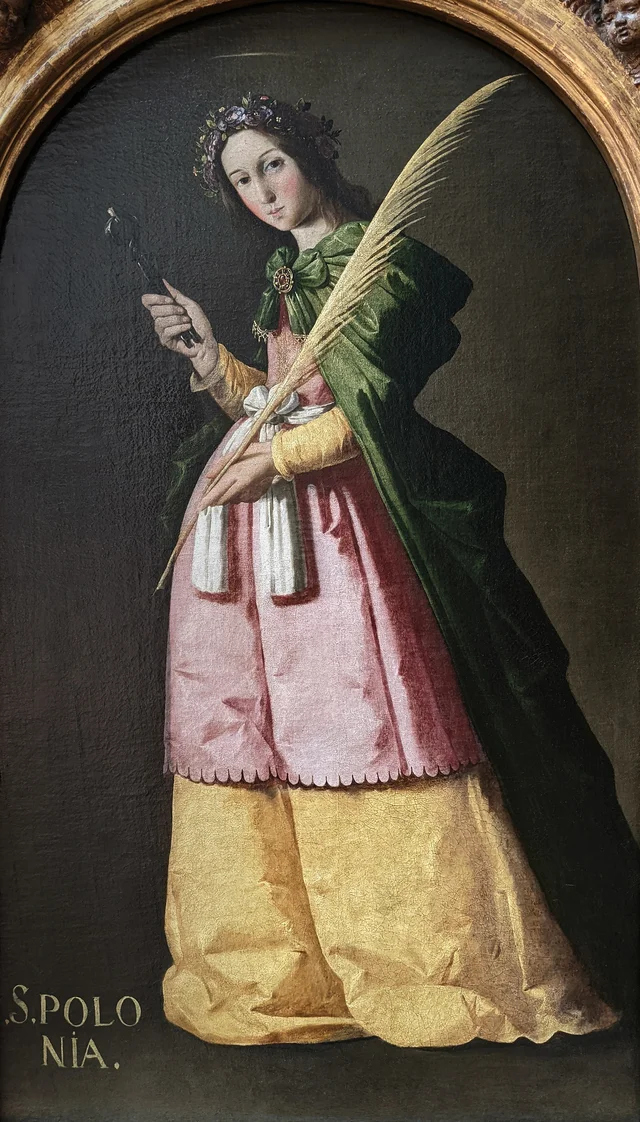 Die heilige ApolloniaFrancisco de Zurbarán, 1637
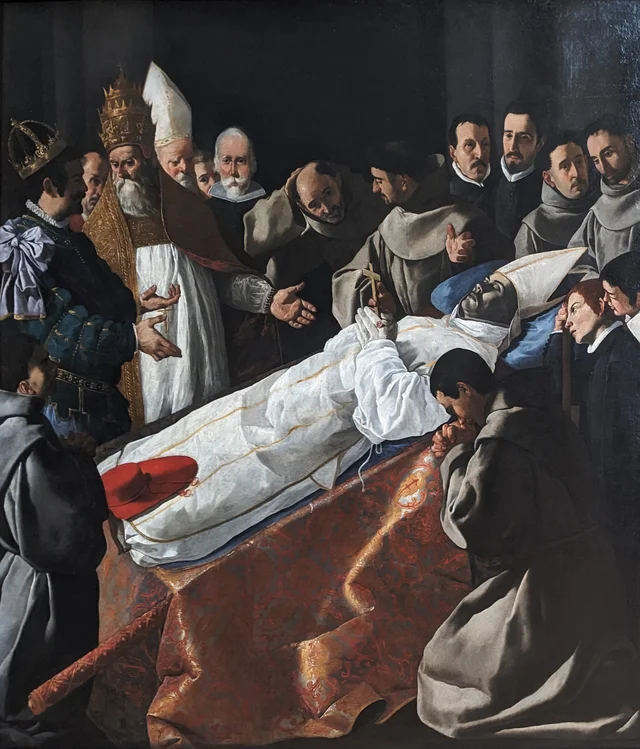 Die Aufbahrung des heiligen BonaventuraFrancisco de Zurbarán, 1629
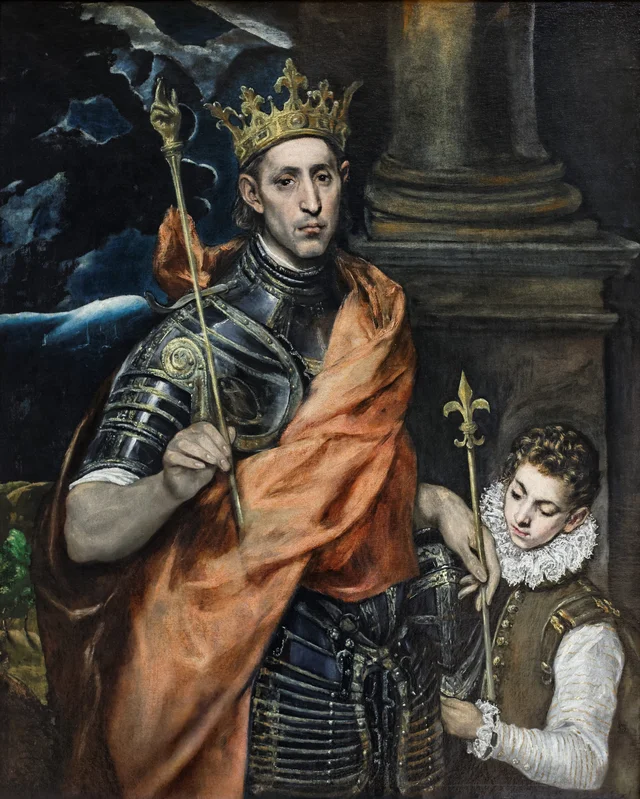 Der heilige Ludwig, König von FrankreichEl Greco, 1592
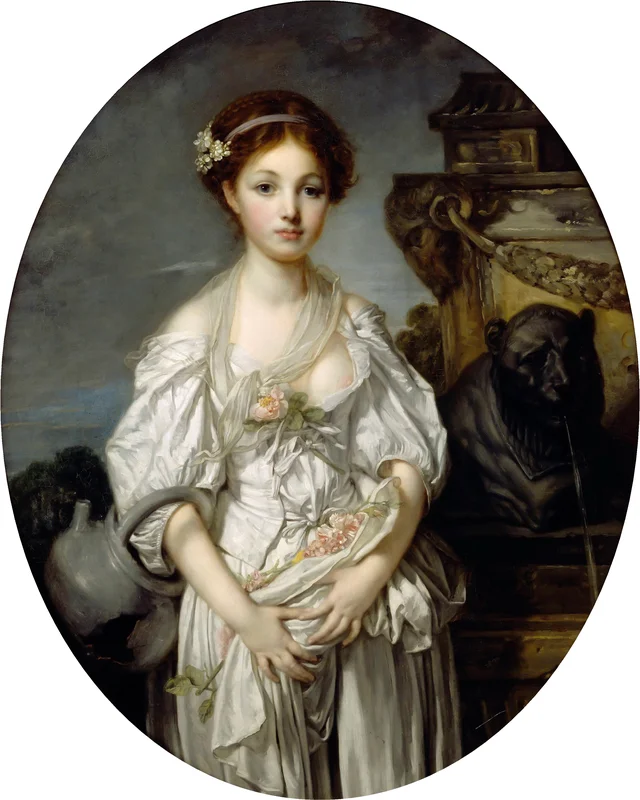 Der zerbrochene KrugJean-Baptiste Greuze, 1771
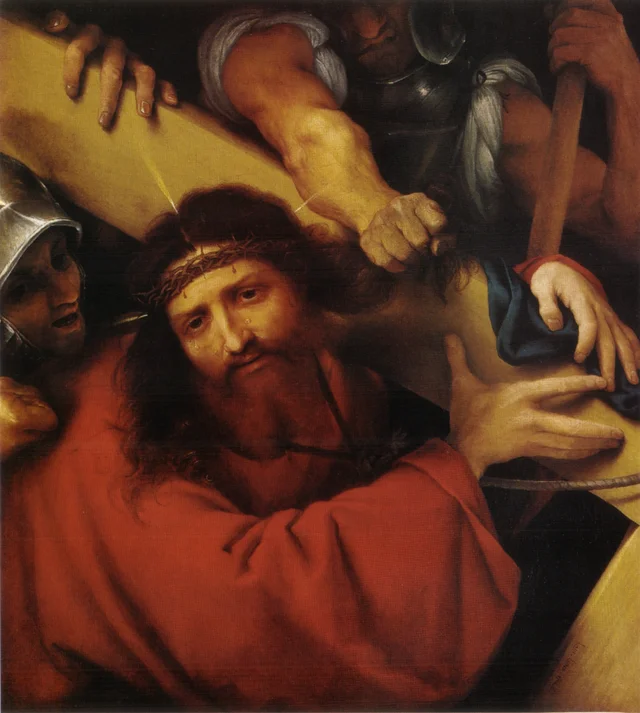 Die KreuztragungLorenzo Lotto, 1526
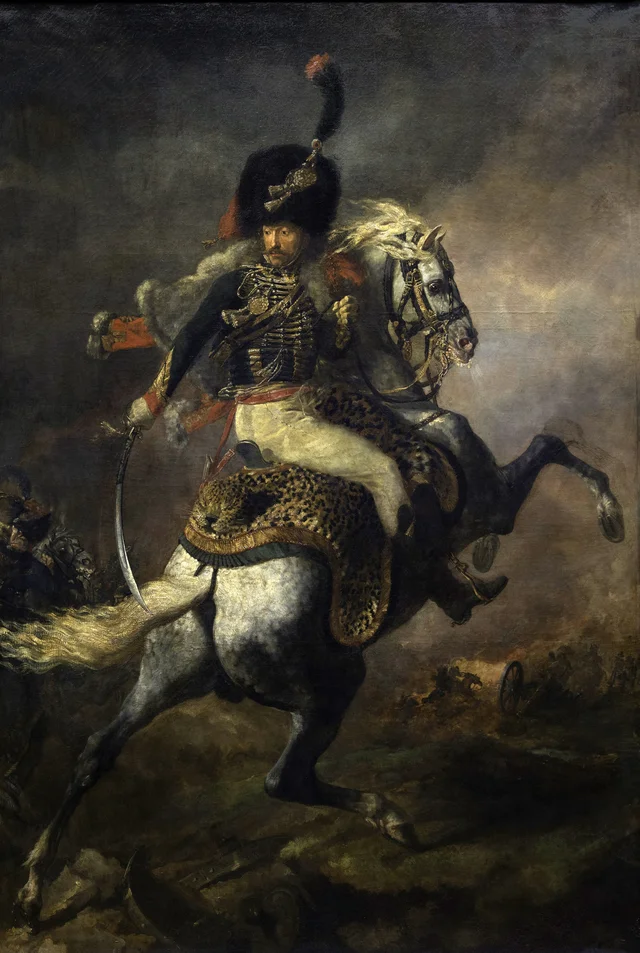 Angreifender Jäger zu PferdeThéodore Géricault, 1812
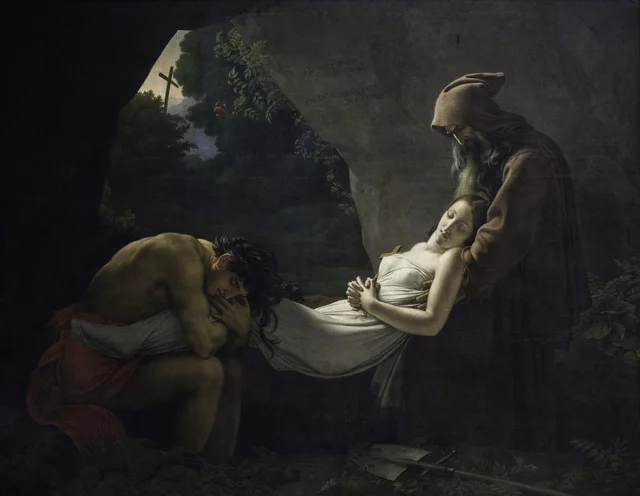 Das Begräbnis der AtalaAnne-Louis Girodet, 1808
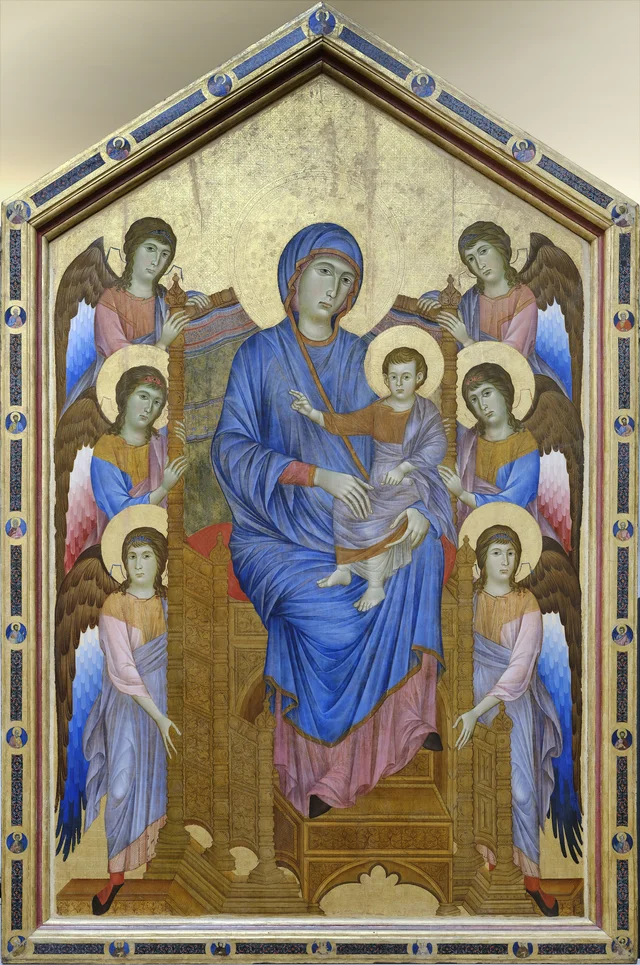 Thronende Madonna mit Kind, umgeben von EngelnCimabue, 1300
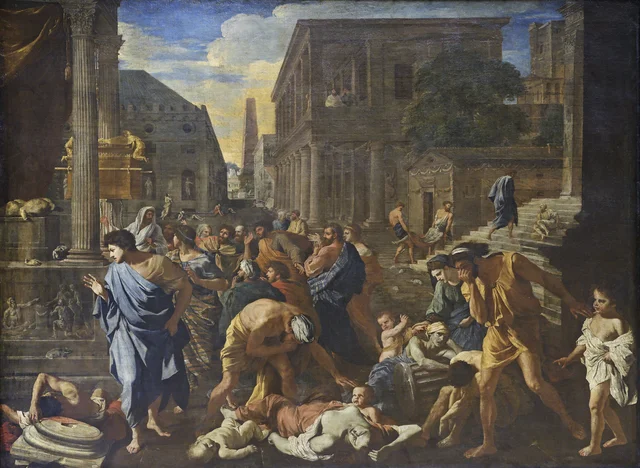 Die Pest von AschdodNicolas Poussin, 1630
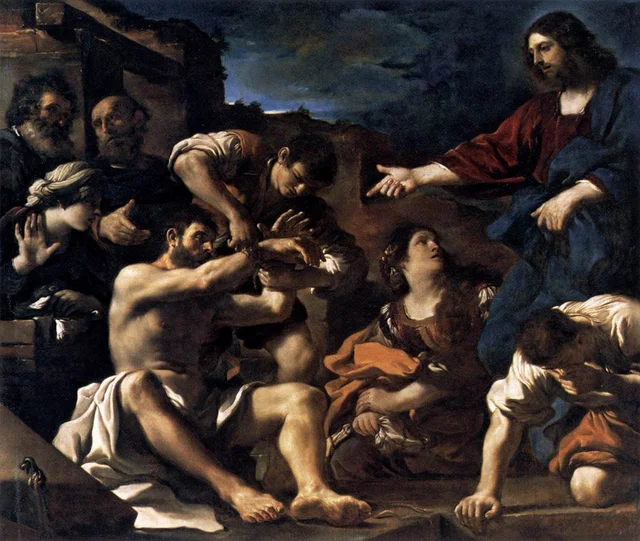 Die Auferweckung des LazarusGuercino, 1619
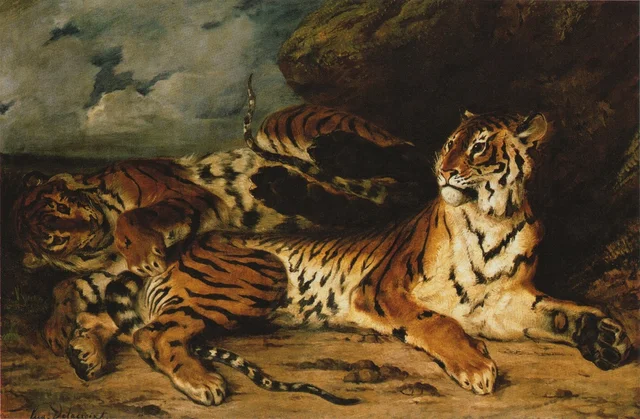 Junger Tiger, mit seiner Mutter spielendEugène Delacroix, 1830
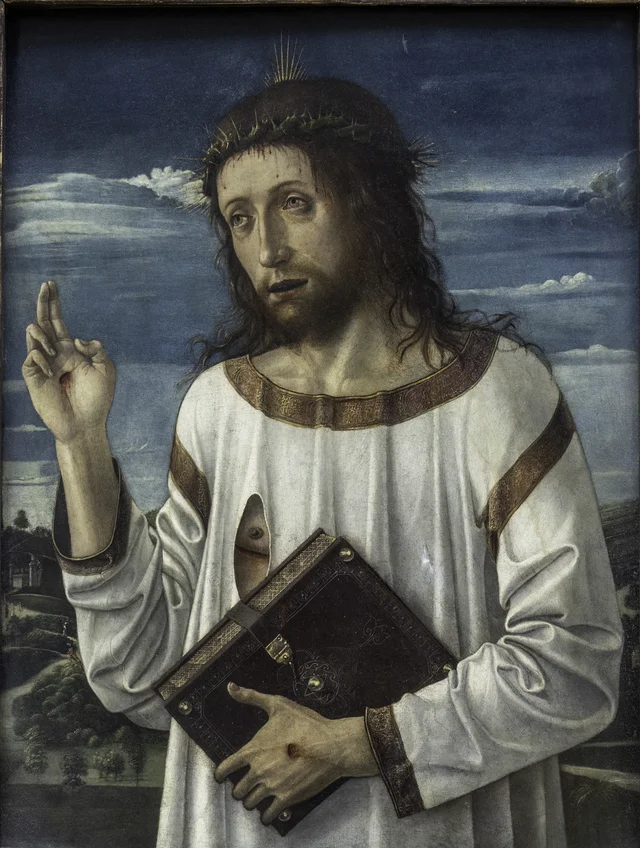 Segnender ChristusGiovanni Bellini, 1464
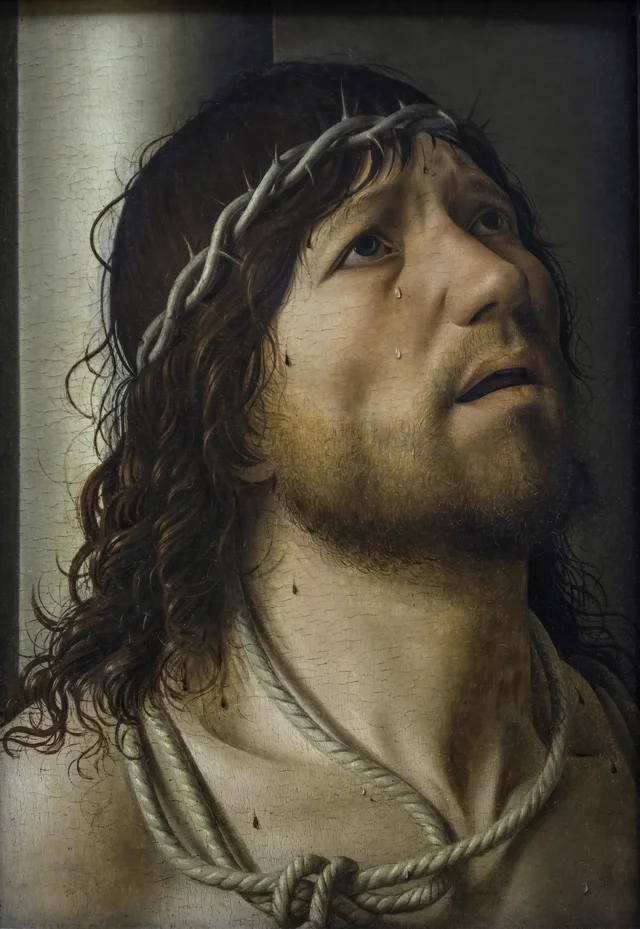 Christus an der GeißelsäuleAntonello da Messina, 1477
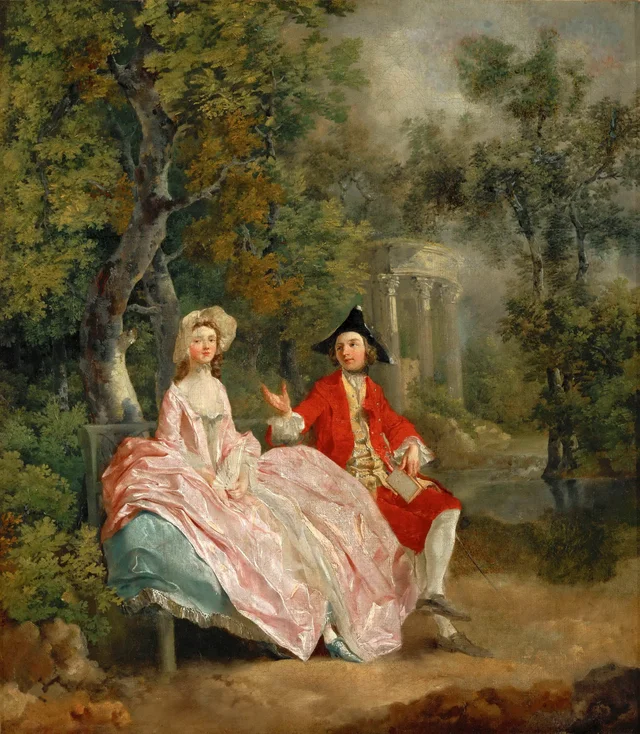 Gespräch in einem ParkThomas Gainsborough, 1746
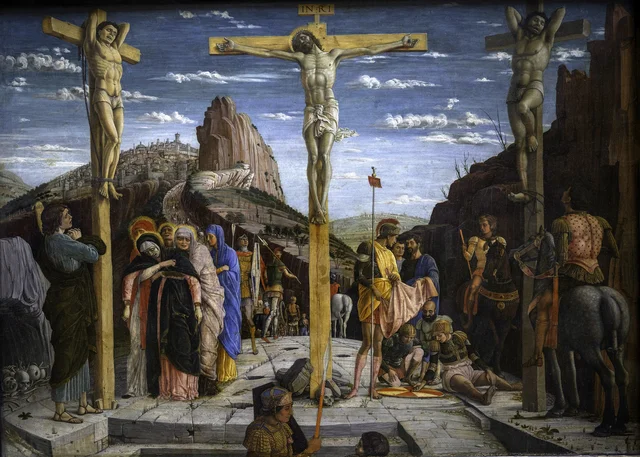 KreuzigungAndrea Mantegna, 1457
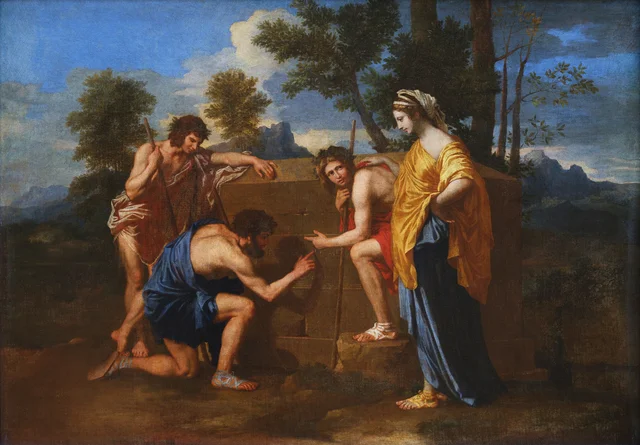 Et in Arcadia ego (Die arkadischen Hirten)Nicolas Poussin, 1638
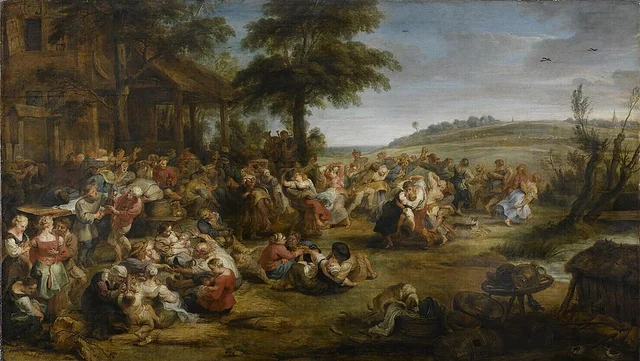 Feiernde und tanzende BauernPeter Paul Rubens, 1635
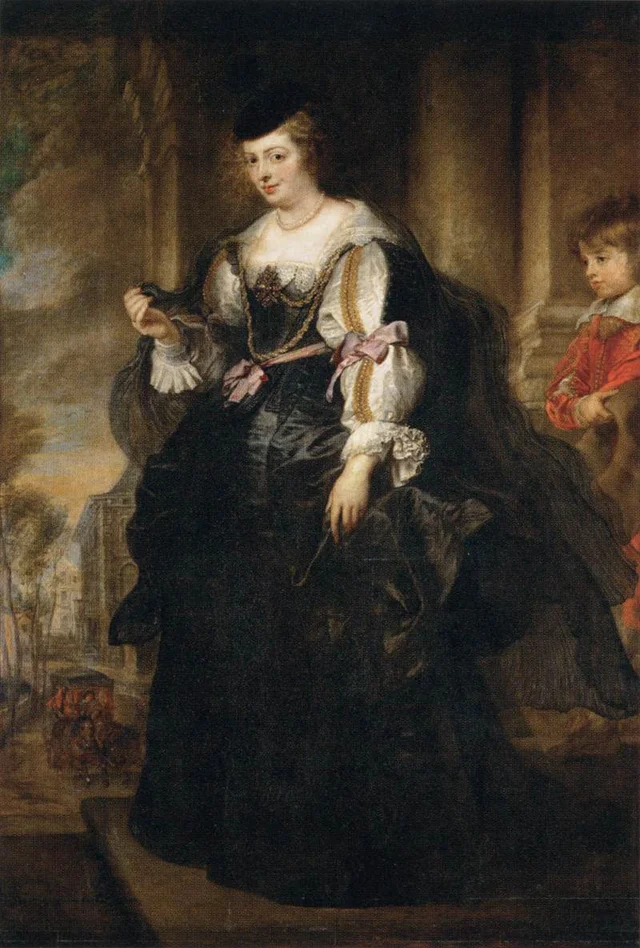 Helene Fourment mit WagenPeter Paul Rubens, 1639