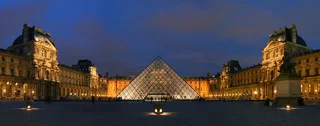
Die Geschichte
Der Louvre begann als Festung. Philipp II. ließ sie um 1190 am rechten Seineufer errichten, um das mittelalterliche Paris zu schützen, und über die folgenden Jahrhunderte bauten die französischen Könige sie zu einem Schloss um, bis Ludwig XIV. seinen Hof 1682 nach Versailles verlegte und die halbfertigen Säle der königlichen Sammlung und den dort einquartierten Künstlern überließ.
Die Revolution machte daraus ein öffentliches Museum. Am 10. August 1793 öffnete das Muséum central des arts seine Türen und zeigte die beschlagnahmte Kunst von Krone und Kirche jedem Bürger, der eintreten wollte. Napoleon füllte es mit der Beute seiner Feldzüge und benannte es kurzzeitig nach sich selbst. Vieles kehrte nach Waterloo zurück, doch die Idee hielt, eine für das Studium geordnete Nationalsammlung, frei zugänglich für alle.
Heute besitzt der Louvre mehr als 35.000 Werke, von der Venus von Milo bis zu Géricaults Floß der Medusa. Die Menge aber drängt zu einem kleinen Bildnis. Im August 1911 verschwand es: Vincenzo Peruggia, ein italienischer Handwerker, der im Museum gearbeitet hatte, nahm Leonardos Mona Lisa von der Wand und trug sie unter seinem Mantel hinaus. Zwei Jahre lang hing der Rahmen leer, während Besucher kamen, um die Lücke anzustarren, und das Bild kehrte erst 1913 zurück, nachdem Peruggia versucht hatte, es einem Händler in Florenz zu verkaufen. Die gläserne Pyramide von I. M. Pei, 1989 in den Hof gesetzt, markiert heute den Eingang.
Weitere Artikel
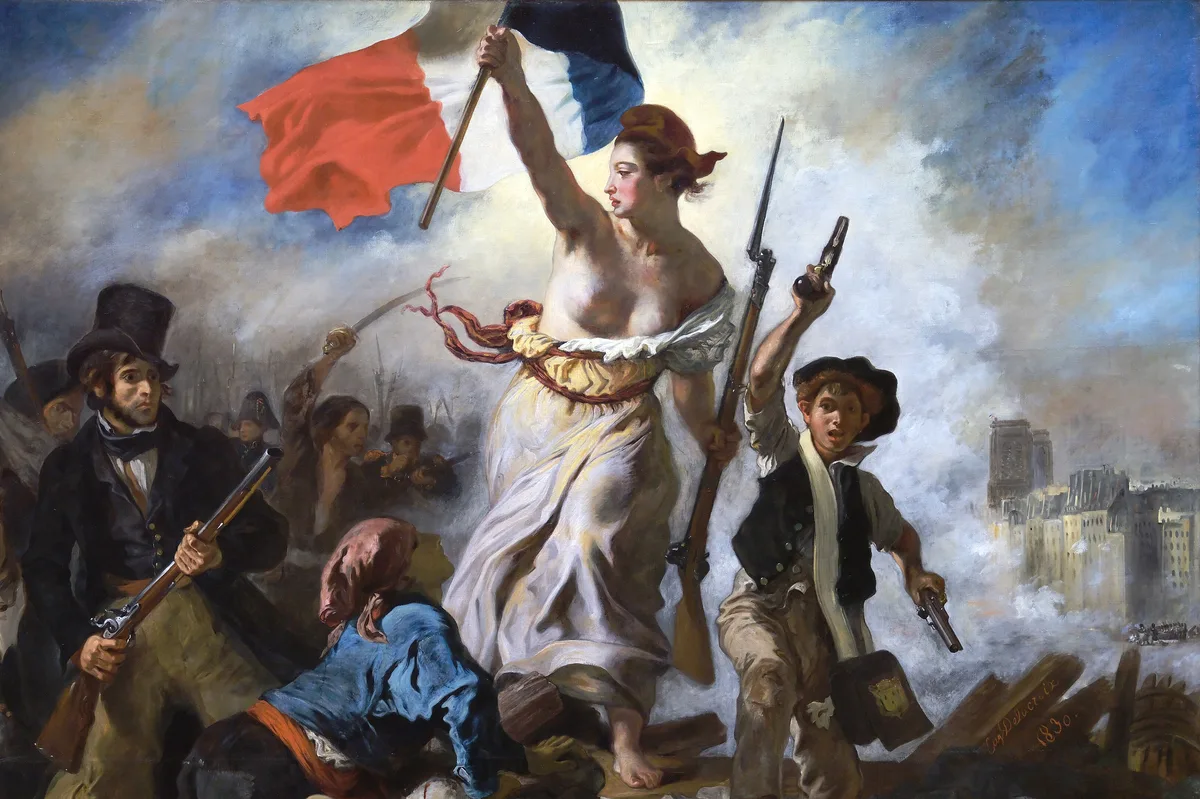
Sammlung
1.174 Werke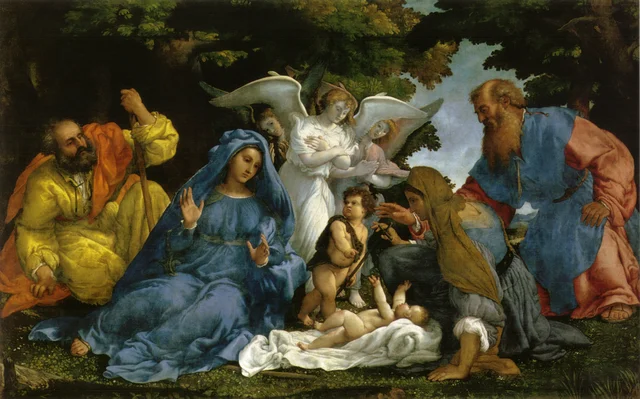 Heilige Familie mit dem JohannesknabenLorenzo Lotto, 1536
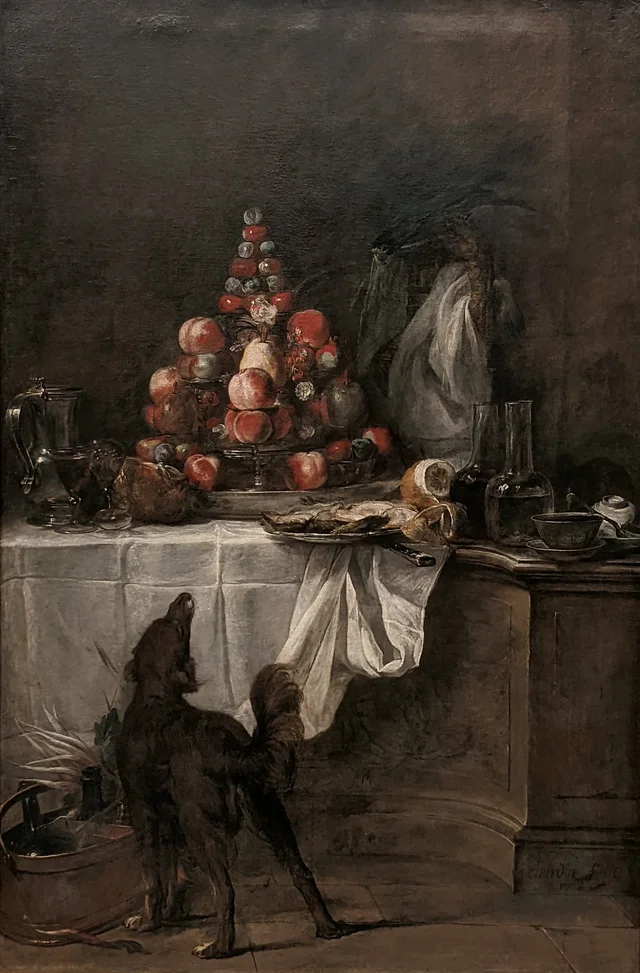 Das BuffetJean-Baptiste-Siméon Chardin, 1728
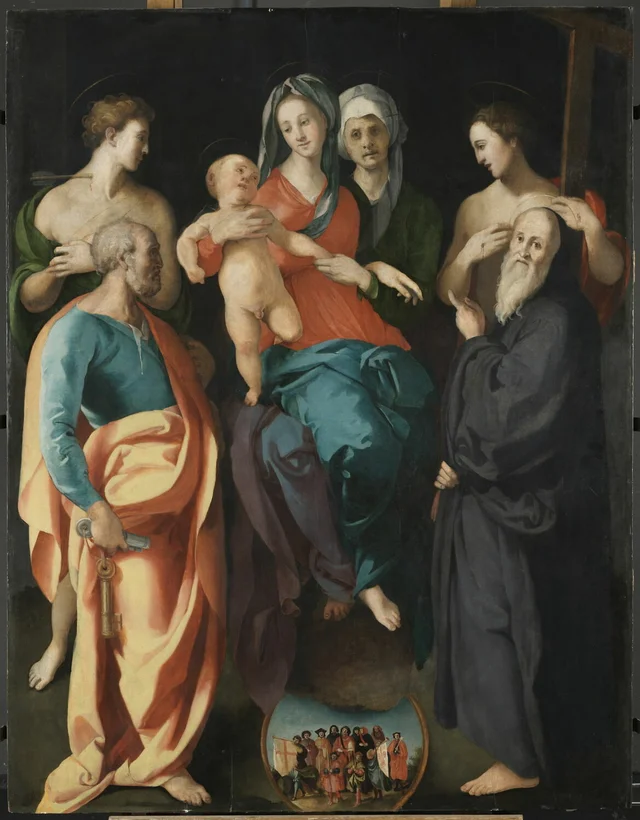 Madonna mit Kind, der heiligen Anna und vier HeiligenPontormo, 1528
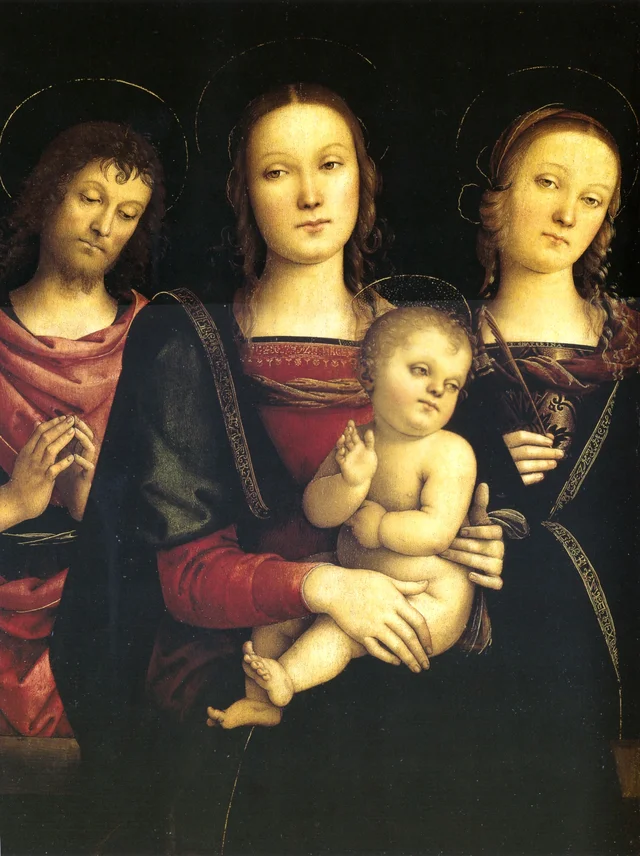 Madonna mit Kind und den Heiligen Johannes dem Täufer und Katharina von AlexandrienPietro Perugino, 1495
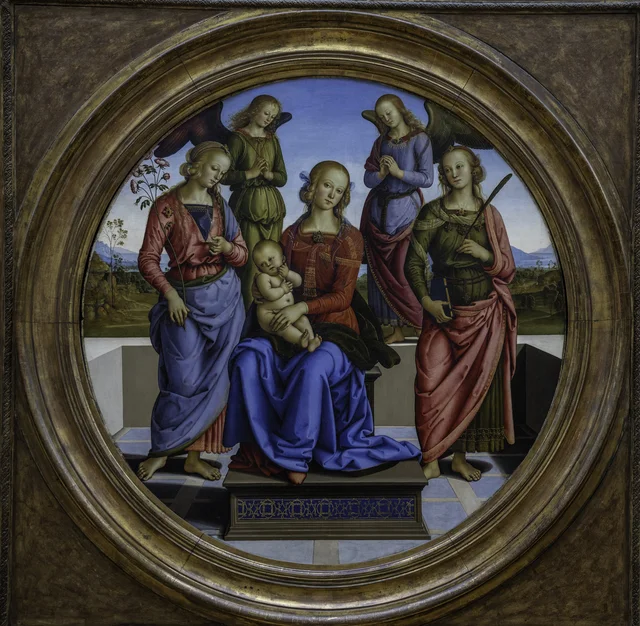 Maria mit Kind, zwei Engeln, der heiligen Rosa und der heiligen KatharinaPietro Perugino, 1490
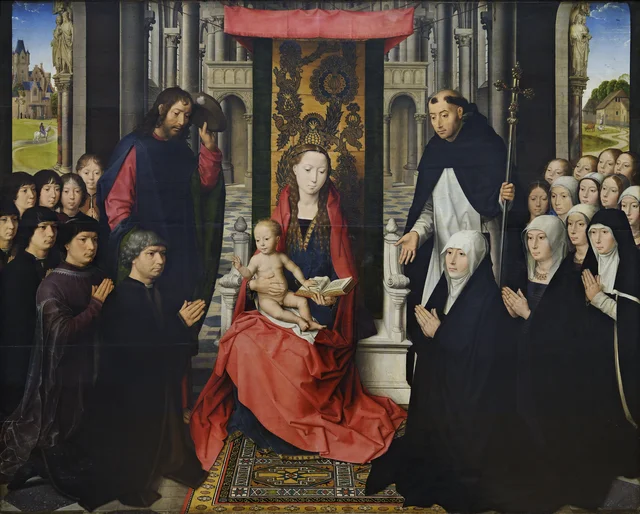 Madonna des Jacob FloreinsHans Memling, 1485
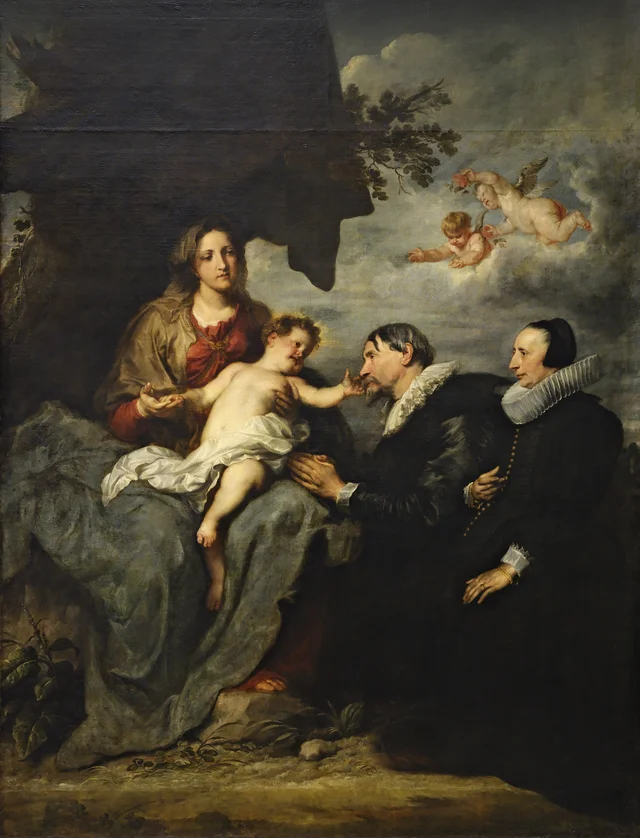 Madonna mit zwei StifternAnthonis van Dyck, 1630
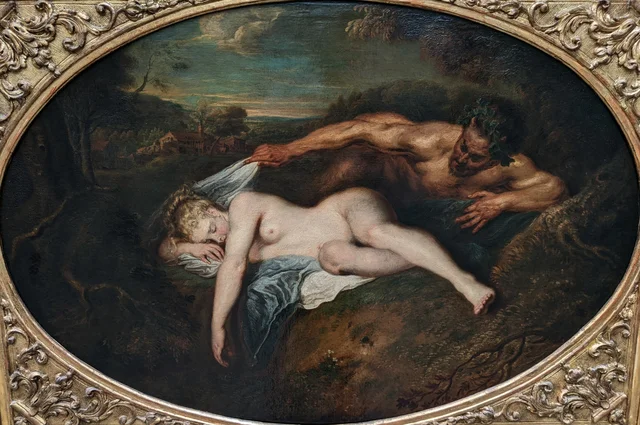 Nymphe und SatyrJean-Antoine Watteau, 1716
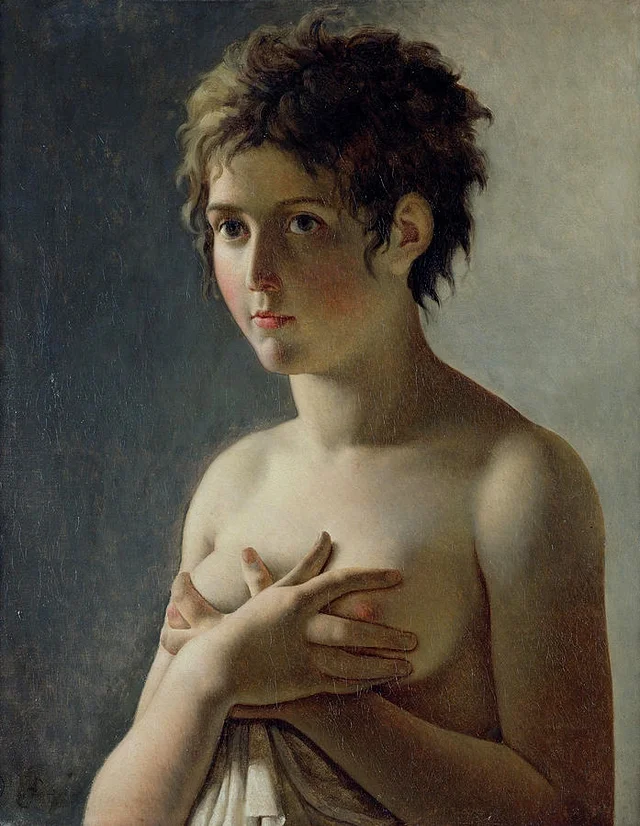 Porträt eines jungen MädchensPierre-Narcisse Guérin, 1795
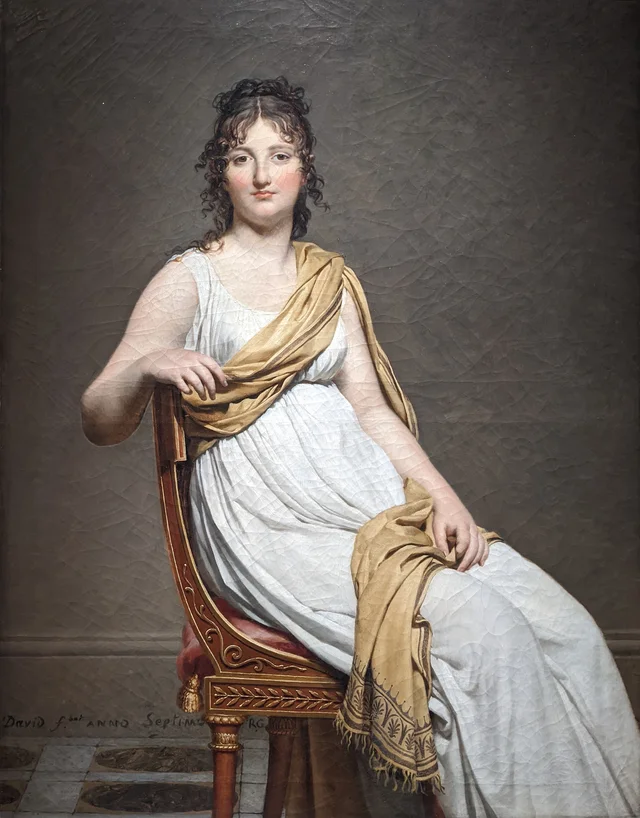 Bildnis der Madame de VerninacJacques-Louis David, 1799
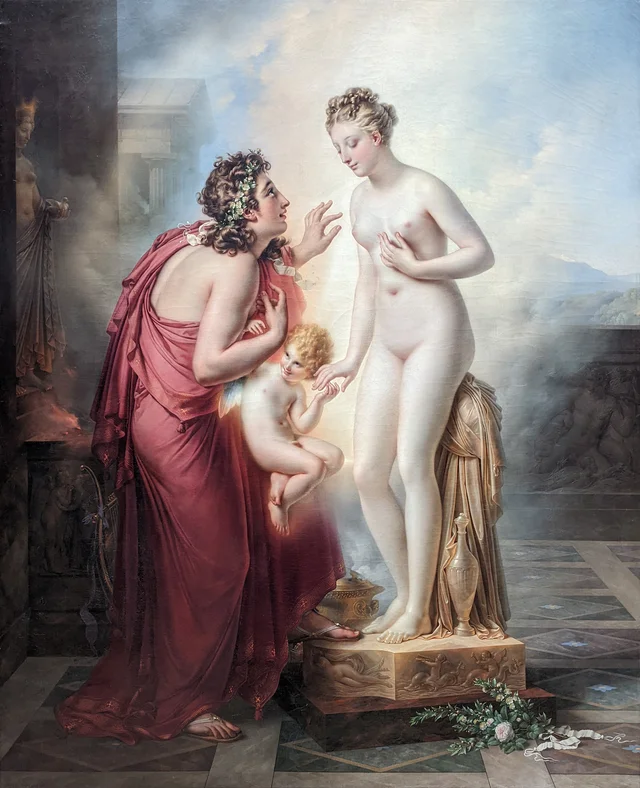 Pygmalion und GalateaAnne-Louis Girodet, 1819
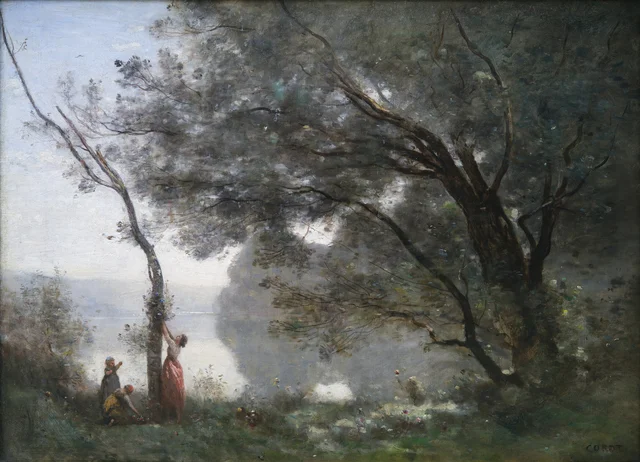 Erinnerung an MortefontaineJean-Baptiste Camille Corot, 1864
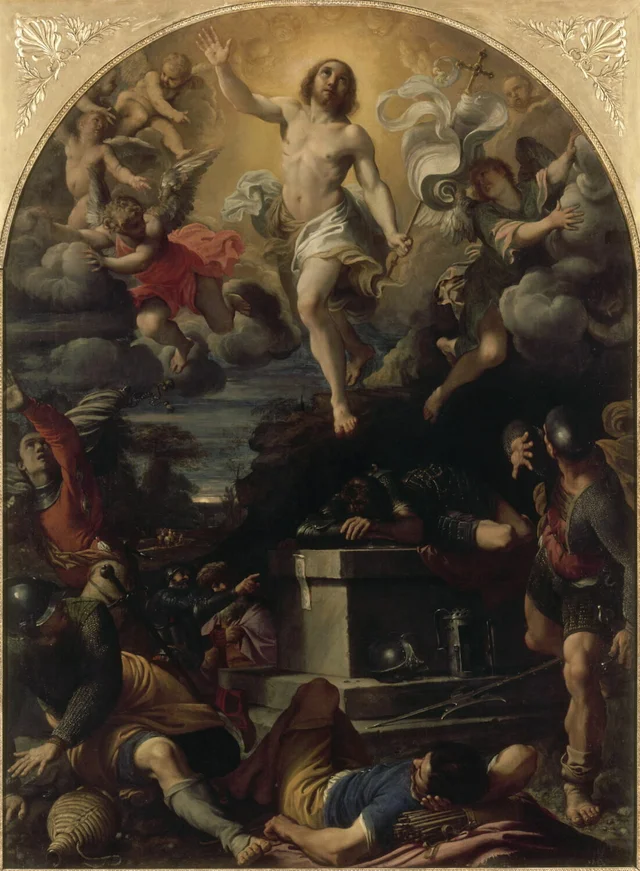 Auferstehung ChristiAnnibale Carracci, 1593
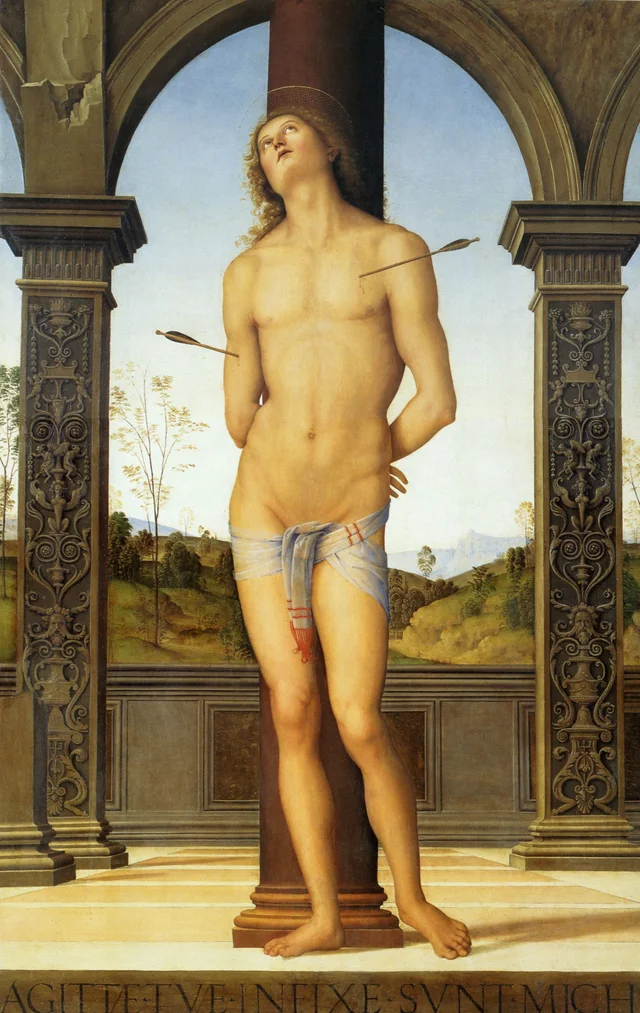 Der heilige SebastianPietro Perugino, 1490
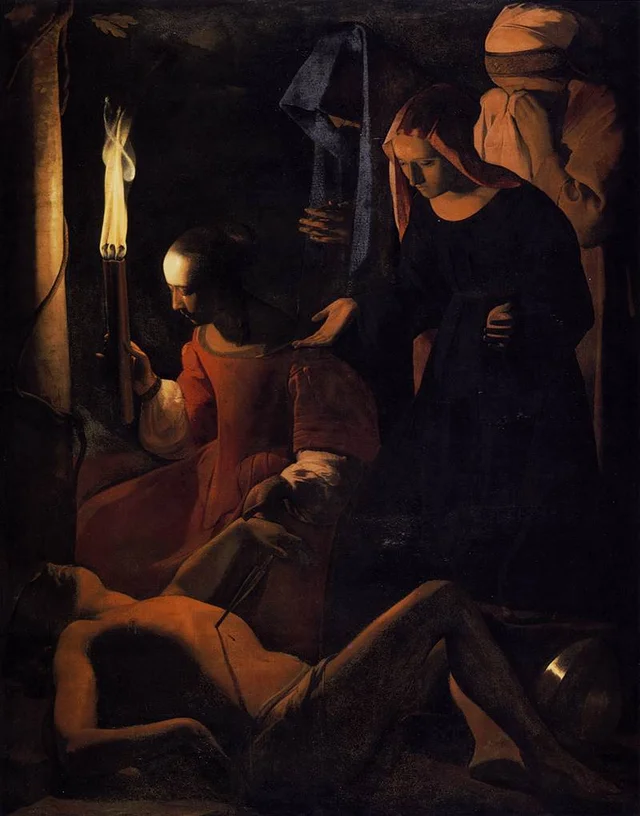 Der heilige Sebastian, von der heiligen Irene gepflegtGeorges de La Tour, 1649
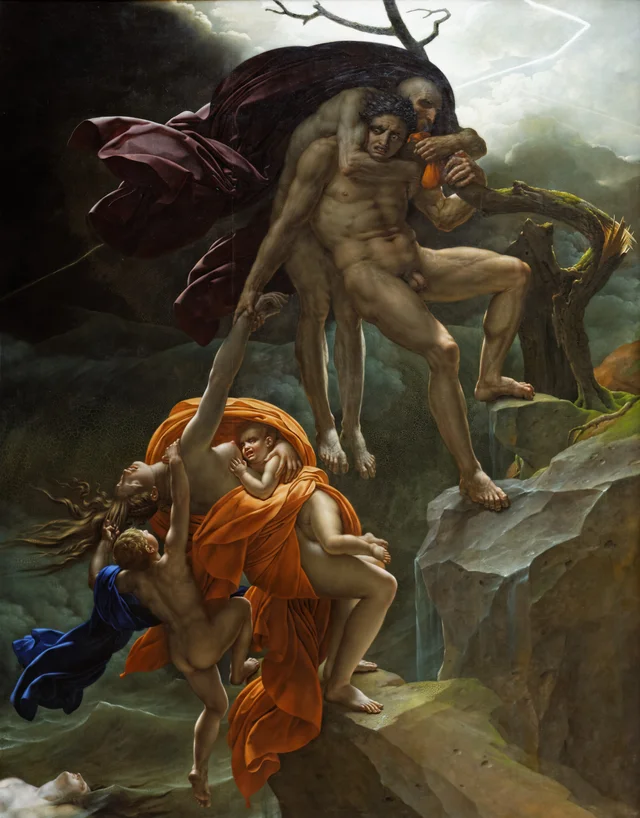 Szene der SintflutAnne-Louis Girodet, 1806
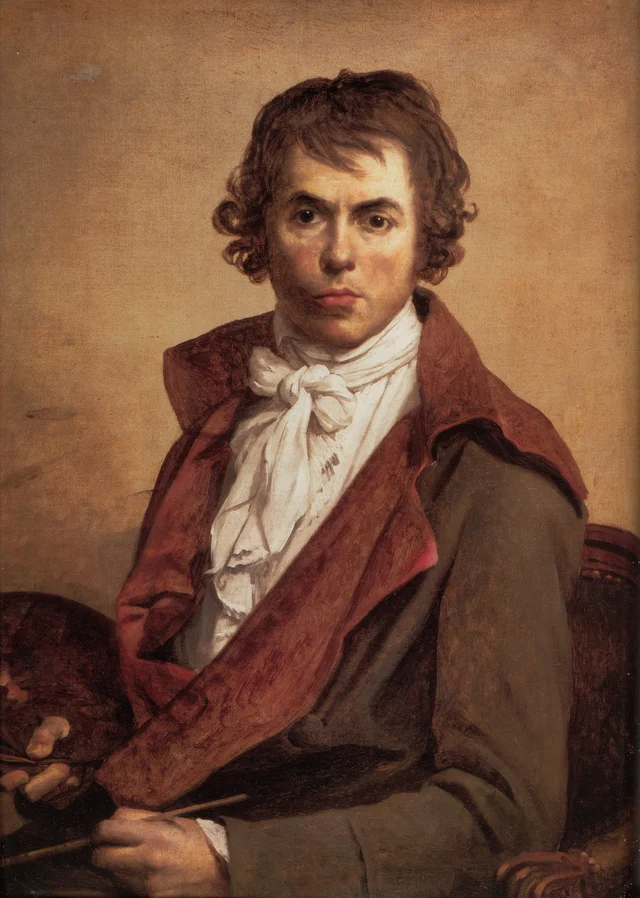 SelbstbildnisJacques-Louis David, 1794
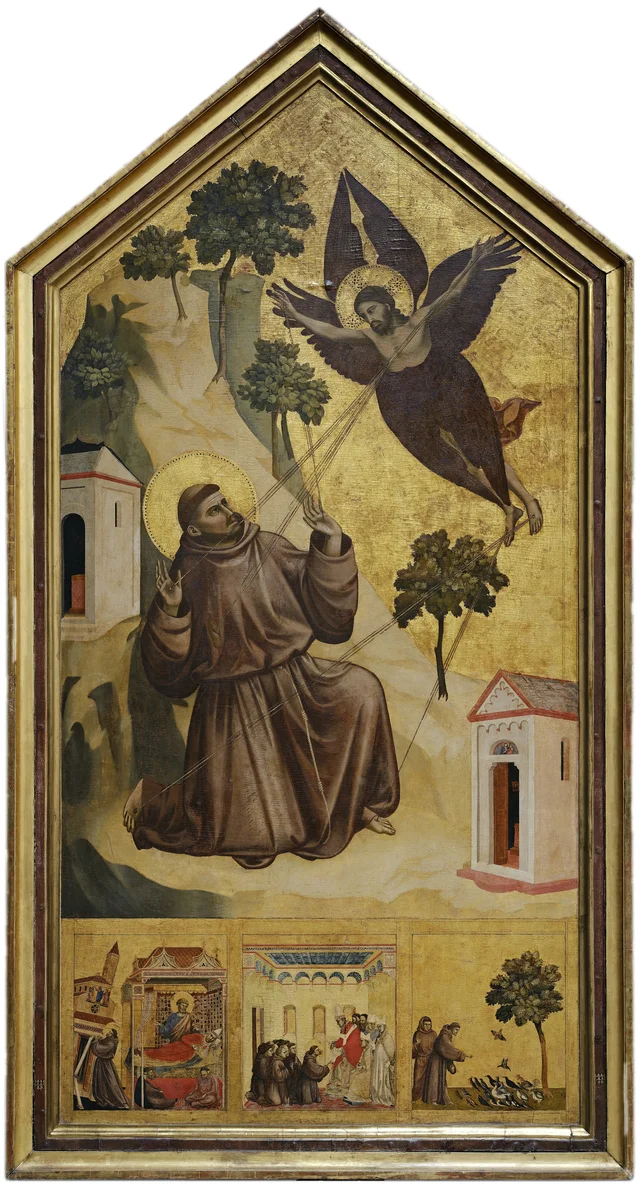 Der heilige Franziskus von Assisi empfängt die WundmaleGiotto, 1297
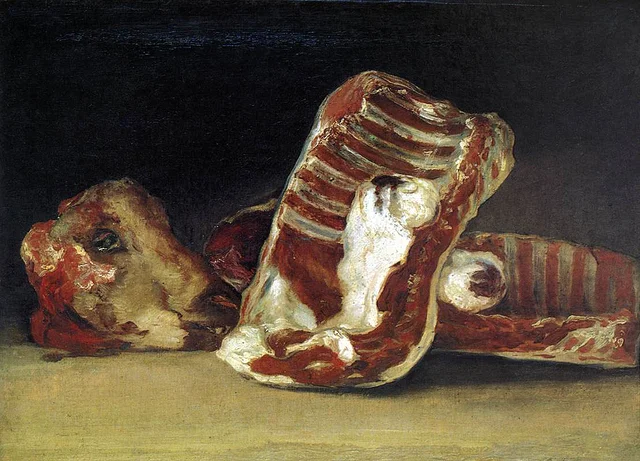 Stillleben: Ladentisch eines MetzgersFrancisco Goya, 1808
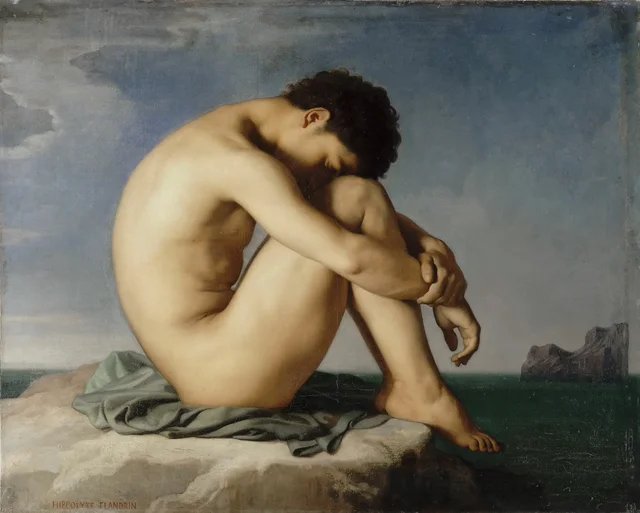 Studie (Sitzender männlicher Akt am Meer)Hippolyte Flandrin, 1837
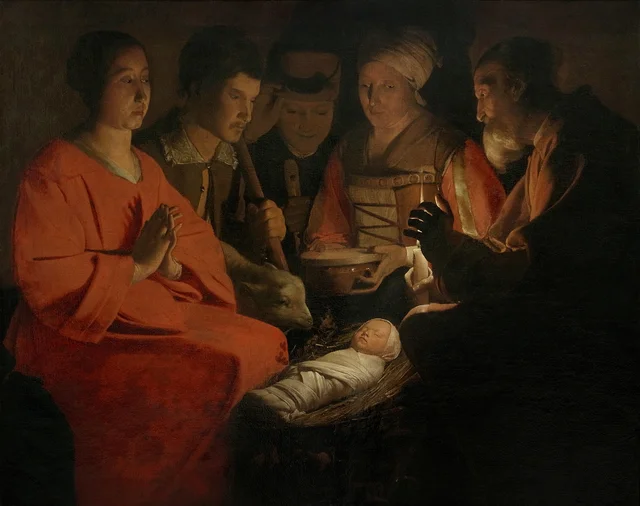 Die Anbetung der HirtenGeorges de La Tour, 1645
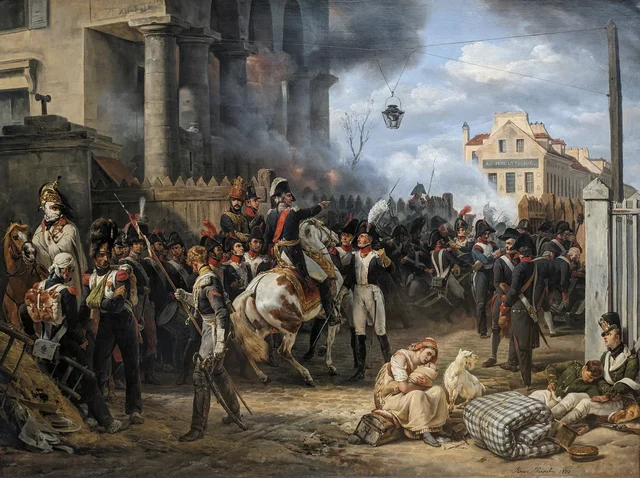 Die Barrière de ClichyHorace Vernet, 1820
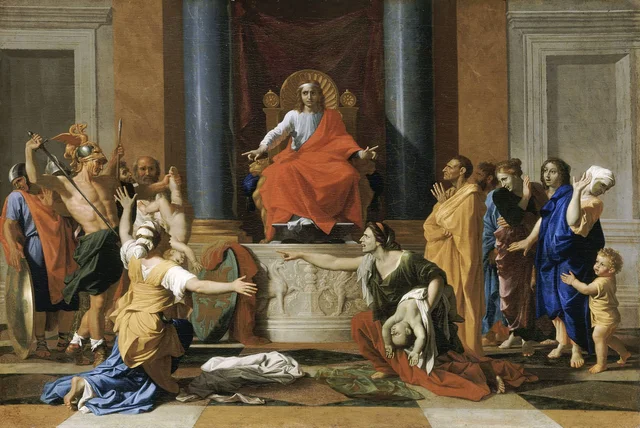 Das Urteil SalomosNicolas Poussin, 1649
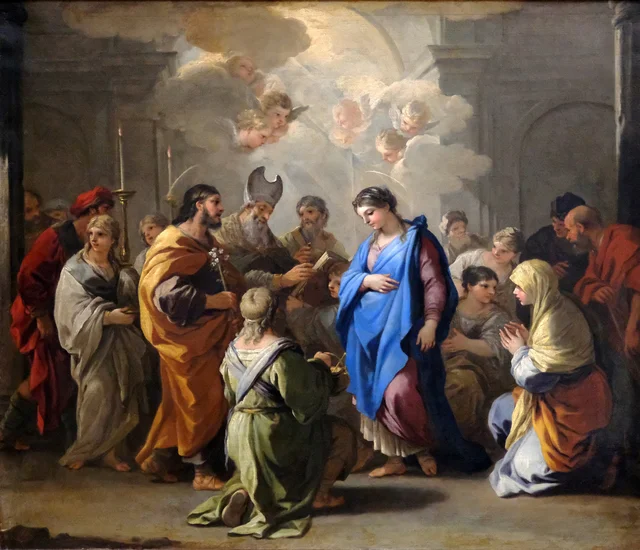 Die Vermählung MariäLuca Giordano, 1688
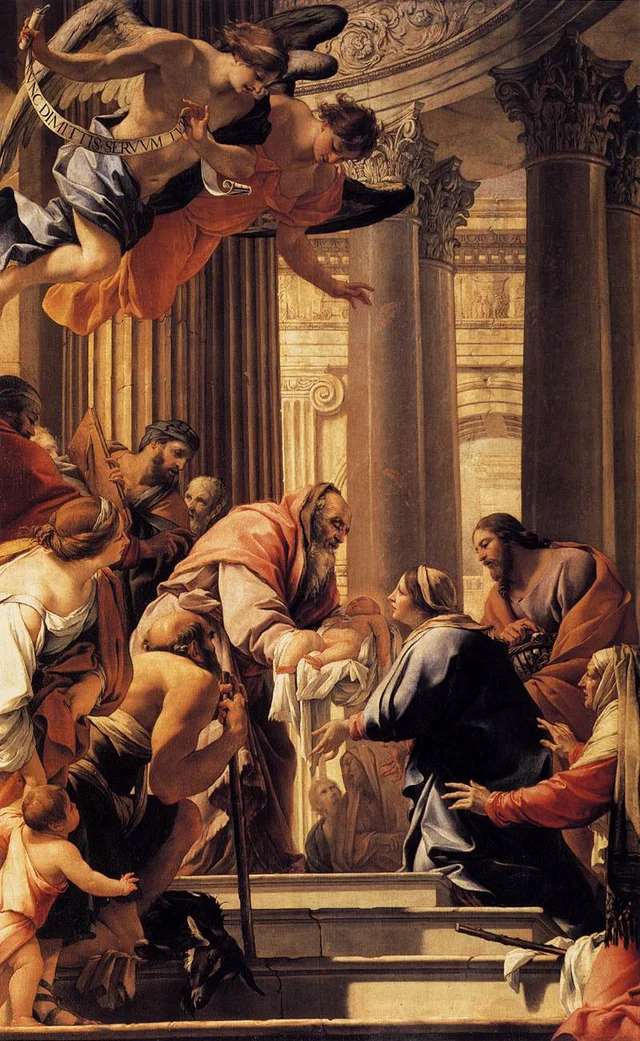 Die Darstellung im TempelSimon Vouet, 1640