Die Geschichte
Der Louvre begann als Festung. Philipp II. ließ sie um 1190 am rechten Seineufer errichten, um das mittelalterliche Paris zu schützen, und über die folgenden Jahrhunderte bauten die französischen Könige sie zu einem Schloss um, bis Ludwig XIV. seinen Hof 1682 nach Versailles verlegte und die halbfertigen Säle der königlichen Sammlung und den dort einquartierten Künstlern überließ.
Die Revolution machte daraus ein öffentliches Museum. Am 10. August 1793 öffnete das Muséum central des arts seine Türen und zeigte die beschlagnahmte Kunst von Krone und Kirche jedem Bürger, der eintreten wollte. Napoleon füllte es mit der Beute seiner Feldzüge und benannte es kurzzeitig nach sich selbst. Vieles kehrte nach Waterloo zurück, doch die Idee hielt, eine für das Studium geordnete Nationalsammlung, frei zugänglich für alle.
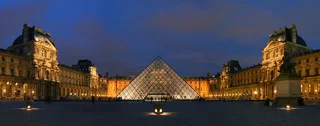
Heute besitzt der Louvre mehr als 35.000 Werke, von der Venus von Milo bis zu Géricaults Floß der Medusa. Die Menge aber drängt zu einem kleinen Bildnis. Im August 1911 verschwand es: Vincenzo Peruggia, ein italienischer Handwerker, der im Museum gearbeitet hatte, nahm Leonardos Mona Lisa von der Wand und trug sie unter seinem Mantel hinaus. Zwei Jahre lang hing der Rahmen leer, während Besucher kamen, um die Lücke anzustarren, und das Bild kehrte erst 1913 zurück, nachdem Peruggia versucht hatte, es einem Händler in Florenz zu verkaufen. Die gläserne Pyramide von I. M. Pei, 1989 in den Hof gesetzt, markiert heute den Eingang.
Weitere Artikel
Sammlung
1.174 Werke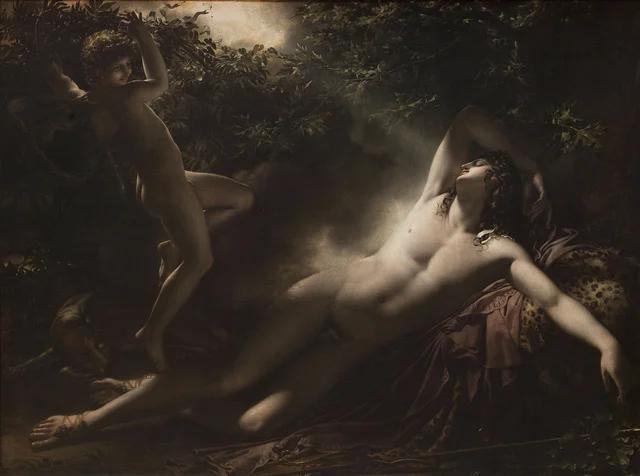 Der Schlaf des EndymionAnne-Louis Girodet, 1791
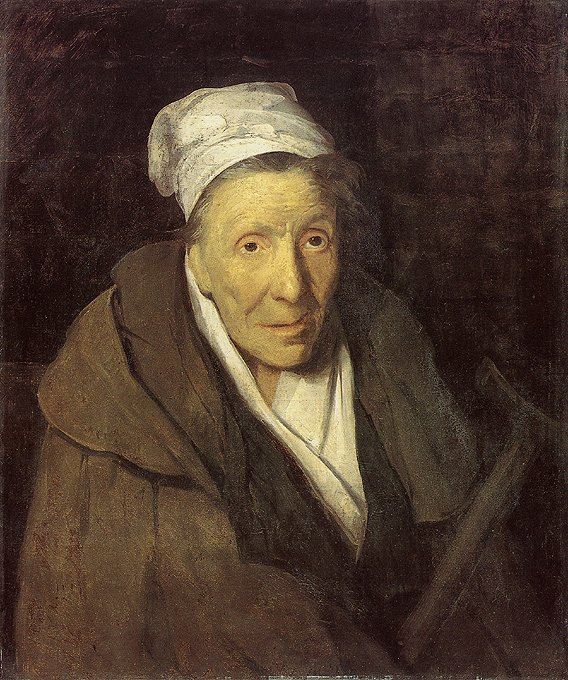 Die SpielsüchtigeThéodore Géricault, 1820
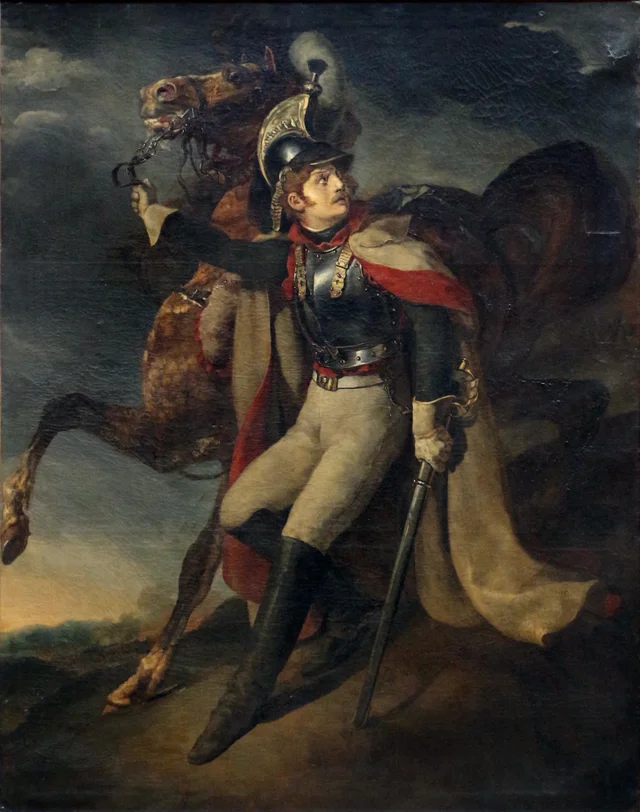 Der verwundete KürassierThéodore Géricault, 1814
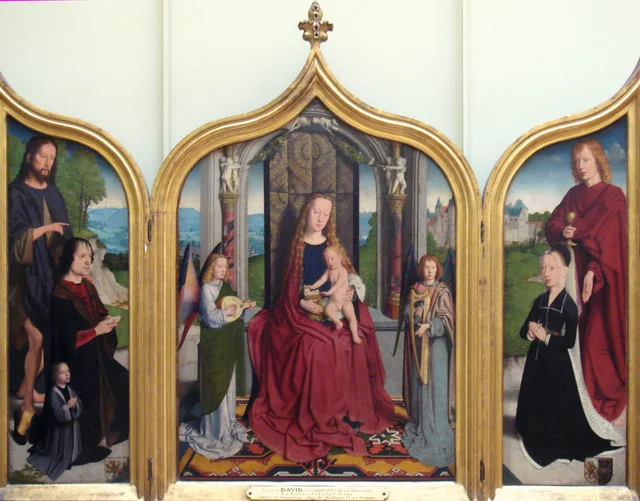 Triptychon der Familie SedanoGerard David, 1492
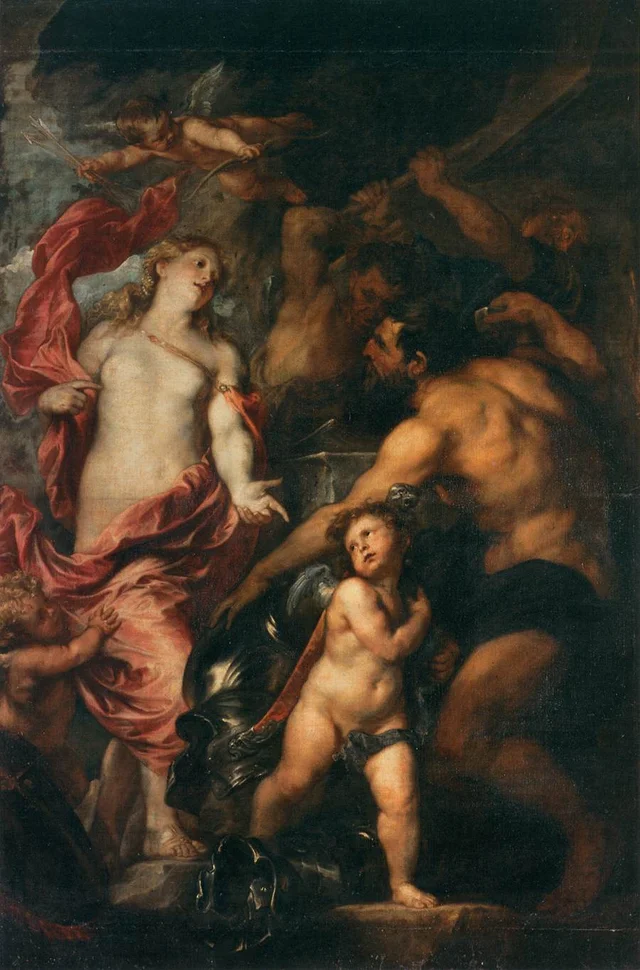 Venus bittet Vulkan um Waffen für ihren Sohn AeneasAnthonis van Dyck, 1630
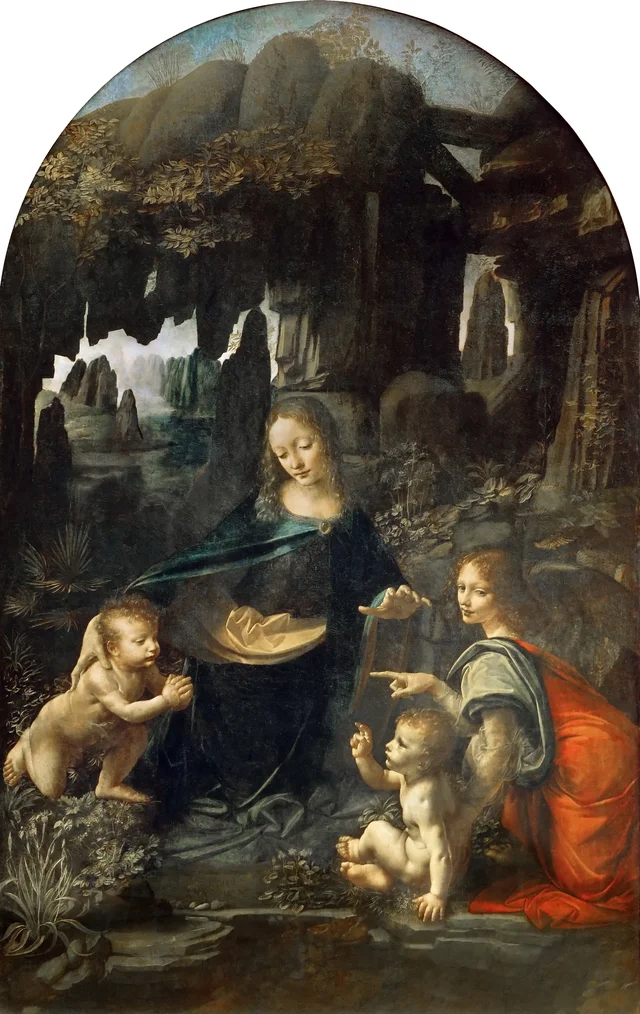 FelsgrottenmadonnaLeonardo da Vinci, 1484
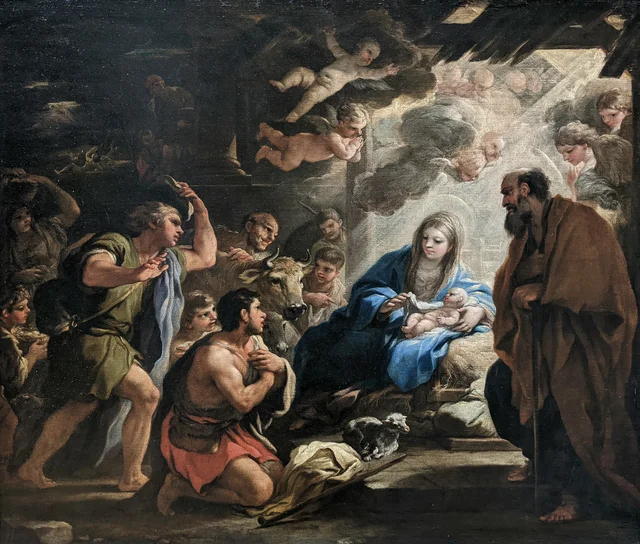 Anbetung der Hirten (1688)Luca Giordano, 1688
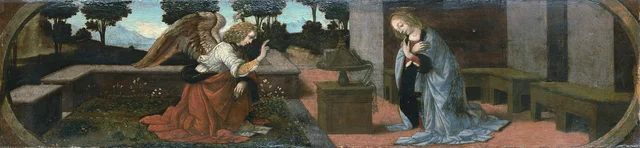 VerkündigungLorenzo di Credi, 1475
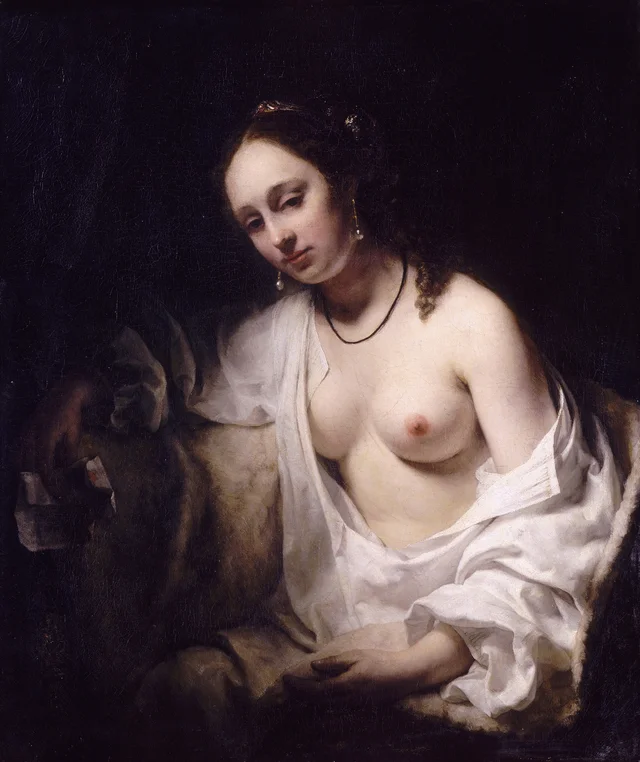 Bathseba mit dem Brief König DavidsWillem Drost, 1654
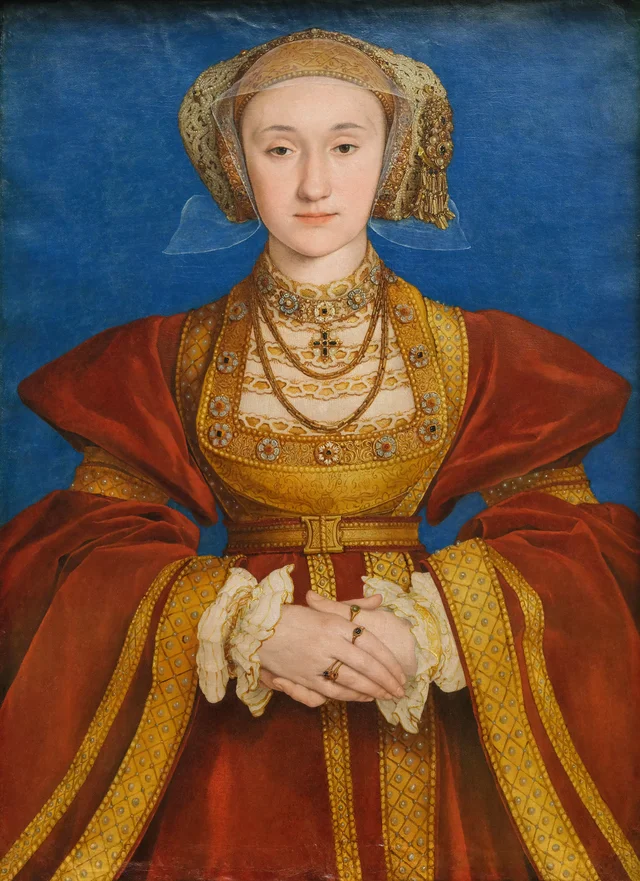 Verlobungsbildnis der Anna von KleveHans Holbein der Jüngere, 1539
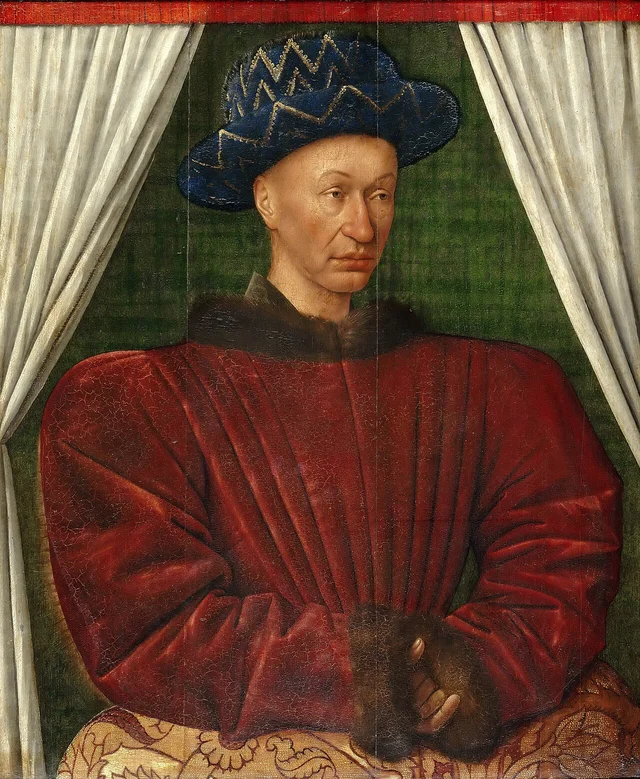 Karl VII., König von FrankreichJean Fouquet, 1444
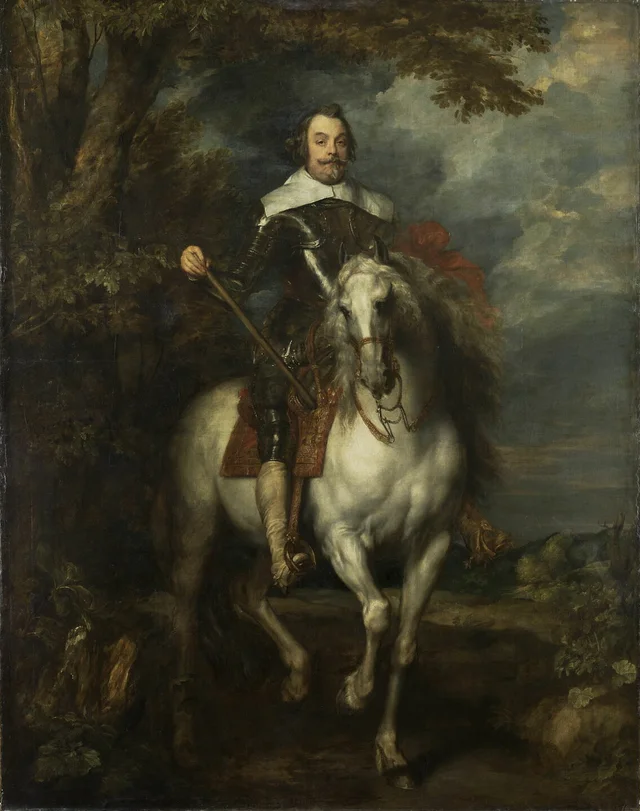 Reiterbildnis des Francisco de MoncadaAnthonis van Dyck, 1634
 Die Gerechtigkeit und die göttliche Rache verfolgen das VerbrechenPierre-Paul Prud'hon, 1808
 Landschaft mit SchlossRembrandt, 1641
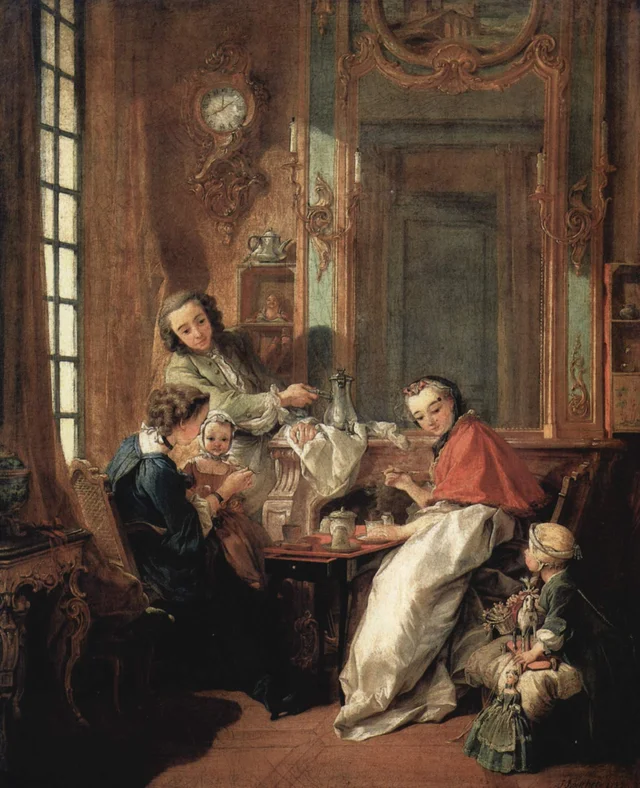 Das FrühstückFrançois Boucher, 1739
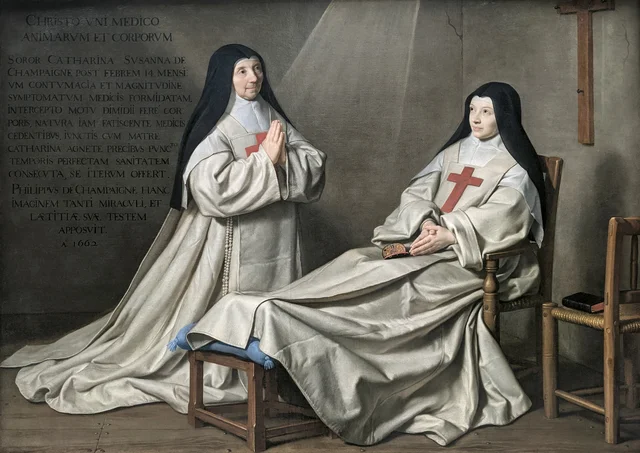 Mutter Catherine-Agnès Arnauld und Schwester Catherine de Sainte-Suzanne de ChampaignePhilippe de Champaigne, 1662
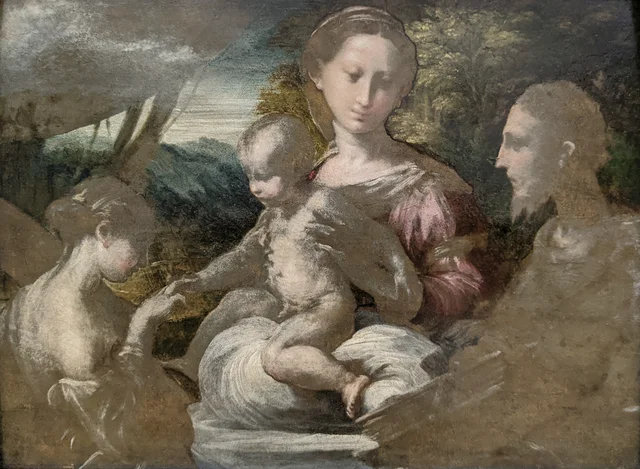 Die mystische Vermählung der heiligen KatharinaParmigianino, 1528
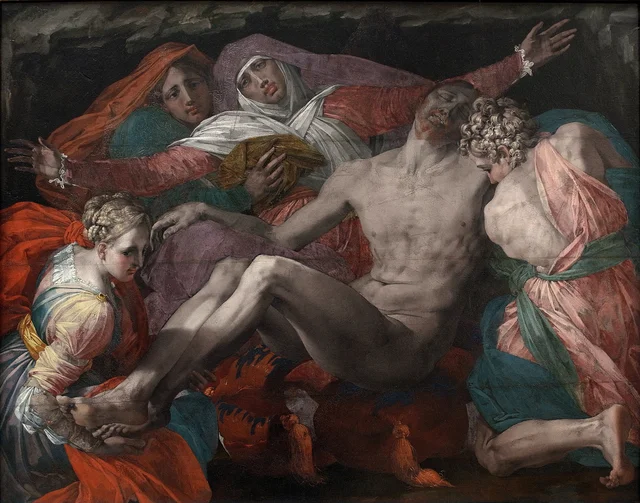 PietàRosso Fiorentino, 1536
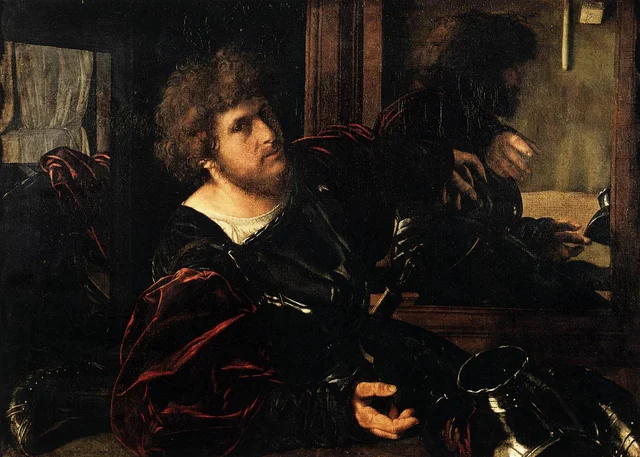 Bildnis eines geharnischten KriegersGiovanni Girolamo Savoldo, 1529
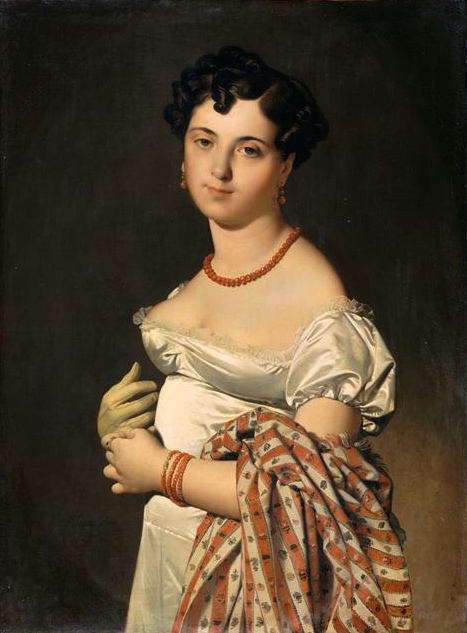 Bildnis der Madame PanckouckeJean-Auguste-Dominique Ingres, 1811
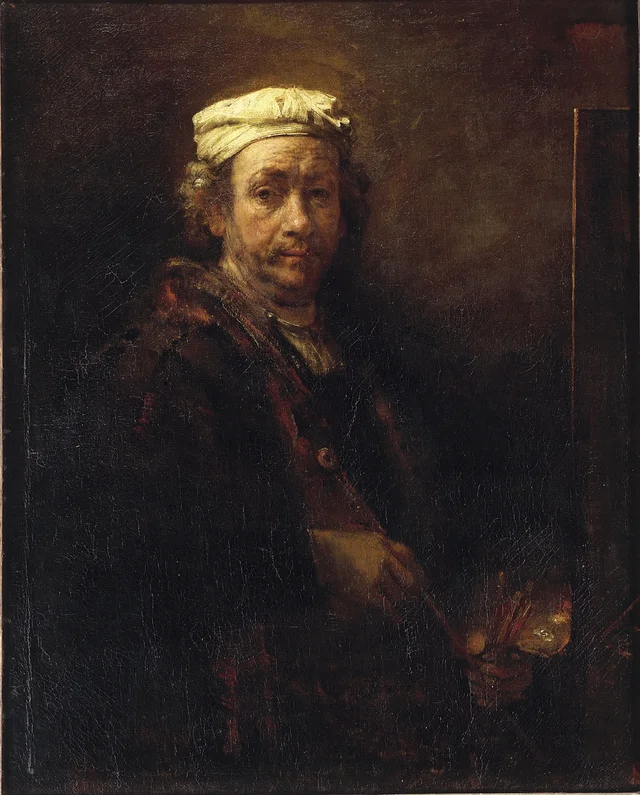 Selbstbildnis mit StaffeleiRembrandt, 1660
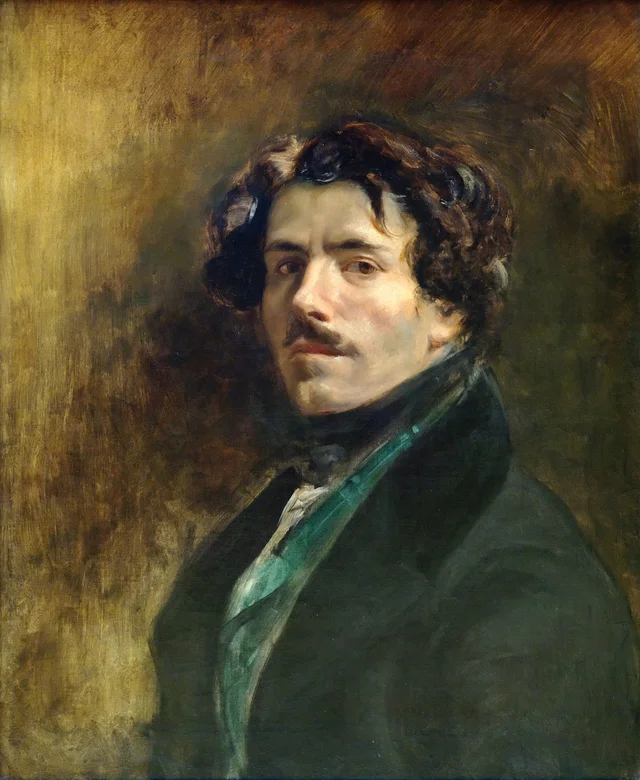 Selbstbildnis mit grüner WesteEugène Delacroix, 1837
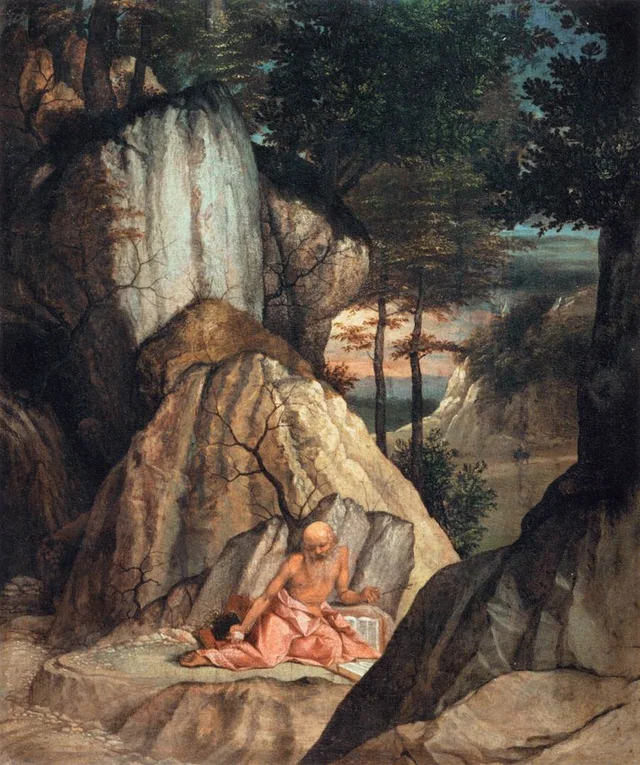 Der heilige Hieronymus in der WildnisLorenzo Lotto, 1506
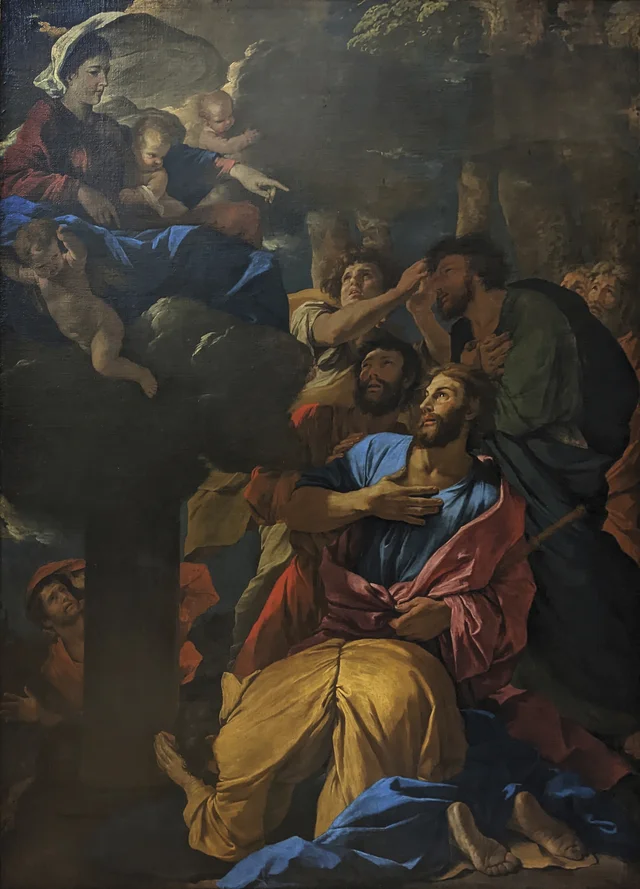 Die Erscheinung der Jungfrau vor dem heiligen Jakobus dem ÄlterenNicolas Poussin, 1629
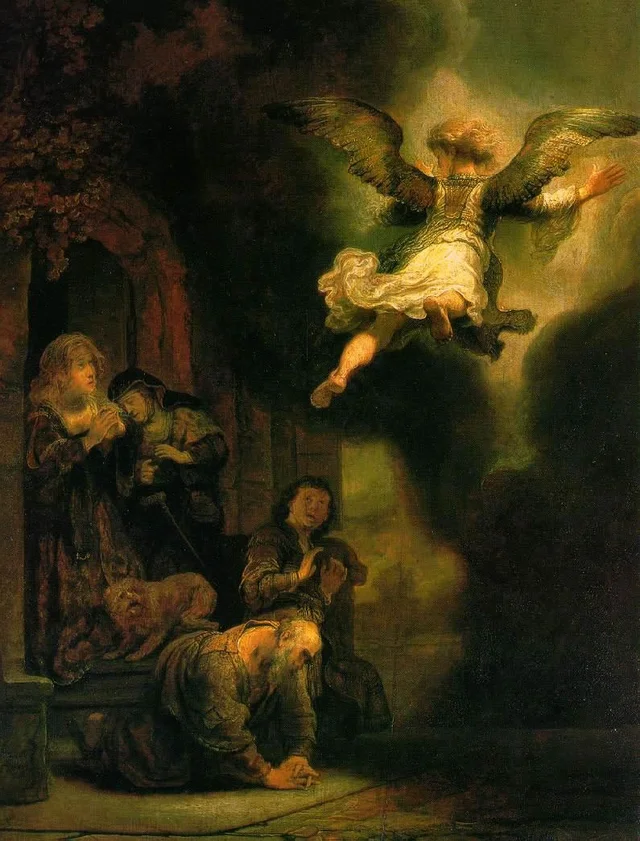 Der Engel verlässt Tobias und seine FamilieRembrandt, 1637