Die Geschichte
Der Louvre begann als Festung. Philipp II. ließ sie um 1190 am rechten Seineufer errichten, um das mittelalterliche Paris zu schützen, und über die folgenden Jahrhunderte bauten die französischen Könige sie zu einem Schloss um, bis Ludwig XIV. seinen Hof 1682 nach Versailles verlegte und die halbfertigen Säle der königlichen Sammlung und den dort einquartierten Künstlern überließ.
Die Revolution machte daraus ein öffentliches Museum. Am 10. August 1793 öffnete das Muséum central des arts seine Türen und zeigte die beschlagnahmte Kunst von Krone und Kirche jedem Bürger, der eintreten wollte. Napoleon füllte es mit der Beute seiner Feldzüge und benannte es kurzzeitig nach sich selbst. Vieles kehrte nach Waterloo zurück, doch die Idee hielt, eine für das Studium geordnete Nationalsammlung, frei zugänglich für alle.
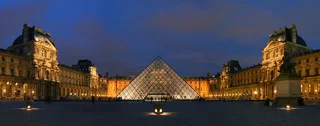
Heute besitzt der Louvre mehr als 35.000 Werke, von der Venus von Milo bis zu Géricaults Floß der Medusa. Die Menge aber drängt zu einem kleinen Bildnis. Im August 1911 verschwand es: Vincenzo Peruggia, ein italienischer Handwerker, der im Museum gearbeitet hatte, nahm Leonardos Mona Lisa von der Wand und trug sie unter seinem Mantel hinaus. Zwei Jahre lang hing der Rahmen leer, während Besucher kamen, um die Lücke anzustarren, und das Bild kehrte erst 1913 zurück, nachdem Peruggia versucht hatte, es einem Händler in Florenz zu verkaufen. Die gläserne Pyramide von I. M. Pei, 1989 in den Hof gesetzt, markiert heute den Eingang.
Weitere Artikel
Sammlung
1.174 Werke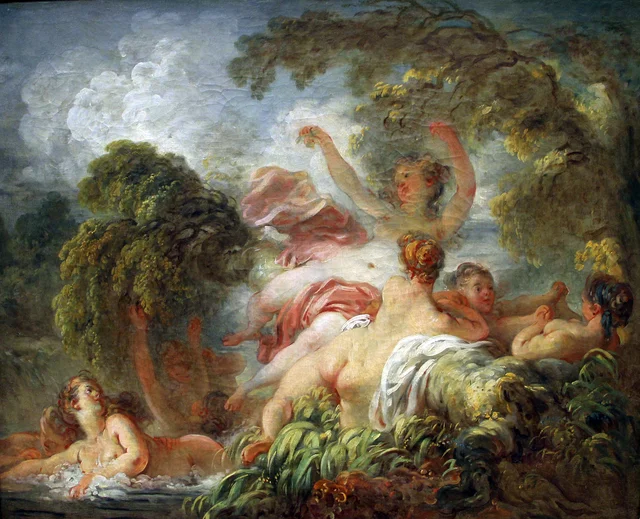 Die BadendenJean-Honoré Fragonard, 1765
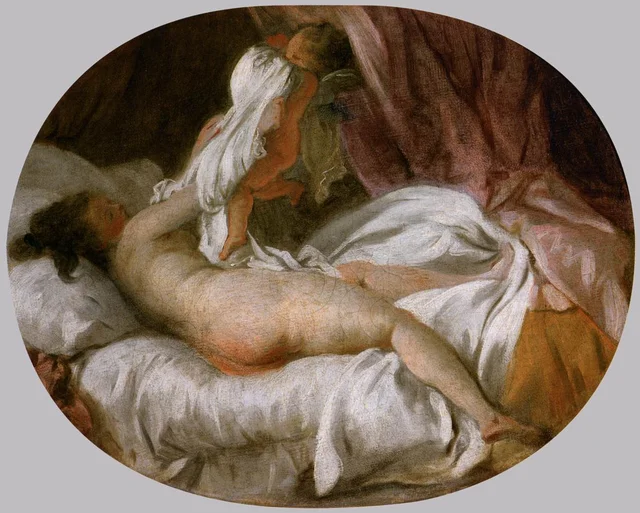 Das entfernte HemdJean-Honoré Fragonard, 1770
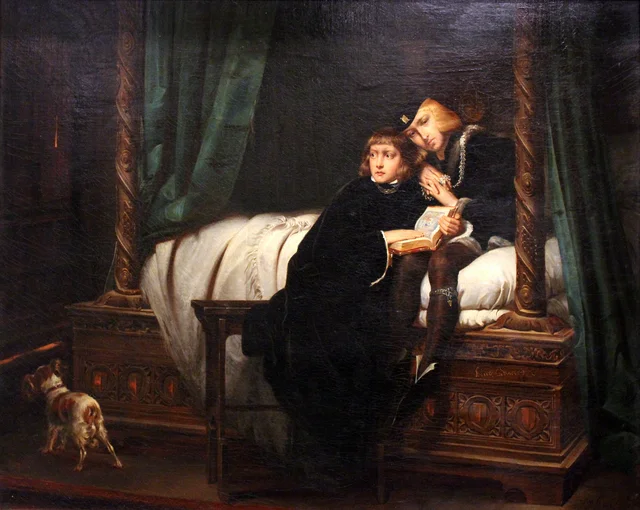 Die Kinder EduardsPaul Delaroche, 1830
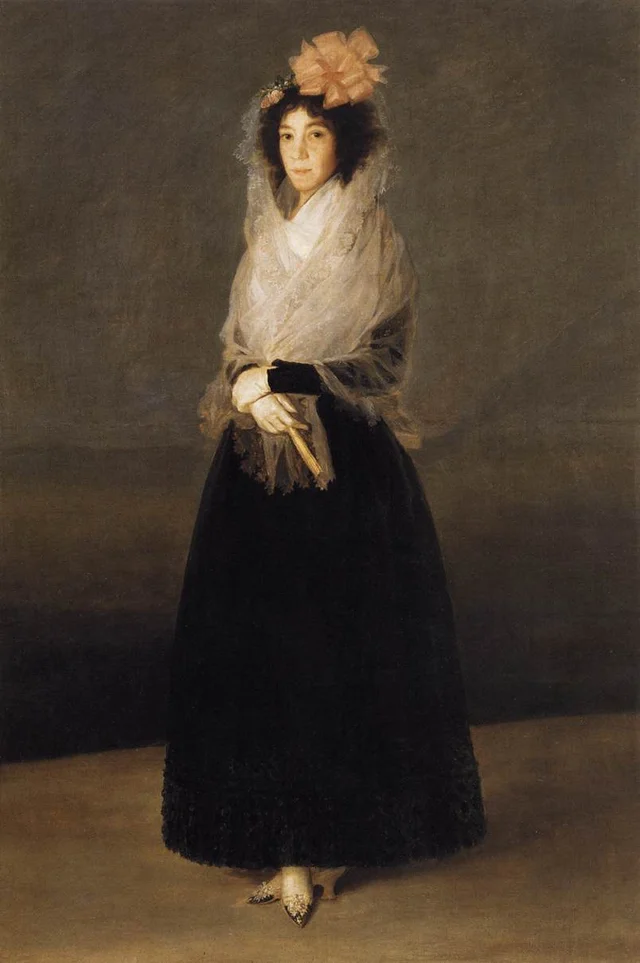 Die Gräfin del Carpio, Marquesa de La SolanaFrancisco Goya, 1793
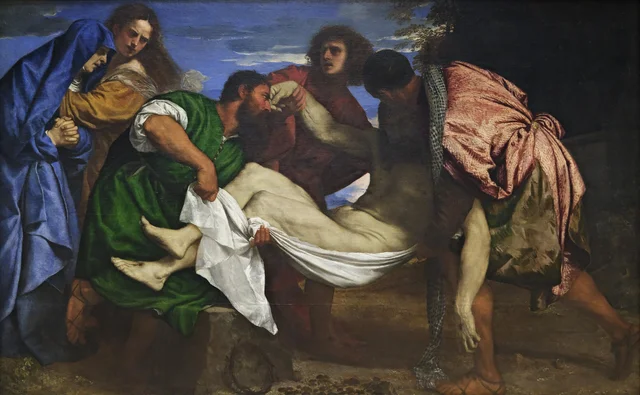 Die Grablegung ChristiTizian, 1524
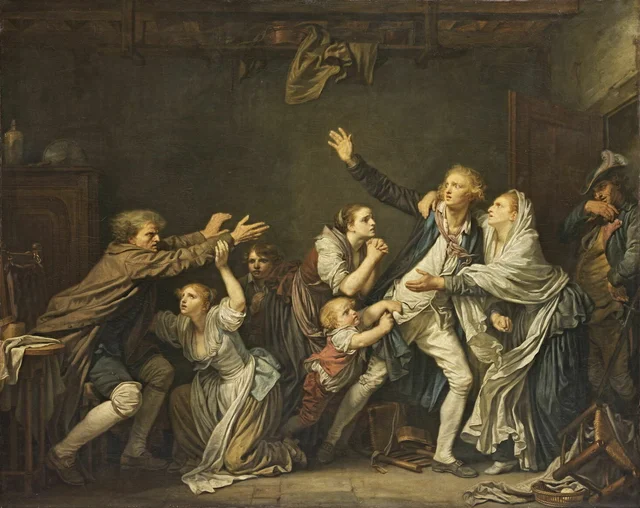 Der väterliche Fluch - Der undankbare SohnJean-Baptiste Greuze, 1777
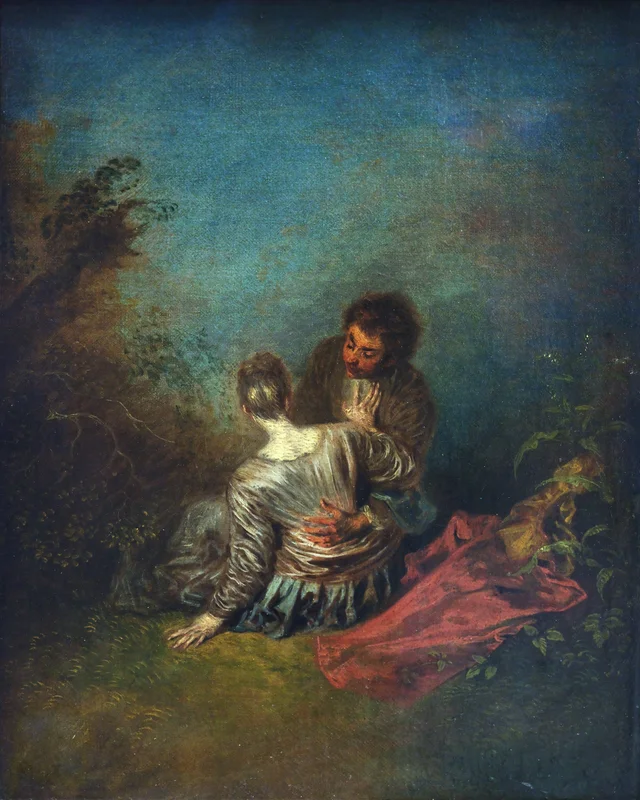 Der FehltrittJean-Antoine Watteau, 1717
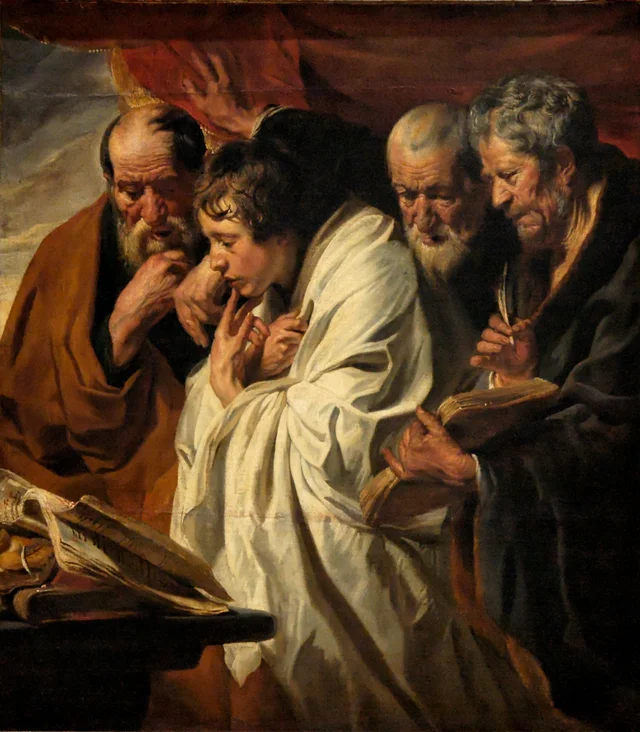 Die vier EvangelistenJacob Jordaens, 1625
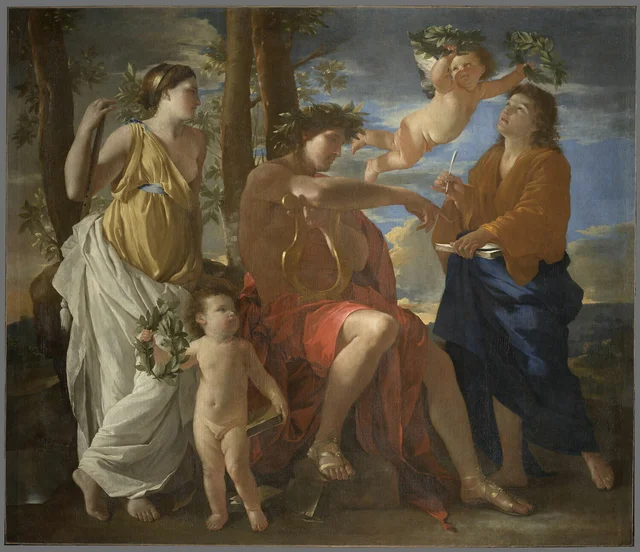 Die Inspiration des DichtersNicolas Poussin, 1629
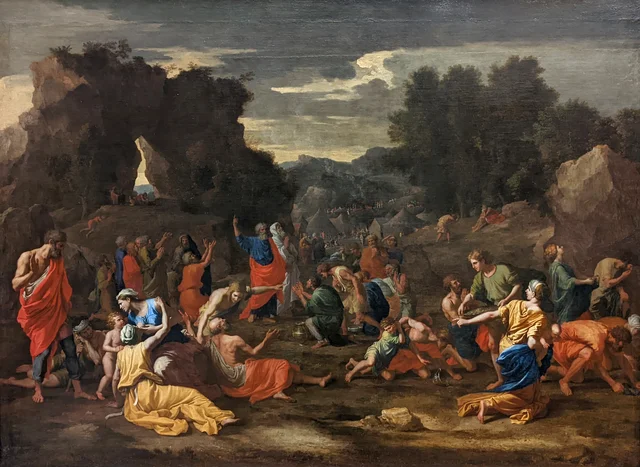 Das Sammeln des Manna in der WüsteNicolas Poussin, 1638
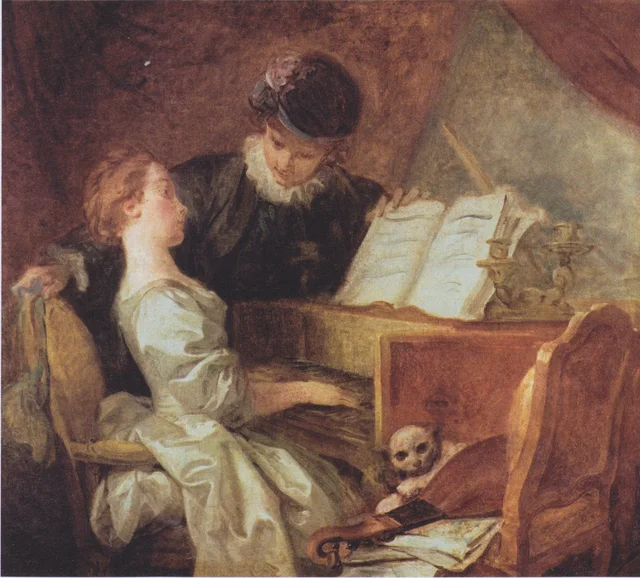 Die MusikstundeJean-Honoré Fragonard, 1770
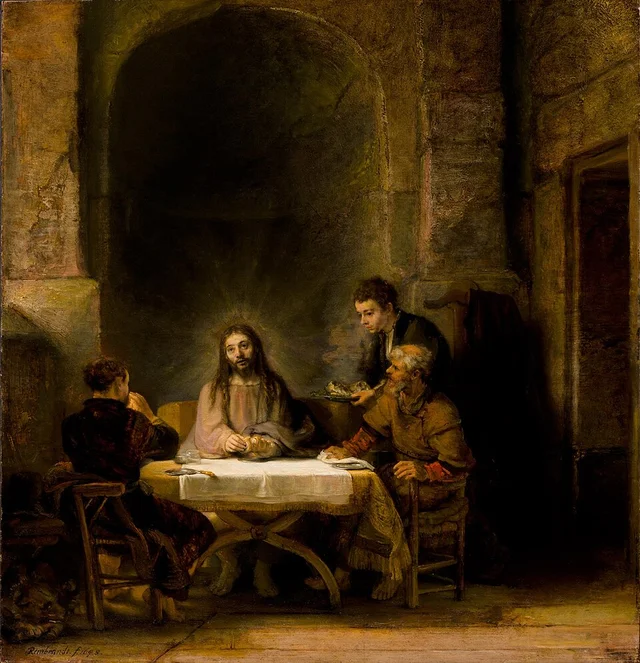 Die Pilger von EmmausRembrandt, 1648
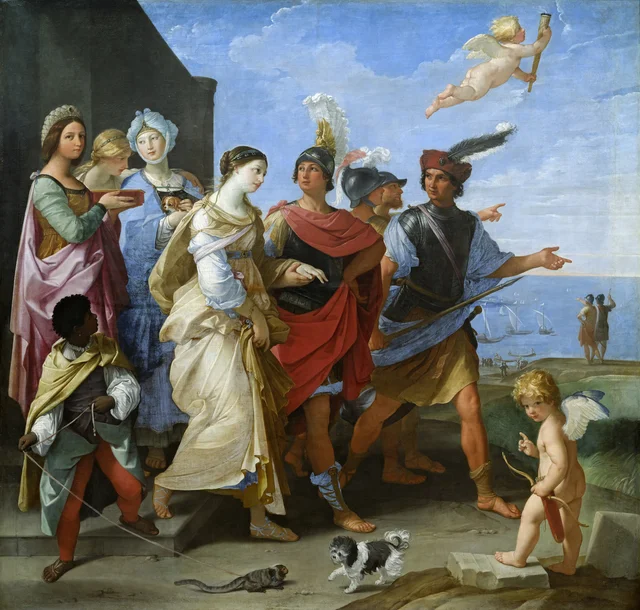 Der Raub der HelenaGuido Reni, 1631
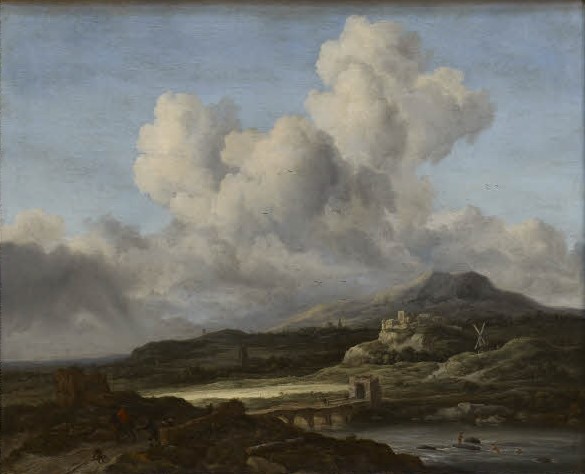 Der SonnenstrahlJacob van Ruisdael, 1665
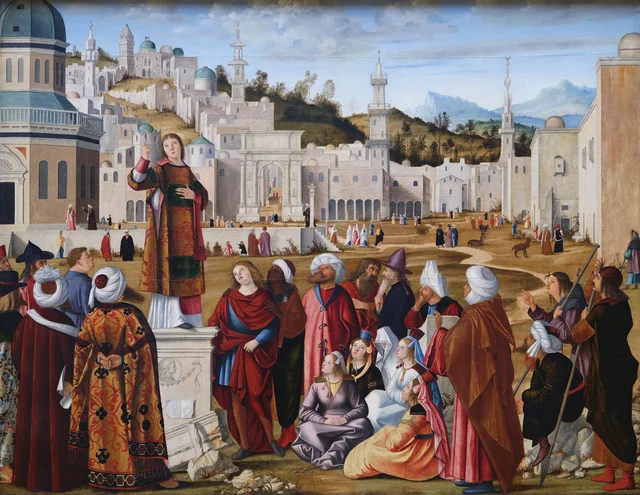 Die Predigt des heiligen StephanusVittore Carpaccio, 1514
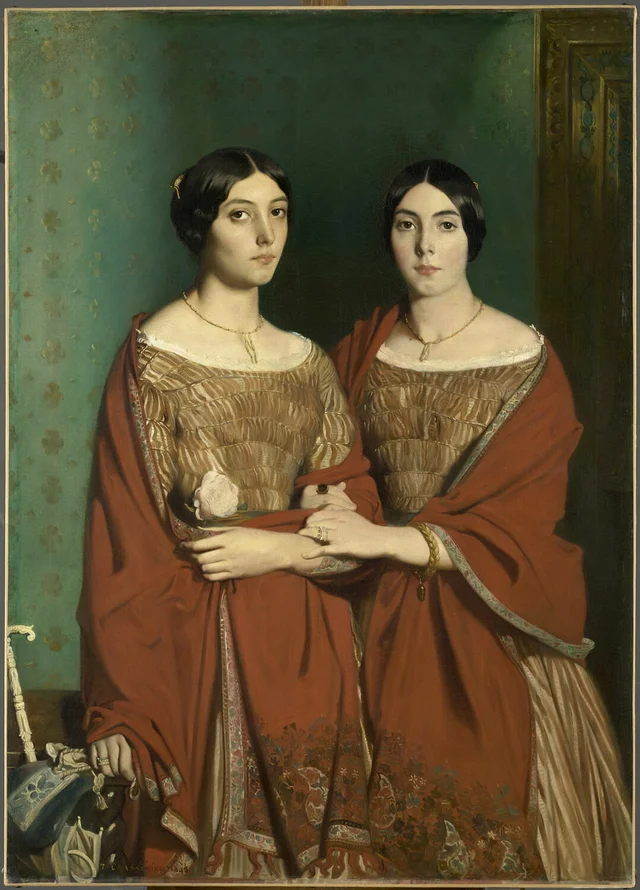 Die zwei SchwesternThéodore Chassériau, 1843
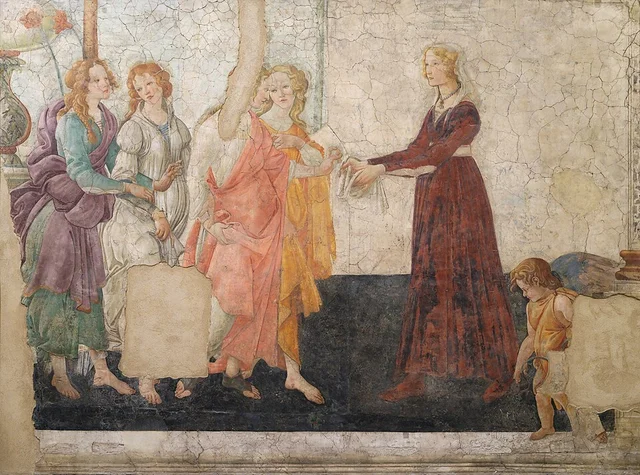 Venus und die drei Grazien überreichen Giovanna degli Albizzi GeschenkeSandro Botticelli, 1484
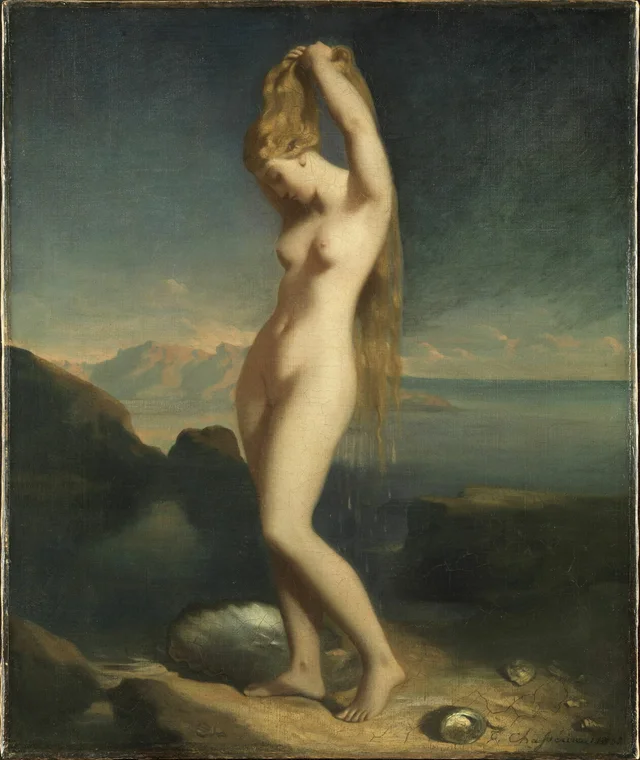 Venus AnadyomeneThéodore Chassériau, 1838
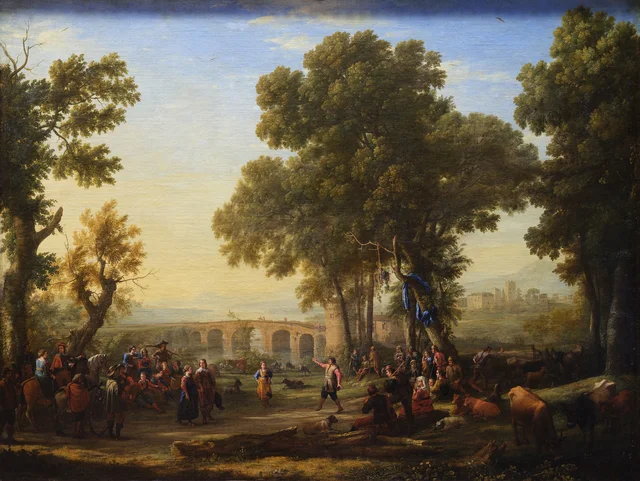 DorffestClaude Lorrain, 1639
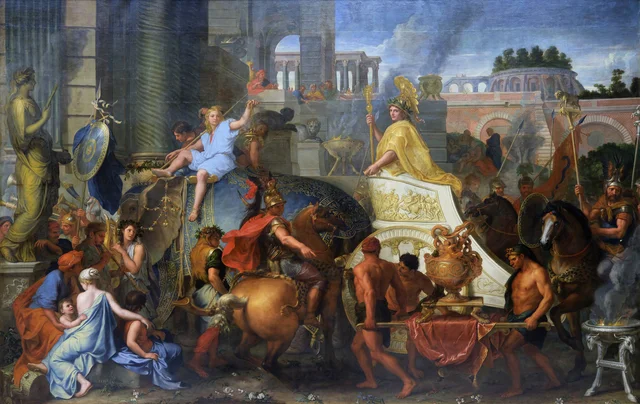 Alexanders Einzug in BabylonCharles Le Brun, 1664
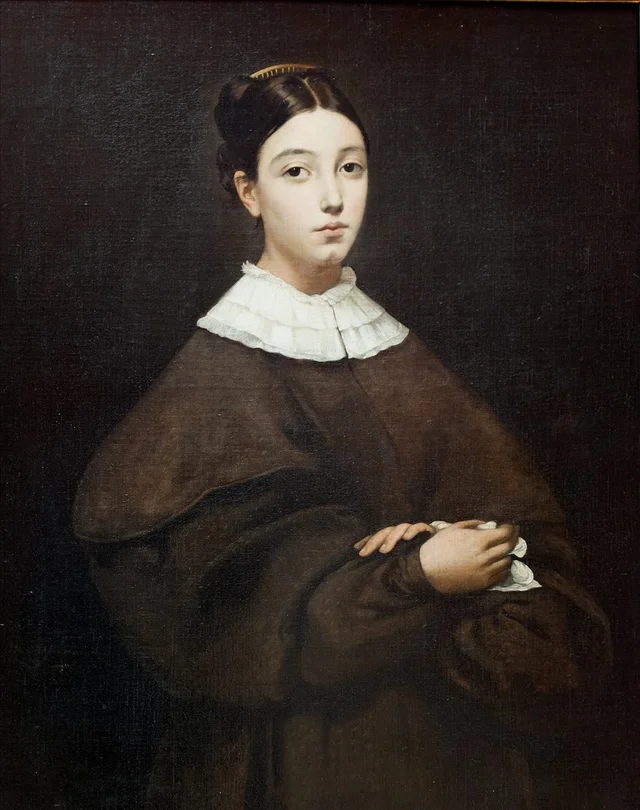 Aline ChassériauThéodore Chassériau, 1835
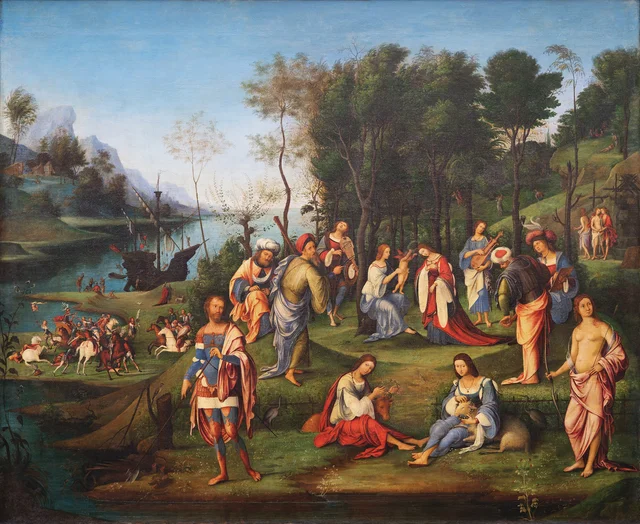 Allegorie der Krönung Isabellas d'EsteLorenzo Costa, 1506
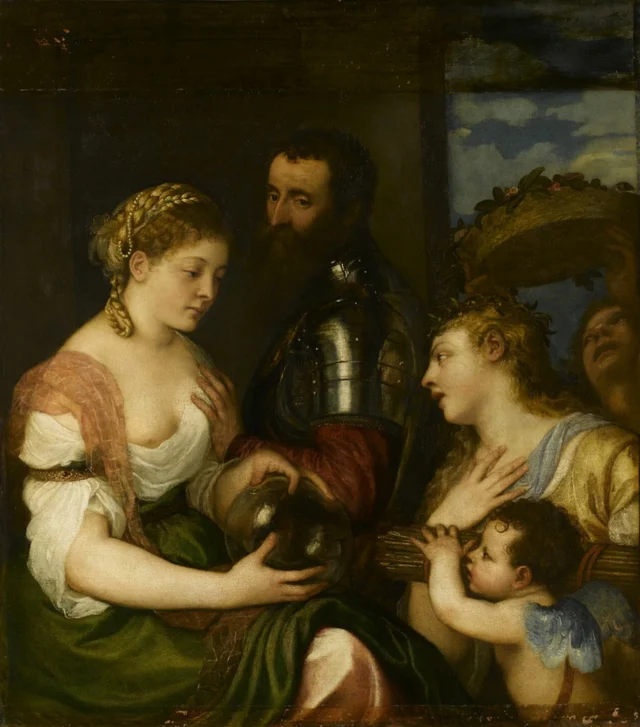 Allegorie der EheTizian, 1532
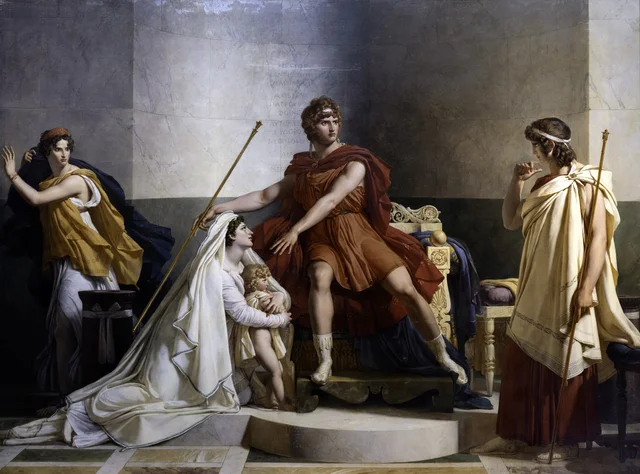 Andromache und PyrrhusPierre-Narcisse Guérin, 1810
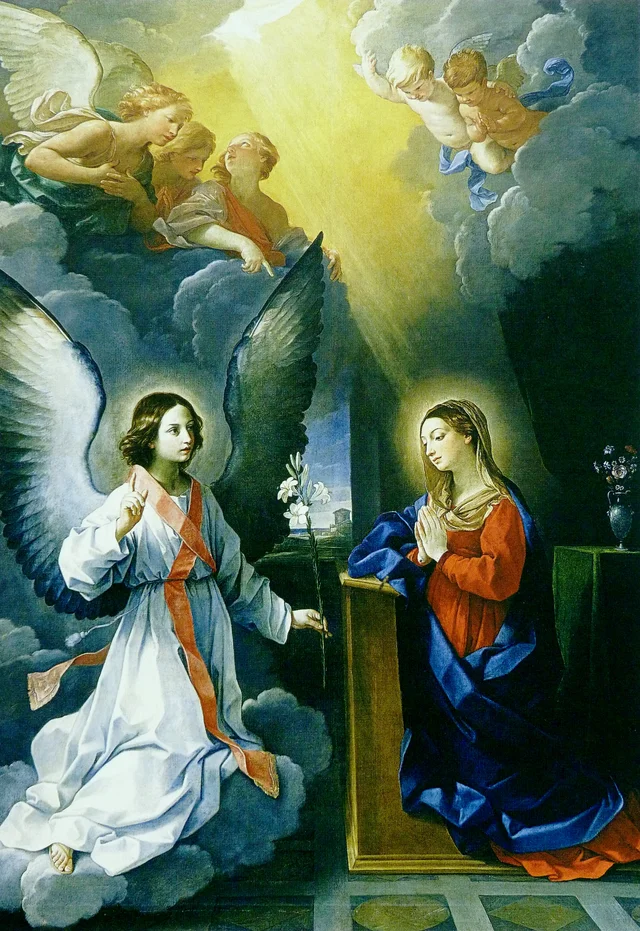 VerkündigungGuido Reni, 1629