Die Geschichte
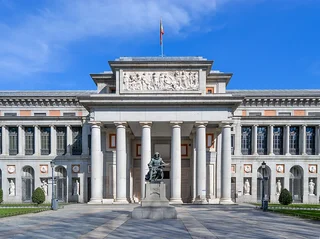
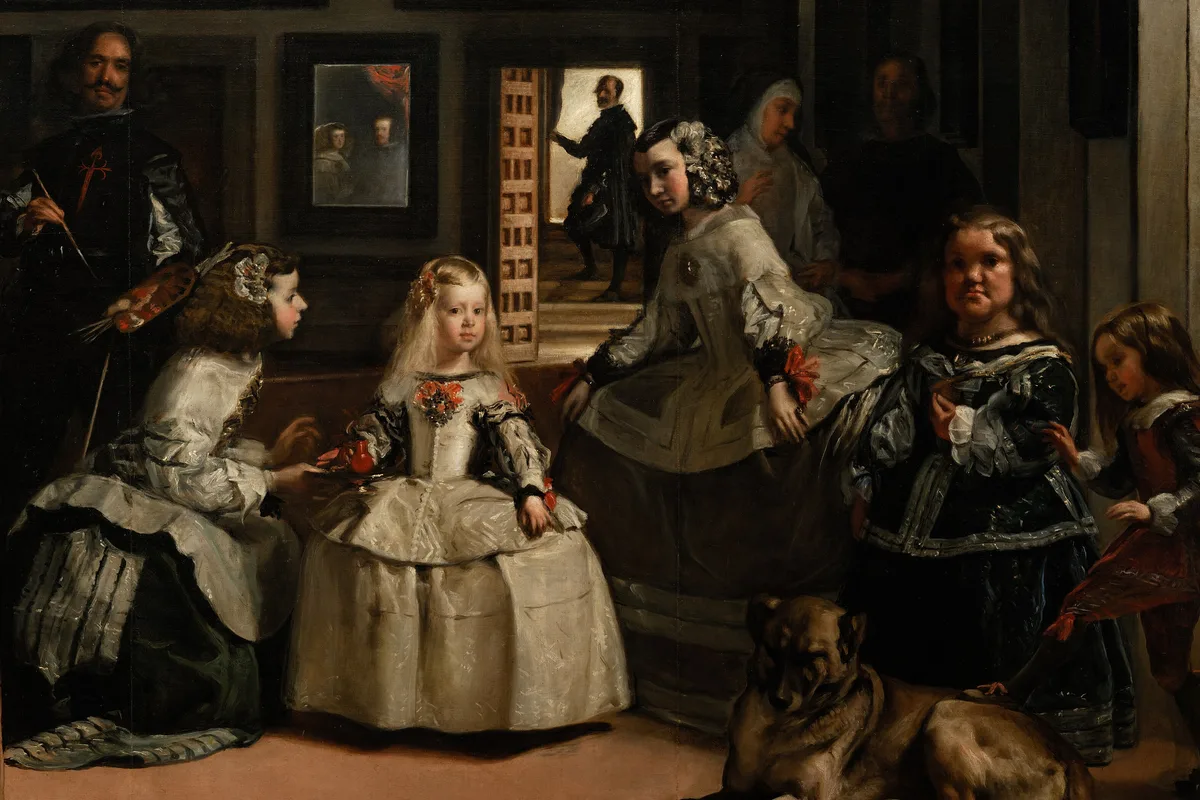
Der Prado ist die öffentlich gemachte Sammlung eines Königshauses. Drei Jahrhunderte lang kauften und beauftragten die spanischen Habsburger und Bourbonen in königlichem Maßstab, und ihr Geschmack ist das Museum: Tizian und Rubens, die die Könige liebten, Velázquez, der dem spanischen Hof fast sein ganzes Leben lang diente. Seine Las Meninas hängt im Herzen des Gebäudes, der Maler blickt hinter seiner eigenen Leinwand hervor, in einem Raum des alten königlichen Alcázar.
Die Galerie eröffnete 1819 in einem Bau, den der Architekt Juan de Villanueva zunächst als Halle der Naturwissenschaften entworfen hatte. Ihre Wände tragen die dunkleren Wendungen der spanischen Kunst neben ihrem Glanz, Goyas Der dritte Mai 1808, das Erschießungskommando, das im Dunkeln seine Laternen hebt, und die Schwarzen Bilder, die er spät im Leben, taub und zurückgezogen, direkt auf die Wände seines eigenen Hauses malte und nie zeigen wollte.
Der älteste seiner großen Schätze ist älter als dieser königlich-spanische Geschmack, Hieronymus Boschs Garten der Lüste, die dreiteilige Vision von Paradies, Begierde und Hölle, später in die Sammlung Philipps II. gelangt und in seinen Klosterpalast El Escorial geschickt. Heute zieht er die Menge zu dem, was einst nur der Hof sehen durfte.
Weitere Artikel
Sammlung
870 Werke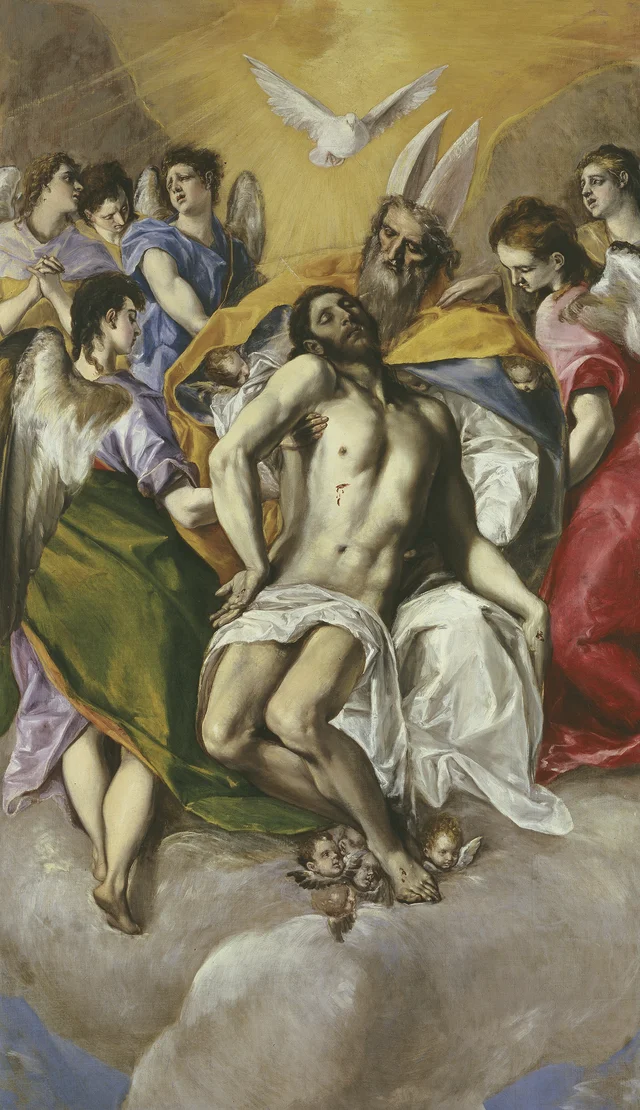 Die Heilige DreifaltigkeitEl Greco, 1577
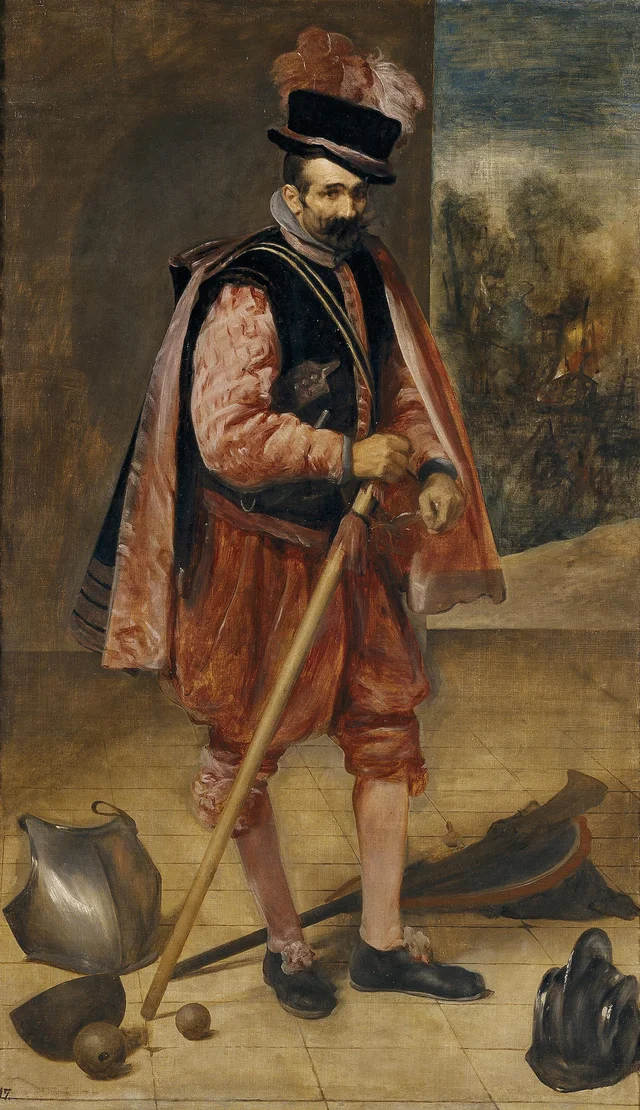 Der Hofnarr genannt Don Juan de AustriaDiego Velázquez, 1632
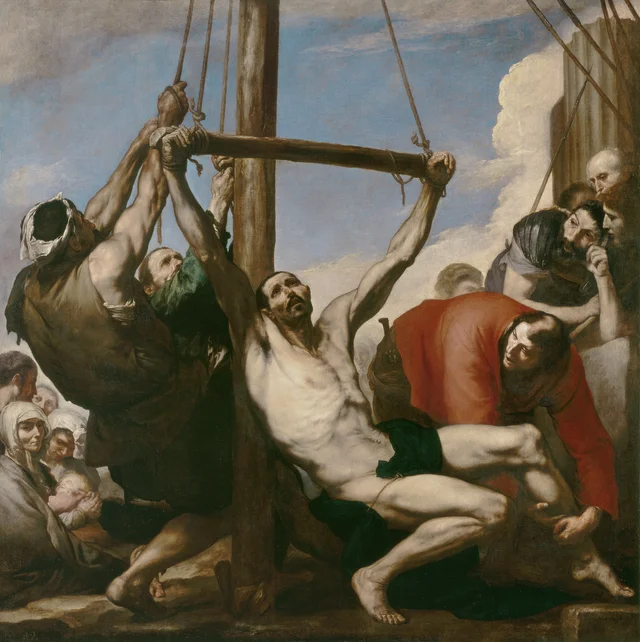 Das Martyrium des heiligen PhilippusJusepe de Ribera, 1639
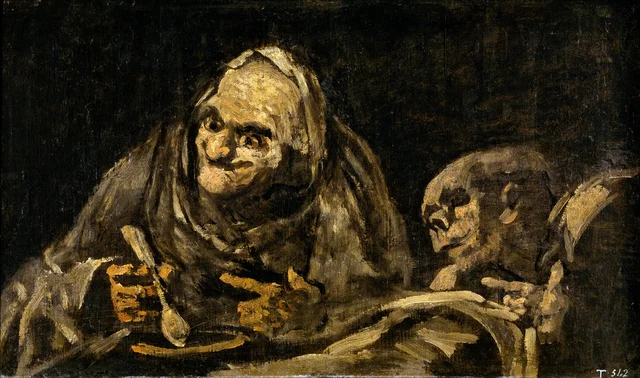 Zwei Alte beim EssenFrancisco Goya, 1819
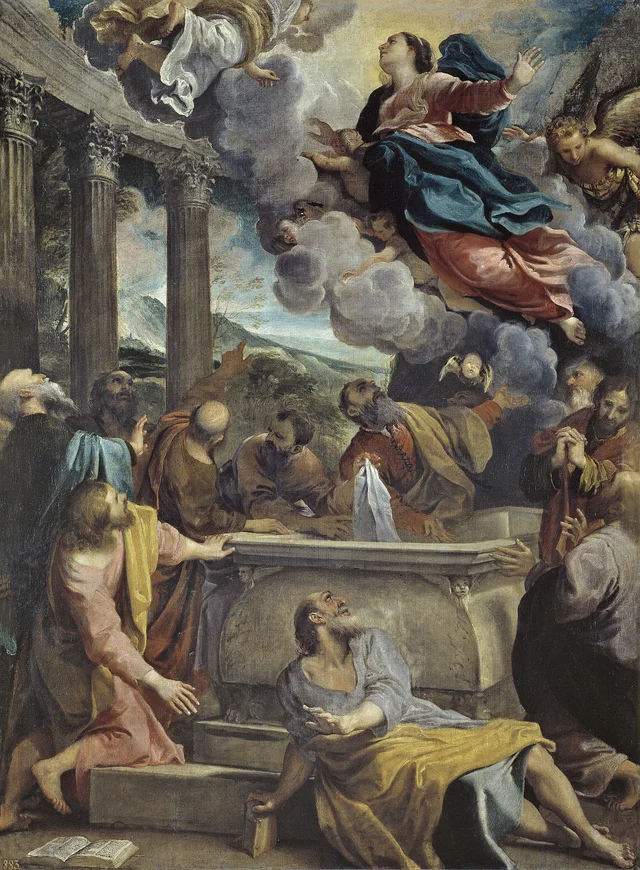 Mariä HimmelfahrtAnnibale Carracci, 1587
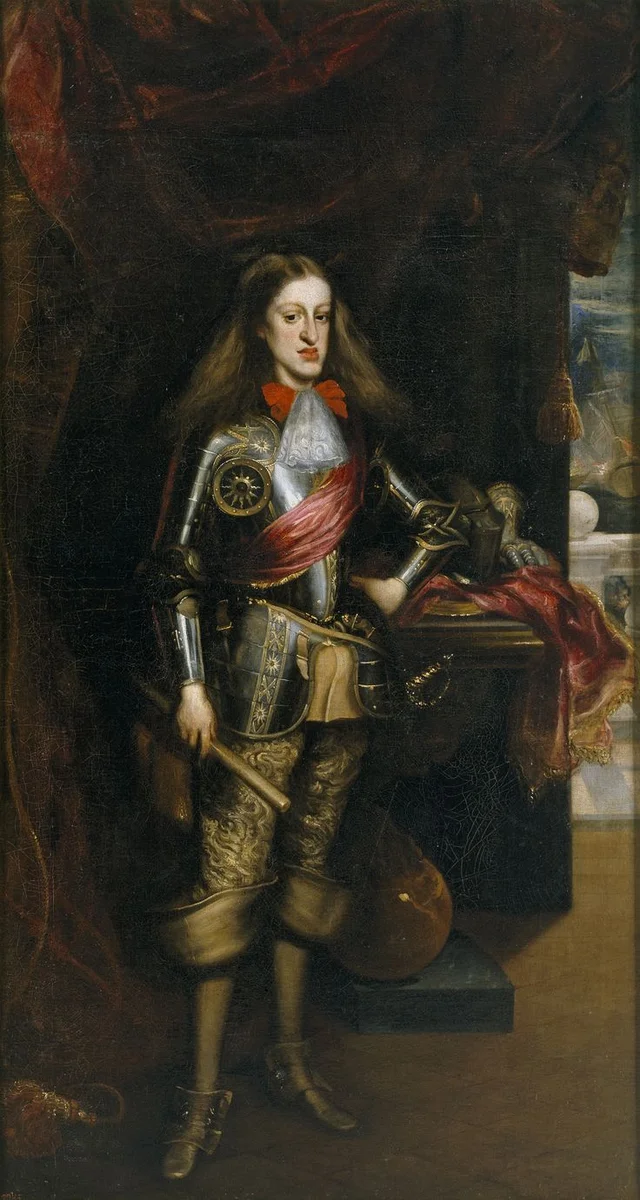 Karl II. in RüstungJuan Carreño de Miranda, 1681
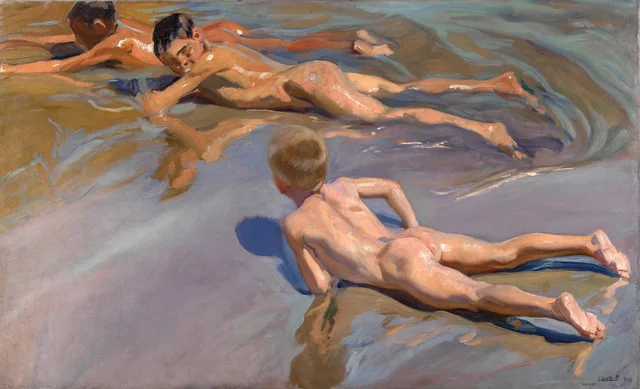 Kinder am StrandJoaquín Sorolla, 1910
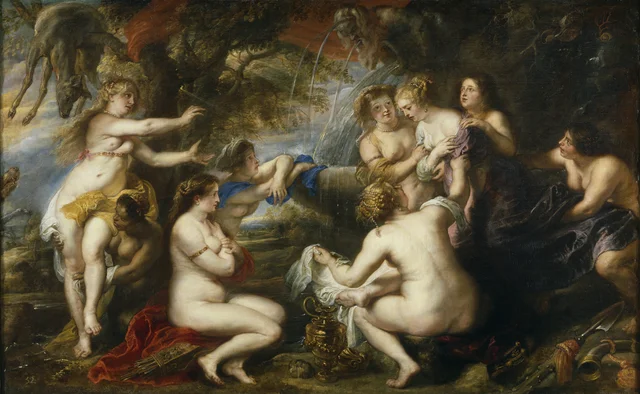 Diana und KallistoPeter Paul Rubens, 1635
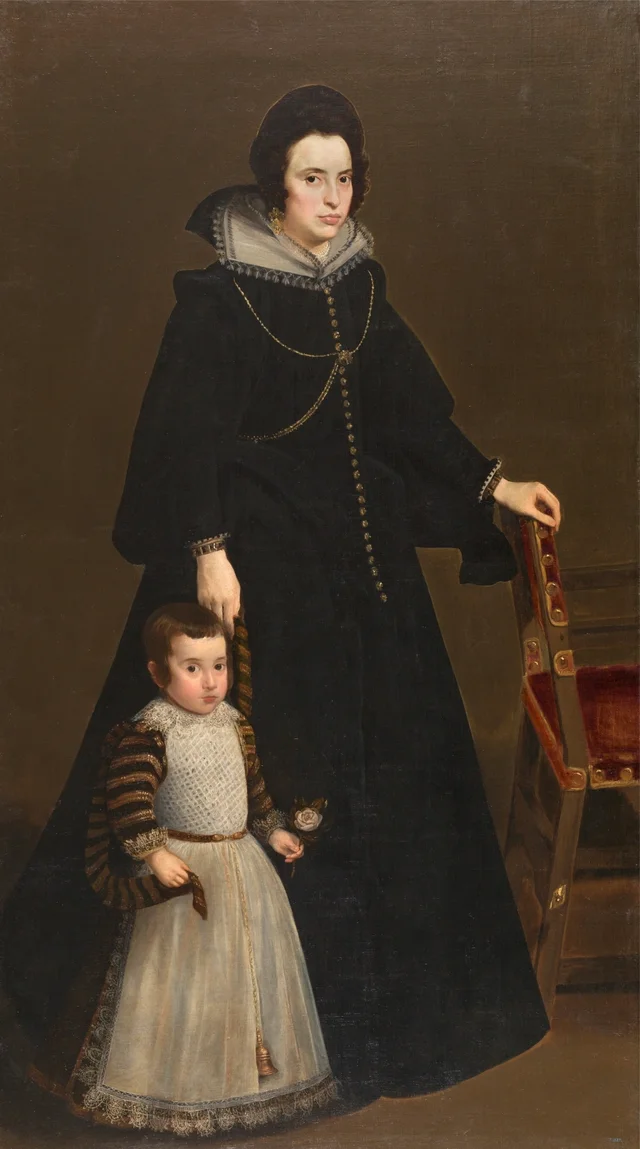 Doña Antonia de Ipeñarrieta y Galdós und ihr Sohn Don LuisDiego Velázquez, 1632
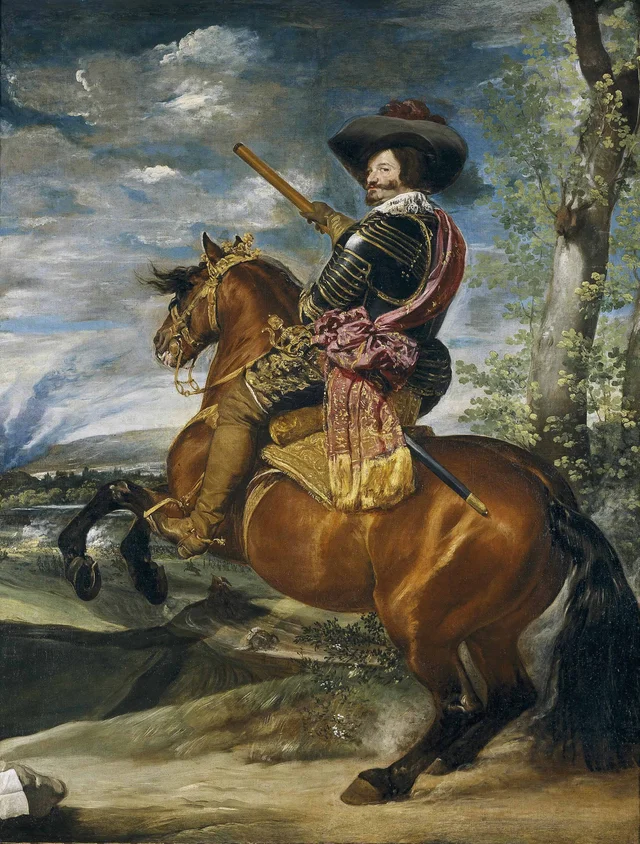 Reiterbildnis des Grafen-Herzogs von OlivaresDiego Velázquez, 1636
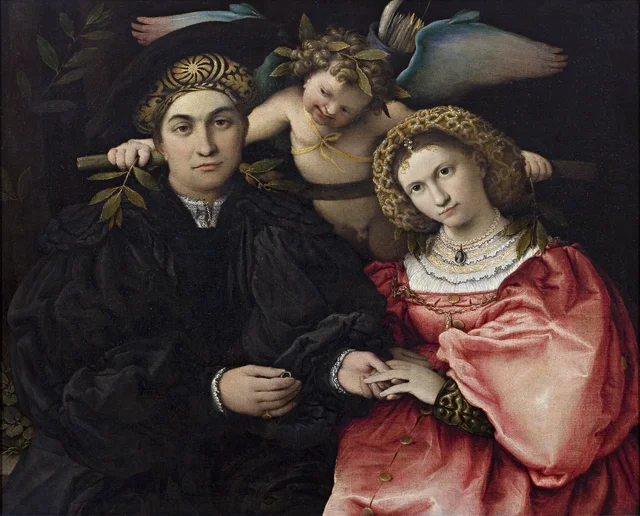 Marsilio Cassotti und seine Braut FaustinaLorenzo Lotto, 1523
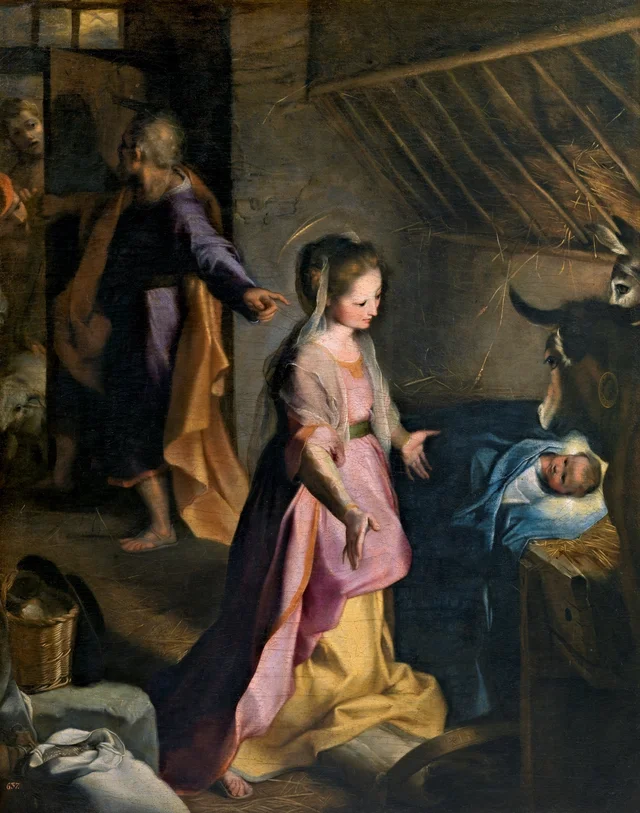 Die Geburt ChristiFederico Barocci, 1597
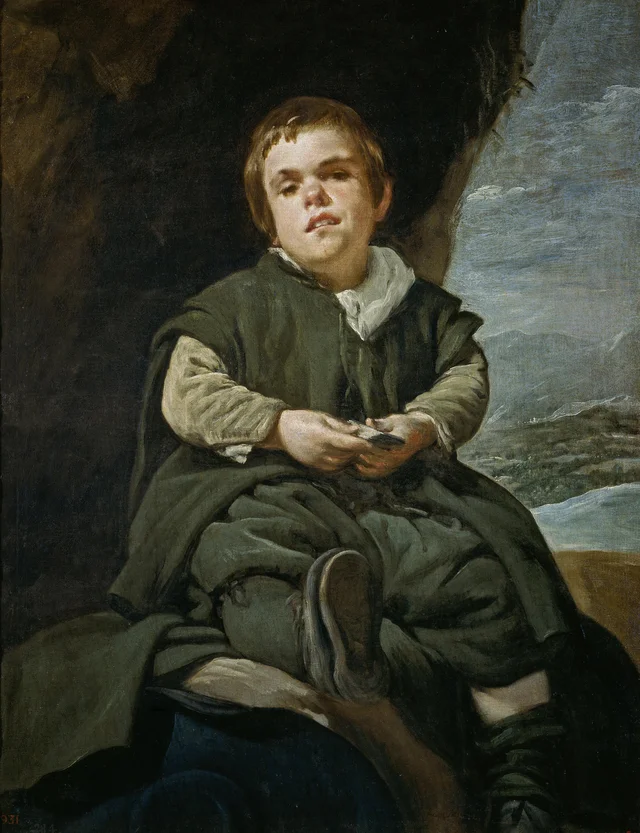 Bildnis des Francisco LezcanoDiego Velázquez, 1634
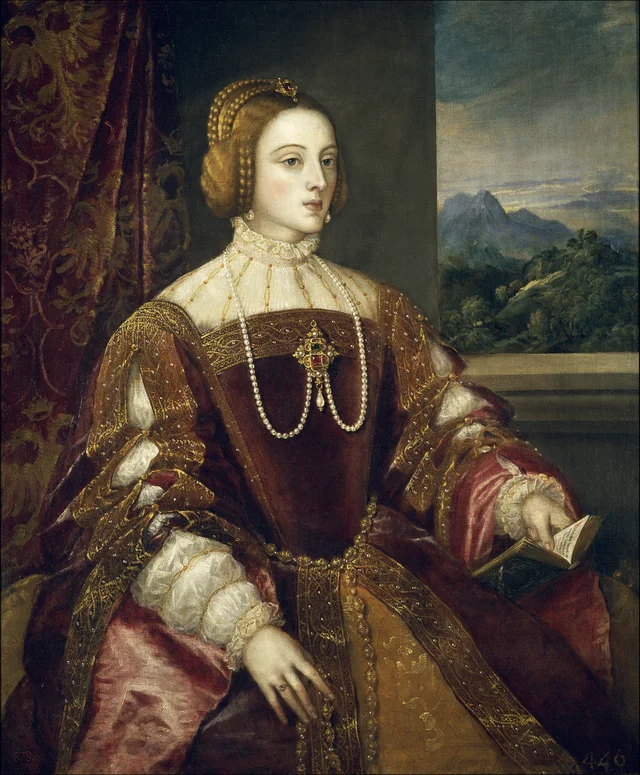 Bildnis der Isabella von PortugalTizian, 1548
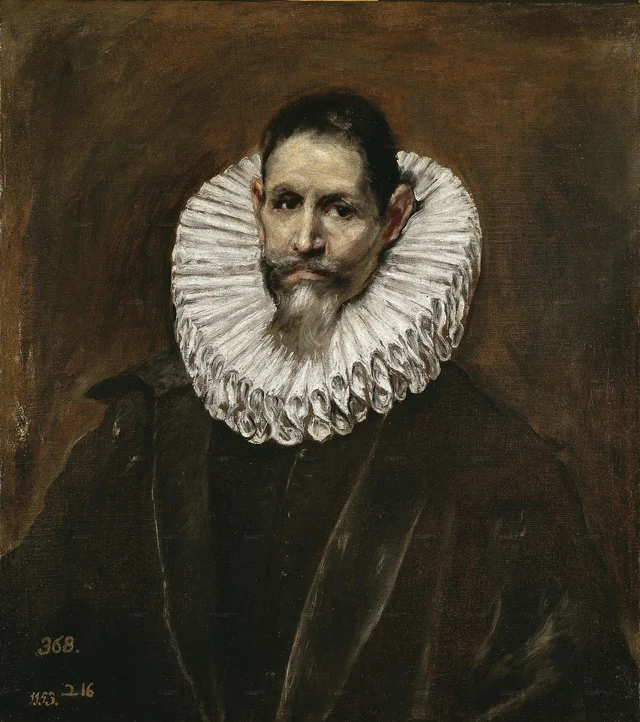 Bildnis des Jerónimo de CevallosEl Greco, 1609
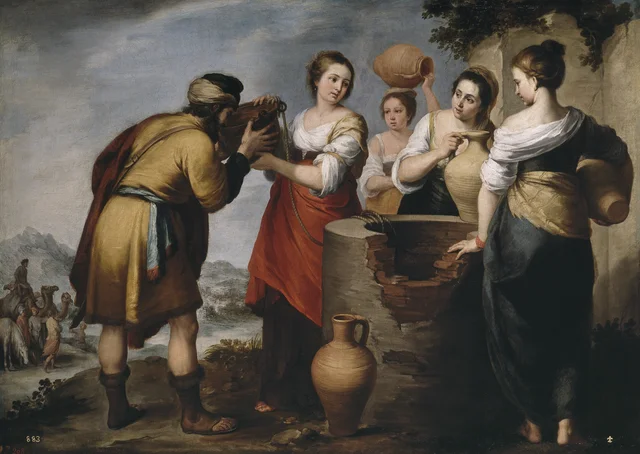 Rebekka und EliezerBartolomé Esteban Murillo, 1660
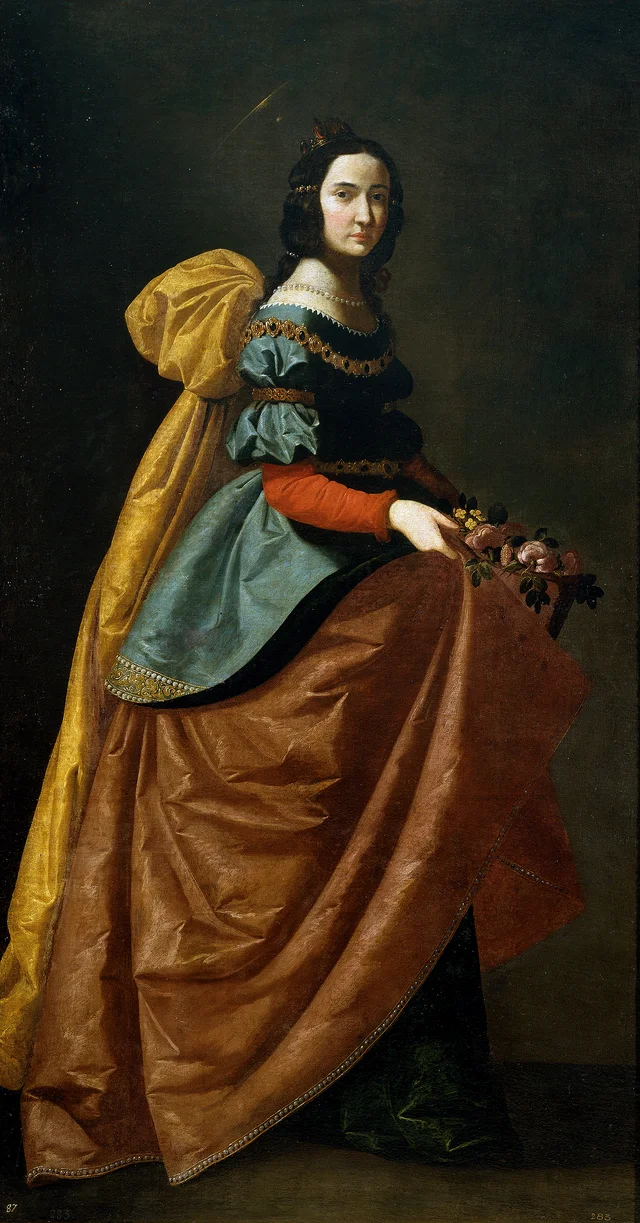 Die heilige Elisabeth von PortugalFrancisco de Zurbarán, 1635
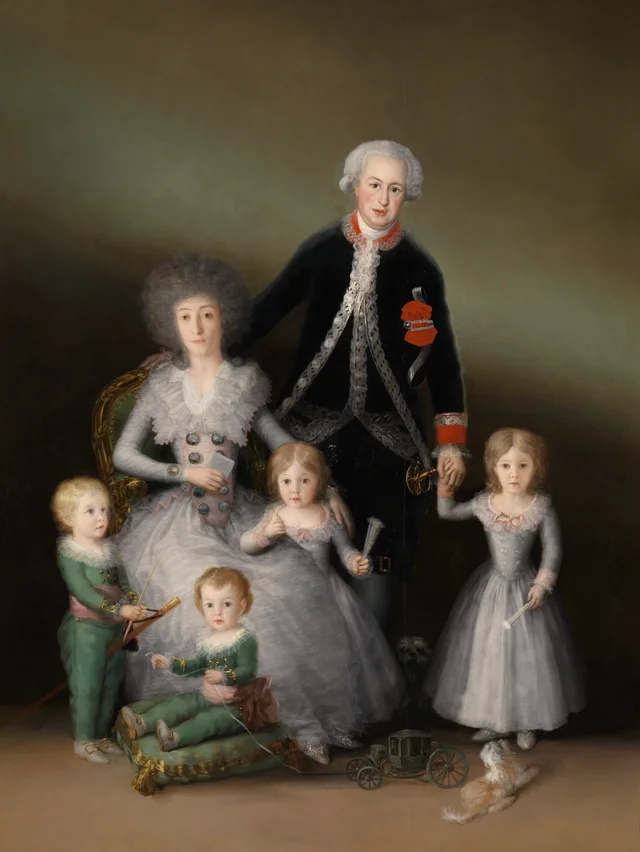 Der Herzog und die Herzogin von Osuna mit ihren KindernFrancisco Goya, 1788
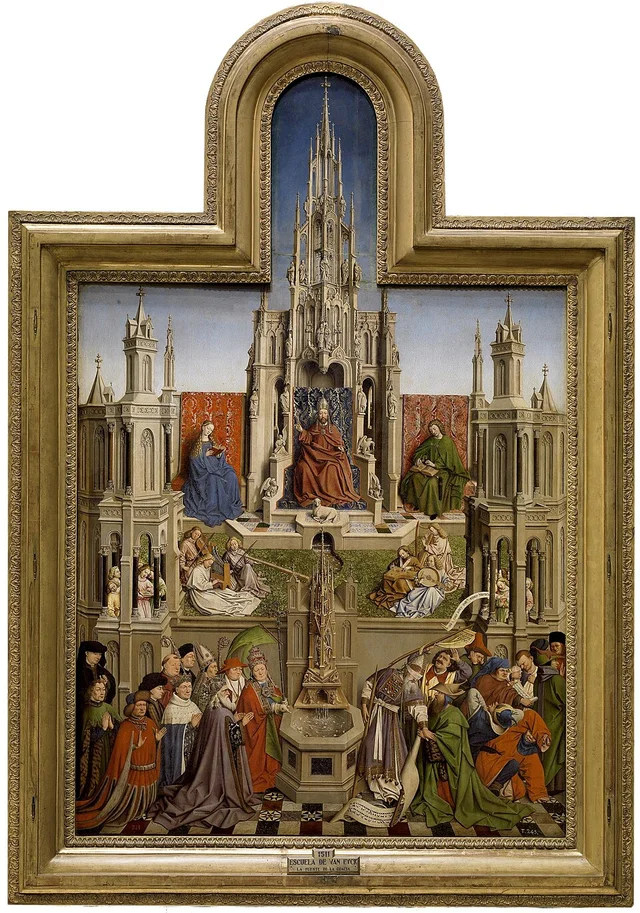 Der LebensbrunnenAnonym, 1454
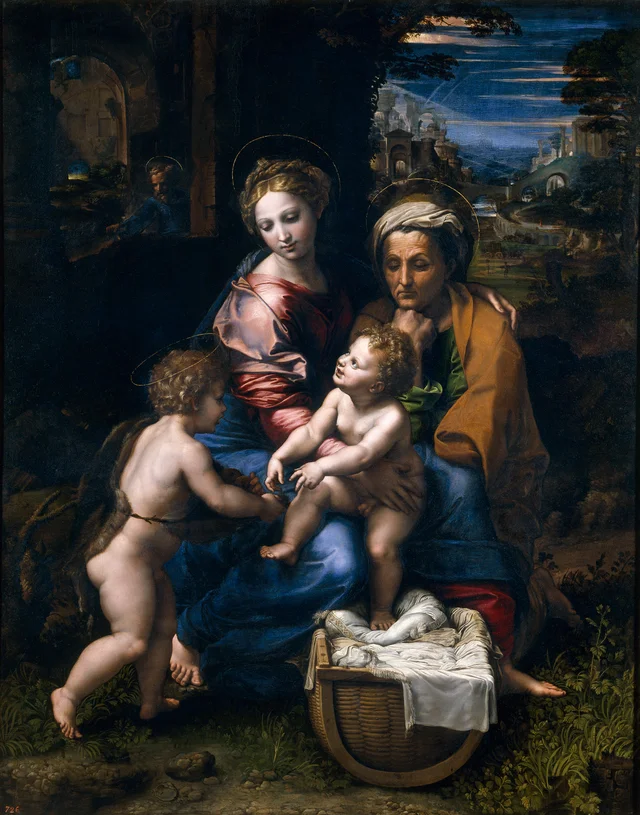 Die Heilige FamilieRaffael, 1518
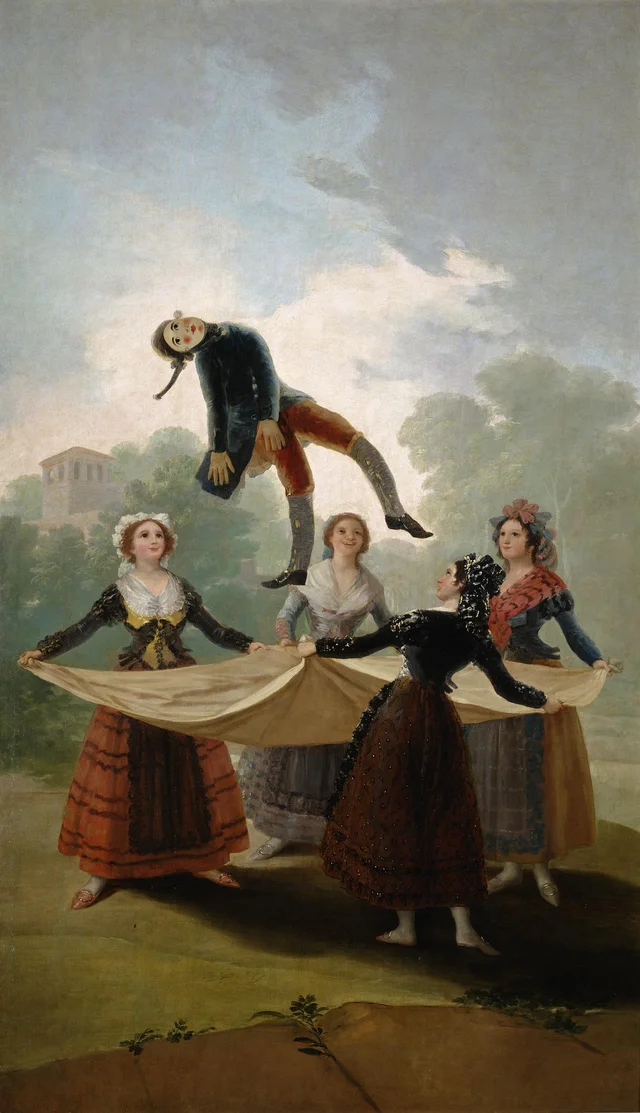 Die StrohpuppeFrancisco Goya, 1791
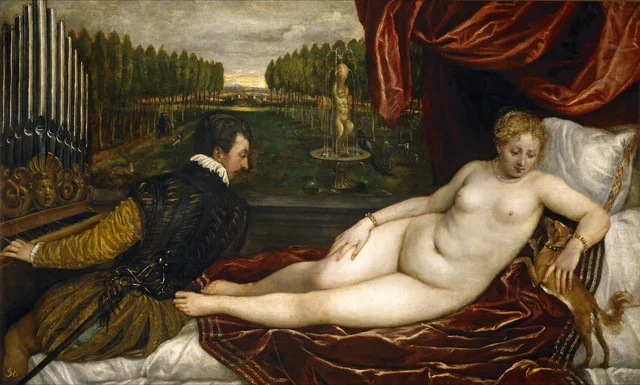 Venus mit dem OrgelspielerTizian, 1550
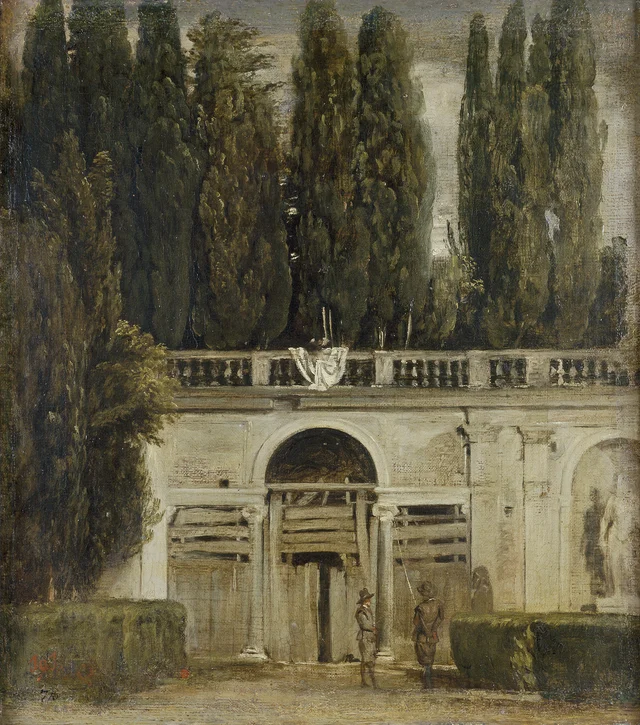 Blick auf den Garten der Villa MediciDiego Velázquez, 1630
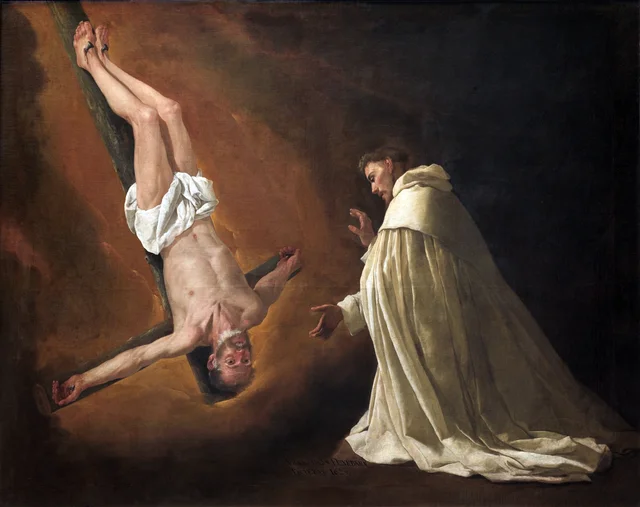 Erscheinung des Apostels Petrus vor dem heiligen Petrus NolascusFrancisco de Zurbarán, 1629
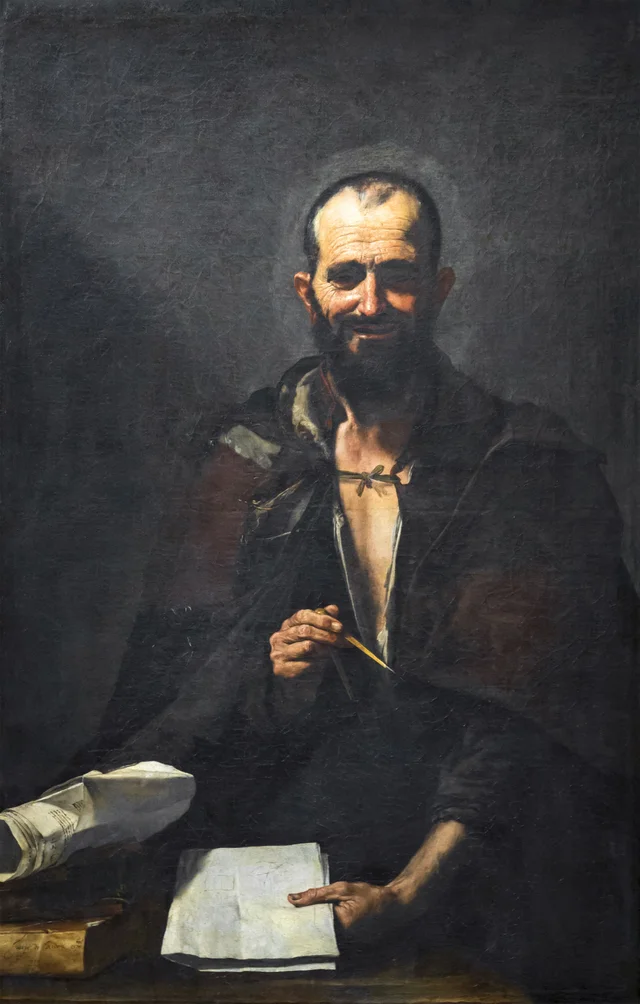 DemokritJusepe de Ribera, 1630