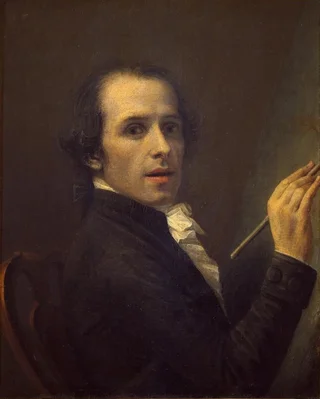
Antonio Canova
1757–1822 · Republic of Venice · Neoclassicism
The story
In the autumn of 1815, Antonio Canova traveled to Paris on a diplomatic mission, sent by the Pope to recover the hundreds of paintings and statues Napoleon's armies had shipped out of Italy over the previous two decades and installed in the Louvre. Canova had spent his career carving marble, including a colossal, controversially nude statue of Napoleon himself as a Roman god of war, and a reclining Venus modeled on Napoleon's own sister, Pauline Borghese. That closeness to Bonaparte's circle made him, oddly, someone the victorious allies at the Congress of Vienna were willing to hear out. By 1815 Canova was arguably the most famous living artist in Europe, a standing that gave him real leverage at the bargaining table.
He met the restored French king, Louis XVIII, corresponded with British and Prussian negotiators, and pressed the case that the works belonged to the museums and churches they had been taken from. It worked only partly. Of roughly 500 works removed from Italy, Canova secured the return of about 60 pieces belonging to the Vatican, and several hundred more stayed in French hands for good against fierce resistance from French curators and the public.
Back in Rome in 1816, Canova was made a marquis for the mission and inspector of antiquities for the Papal States, a title that let him spend his final years also trying to slow the illegal export of Italian antiquities abroad, the same trade that had filled the Louvre in the first place.
More articles
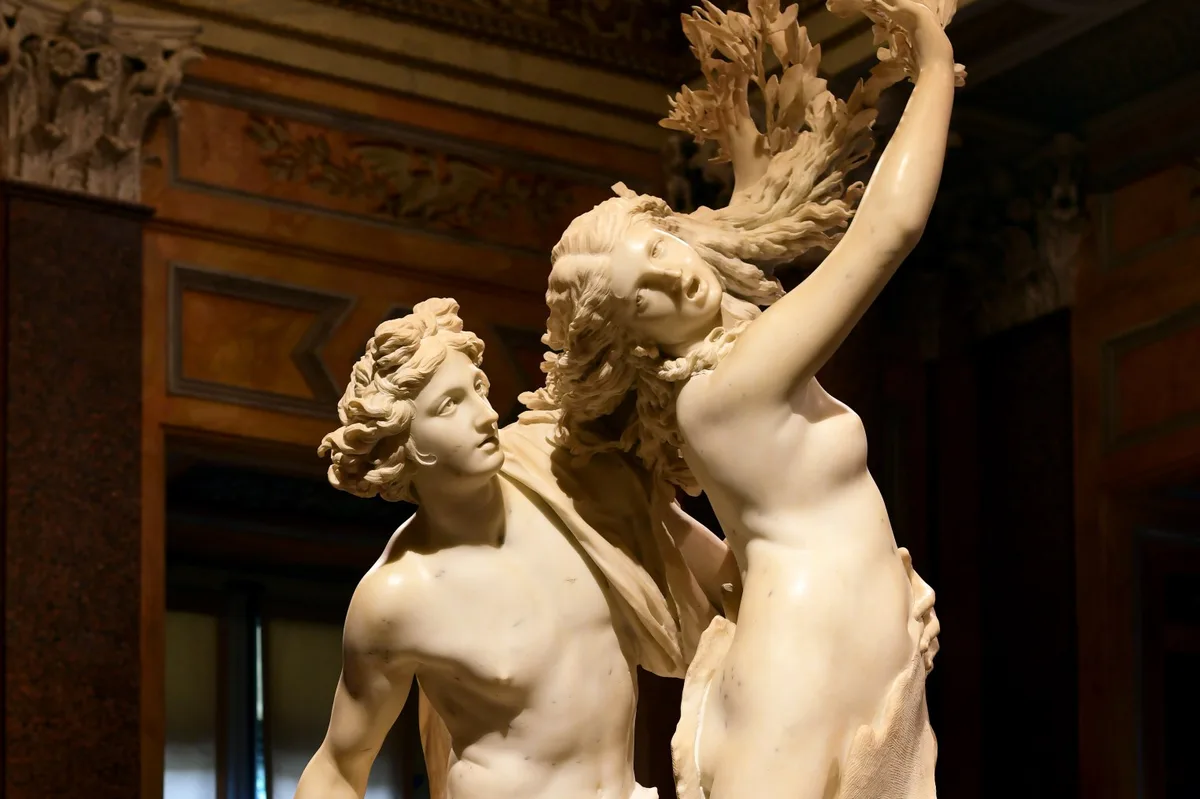 Article · 40 min readGalleria Borghese: From Scipione Borghese to the State Purchase
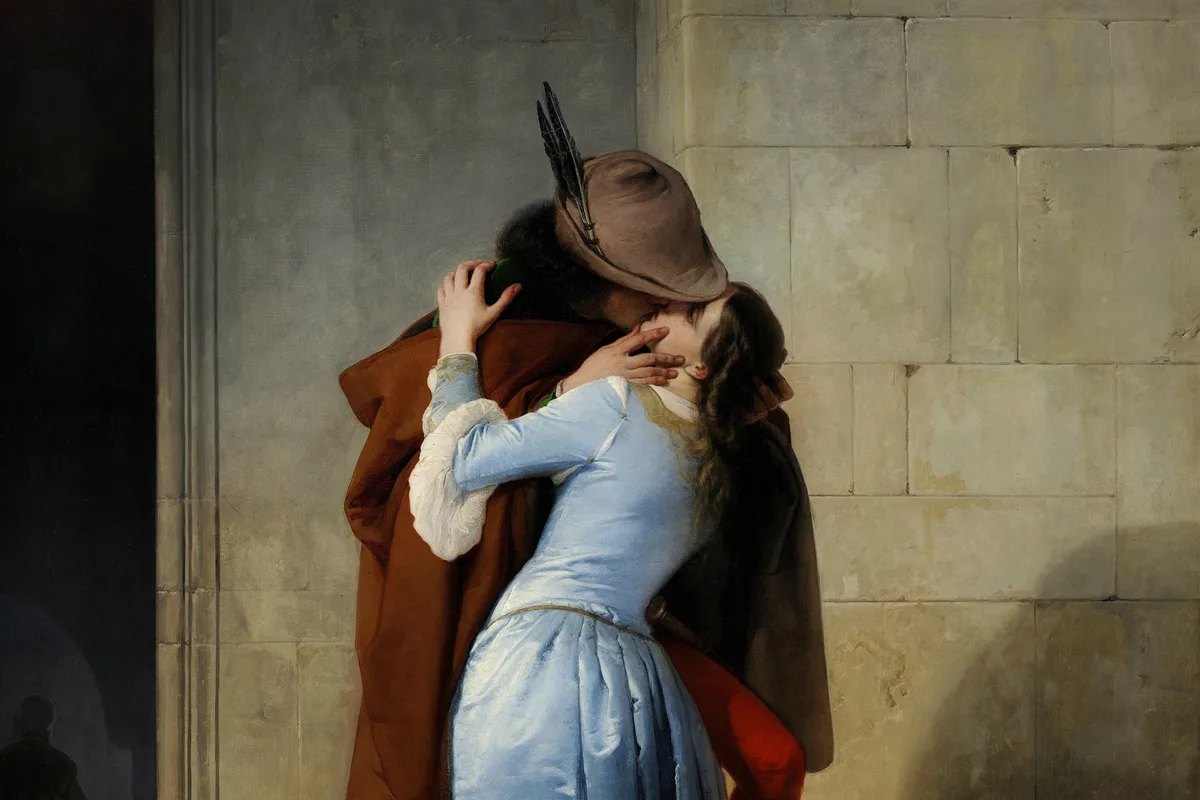 Article · 37 min readPinacoteca di Brera: From Napoleon's Requisitions to the Grande Brera
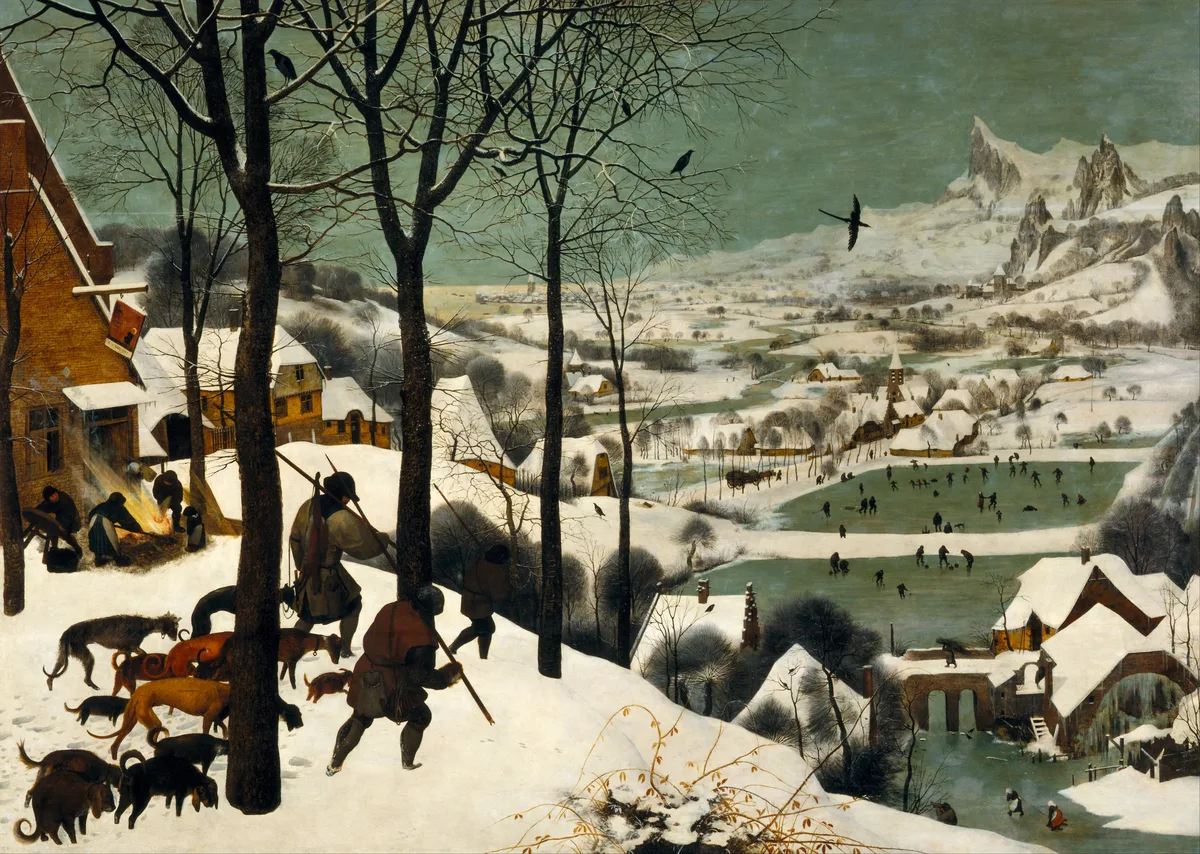 Article · 48 min readThe Kunsthistorisches Museum in Vienna: 25 works and how they reached the Habsburgs
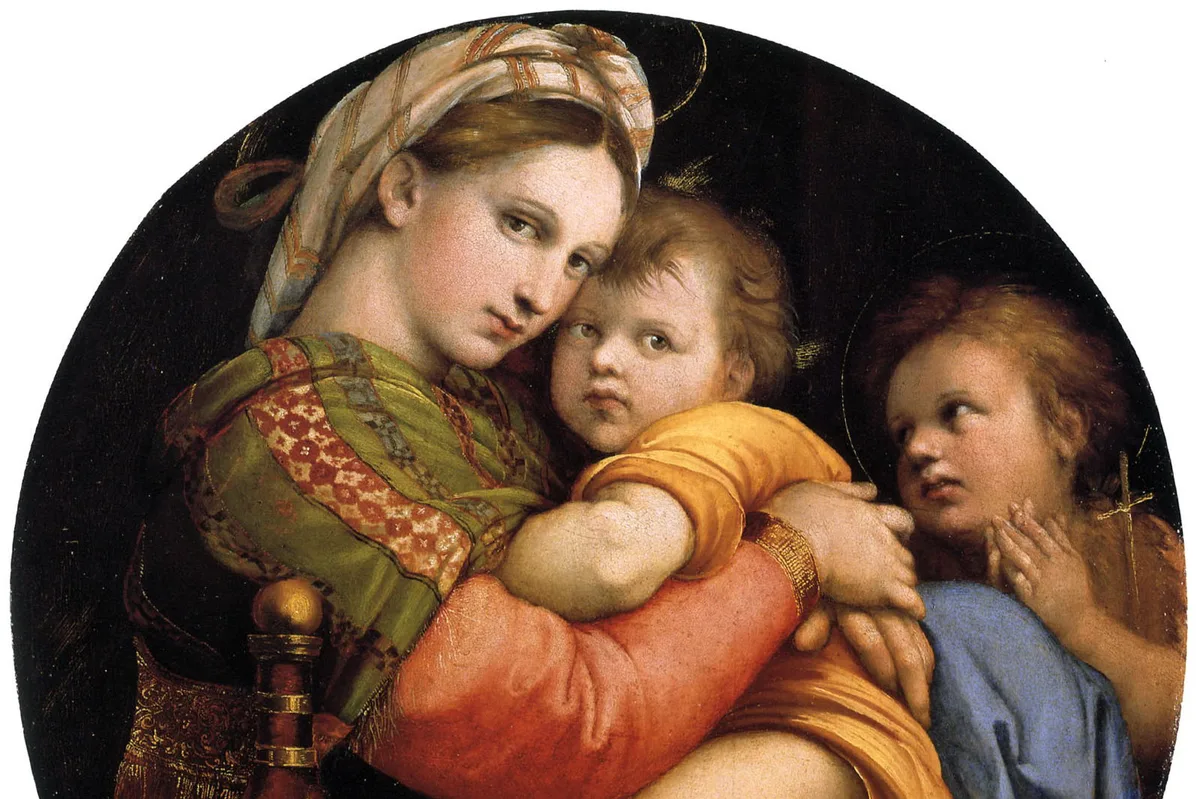 Article · 36 min readPalazzo Pitti: From Aretino's Gift to the Savoy Throne Room
Works
9 works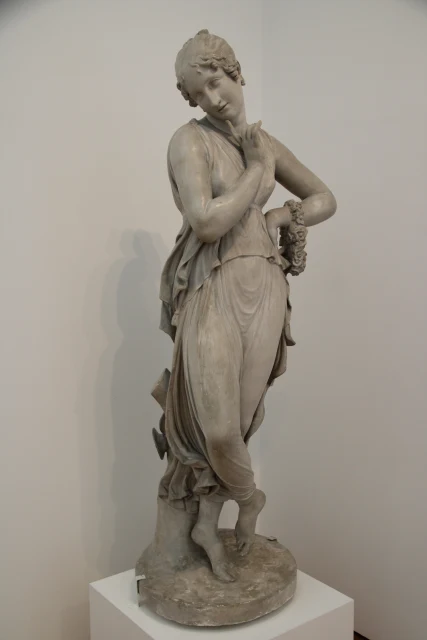 Dancer with Finger on ChinAntonio Canova, 1812
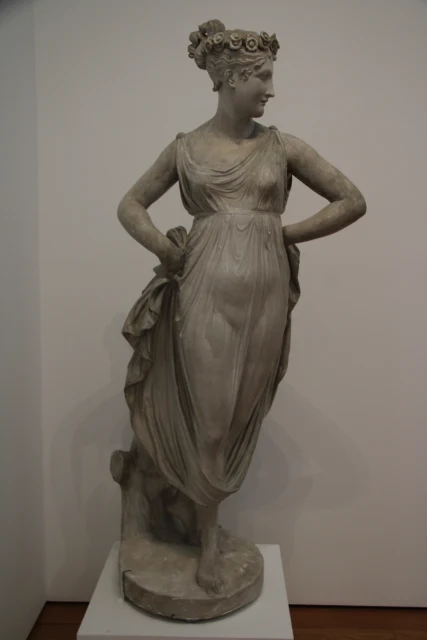 Dancer with Hands on HipsAntonio Canova, 1812
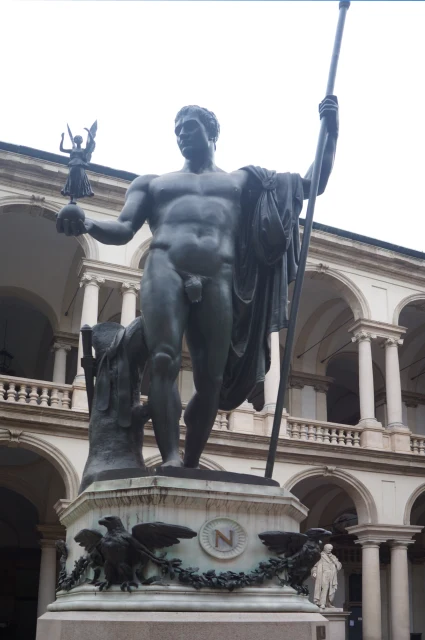 Napoleon as Mars the PeacemakerAntonio Canova, 1809
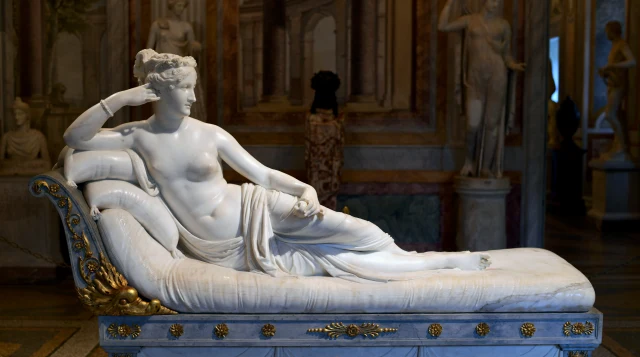 Pauline Borghese as Venus VictrixAntonio Canova, 1806
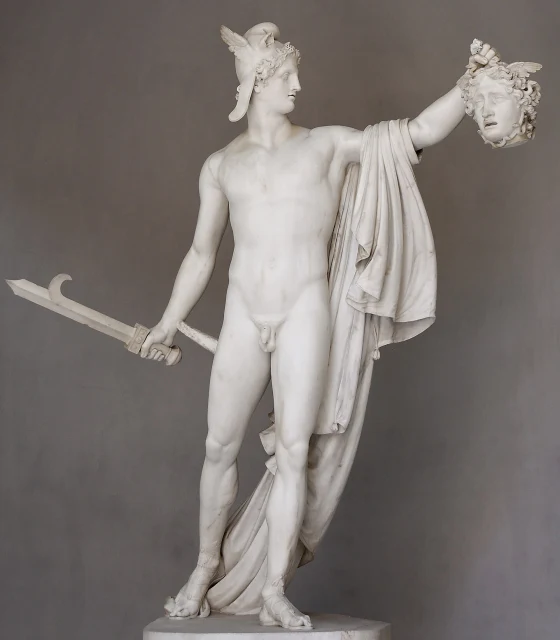 Perseus TriumphantAntonio Canova, 1801
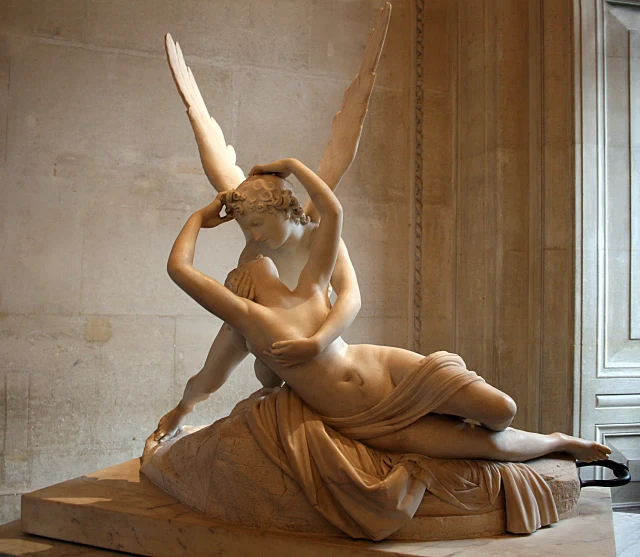 Psyche Revived by Cupid's KissAntonio Canova, 1790
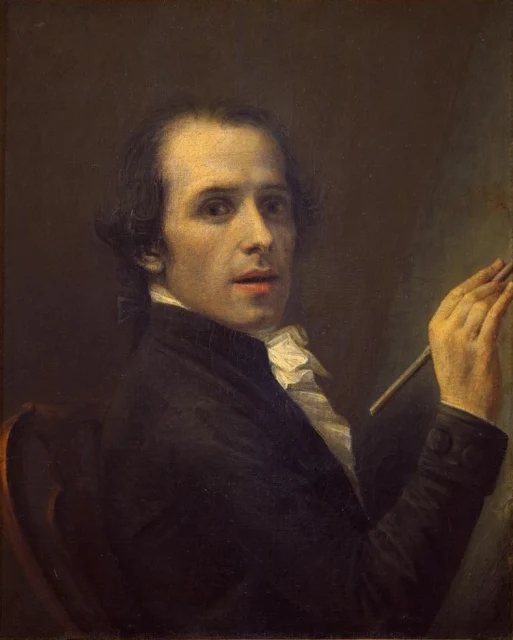 Self-portraitAntonio Canova, 1792
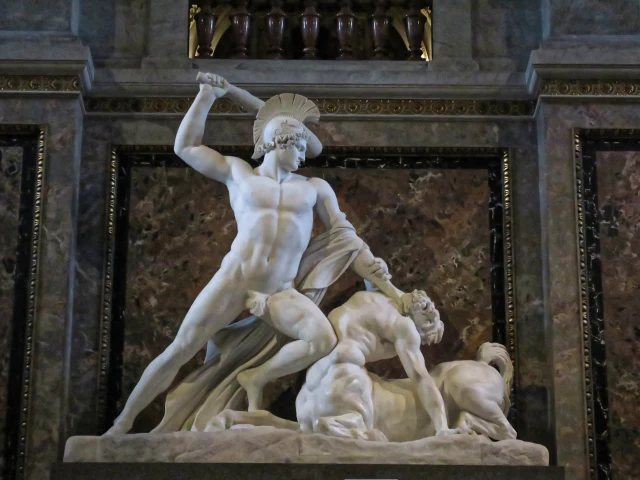 Theseus and the CentaurAntonio Canova, 1815
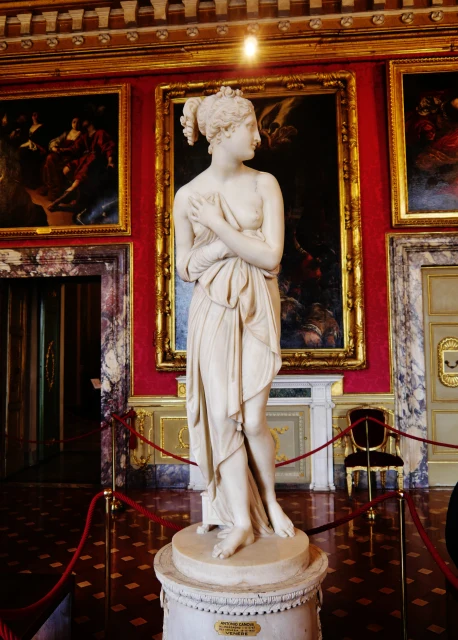 Venus ItalicaAntonio Canova, 1812