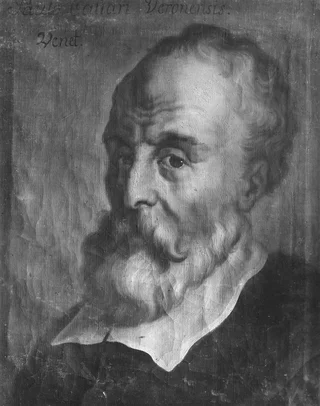
Paolo Veronese
1528–1588 · Republic of Venice · Mannerism
The story
In 1573 Paolo Veronese finished a vast canvas, more than 12 metres wide, for the refectory of the Dominican friary of Santi Giovanni e Paolo in Venice, replacing a Last Supper by Titian that had burned in a fire two years earlier. Alongside Christ and the apostles, Veronese had crowded in dwarfs, a man with a nosebleed, dogs, a jester with a parrot, and German soldiers in armor, all painted with the same lavish colour as the sacred figures.
The Venetian Inquisition summoned him that July to explain himself. Asked directly why he had put buffoons and drunkards into a picture of Christ's last meal, Veronese answered that painters, like poets, ought to be allowed some licence, and that he had simply filled empty space in the composition as he saw fit. The tribunal ordered him to alter the painting within three months, at his own expense, to remove the offending figures.
Veronese never repainted a single figure. Instead he changed the title from The Last Supper to The Feast in the House of Levi, a different Gospel banquet where the text itself mentions sinners and tax collectors among the guests, and handed the tribunal a picture that satisfied the letter of their ruling without altering a single dwarf or dog.
More articles
 Article · 37 min readGallerie dell'Accademia, Venice: twenty works and how each one got here
 Article · 42 min readWhat to See at the Louvre: 25 Highlights
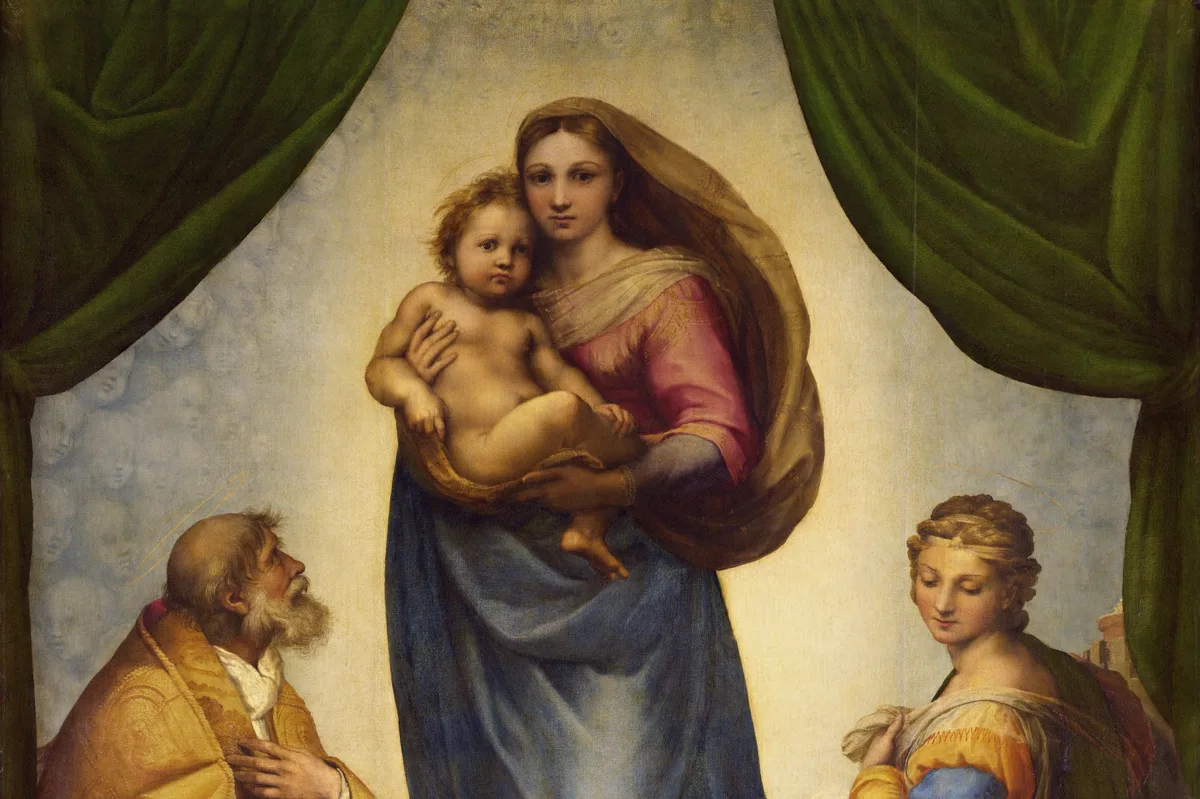 Article · 37 min readThe Old Masters Picture Gallery in Dresden: how 15 paintings were bought, renamed and brought back
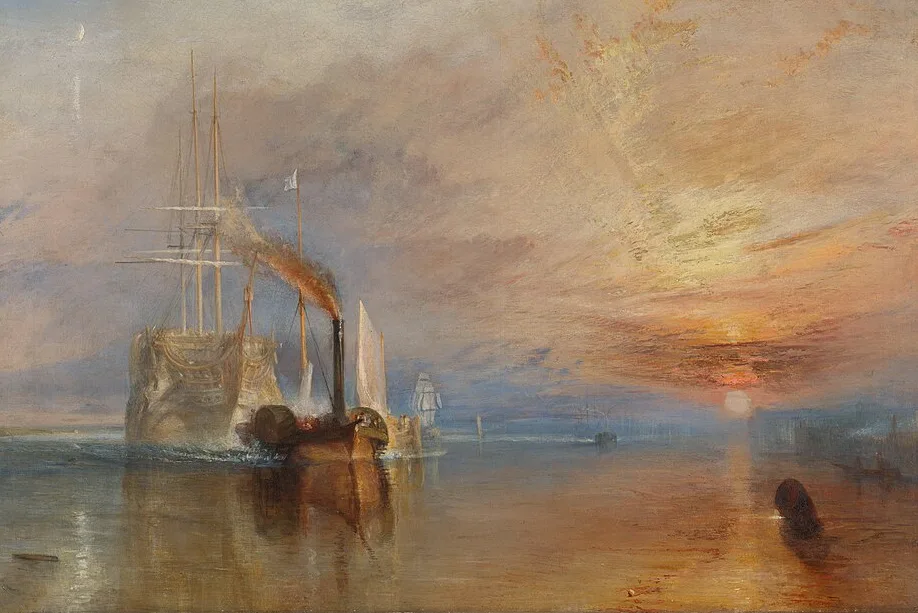 Article · 39 min readHow the National Gallery Came Together: From Angerstein to Artemisia
Works
135 works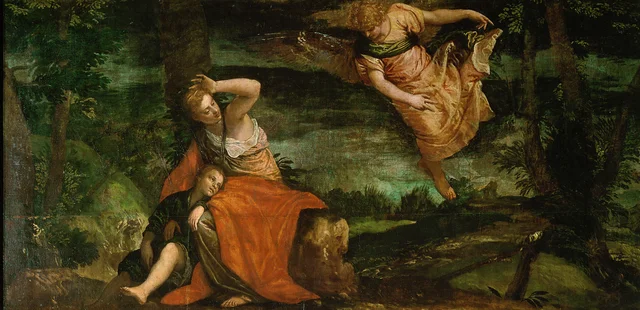 The angel appears to Hagar in the desert / Hagar and Ismael in the Desert of BersheebaPaolo Veronese, 1585
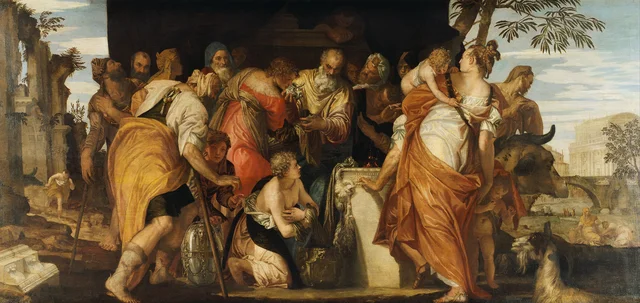 The Anointing of DavidPaolo Veronese, 1555
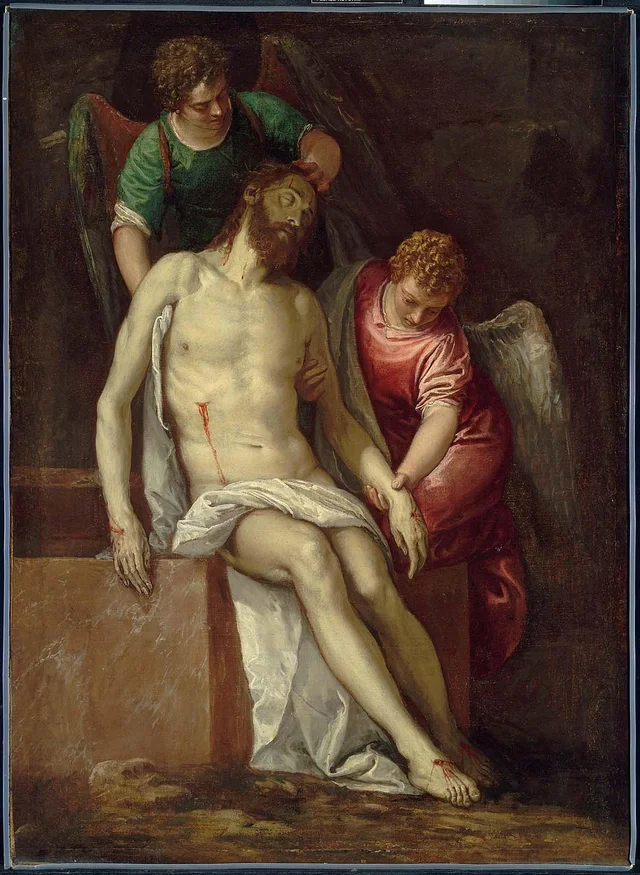 The Dead Christ Supported by AngelsPaolo Veronese, 1584
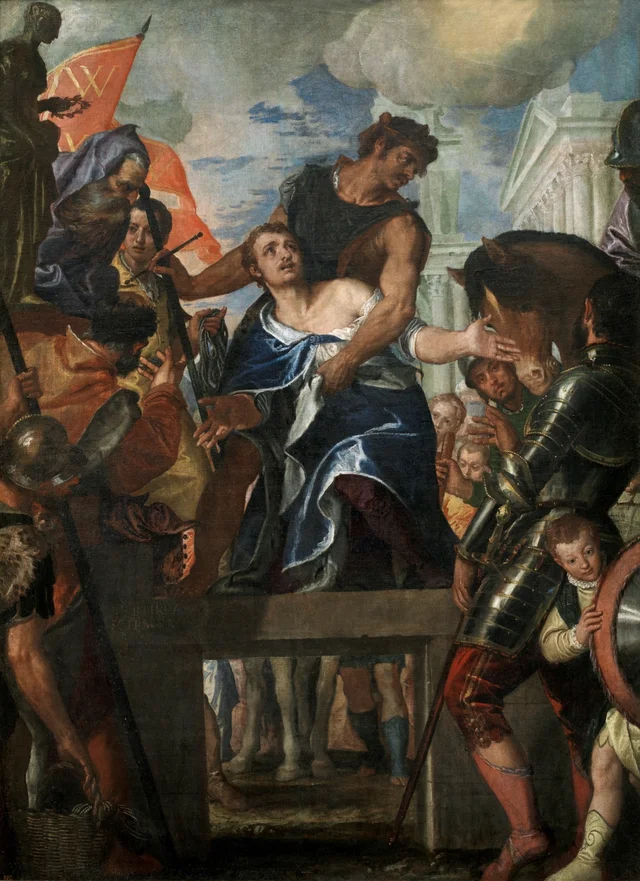 The Martyrdom of Saint MennasPaolo Veronese, 1580
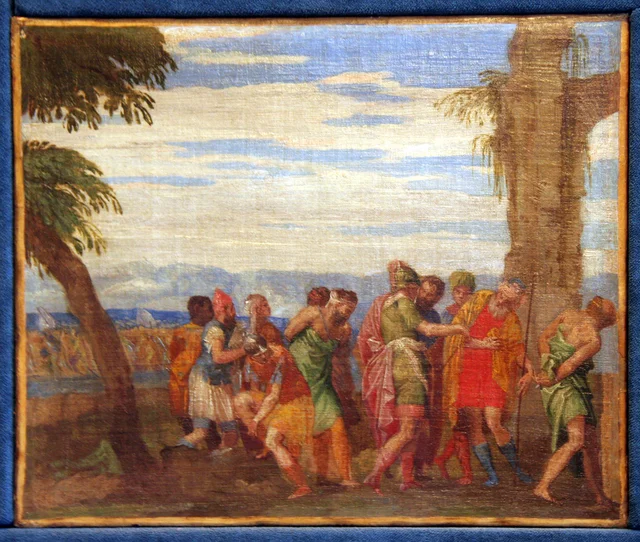 The Punishment of the EunuchsPaolo Veronese
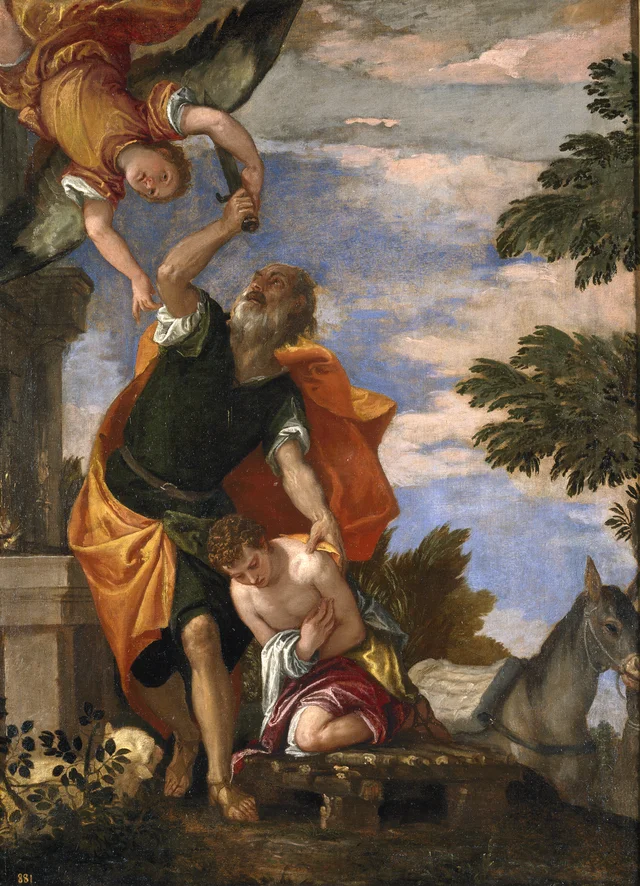 The Sacrifice of IsaacPaolo Veronese, 1586
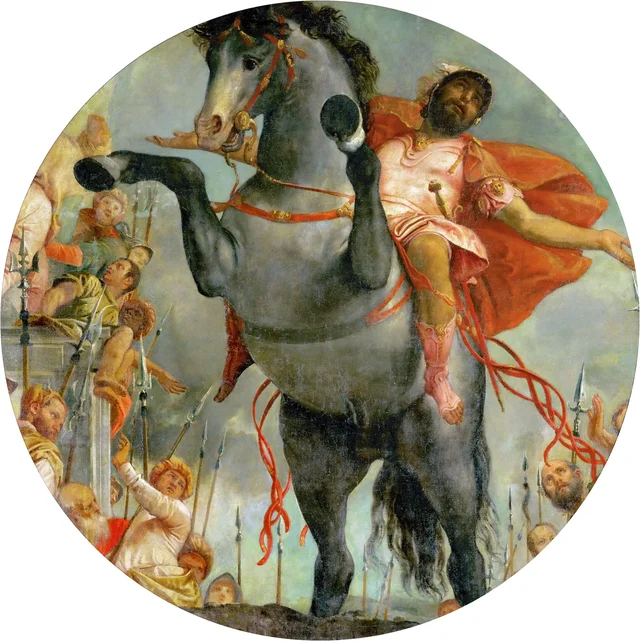 The sacrificial death of Marcus CurtiusPaolo Veronese, 1550
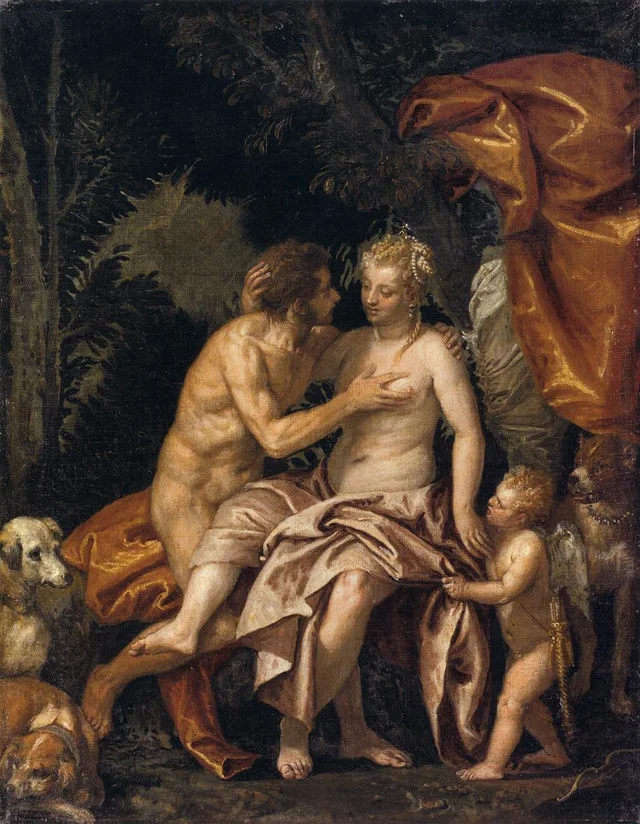 Venus and AdonisPaolo Veronese, 1586
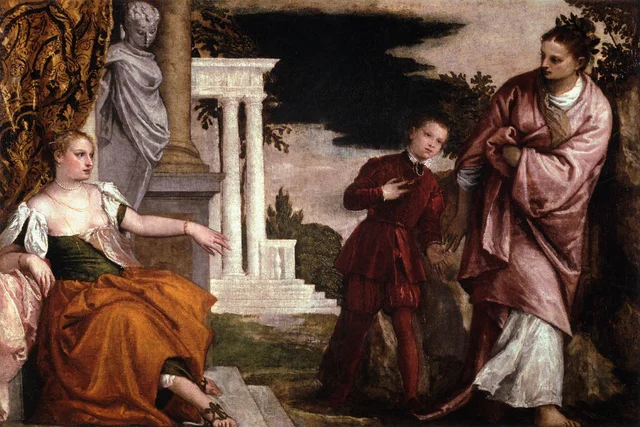 Young Man between Vice and VirtuePaolo Veronese, 1580
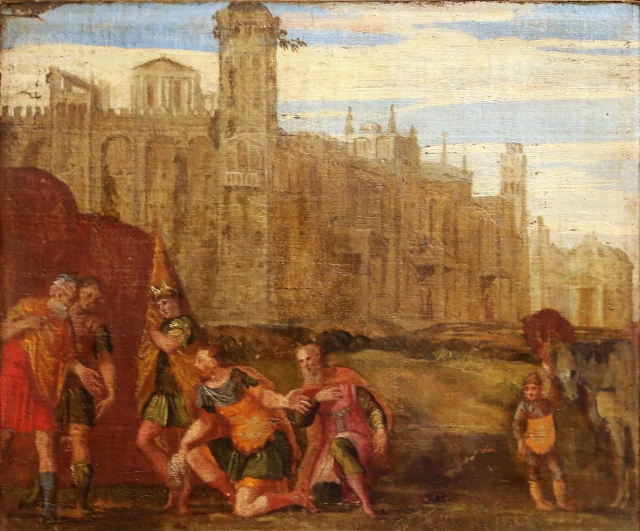 Ahasuerus Ordering the Triumph of MordecaiPaolo Veronese