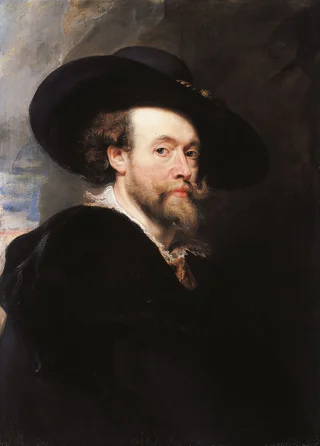
Peter Paul Rubens
1577–1640 · Spanish Netherlands · Flemish Baroque painting
The story
Most great painters stayed in the studio. Rubens spent a good part of his career as a working diplomat, and the two jobs fed each other. He was fluent in several languages, moved easily among princes, and ran the busiest painting workshop in Europe out of Antwerp, in what were then the Spanish Netherlands. Kings trusted him with more than portraits.
The clearest example came in 1629. Spain and England had been at war for years, and Philip IV of Spain sent Rubens to London in the guise of a visiting artist, a cover that let him be received at court without alarm while he quietly pressed Spain's case. Over about nine months he worked on King Charles I, a passionate art collector, arguing the case for peace between the two crowns and painting for him at the same time. One of the pictures he made there, an allegory of Peace and War, was itself part of the argument, showing the good things peace brings and the ruin that war carries off.
It worked. A treaty between England and Spain was signed in 1630, and before Rubens left, Charles knighted him. Philip IV would later do the same, so he ended up a knight of both kingdoms he had helped reconcile. He kept painting at an enormous rate to the end, much of it done with assistants blocking in his designs, and in his last decade he bought a country house south of Antwerp, the Chateau de Steen, whose fields and wet skies fill the landscapes he made purely for himself.
More articles
 Article · 45 min readThe Mauritshuis in The Hague: 20 paintings and how they came here
 Article · 42 min readWhat to See at the Louvre: 25 Highlights
 Article · 20 min readMuseo del Prado: The Paintings That Outlived Their Worlds
 Article · 41 min readThe Thyssen-Bornemisza Museum: 20 pictures bought by a father and his son
 Article · 37 min readPinacoteca di Brera: From Napoleon's Requisitions to the Grande Brera
 Article · 44 min readThe Gemäldegalerie in Berlin: 20 paintings that Berlin bought, lost and divided
Works
486 works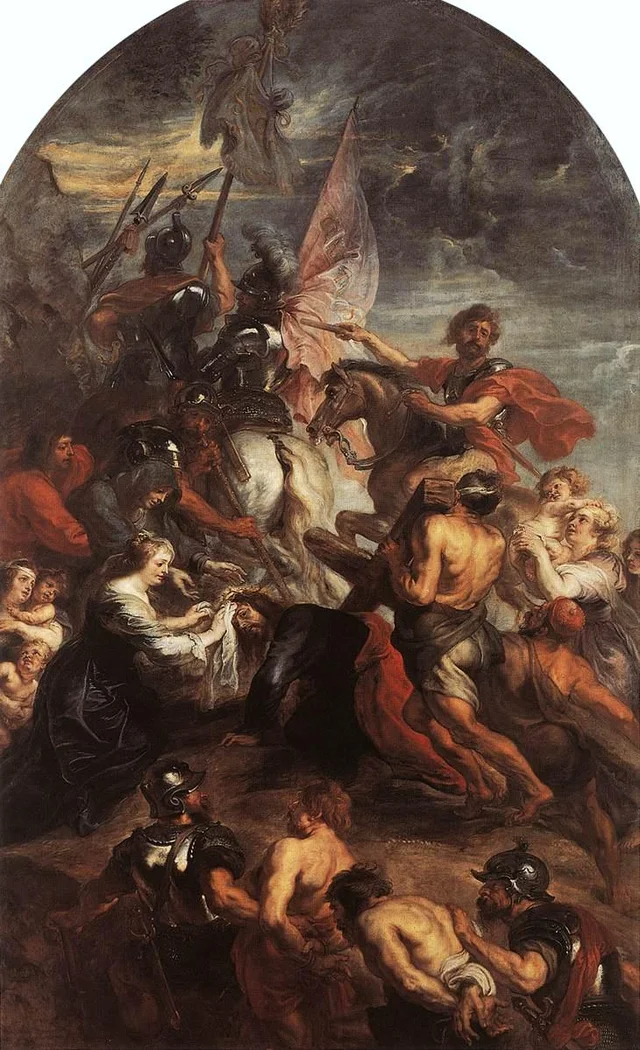 The Road to CalvaryPeter Paul Rubens, 1634
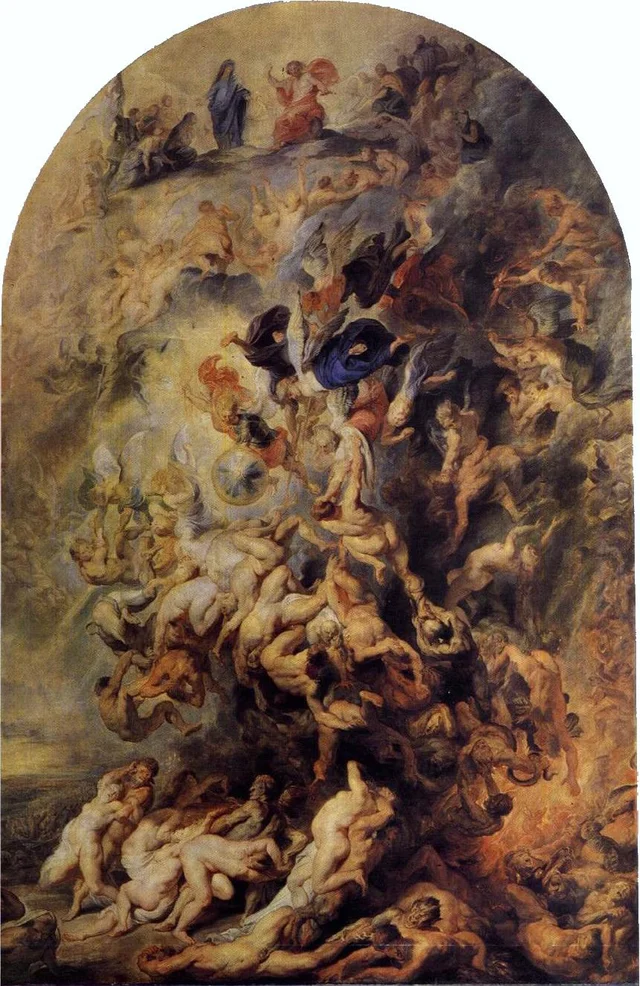 The Small Last JudgementPeter Paul Rubens, 1621
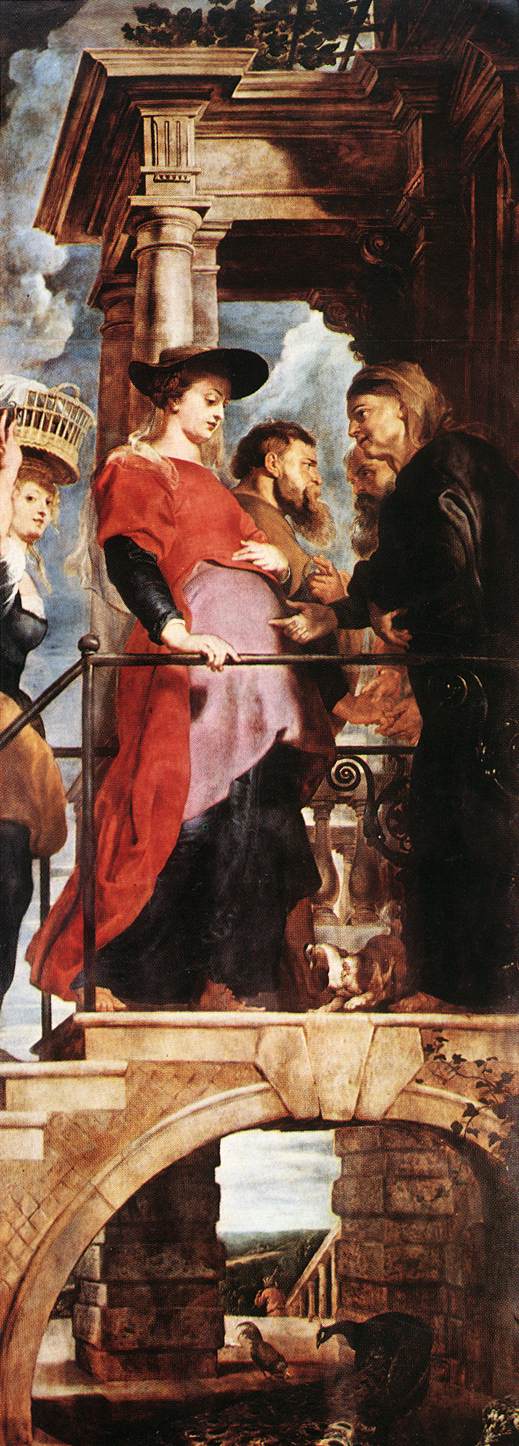 The Visitation (left panel of triptych)Peter Paul Rubens, 1611
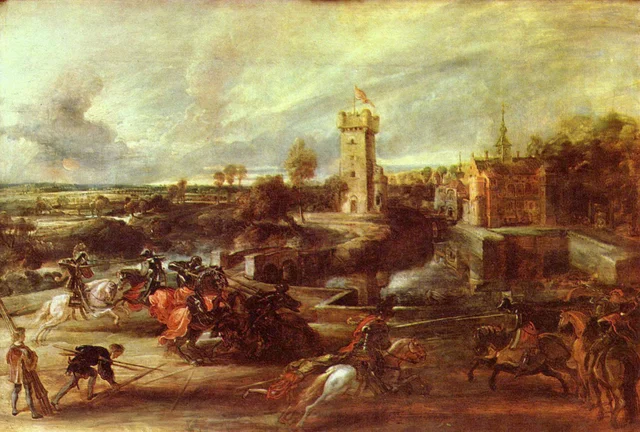 Tournament near the Moats of the Château de SteenPeter Paul Rubens, 1639
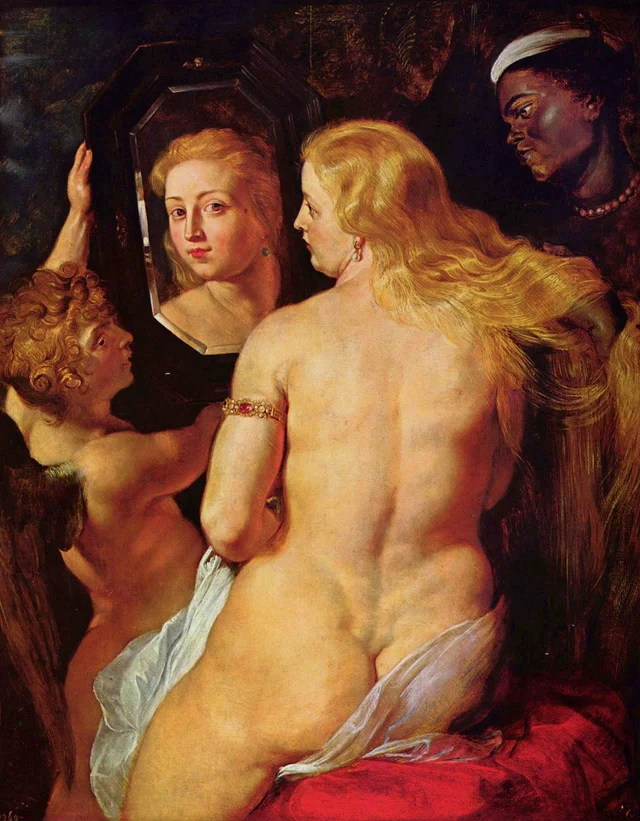 Venus in front of the mirrorPeter Paul Rubens, 1614
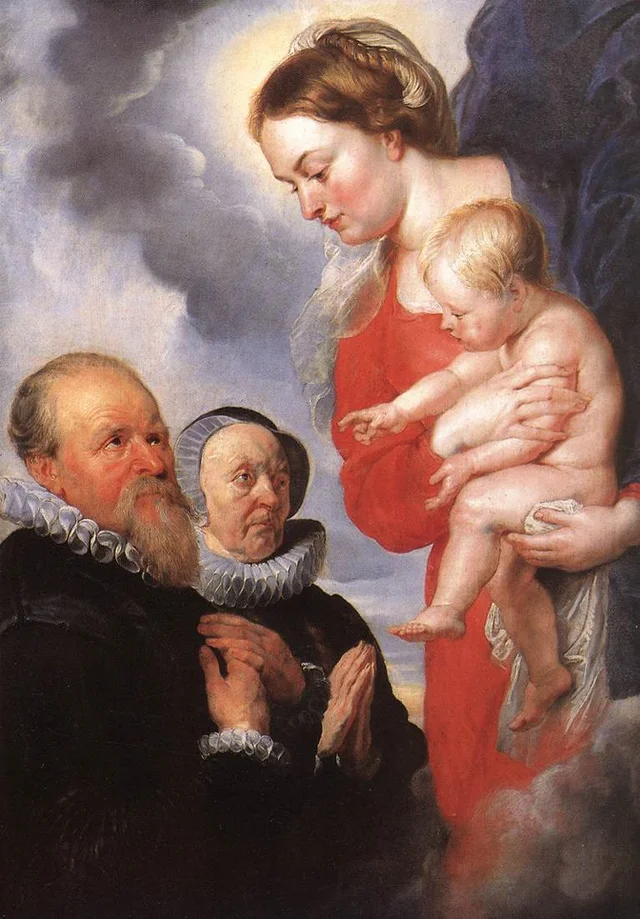 Virgin and Child, with Alexander Goubau, (1540-1614): Grand Aumonier of AntwerpenPeter Paul Rubens
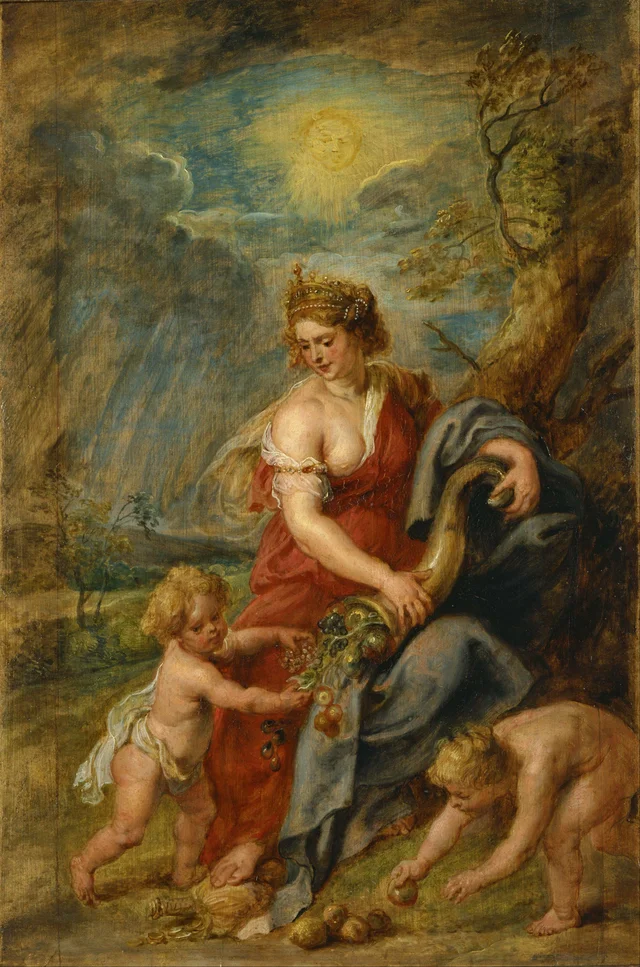 Abundance (Abundantia)Peter Paul Rubens, 1630
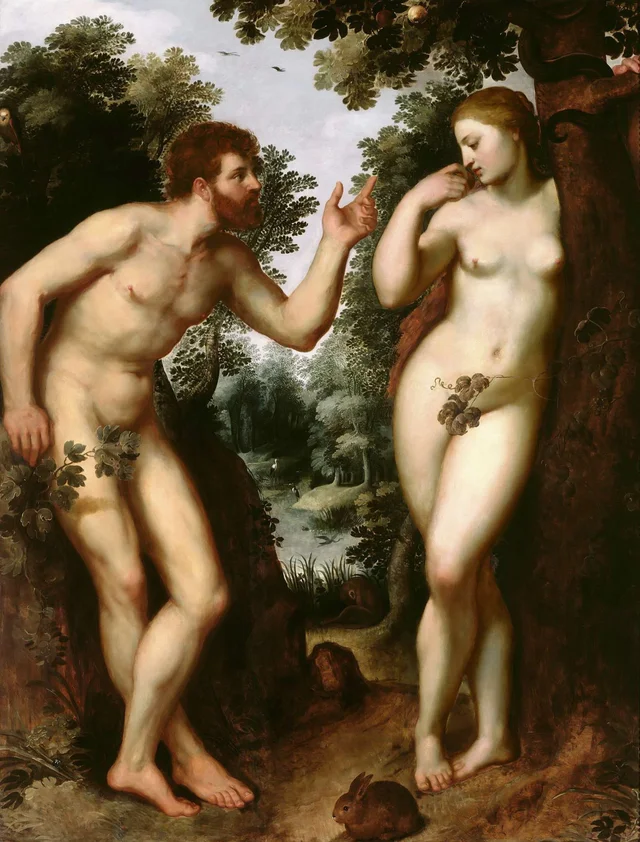 Adam and EvePeter Paul Rubens, 1600
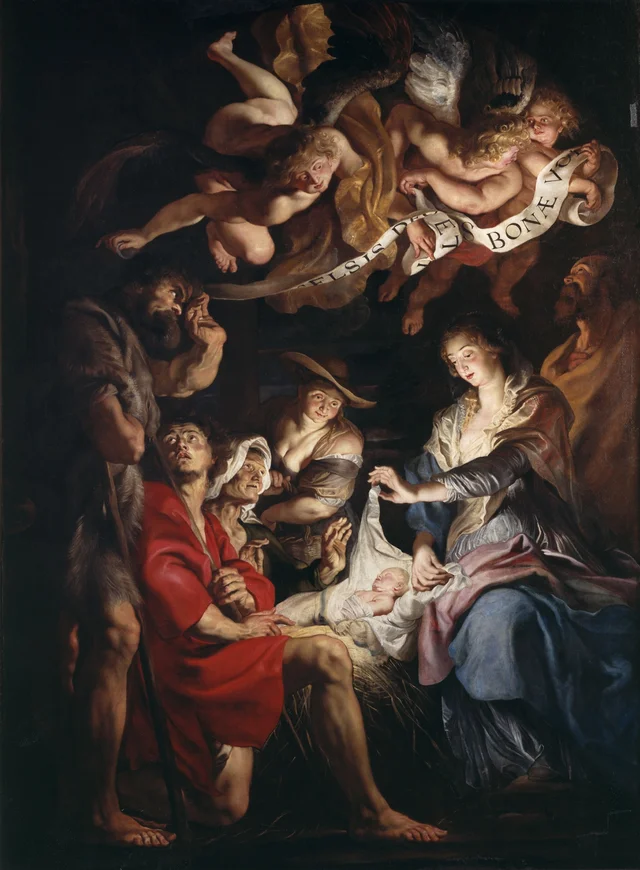 Adoration of the ShepherdsPeter Paul Rubens, 1609
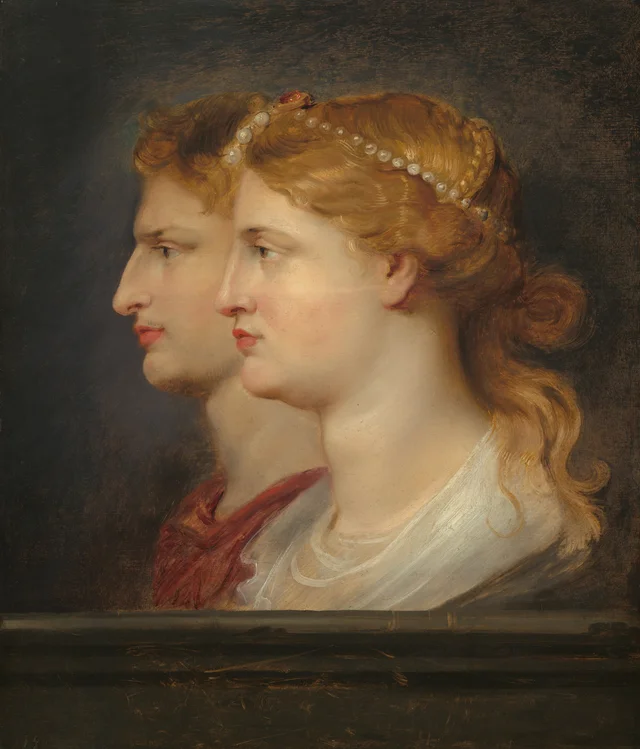 Agrippina and GermanicusPeter Paul Rubens, 1614
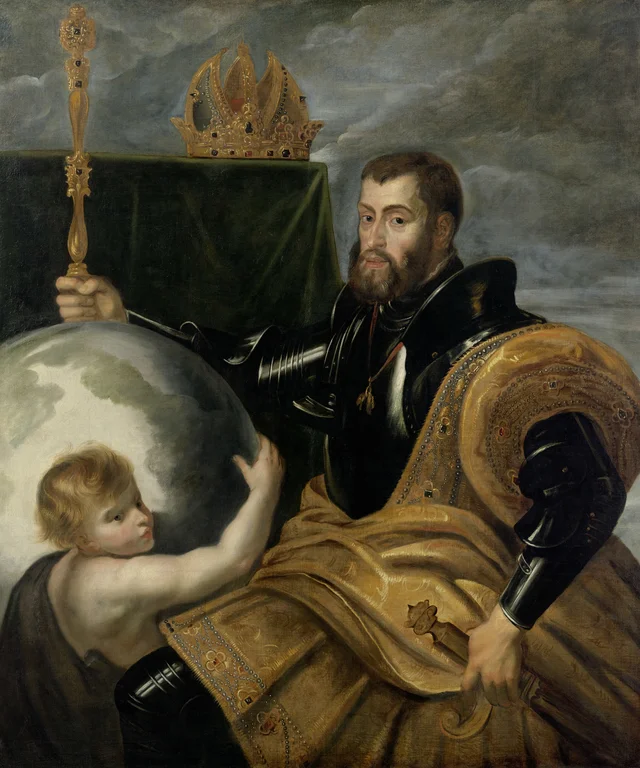 Allegory on Emperor Charles as Ruler of Vast RealmsPeter Paul Rubens, 1604
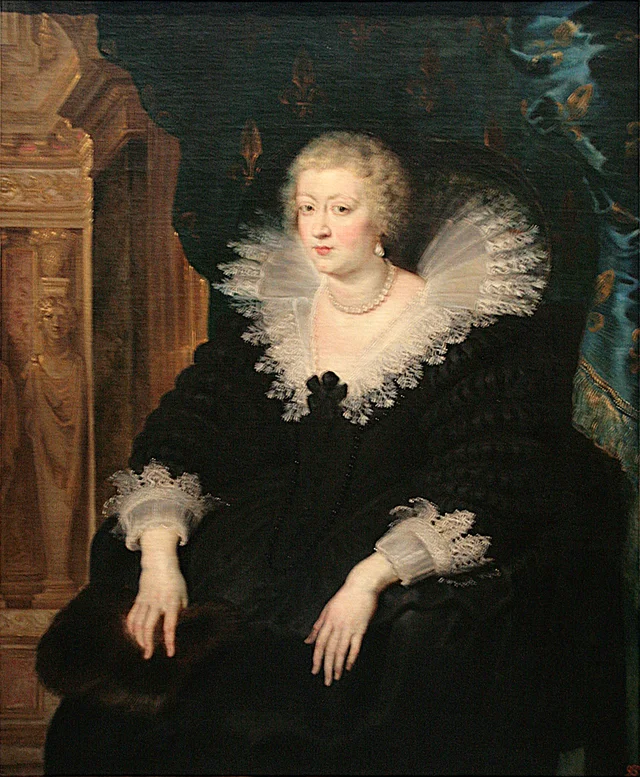 Anne of Austria, Queen of FrancePeter Paul Rubens, 1622
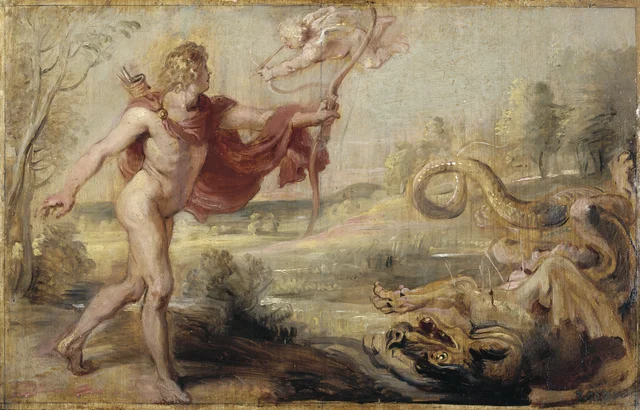 Apollo and the PythonPeter Paul Rubens, 1636
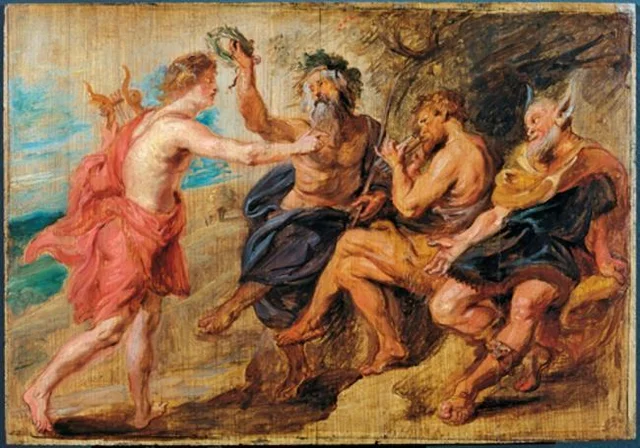 Apollo as Victor over Pan (sketch for the Torre de la Parada)Peter Paul Rubens, 1637
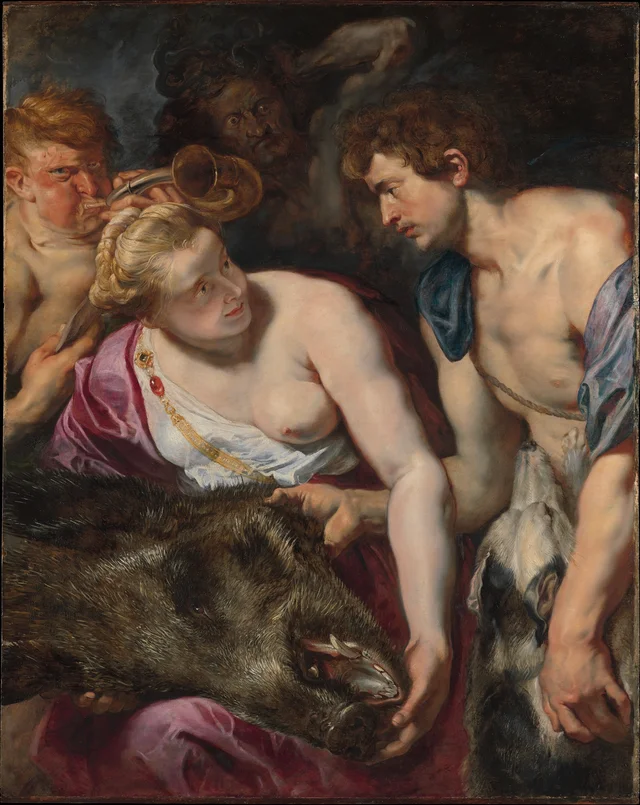 Atalanta and MeleagerPeter Paul Rubens, 1616
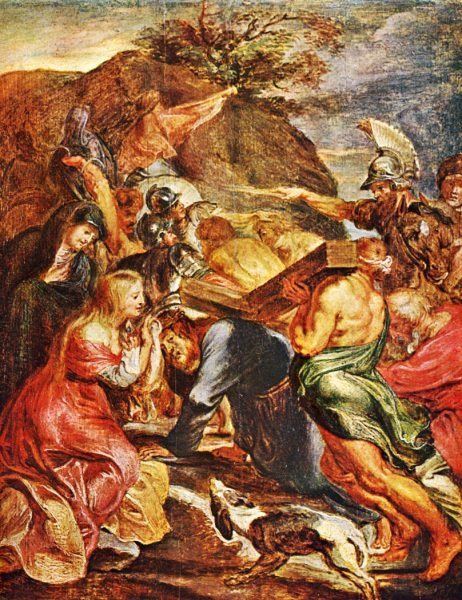 Bearing of the CrossPeter Paul Rubens, 1610
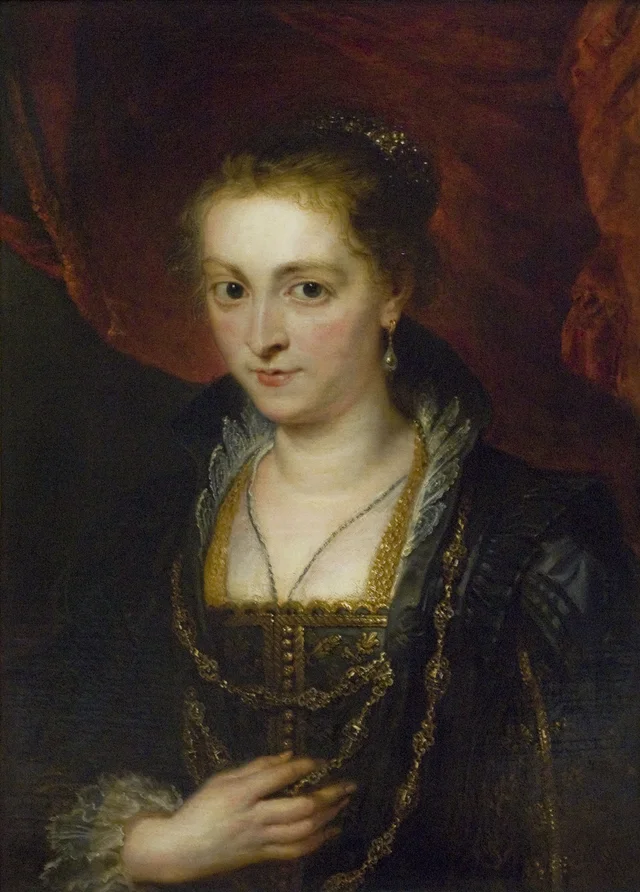 Bust-Length Portrait of a LadyPeter Paul Rubens, 1625
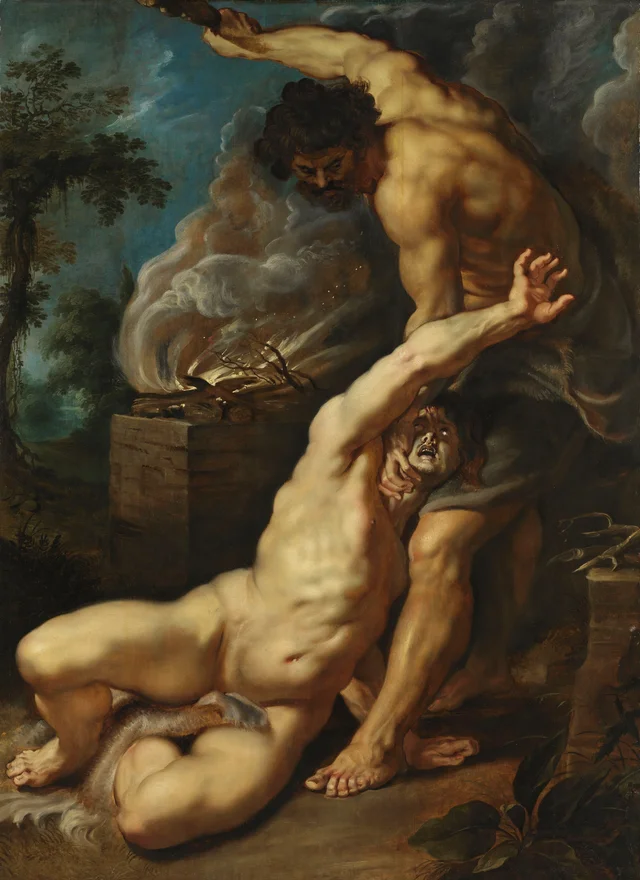 Cain Slaying AbelPeter Paul Rubens, 1608
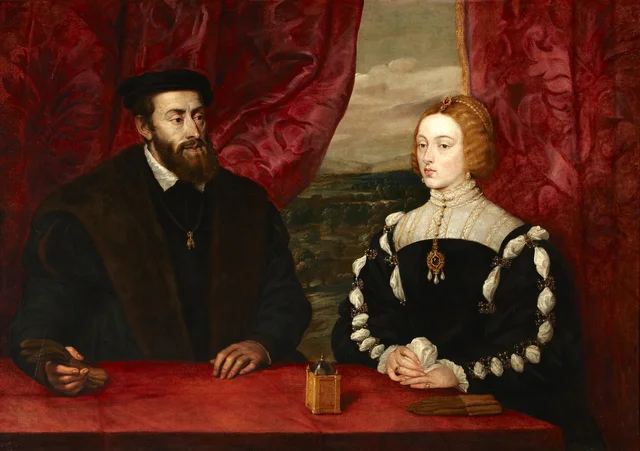 Charles V and Empress Isabella of PortugalPeter Paul Rubens, 1628
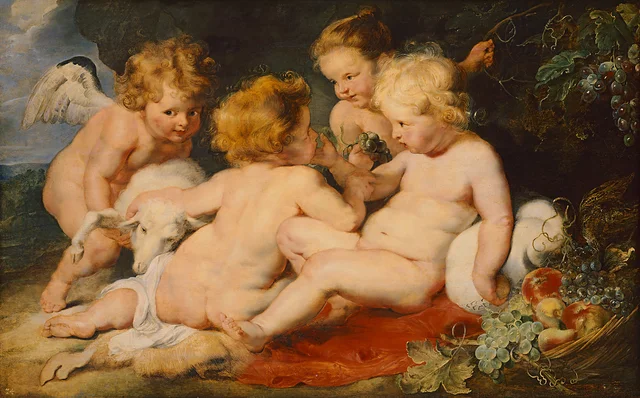 Christ and John the Baptist as children and two angelsPeter Paul Rubens, 1617
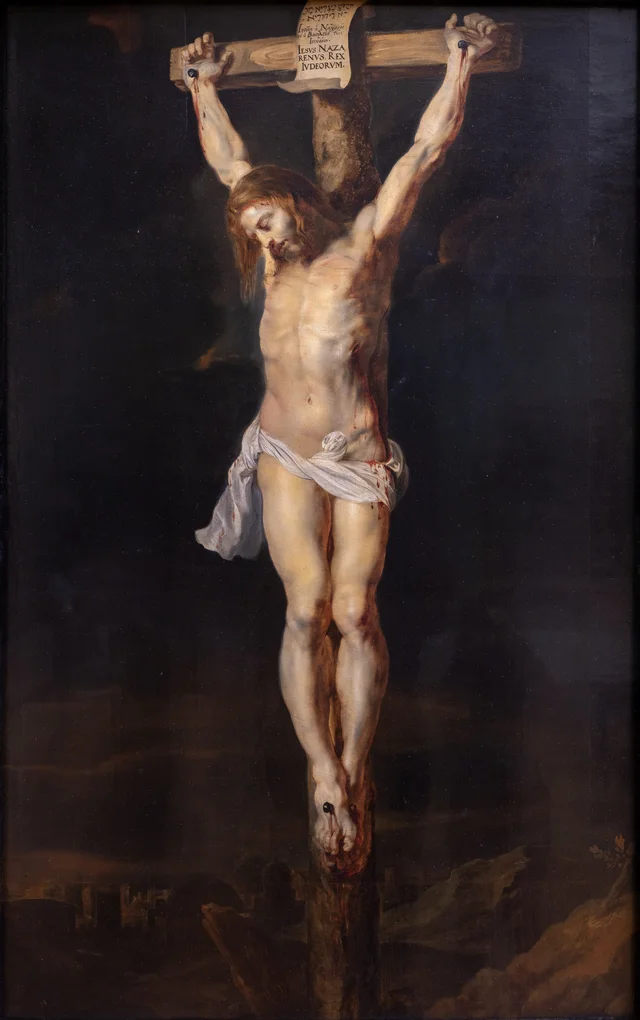 Christ on the CrossPeter Paul Rubens, 1615
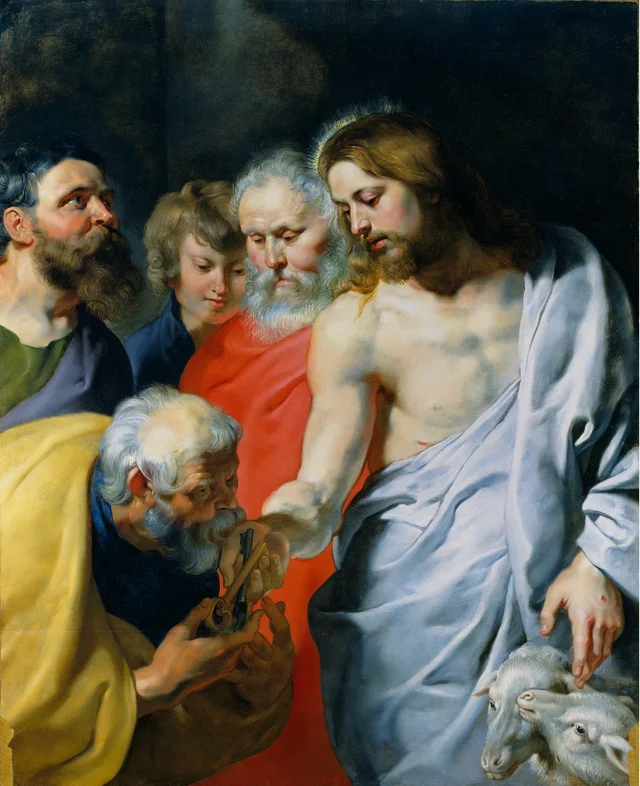 Christ's Charge to PeterPeter Paul Rubens, 1616
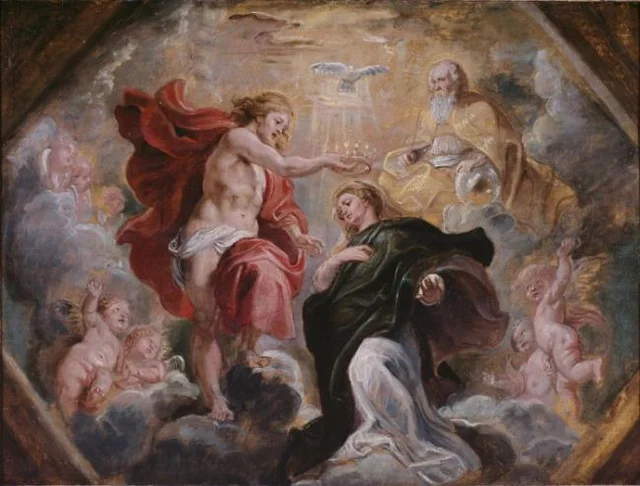 Coronation of the VirginPeter Paul Rubens, 1620
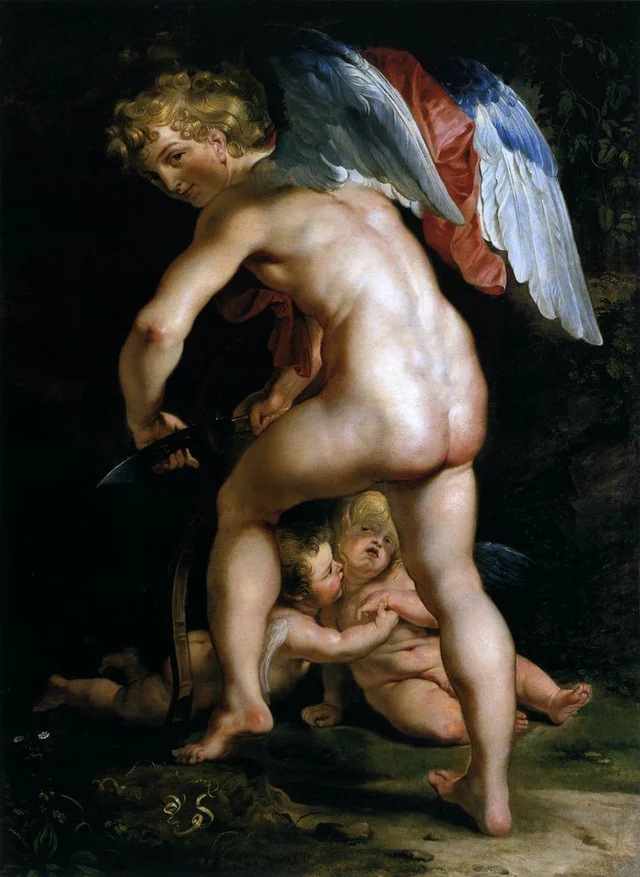 Cupid (Eros) Carves the BowPeter Paul Rubens, 1614
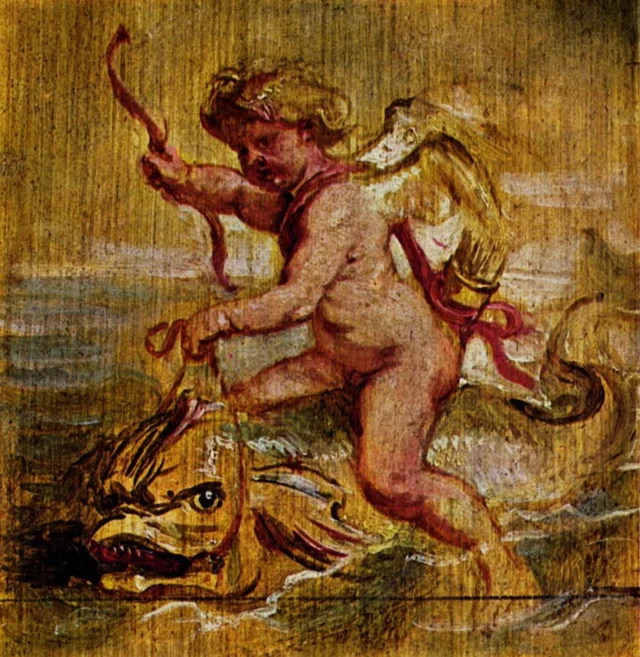 Cupid on a dolphinPeter Paul Rubens, 1636