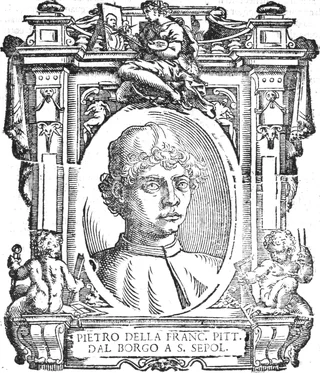
Piero della Francesca
1415–1492 · República de Florencia · Renacimiento temprano
La historia
A mediados del siglo XV, los pintores de toda Italia competían por resolver cómo hacer que un panel plano pareciera un espacio real y medible, apoyándose en las reglas que el arquitecto Filippo Brunelleschi había establecido en Florencia una generación antes. Piero della Francesca, que trabajaba desde la pequeña localidad toscana de Borgo Sansepolcro, llevó el problema más lejos que casi nadie. También era matemático en activo, y en la década de 1470 dejó su método por escrito en un tratado llamado De Prospectiva Pingendi, en el que exponía de su propia mano demostraciones geométricas sobre cómo construir la perspectiva correctamente.
Esa doble formación se aprecia en cuadros como La flagelación de Cristo y en los frescos que realizó para la corte de Federico da Montefeltro, el tuerto duque de Urbino, donde arquitectura, luz y figuras conviven dentro de un espacio calculado con precisión.
De los últimos años de Piero apenas hay constancia. Giorgio Vasari, el biógrafo de artistas italianos del siglo XVI, afirmó que se quedó ciego antes de morir en 1492, y durante mucho tiempo después se lo recordó sobre todo como matemático, cuyas ideas otros pintores tomaron prestadas sin darle demasiado crédito. Sus cuadros solo fueron correctamente reatribuidos y celebrados a partir de los siglos XIX y XX, una vez que los historiadores lograron desentrañar qué frescos y tablas eran realmente suyos.
Más artículos
 Artículo · 37 min de lecturaLas Galerías de la Academia de Venecia: veinte obras y el camino de cada una hasta aquí
 Artículo · 38 min de lecturaLa Pinacoteca de Brera: de las requisas napoleónicas a la Grande Brera
 Artículo · 41 min de lecturaCómo se formó la National Gallery: de Angerstein a Artemisia
Obras
26 obras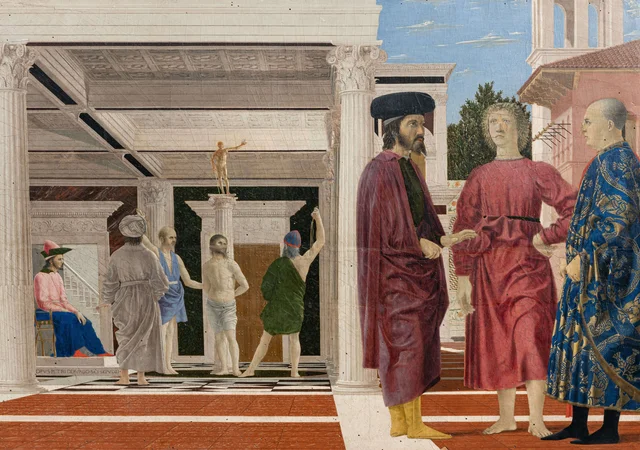 La Flagelación de CristoPiero della Francesca, 1459
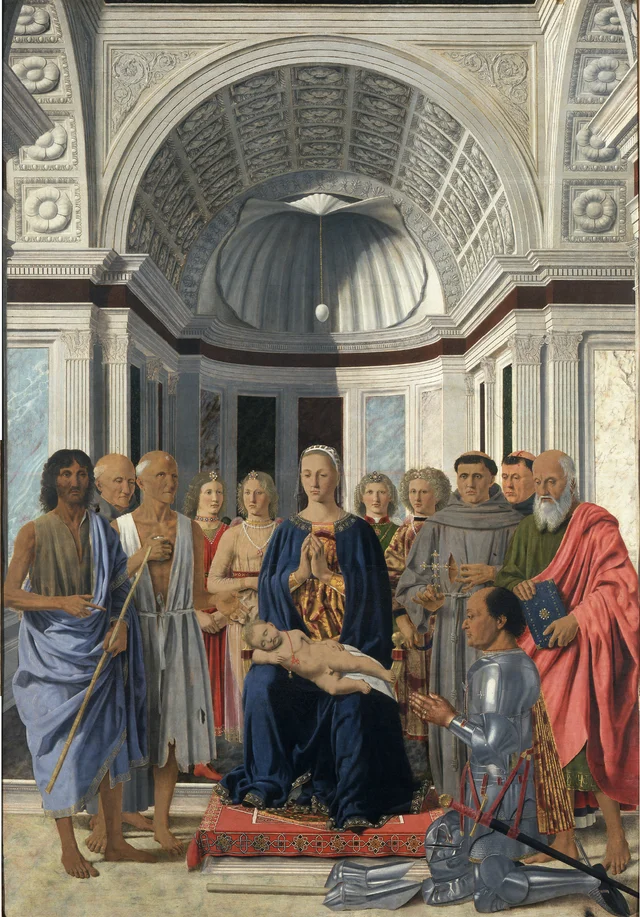 Virgen de BreraPiero della Francesca, 1472
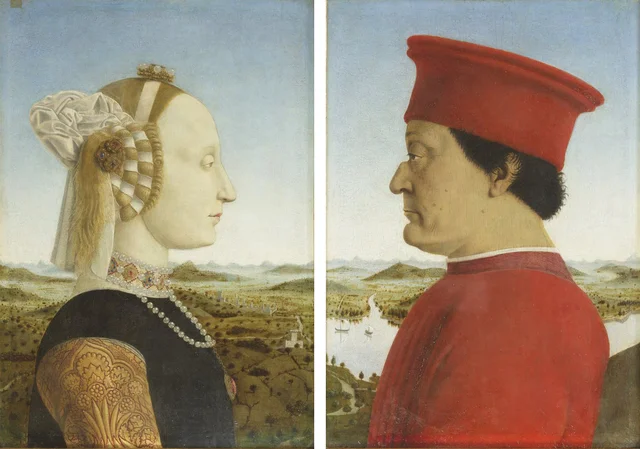 Díptico de Federico da Montefeltro y Battista SforzaPiero della Francesca, 1474
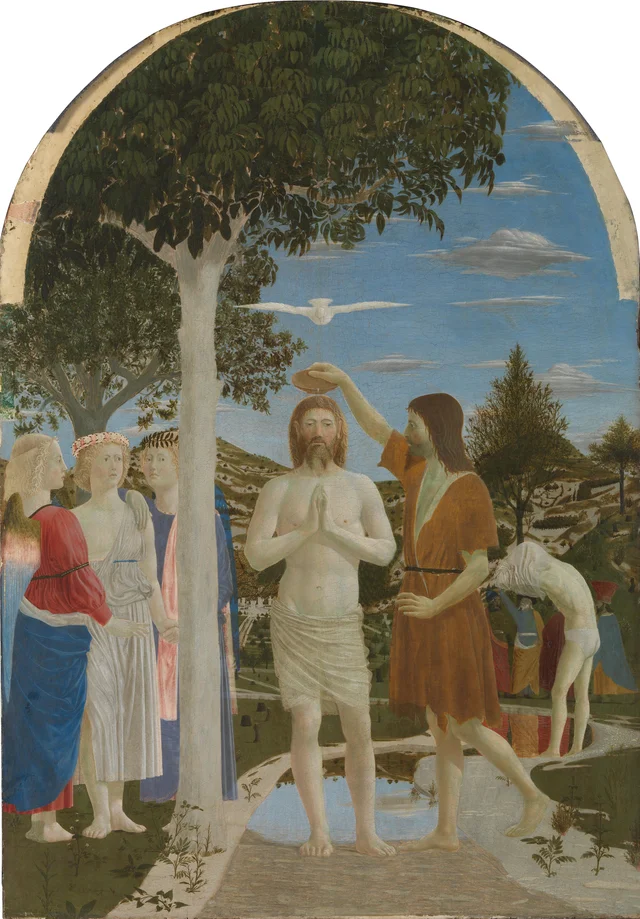 El bautismo de CristoPiero della Francesca, 1448
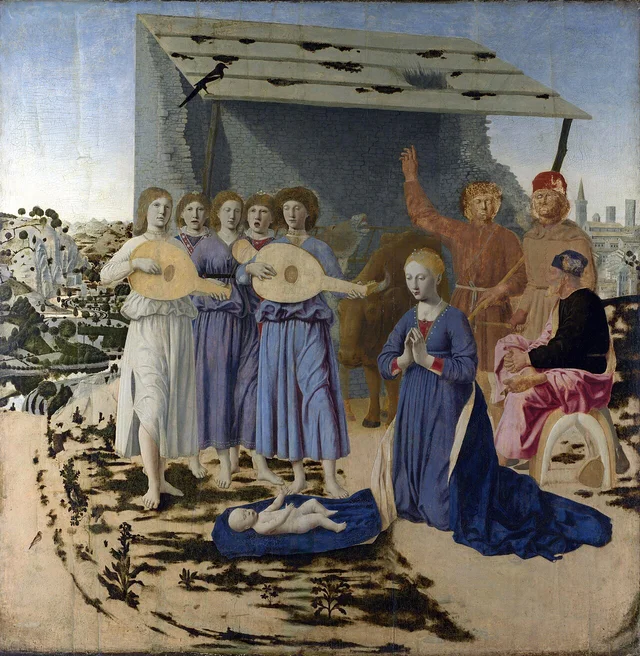 La NatividadPiero della Francesca, 1480
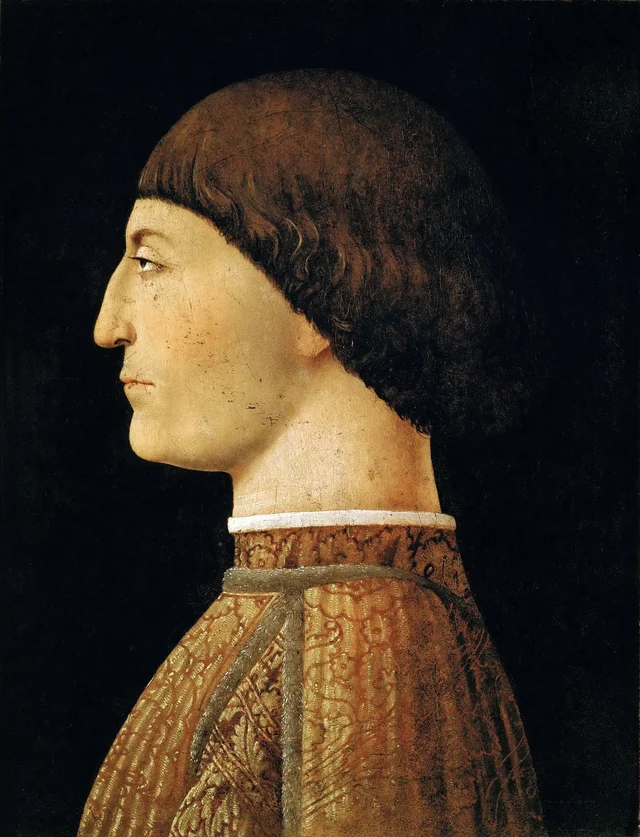 Retrato de Sigismondo Pandolfo MalatestaPiero della Francesca, 1450
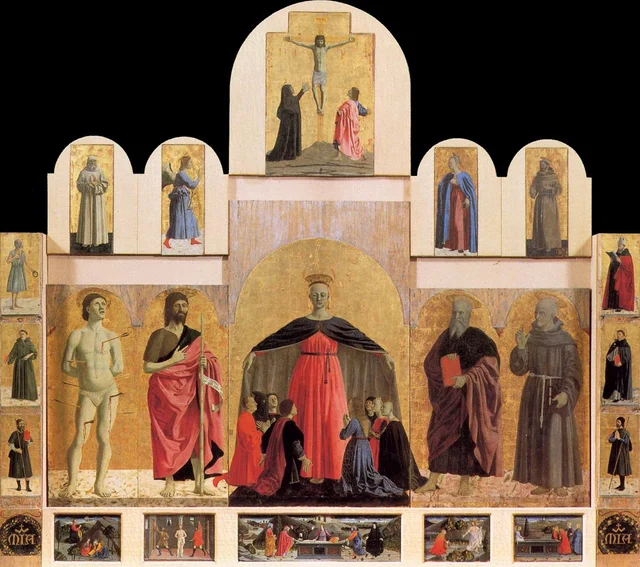 Políptico de la MisericordiaPiero della Francesca, 1460
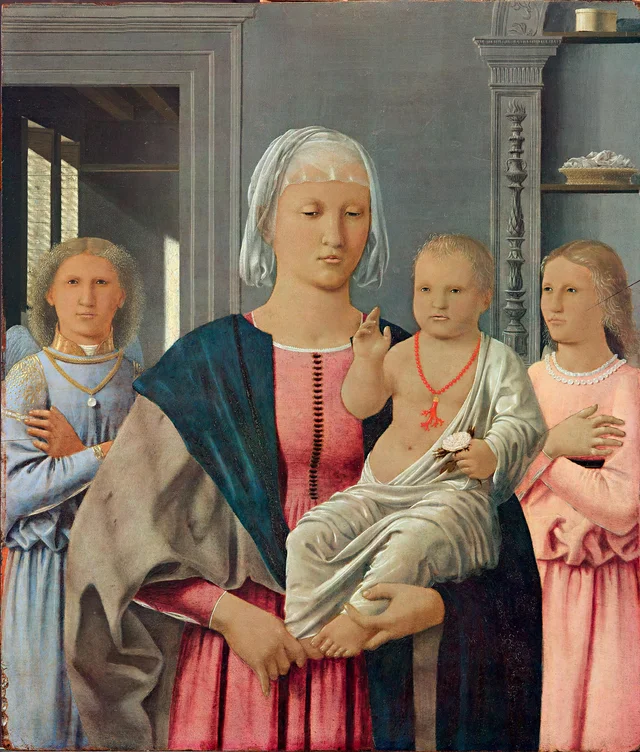 Madonna de SenigalliaPiero della Francesca, 1476
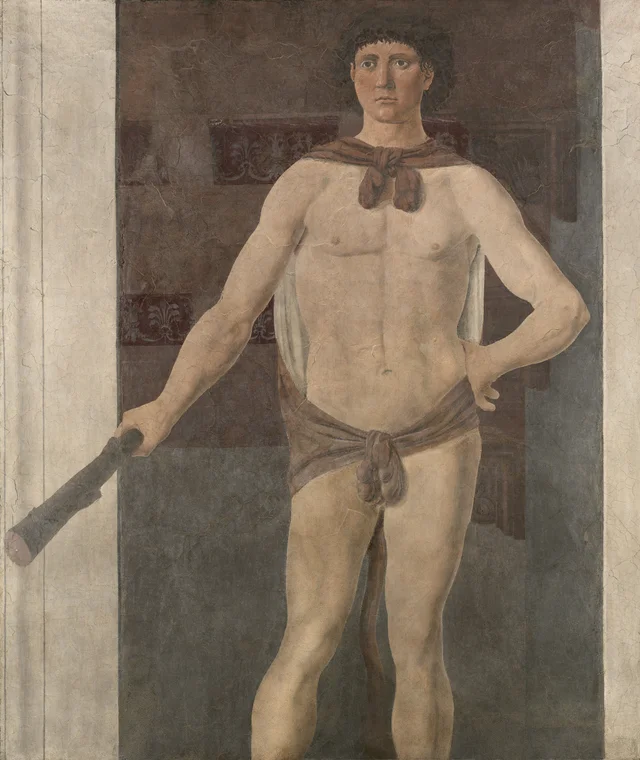 HérculesPiero della Francesca, 1465
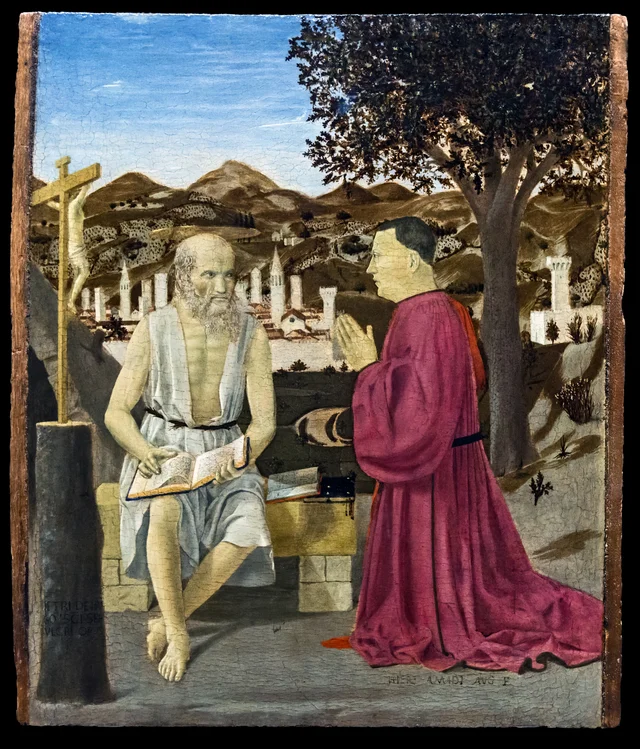 San Jerónimo y un donantePiero della Francesca, 1460
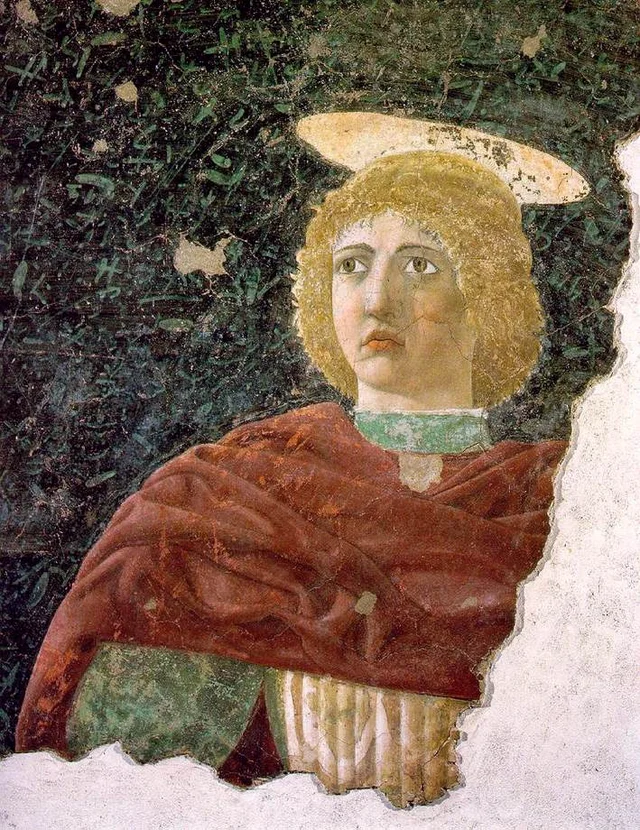 San Julián el HospitalarioPiero della Francesca, 1454
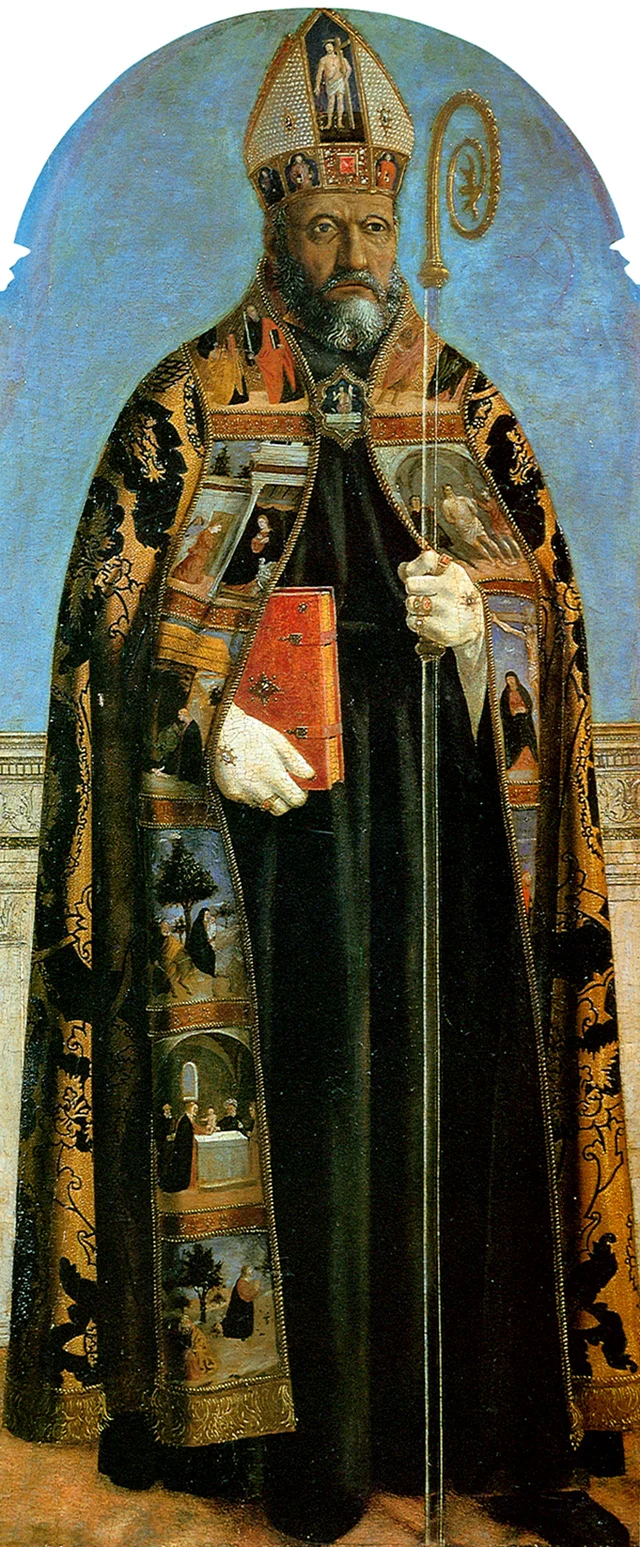 San AgustínPiero della Francesca, 1454
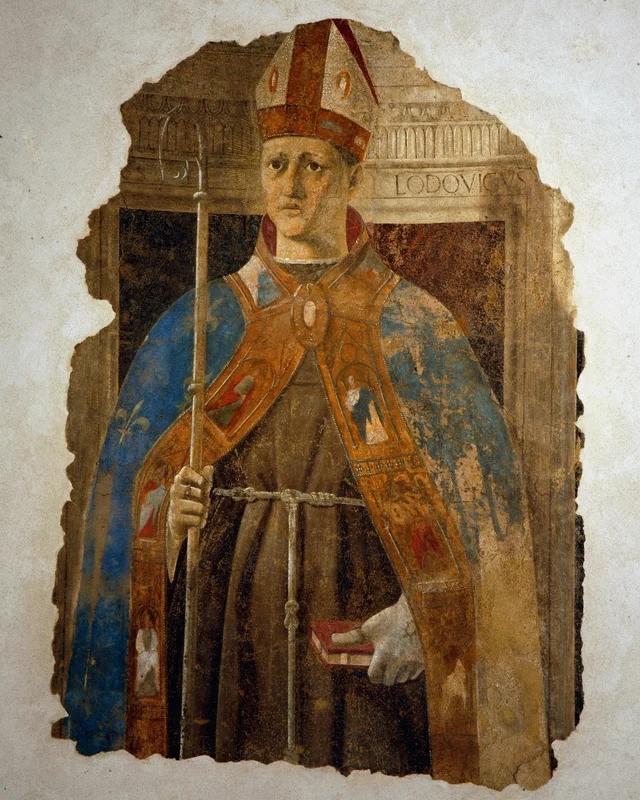 San Luis de TolosaPiero della Francesca, 1460
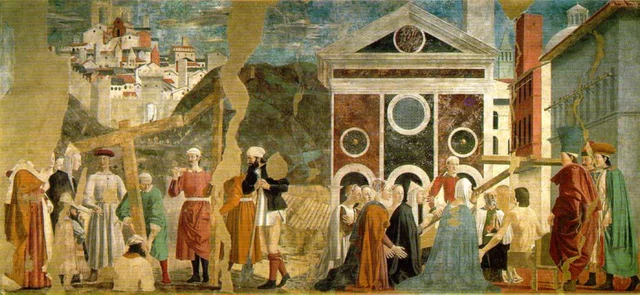 Descubrimiento y comprobación de la Vera CruzPiero della Francesca, 1458
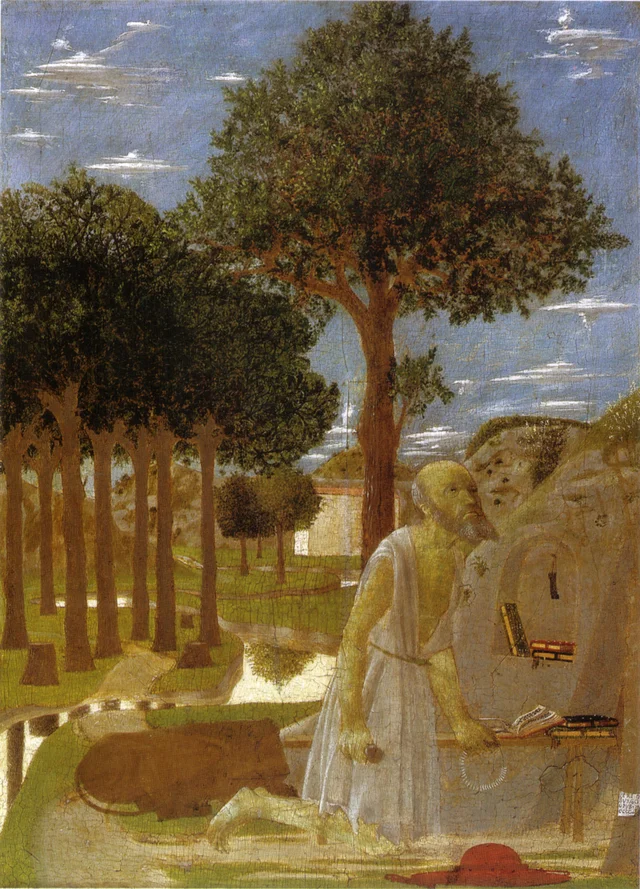 San Jerónimo penitentePiero della Francesca, 1450
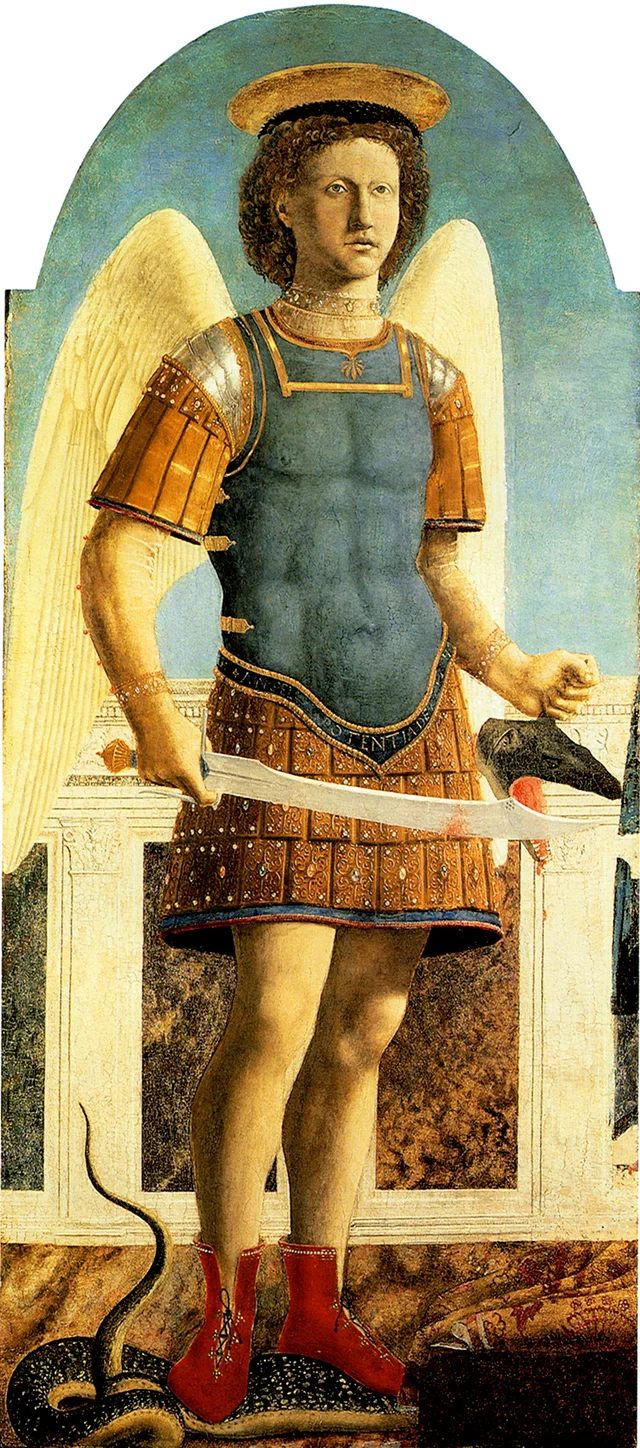 San MiguelPiero della Francesca, 1454
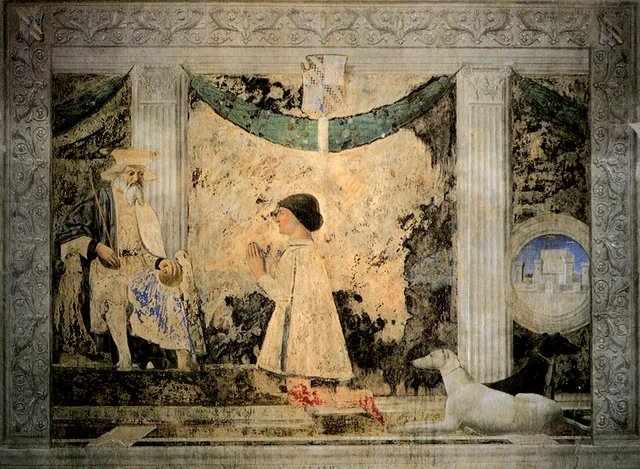 Segismundo Pandolfo Malatesta orando ante San SegismundoPiero della Francesca, 1451
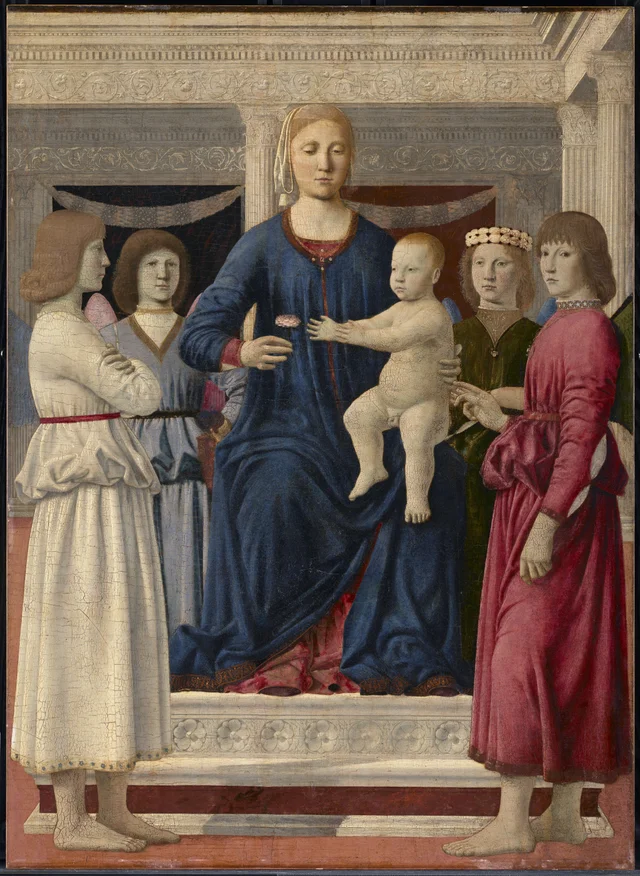 Virgen con el Niño entronizada con cuatro ángelesPiero della Francesca, 1475
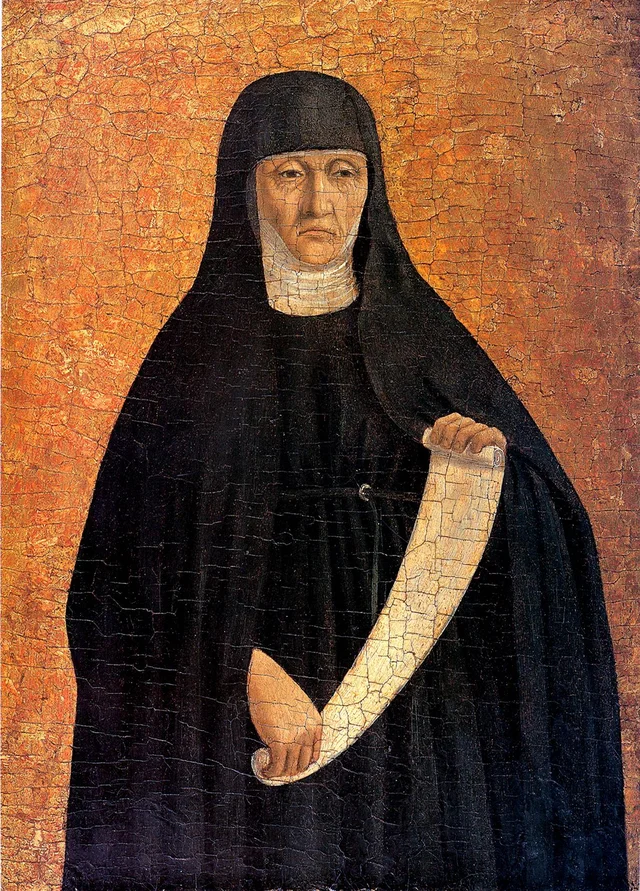 Una monja agustina (Santa Mónica)Piero della Francesca, 1454
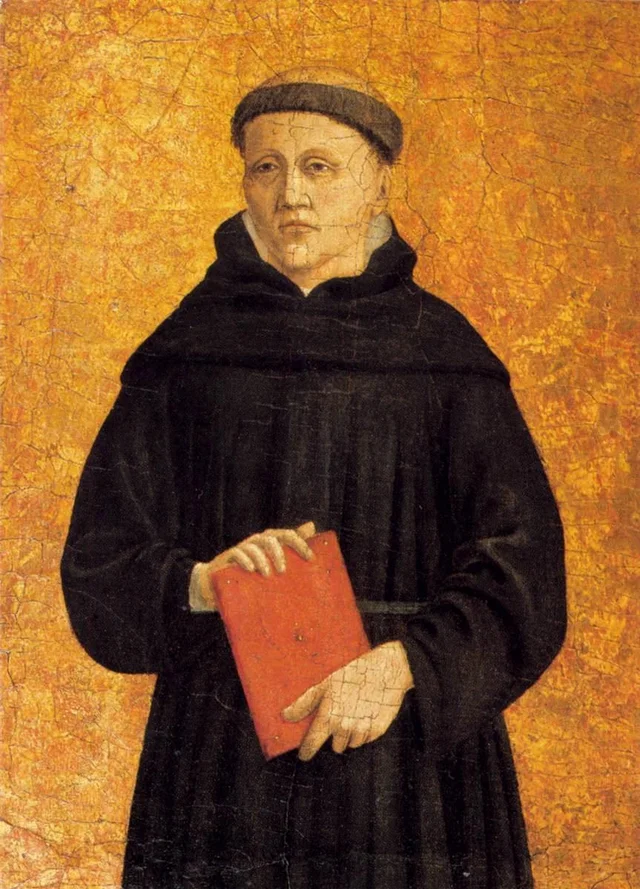 Santo agustinoPiero della Francesca, 1454
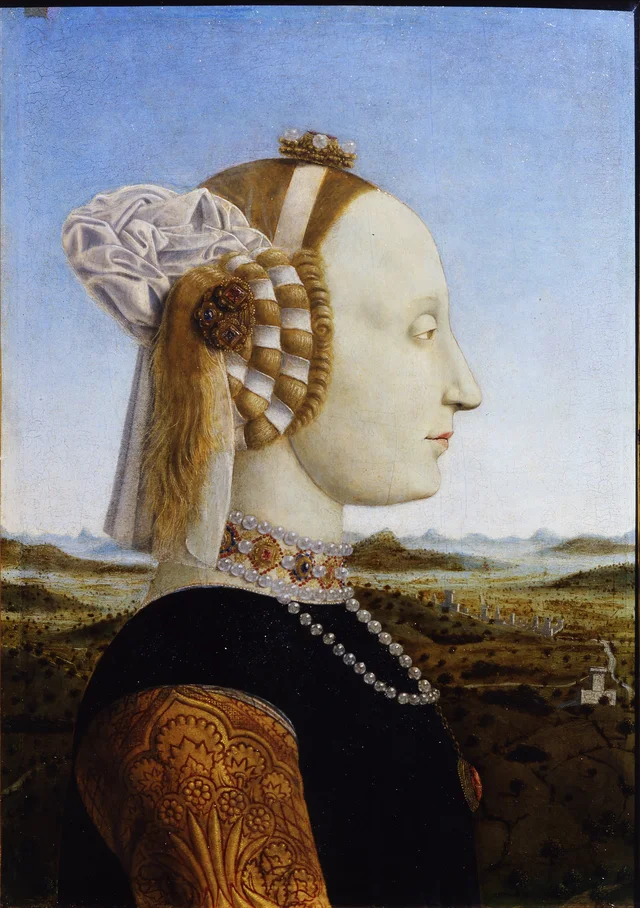 Retrato de Battista SforzaPiero della Francesca, 1474
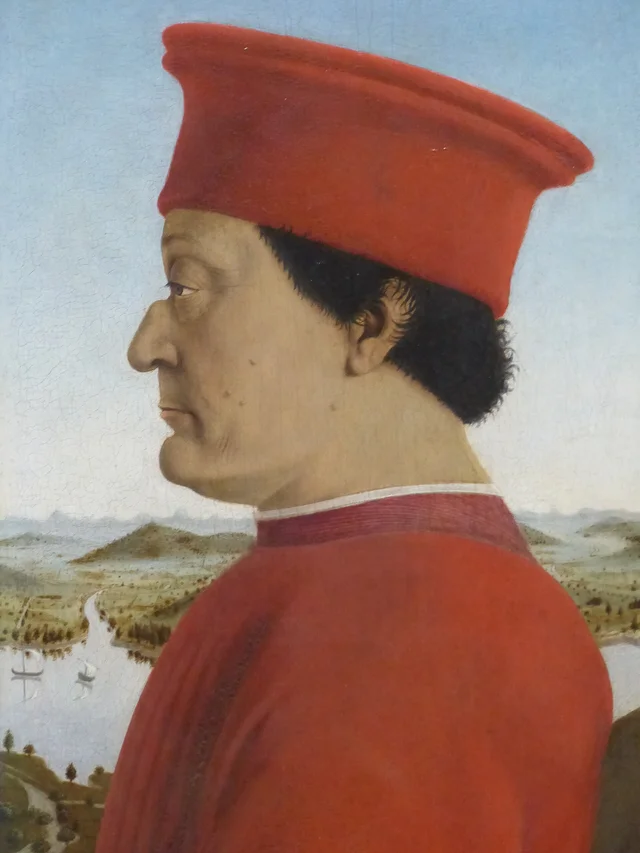 Retrato de Federico da MontefeltroPiero della Francesca, 1474
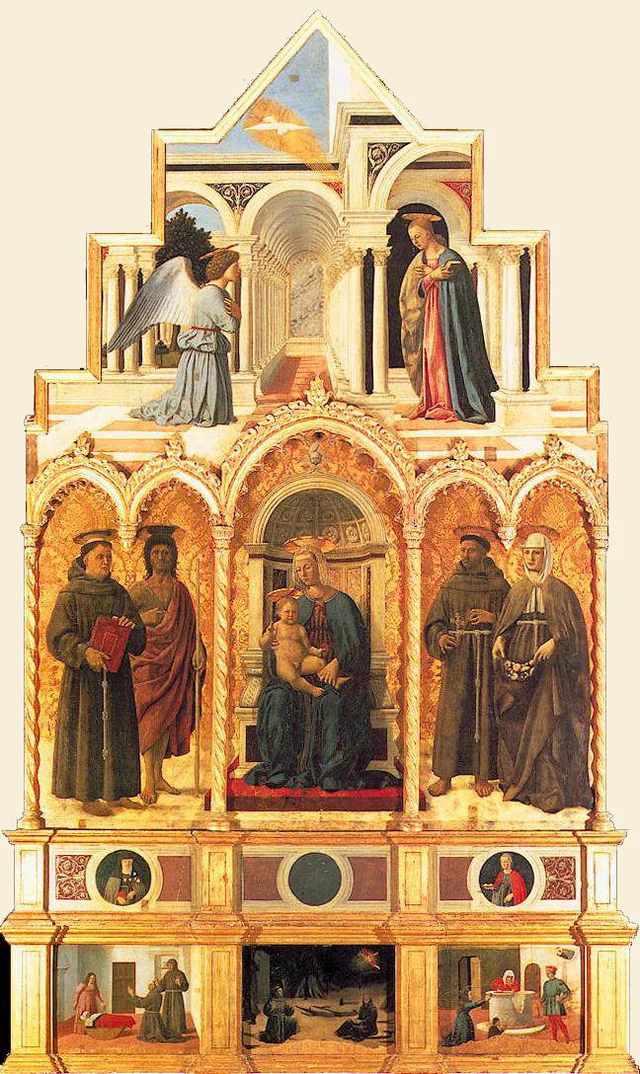 Políptico de San AntonioPiero della Francesca, 1469
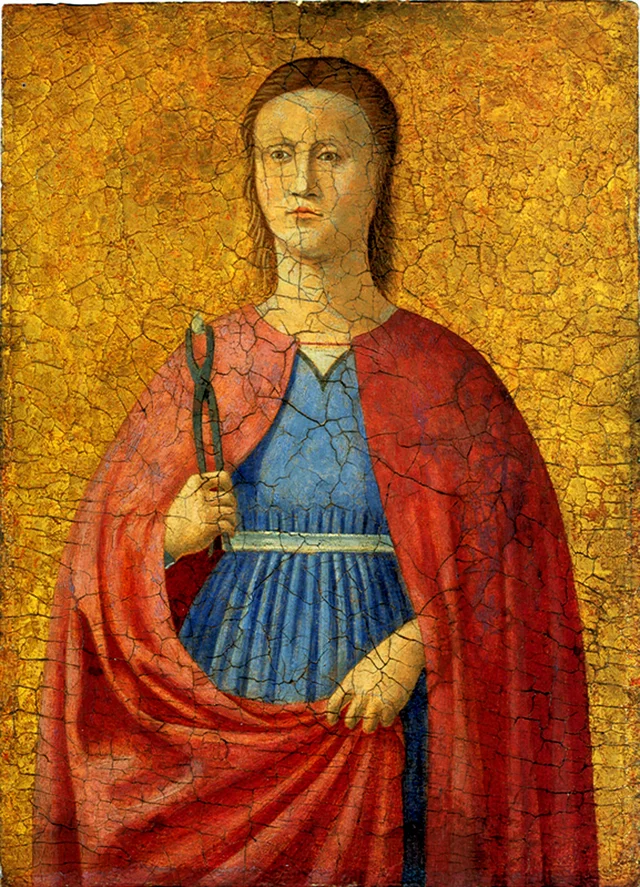 Santa ApoloniaPiero della Francesca, 1454
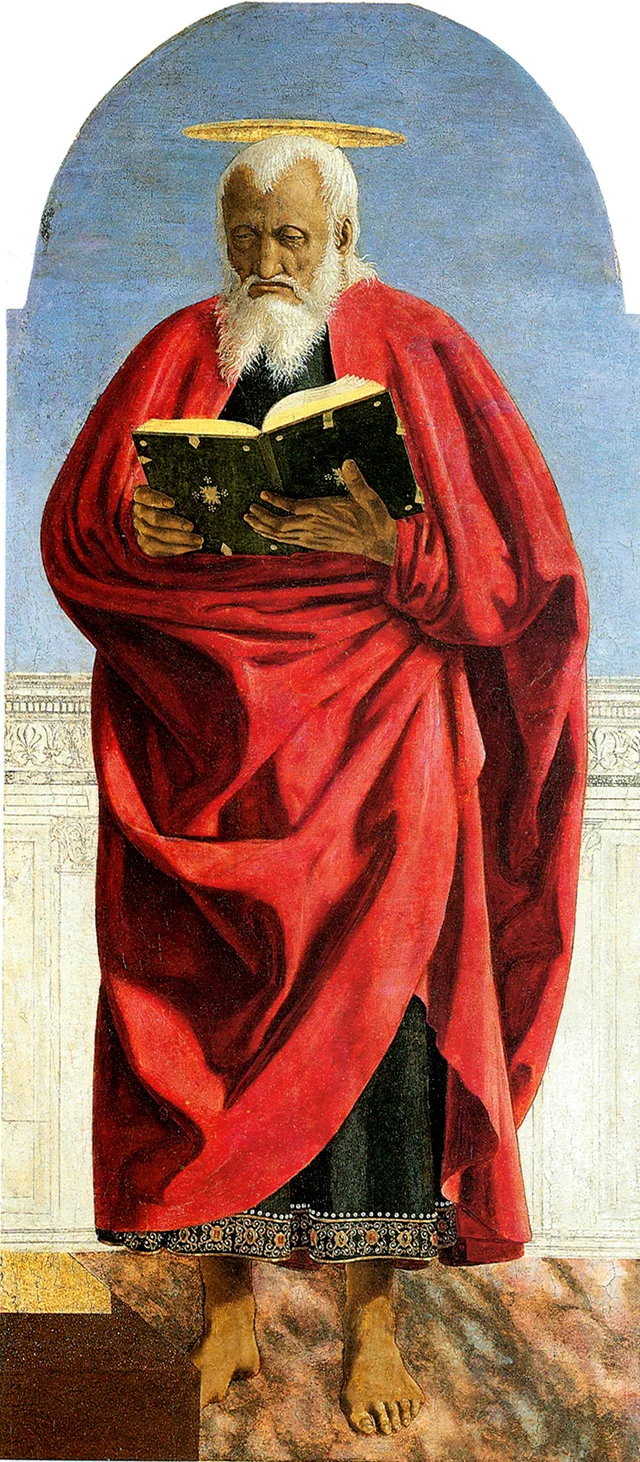 San Juan EvangelistaPiero della Francesca, 1454