La historia
El Louvre empezó siendo una fortaleza. Felipe II Augusto la levantó en la orilla derecha del Sena hacia 1190 para proteger el París medieval, y a lo largo de los siglos siguientes los reyes de Francia la reconstruyeron hasta convertirla en palacio real, hasta que Luis XIV trasladó su corte a Versalles en 1682 y dejó las salas a medio terminar a la colección real y a los artistas alojados dentro.
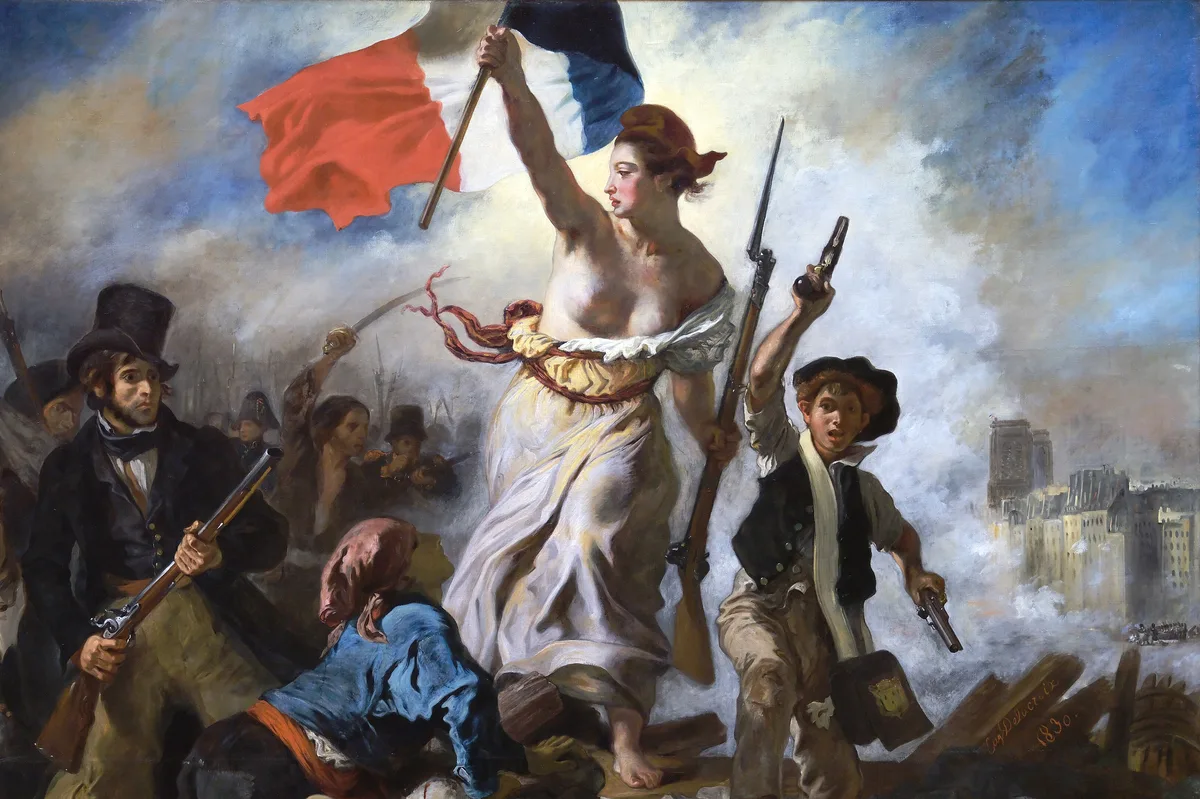
La Revolución lo transformó en museo público. El 10 de agosto de 1793 el Muséum central des arts abrió sus puertas, mostrando el arte confiscado a la corona y a la Iglesia a cualquier ciudadano que quisiera entrar. Napoleón lo llenó con el botín de sus campañas y por un tiempo lo rebautizó con su propio nombre. Mucho se devolvió tras Waterloo, pero la idea se mantuvo: una colección nacional dispuesta para el estudio y gratuita para el público.
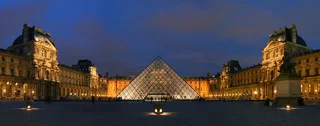
Hoy el Louvre guarda más de 35.000 obras, desde la Venus de Milo hasta La balsa de la Medusa de Géricault. La multitud, sin embargo, se agolpa ante un pequeño retrato. En agosto de 1911 desapareció. Vincenzo Peruggia, un operario italiano que había trabajado en el museo, descolgó La Gioconda de Leonardo y se la llevó bajo el abrigo. Durante dos años el marco colgó vacío mientras los visitantes acudían a contemplar el hueco, y el cuadro no regresó hasta 1913, después de que Peruggia intentara venderlo a un marchante en Florencia. La pirámide de cristal de I. M. Pei, colocada en el patio en 1989, marca ahora la entrada.
Más artículos
Colección
1174 obras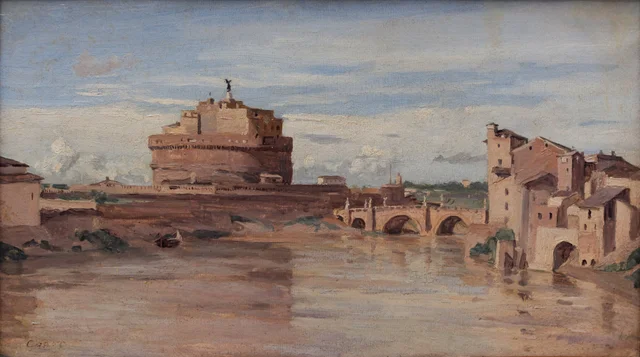 Castel Sant'Angelo y el TíberJean-Baptiste Camille Corot, 1826
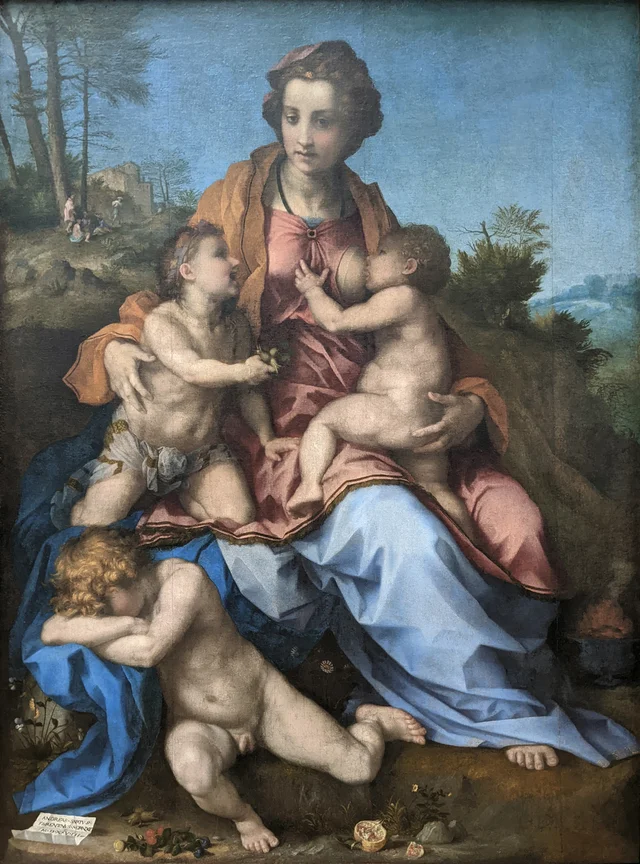 La CaridadAndrea del Sarto, 1518
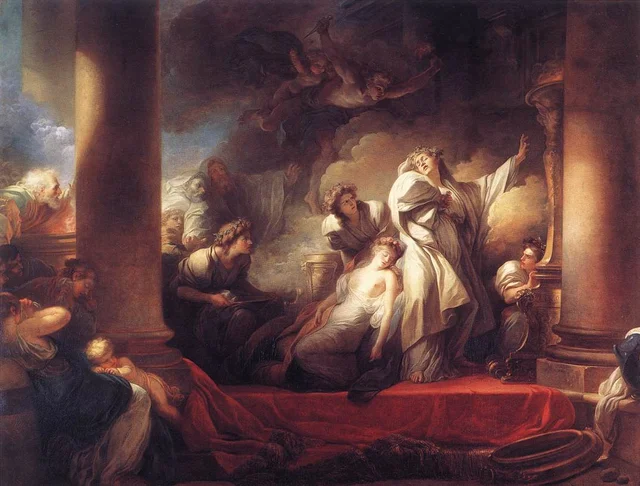 Coreso se sacrifica para salvar a CalírroeJean-Honoré Fragonard, 1765
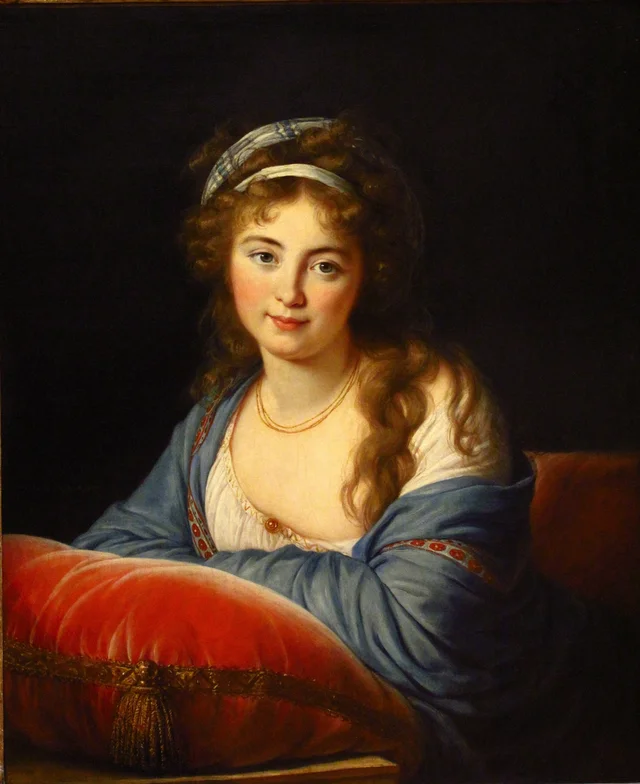 La condesa Ekaterina Vasílievna SkavrónskayaÉlisabeth Louise Vigée Le Brun, 1796
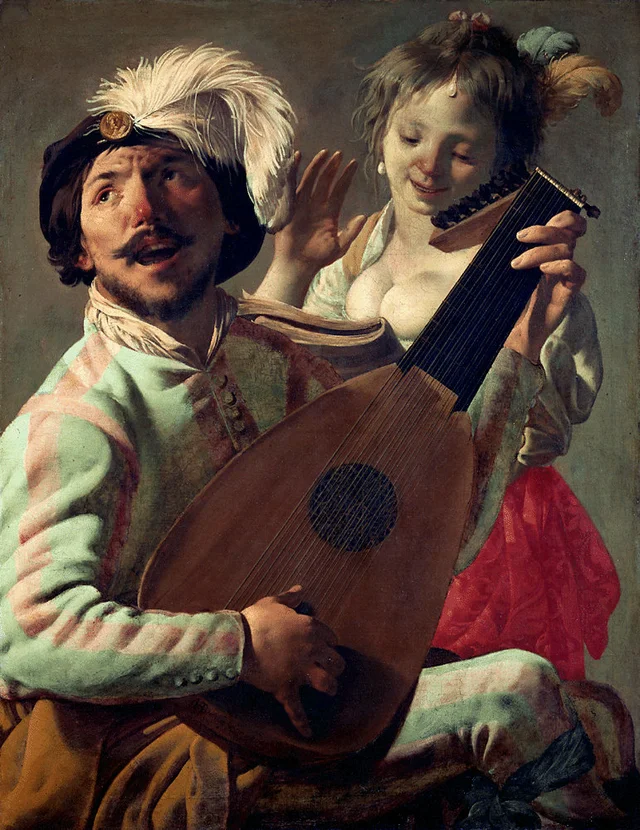 DúoHendrick ter Brugghen, 1628
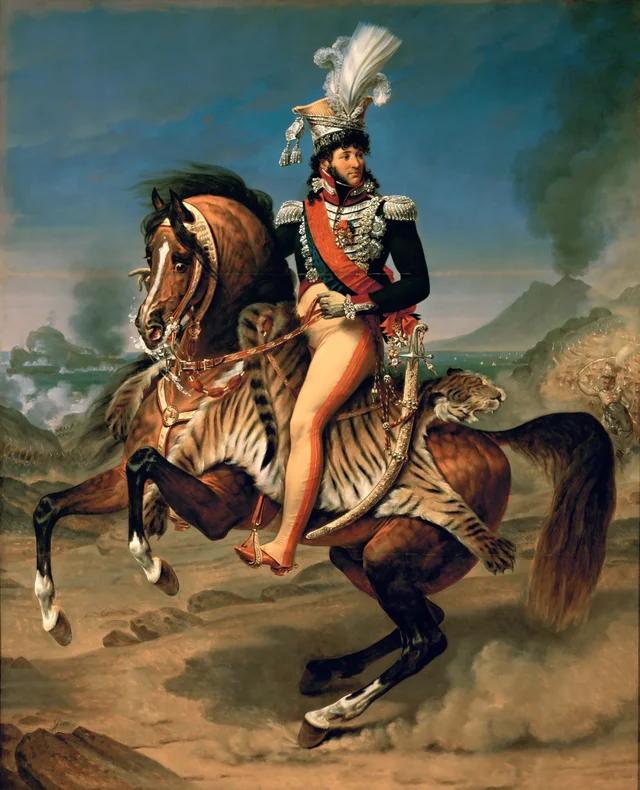 Retrato ecuestre de Joachim MuratAntoine-Jean Gros, 1812
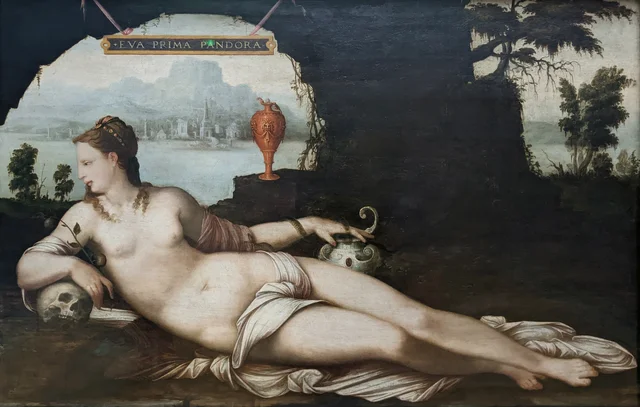 Eva Prima PandoraJean Cousin, 1550
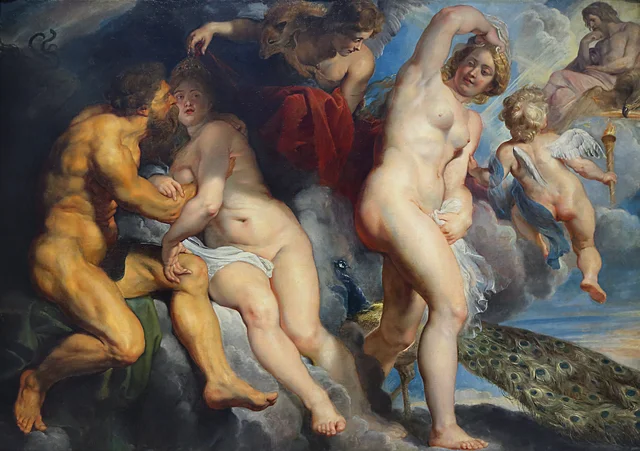 Ixión, rey de los lapitas, engañado por Juno, a quien deseaba seducirPedro Pablo Rubens, 1615
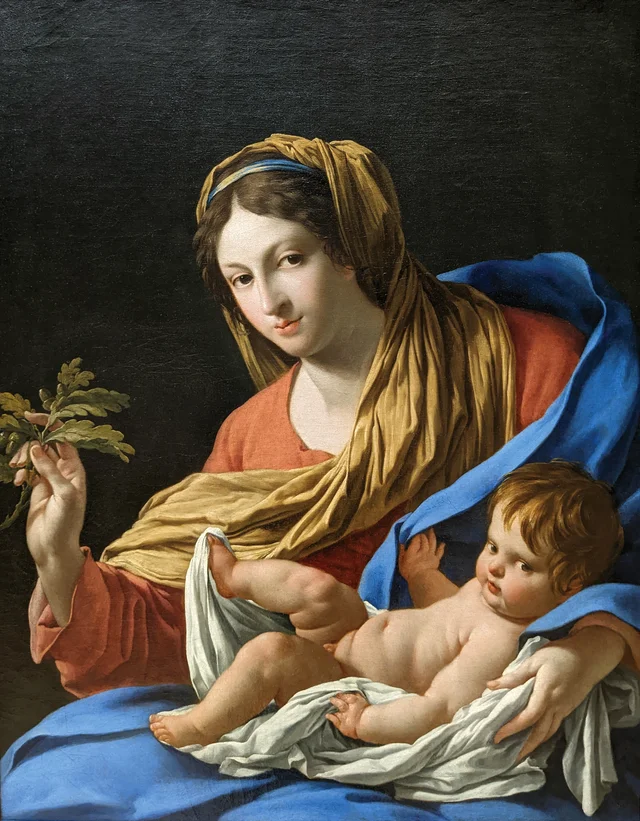 Virgen con el NiñoSimon Vouet, 1640
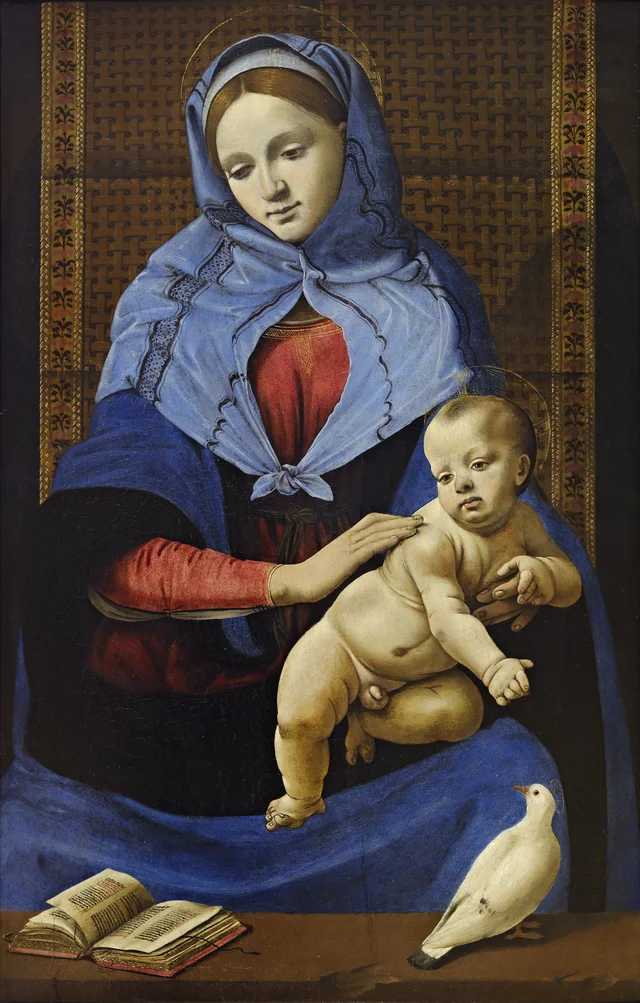 Virgen con el Niño y una palomaPiero di Cosimo, 1490
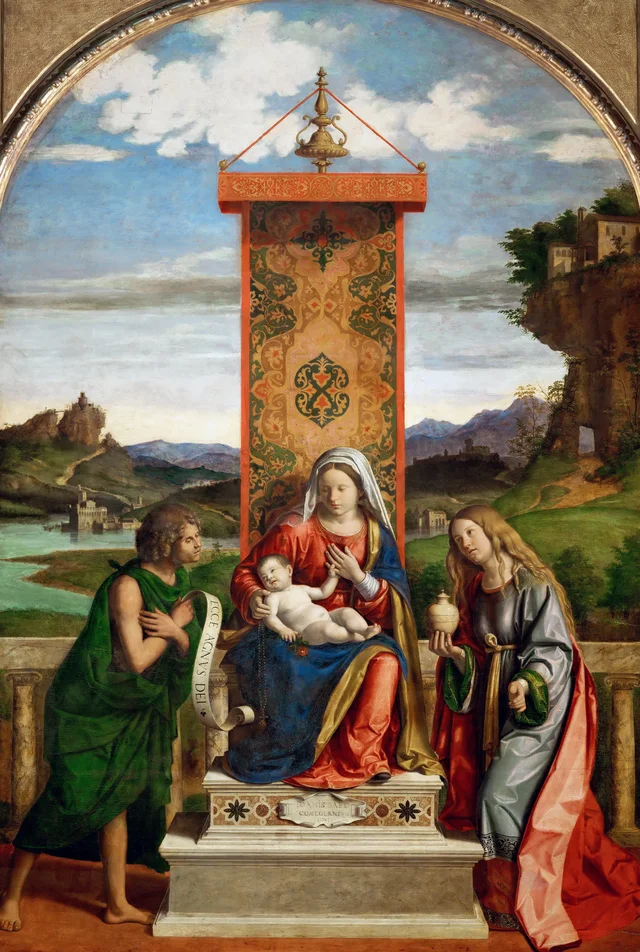 Virgen con el Niño, San Juan Bautista y María MagdalenaGiovanni Battista Cima da Conegliano, 1511
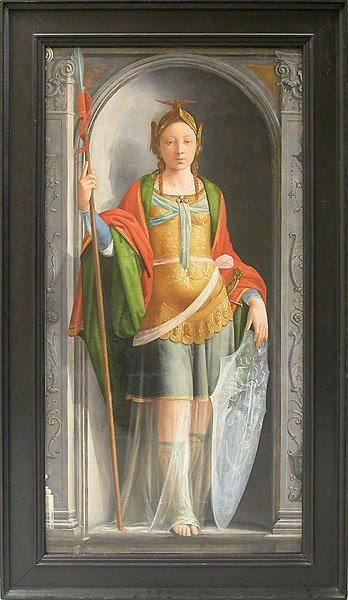 MinervaFra Bartolomeo, 1490
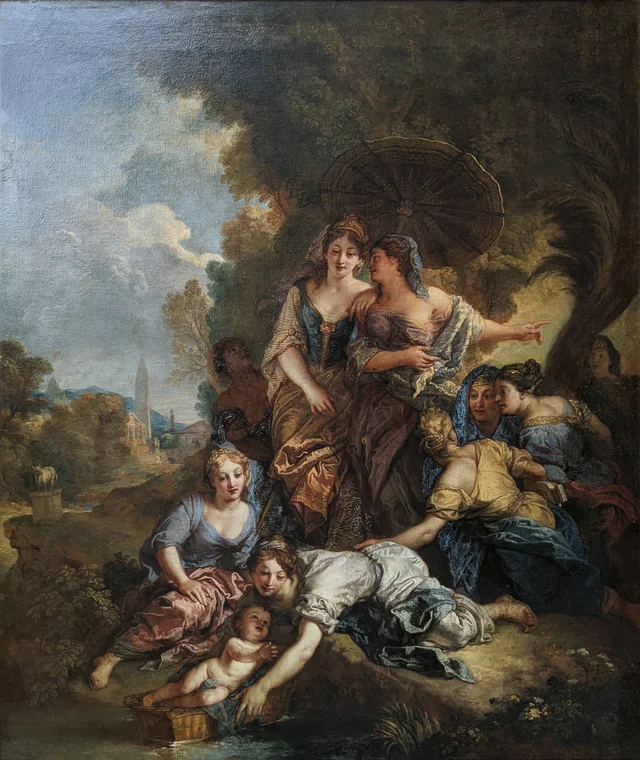 Moisés salvado de las aguasCharles de La Fosse, 1701
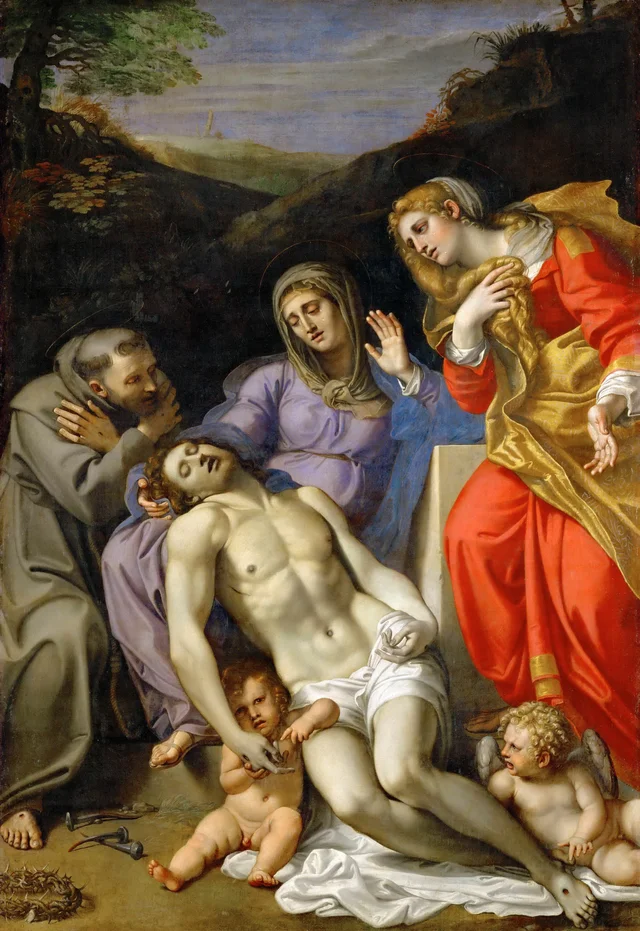 Piedad con san Francisco y santa María MagdalenaAnnibale Carracci, 1602
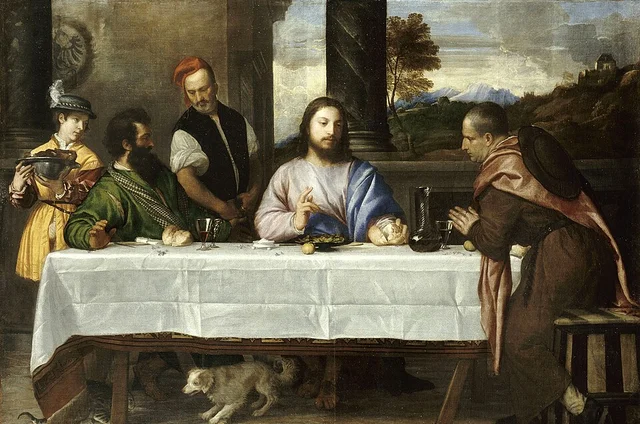 Los peregrinos de EmaúsTiziano, 1533
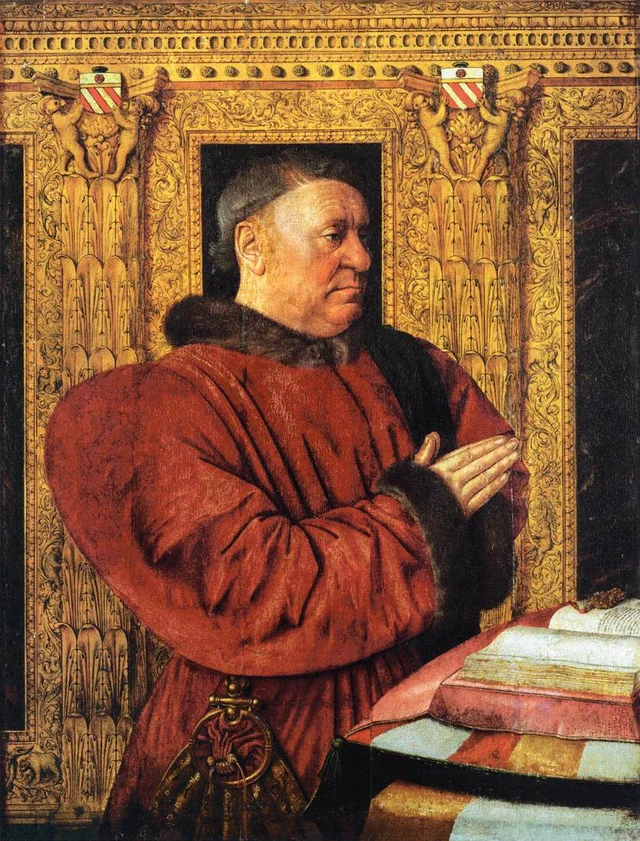 Retrato de Guillaume Jouvenel des UrsinsJean Fouquet, 1460
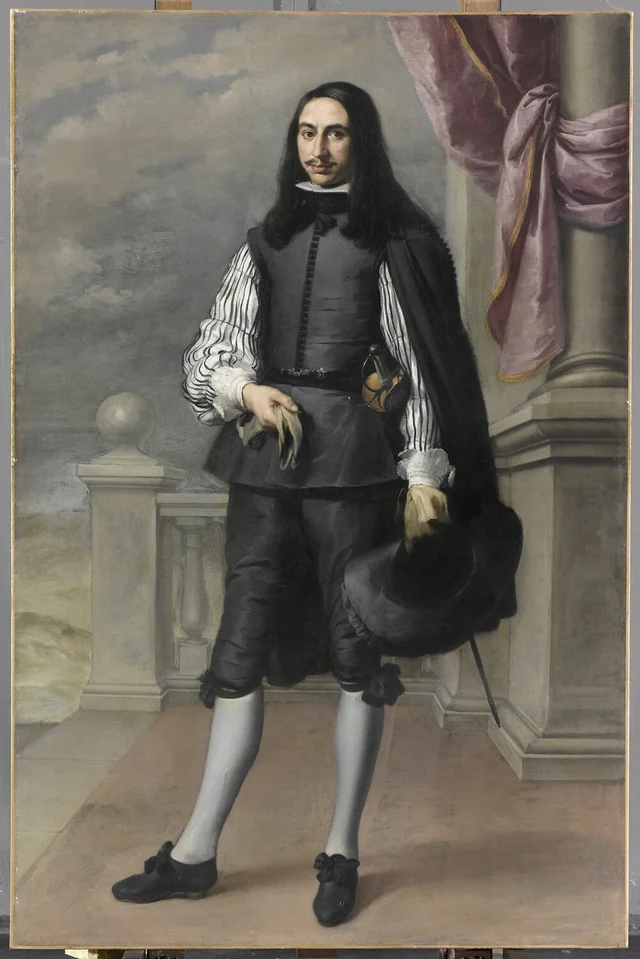 Retrato de Íñigo Fernández de VelascoBartolomé Esteban Murillo, 1659
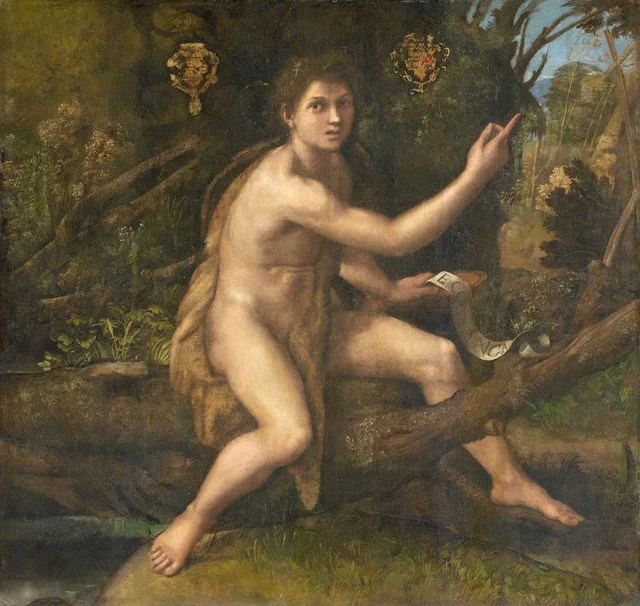 San Juan Bautista en el desiertoRafael, 1516
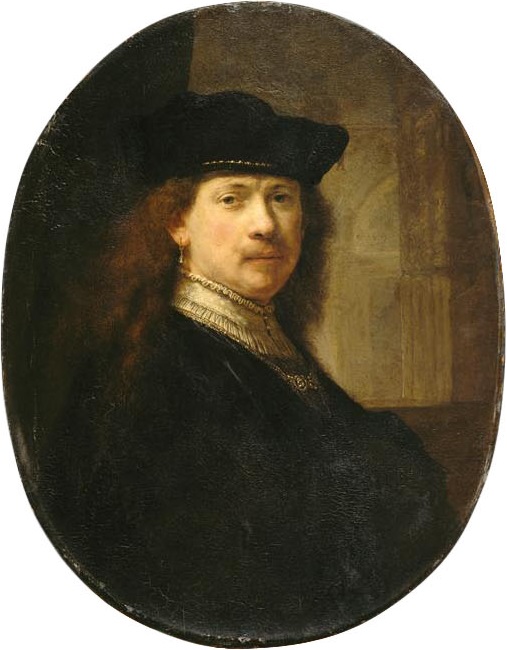 Autorretrato con elementos arquitectónicos al fondoRembrandt, 1639
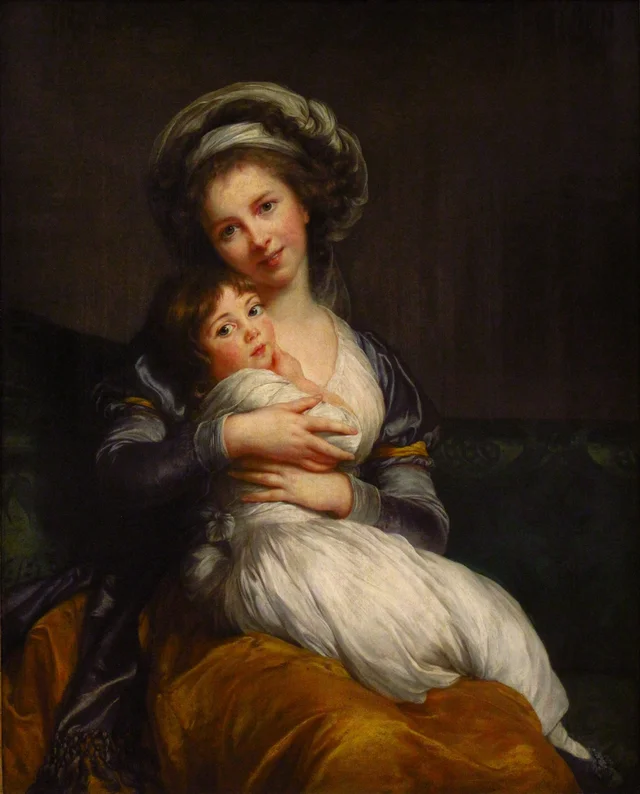 Autorretrato con su hija JulieÉlisabeth Louise Vigée Le Brun, 1786
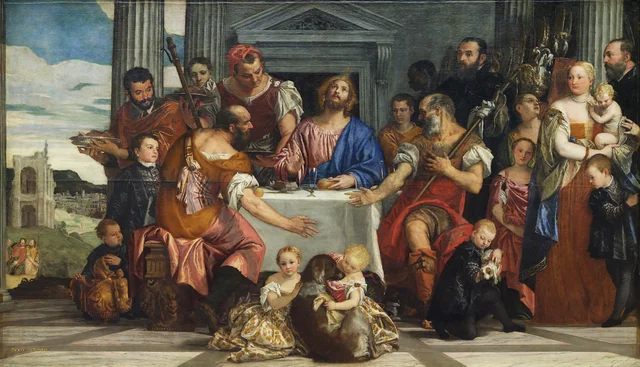 La cena de EmaúsPaolo Veronese, 1559
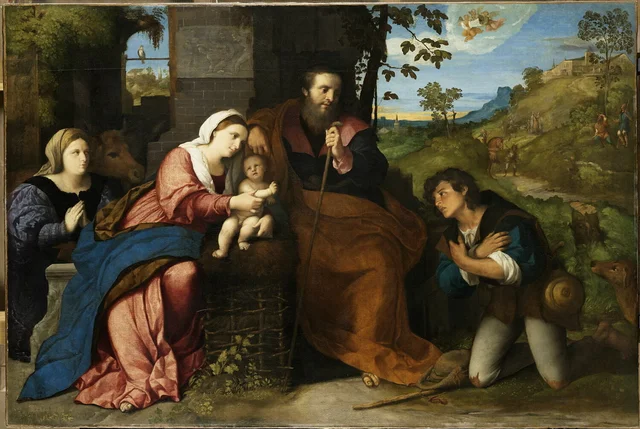 La Adoración de los pastores con un donantePalma el Viejo, 1520
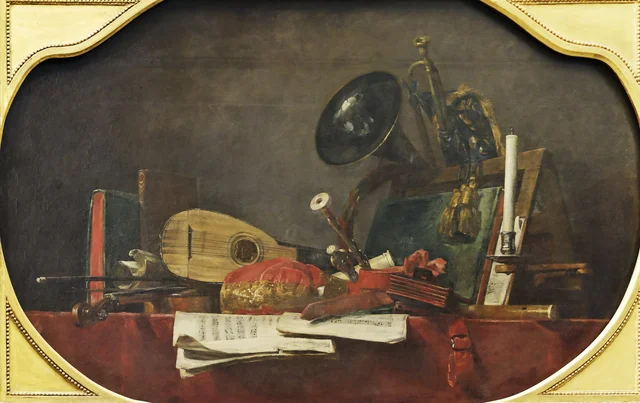 Los atributos de la músicaJean-Baptiste-Siméon Chardin, 1765
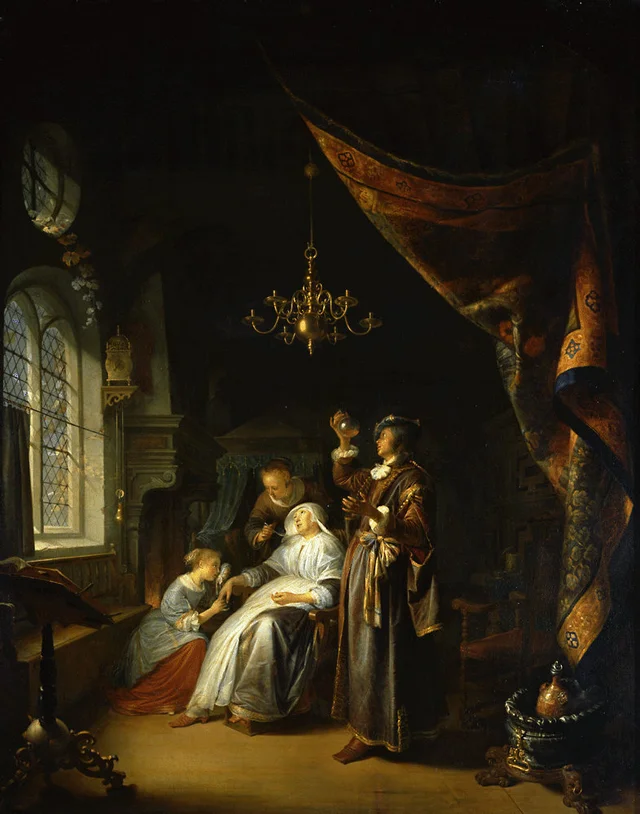 La mujer hidrópicaGerrit Dou, 1663
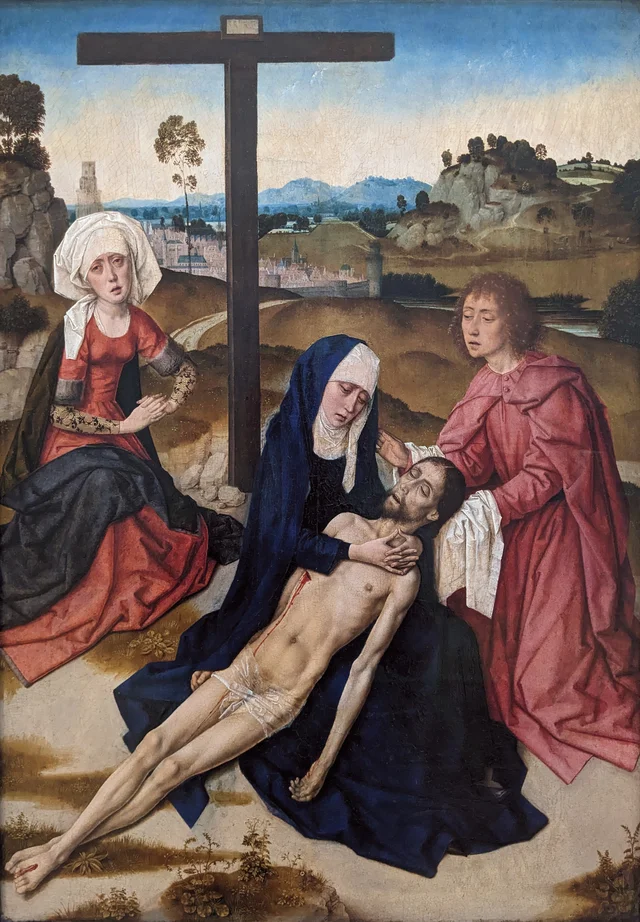 La Lamentación sobre Cristo muertoDieric Bouts, 1460