La historia
El Louvre empezó siendo una fortaleza. Felipe II Augusto la levantó en la orilla derecha del Sena hacia 1190 para proteger el París medieval, y a lo largo de los siglos siguientes los reyes de Francia la reconstruyeron hasta convertirla en palacio real, hasta que Luis XIV trasladó su corte a Versalles en 1682 y dejó las salas a medio terminar a la colección real y a los artistas alojados dentro.
La Revolución lo transformó en museo público. El 10 de agosto de 1793 el Muséum central des arts abrió sus puertas, mostrando el arte confiscado a la corona y a la Iglesia a cualquier ciudadano que quisiera entrar. Napoleón lo llenó con el botín de sus campañas y por un tiempo lo rebautizó con su propio nombre. Mucho se devolvió tras Waterloo, pero la idea se mantuvo: una colección nacional dispuesta para el estudio y gratuita para el público.
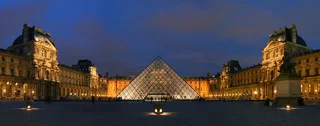
Hoy el Louvre guarda más de 35.000 obras, desde la Venus de Milo hasta La balsa de la Medusa de Géricault. La multitud, sin embargo, se agolpa ante un pequeño retrato. En agosto de 1911 desapareció. Vincenzo Peruggia, un operario italiano que había trabajado en el museo, descolgó La Gioconda de Leonardo y se la llevó bajo el abrigo. Durante dos años el marco colgó vacío mientras los visitantes acudían a contemplar el hueco, y el cuadro no regresó hasta 1913, después de que Peruggia intentara venderlo a un marchante en Florencia. La pirámide de cristal de I. M. Pei, colocada en el patio en 1989, marca ahora la entrada.
Más artículos
Colección
1174 obras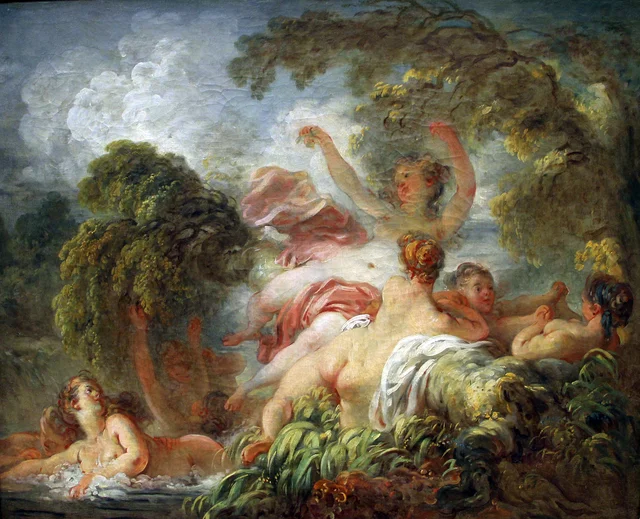 Las bañistasJean-Honoré Fragonard, 1765
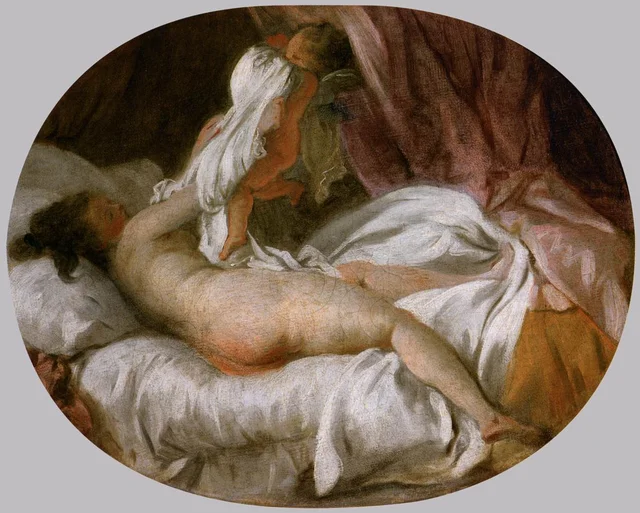 La camisa quitadaJean-Honoré Fragonard, 1770
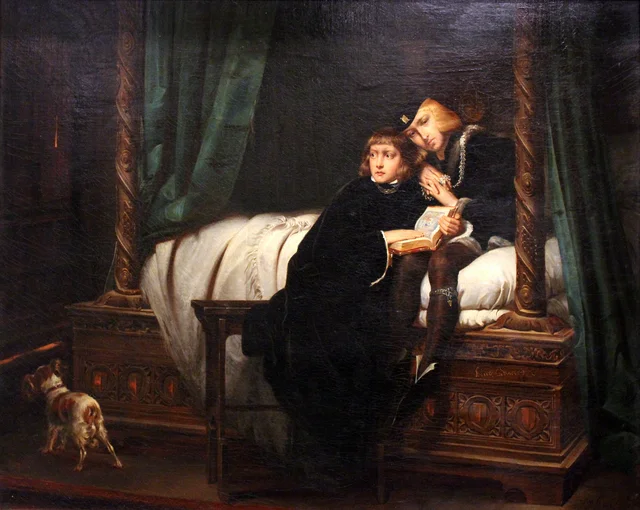 Los hijos de EduardoPaul Delaroche, 1830
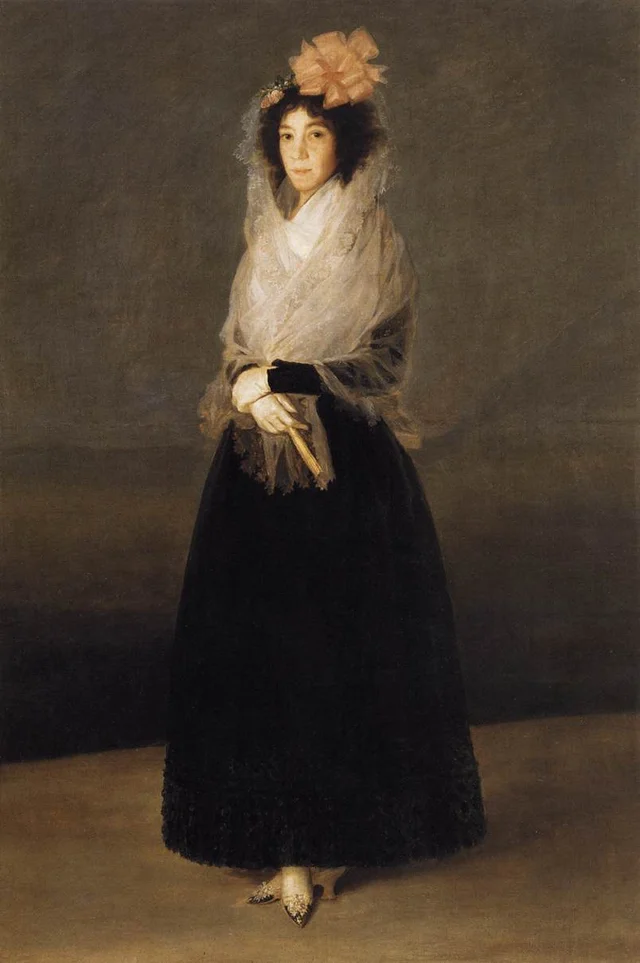 La condesa del Carpio, marquesa de la SolanaFrancisco Goya, 1793
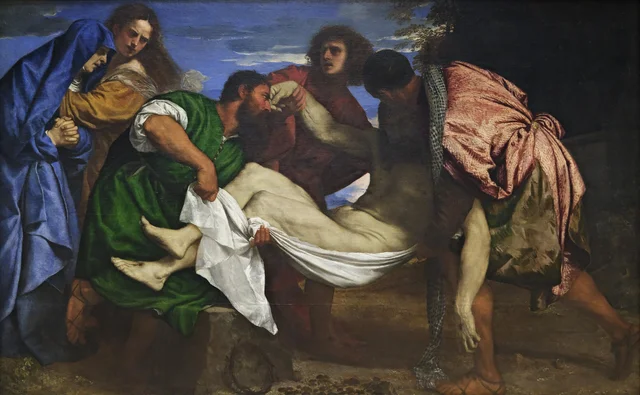 El entierro de CristoTiziano, 1524
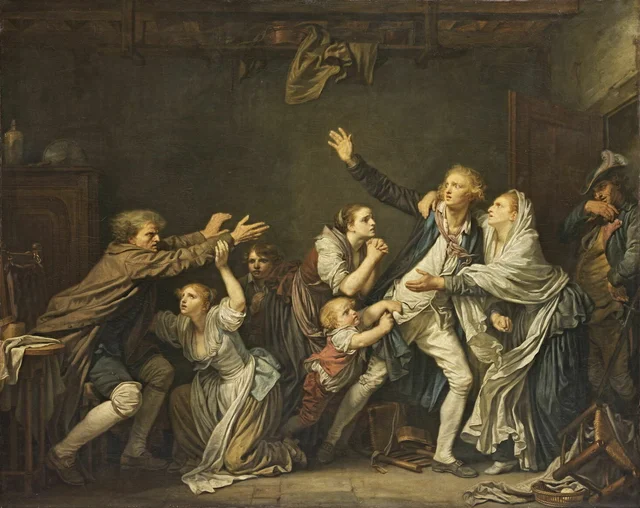 La maldición paterna - El hijo ingratoJean-Baptiste Greuze, 1777
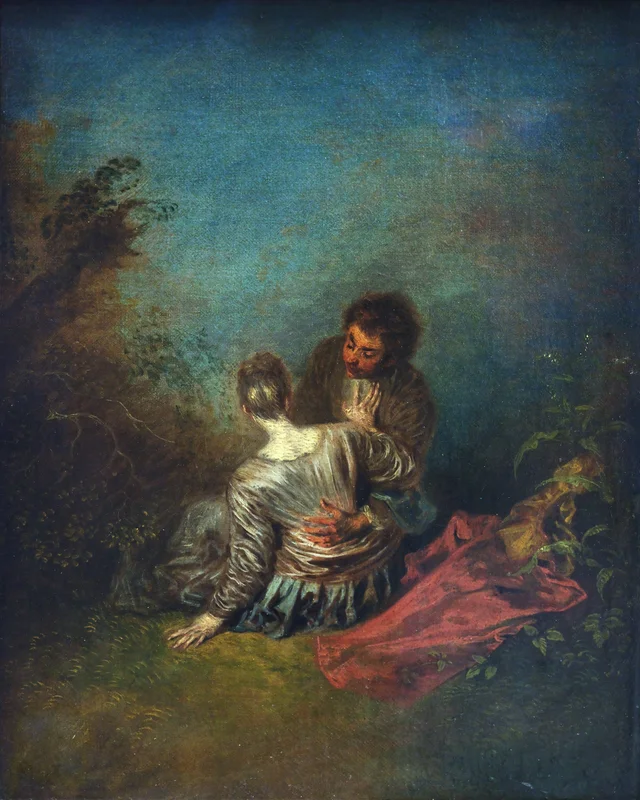 El paso en falsoJean-Antoine Watteau, 1717
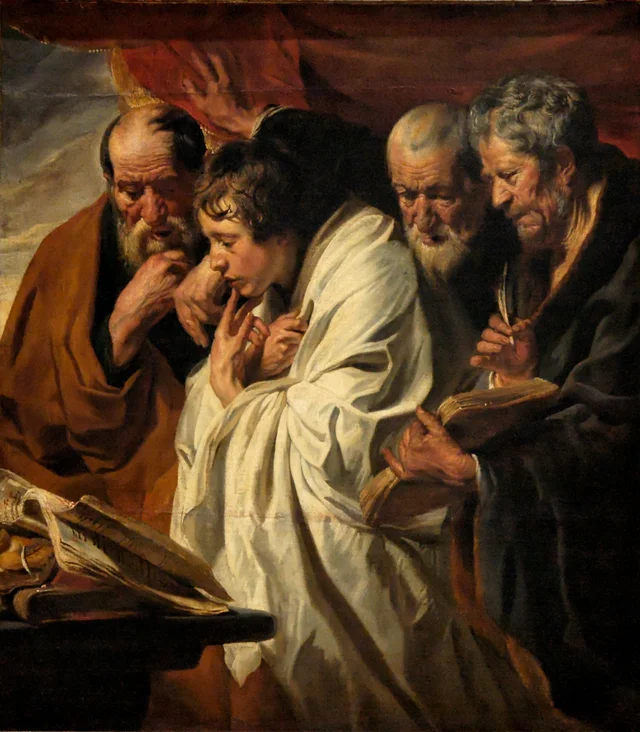 Los cuatro evangelistasJacob Jordaens, 1625
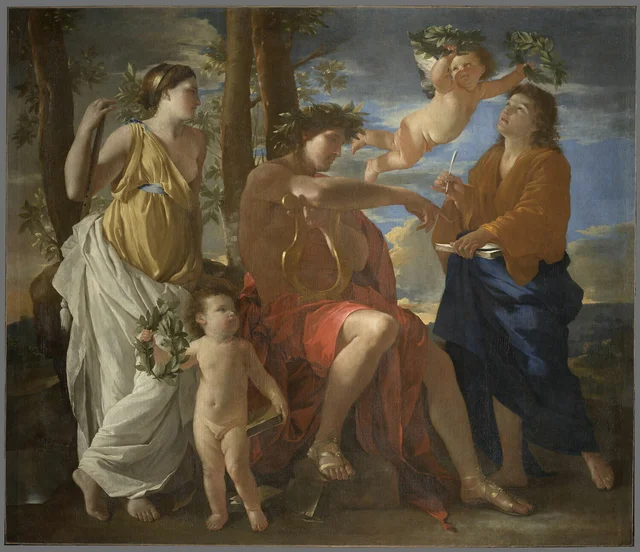 La inspiración del poetaNicolas Poussin, 1629
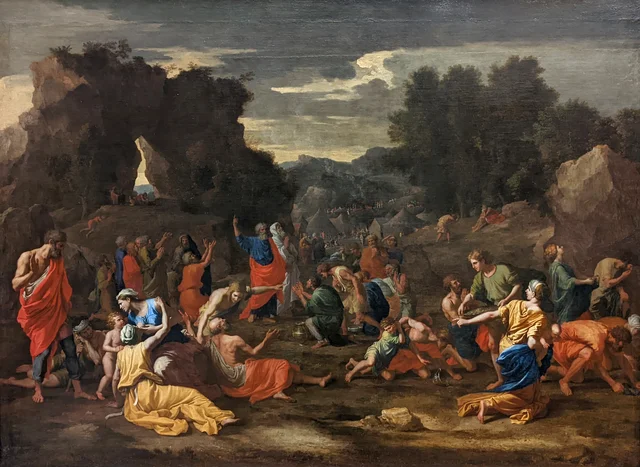 Los israelitas recogiendo el maná en el desiertoNicolas Poussin, 1638
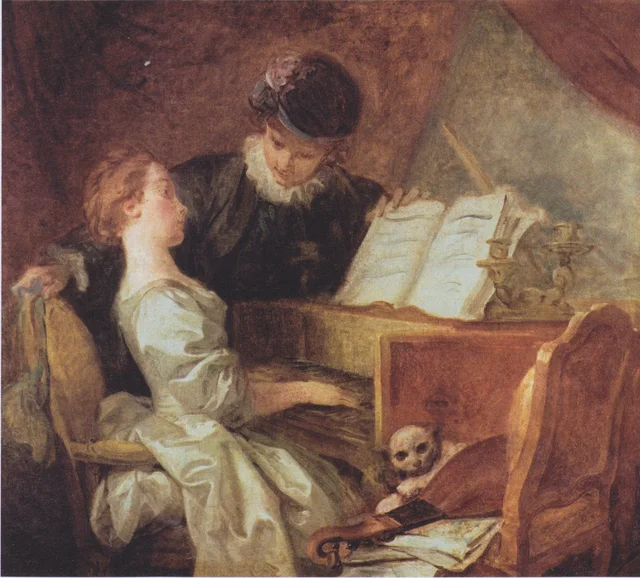 La lección de músicaJean-Honoré Fragonard, 1770
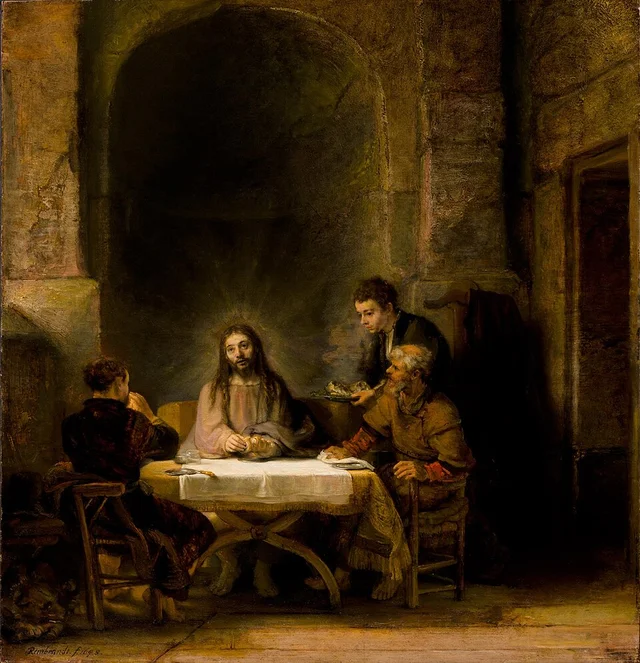 Los peregrinos de EmaúsRembrandt, 1648
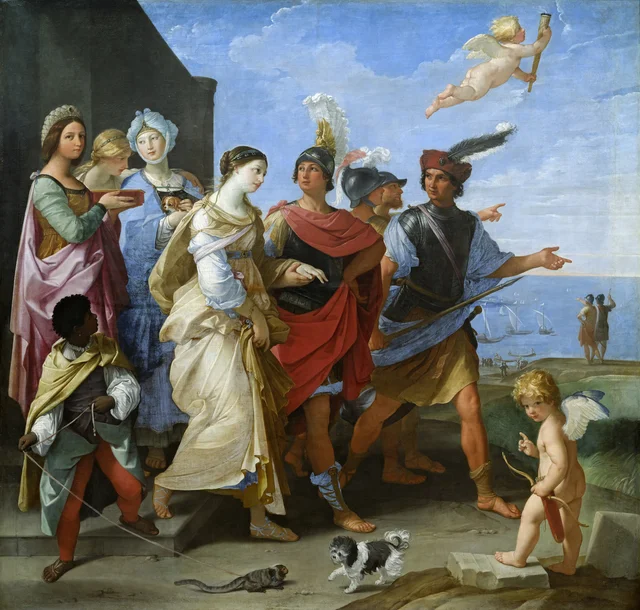 El rapto de HelenaGuido Reni, 1631
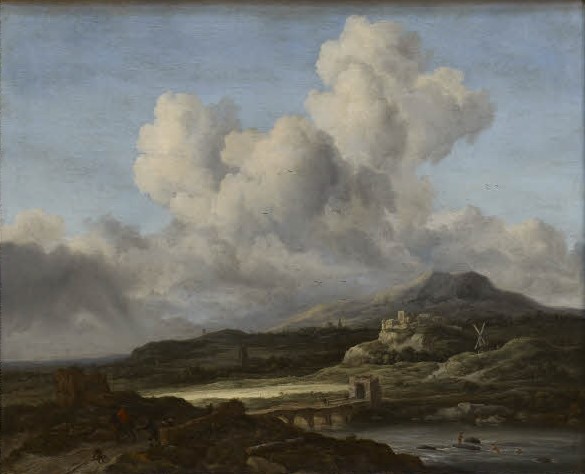 El rayo de solJacob van Ruisdael, 1665
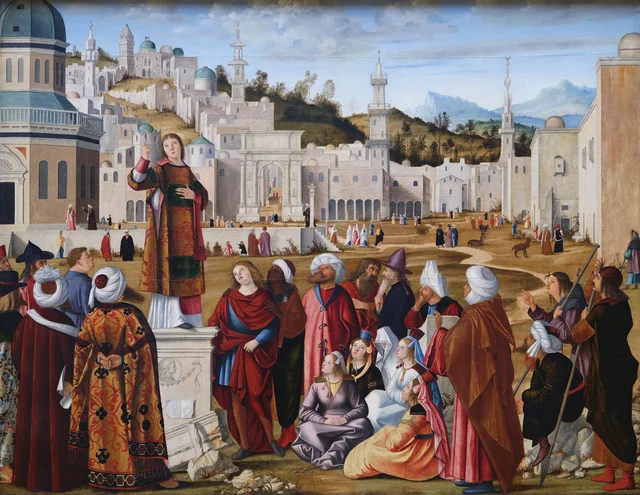 El sermón de San EstebanVittore Carpaccio, 1514
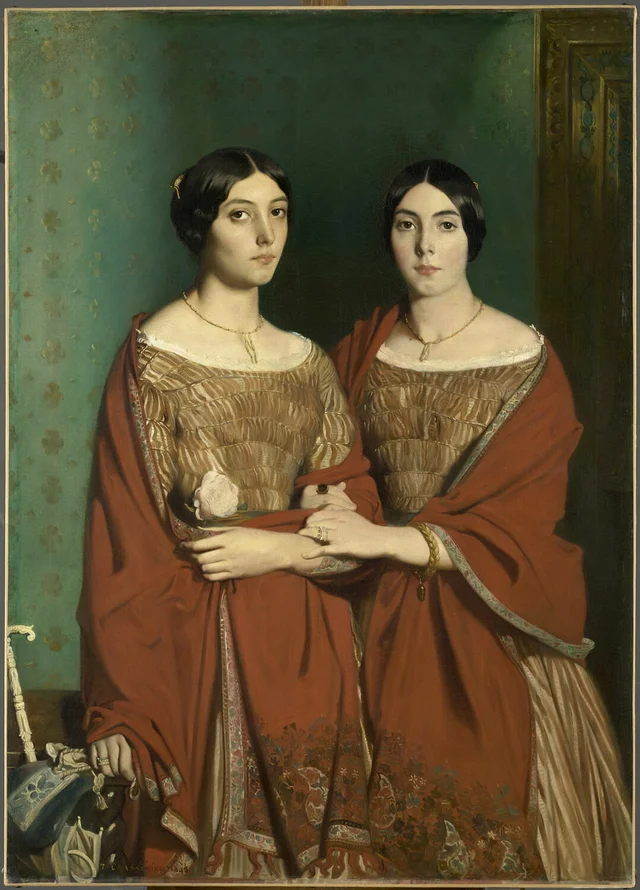 Las dos hermanasThéodore Chassériau, 1843
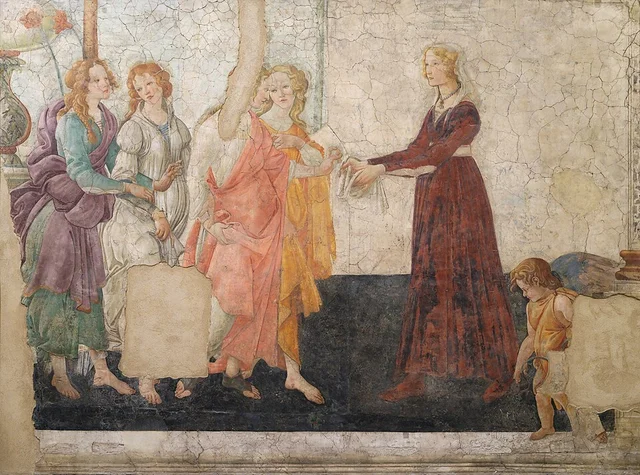 Venus y las tres Gracias ofreciendo regalos a Giovanna degli AlbizziSandro Botticelli, 1484
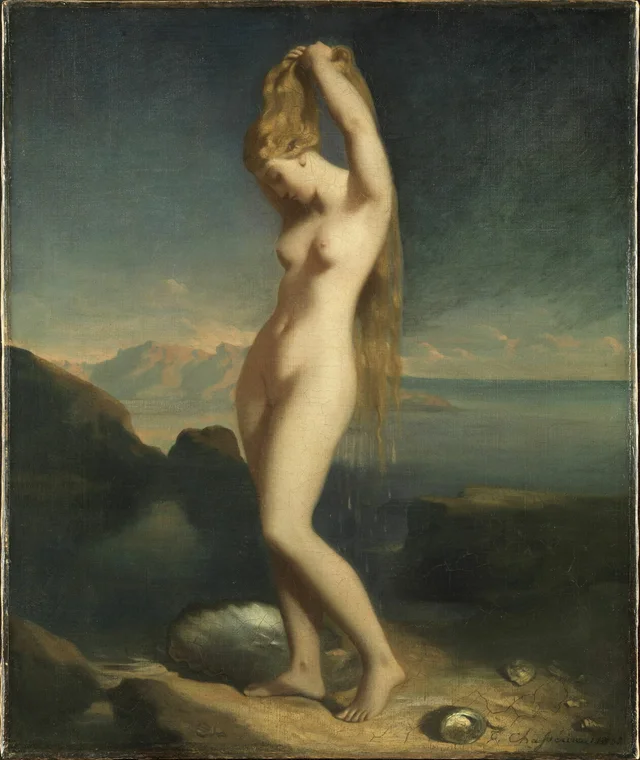 Venus marinaThéodore Chassériau, 1838
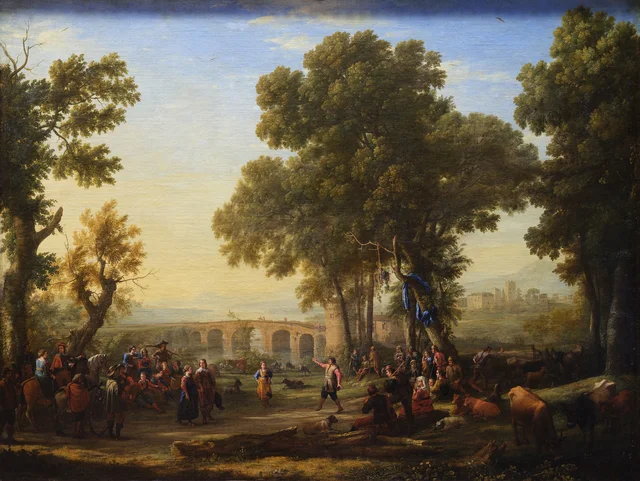 Fiesta en la aldeaClaudio de Lorena, 1639
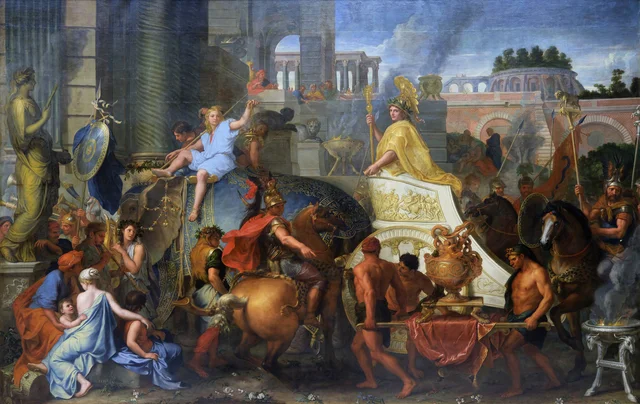 Entrada de Alejandro en BabiloniaCharles Le Brun, 1664
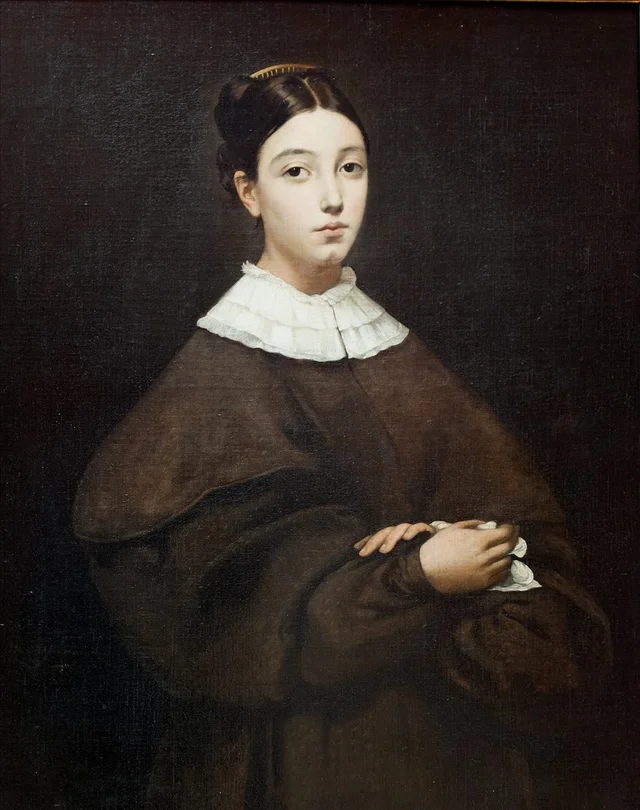 Aline ChassériauThéodore Chassériau, 1835
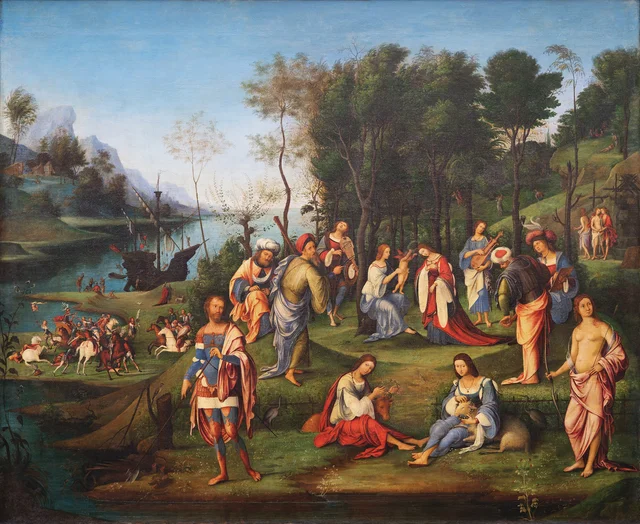 Alegoría de la coronación de Isabel de EsteLorenzo Costa, 1506
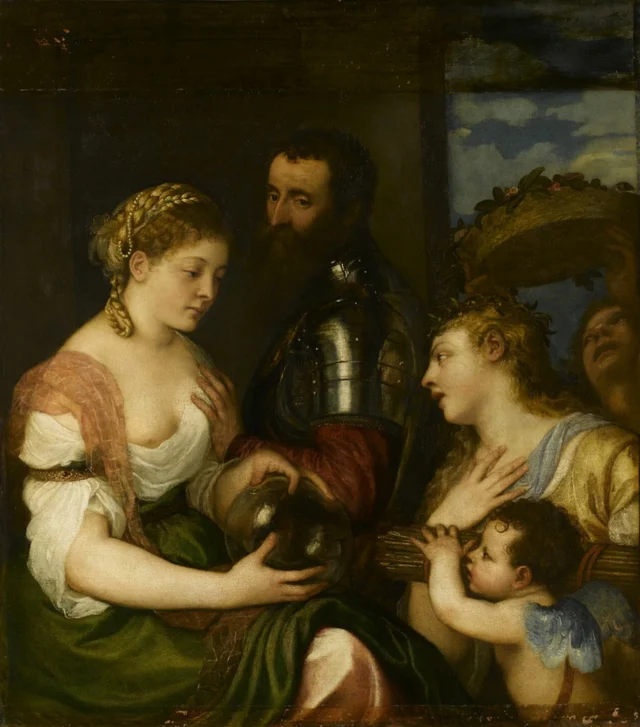 Alegoría conyugalTiziano, 1532
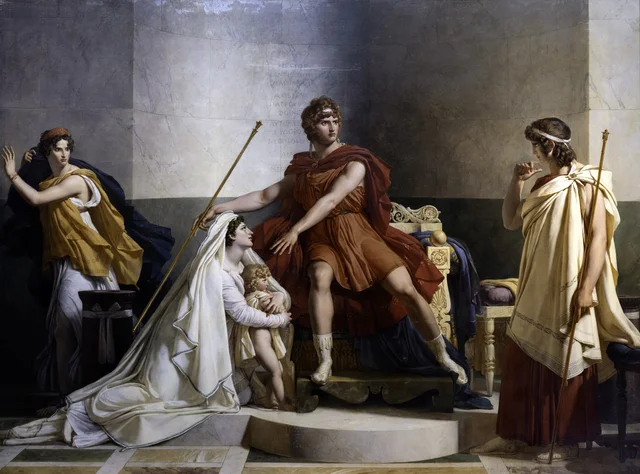 Andrómaca y PirroPierre-Narcisse Guérin, 1810
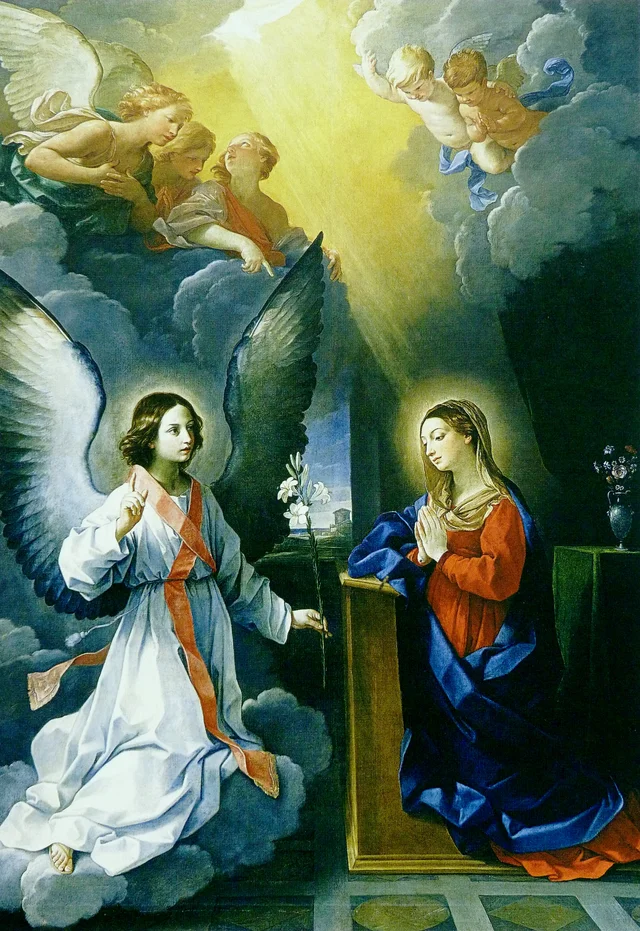 AnunciaciónGuido Reni, 1629