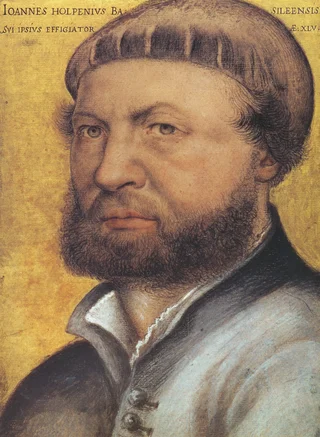
Hans Holbein le Jeune
1497–1543 · Saint-Empire romain germanique · Renaissance allemande
L'histoire
En 1539, Henri VIII envoie son peintre de cour à Düren, dans le duché allemand de Clèves, avec une seule mission : peindre un portrait fidèle d'Anne, sœur du duc et candidate au titre de quatrième épouse du roi. Hans Holbein le Jeune était peintre du roi depuis environ 1535, produisant portraits, dessins de bijoux et décors de fêtes pour la cour des Tudor, et son jugement sur l'apparence d'Anne allait compter davantage que n'importe quel rapport d'ambassadeur.
Henri aima ce qu'il vit et accepta le mariage. Mais lorsque Anne débarqua en Angleterre en janvier 1540 et que le roi la rencontra pour la première fois, il aurait été déconcerté de la trouver plus grande et aux traits plus lourds que ne le suggérait le portrait, et le mariage fut annulé en moins de six mois. Les historiens débattent encore pour savoir si Holbein l'avait flattée ou s'il avait simplement peint ce que la convention exigeait, mais le portrait avait déjà rempli sa mission diplomatique.
Holbein avait bâti sa carrière anglaise deux décennies plus tôt grâce à une lettre d'introduction d'Érasme, l'humaniste de Rotterdam, qui lui ouvrit les portes de la maison de l'homme d'État Thomas More. Il mourut à Londres en 1543, probablement de la peste, après avoir consacré ses dernières années à produire environ 150 portraits de la royauté et de la noblesse Tudor.
Autres articles
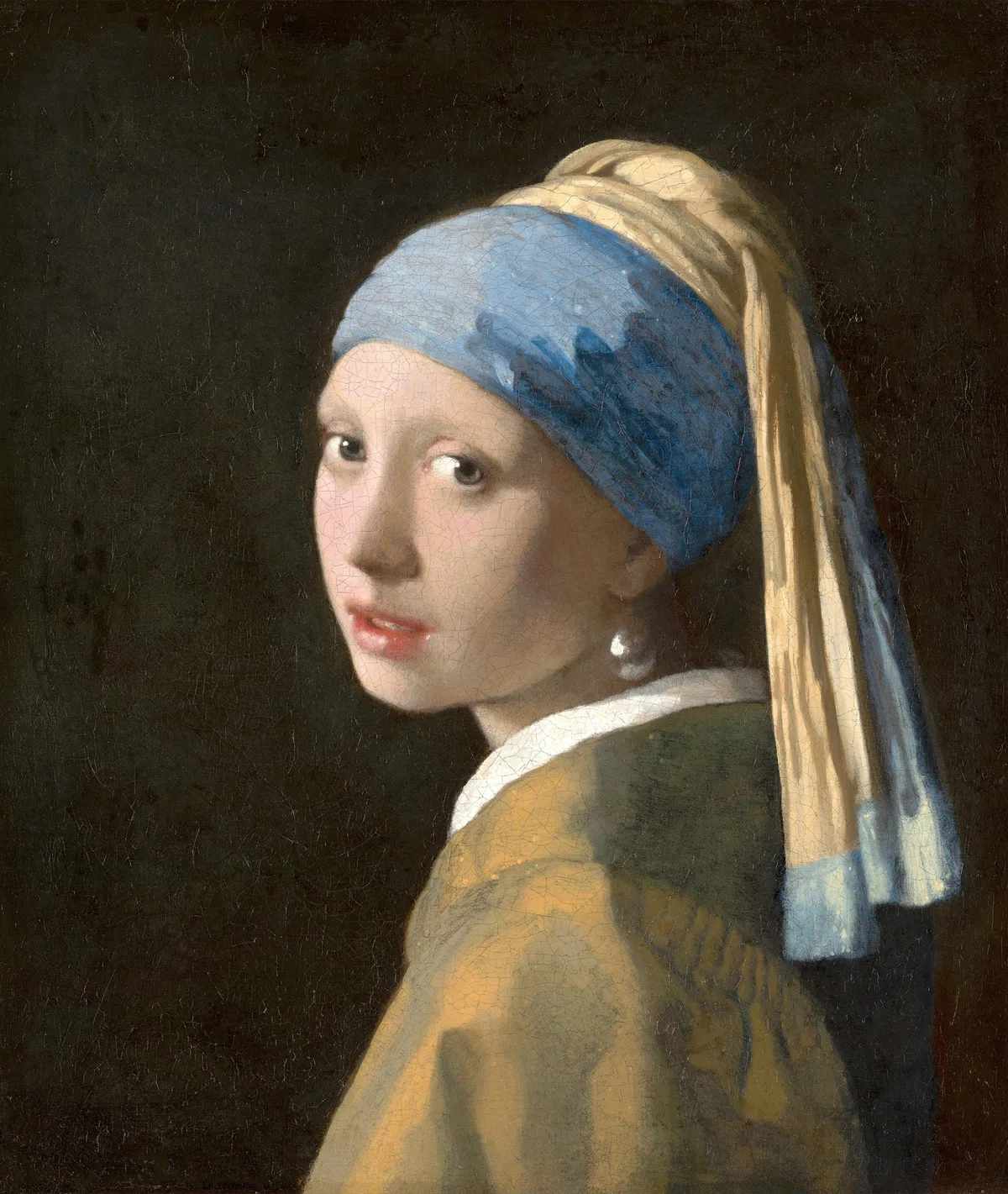 Article · 48 min de lectureLe Mauritshuis à La Haye : 20 tableaux et comment ils y sont entrés
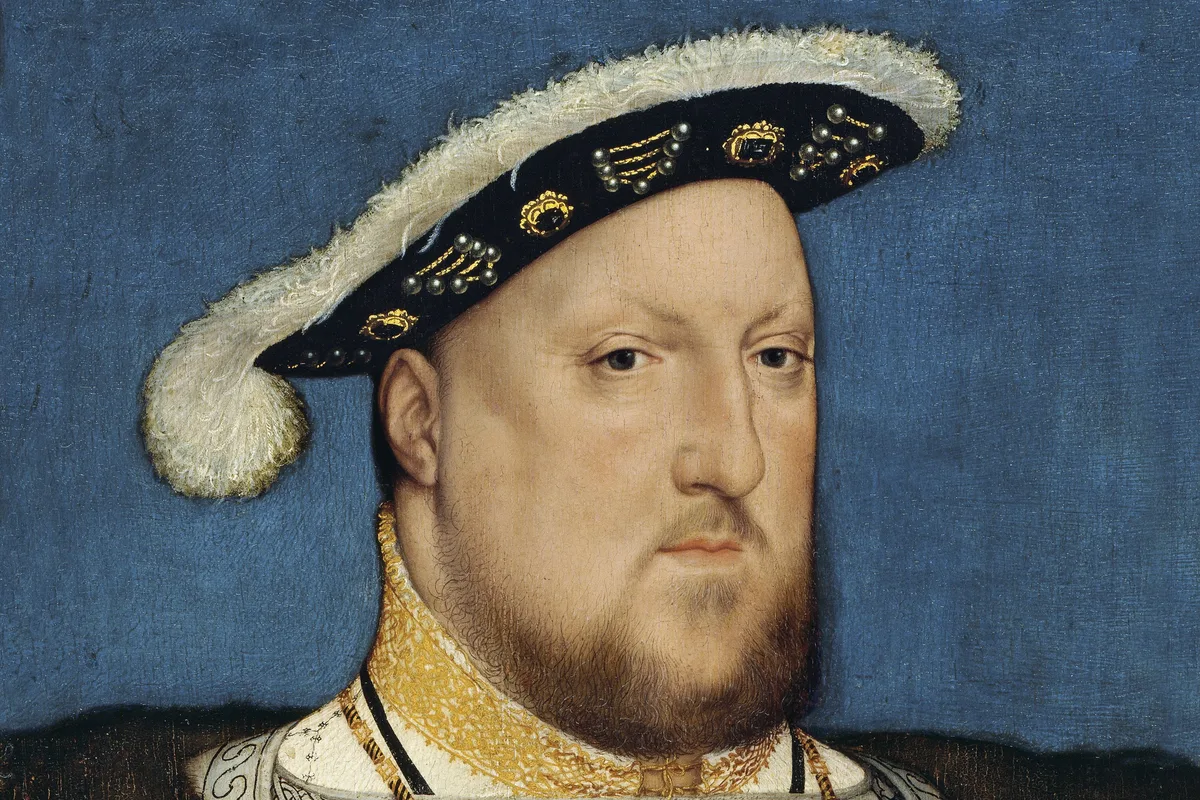 Article · 45 min de lectureLe musée Thyssen-Bornemisza : vingt tableaux achetés par un père et son fils
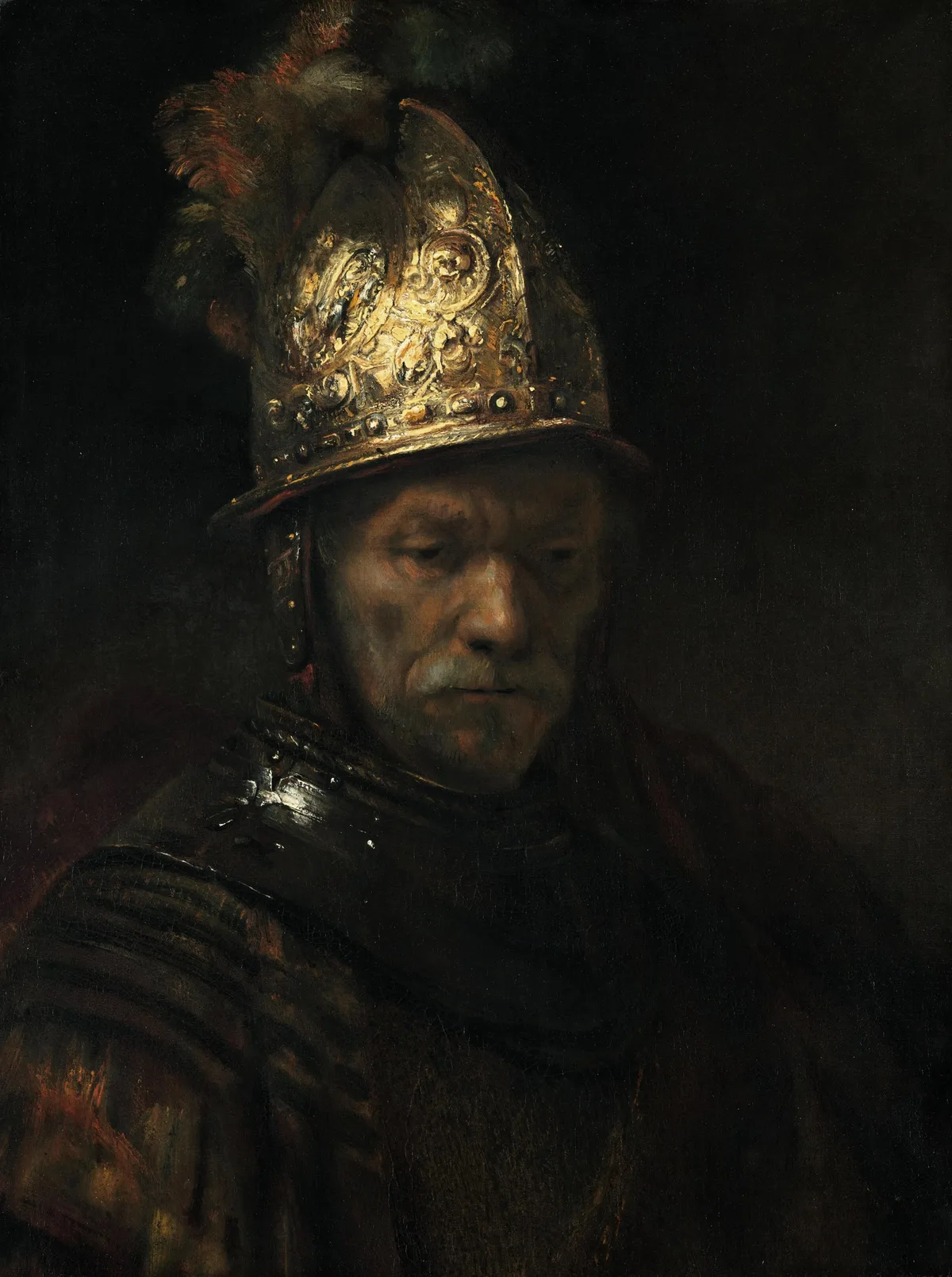 Article · 47 min de lectureLa Gemäldegalerie de Berlin : 20 tableaux que Berlin a achetés, perdus et divisés
 Article · 40 min de lectureLa galerie des Maîtres anciens de Dresde : 15 tableaux achetés, rebaptisés et rendus
 Article · 45 min de lectureLe Kunstmuseum de Bâle : de l'achat du cabinet Amerbach à l'affaire de « La Muse », 1661–2023
 Article · 51 min de lectureLe Kunsthistorisches Museum de Vienne : 25 œuvres et comment elles sont arrivées chez les Habsbourg
Œuvres
69 œuvres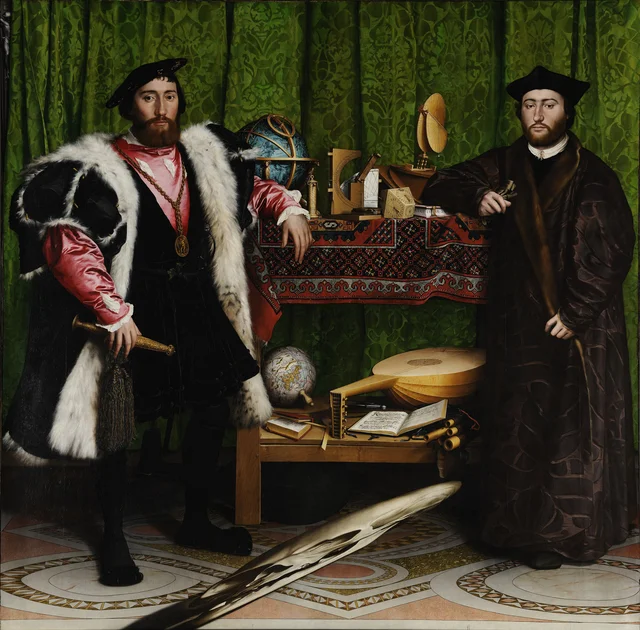 Les AmbassadeursHans Holbein le Jeune, 1533
 Le Corps du Christ mort dans la tombeHans Holbein le Jeune, 1520
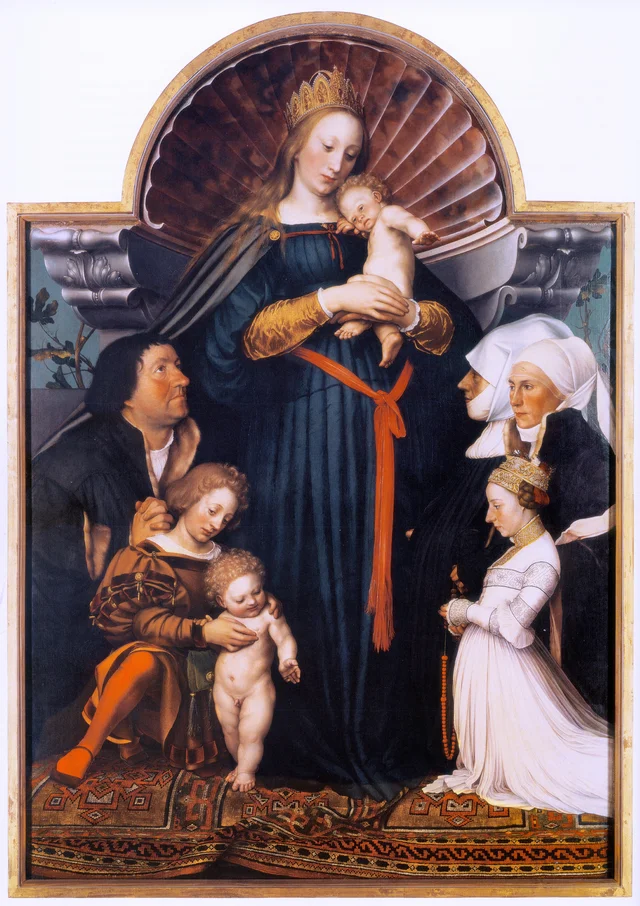 Madone de DarmstadtHans Holbein le Jeune, 1526
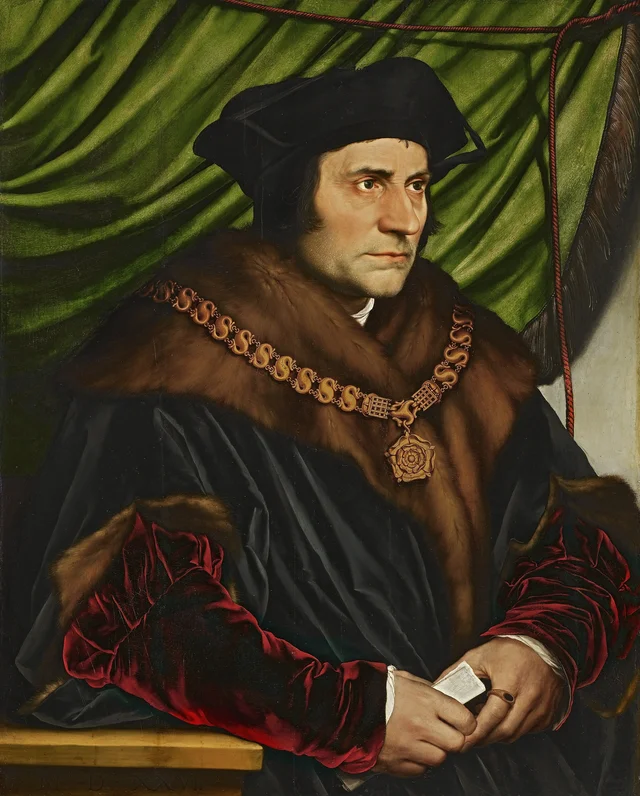 Portrait de Thomas MoreHans Holbein le Jeune, 1527
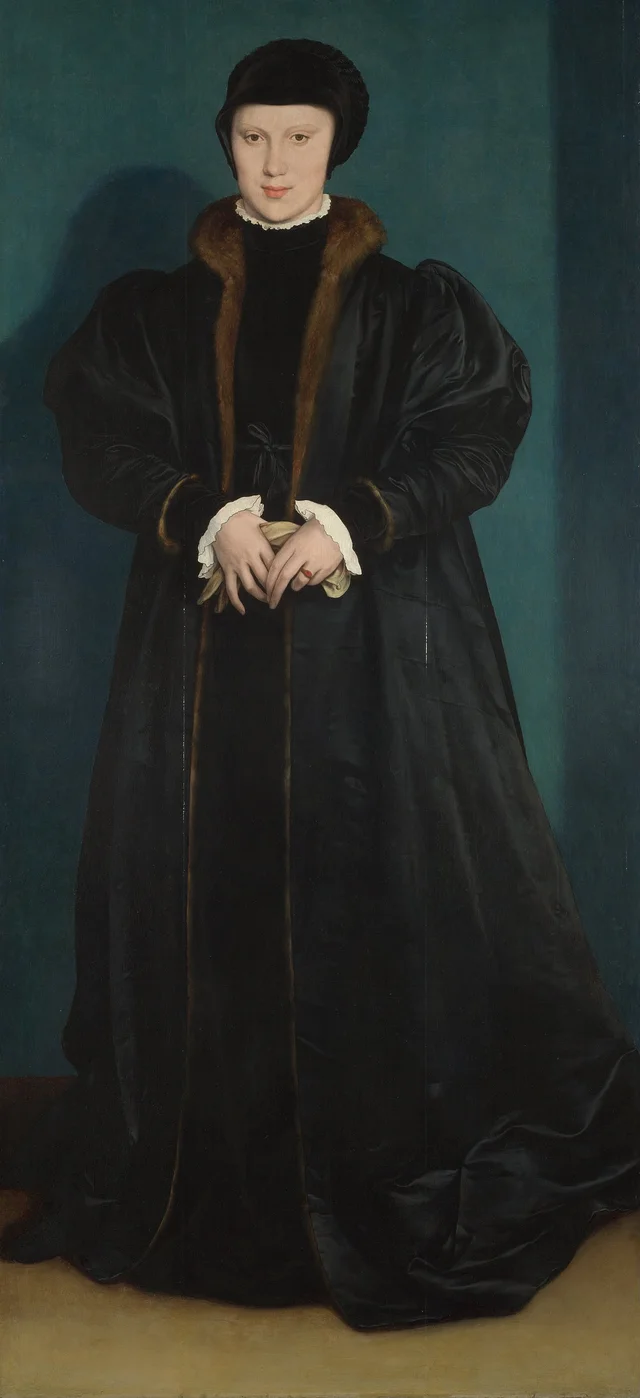 Christine de Danemark, duchesse de MilanHans Holbein le Jeune, 1538
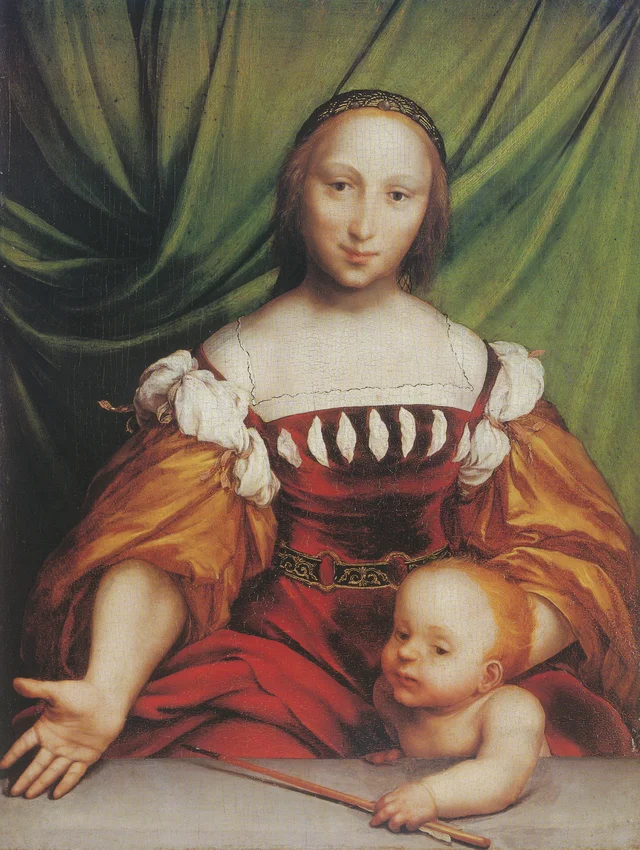 Vénus et CupidonHans Holbein le Jeune, 1526
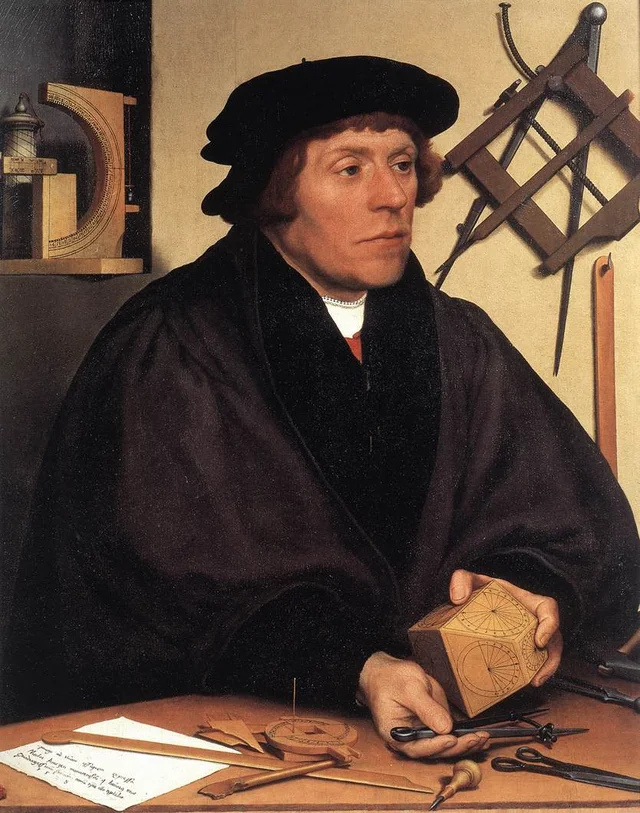 Portrait de Nicolas KratzerHans Holbein le Jeune, 1528
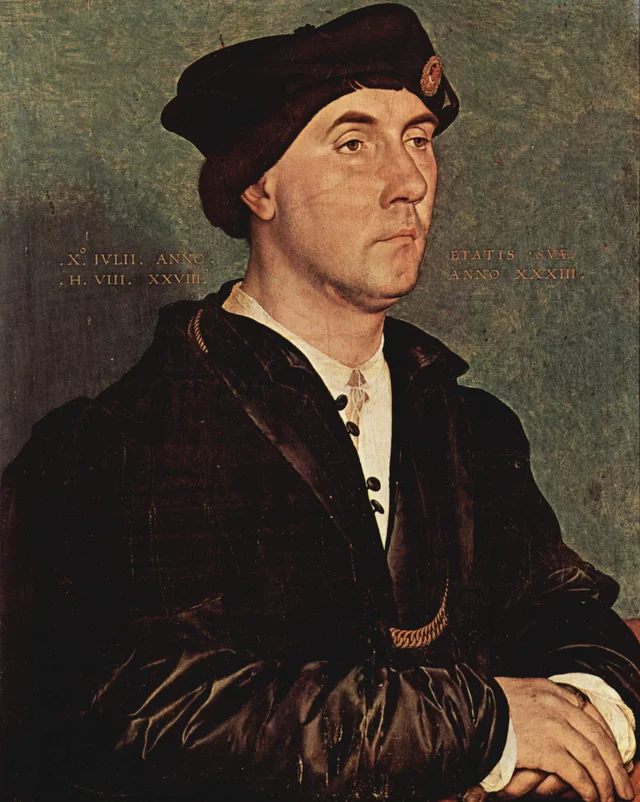 Portrait de Sir Richard SouthwellHans Holbein le Jeune, 1536
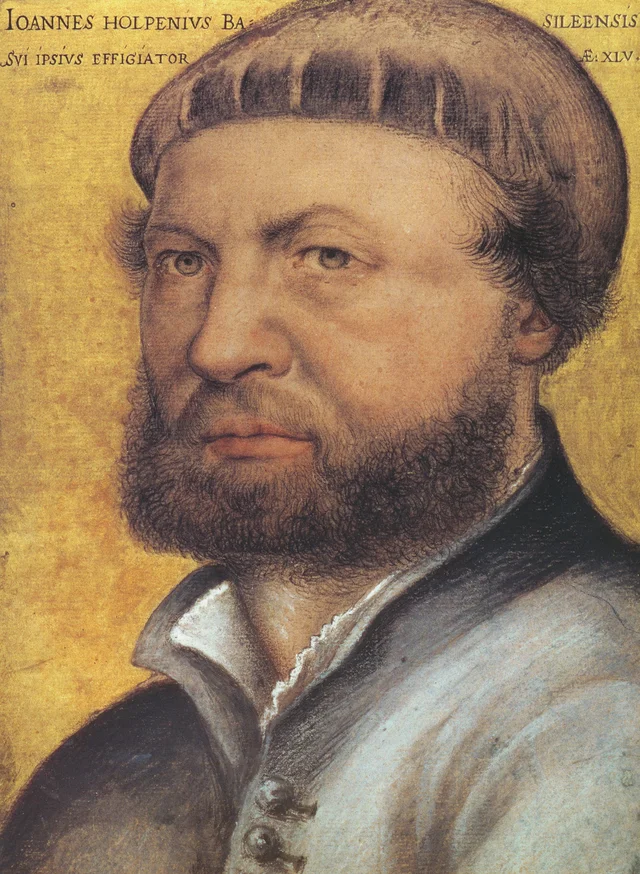 AutoportraitHans Holbein le Jeune, 1542
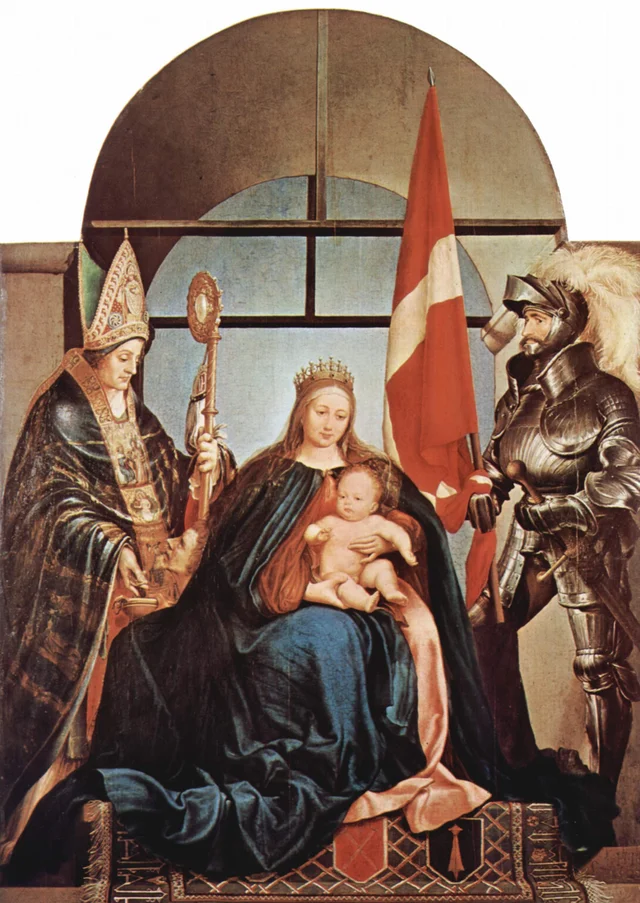 Vierge en majesté avec l'Enfant et deux figuresHans Holbein le Jeune, 1522
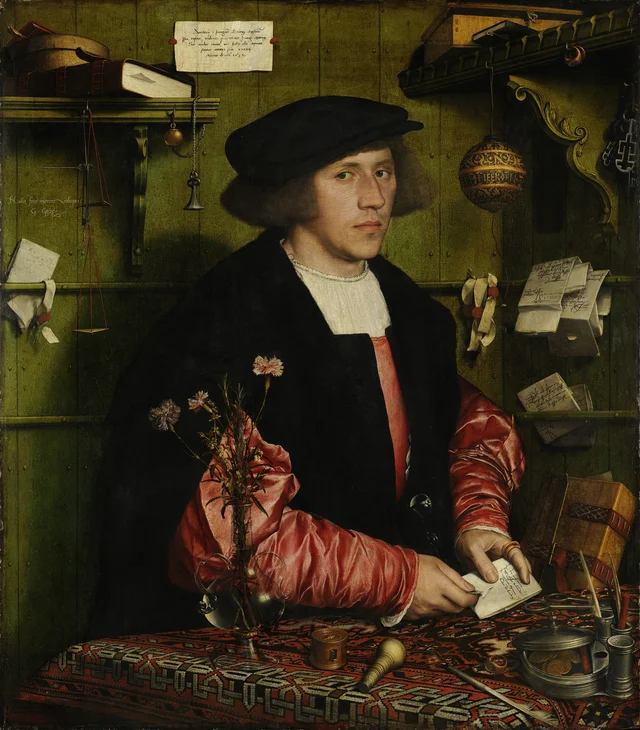 Le Marchand Georg GiszeHans Holbein le Jeune, 1532
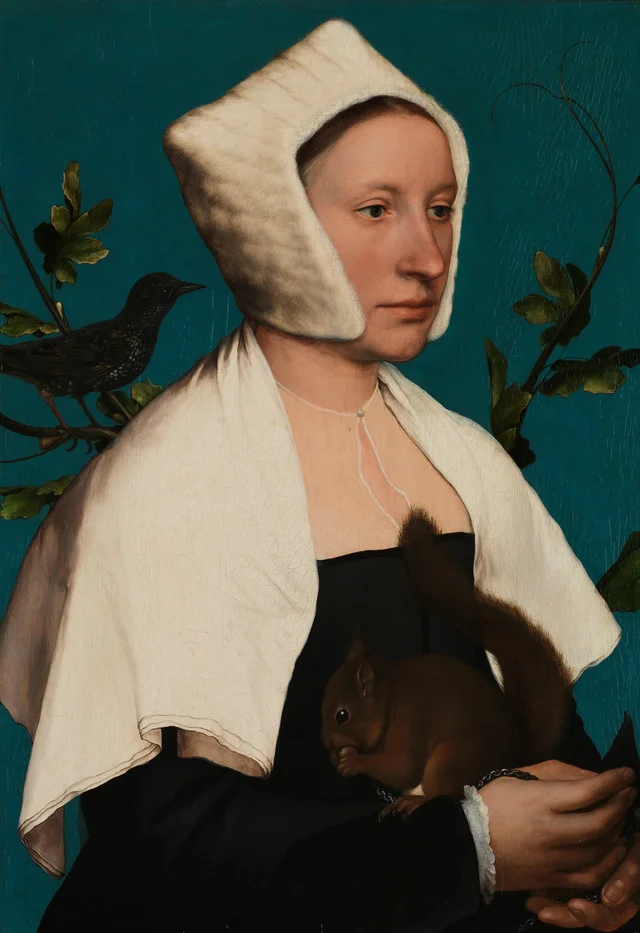 Dame à l'écureuil et à l'étourneau (Anne Lovell ?)Hans Holbein le Jeune, 1527
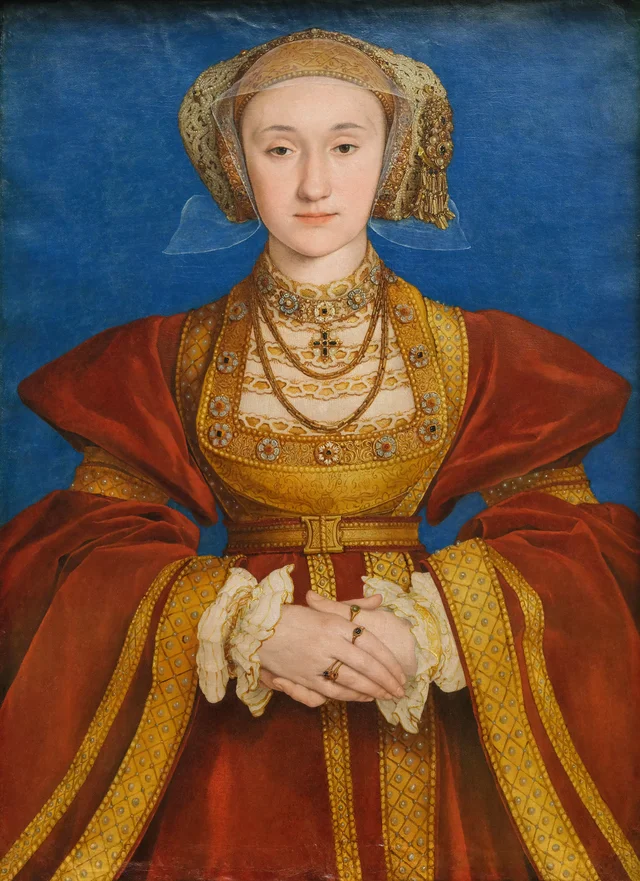 Portrait de fiançailles d'Anne de ClèvesHans Holbein le Jeune, 1539
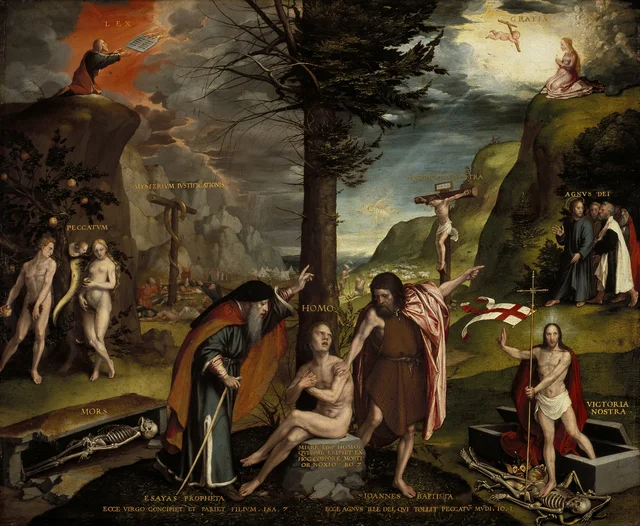 Allégorie de l'Ancien et du Nouveau TestamentHans Holbein le Jeune, 1530
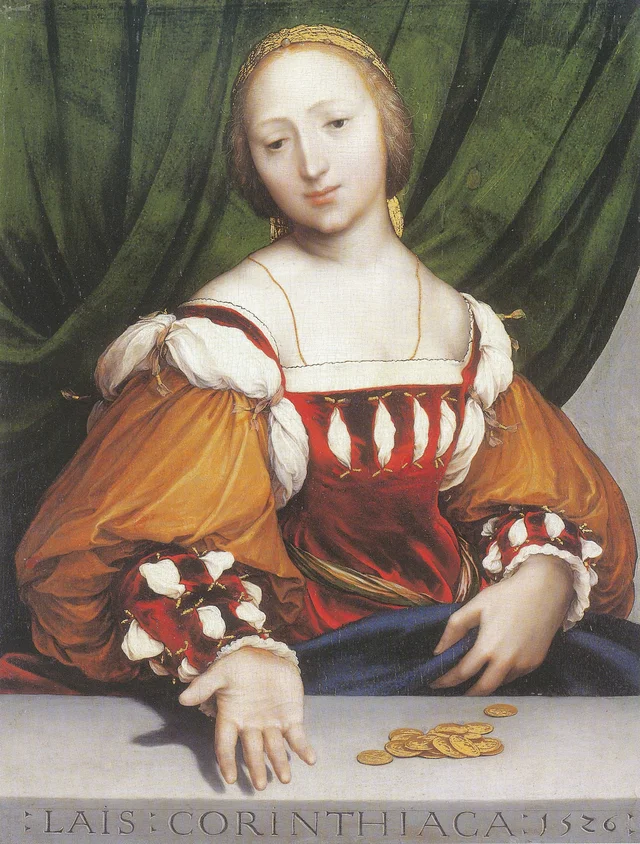 Laïs de CorintheHans Holbein le Jeune, 1526
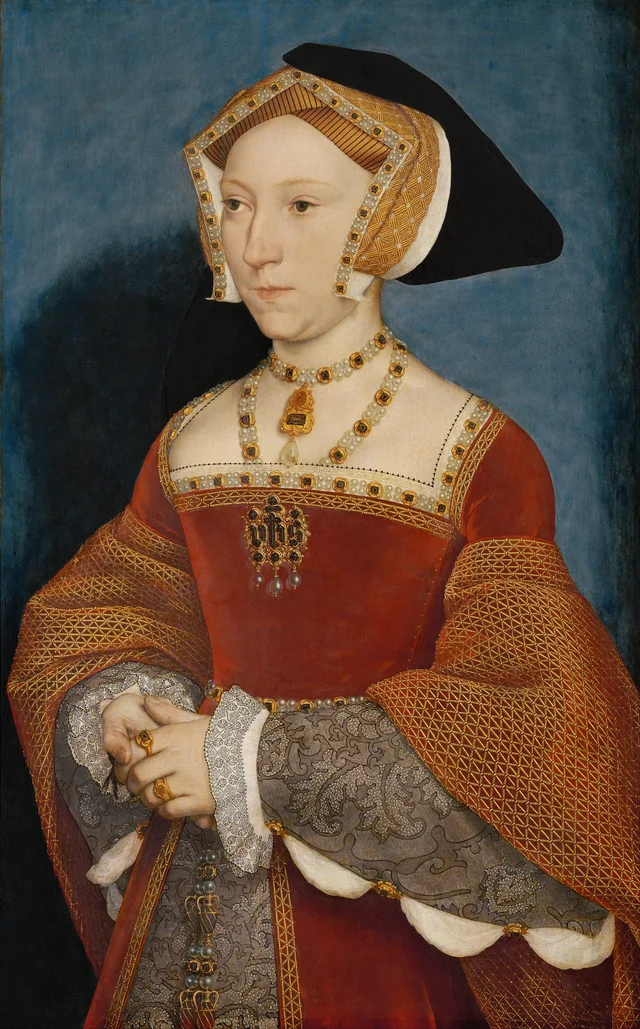 Jeanne SeymourHans Holbein le Jeune, 1536
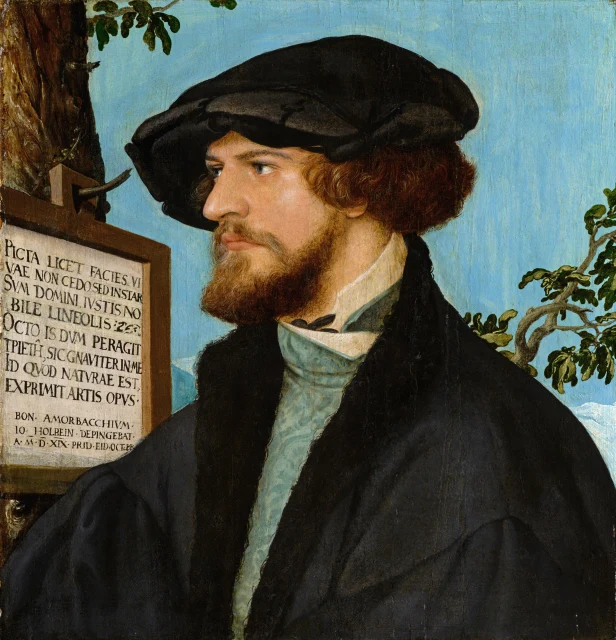 Portrait de Bonifacius AmerbachHans Holbein le Jeune, 1519
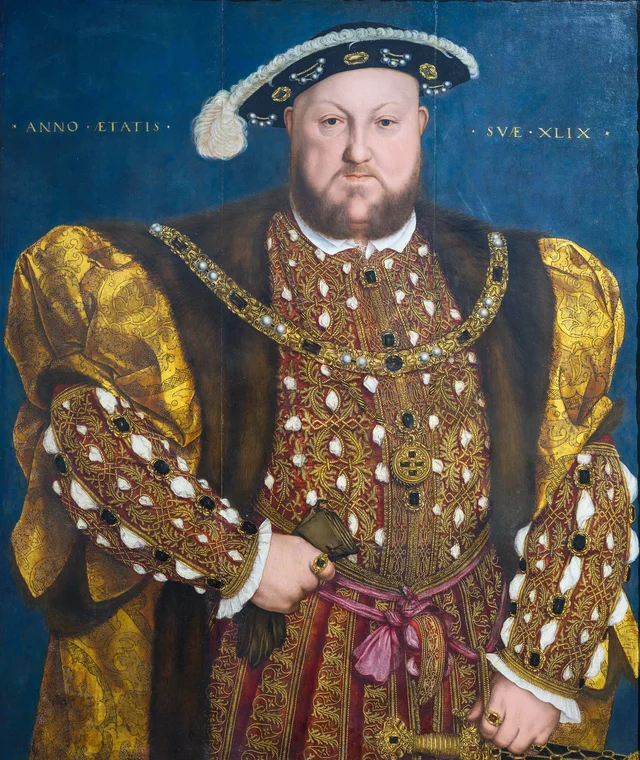 Portrait d'Henri VIII d'AngleterreHans Holbein le Jeune, 1540
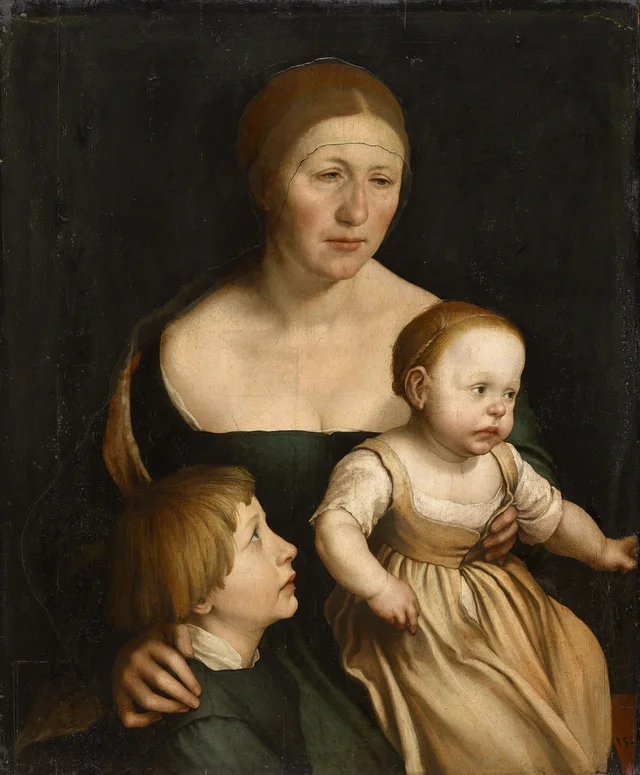 Portrait de la famille de l'artisteHans Holbein le Jeune, 1528
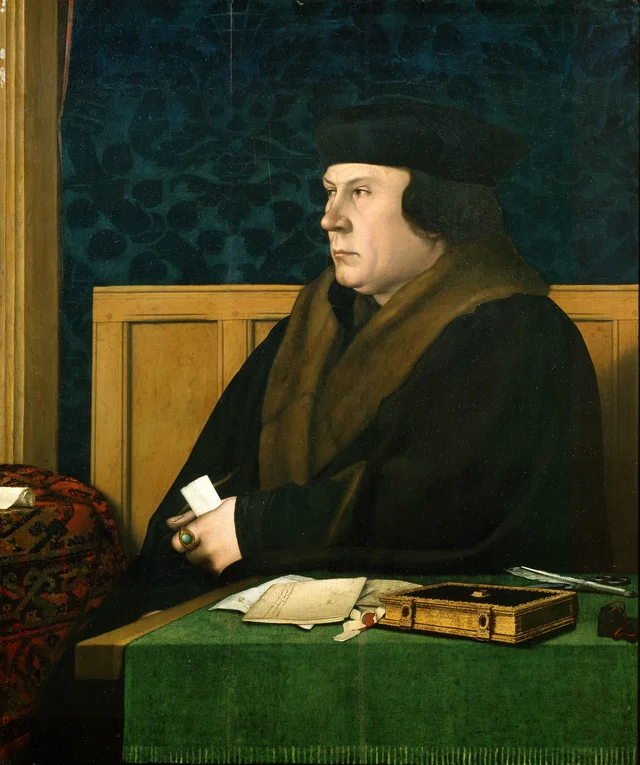 Thomas CromwellHans Holbein le Jeune, 1532
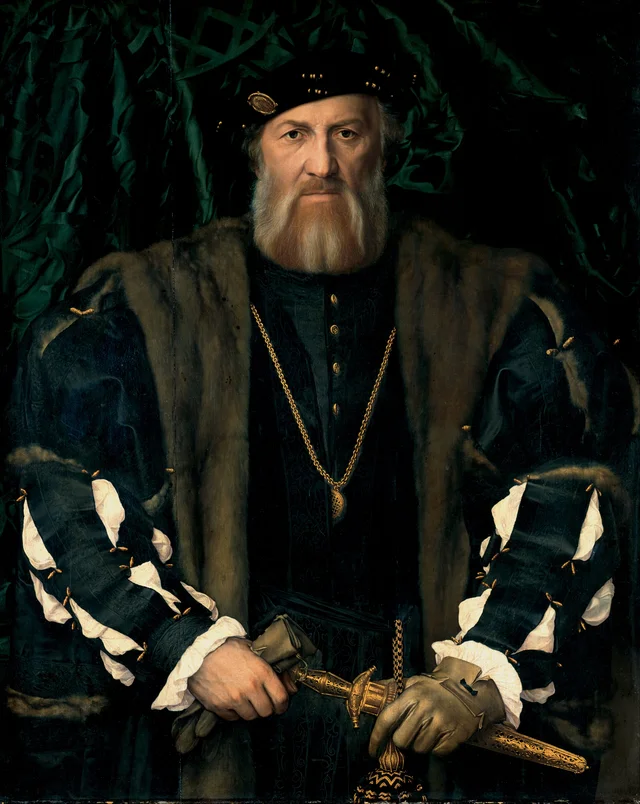 Charles de Solier, sieur de MoretteHans Holbein le Jeune, 1534
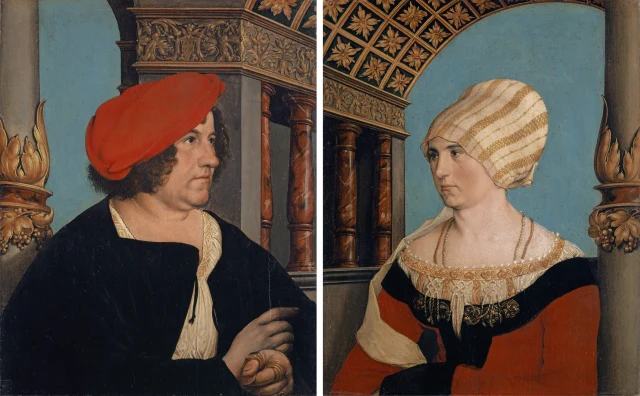 Double portrait de Jakob Meyer zum Hasen et Dorothea KannengießerHans Holbein le Jeune, 1516
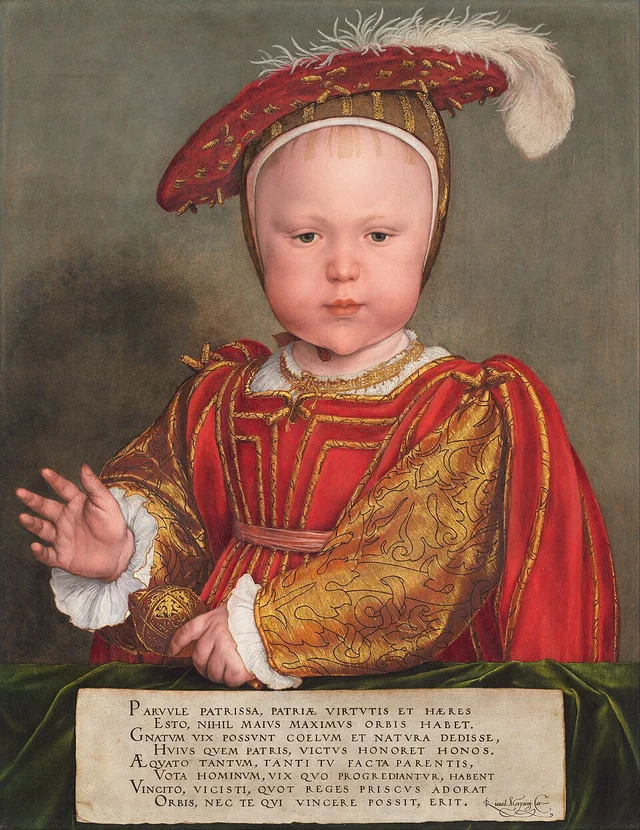 Édouard VI enfantHans Holbein le Jeune, 1538
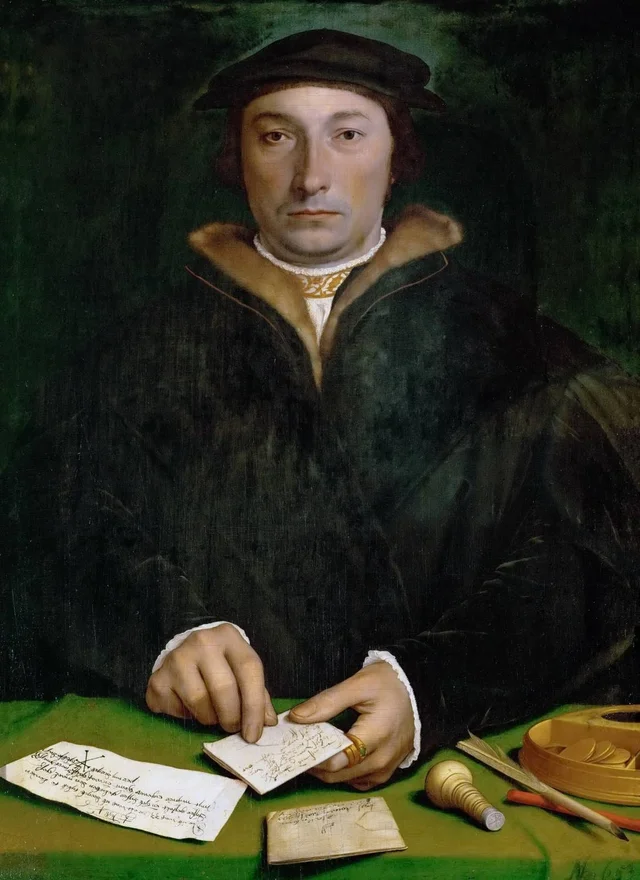 Le marchand de Duisbourg Dirck TybisHans Holbein le Jeune, 1533
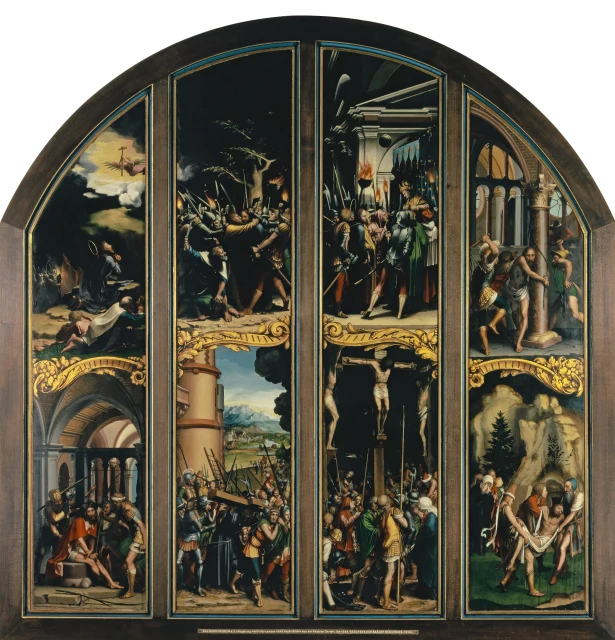 Autel de la PassionHans Holbein le Jeune, 1523