L'histoire
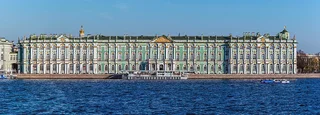
L'essentiel de l'Ermitage se trouve à l'intérieur du Palais d'Hiver, la résidence baroque vert et blanc des tsars de Russie, au bord de la Neva à Saint-Pétersbourg. La collection y naquit comme un plaisir privé. En 1764, l'impératrice Catherine II prit 225 tableaux hollandais et flamands qu'un marchand berlinois, Johann Gotzkowsky, avait réunis pour le roi de Prusse, lequel, ruiné après une longue guerre, ne les paya jamais. Catherine, elle, les paya, et les accrocha dans des pièces si privées qu'elle les appelait son ermitage, une retraite où presque personne n'avait le droit d'entrer.
Deux siècles et demi d'achats plus tard, c'est l'une des plus vastes collections d'art au monde. On gravit l'Escalier de Jourdain sous l'or et les miroirs et l'on s'avance vers les tableaux que l'on vient voir, Le Retour du fils prodigue de Rembrandt, les mains du vieux père posées sur le dos de son fils en haillons, et deux petites Madones de Léonard de Vinci, la Madone Benois et la Madone Litta, peintes dans sa jeunesse. Dans une salle, une Pendule au Paon grandeur nature, automate anglais du XVIIIe siècle, déploie encore sa queue dorée quand on la remonte.
Le bâtiment en a vu beaucoup. Un incendie ravagea le palais en 1837, la révolution de 1917 chassa le dernier tsar de ces pièces, et quand les forces allemandes assiégèrent Léningrad en 1941, le personnel emballa plus d'un million d'objets et les expédia vers l'est, dans l'Oural, laissant les cadres vides accrochés aux murs. Des guides firent visiter ces cadres nus durant tout le siège. Les œuvres revinrent à la fin, et les chats gardés dans les caves pour chasser les rats, une tradition qui remonte au temps de Catherine, sont toujours sur les registres.
Collection
248 œuvres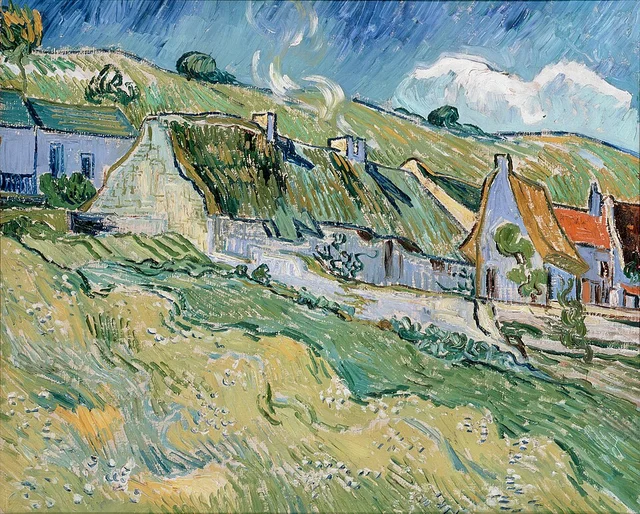 Chaumières et maisonsVincent van Gogh, 1890
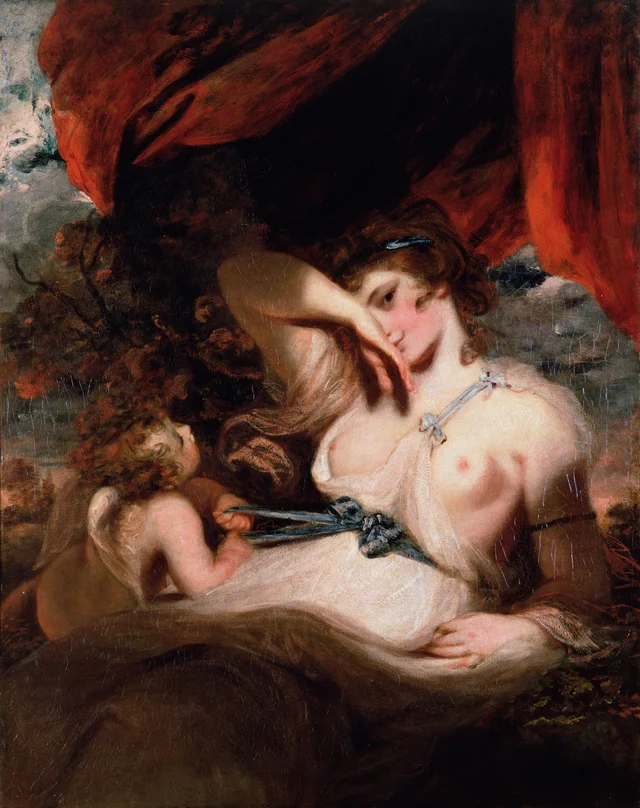 Cupidon dénouant la ceinture de VénusJoshua Reynolds, 1788
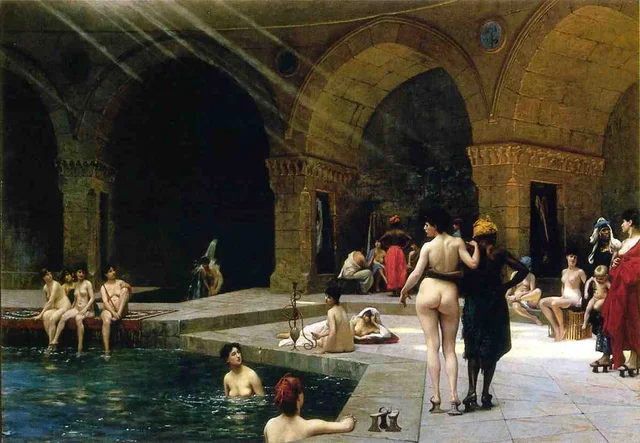 La Grande Piscine de BrousseJean-Léon Gérôme, 1885
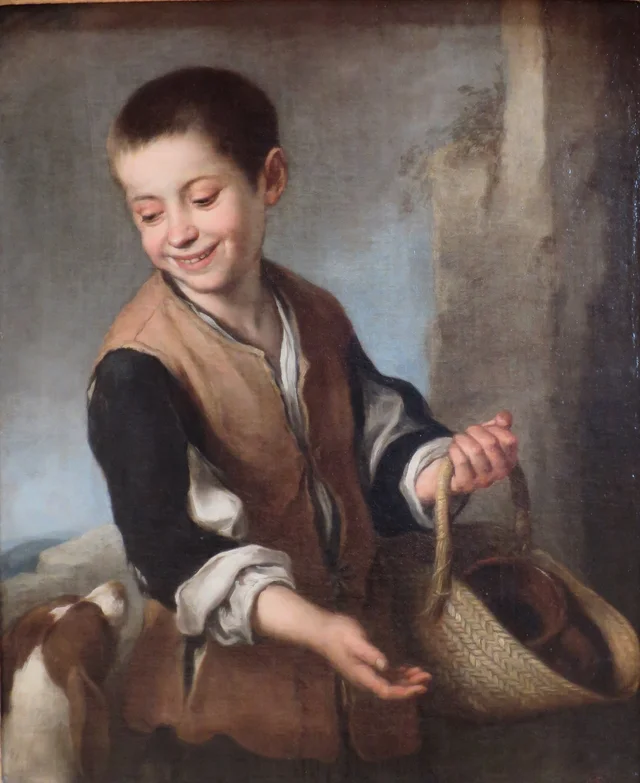 Enfant au chienBartolomé Esteban Murillo, 1655
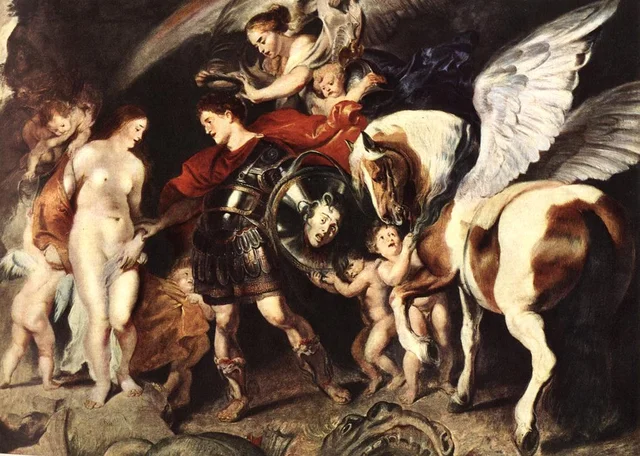 Persée et AndromèdePierre Paul Rubens, 1622
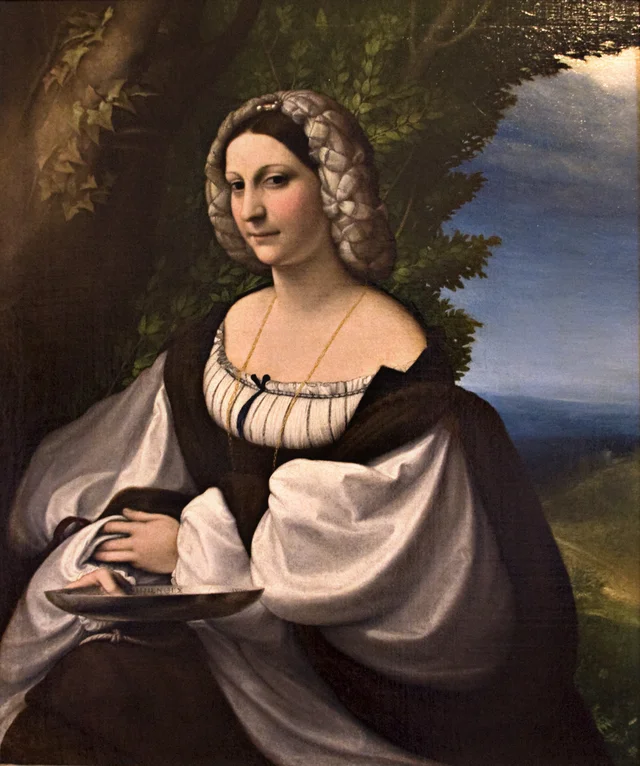 Portrait d'une femmeLe Corrège, 1520
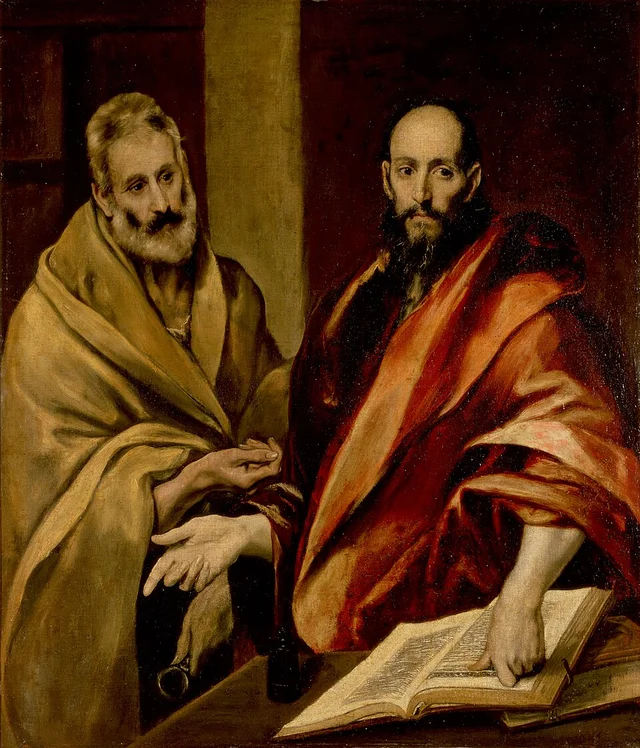 Saint Pierre et saint PaulEl Greco, 1587
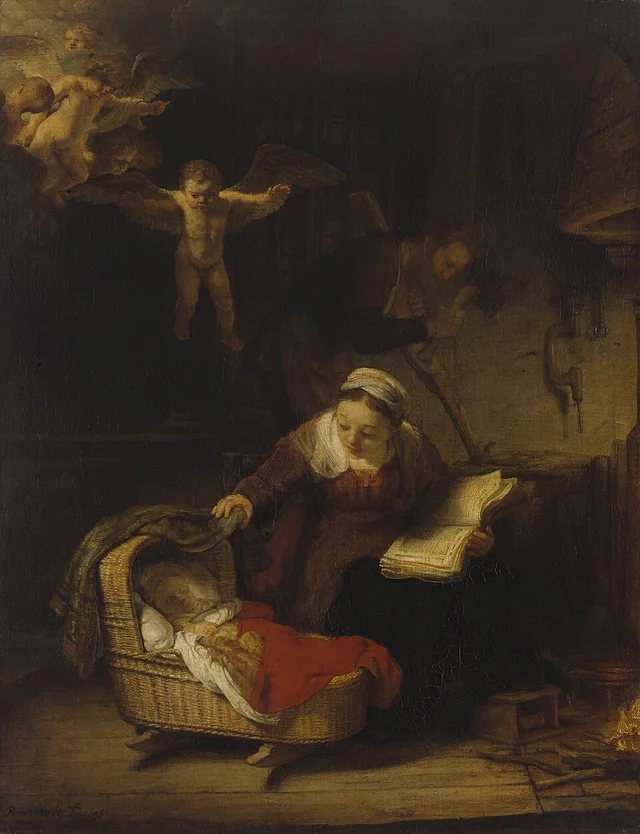 La Sainte Famille aux angesRembrandt, 1645
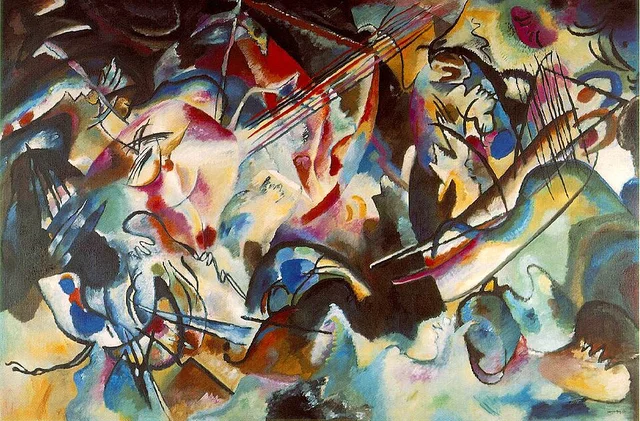 Composition VIVassily Kandinsky, 1913
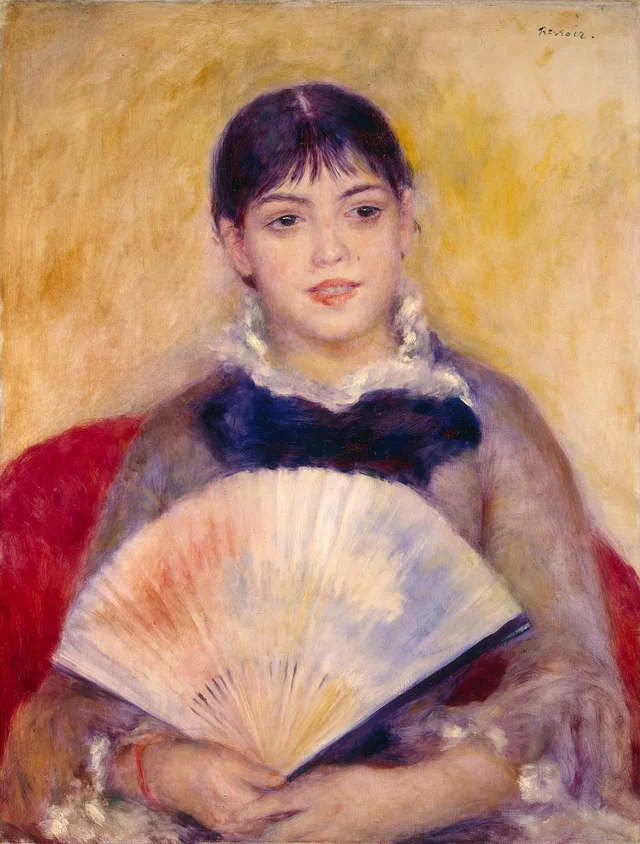 Jeune fille à l'éventailPierre-Auguste Renoir, 1885
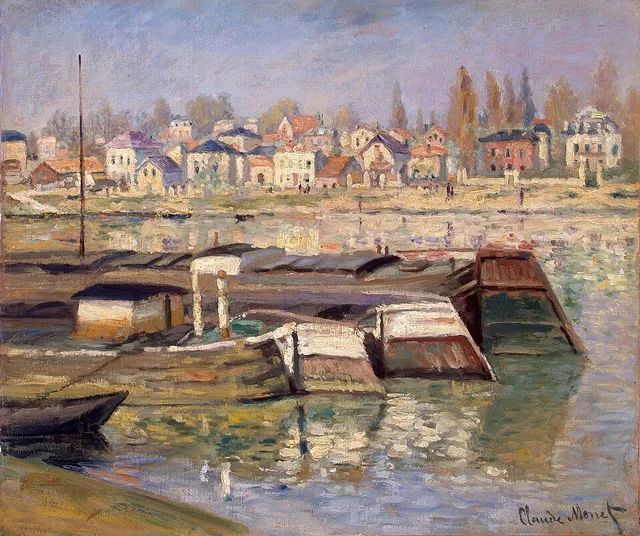 Paysage. La Seine à AsnièresClaude Monet, 1873
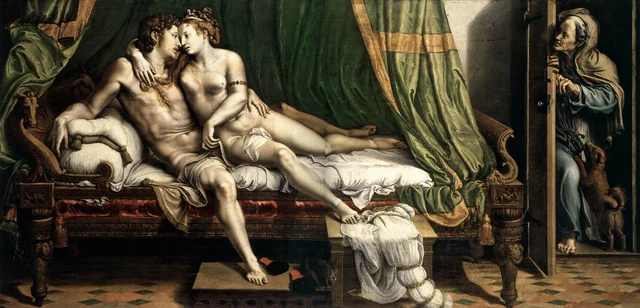 Scène d'amourGiulio Romano, 1525
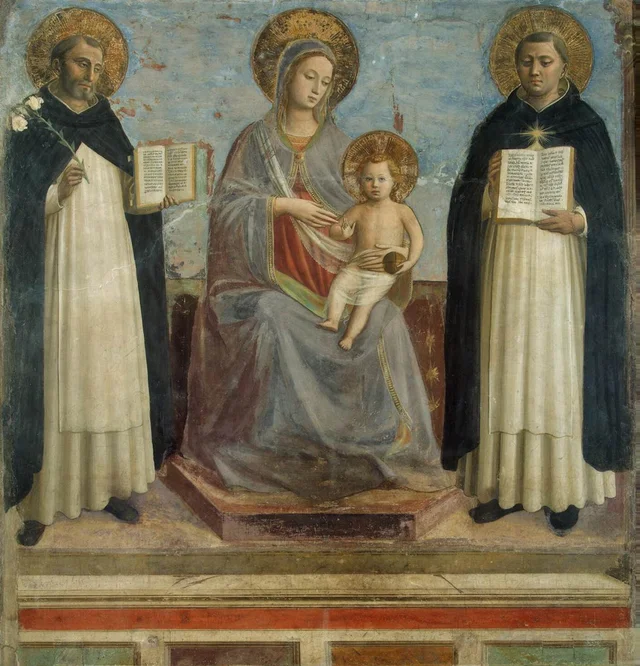 Vierge à l'EnfantFra Angelico, 1435
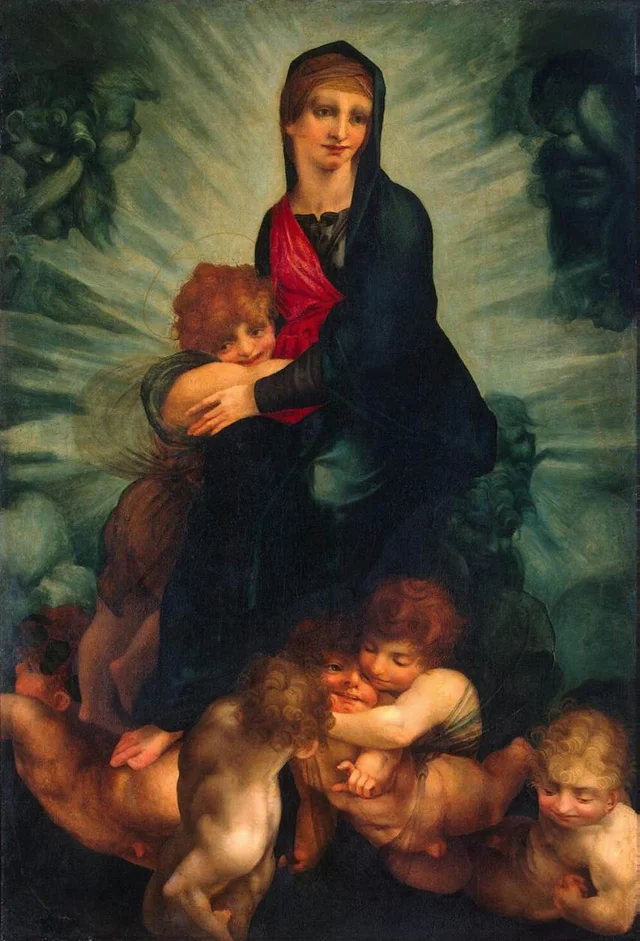 La Vierge à l’Enfant avec des chérubinsRosso Fiorentino, 1517
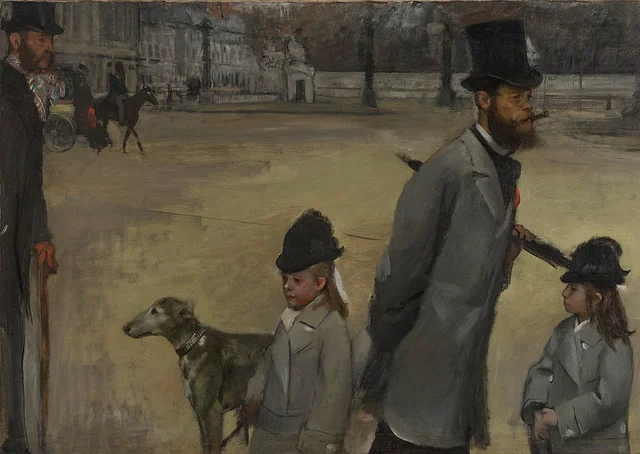 Place de la ConcordeEdgar Degas, 1875
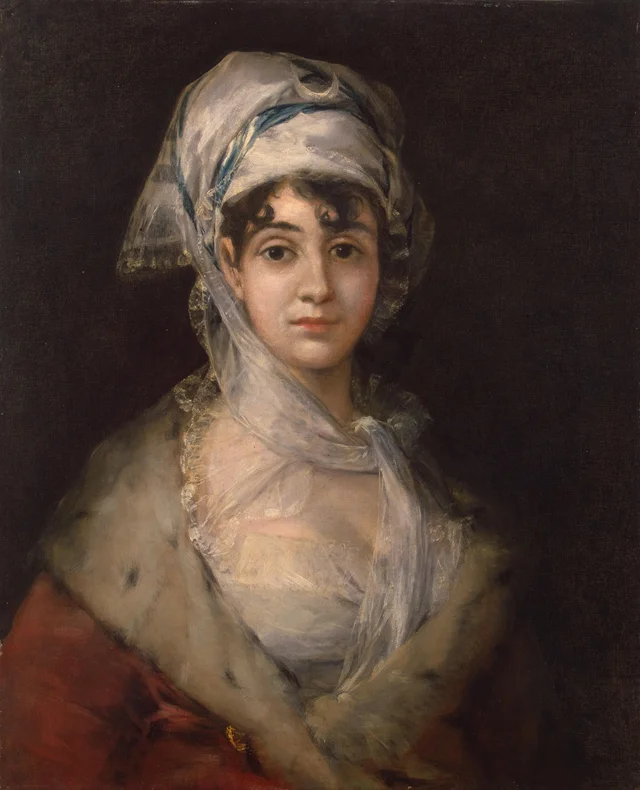 Portrait de l’actrice Antonia ZárateFrancisco Goya, 1810
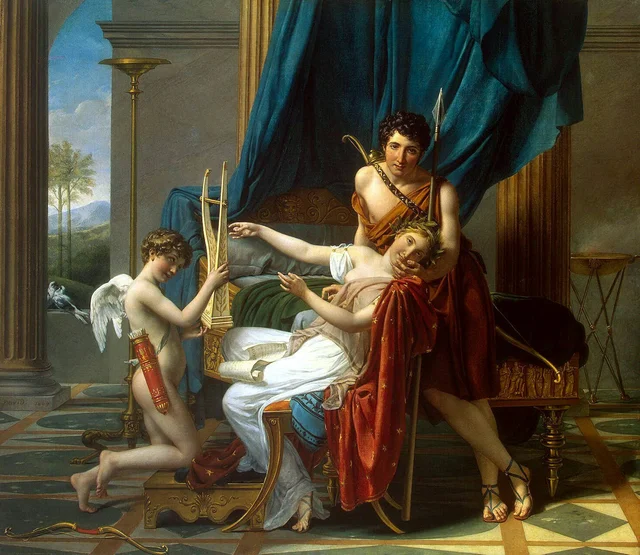 Sappho et PhaonJacques-Louis David, 1809
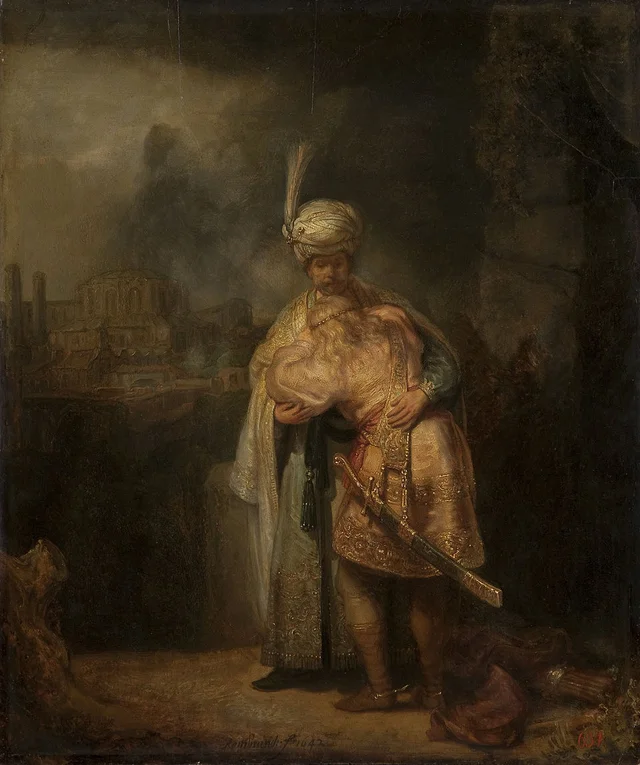 Les Adieux de David et JonathanRembrandt, 1642
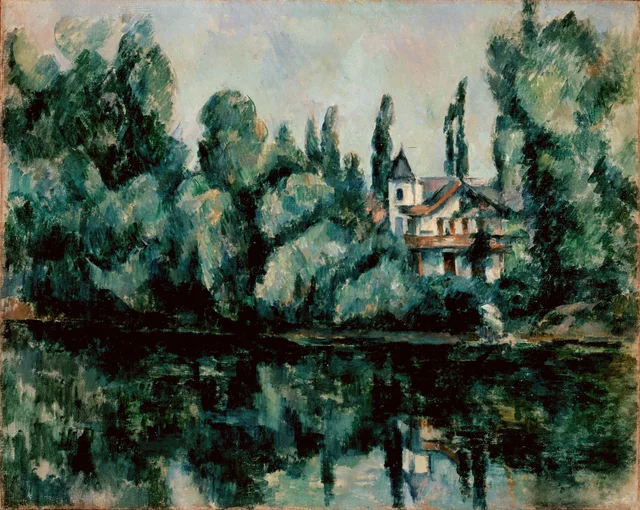 Au bord de la MarnePaul Cézanne, 1888
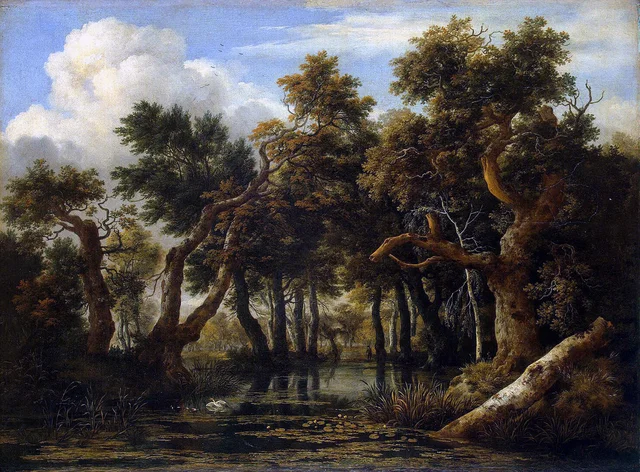 Un marais boiséJacob van Ruisdael, 1665
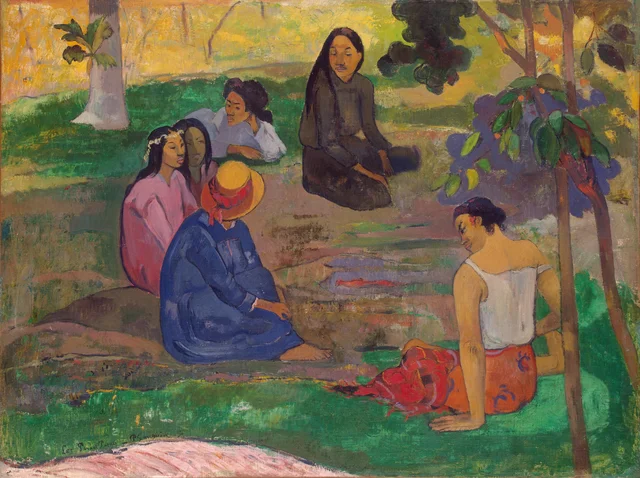 Conversation (Les Parau Parau)Paul Gauguin, 1891
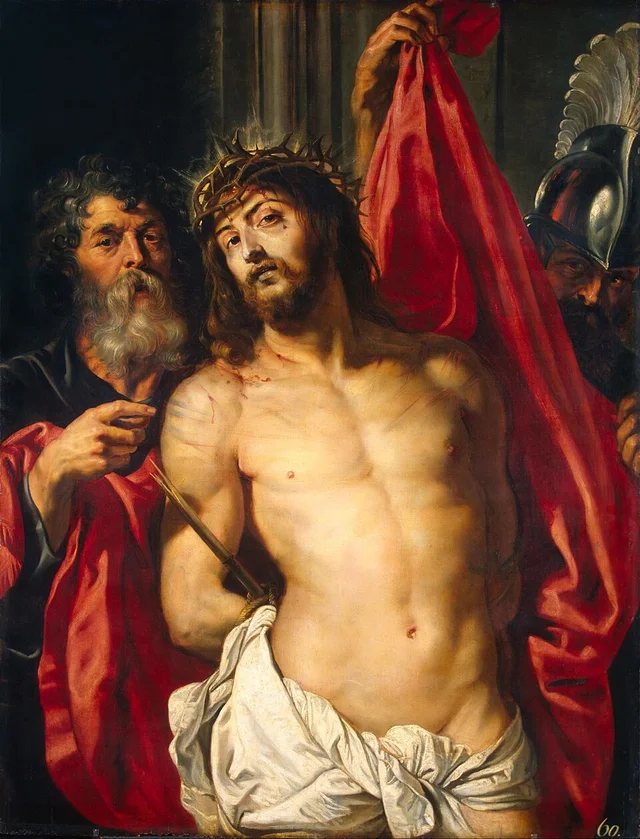 Le Couronnement d'épinesPierre Paul Rubens, 1612
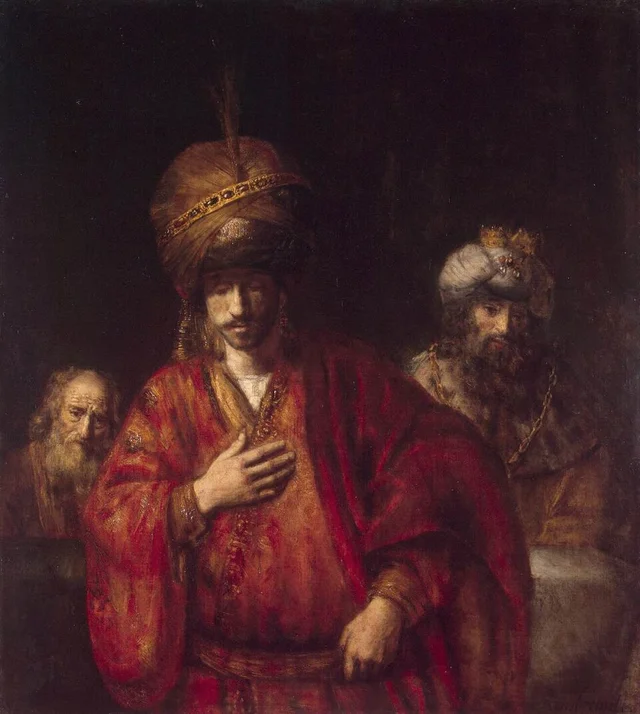 Aman reconnaît son destinRembrandt, 1665
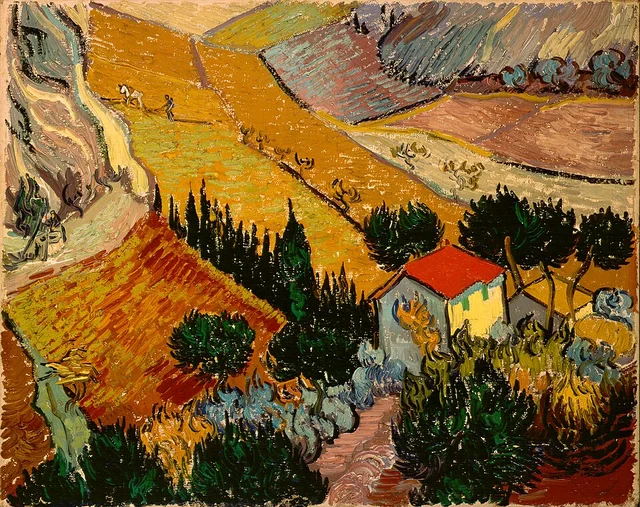 Paysage avec maison et laboureurVincent van Gogh, 1889
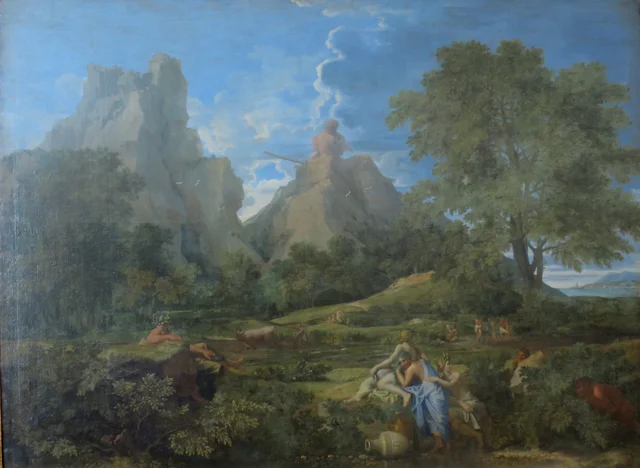 Paysage avec PolyphèmeNicolas Poussin, 1649