L'histoire
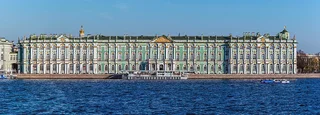
L'essentiel de l'Ermitage se trouve à l'intérieur du Palais d'Hiver, la résidence baroque vert et blanc des tsars de Russie, au bord de la Neva à Saint-Pétersbourg. La collection y naquit comme un plaisir privé. En 1764, l'impératrice Catherine II prit 225 tableaux hollandais et flamands qu'un marchand berlinois, Johann Gotzkowsky, avait réunis pour le roi de Prusse, lequel, ruiné après une longue guerre, ne les paya jamais. Catherine, elle, les paya, et les accrocha dans des pièces si privées qu'elle les appelait son ermitage, une retraite où presque personne n'avait le droit d'entrer.
Deux siècles et demi d'achats plus tard, c'est l'une des plus vastes collections d'art au monde. On gravit l'Escalier de Jourdain sous l'or et les miroirs et l'on s'avance vers les tableaux que l'on vient voir, Le Retour du fils prodigue de Rembrandt, les mains du vieux père posées sur le dos de son fils en haillons, et deux petites Madones de Léonard de Vinci, la Madone Benois et la Madone Litta, peintes dans sa jeunesse. Dans une salle, une Pendule au Paon grandeur nature, automate anglais du XVIIIe siècle, déploie encore sa queue dorée quand on la remonte.
Le bâtiment en a vu beaucoup. Un incendie ravagea le palais en 1837, la révolution de 1917 chassa le dernier tsar de ces pièces, et quand les forces allemandes assiégèrent Léningrad en 1941, le personnel emballa plus d'un million d'objets et les expédia vers l'est, dans l'Oural, laissant les cadres vides accrochés aux murs. Des guides firent visiter ces cadres nus durant tout le siège. Les œuvres revinrent à la fin, et les chats gardés dans les caves pour chasser les rats, une tradition qui remonte au temps de Catherine, sont toujours sur les registres.
Collection
248 œuvres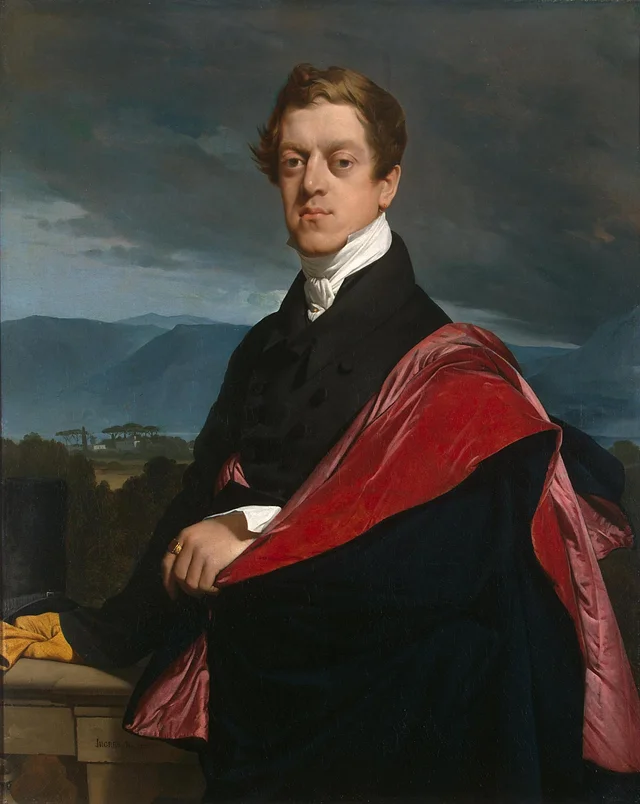 Portrait du comte Nikolaï GourievJean-Auguste-Dominique Ingres, 1821
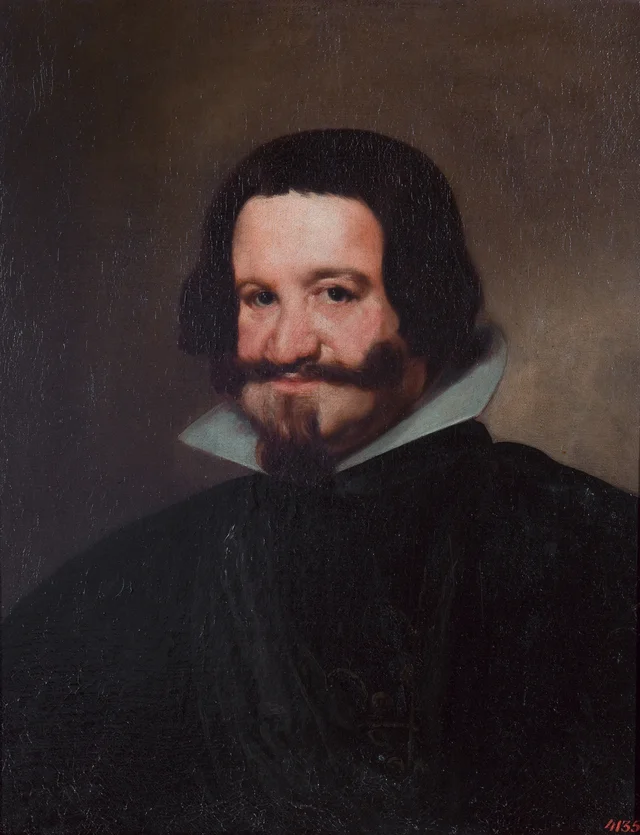 Portrait du comte-duc d'OlivaresDiego Vélasquez, 1638
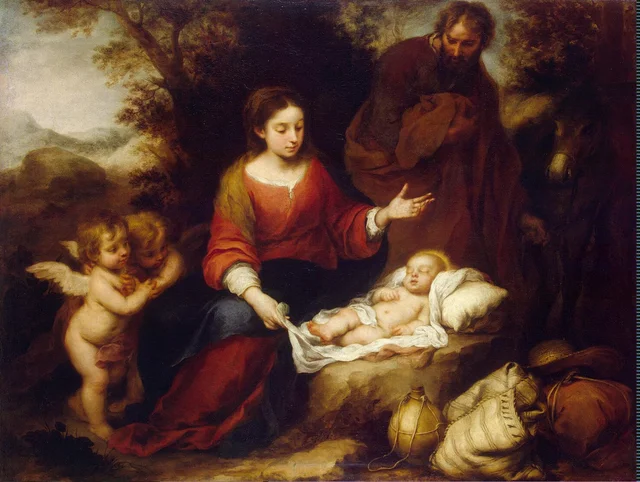 Le Repos pendant la fuite en ÉgypteBartolomé Esteban Murillo, 1665
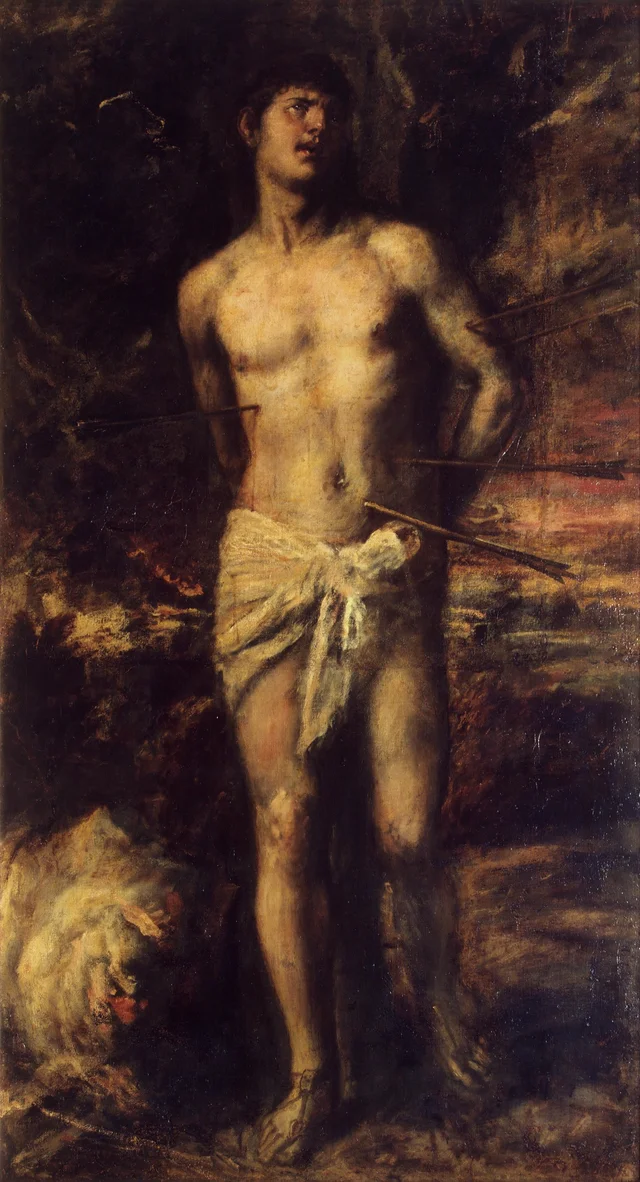 Saint SébastienTitien, 1570
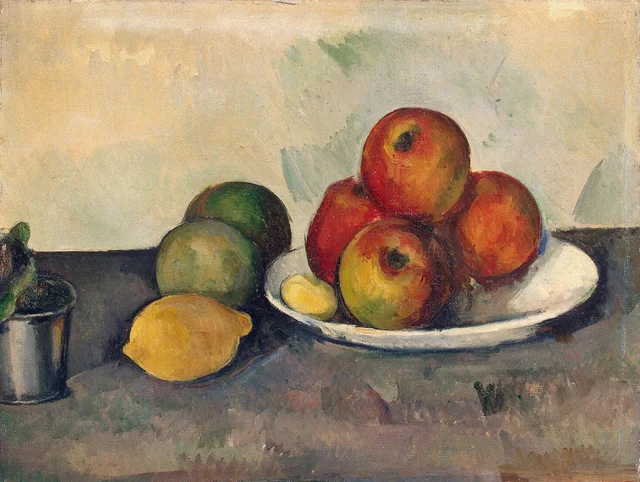 Nature morte aux pommesPaul Cézanne, 1890
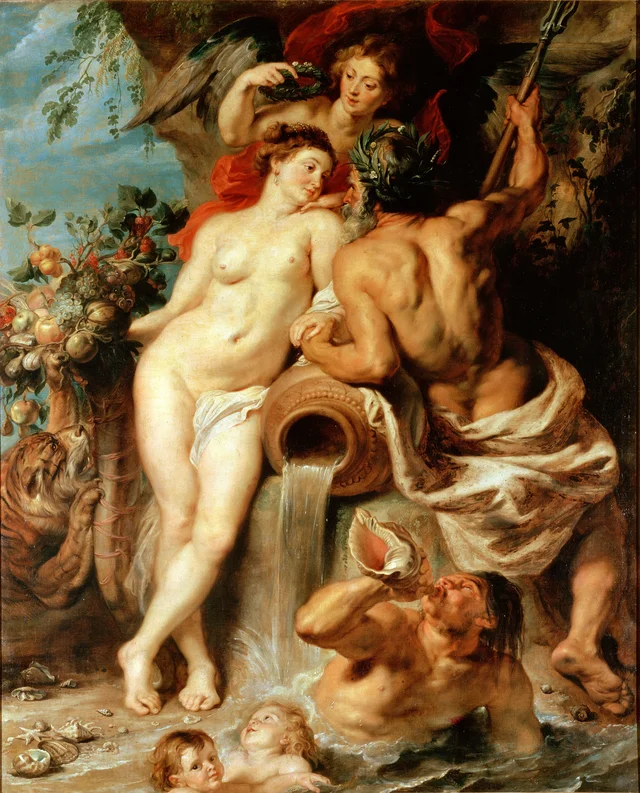 L'Union de la Terre et de l'Eau (Anvers et l'Escaut)Pierre Paul Rubens, 1618
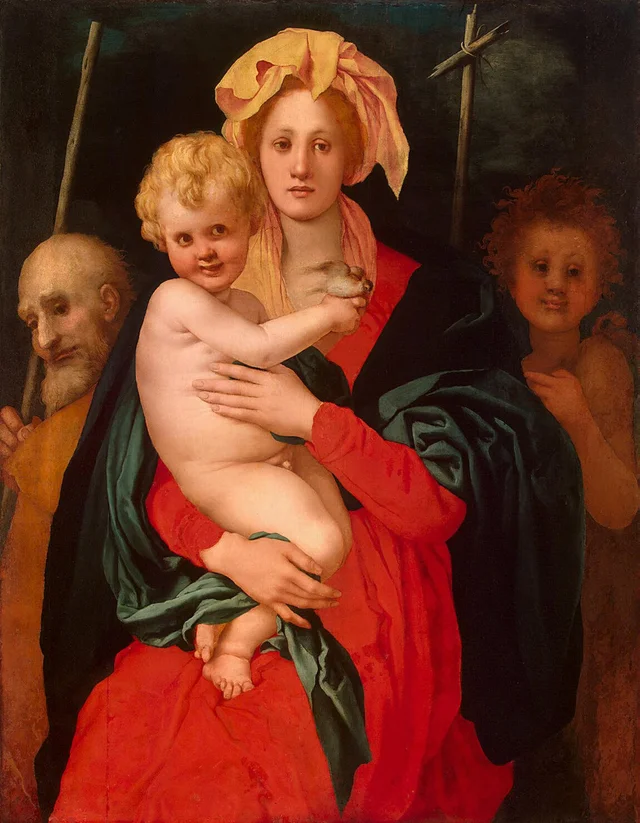 La Vierge à l'Enfant avec saint Joseph et saint Jean-BaptistePontormo, 1522
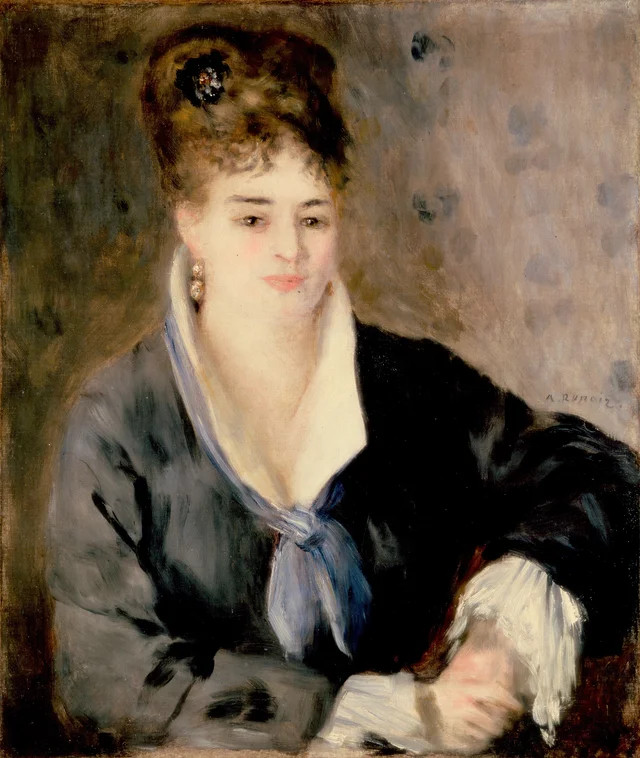 Femme en noirPierre-Auguste Renoir, 1876
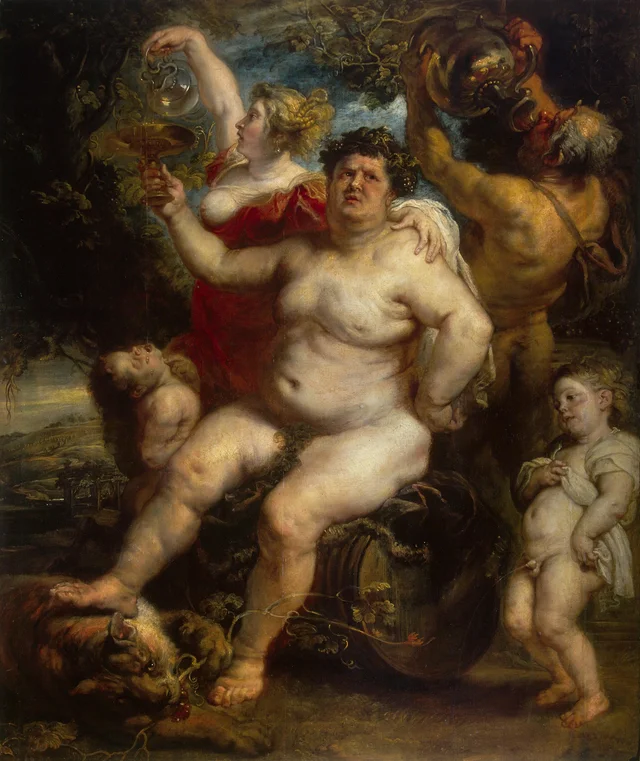 BacchusPierre Paul Rubens, 1638
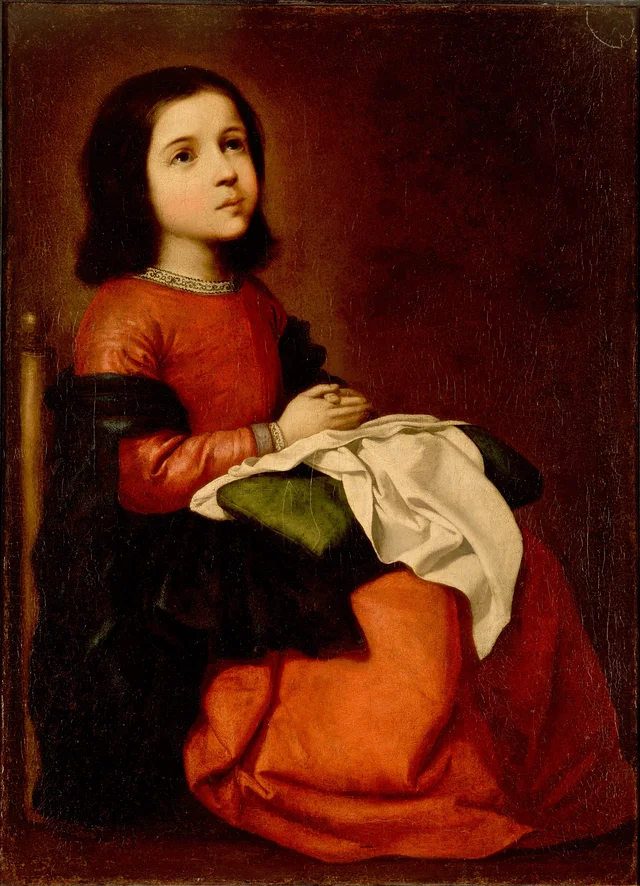 L'Enfance de la ViergeFrancisco de Zurbarán, 1658
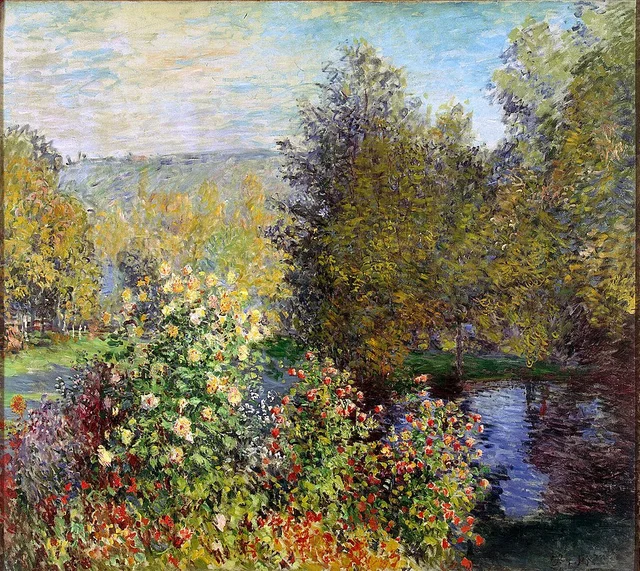 Coin de jardin à MontgeronClaude Monet, 1877
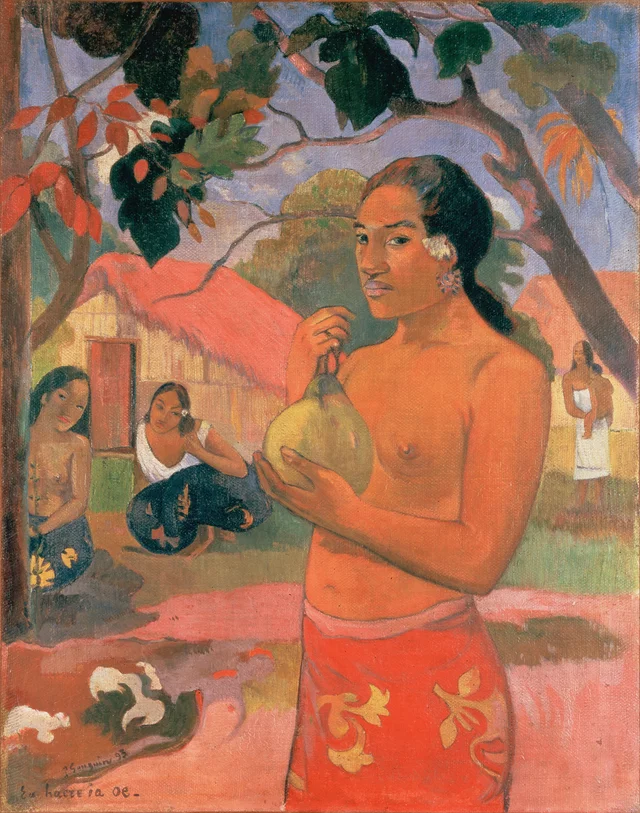 Eu haere ia oePaul Gauguin, 1893
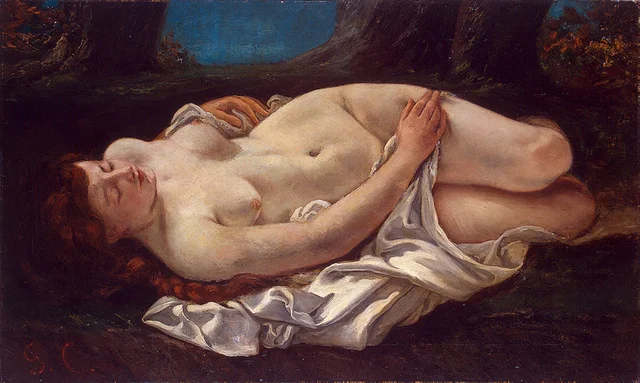 Femme couchéeGustave Courbet, 1865
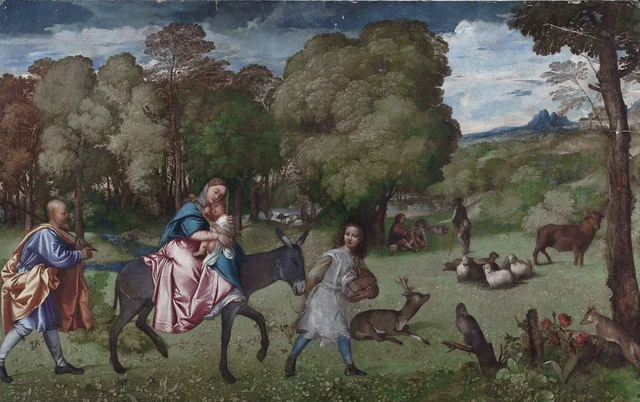 La Fuite en ÉgypteTitien, 1508
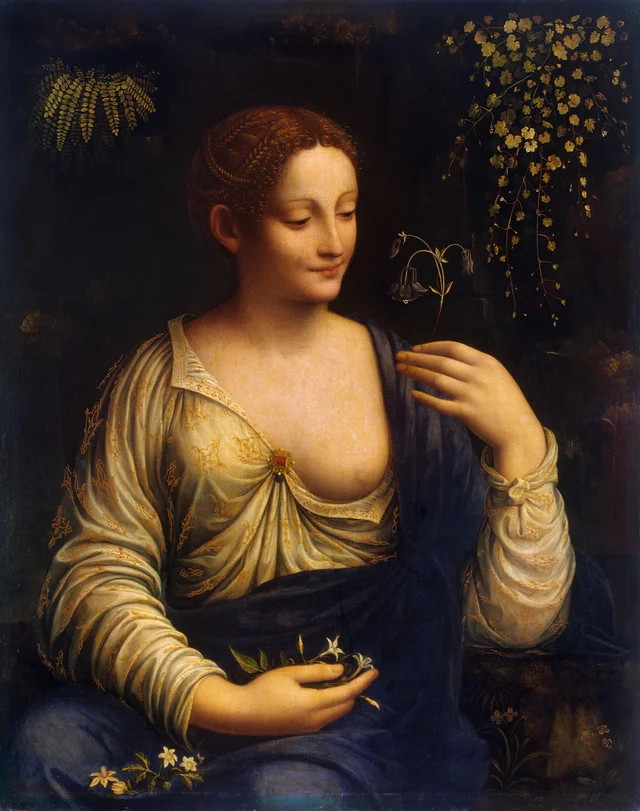 FloreFrancesco Melzi, 1520
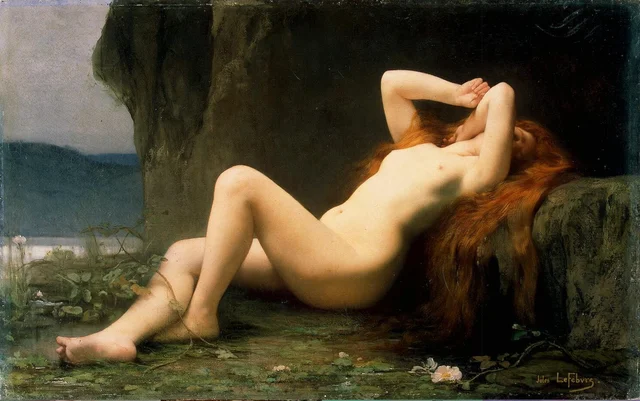 Marie-Madeleine dans une grotteJules Lefebvre, 1876
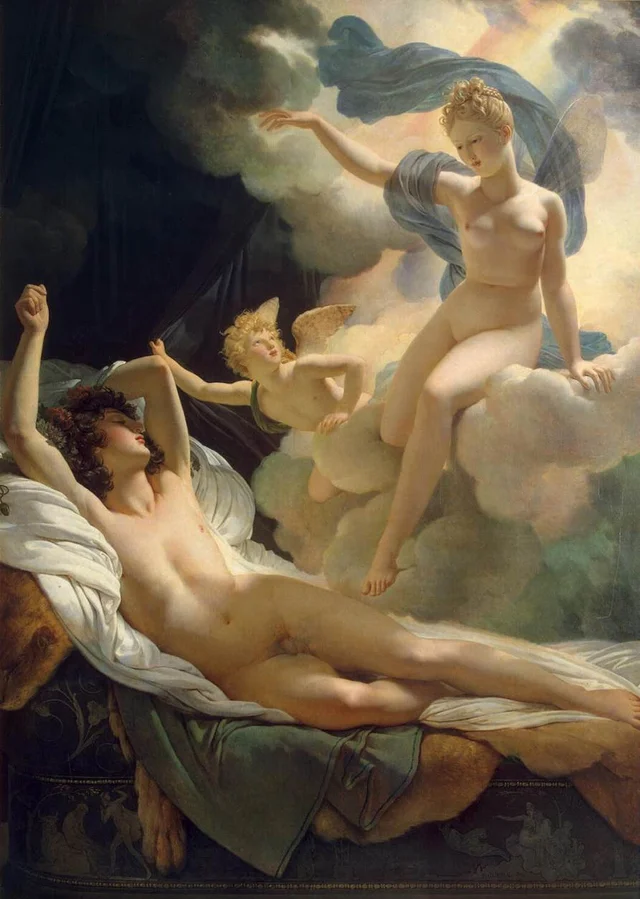 Morphée et IrisPierre-Narcisse Guérin, 1811
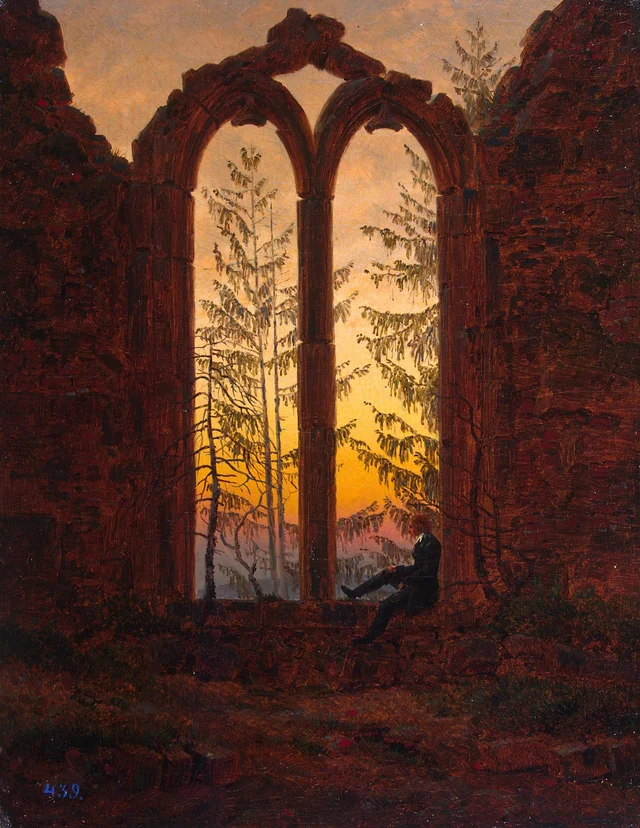 Ruines de l'OybinCaspar David Friedrich, 1835
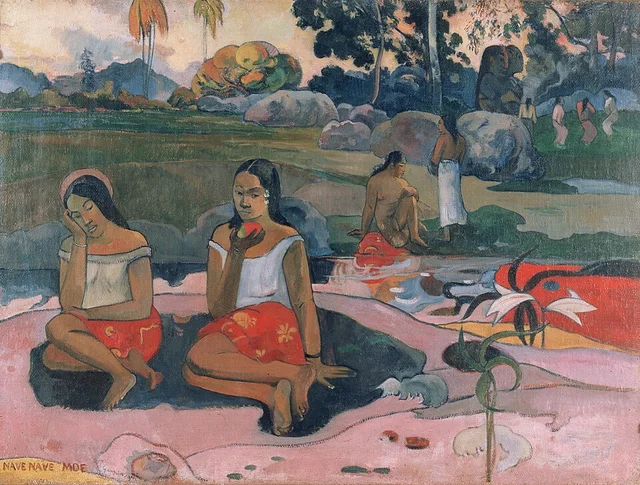 Source sacrée : doux rêves (Nave nave moe)Paul Gauguin, 1894
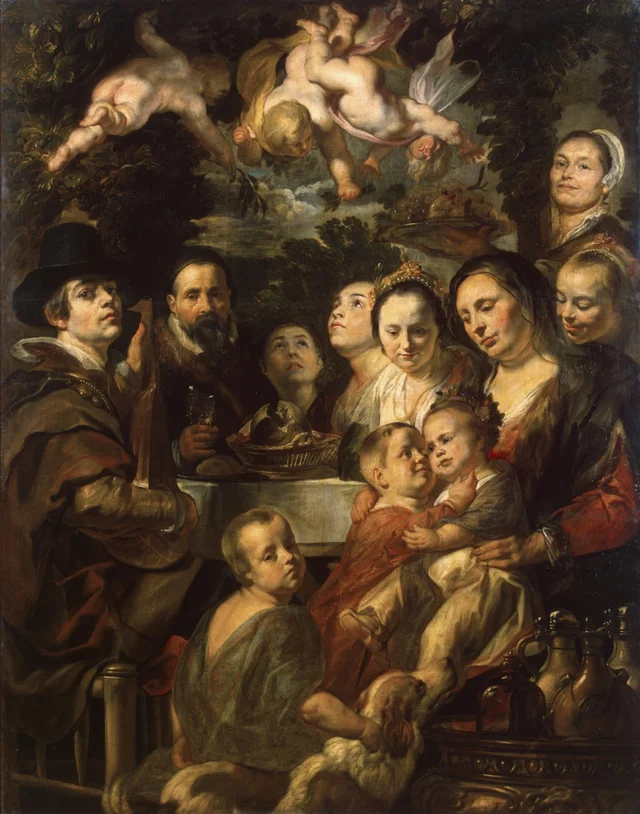 Autoportrait avec les parents, frères et sœursJacob Jordaens, 1615
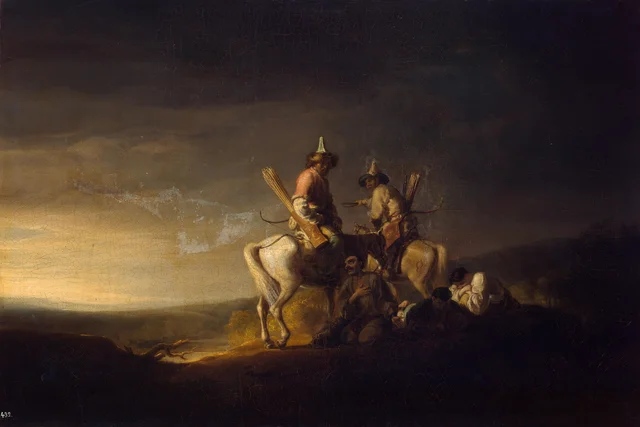 Les BachkirsWilliam Allan, 1814
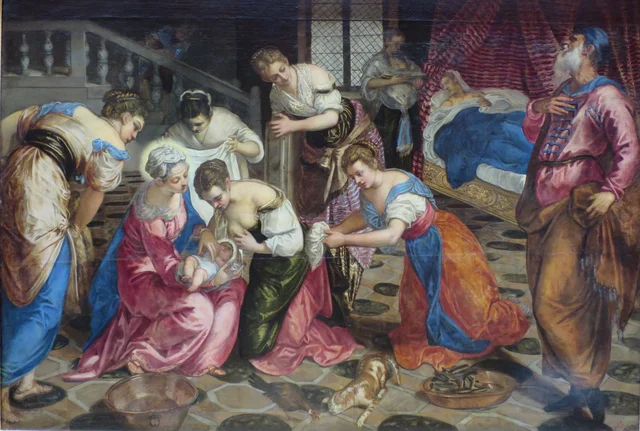 La Naissance de saint Jean-BaptisteJacopo Tintoretto, 1550
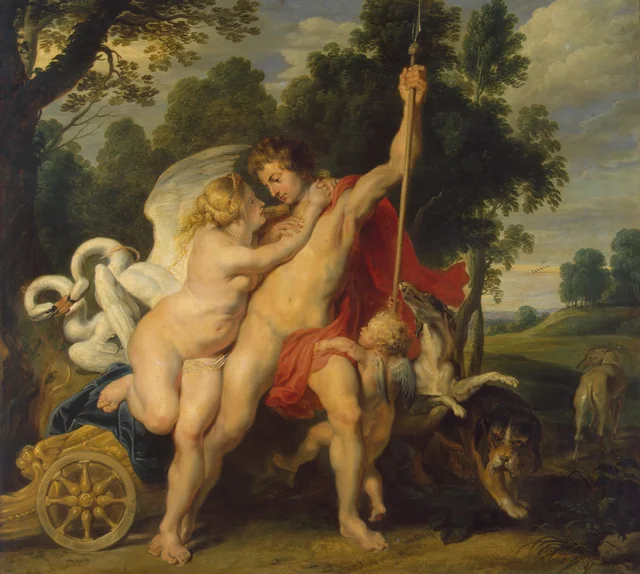 Vénus et AdonisPierre Paul Rubens, 1610
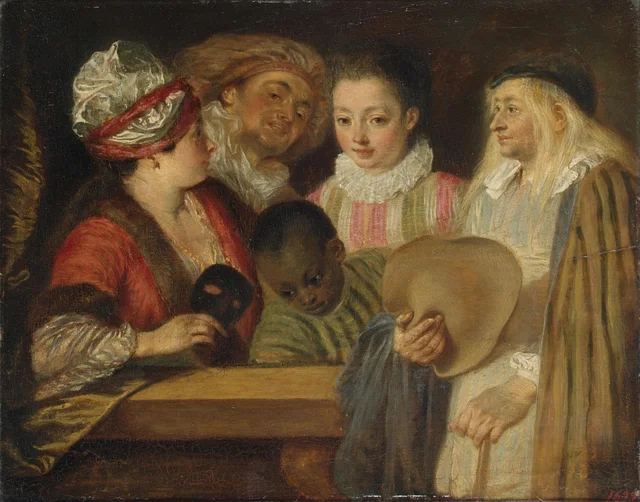 Acteurs de la Comédie-FrançaiseJean-Antoine Watteau, 1710
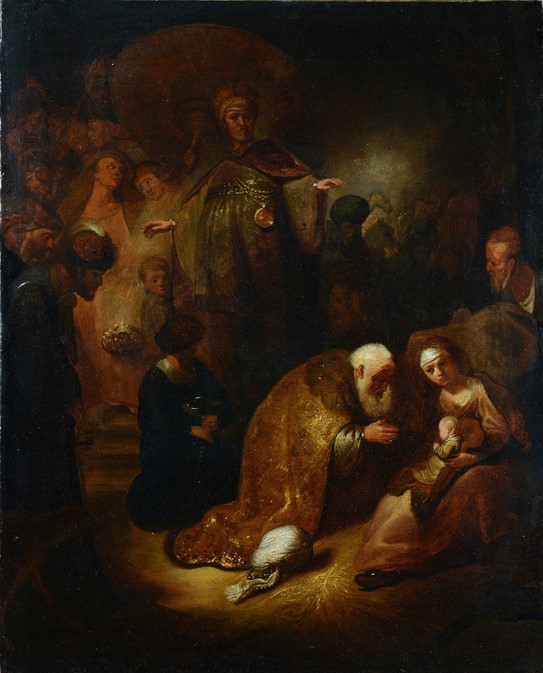 L'Adoration des magesRembrandt, 1632