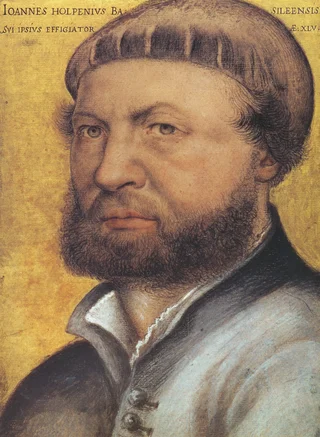
Hans Holbein il Giovane
1497–1543 · Sacro Romano Impero · Rinascimento tedesco
La storia
Nel 1539 Enrico VIII inviò il proprio pittore di corte a Düren, nel ducato tedesco di Kleve, con un solo incarico: dipingere un ritratto fedele di Anna, sorella del duca e candidata a diventare la quarta moglie del re. Hans Holbein il Giovane era pittore di corte dal 1535 circa, e produceva ritratti, disegni di gioielli e decorazioni per le feste della corte Tudor: il suo giudizio sull'aspetto di Anna stava per contare più del resoconto di qualsiasi ambasciatore.
A Enrico piacque ciò che vide e acconsentì al matrimonio. Quando Anna arrivò in Inghilterra nel gennaio 1540 e il re la incontrò di persona per la prima volta, rimase a quanto pare sorpreso nel trovarla più alta e dai lineamenti più marcati di quanto suggerisse il ritratto, e il matrimonio fu annullato entro sei mesi. Se Holbein l'avesse ritratta in modo lusinghiero o si fosse limitato a dipingere ciò che l'etichetta imponeva, gli storici ancora discutono, ma il ritratto aveva già svolto il proprio compito diplomatico.
Holbein aveva costruito la propria carriera inglese due decenni prima grazie a una lettera di presentazione di Erasmo da Rotterdam, lo studioso olandese, che gli aprì le porte della casa dello statista Tommaso Moro. Morì a Londra nel 1543, molto probabilmente di peste, dopo aver trascorso gli ultimi anni a realizzare circa 150 ritratti di reali e nobili Tudor.
Altri articoli
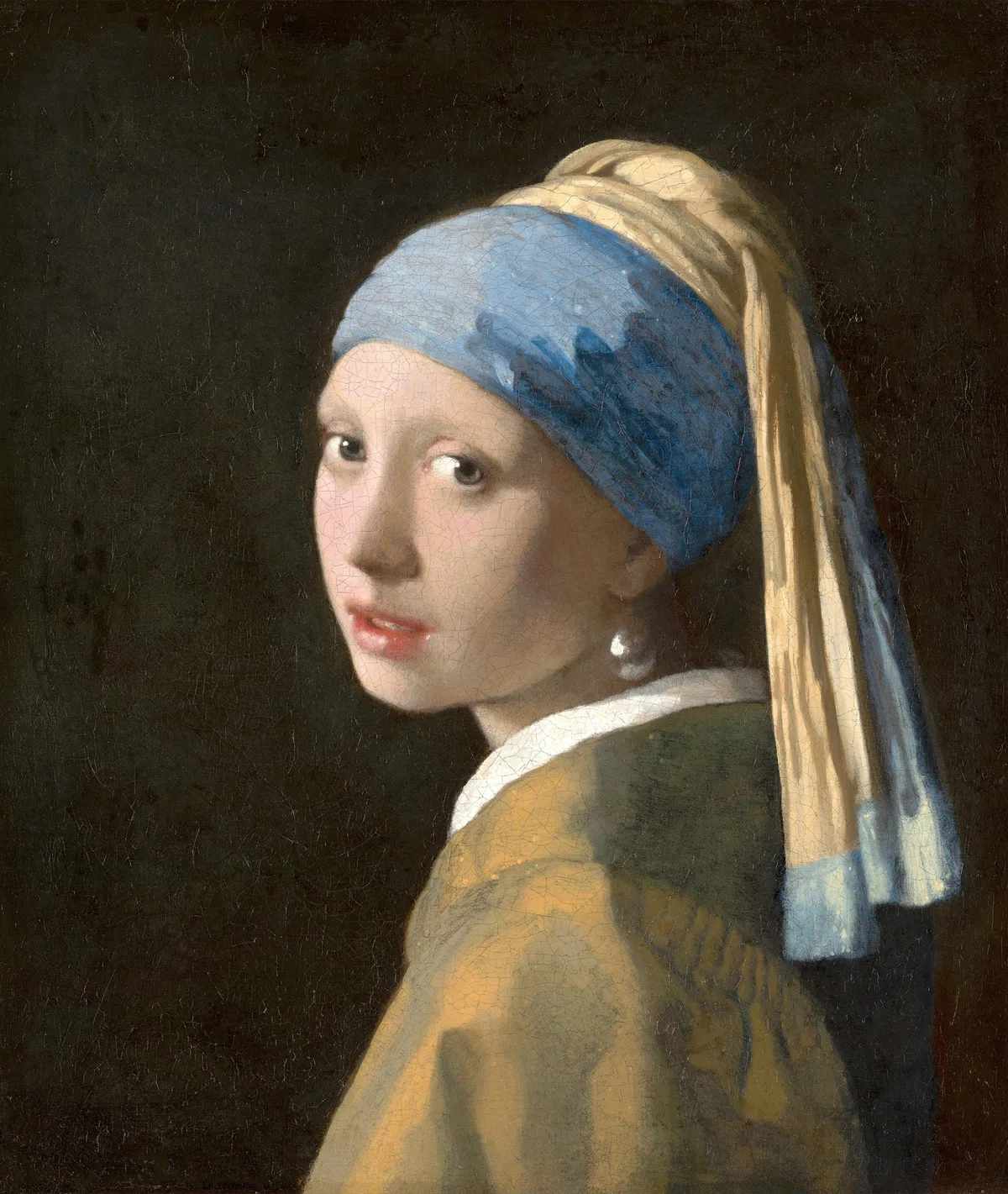 Articolo · 44 min di letturaIl Mauritshuis all'Aia: 20 quadri e come ci sono arrivati
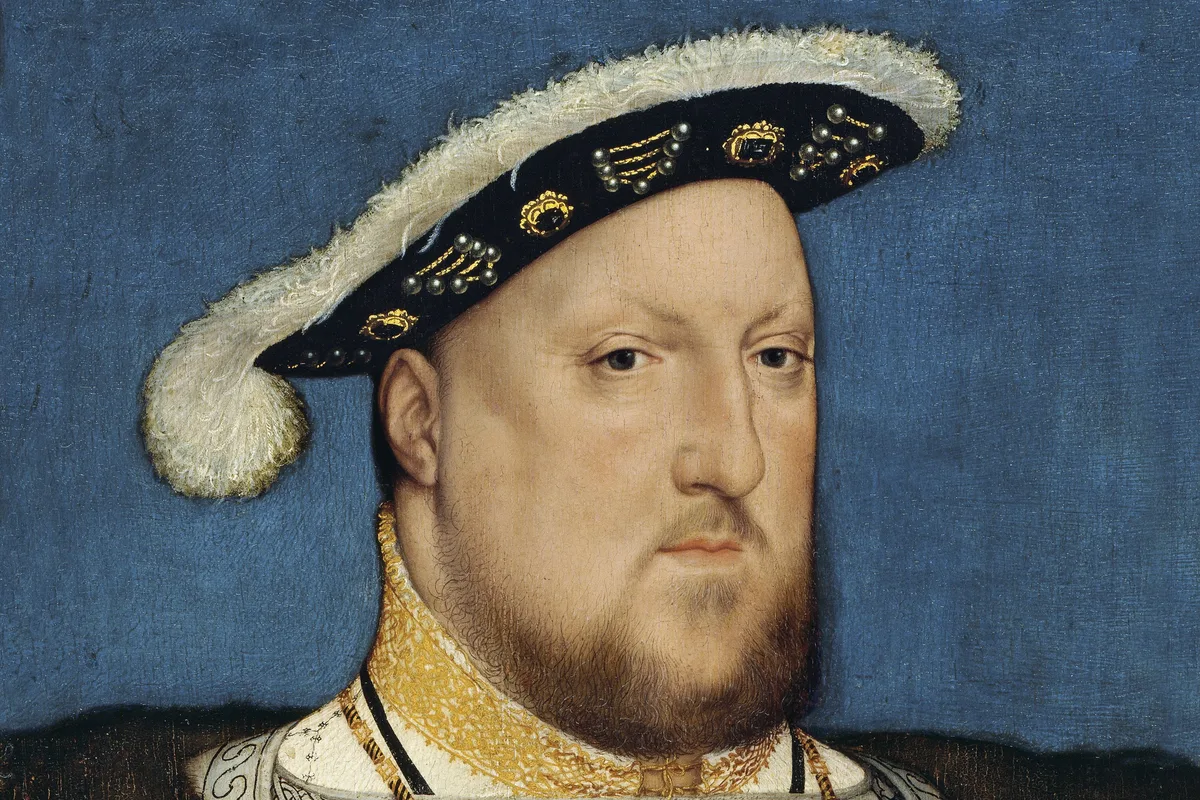 Articolo · 41 min di letturaMuseo Thyssen-Bornemisza: venti quadri comprati da un padre e da suo figlio
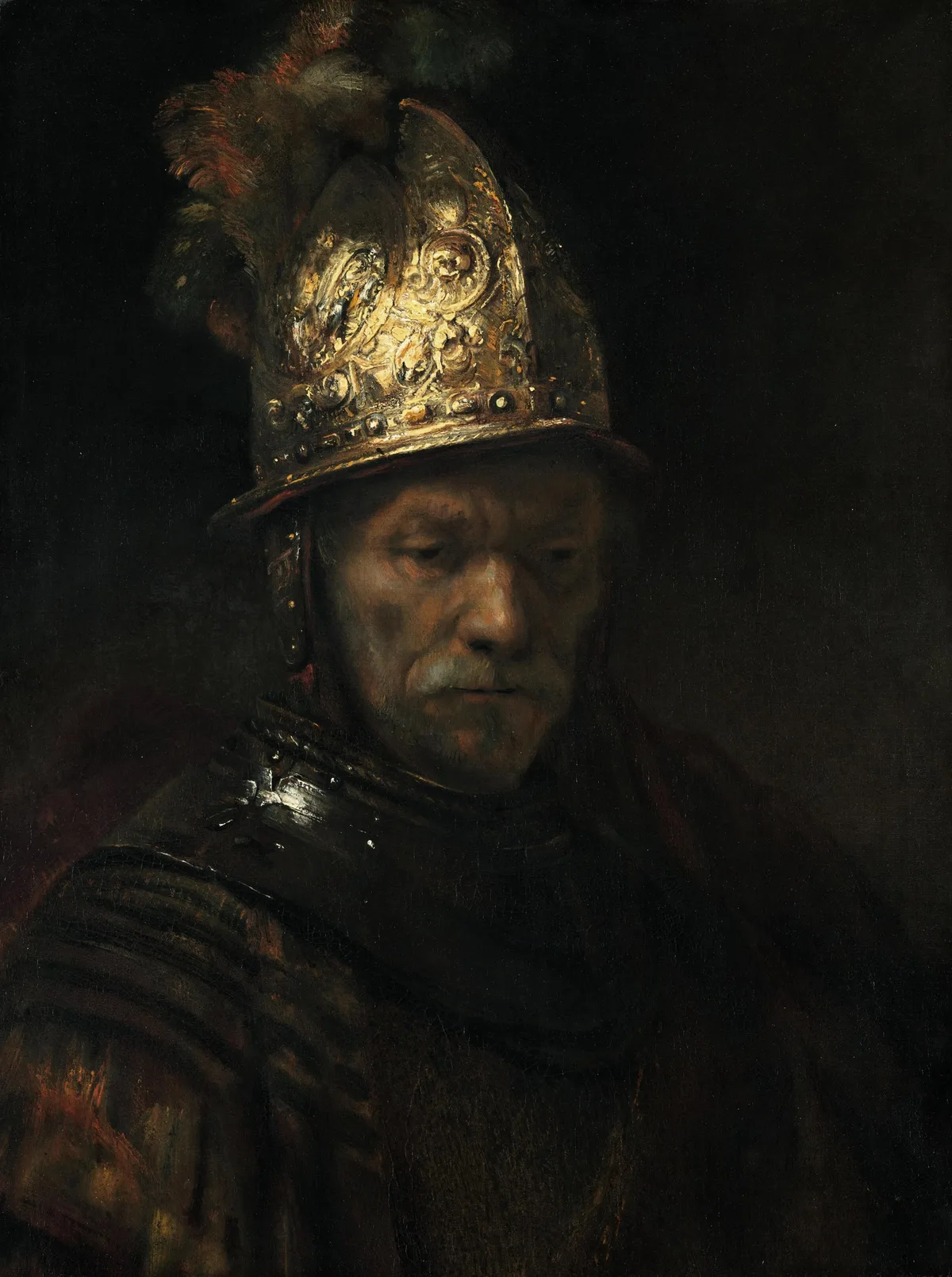 Articolo · 43 min di letturaLa Gemäldegalerie di Berlino: 20 dipinti che Berlino ha comprato, perso e diviso
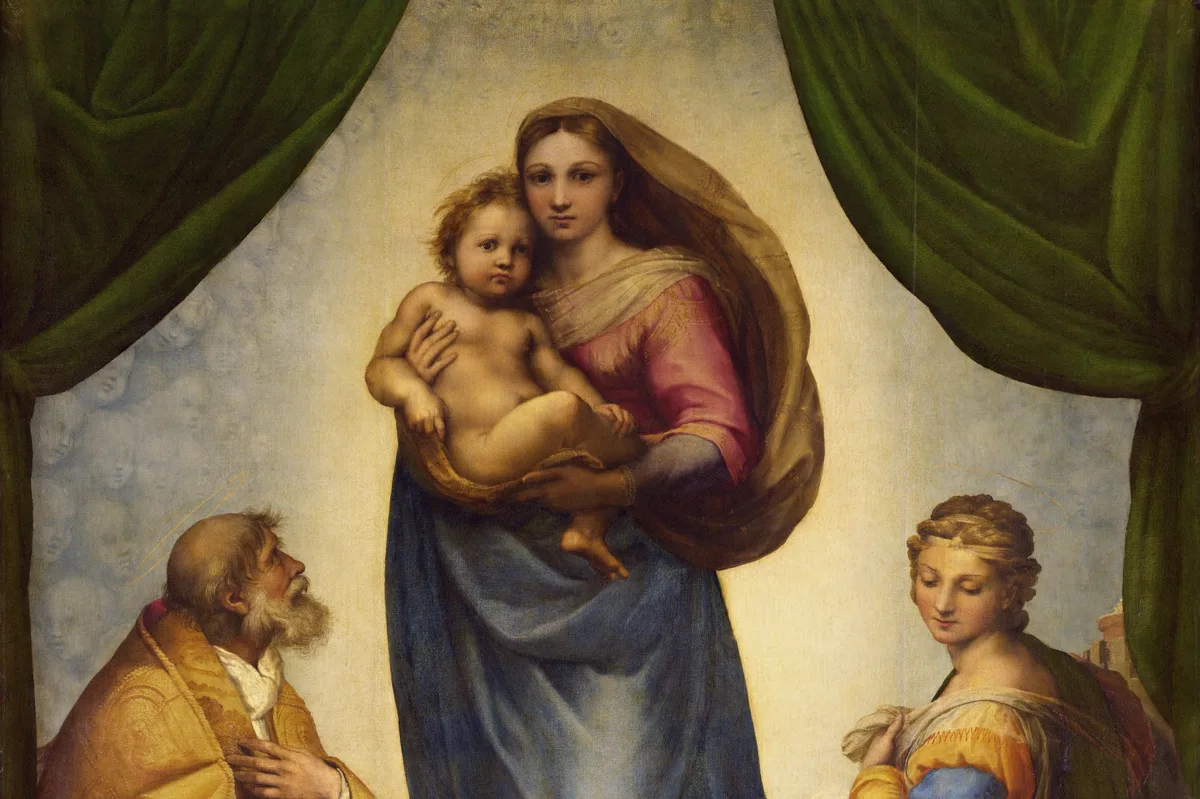 Articolo · 36 min di letturaLa Gemäldegalerie Alte Meister di Dresda: come 15 quadri furono comprati, ribattezzati e restituiti
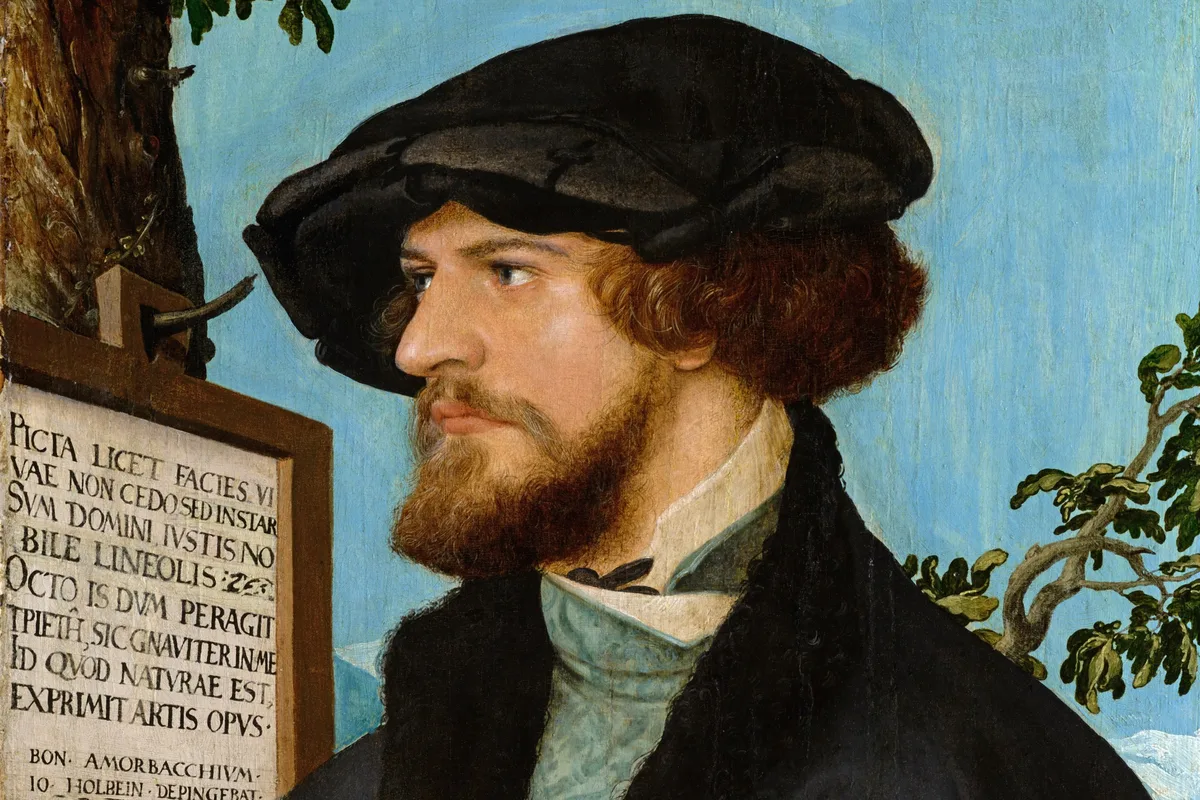 Articolo · 41 min di letturaIl Kunstmuseum di Basilea: dall'acquisto della collezione Amerbach al caso della «Musa», 1661–2023
 Articolo · 47 min di letturaIl Kunsthistorisches Museum di Vienna: 25 opere e come arrivarono agli Asburgo
Opere
69 opere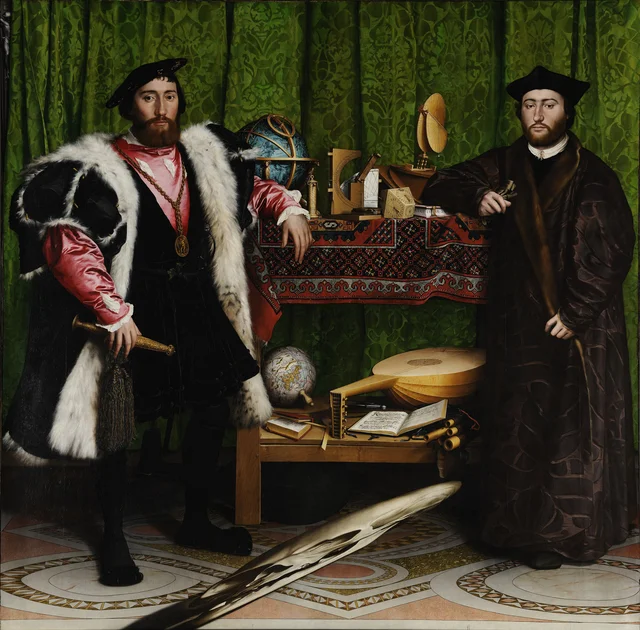 Gli ambasciatoriHans Holbein il Giovane, 1533
 Il corpo di Cristo morto nel sepolcroHans Holbein il Giovane, 1520
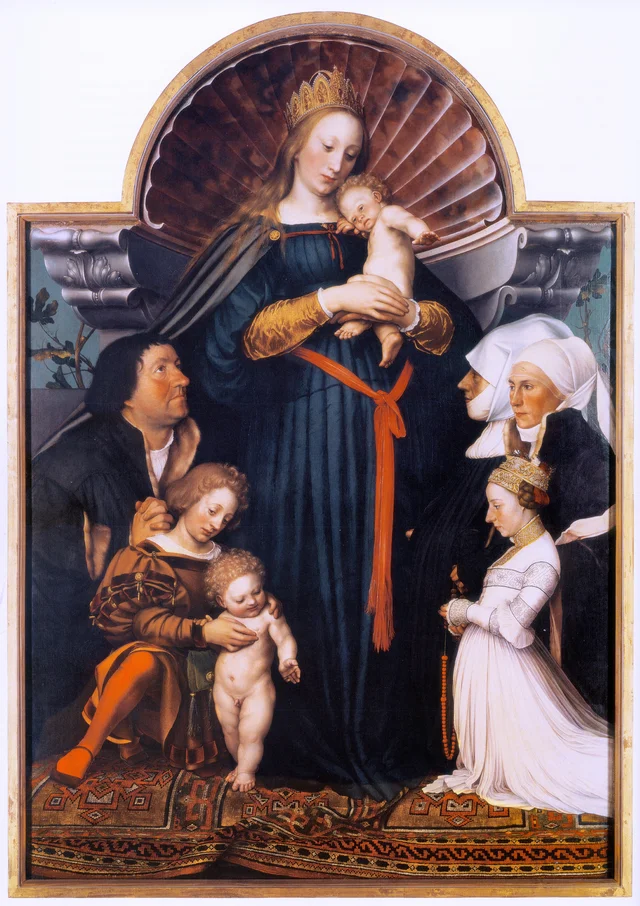 Madonna di DarmstadtHans Holbein il Giovane, 1526
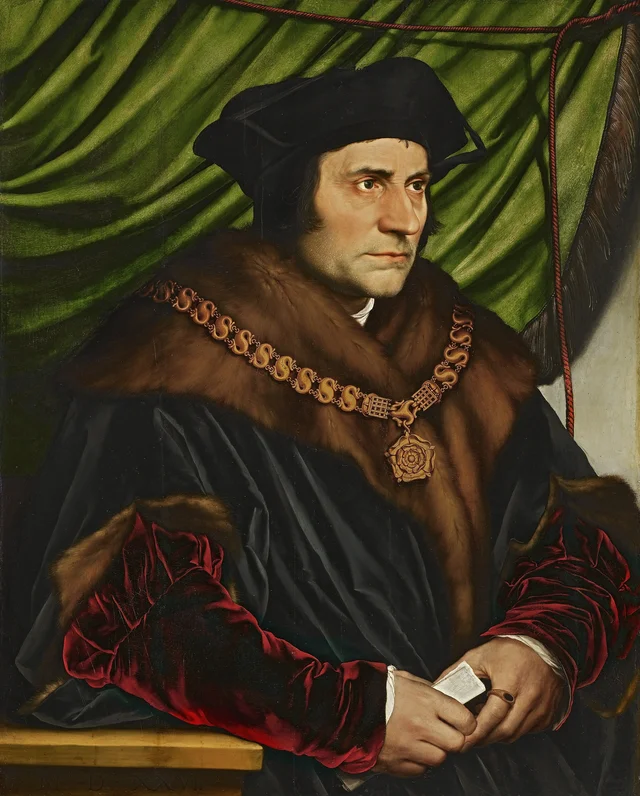 Ritratto di Tommaso MoroHans Holbein il Giovane, 1527
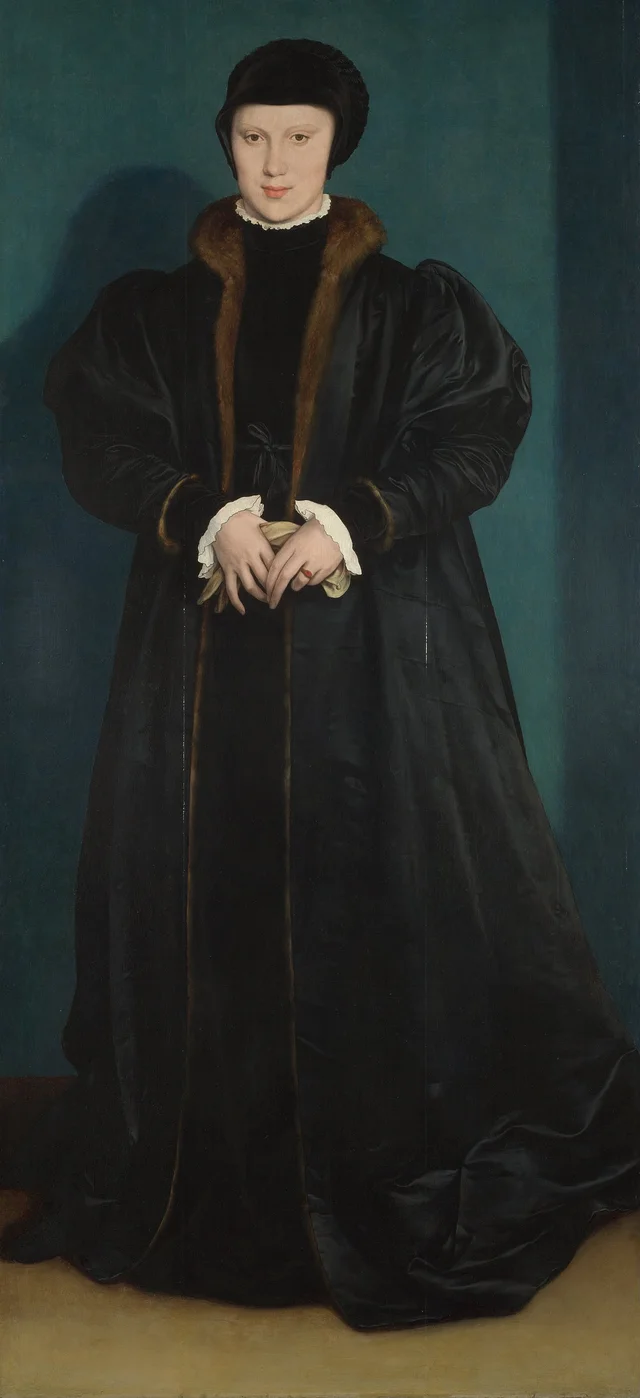 Cristina di Danimarca, duchessa di MilanoHans Holbein il Giovane, 1538
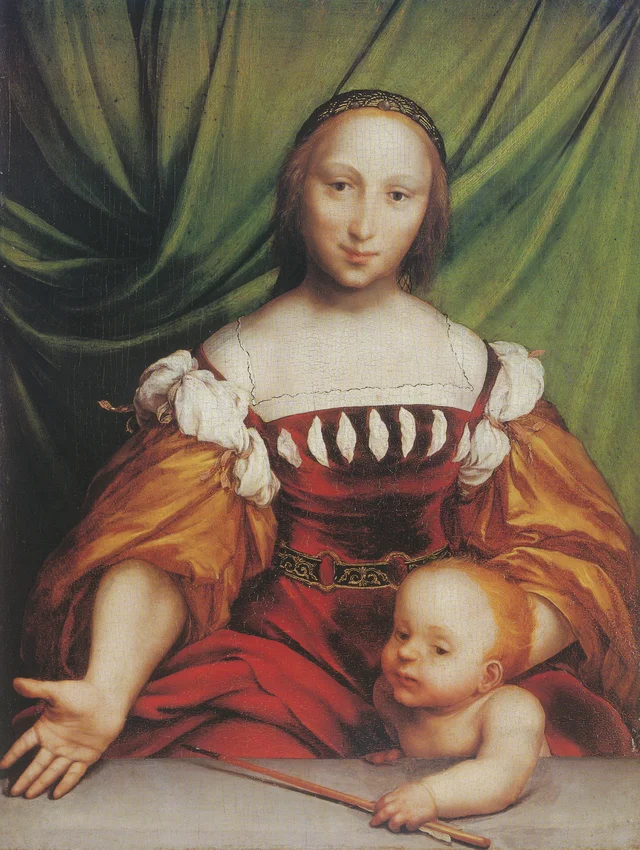 Venere e CupidoHans Holbein il Giovane, 1526
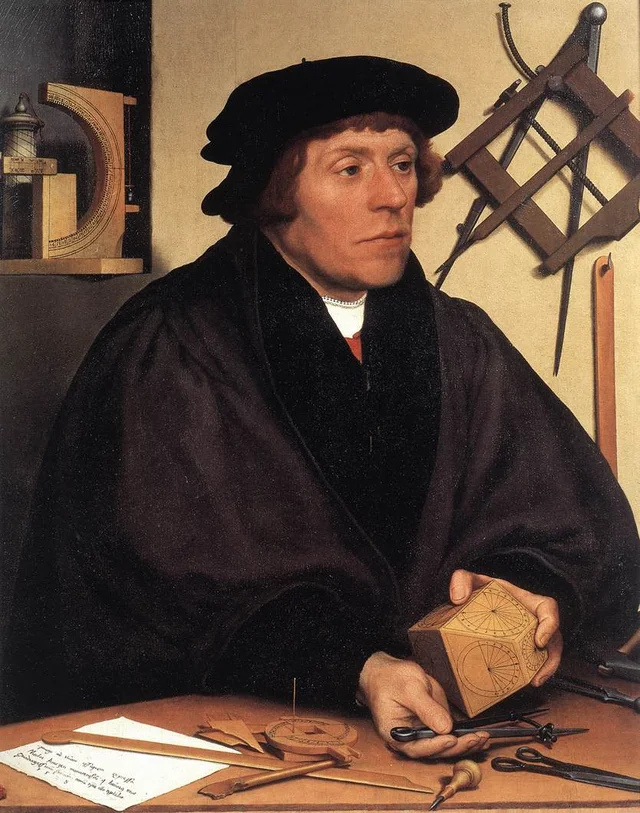 Ritratto di Nikolaus KratzerHans Holbein il Giovane, 1528
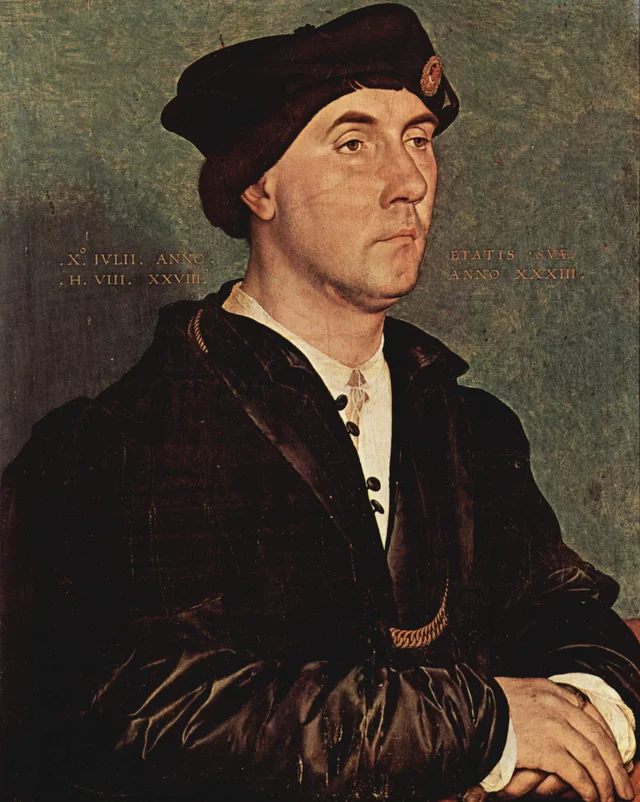 Ritratto di Sir Richard SouthwellHans Holbein il Giovane, 1536
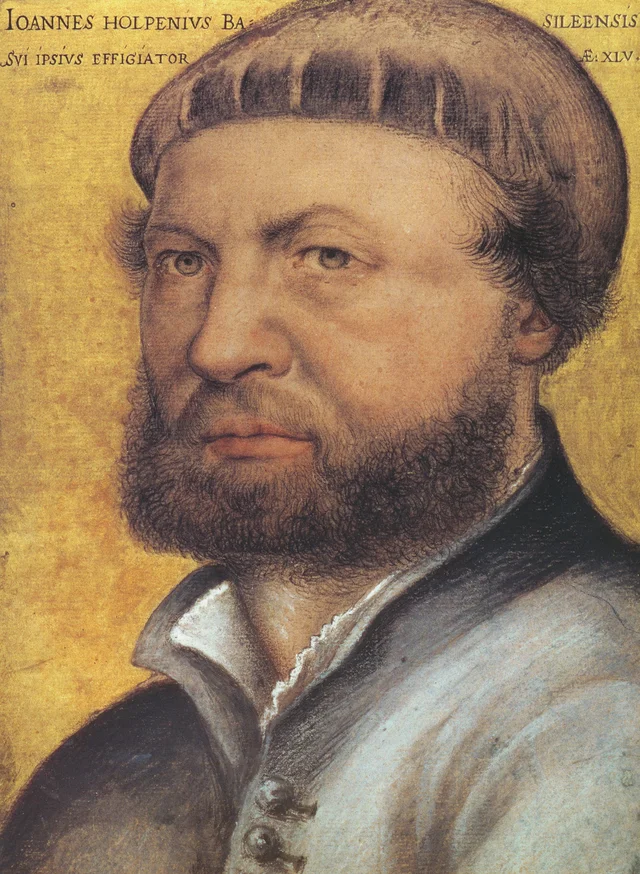 AutoritrattoHans Holbein il Giovane, 1542
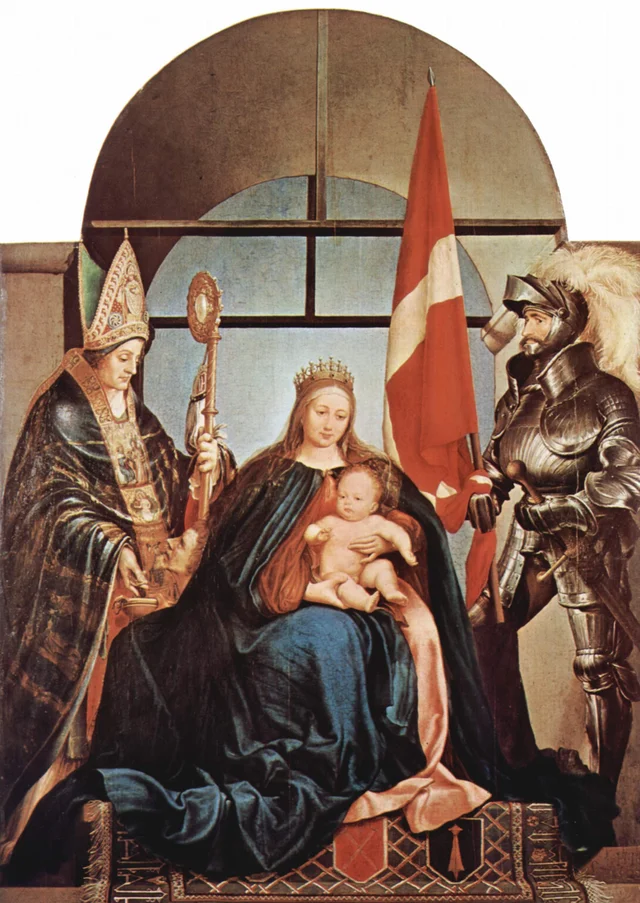 Madonna in trono col Bambino e due figureHans Holbein il Giovane, 1522
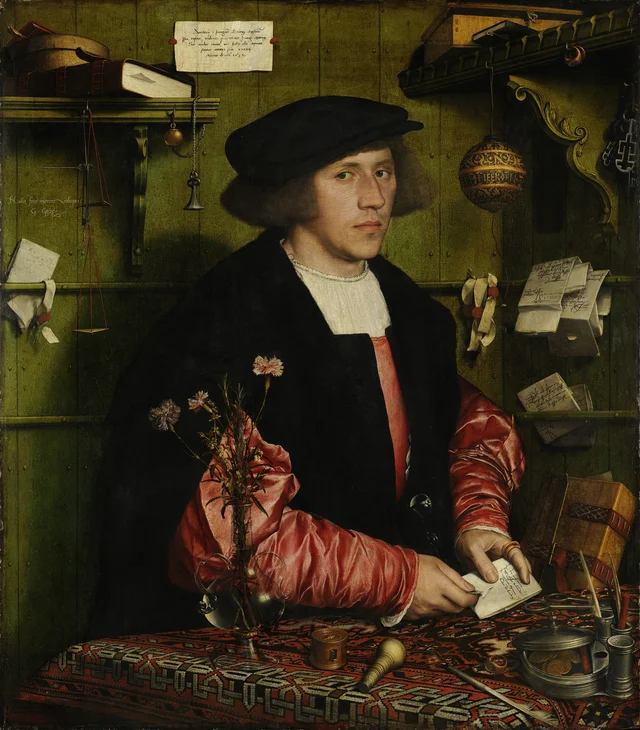 Il mercante Georg GiszeHans Holbein il Giovane, 1532
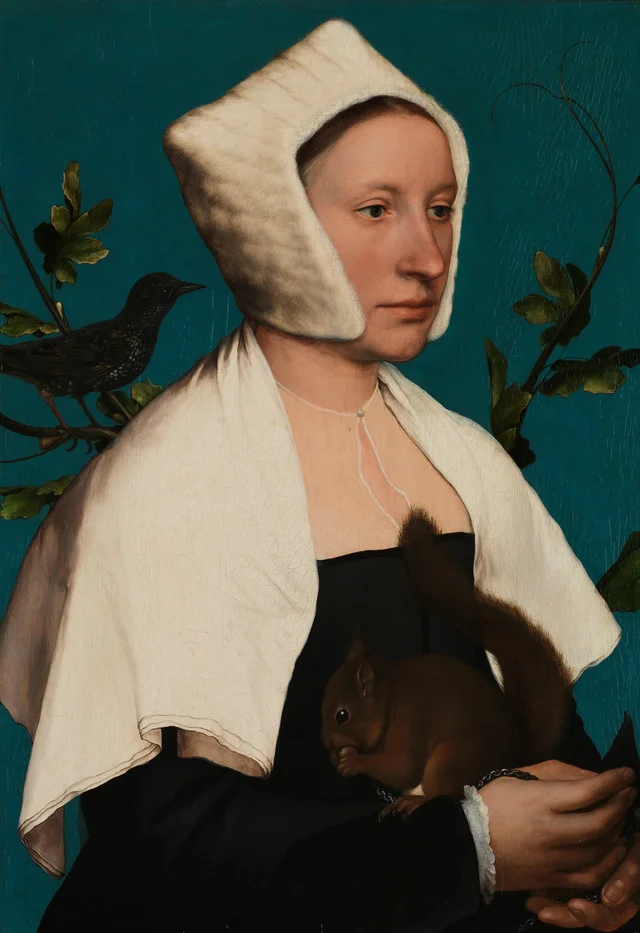 Dama con uno scoiattolo e uno storno (Anne Lovell?)Hans Holbein il Giovane, 1527
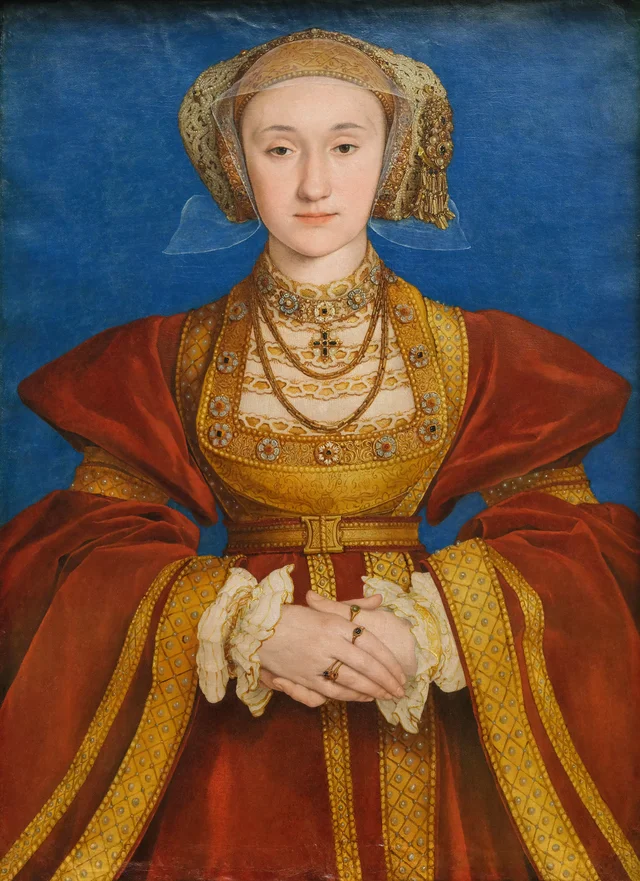 Ritratto nuziale di Anna di ClèvesHans Holbein il Giovane, 1539
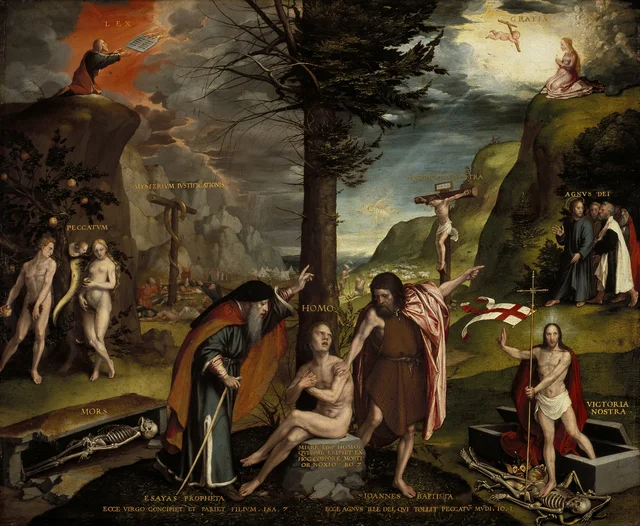 Allegoria del Vecchio e del Nuovo TestamentoHans Holbein il Giovane, 1530
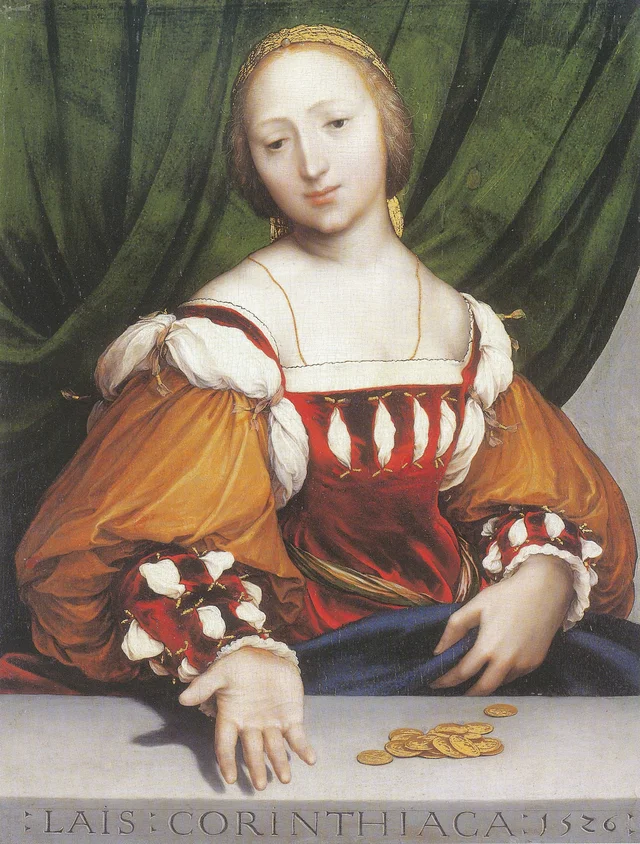 Laide di CorintoHans Holbein il Giovane, 1526
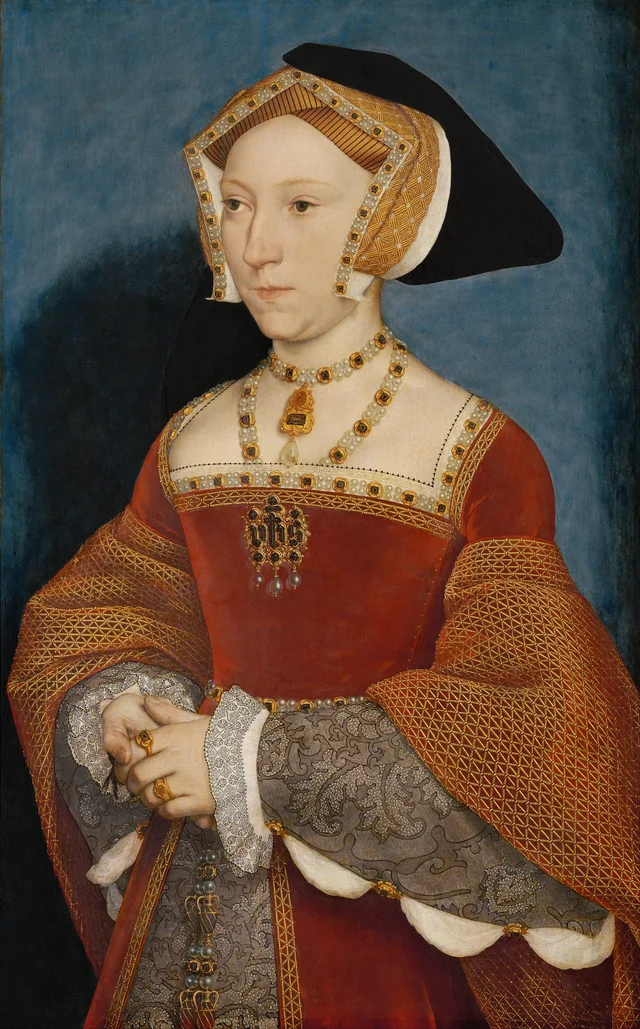 Jane SeymourHans Holbein il Giovane, 1536
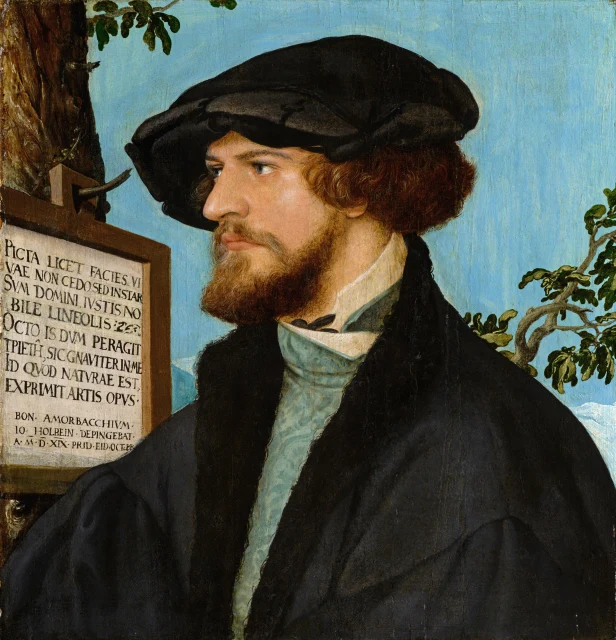 Ritratto di Bonifacius AmerbachHans Holbein il Giovane, 1519
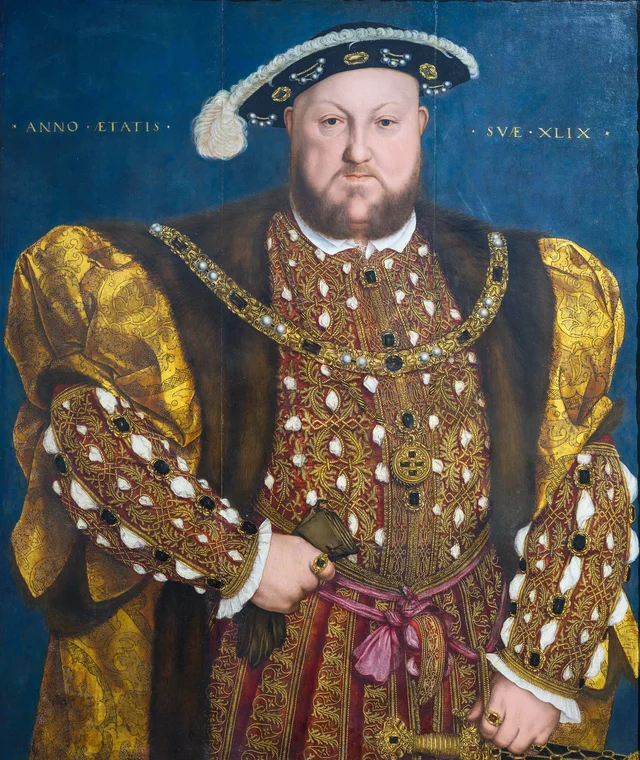 Ritratto di Enrico VIII d'InghilterraHans Holbein il Giovane, 1540
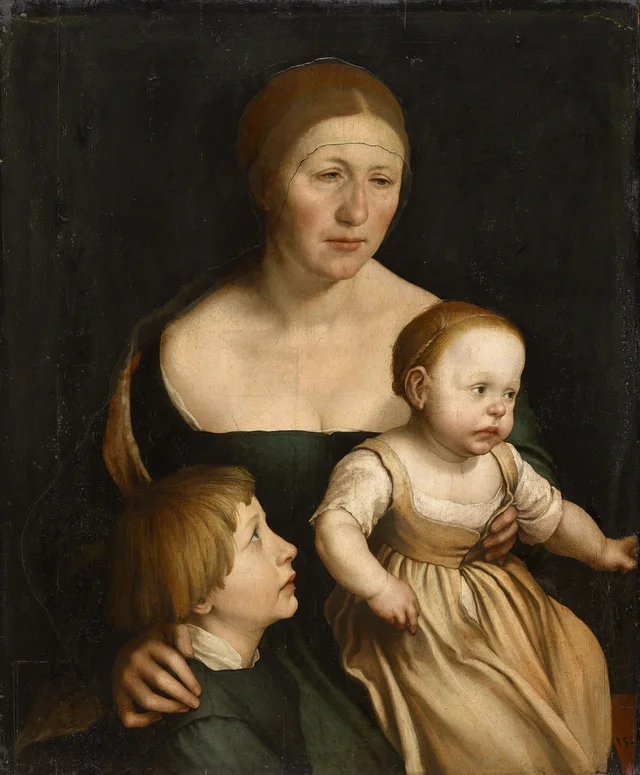 Ritratto della famiglia dell'artistaHans Holbein il Giovane, 1528
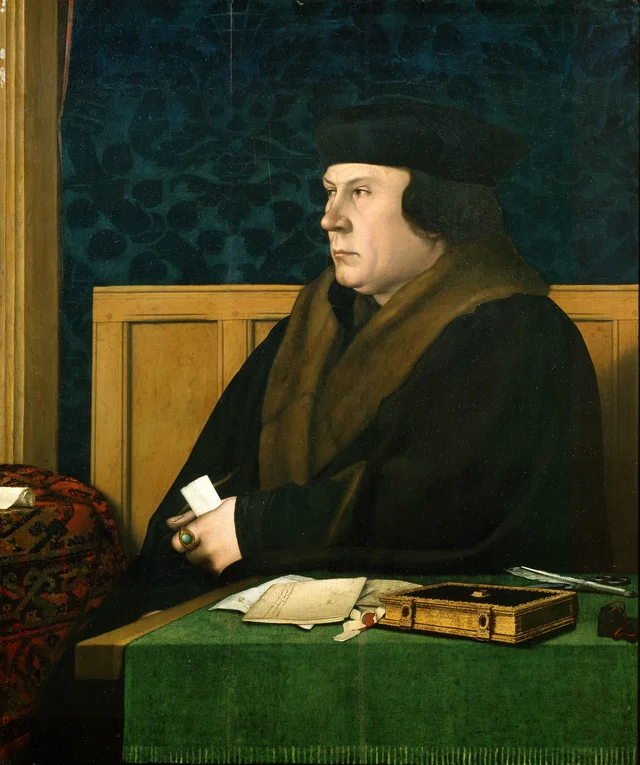 Thomas CromwellHans Holbein il Giovane, 1532
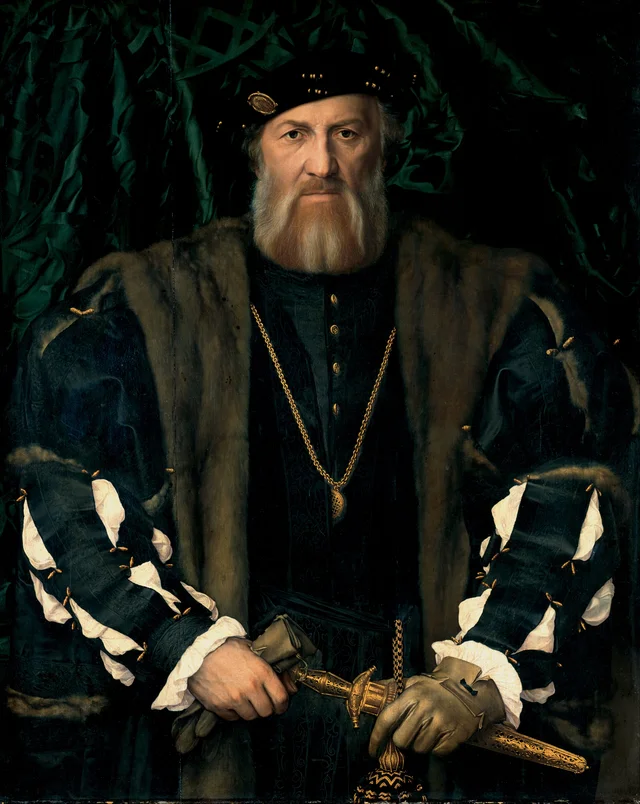 Charles de Solier, signore di MoretteHans Holbein il Giovane, 1534
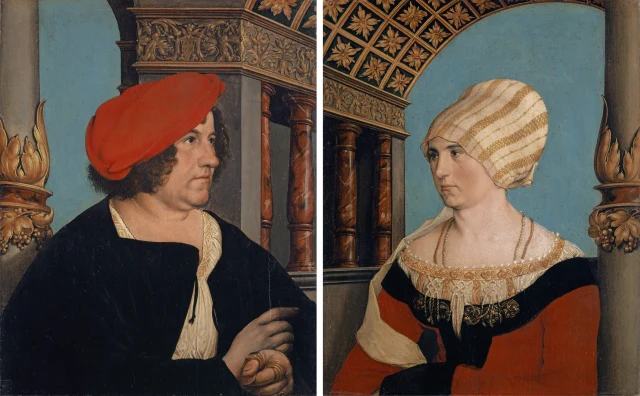 Doppio ritratto di Jakob Meyer zum Hasen e Dorothea KannengießerHans Holbein il Giovane, 1516
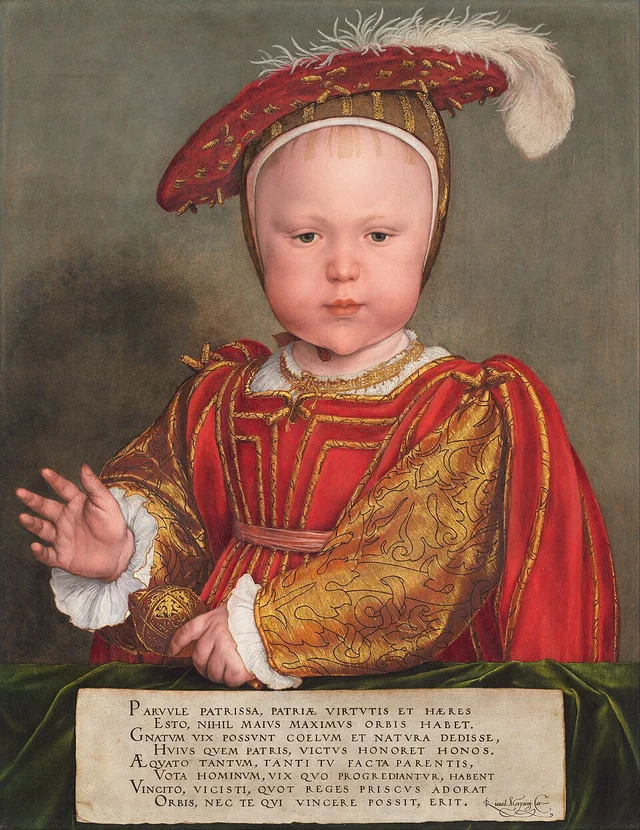 Edoardo VI da bambinoHans Holbein il Giovane, 1538
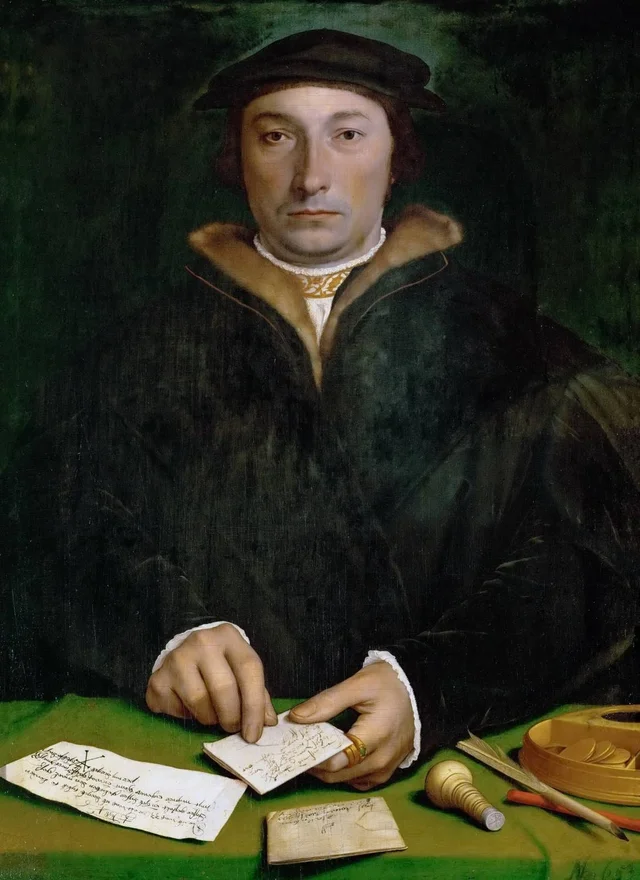 Il mercante di Duisburg Dirck TybisHans Holbein il Giovane, 1533
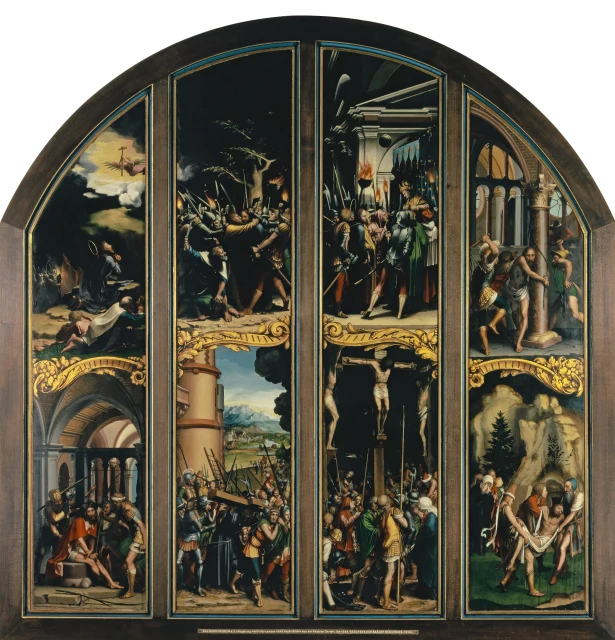 Altare della PassioneHans Holbein il Giovane, 1523