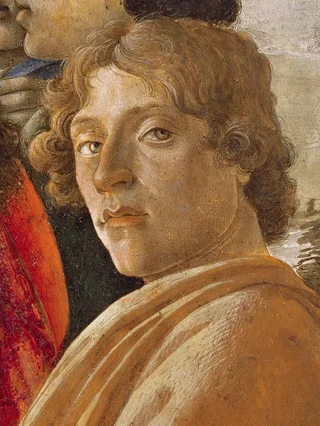
Sandro Botticelli
1445–1510 · Repubblica di Firenze · Primo Rinascimento
La storia
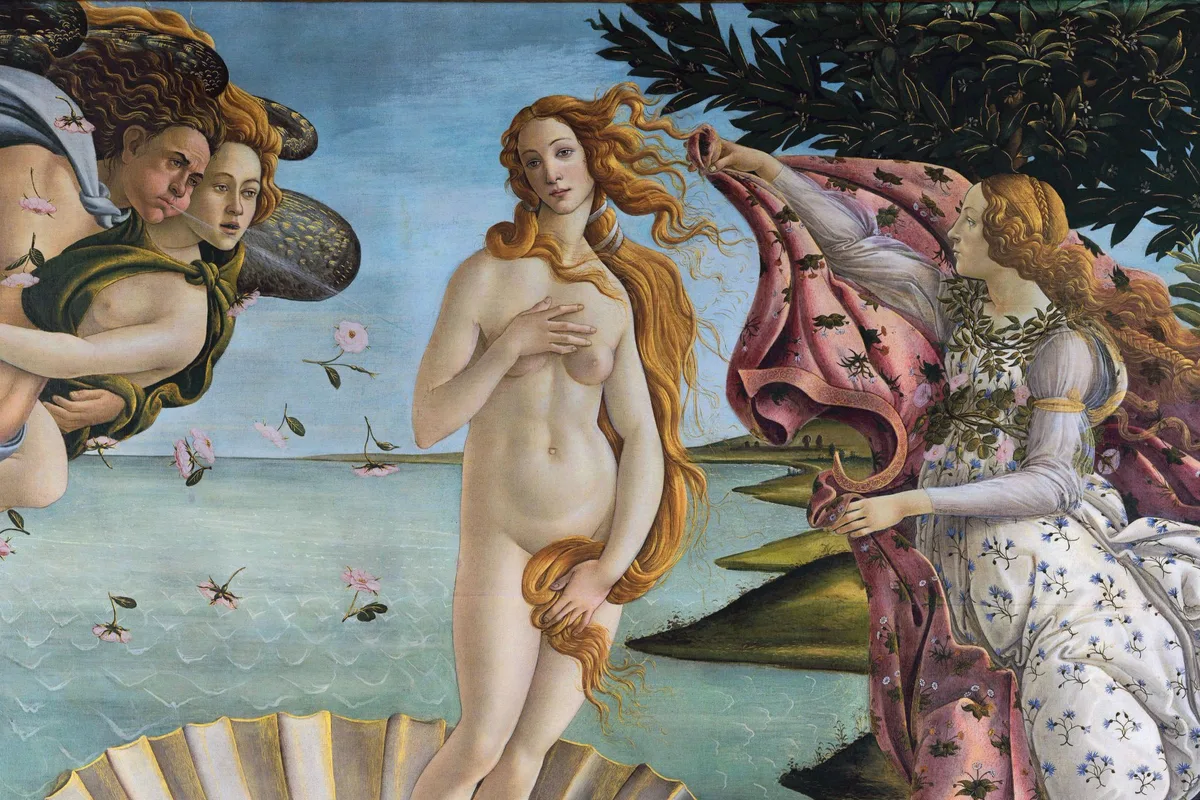
Per qualche decennio, alla fine del Quattrocento, Firenze fu governata in tutto tranne che nel nome dai Medici, una famiglia di banchieri a cui piaceva vestire il potere di poesia e filosofia. Sandro Botticelli fu il loro pittore per questo scopo. Nacque a Firenze intorno al 1445, si formò nelle botteghe cittadine, e a quarant'anni passati produceva le immagini a cui ancora oggi ricorriamo per raffigurare il Rinascimento nel suo momento più sicuro di sé: Venere che approda su una conchiglia, la Primavera che attraversa un aranceto, entrambe dipinte per cugini medicei ed esposte nelle loro ville.
Quei quadri erano insoliti anche allora. Grandi scene mitologiche di divinità pagane quasi nude, realizzate per una casa privata anziché per una chiesa, si appoggiavano al sapere greco che la cerchia medicea stava allora rilanciando. Il filosofo Marsilio Ficino, sotto il patrocinio dei Medici, sosteneva che bellezza pagana e fede cristiana potessero conciliarsi, e la Venere di Botticelli è quanto di più vicino la pittura sia arrivata a quell'idea.
Poi tutto crollò. Lorenzo de' Medici morì nel 1492, la famiglia fu scacciata due anni dopo, e un frate domenicano di nome Savonarola prese in pugno la città con sermoni sul peccato e sulla fine dei tempi. Nel 1497 i suoi seguaci allestirono in piazza il Falò delle vanità e bruciarono specchi, vesti eleganti, libri e dipinti giudicati immorali. Le mitologie di Botticelli sopravvissero, molto probabilmente perché al sicuro nelle stanze private dei Medici. Il pittore stesso pare esserne stato scosso, e la sua opera successiva si fa religiosa e severa, perduta la leggerezza precedente. Morì nel 1510, fuori moda, e rimase per lo più dimenticato finché l'Ottocento non riportò la Venere alla luce.
Altri articoli
 Articolo · 38 min di letturaNational Gallery of Art di Washington: venti quadri arrivati da mani private
 Articolo · 43 min di letturaLa Gemäldegalerie di Berlino: 20 dipinti che Berlino ha comprato, perso e diviso
 Articolo · 42 min di letturaGallerie degli Uffizi: il museo che è sopravvissuto ai Medici
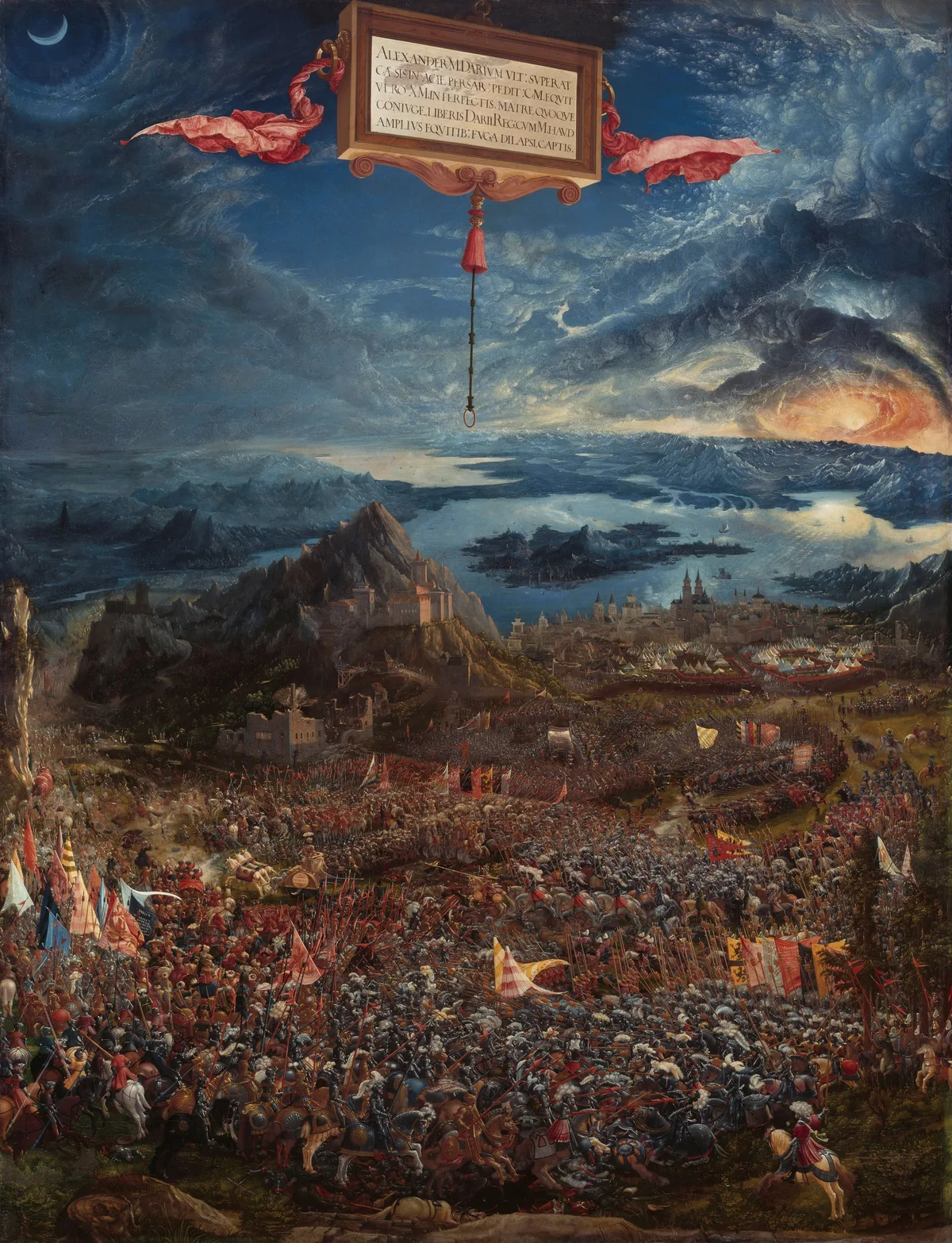 Articolo · 42 min di letturaAlte Pinakothek: 20 dipinti e come sono arrivati a Monaco
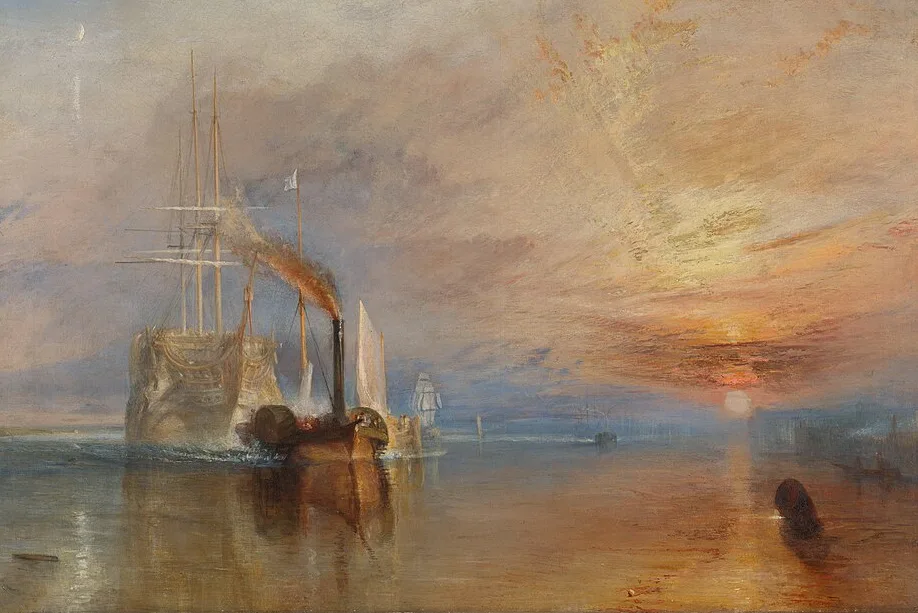 Articolo · 39 min di letturaCome si è formata la National Gallery: da Angerstein ad Artemisia
Opere
119 opere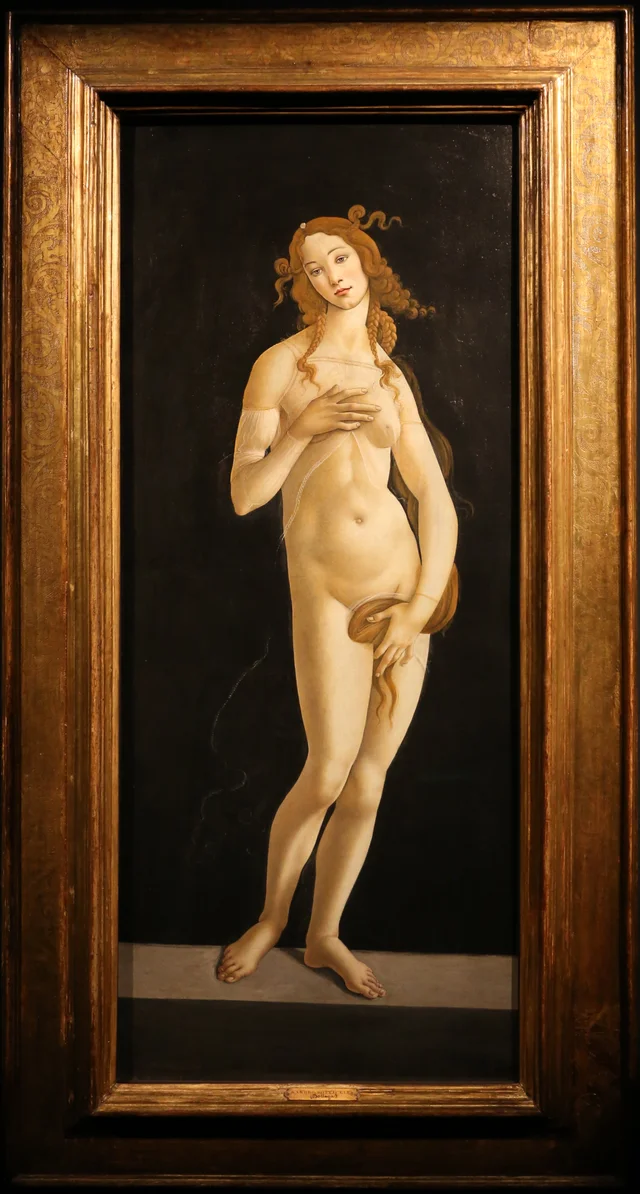 VenereSandro Botticelli, 1487
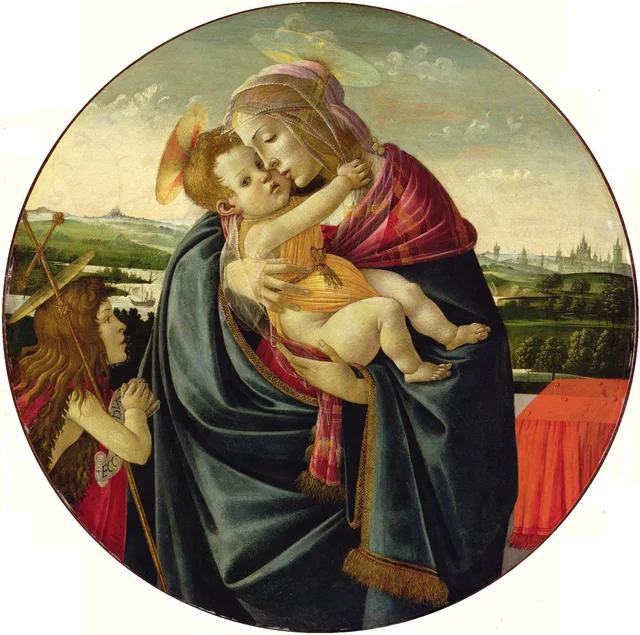 Madonna con Bambino e san Giovanni BattistaSandro Botticelli, 1490
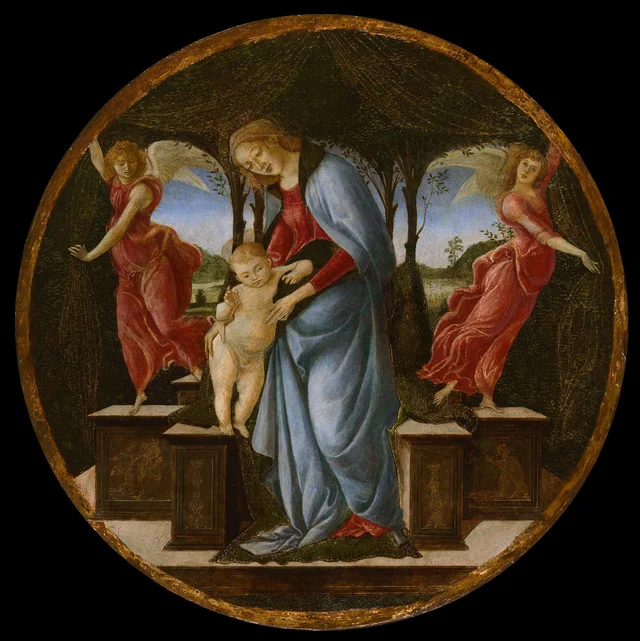 Madonna col Bambino e due angeliSandro Botticelli, 1490
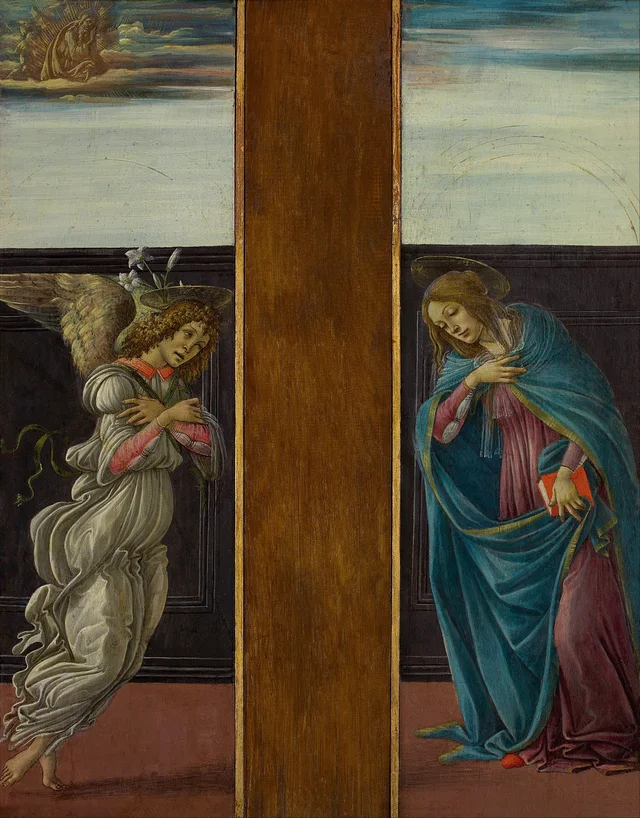 AnnunciazioneSandro Botticelli, 1495
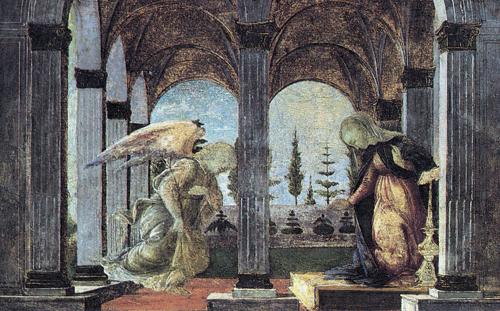 AnnunciazioneSandro Botticelli, 1490
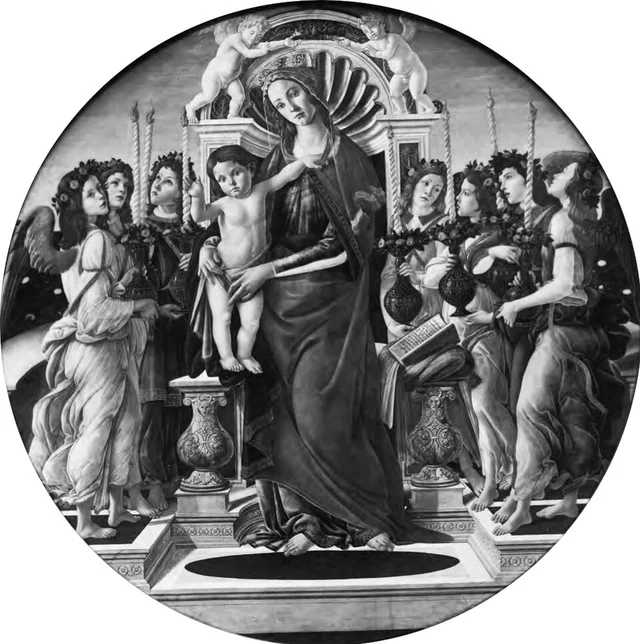 Madonna con Bambino e angeli reggicandelabroSandro Botticelli, 1487
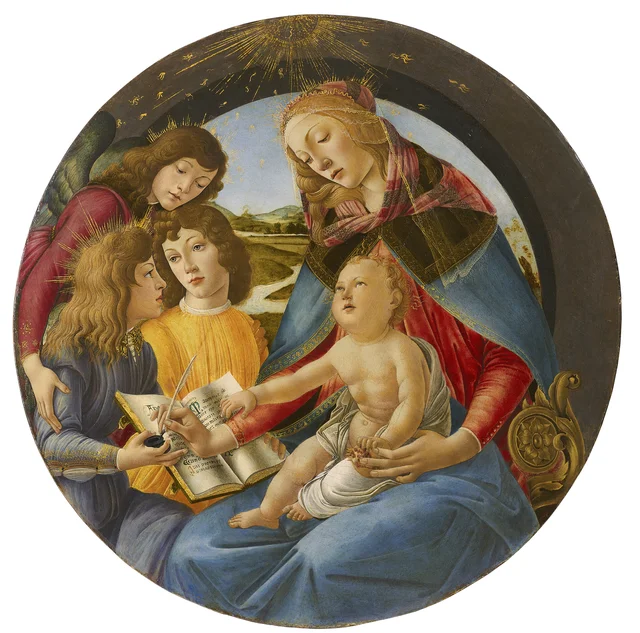 Madonna del MagnificatSandro Botticelli, 1480
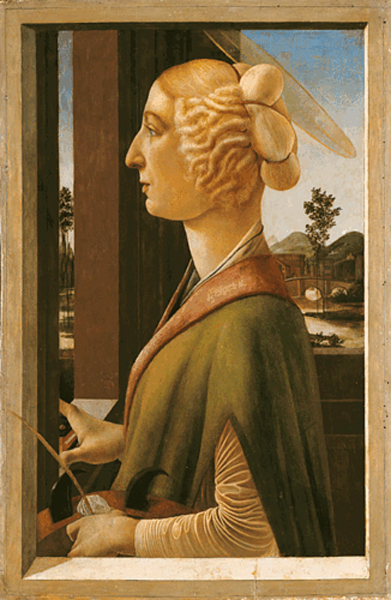 Ritratto di dama (con gli attributi di santa Caterina d'Alessandria)Sandro Botticelli, 1475
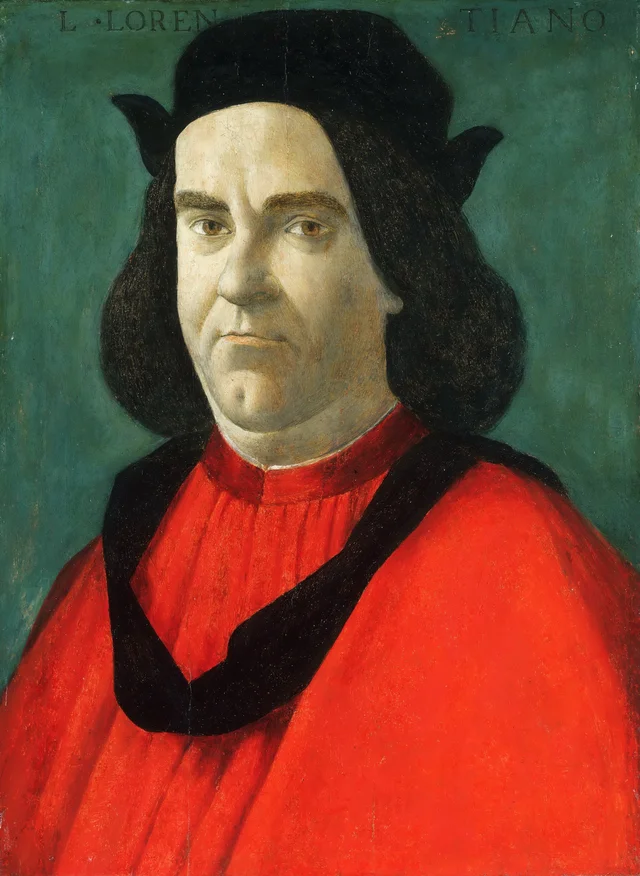 Ritratto di Lorenzo de' LorenziSandro Botticelli, 1492
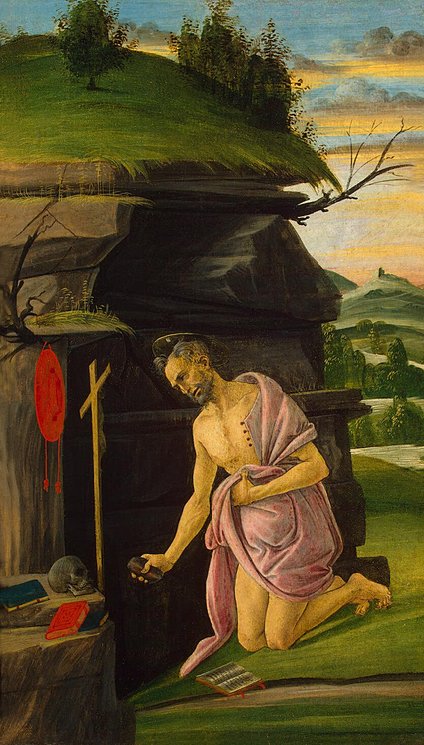 San GirolamoSandro Botticelli, 1501
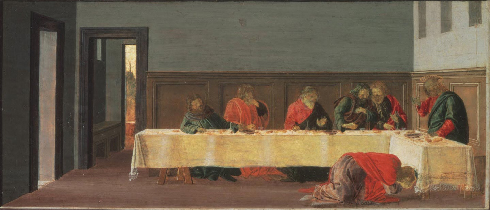 Il convito in casa di SimoneSandro Botticelli, 1491
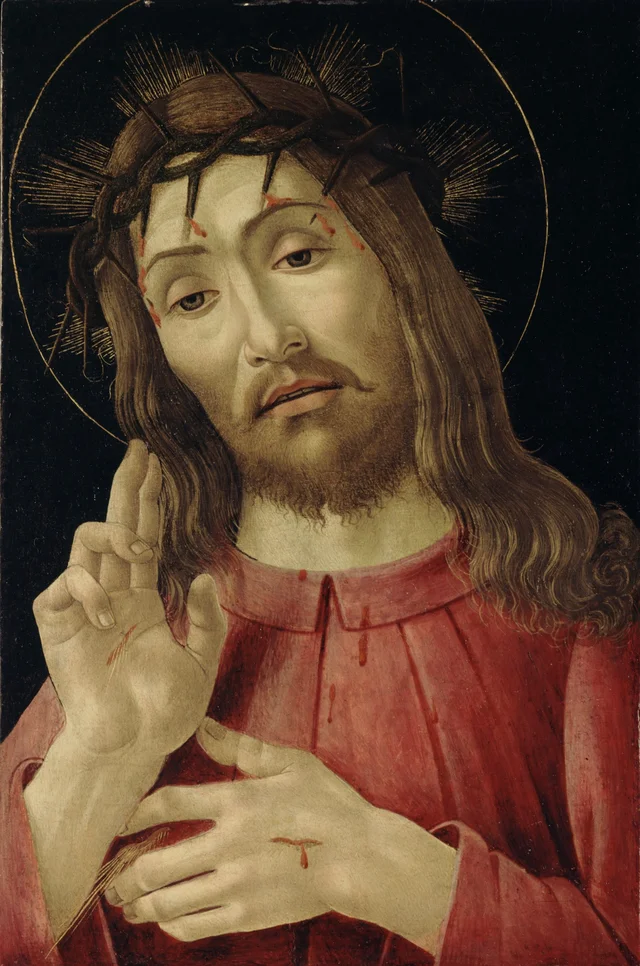 Cristo risortoSandro Botticelli, 1480
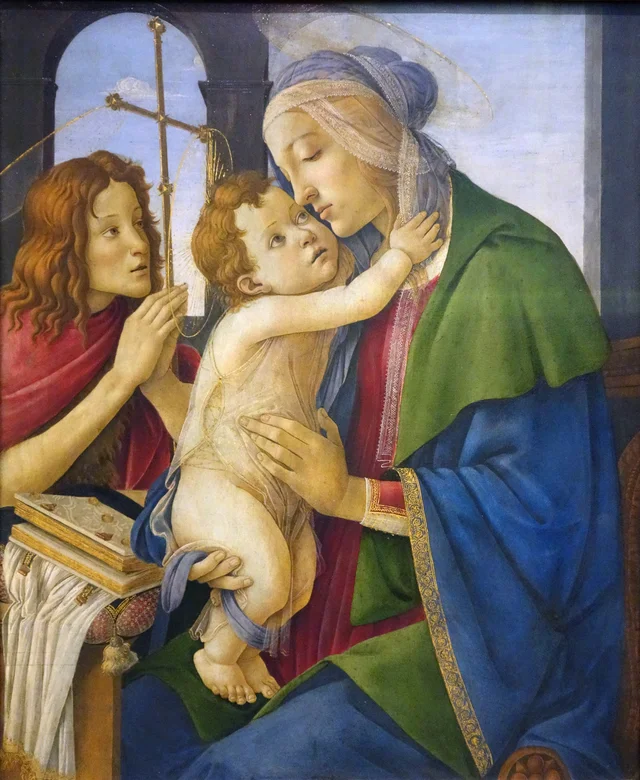 La Vergine col Bambino e il giovane san Giovanni BattistaSandro Botticelli, 1497
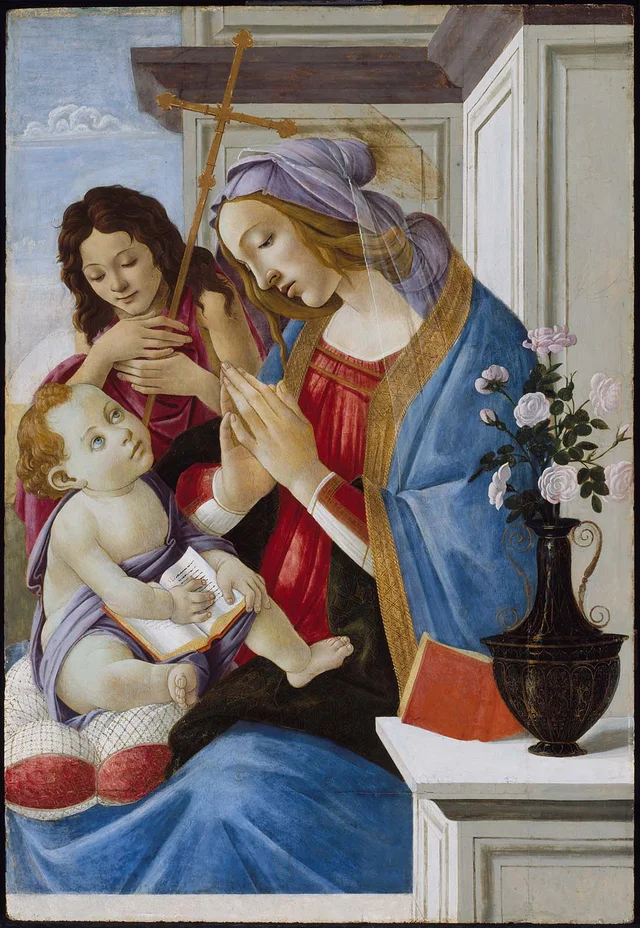 Madonna col Bambino e san Giovanni BattistaSandro Botticelli, 1500
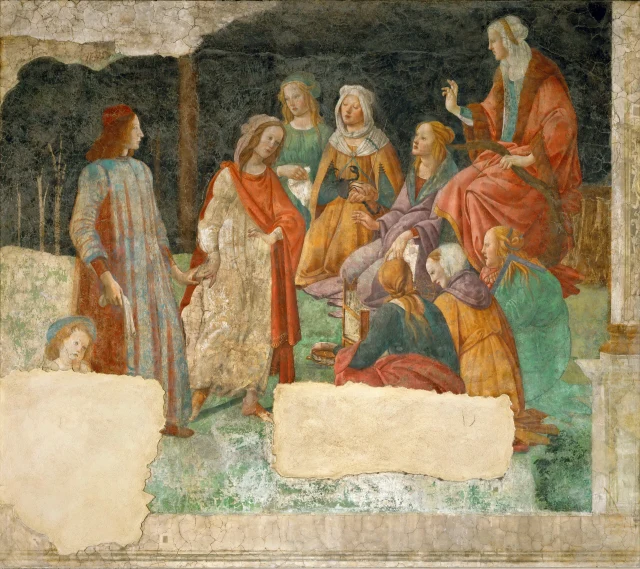 Giovane introdotto tra le Arti LiberaliSandro Botticelli, 1484
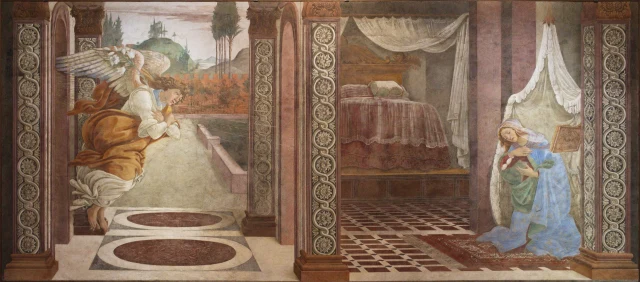 AnnunciazioneSandro Botticelli, 1481
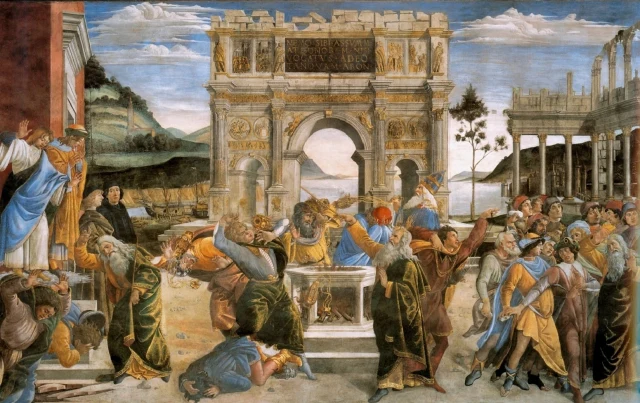 Punizione dei ribelliSandro Botticelli, 1481
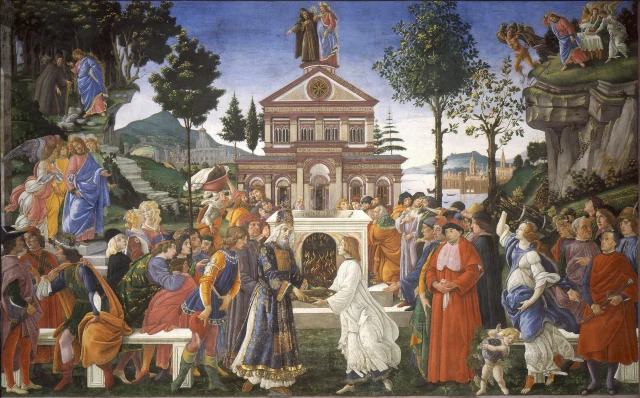 Tentazioni di CristoSandro Botticelli, 1481
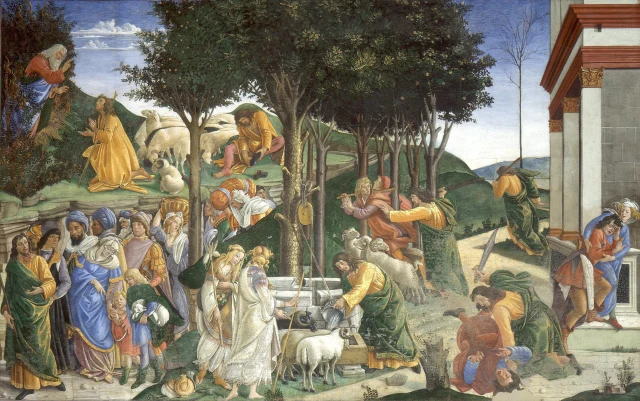 Prove di MosèSandro Botticelli, 1481