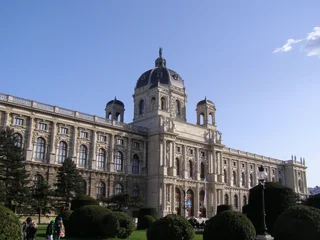
La storia
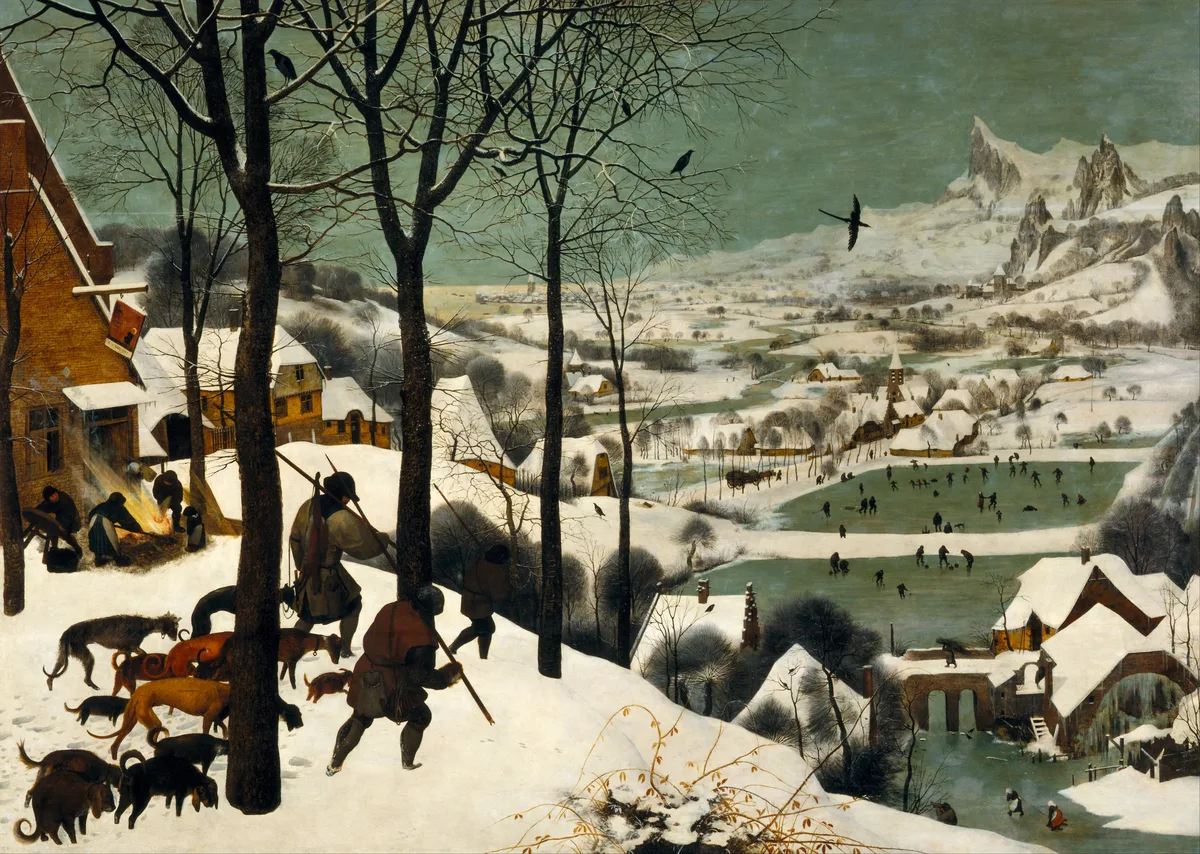
Una sala al primo piano raccoglie più dipinti di Pieter Bruegel il Vecchio di qualsiasi altro luogo al mondo, circa una dozzina, tra cui i Cacciatori nella neve, la fila di cacciatori stanchi e dei loro cani che arrancano su una collina sopra una valle gelata, dipinto nel 1565. Che sia proprio Vienna a possederli si deve agli Asburgo, la dinastia che governò gran parte d'Europa per secoli e spese buona parte di quel potere comprando arte.
Il museo fu costruito per esibire esattamente questo. L'imperatore Francesco Giuseppe lo inaugurò nel 1891 sulla Ringstraße, il grande viale tracciato dove sorgevano le vecchie mura di Vienna, in un edificio da palazzo di Gottfried Semper e Karl von Hasenauer, con lo scalone decorato dal giovane Gustav Klimt prima che diventasse il Klimt dell'oro e dello scandalo. Lo scopo era riunire sotto un solo tetto le collezioni imperiali sparse e aprirle al pubblico.
Così le pareti si leggono come un inventario della portata asburgica. L'arte della pittura di Vermeer, l'artista visto di spalle al cavalletto, che la famiglia conservava come uno dei suoi tesori. Sale di Tiziano, Rubens e Velázquez, i cui ritratti di corte spagnoli di piccole principesse solenni giunsero a Vienna attraverso i matrimoni che legarono i due rami della famiglia. E sotto le pinacoteche c'è la Kunstkammer, un labirinto di avori intagliati, automi a orologeria e coppe di pietre dure messo insieme da imperatori che volevano lo strano e l'ingegnoso quanto il bello. L'oggetto più celebre è una saliera d'oro fatta da Benvenuto Cellini per il re di Francia.
Altri articoli
Collezione
381 opere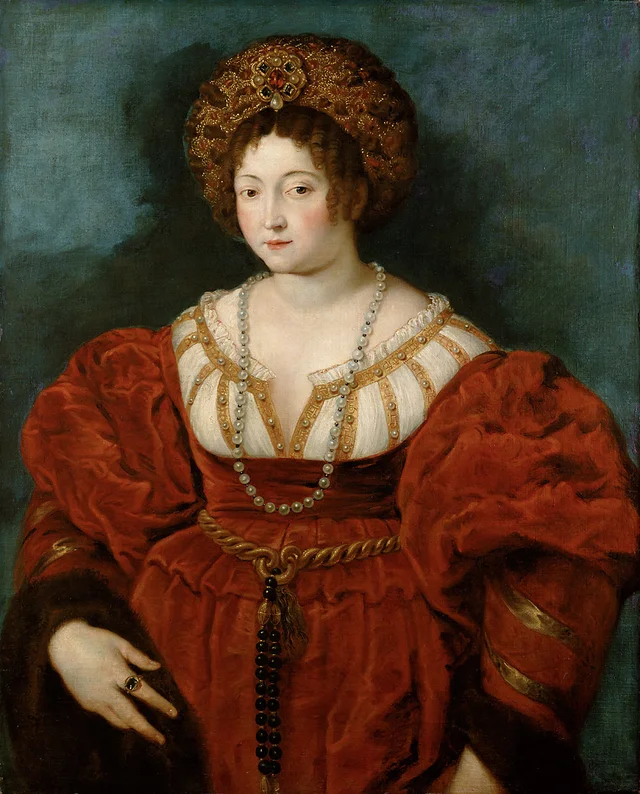 Isabella d'EstePieter Paul Rubens, 1605
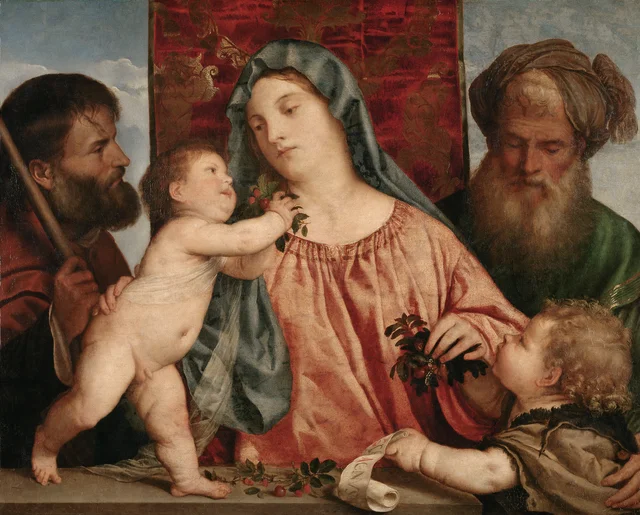 Madonna delle ciliegieTiziano, 1517
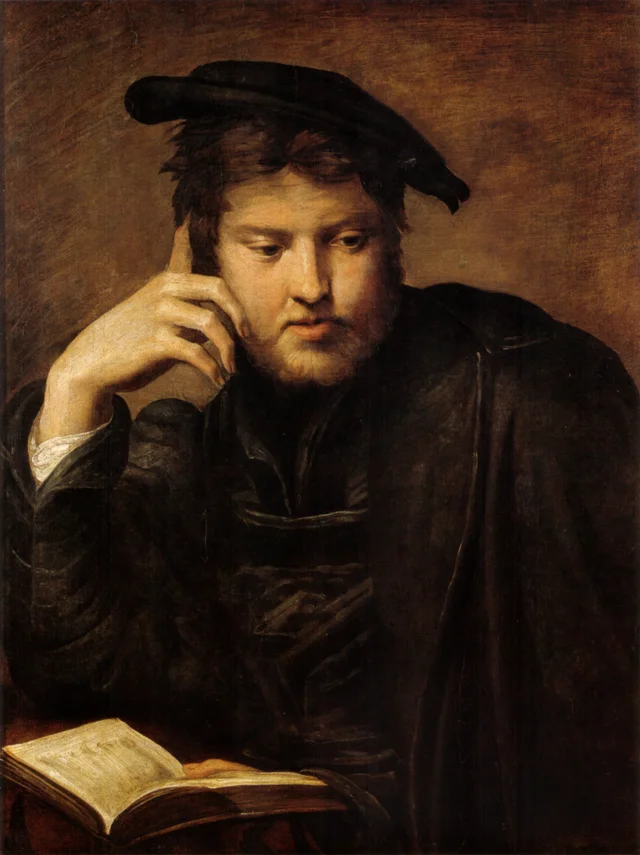 Uomo con un libroParmigianino, 1529
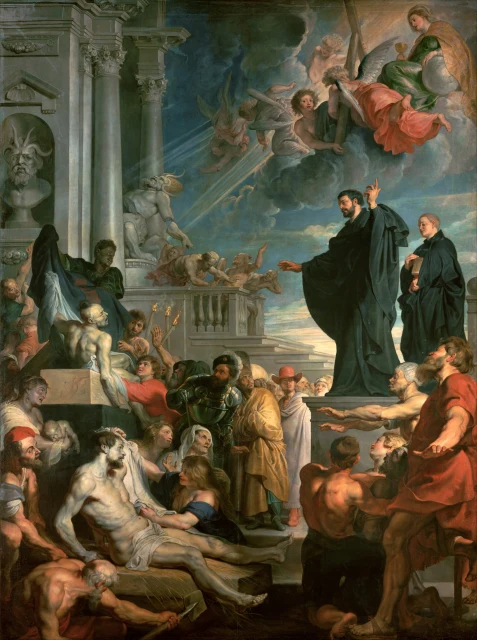 Miracoli di san Francesco SaverioPieter Paul Rubens, 1617
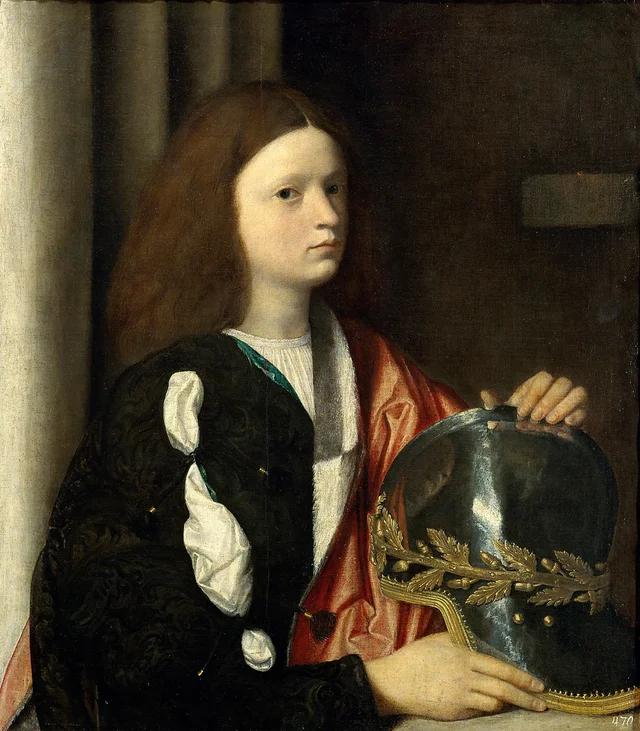 Ritratto di Francesco Maria della RovereGiorgione, 1502
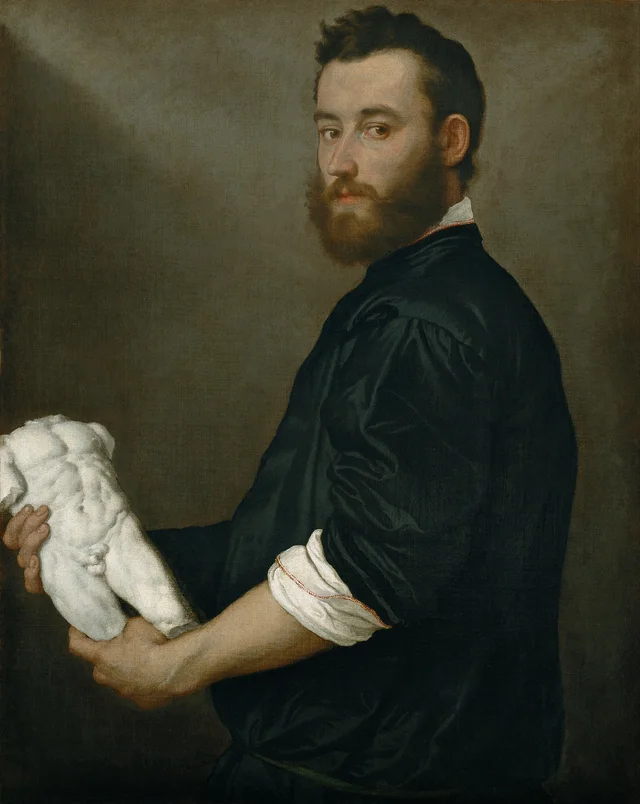 Ritratto dello scultore Alessandro VittoriaGiovanni Battista Moroni, 1552
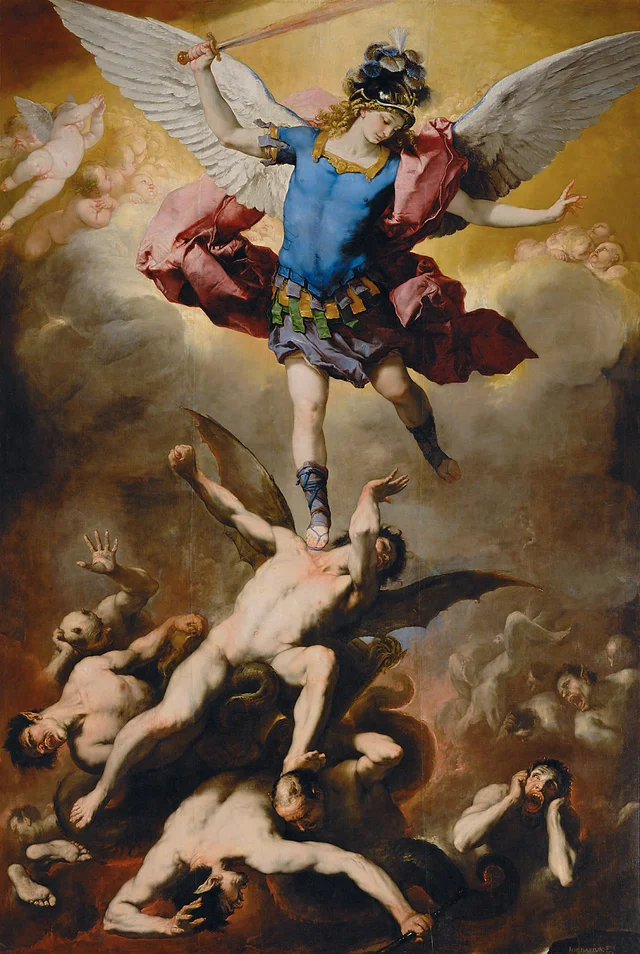 La caduta degli angeli ribelliLuca Giordano, 1666
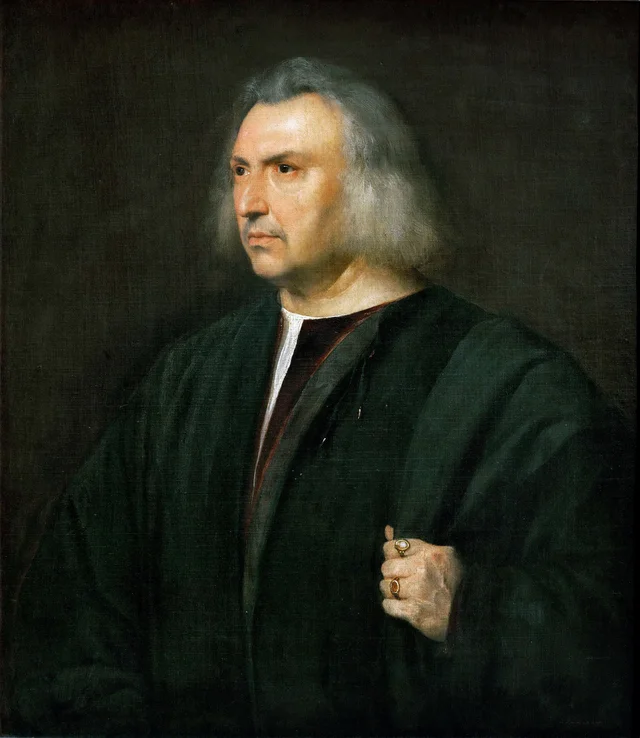 Il medico Gian Giacomo Bartolotti da ParmaTiziano, 1516
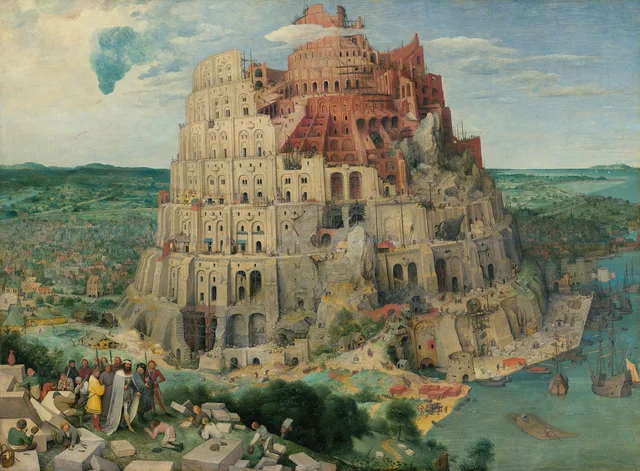 La Torre di BabelePieter Brueghel il Vecchio, 1563
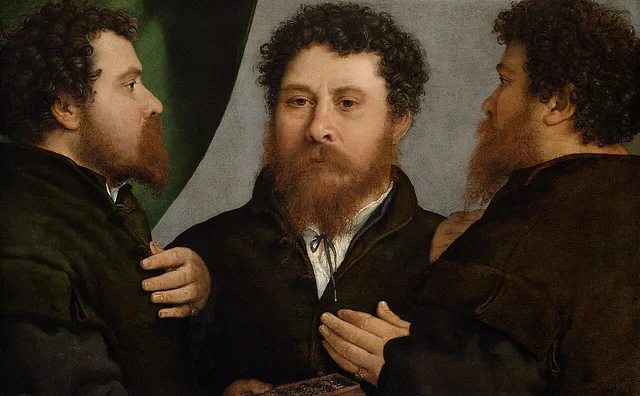 Triplo ritratto di un orafo (Bartolomeo Carpan?)Lorenzo Lotto, 1530
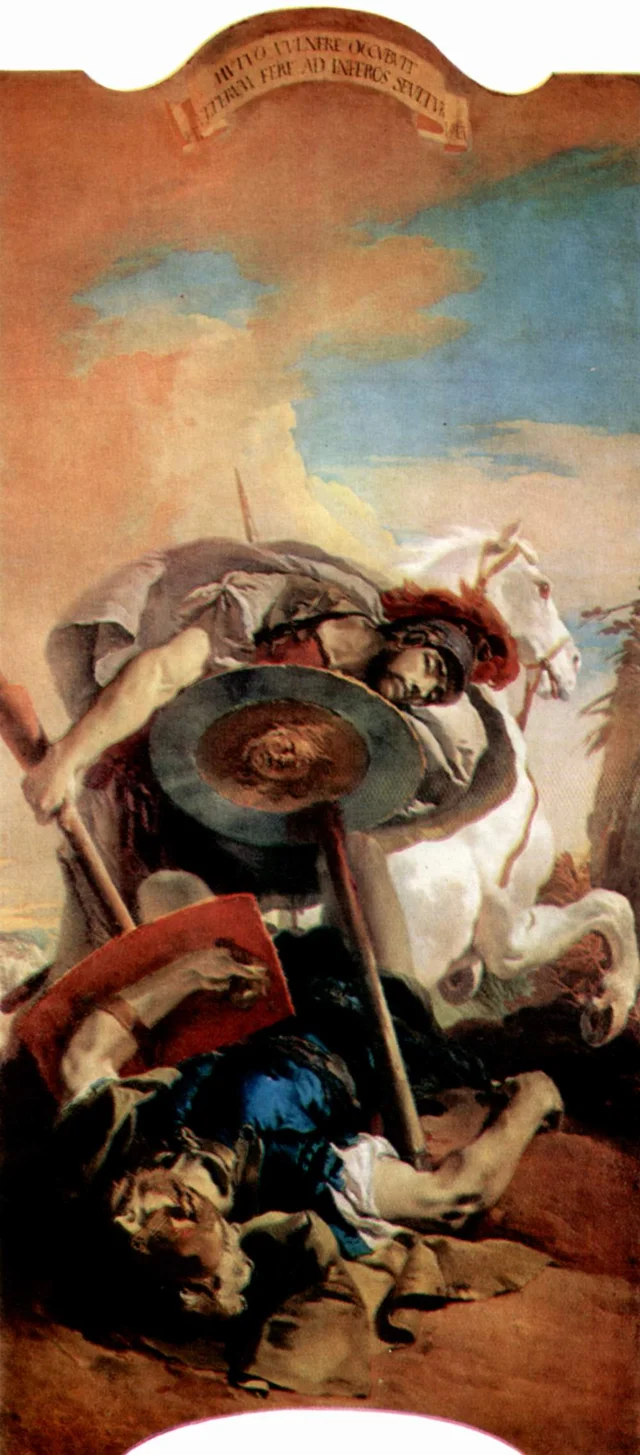 Morte del console Lucio Giunio Bruto nel duello con ArunteGiovanni Battista Tiepolo, 1727
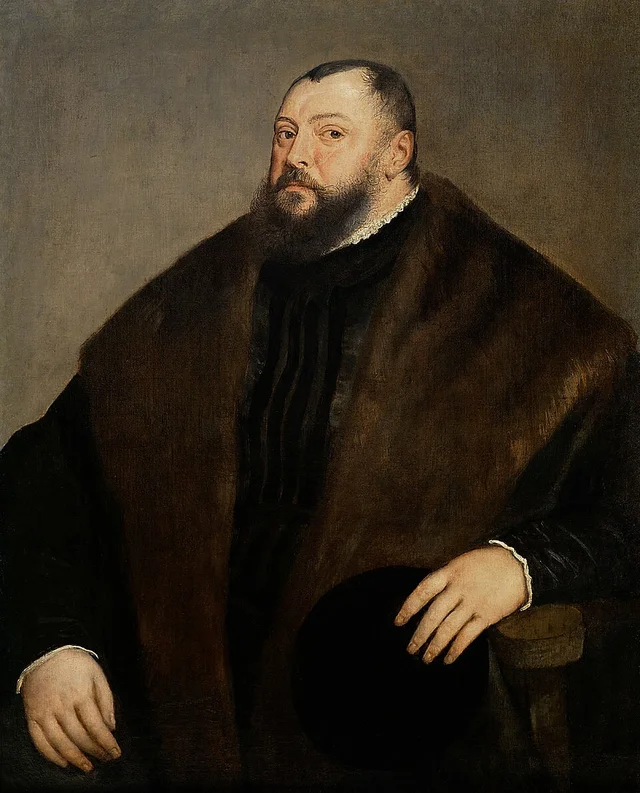 Giovanni Federico, elettore di SassoniaTiziano, 1550
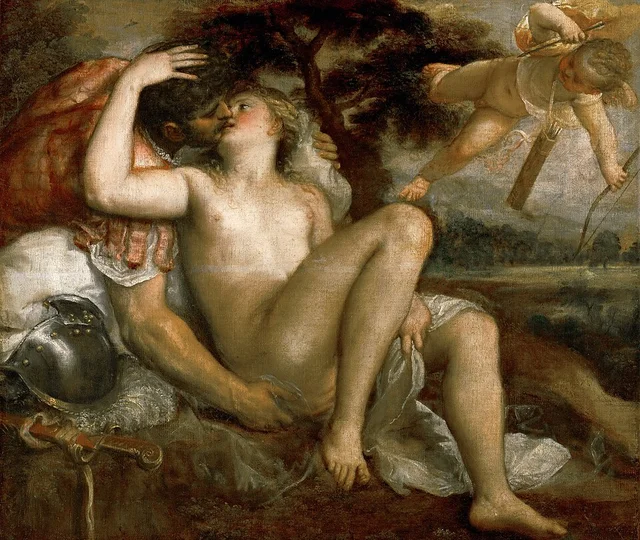 Marte, Venere e AmoreTiziano, 1550
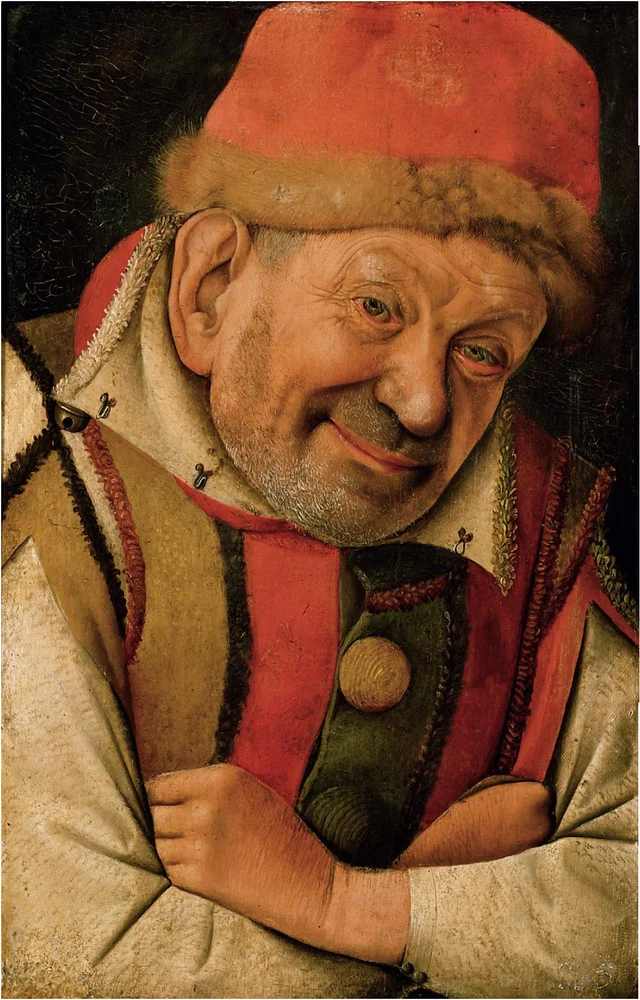 Ritratto del buffone GonellaJean Fouquet, 1447
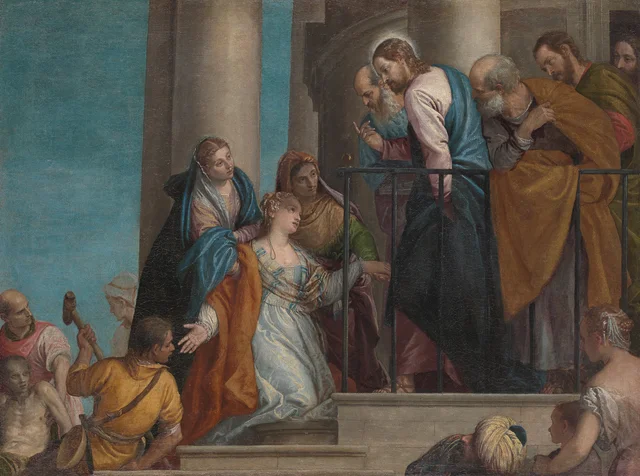 La resurrezione del giovane di NaimPaolo Veronese, 1560
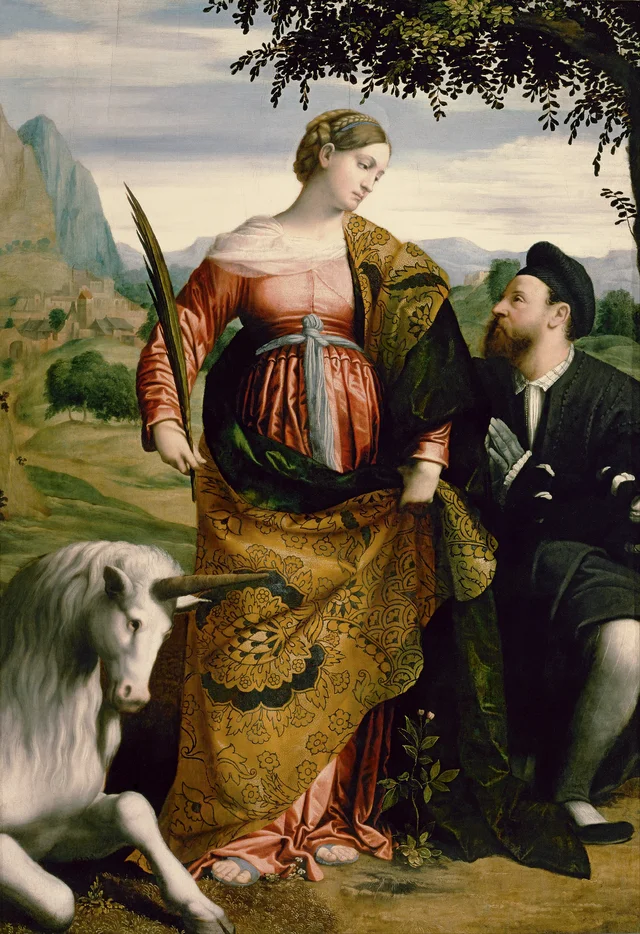 Santa Giustina con l'unicorno, venerata da un donatoreMoretto da Brescia, 1530
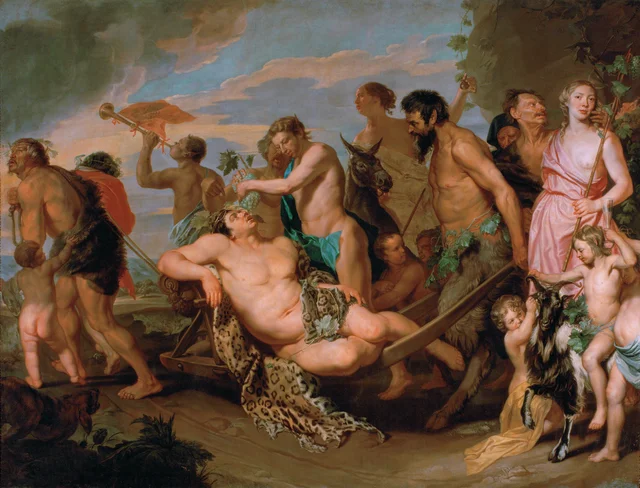 Il trionfo di BaccoMichaelina Wautier, 1655
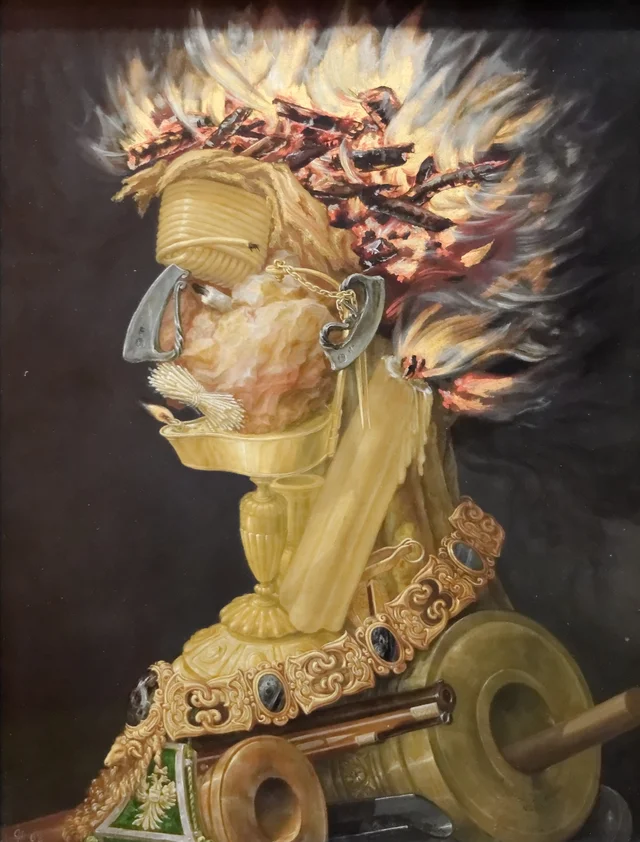 FuocoGiuseppe Arcimboldo, 1566
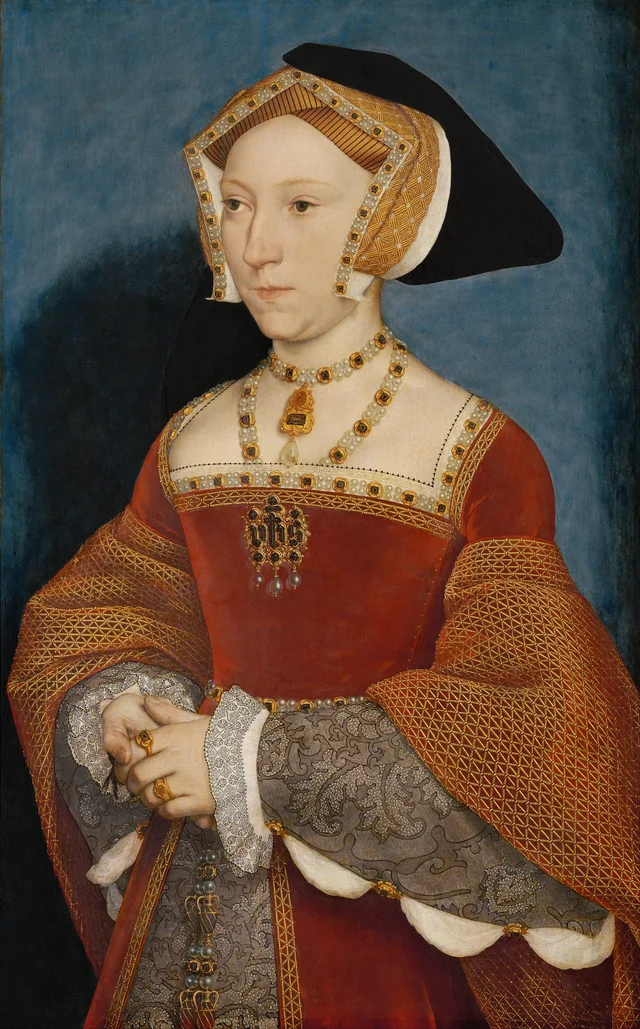 Jane SeymourHans Holbein il Giovane, 1536
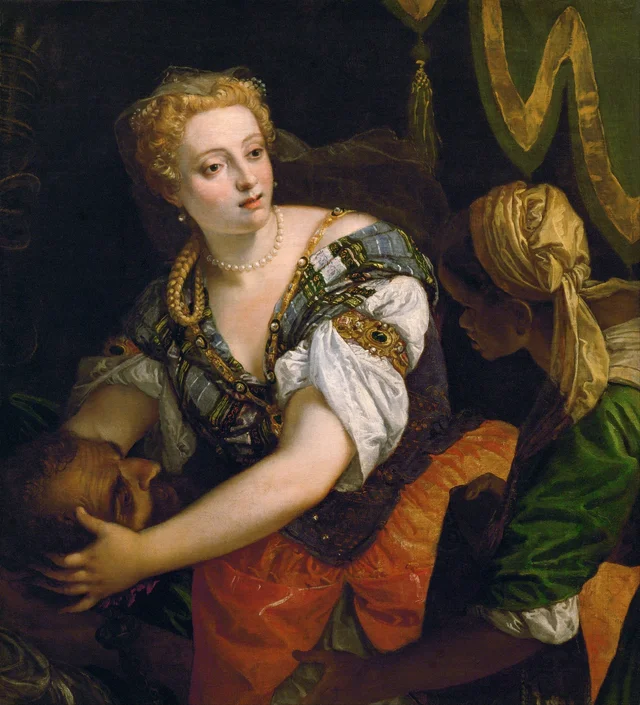 Giuditta con la testa di OlofernePaolo Veronese, 1582
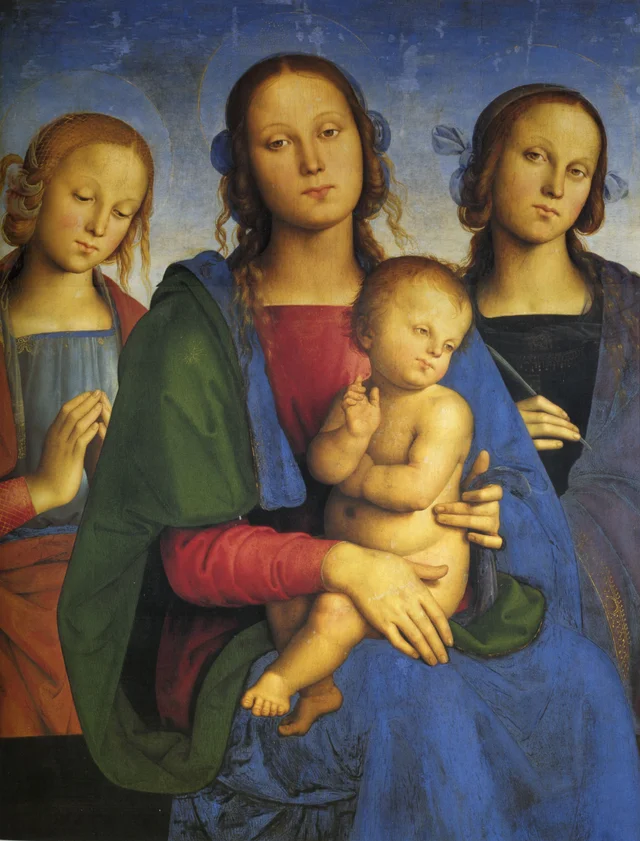 Madonna col Bambino e due santePietro Perugino, 1493
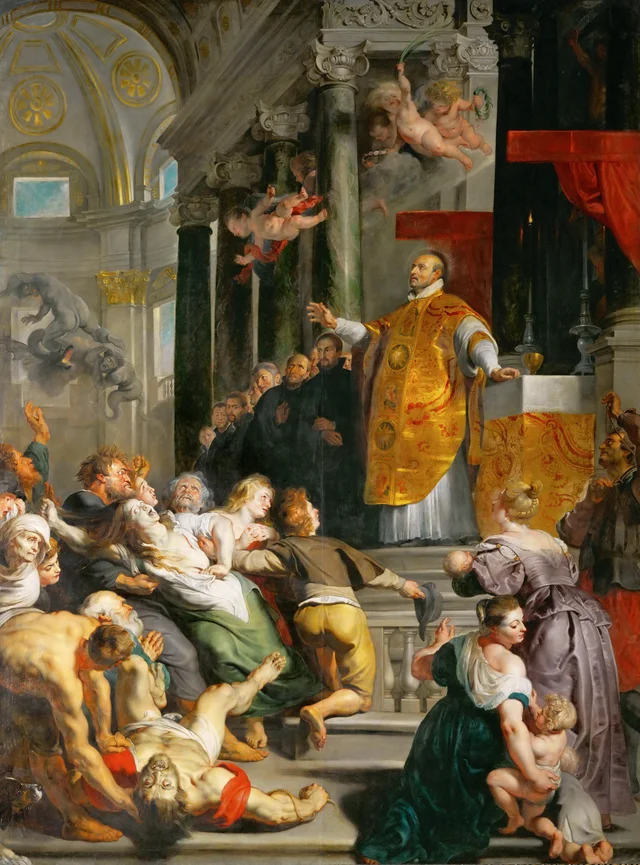 Il miracolo di sant'Ignazio di LoyolaPieter Paul Rubens, 1618
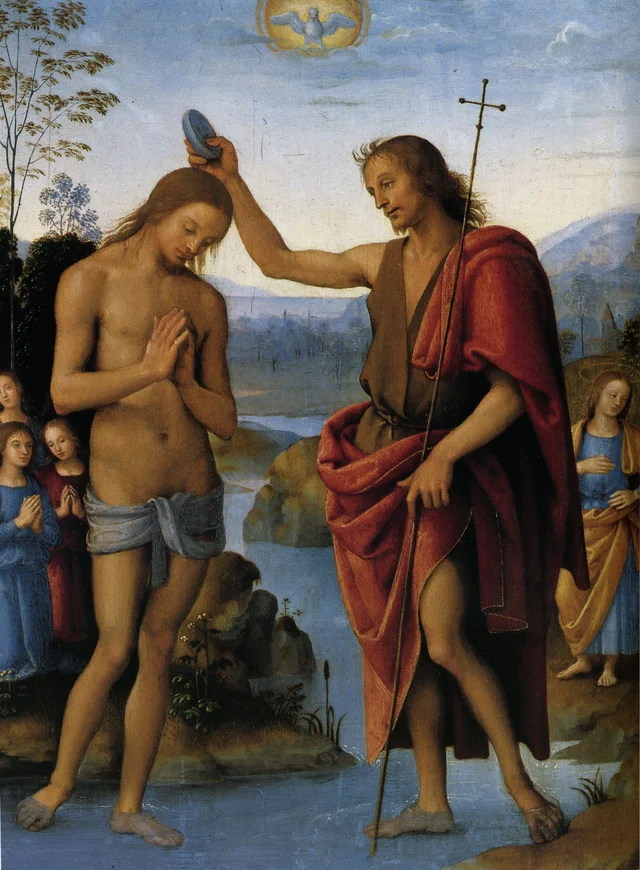 Il battesimo di CristoPietro Perugino, 1499
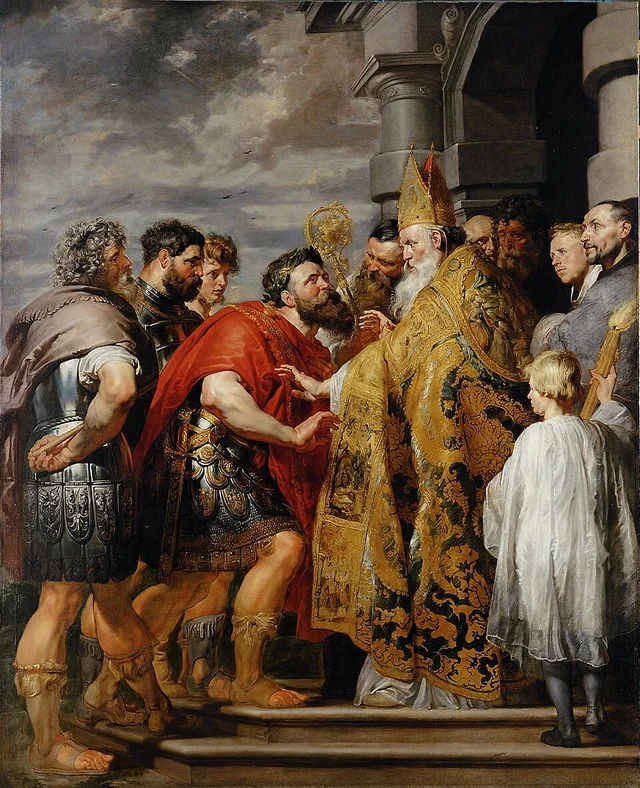 Teodosio e sant'AmbrogioPieter Paul Rubens, 1617
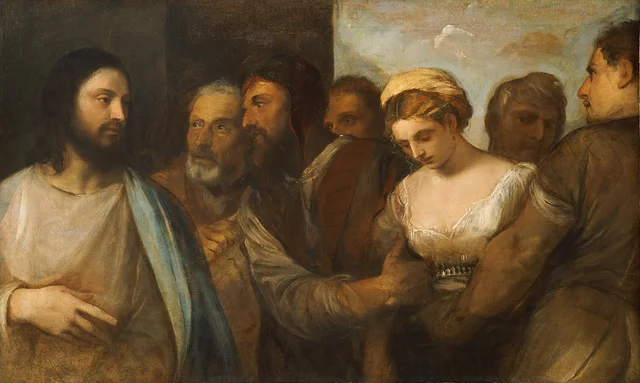 Cristo e l'adulteraTiziano, 1513