La storia
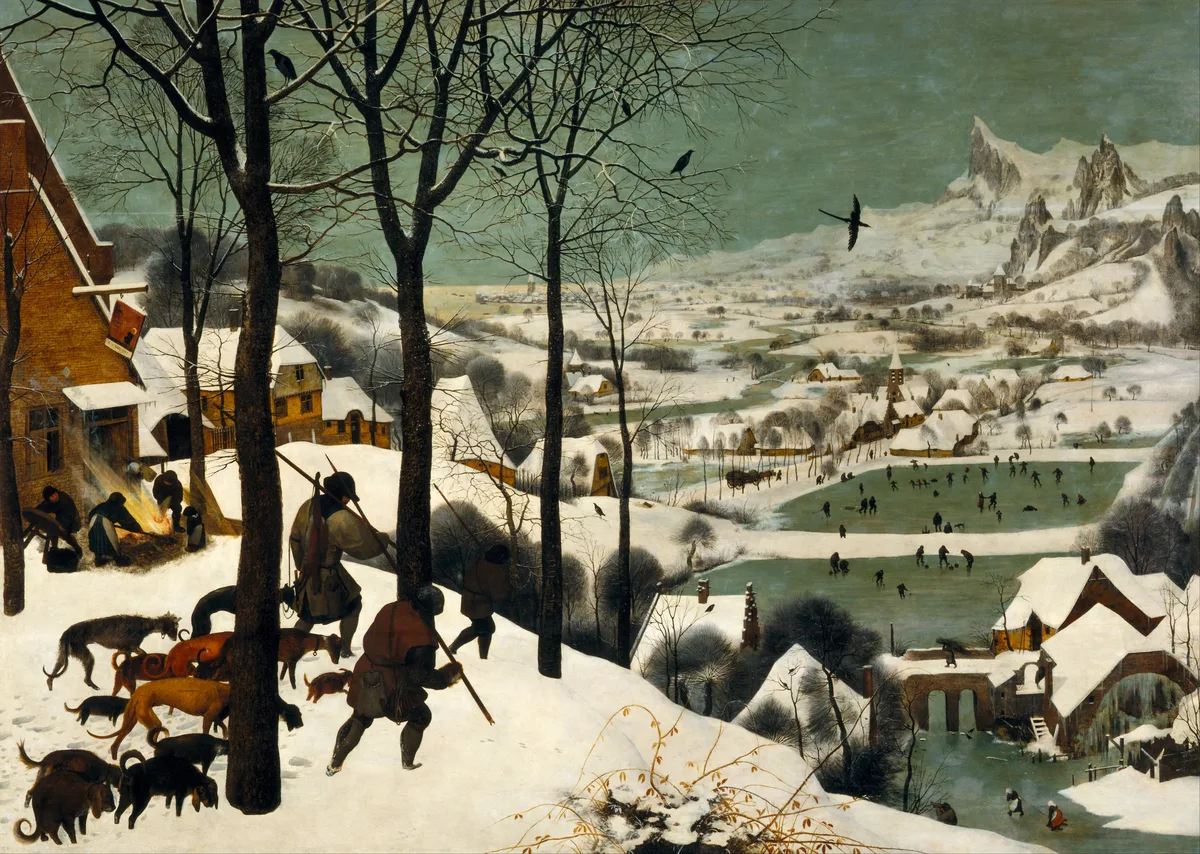
Una sala al primo piano raccoglie più dipinti di Pieter Bruegel il Vecchio di qualsiasi altro luogo al mondo, circa una dozzina, tra cui i Cacciatori nella neve, la fila di cacciatori stanchi e dei loro cani che arrancano su una collina sopra una valle gelata, dipinto nel 1565. Che sia proprio Vienna a possederli si deve agli Asburgo, la dinastia che governò gran parte d'Europa per secoli e spese buona parte di quel potere comprando arte.
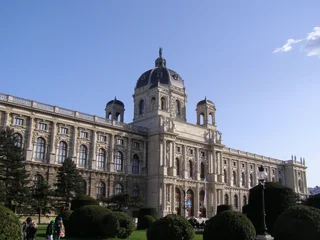
Il museo fu costruito per esibire esattamente questo. L'imperatore Francesco Giuseppe lo inaugurò nel 1891 sulla Ringstraße, il grande viale tracciato dove sorgevano le vecchie mura di Vienna, in un edificio da palazzo di Gottfried Semper e Karl von Hasenauer, con lo scalone decorato dal giovane Gustav Klimt prima che diventasse il Klimt dell'oro e dello scandalo. Lo scopo era riunire sotto un solo tetto le collezioni imperiali sparse e aprirle al pubblico.
Così le pareti si leggono come un inventario della portata asburgica. L'arte della pittura di Vermeer, l'artista visto di spalle al cavalletto, che la famiglia conservava come uno dei suoi tesori. Sale di Tiziano, Rubens e Velázquez, i cui ritratti di corte spagnoli di piccole principesse solenni giunsero a Vienna attraverso i matrimoni che legarono i due rami della famiglia. E sotto le pinacoteche c'è la Kunstkammer, un labirinto di avori intagliati, automi a orologeria e coppe di pietre dure messo insieme da imperatori che volevano lo strano e l'ingegnoso quanto il bello. L'oggetto più celebre è una saliera d'oro fatta da Benvenuto Cellini per il re di Francia.
Altri articoli
Collezione
381 opere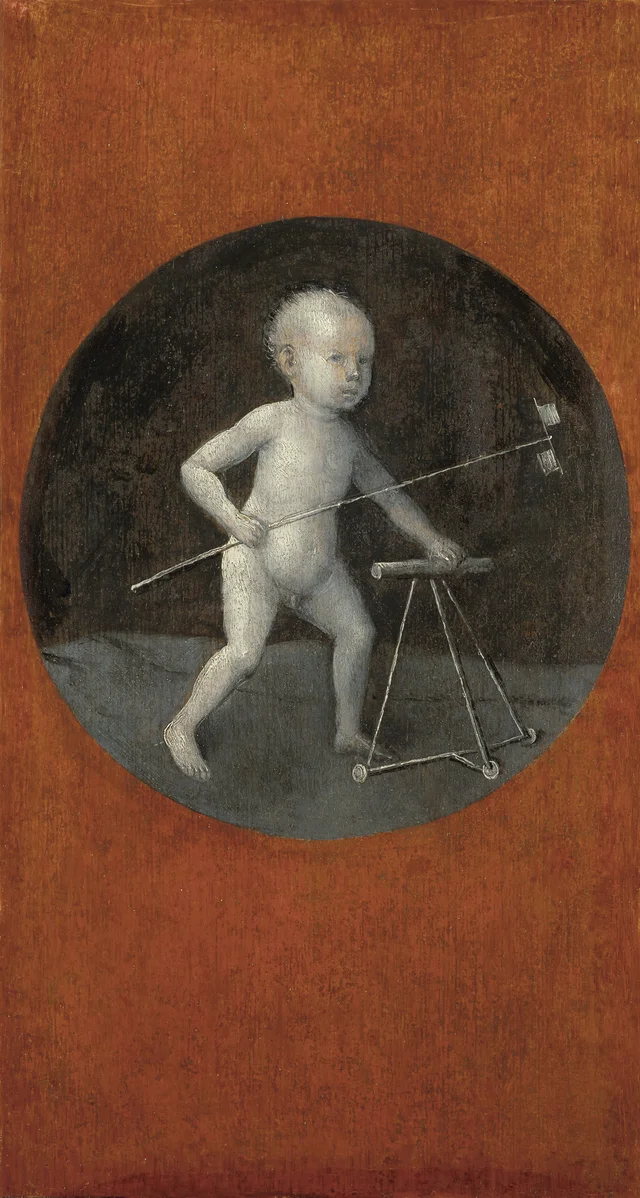 Gesù Bambino con il girelloHieronymus Bosch, 1500
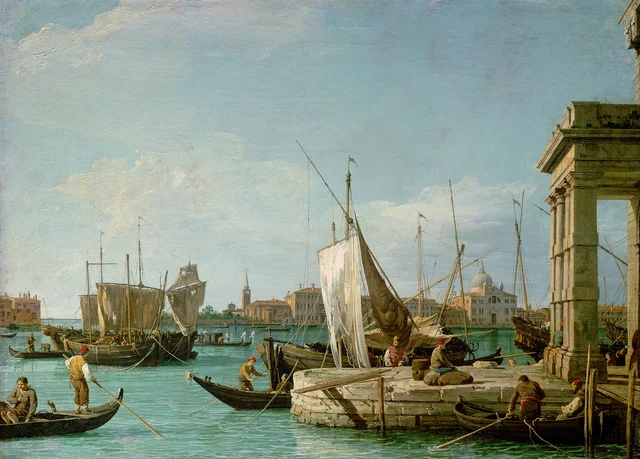 La Punta della DoganaCanaletto, 1726
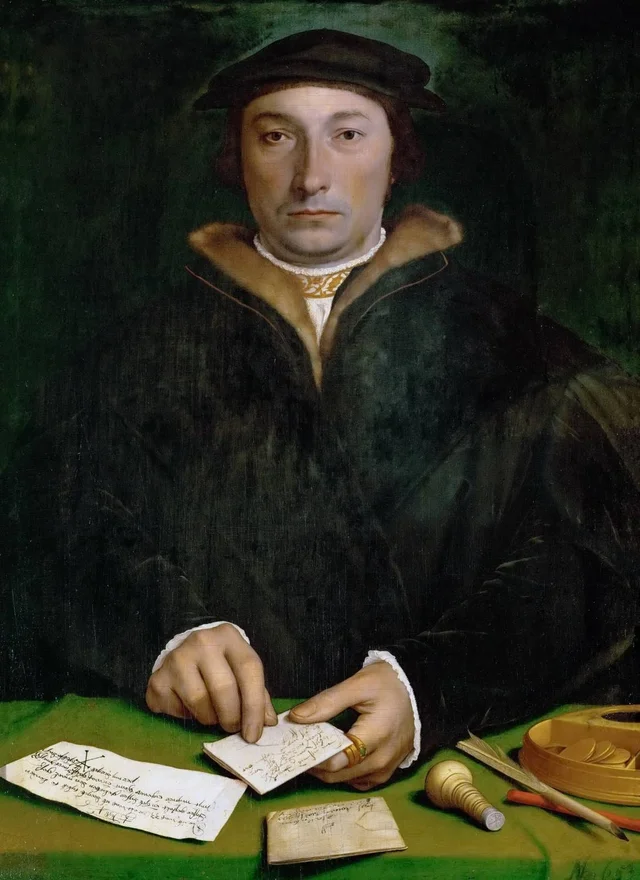 Il mercante di Duisburg Dirck TybisHans Holbein il Giovane, 1533
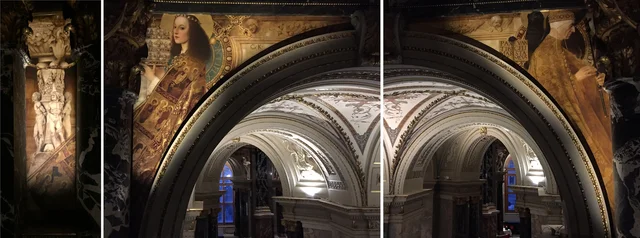 Il Quattrocento a Roma e a VeneziaGustav Klimt, 1891
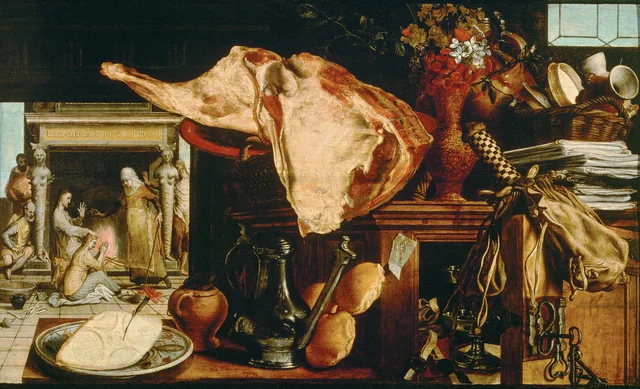 Natura morta vanitas con Cristo in casa di Marta e MariaPieter Aertsen, 1552
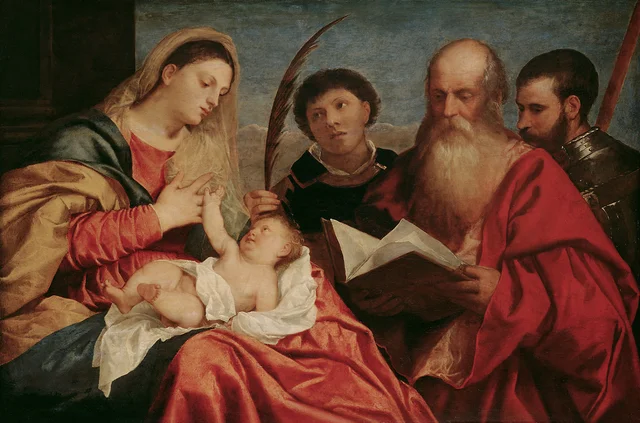 Vergine con il Bambino e i santi Stefano, Girolamo e MaurizioTiziano, 1520
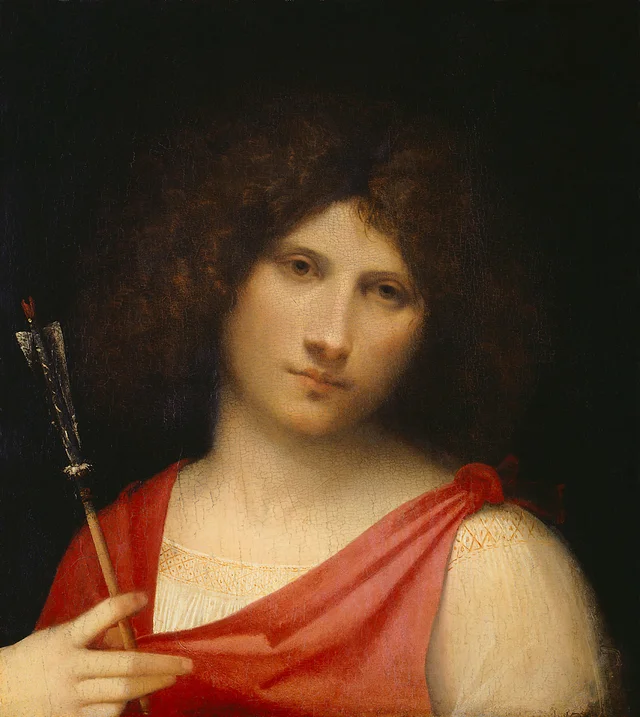 Giovane con frecciaGiorgione, 1505
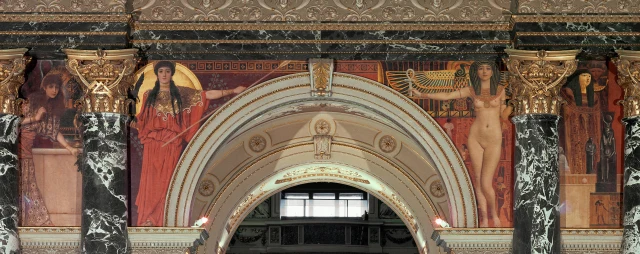 Antica Grecia e Antico EgittoGustav Klimt, 1891
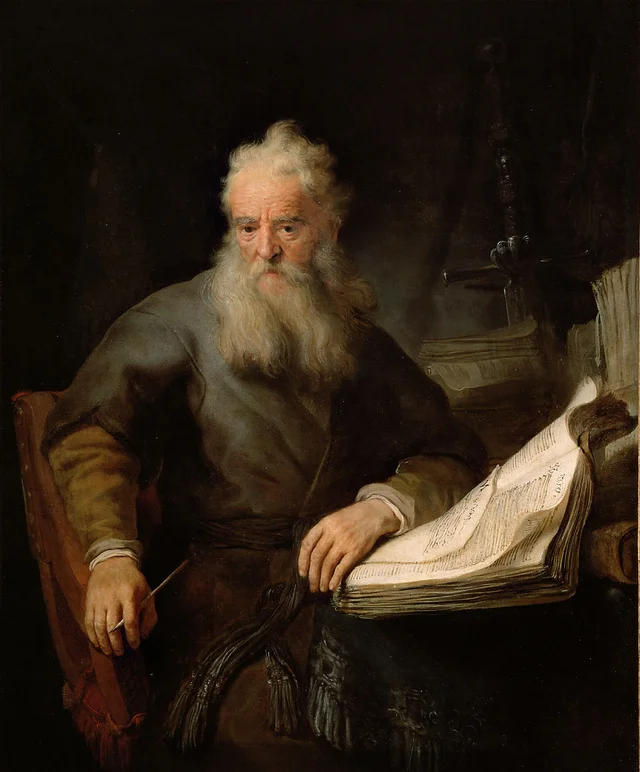 L'apostolo PaoloAttribuito a Rembrandt, 1633
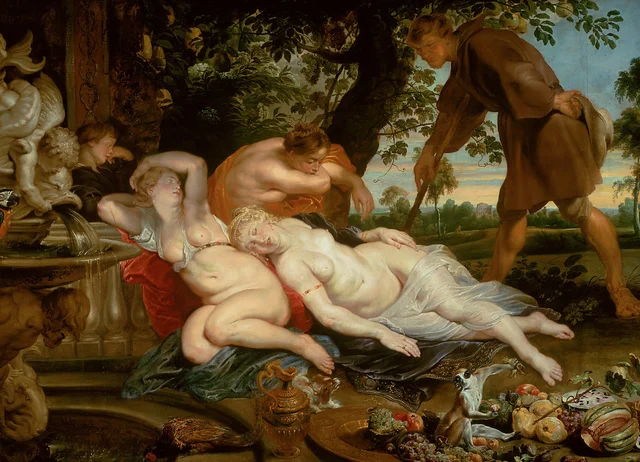 Cimone e IfigeniaPieter Paul Rubens, 1617
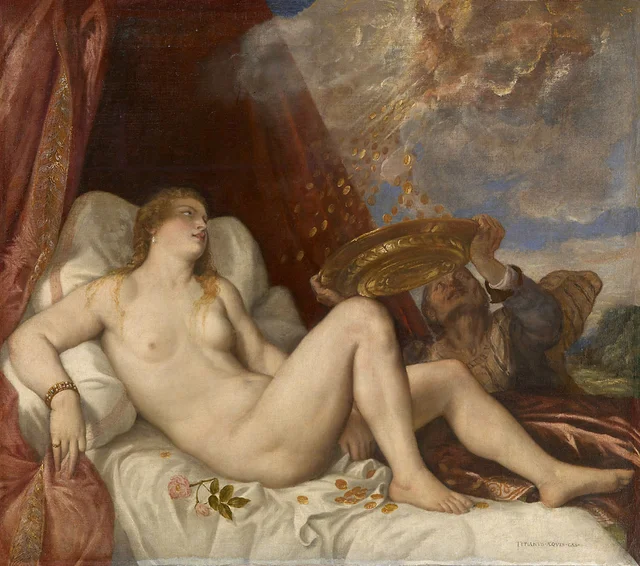 DanaeTiziano, 1550
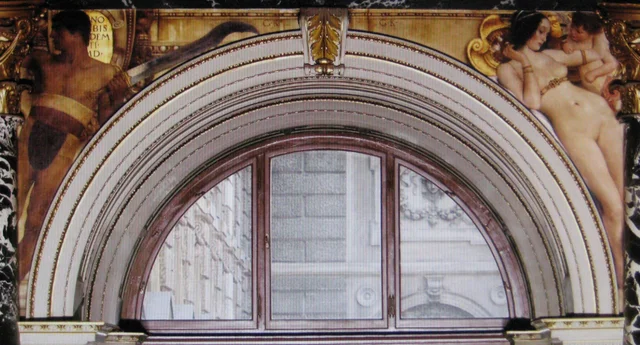 Firenze del Cinquecento e del QuattrocentoGustav Klimt, 1891
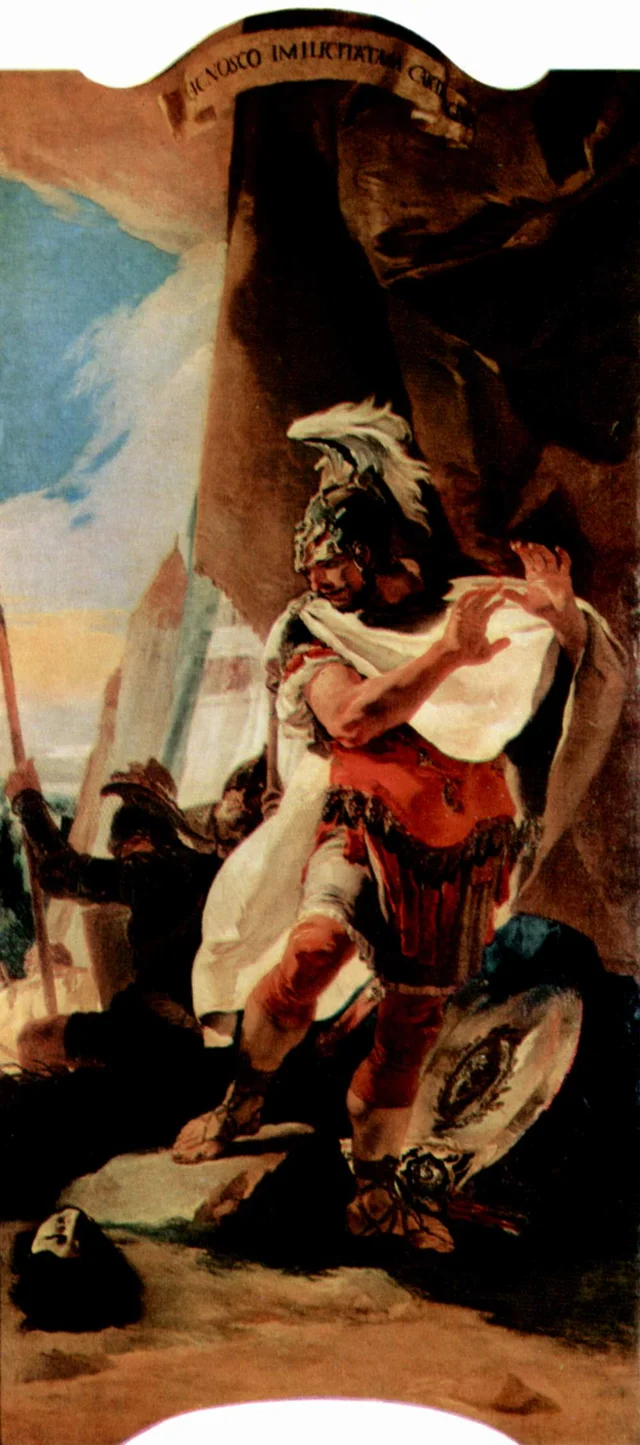 Annibale riconosce la testa del fratello AsdrubaleGiovanni Battista Tiepolo, 1729
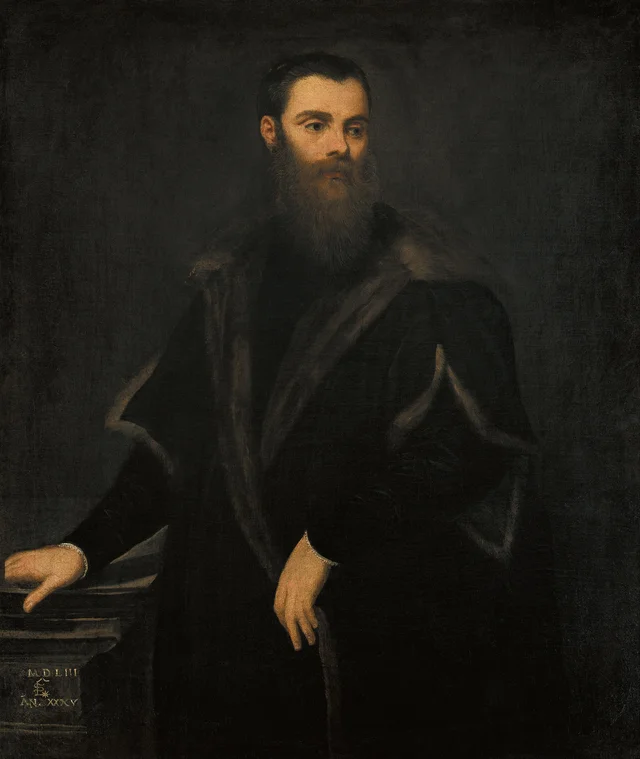 Lorenzo SoranzoJacopo Tintoretto, 1553
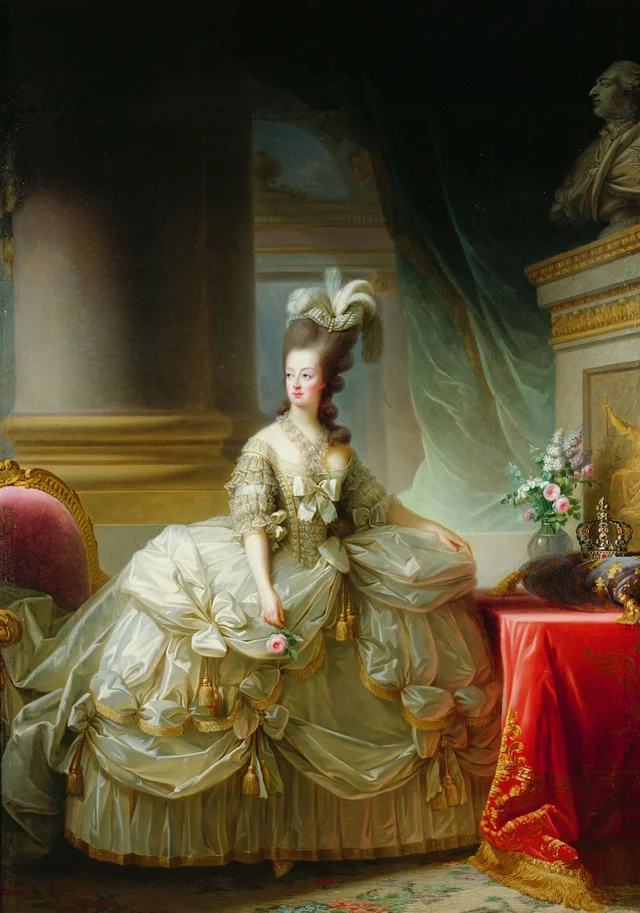 Maria Antonietta in abito di corteÉlisabeth Louise Vigée Le Brun, 1778
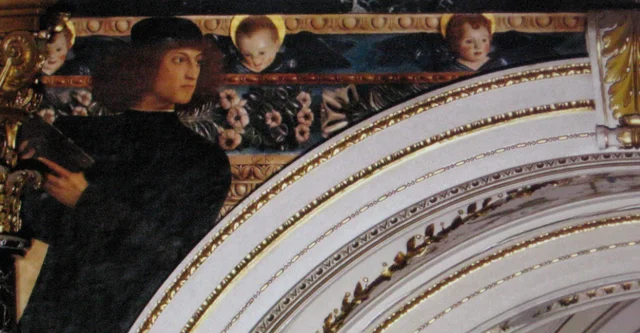 Antica arte italianaGustav Klimt, 1891
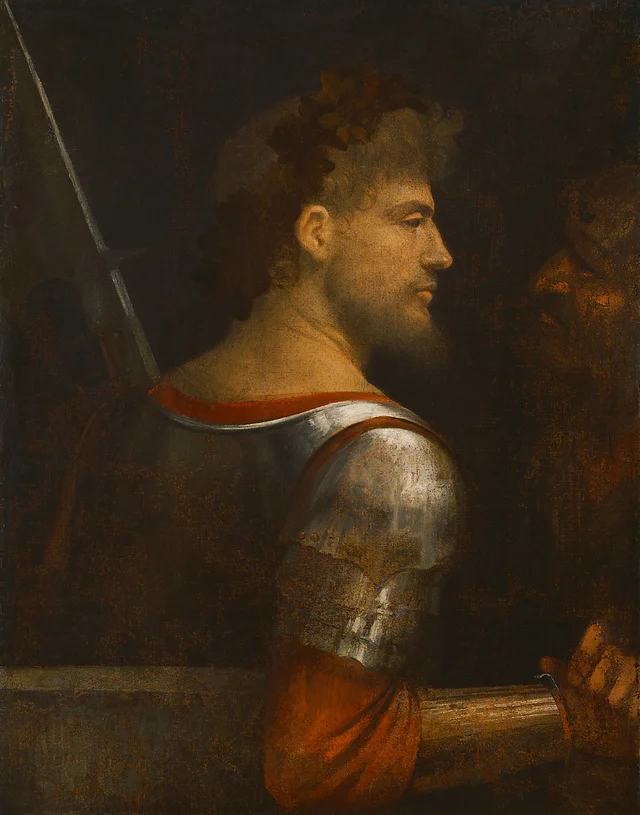 Ritratto di un guerrieroGiorgione, 1500
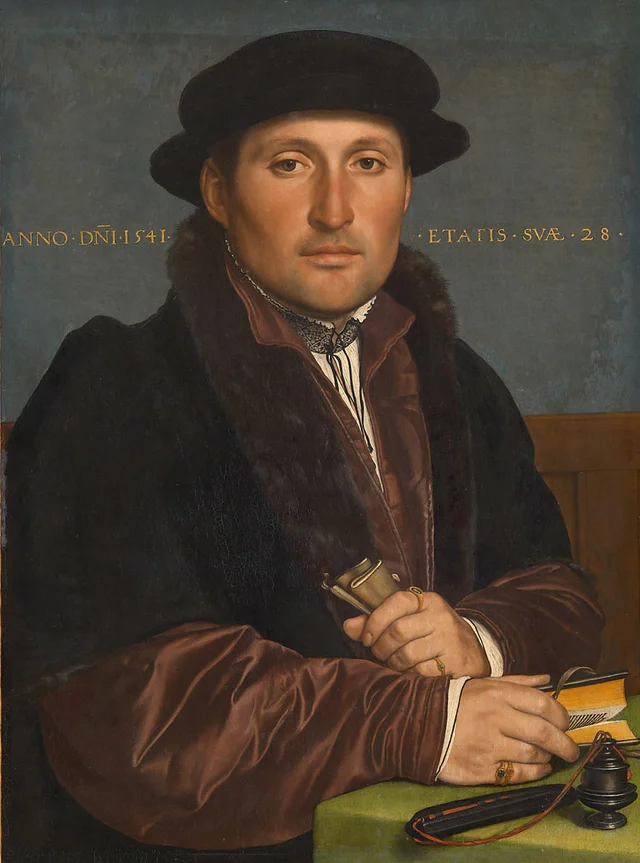 Ritratto di un giovane mercanteHans Holbein il Giovane, 1541
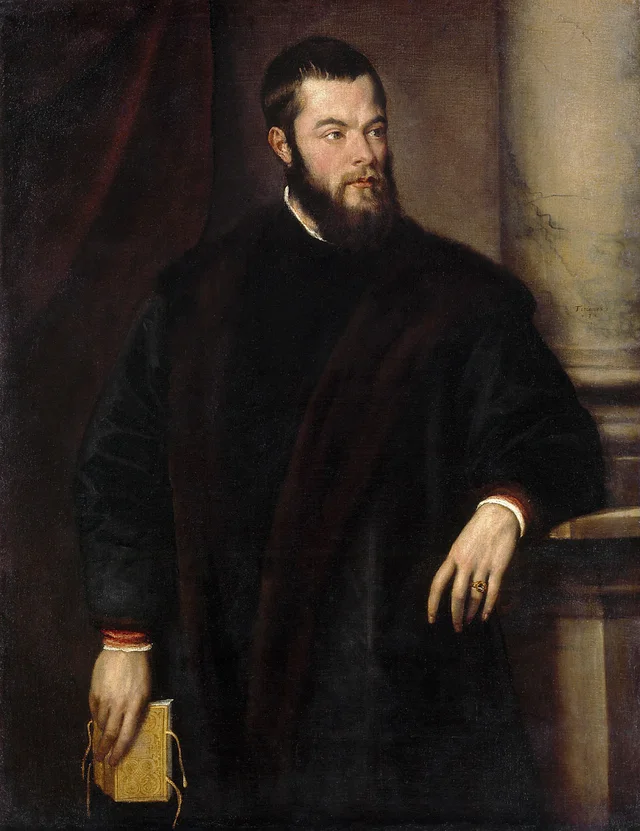 Ritratto di Benedetto VarchiTiziano, 1540
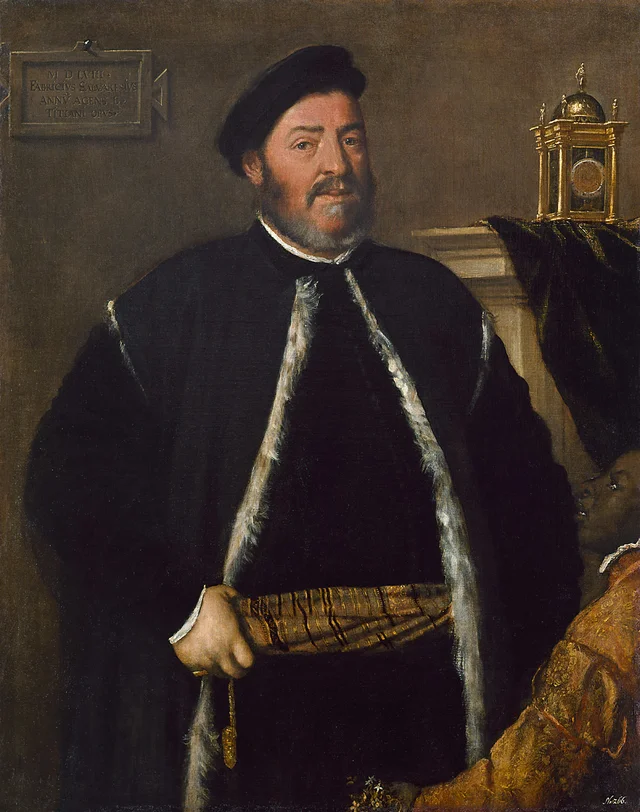 Ritratto di Fabrizio SalvaresioTiziano, 1558
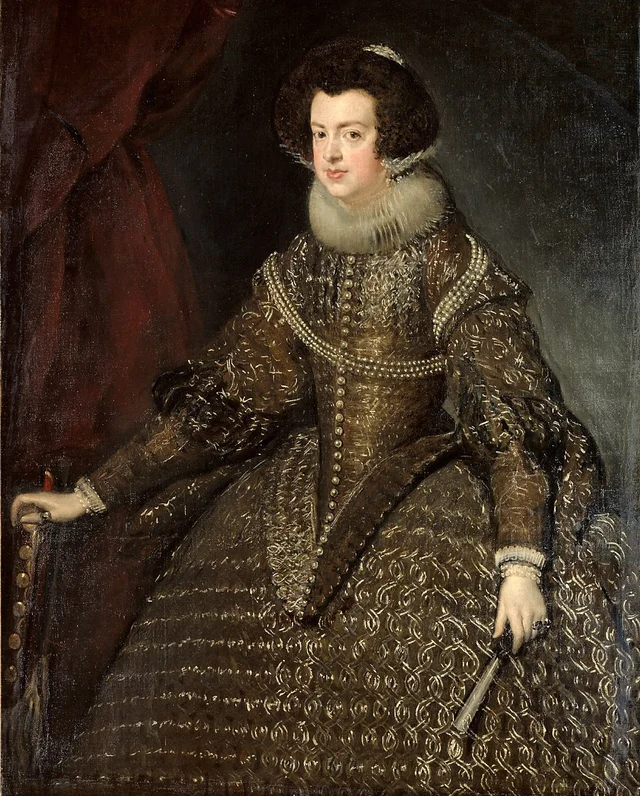 Regina Isabella di Spagna (1602-1644)Diego Velázquez e bottega, 1632
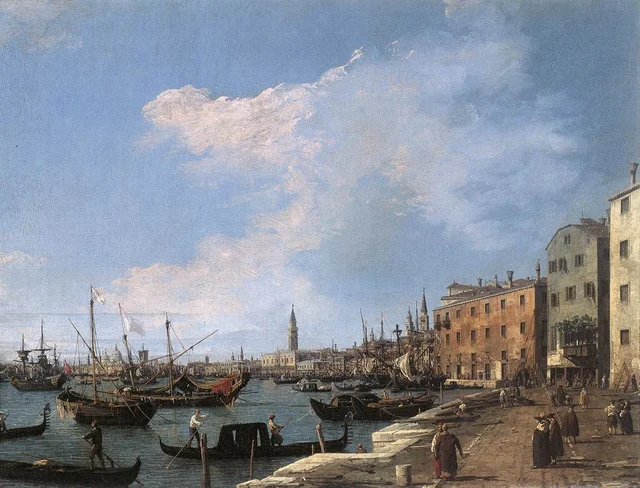 Riva degli SchiavoniCanaletto, 1730
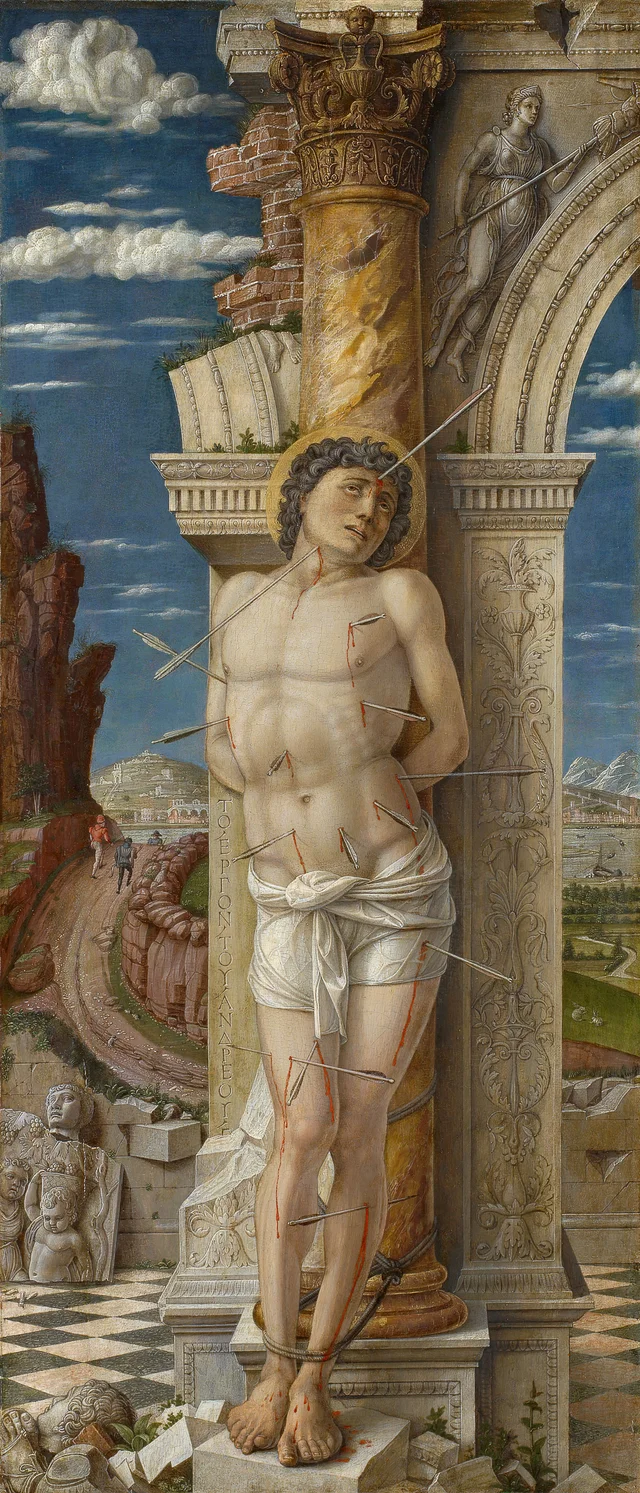 San SebastianoAndrea Mantegna, 1458
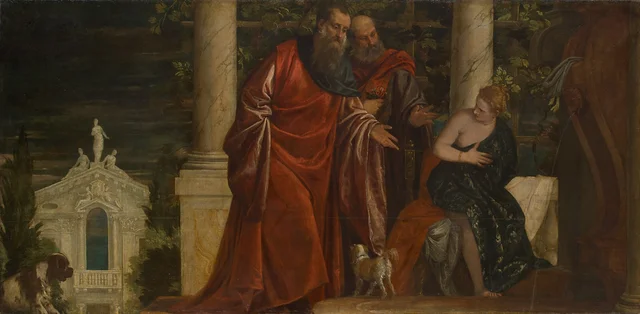 Susanna e i vecchioniPaolo Veronese e bottega, 1585
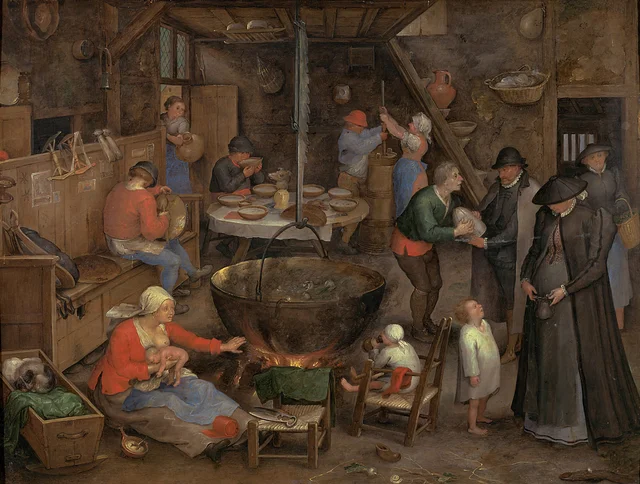 La visita alla fattoriaJan Brueghel il Vecchio, 1597