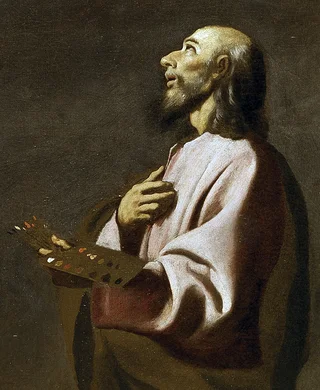
프란시스코 데 수르바란
1598–1664 · 스페인 · 바로크
이야기
1626년 1월 세비야의 산 파블로 엘 레알 도미니크회 수도원은 젊은 프란시스코 데 수르바란과 8개월 안에 21점의 그림을 그리기로 계약했는데, 그중 14점은 성 도미니크의 생애를 그린 장면이었다. 그는 기한 내에 작품을 완성했고, 이 의뢰는 그의 이름을 널리 알렸다. 3년 안에 세비야 시의회는 그의 그림이 도시의 명성을 높이고 있다며 그에게 아예 그곳으로 이주해달라고 공식 초청했다.
이후 20년간 수르바란은 스페인과 그 아메리카 식민지 전역의 수도원과 종교 수도회를 위해서만 거의 전적으로 그림을 그리며, 거의 검은 배경 위에 선명한 빛이 대비되는 양식과 흰 천을 그리는 남다른 재능을 발전시켰다. 카르투지오회와 프란체스코회 수사들의 거친 양모 수도복을 조각가의 눈으로 주름과 무게감까지 담아 그렸다.
그의 시장은 1640년 이후 무너졌다. 세비야의 취향이 젊은 바르톨로메 에스테반 무리요의 더 부드럽고 감상적인 종교화 쪽으로 옮겨갔기 때문이다. 수르바란은 왕실 일감을 찾아 1658년 마드리드로 옮겨갔고, 한때 자신이 능가했던 그 화가에게 거의 완전히 밀려난 채 1664년 그곳에서 세상을 떠났다.
작품
작품 106점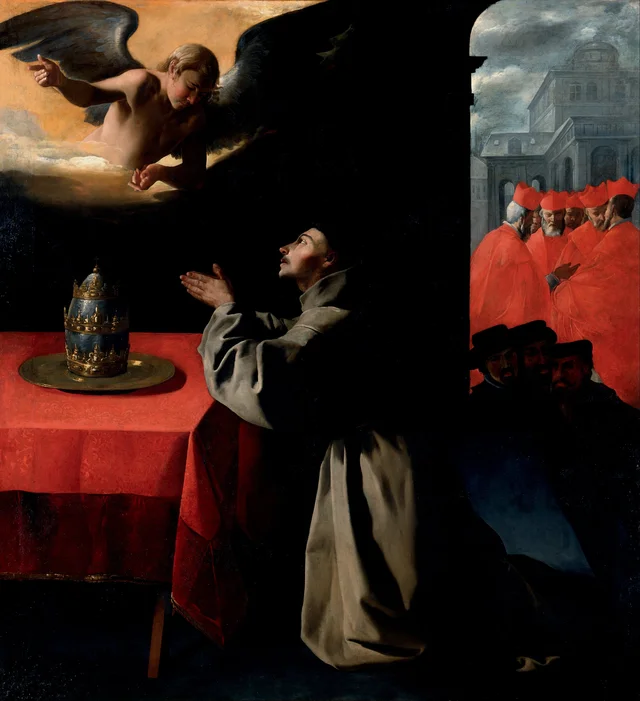 새 교황 선출을 위한 성 보나벤투라의 기도프란시스코 데 수르바란, 1628
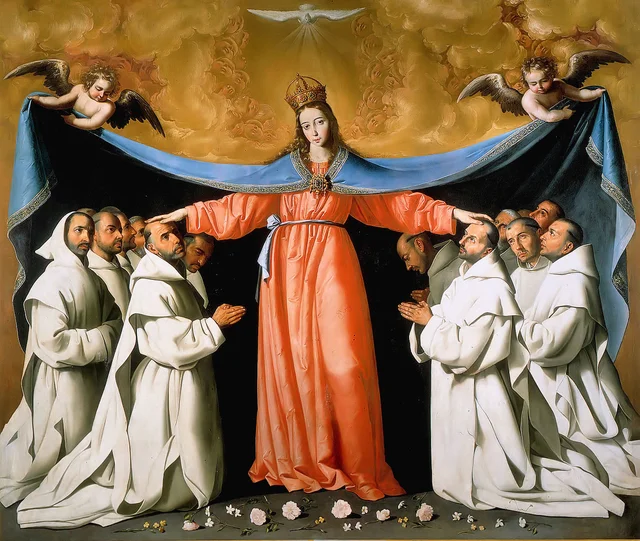 동굴의 성모프란시스코 데 수르바란, 1650
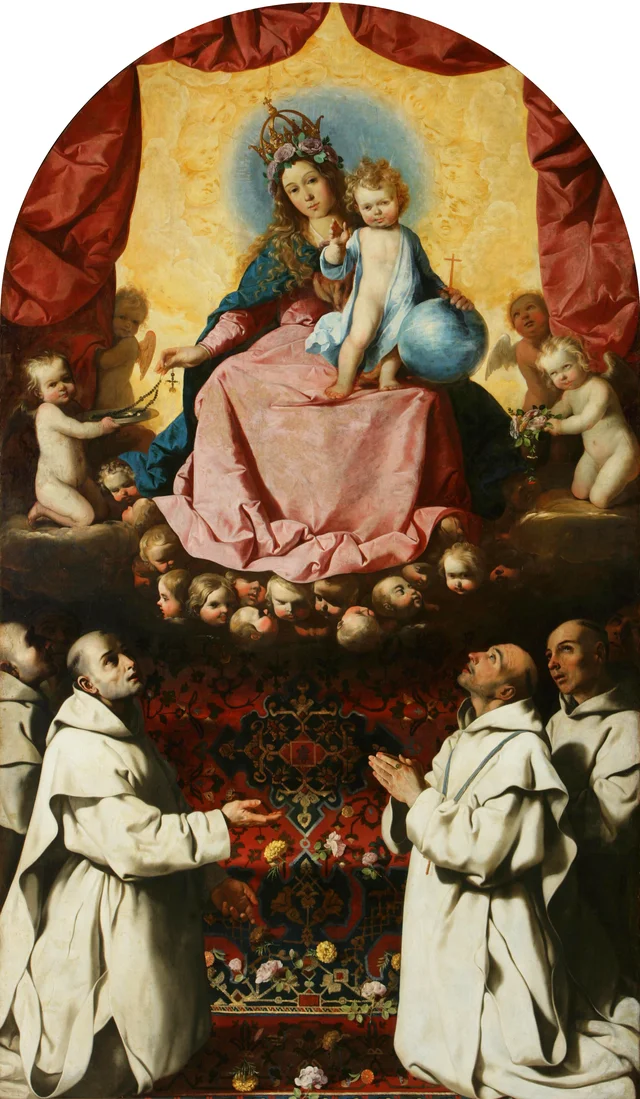 카르투시오회 수도사들이 경배하는 로사리오의 성모프란시스코 데 수르바란, 1638
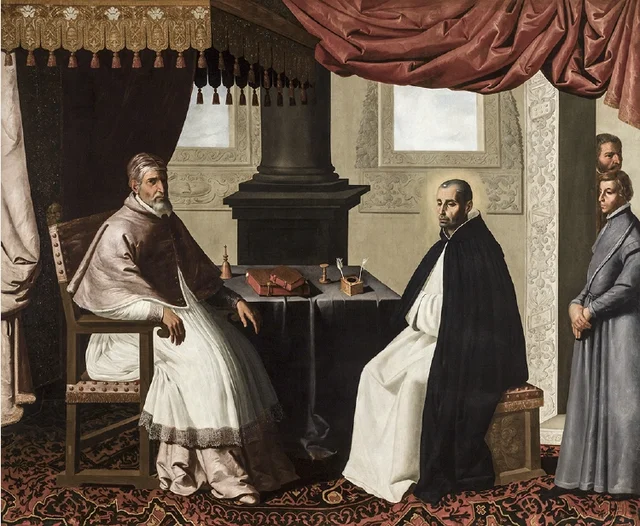 성 브루노의 우르바노 2세 방문프란시스코 데 수르바란, 1655
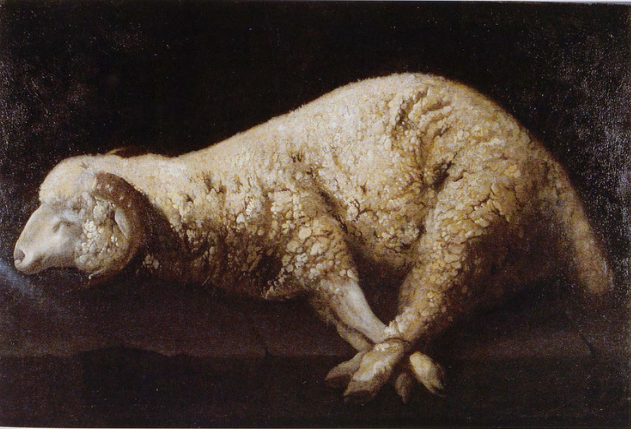 아뉴스 데이프란시스코 데 수르바란, 1632
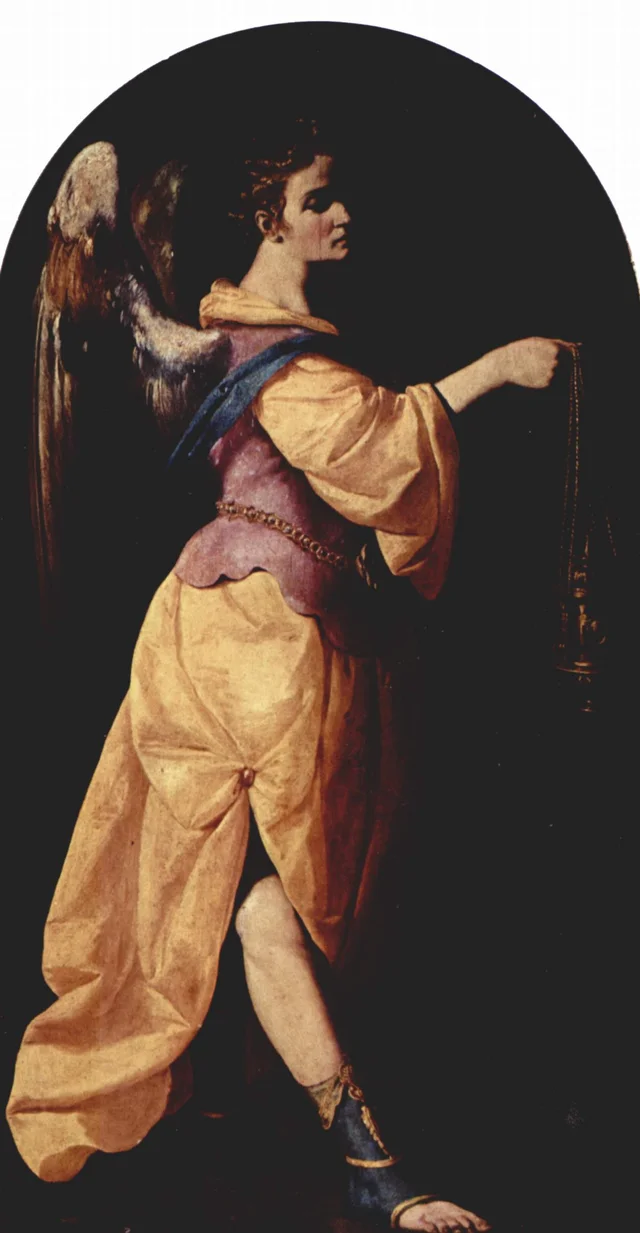 향로를 든 천사프란시스코 데 수르바란, 1638
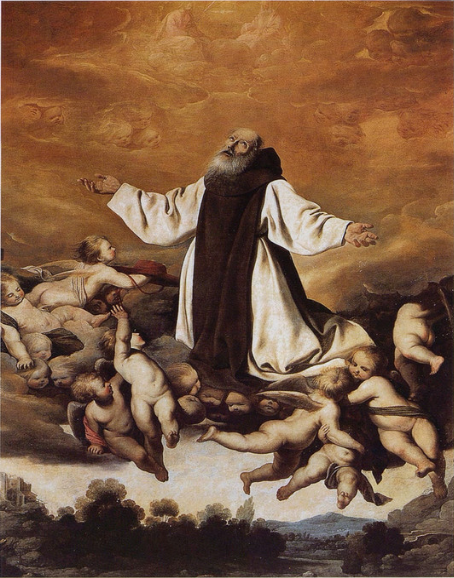 성 히에로니무스의 신격화프란시스코 데 수르바란, 1640
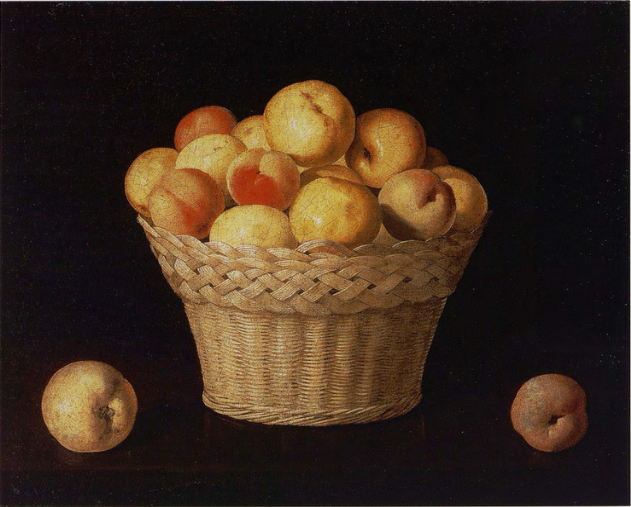 사과와 복숭아가 담긴 바구니프란시스코 데 수르바란, 1630
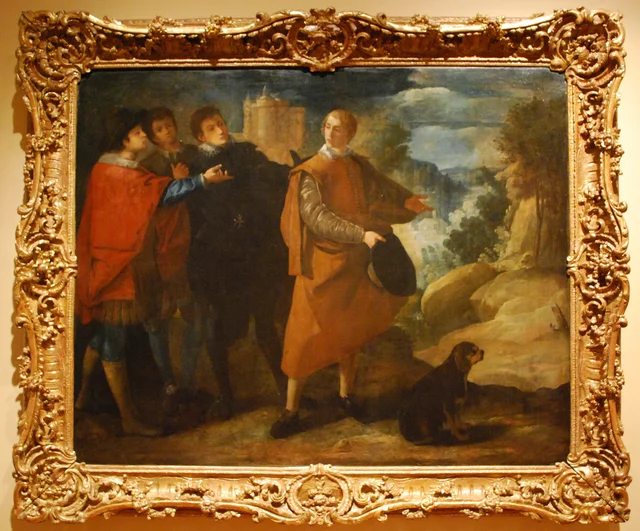 바르셀로나로 떠나는 성 베드로 놀라스코프란시스코 데 수르바란, 1628
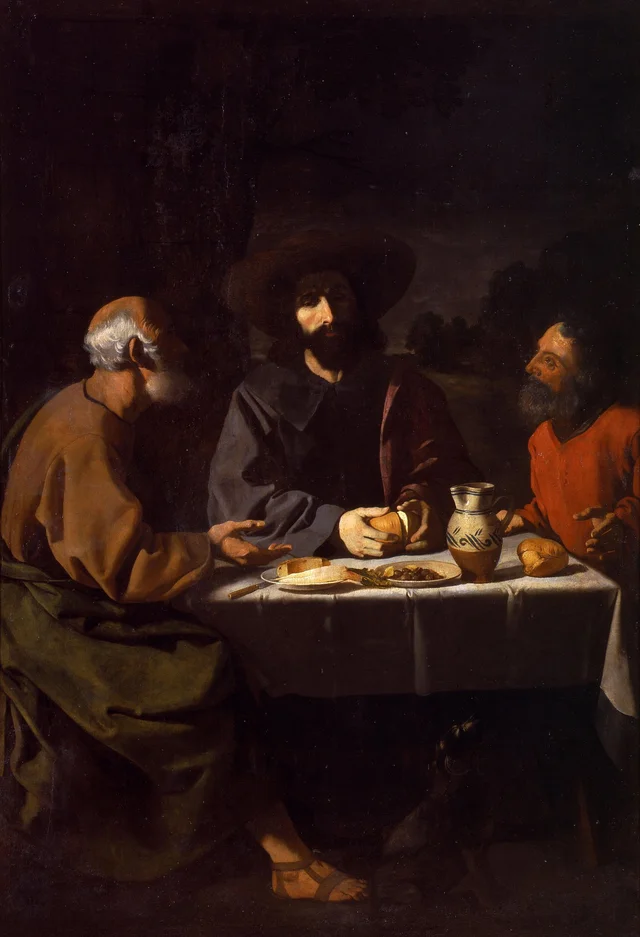 엠마오의 저녁 식사프란시스코 데 수르바란, 1639
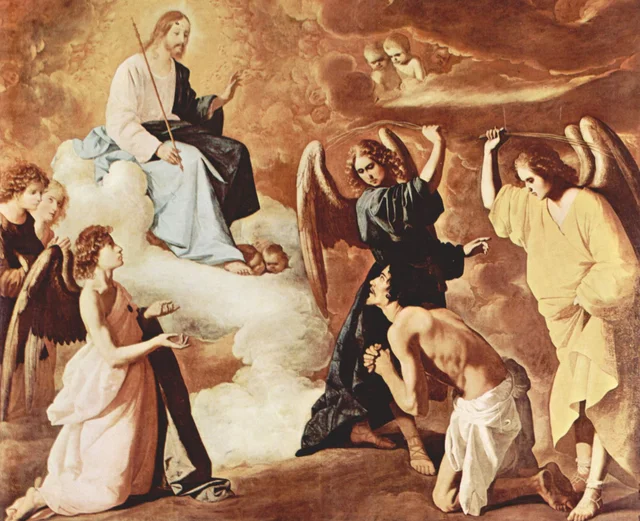 성 히에로니무스의 채찍질프란시스코 데 수르바란, 1640
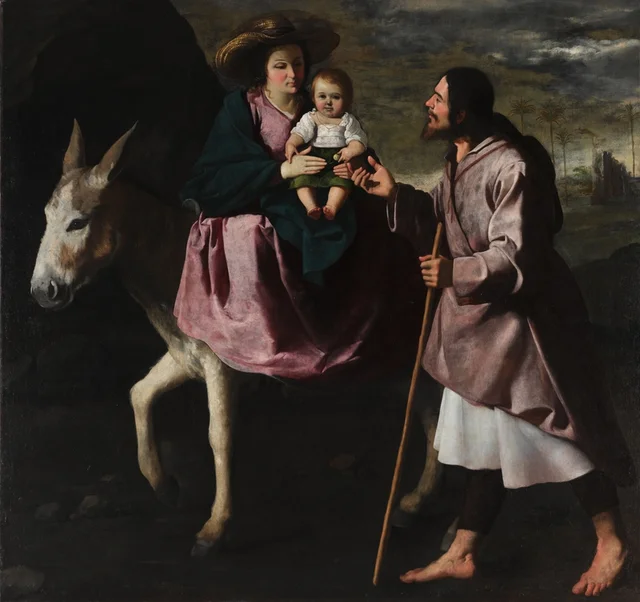 이집트로의 피신프란시스코 데 수르바란, 1639
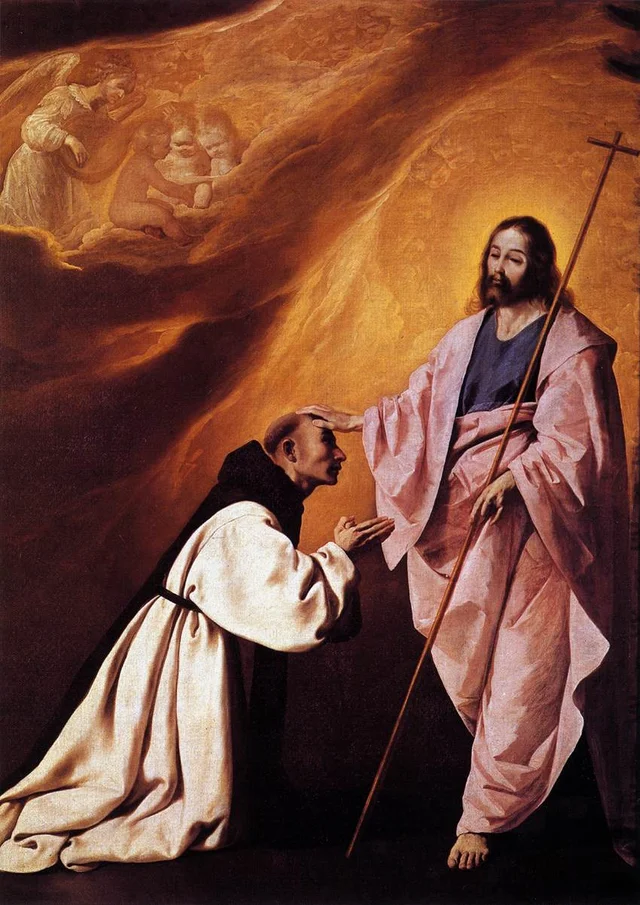 그리스도에게 위로받는 안드레스 데 살메론 수사프란시스코 데 수르바란, 1639
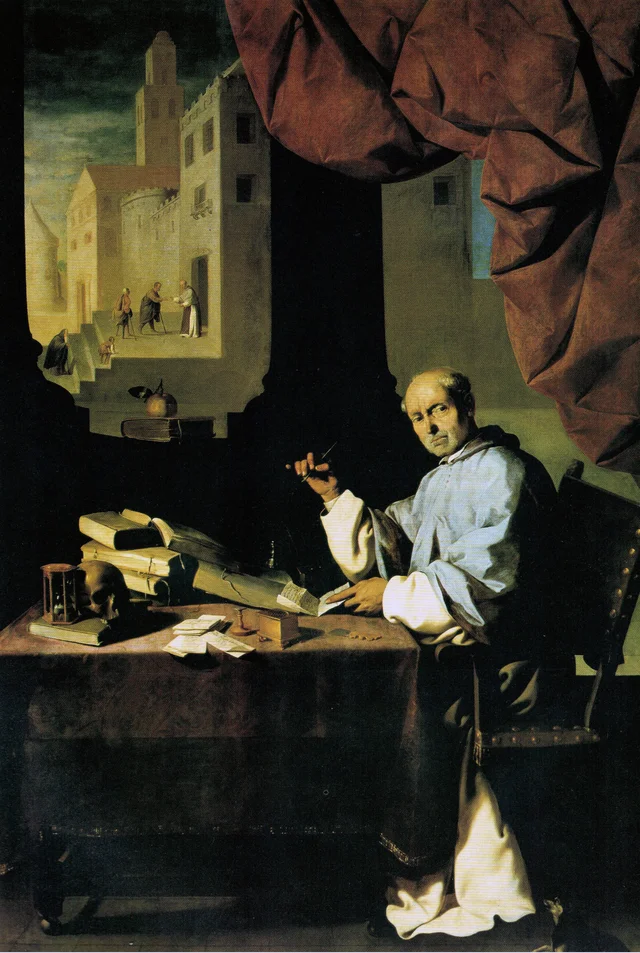 곤살로 데 이예스카스 수사프란시스코 데 수르바란, 1639
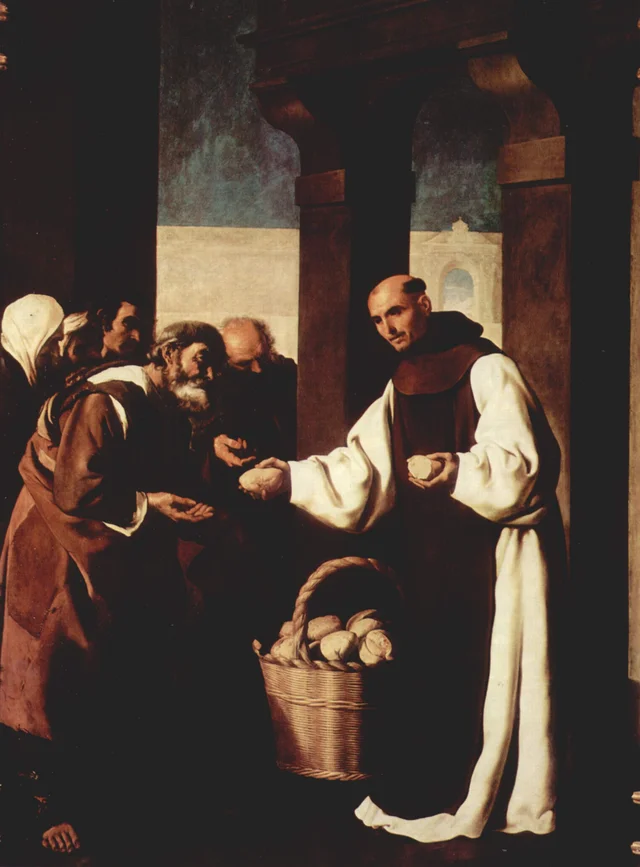 마르틴 데 비스카야 수사가 자선을 베풀다프란시스코 데 수르바란, 1639
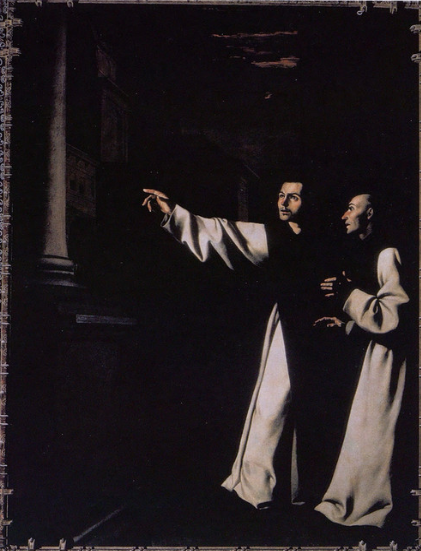 페드로 데 살라망카 수사의 예지몽 환영프란시스코 데 수르바란, 1639
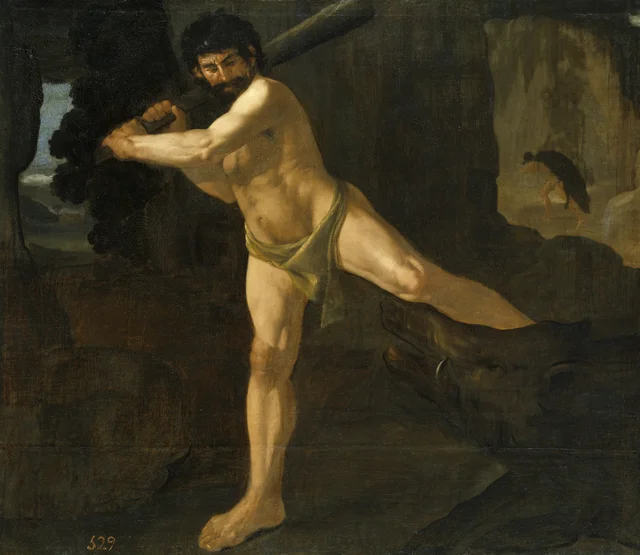 헤라클레스와 에리만토스의 멧돼지프란시스코 데 수르바란, 1634
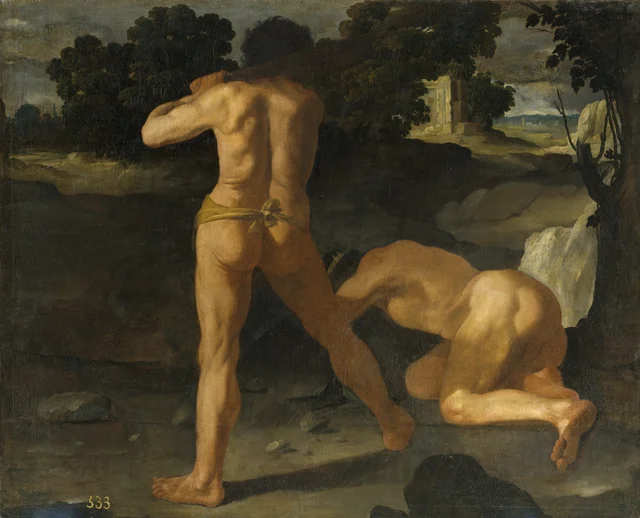 게리온 왕을 무찌르는 헤라클레스프란시스코 데 수르바란, 1634
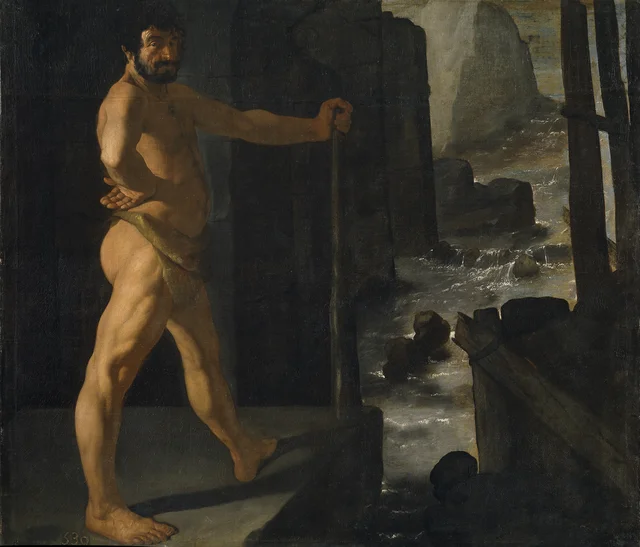 알페이오스강의 물줄기를 돌리는 헤라클레스프란시스코 데 수르바란, 1634
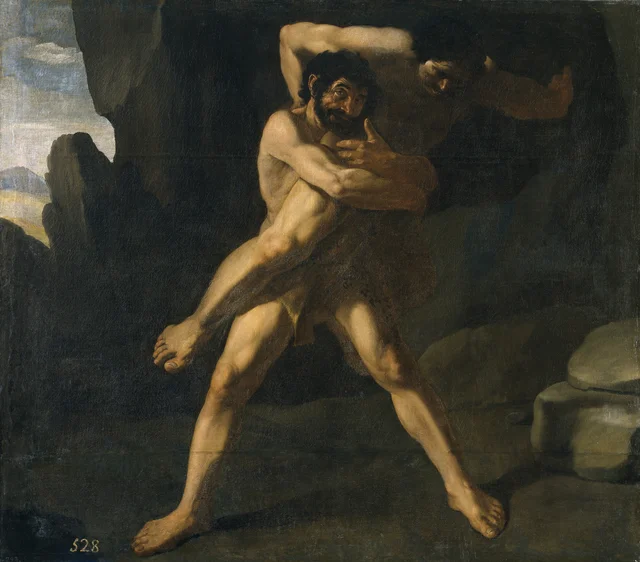 헤라클레스와 안타이오스의 싸움프란시스코 데 수르바란, 1634
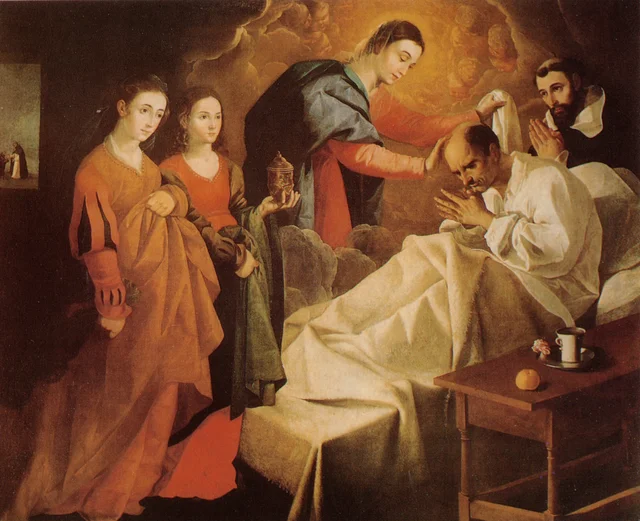 복자 오를레앙의 레지날도의 기적적 치유프란시스코 데 수르바란, 1626
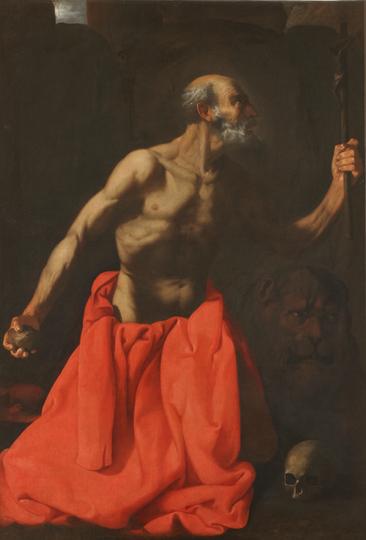 참회하는 성 히에로니무스프란시스코 데 수르바란, 1650
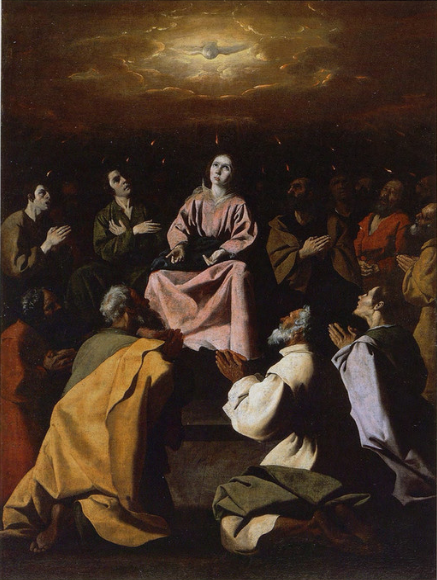 성령강림프란시스코 데 수르바란, 1635
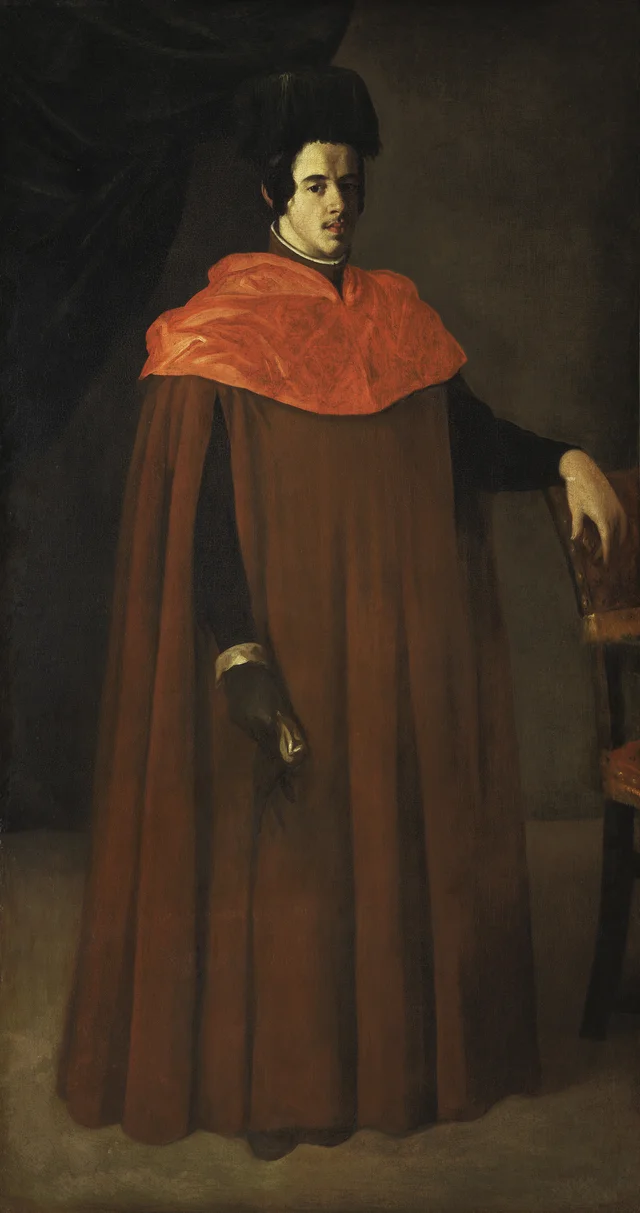 법학박사의 초상프란시스코 데 수르바란, 1635
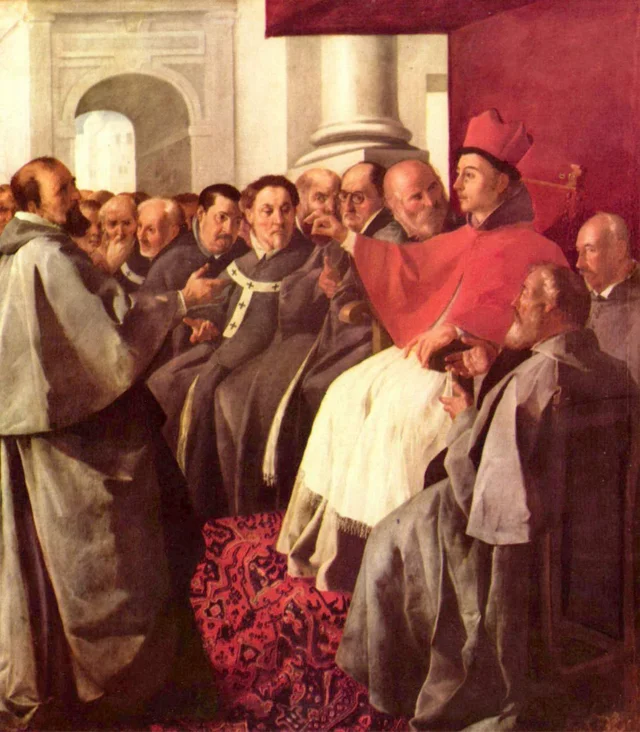 리옹 공의회의 성 보나벤투라프란시스코 데 수르바란, 1629