오디오 가이드
이야기
루브르는 요새로 시작했다. 필리프 2세가 중세 파리를 지키기 위해 1190년 무렵 센강 우안에 이를 세웠고, 이후 여러 세기에 걸쳐 프랑스 왕들이 이를 왕궁으로 고쳐 지었다. 그러다 1682년 루이 14세가 궁정을 베르사유로 옮기면서, 절반쯤 짓다 만 전당들은 왕실 컬렉션과 그 안에 거처를 둔 예술가들의 몫으로 남겨졌다.
혁명은 이곳을 공공 미술관으로 바꾸어 놓았다. 1793년 8월 10일 중앙 예술 미술관이 문을 열어, 왕실과 교회에서 몰수한 미술품을 들어오고자 하는 모든 시민에게 공개했다. 나폴레옹은 이곳을 원정에서 얻은 전리품으로 채우고 한동안 자기 이름을 따 개칭하기도 했다. 워털루 이후 상당수는 반환되었으나, 연구를 위해 정리되고 대중에게 무료로 개방되는 국가 컬렉션이라는 발상은 그대로 남았다.
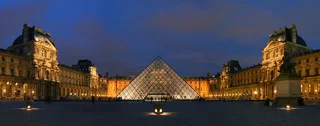
오늘날 루브르는 밀로의 비너스부터 제리코의 메두사호의 뗏목까지 3만 5천 점이 넘는 작품을 소장하고 있다. 그러나 인파가 몰려드는 곳은 작은 초상화 한 점 앞이다. 1911년 8월 그 그림이 사라졌다. 미술관에서 일한 적 있는 이탈리아인 잡역부 빈첸초 페루자가 레오나르도의 모나리자를 벽에서 떼어 외투 속에 감춰 들고 나간 것이다. 2년 동안 빈 액자만 걸려 있었고 관람객들은 그 빈자리를 보러 왔으며, 그림은 페루자가 피렌체의 한 화상에게 팔려다 붙잡힌 뒤인 1913년에야 돌아왔다. 1989년 안뜰에 세워진 이오 밍 페이의 유리 피라미드가 이제 입구를 이룬다.
다른 아티클
소장품
작품 1174점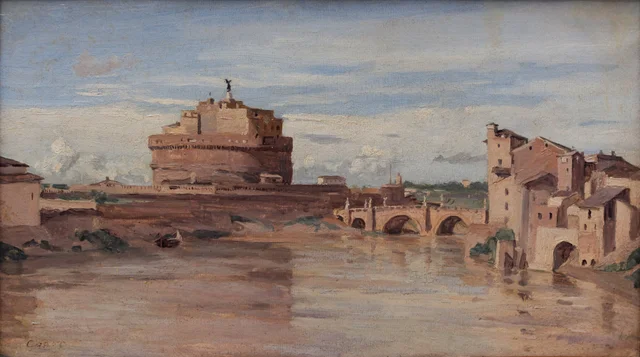 산탄젤로 성과 티베르강장바티스트 카미유 코로, 1826
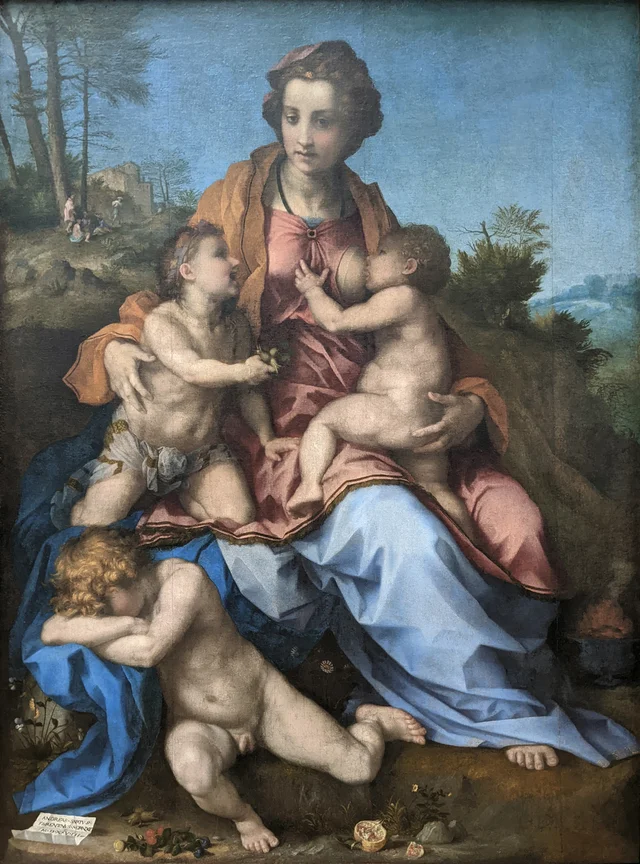 자애안드레아 델 사르토, 1518
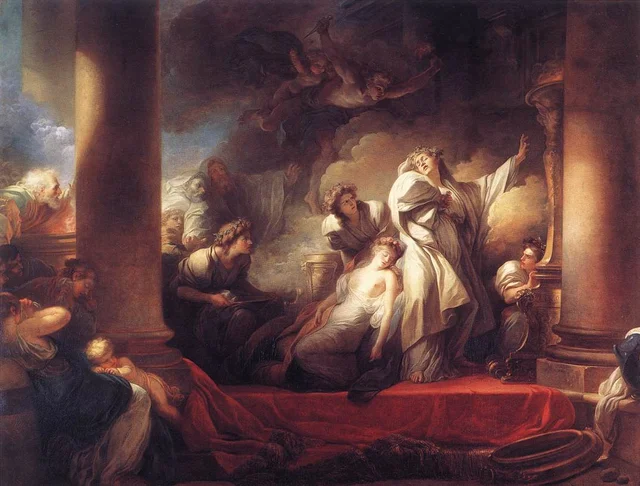 칼리로에를 구하기 위해 자신을 희생하는 코레소스장오노레 프라고나르, 1765
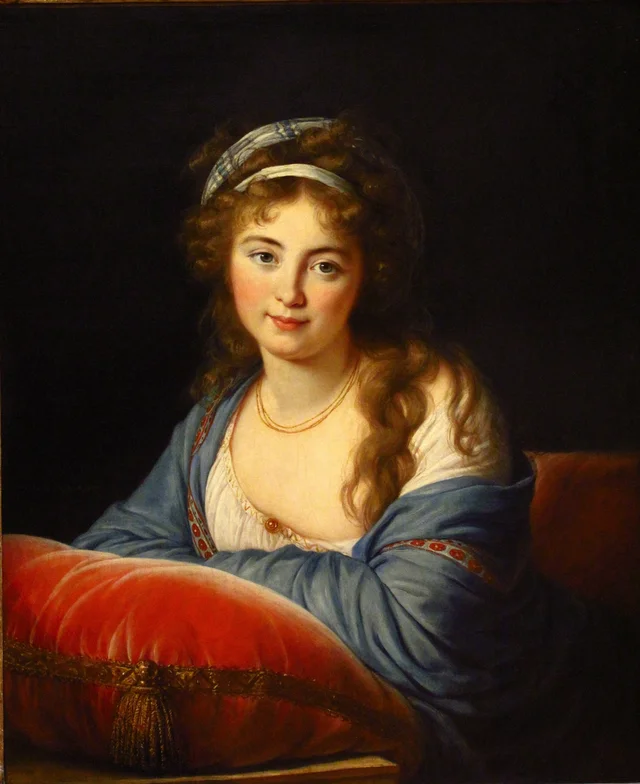 예카테리나 바실리예브나 스카브론스카야 백작 부인엘리자베트 비제 르브룅, 1796
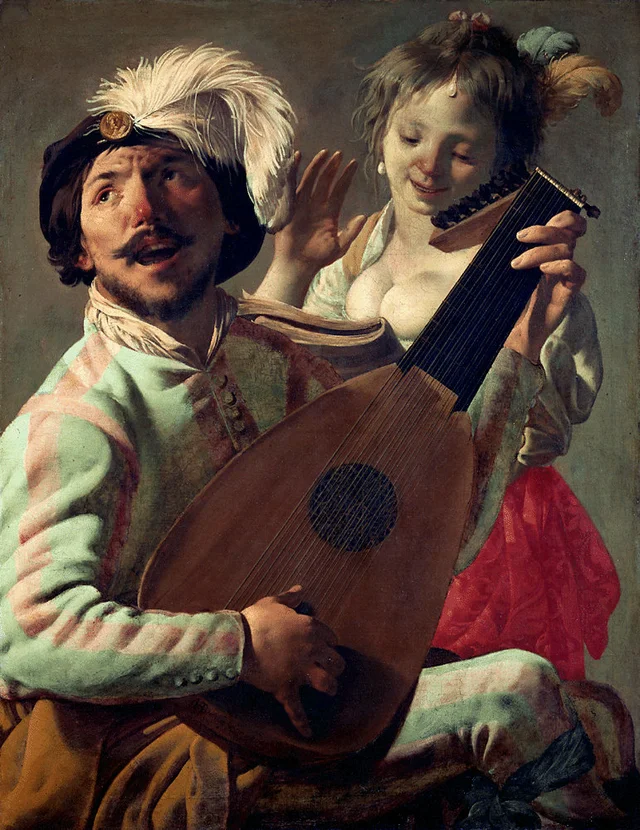 이중주헨드릭 테르 브뤼헨, 1628
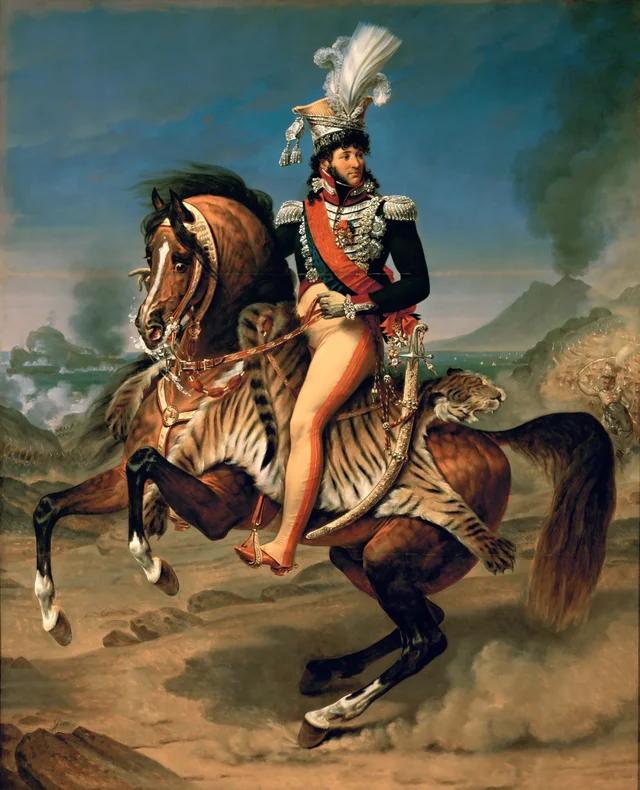 조아섕 뮈라의 기마 초상앙투안장 그로, 1812
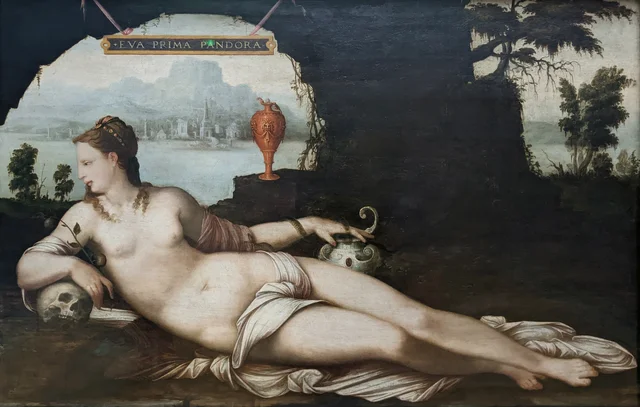 에바 프리마 판도라장 쿠쟁, 1550
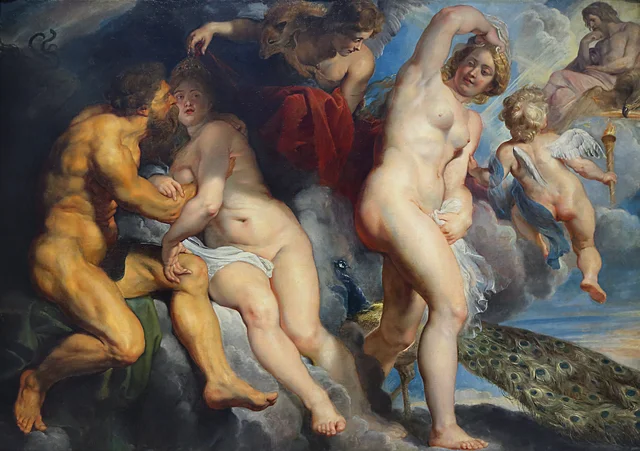 유혹하려던 유노에게 속은 라피타이족의 왕 익시온페테르 파울 루벤스, 1615
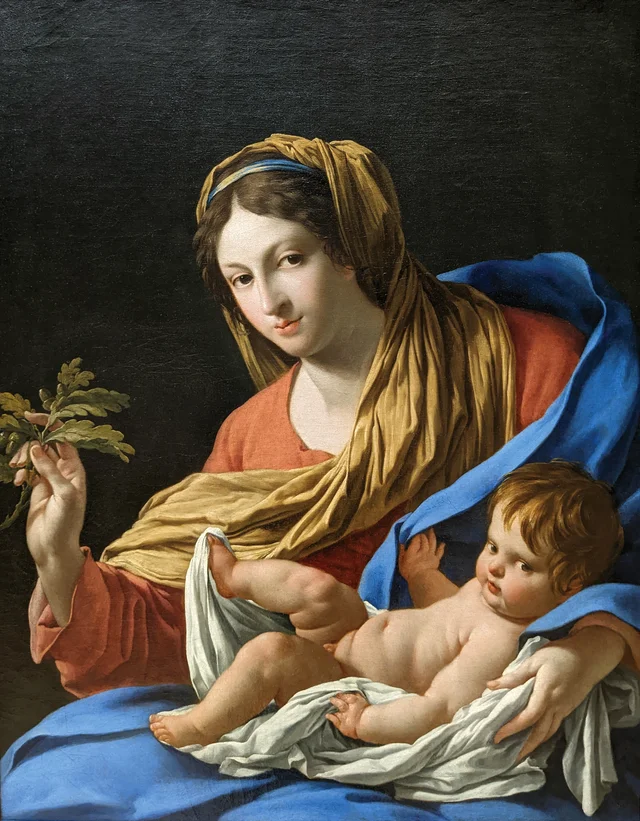 성모자시몽 부에, 1640
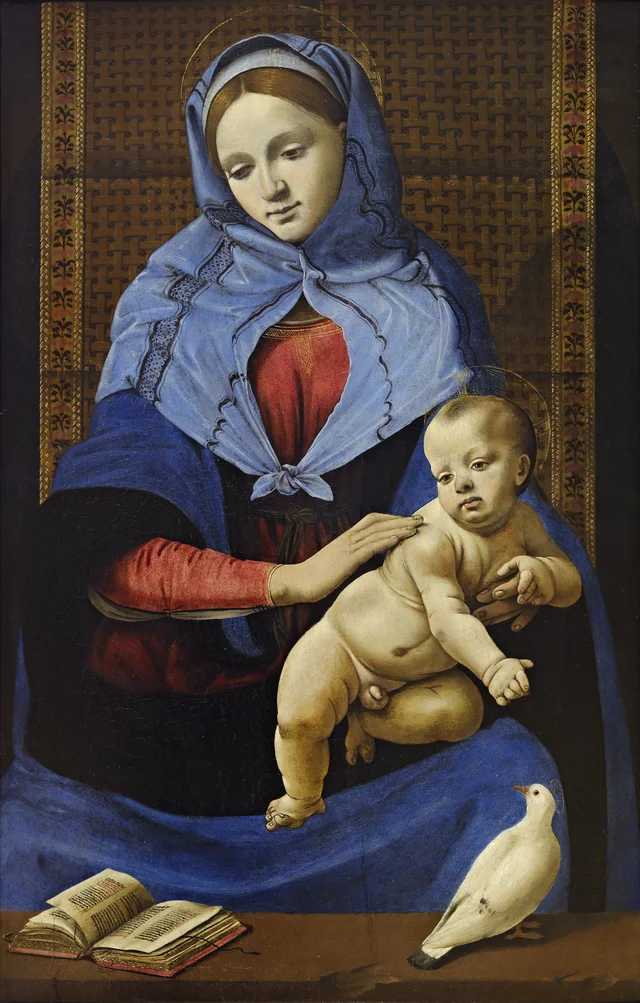 비둘기와 함께 있는 성모자피에로 디 코시모, 1490
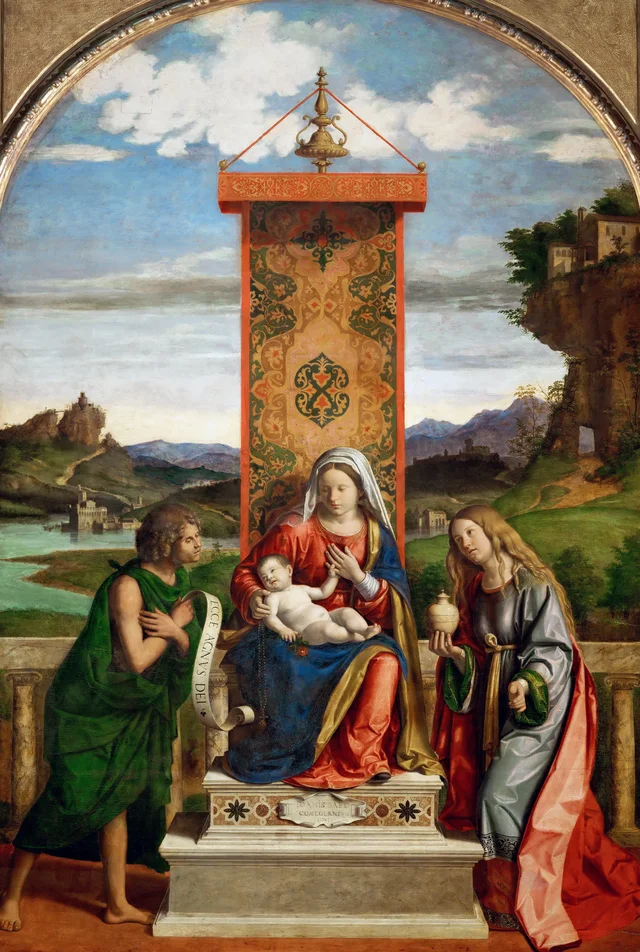 성모자와 세례자 요한 및 막달레나조반니 바티스타 치마 다 코넬리아노, 1511
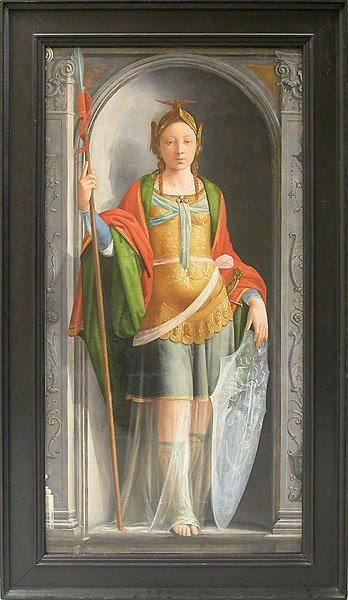 미네르바프라 바르톨로메오, 1490
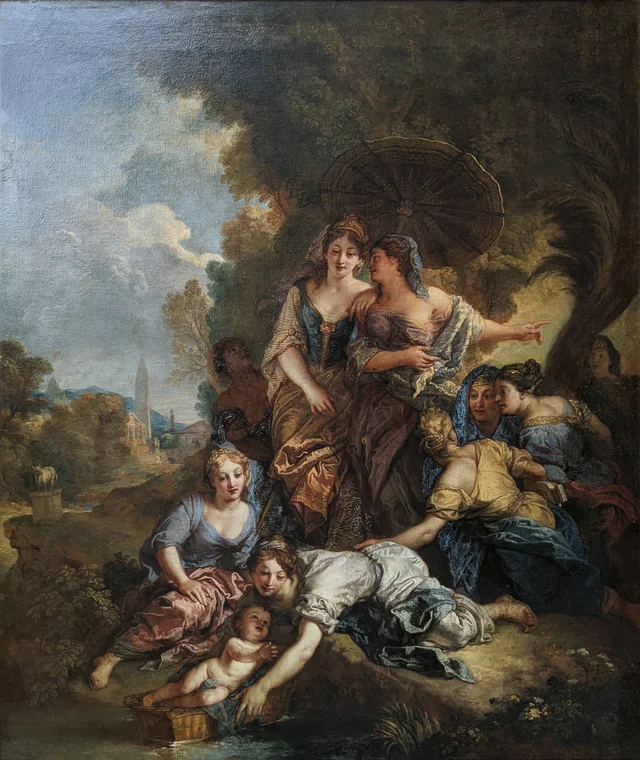 물에서 구출되는 모세샤를 드 라 포스, 1701
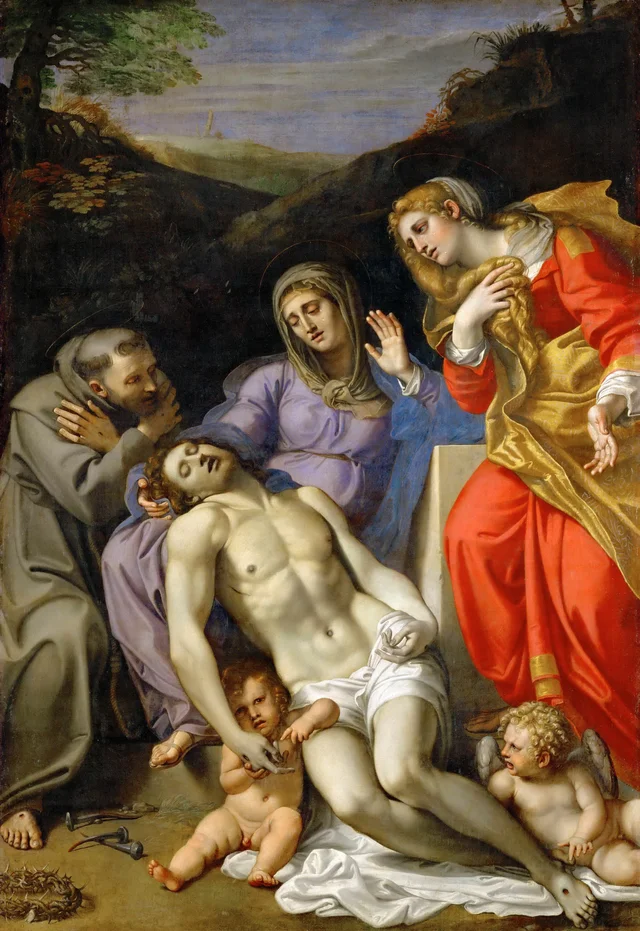 성 프란치스코와 막달라 마리아가 있는 피에타안니발레 카라치, 1602
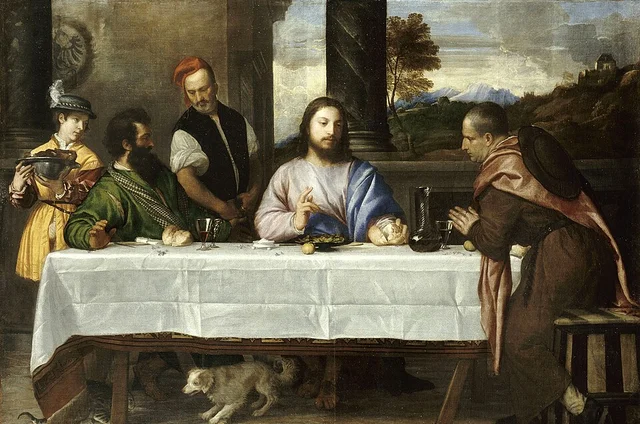 엠마오의 순례자들티치아노, 1533
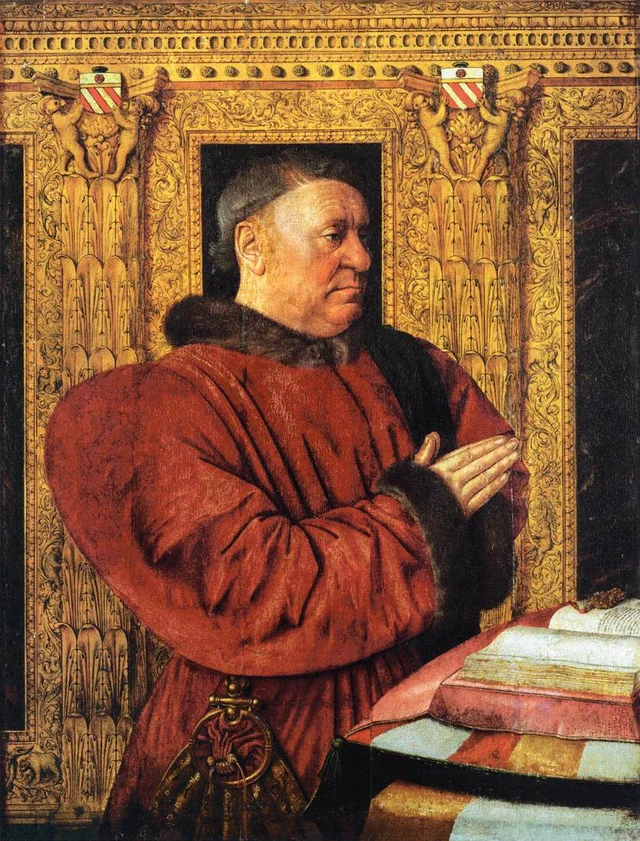 기욤 주브넬 데 우르생의 초상장 푸케, 1460
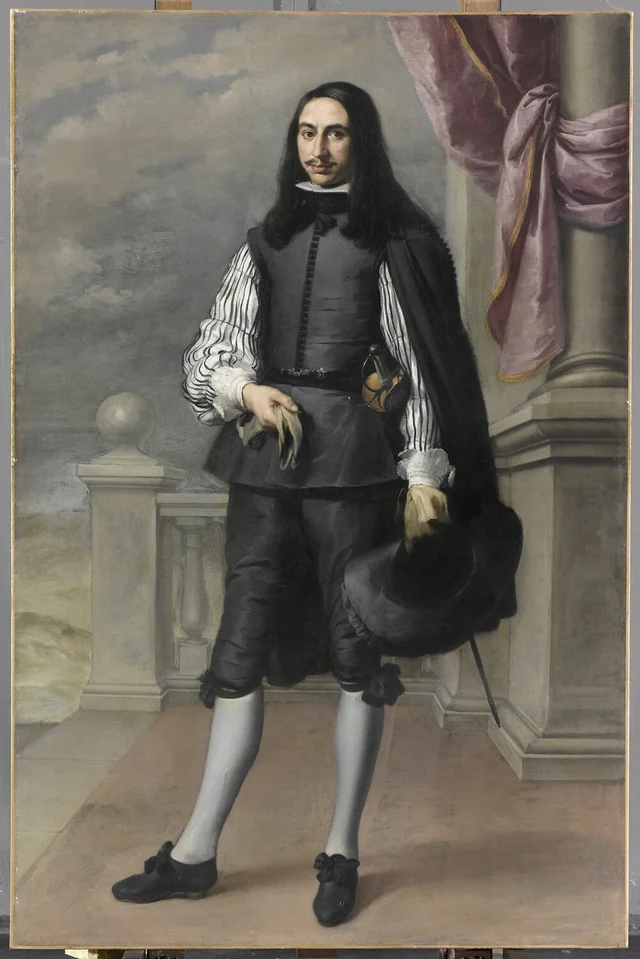 이니고 페르난데스 데 벨라스코의 초상바르톨로메 에스테반 무리요, 1659
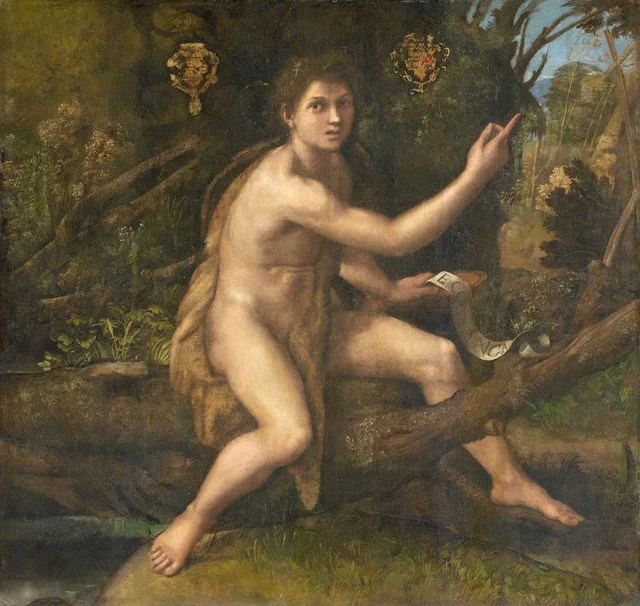 광야의 세례자 성 요한라파엘로, 1516
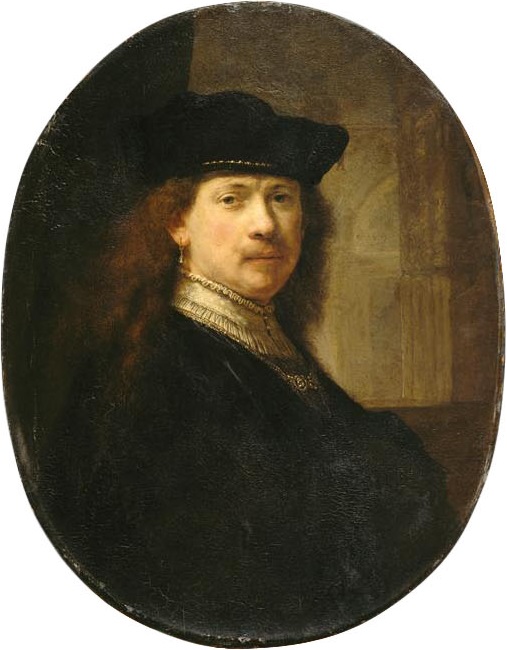 배경에 건축적 요소가 있는 자화상렘브란트, 1639
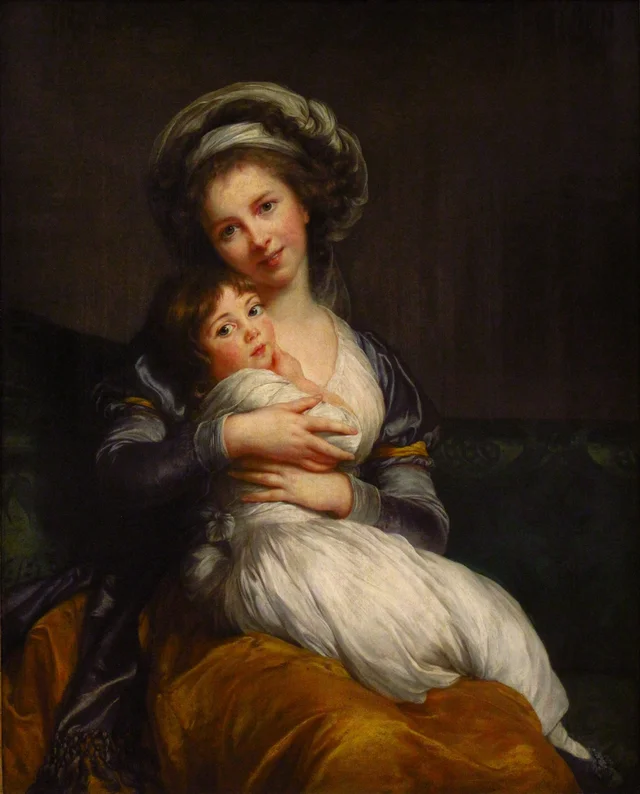 딸 쥘리와 함께한 자화상엘리자베트 비제 르브룅, 1786
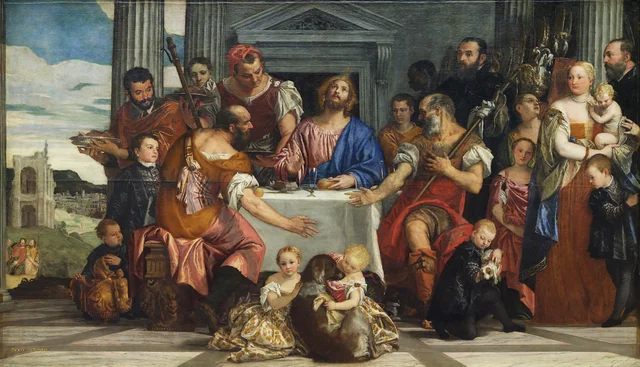 엠마오의 저녁 식사파올로 베로네세, 1559
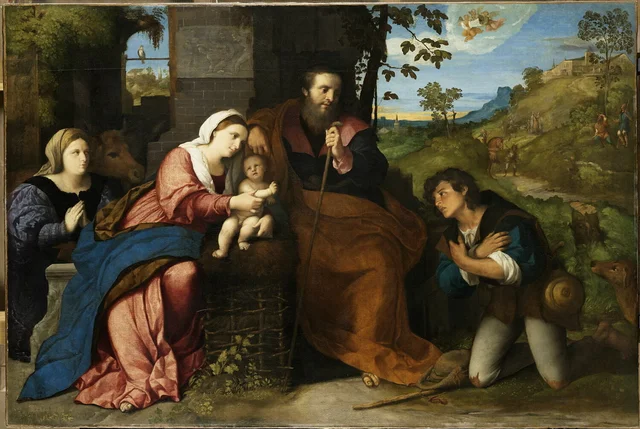 봉헌자와 함께한 목자들의 경배팔마 일 베키오, 1520
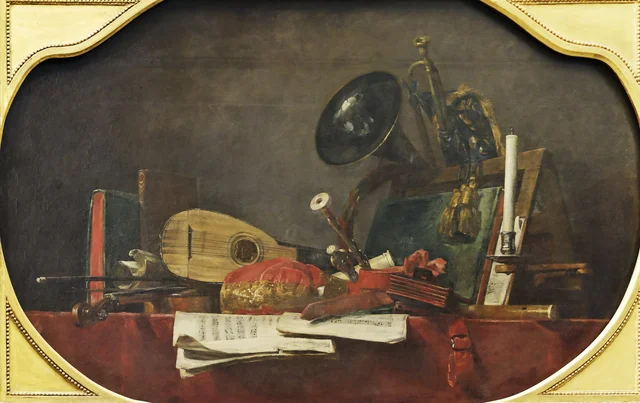 음악의 상징물장바티스트시메옹 샤르댕, 1765
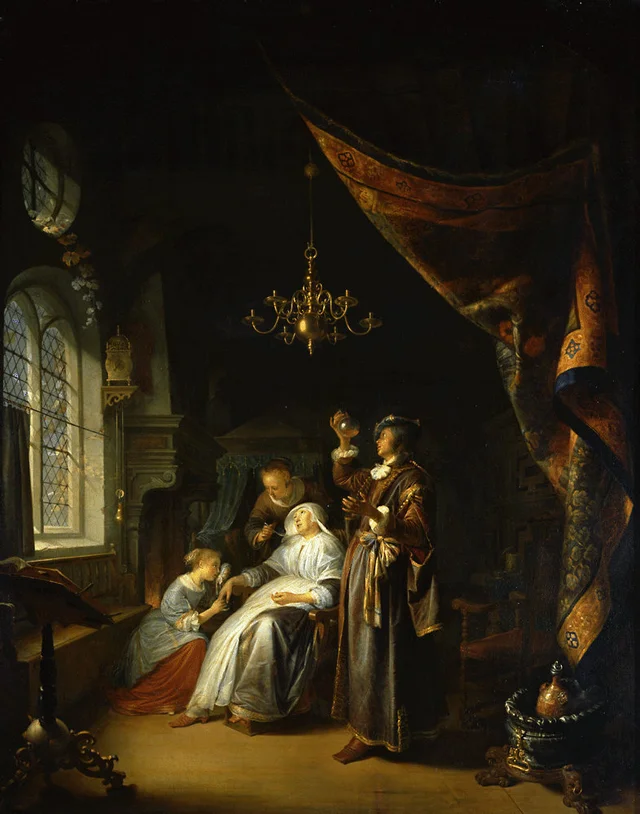 수종에 걸린 여인헤리트 다우, 1663
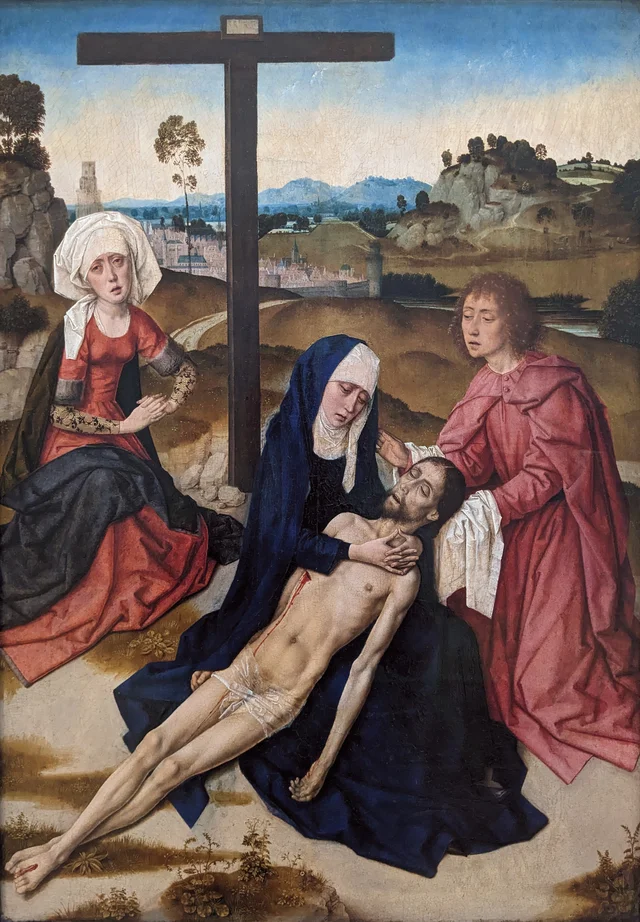 죽은 그리스도에 대한 애도디리크 보우츠, 1460