오디오 가이드
이야기
이 미술관이 한 사람의 이름을 단 것은, 그야말로 문자 그대로 한 사람의 사업이었기 때문이다. 모스크바의 직물 상인 파벨 트레티야코프는 1850년대에 뚜렷한 목표를 품고 러시아 그림을 사기 시작했으니, 진지한 수집가들이 유럽 미술을 좇던 시절에 국가적 컬렉션을 세우려는 것이었다. 그는 살아 있는 화가들에게서 직접 사들여 그림이 식구들을 밀어낼 만큼 집을 가득 채웠고, 1892년 약 2,000점에 이르는 컬렉션 전체를 모스크바 시에 선물로 내놓았다.
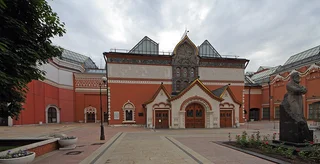
그가 증축한 건물 자체도 하나의 명소가 되었다. 붉은 벽돌과 흰 돌, 그리고 옛이야기가 살아난 듯한 뾰족한 박공으로 이루어진 동화 같은 정면은 1900년 이후 화가 빅토르 바스네초프가 설계했으니, 그릇이 그 안에 담긴 러시아 미술과 어울린다.
그리고 그 미술은 러시아 회화 자체의 이야기다. 이곳에는 러시아 미술에서 가장 위대하다고 널리 여겨지는 15세기 이콘인 안드레이 루블료프의 삼위일체가 있고, 아카데미와 결별한 사실주의자들인 이동파의 거대한 그림들이 있다. 그중 하나인 일리야 레핀의 그림, 방금 죽인 아들을 끌어안은 이반 뇌제는 관람객에게 두 차례 훼손되어 1913년에 찢기고 2018년에 다시 가격당했으며, 그때마다 공들여 복원되었다. 그 가까이에는 크람스코이의 눈길 어린 초상들과 수리코프의 광대하고 북적이는 러시아 역사 장면들이 걸려 있고, 미술관이 예술로서 선보이는 중세 이콘들이 홀 하나를 가득 채운다.
소장품
작품 112점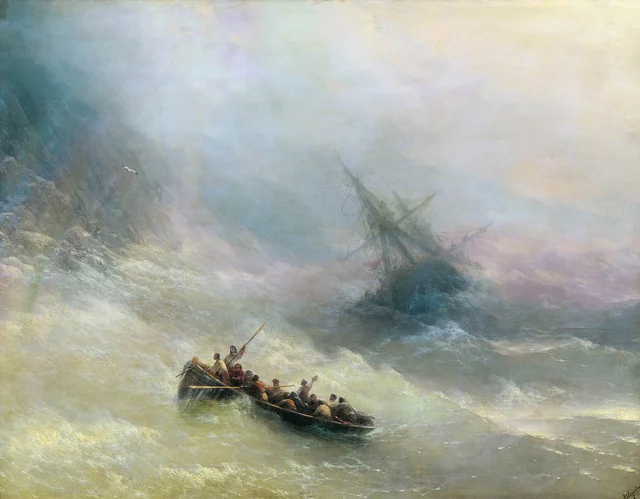 무지개이반 아이바좁스키, 1873
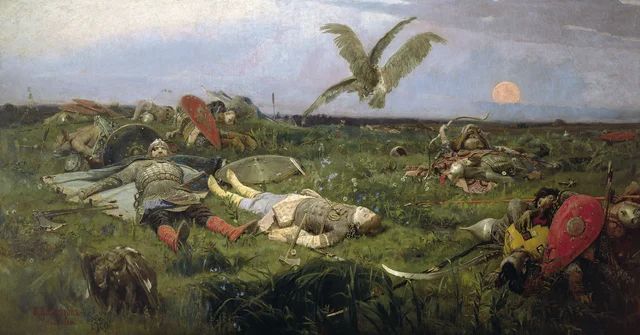 이고리 공의 전투 후빅토르 바스네초프, 1880
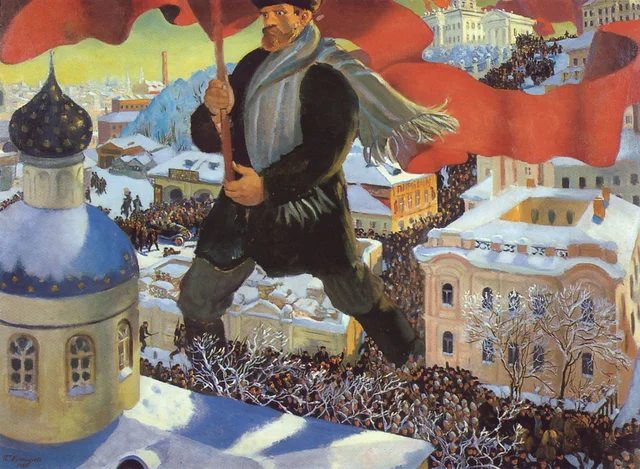 볼셰비키보리스 쿠스토디예프, 1920
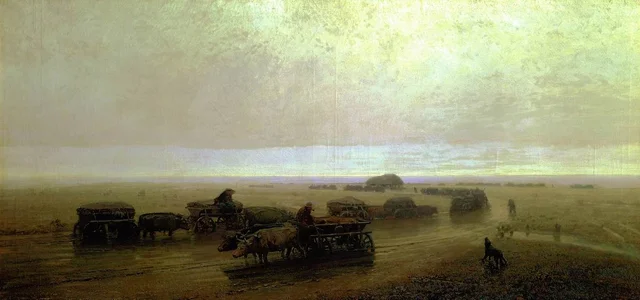 마리우폴의 추마크 길아르히프 쿠인지, 1875
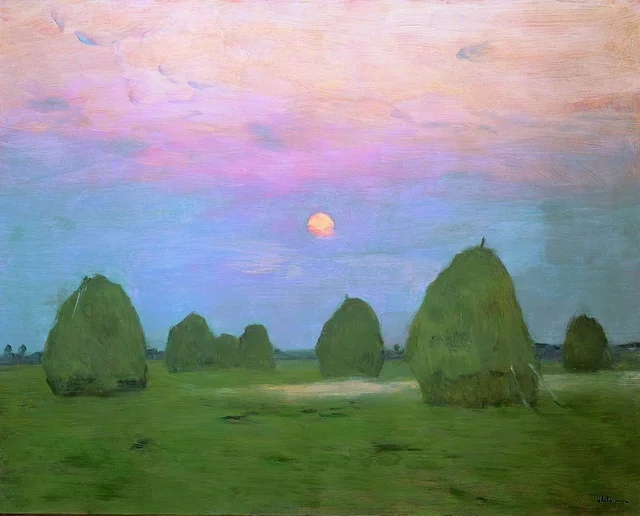 땅거미. 건초더미이사크 레비탄, 1899
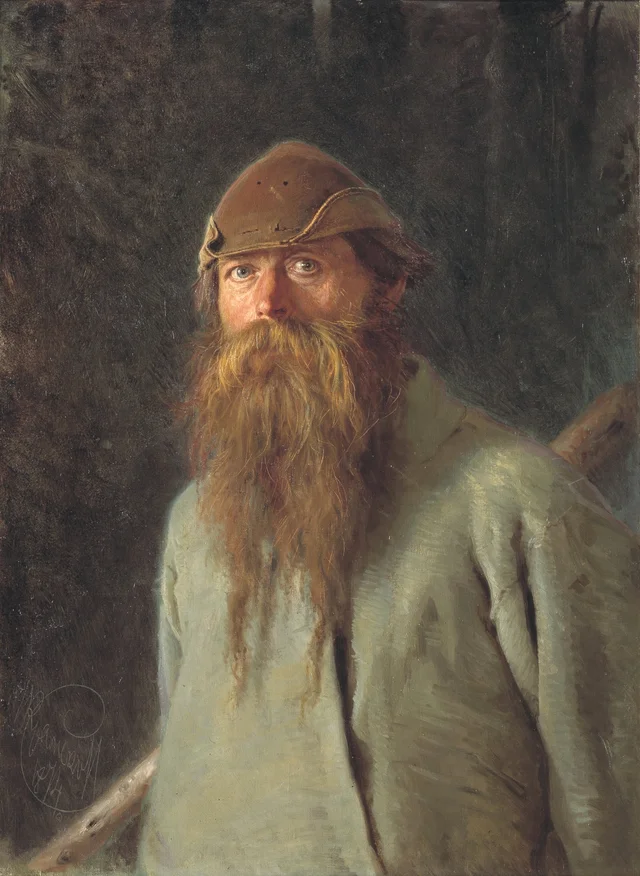 산지기이반 크람스코이, 1874
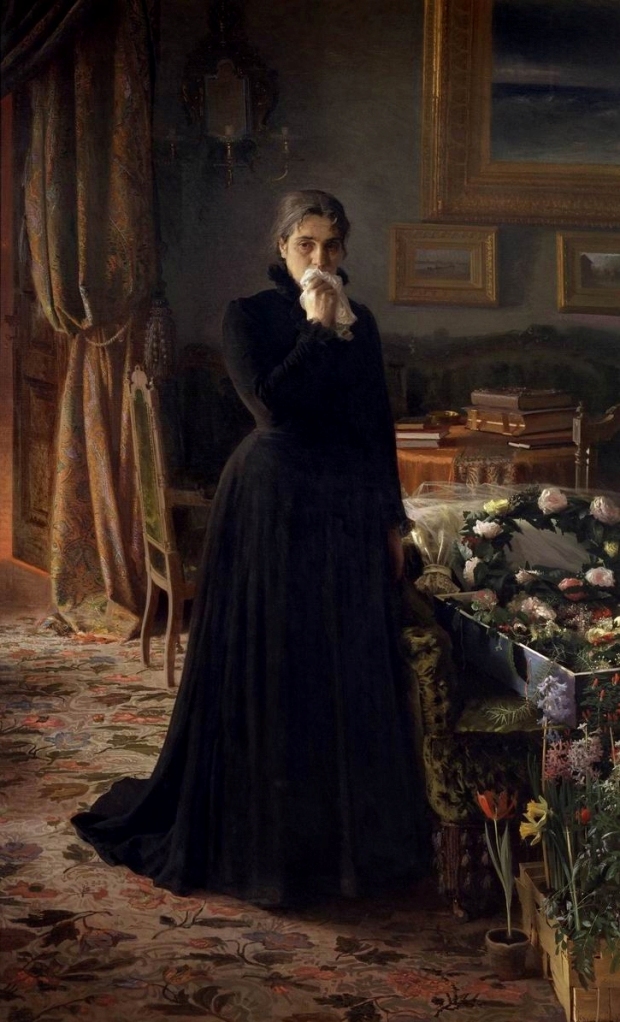 위로할 수 없는 슬픔이반 크람스코이, 1884
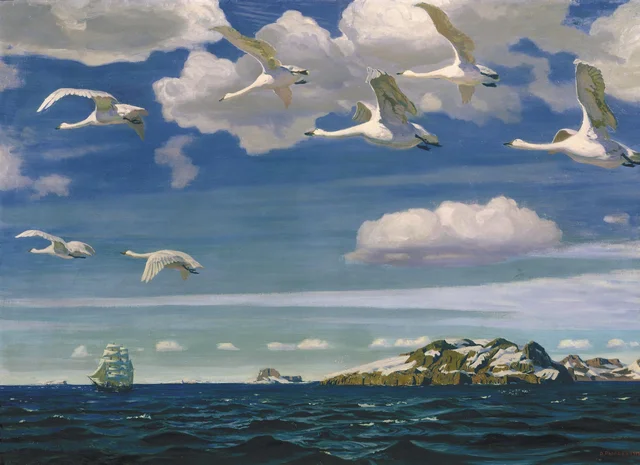 푸른 창공에서아르카디 릴로프, 1918
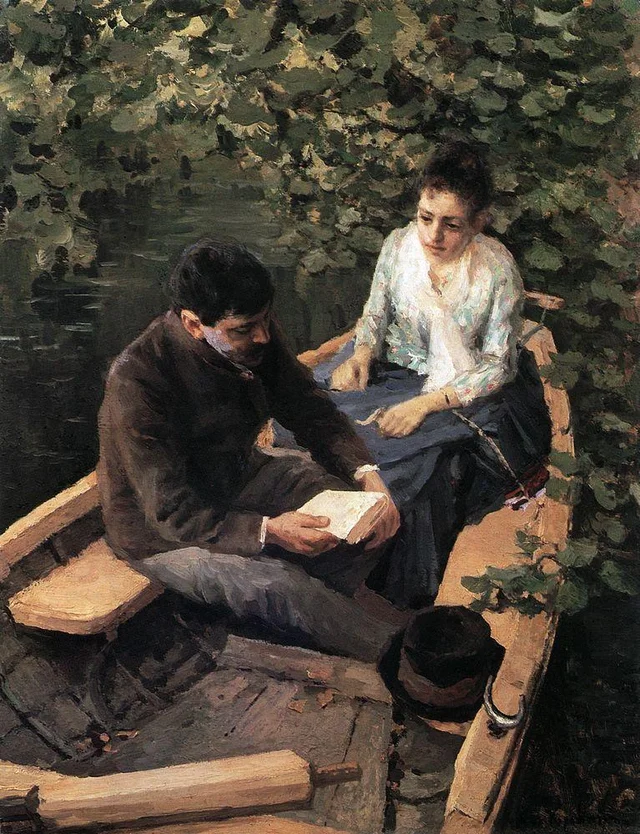 보트에서콘스탄틴 코로빈, 1888
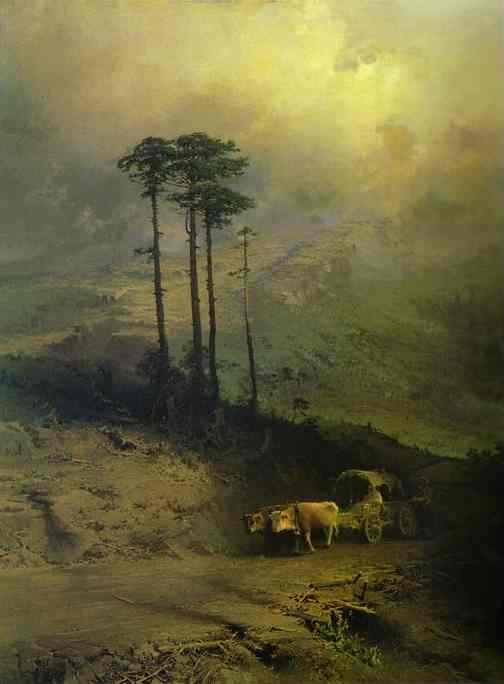 크림 산속에서표도르 바실리예프, 1873
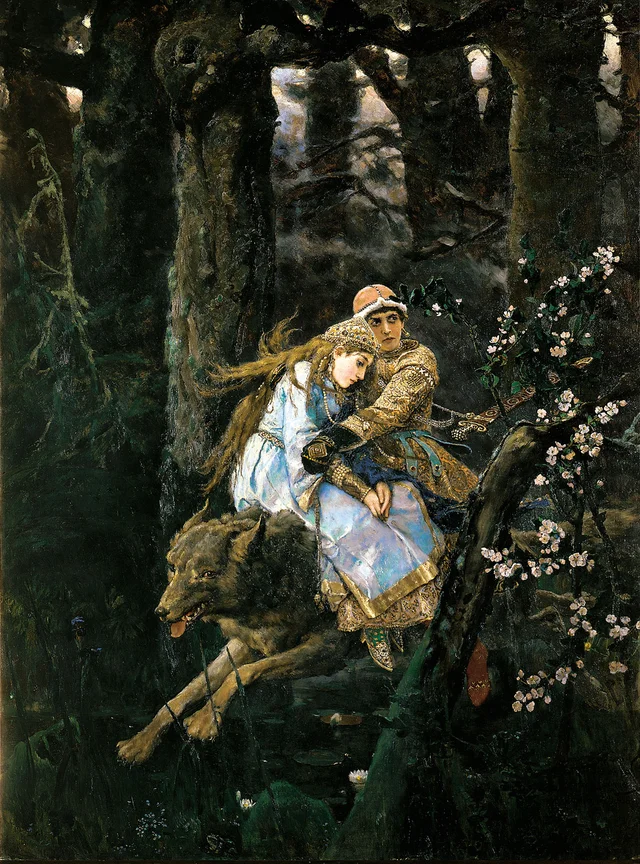 회색 늑대를 탄 이반 차레비치빅토르 바스네초프, 1889
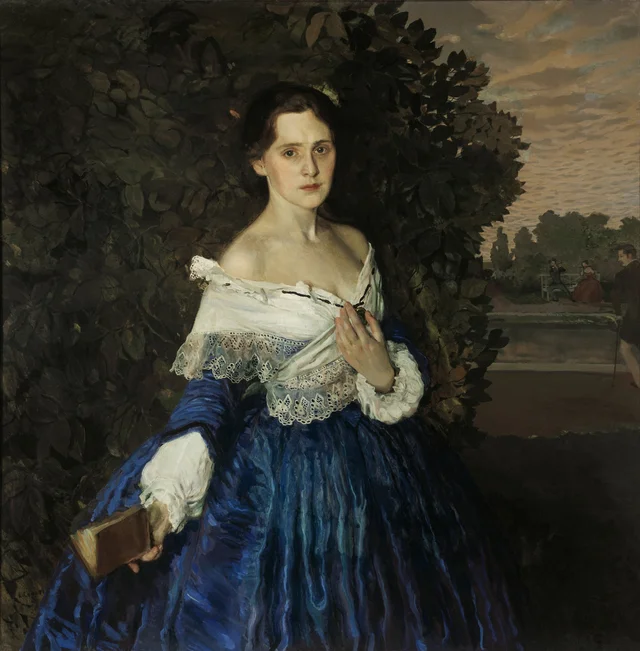 파란 옷의 여인콘스탄틴 소모프, 1897
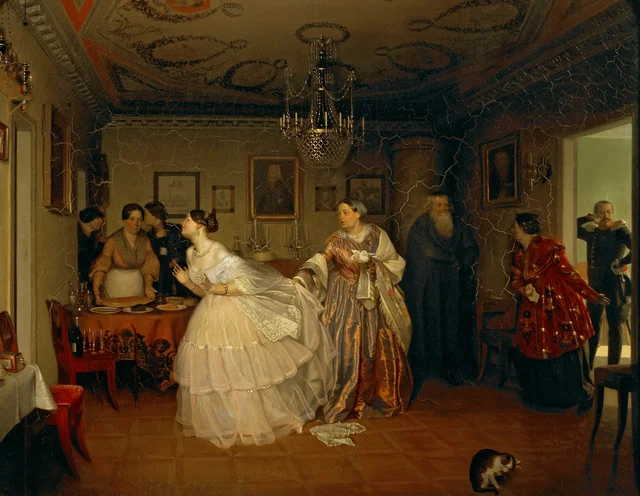 소령의 청혼파벨 페도토프, 1848
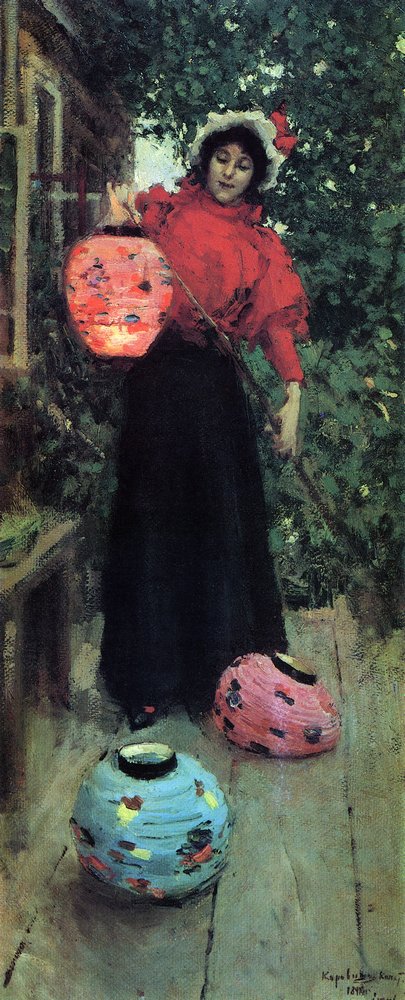 종이 등불콘스탄틴 코로빈, 1896
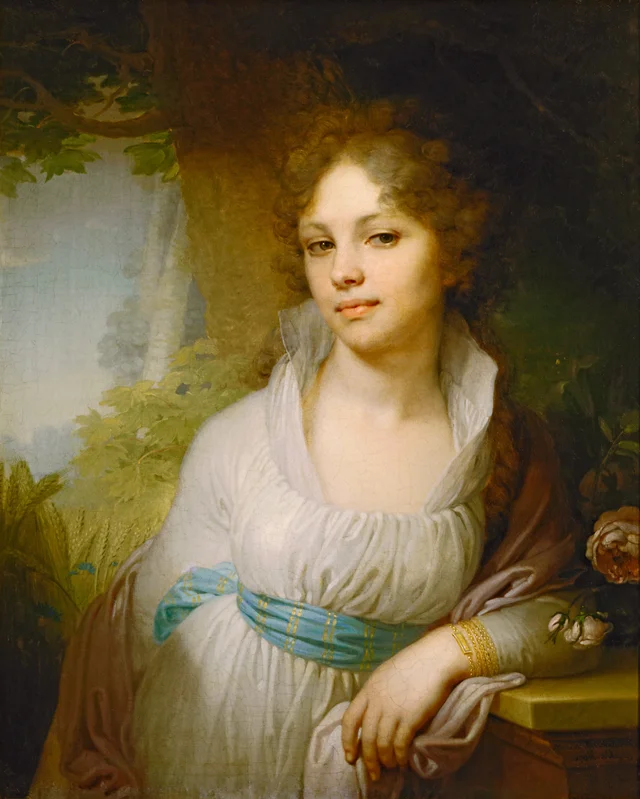 마리야 이바노브나 로푸히나의 초상블라디미르 보로비콥스키, 1797
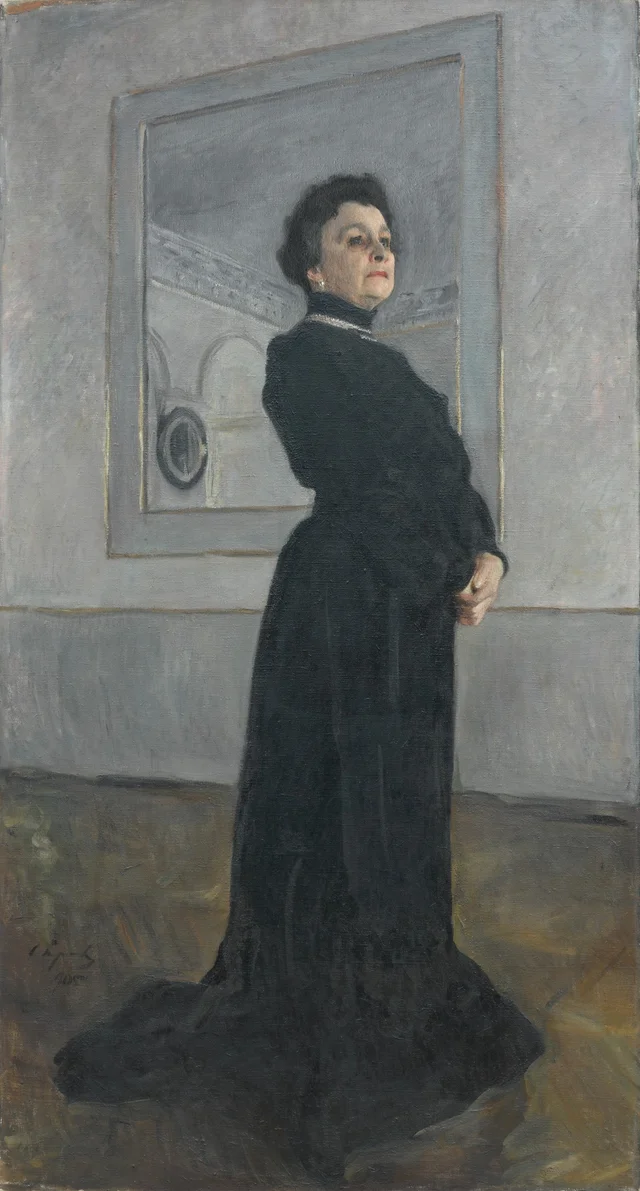 마리야 예르몰로바의 초상발렌틴 세로프, 1905
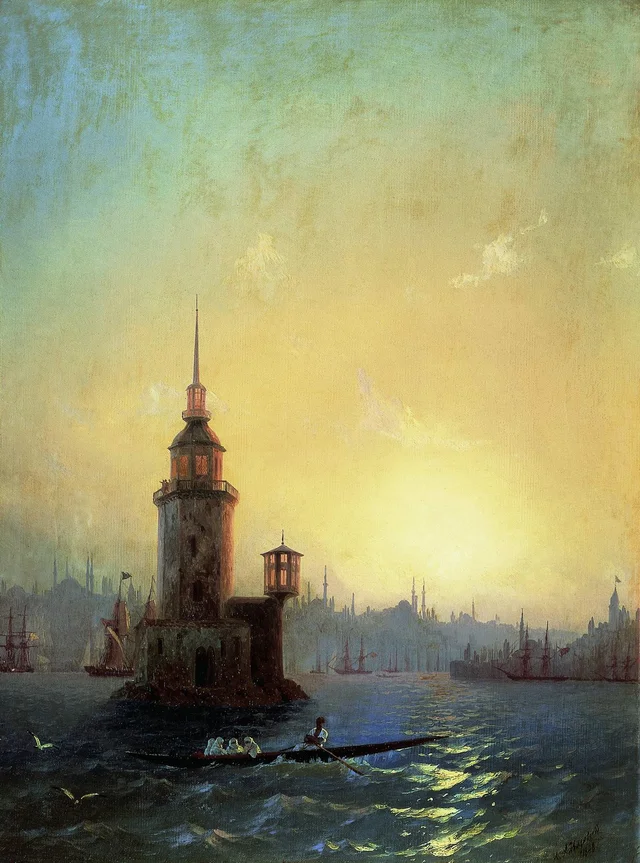 처녀의 탑이반 아이바좁스키, 1848
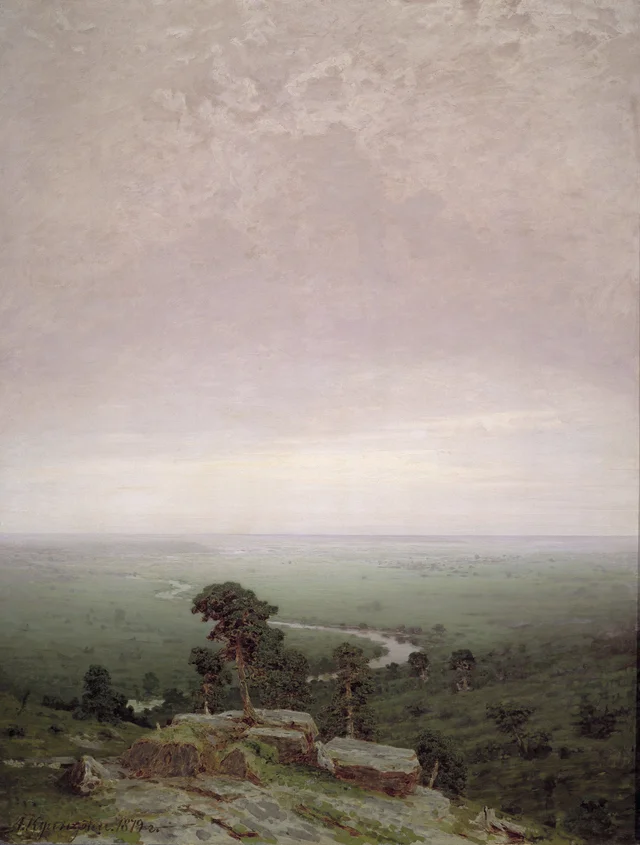 북쪽아르히프 쿠인지, 1879
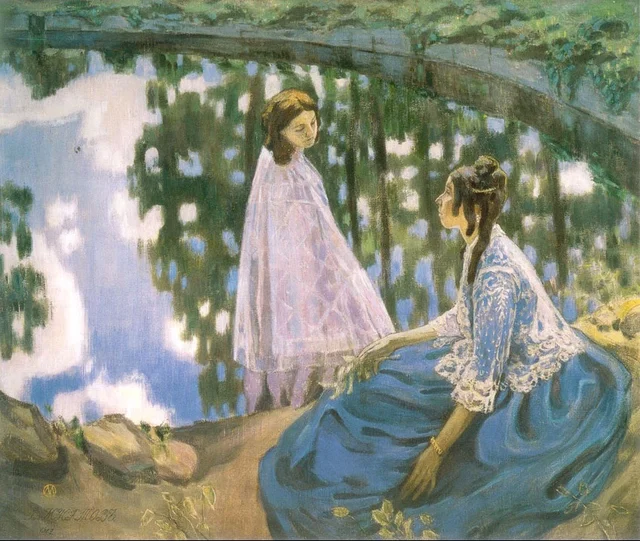 연못빅토르 보리소프무사토프, 1902
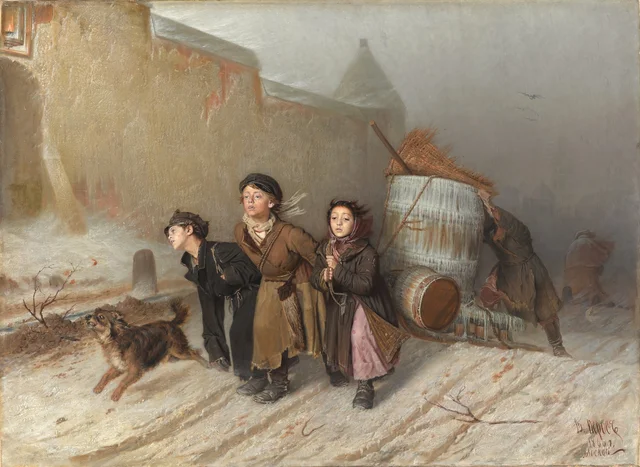 트로이카바실리 페로프, 1866
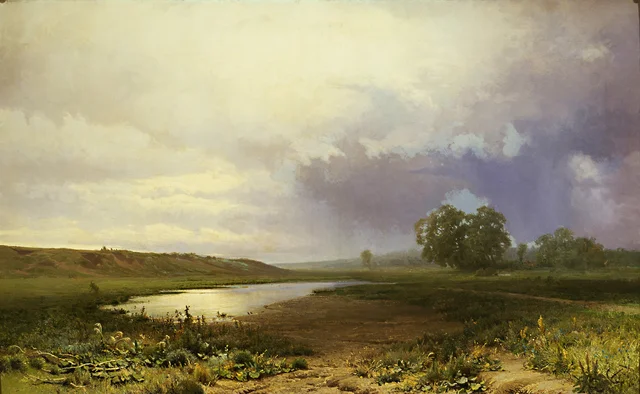 젖은 초원표도르 바실리예프, 1872
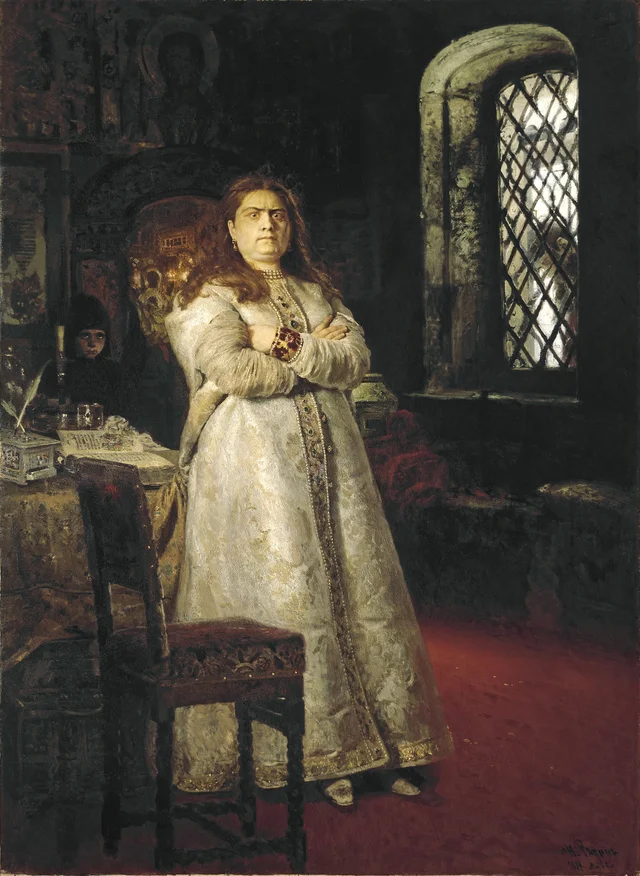 노보데비치 수도원의 소피야 여제일리야 레핀, 1879
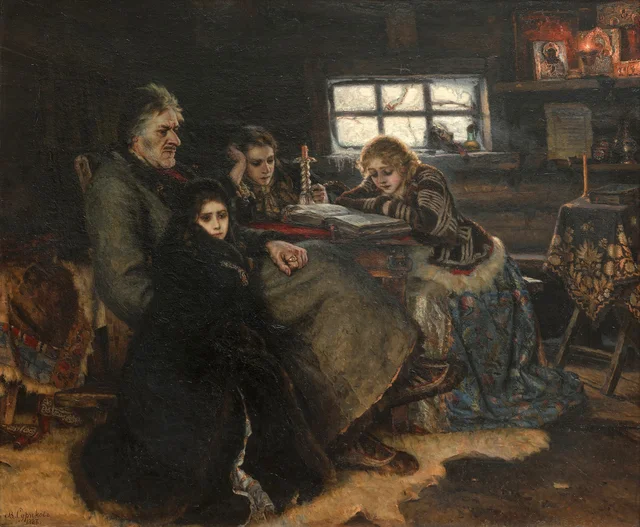 베료조보의 멘시코프바실리 수리코프, 1883
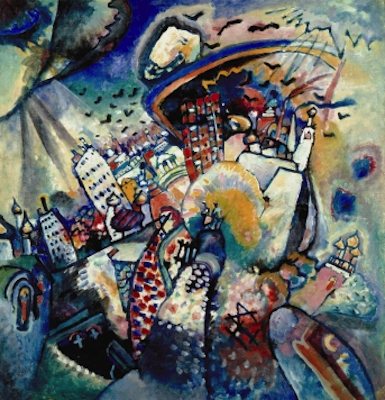 모스크바 I바실리 칸딘스키, 1916
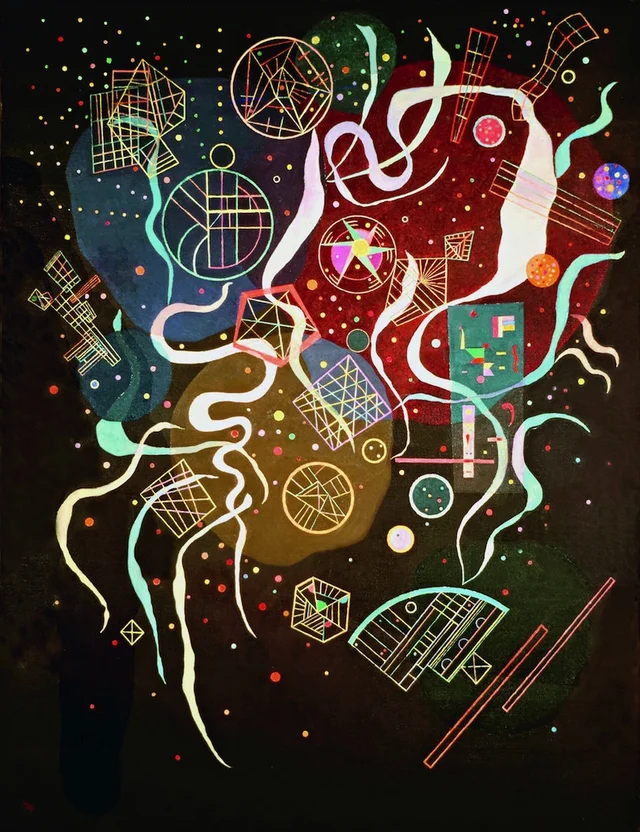 움직임 I바실리 칸딘스키, 1935