오디오 가이드
이야기
이 미술관이 한 사람의 이름을 단 것은, 그야말로 문자 그대로 한 사람의 사업이었기 때문이다. 모스크바의 직물 상인 파벨 트레티야코프는 1850년대에 뚜렷한 목표를 품고 러시아 그림을 사기 시작했으니, 진지한 수집가들이 유럽 미술을 좇던 시절에 국가적 컬렉션을 세우려는 것이었다. 그는 살아 있는 화가들에게서 직접 사들여 그림이 식구들을 밀어낼 만큼 집을 가득 채웠고, 1892년 약 2,000점에 이르는 컬렉션 전체를 모스크바 시에 선물로 내놓았다.
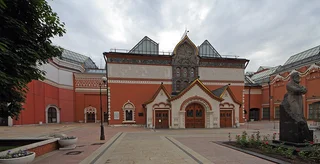
그가 증축한 건물 자체도 하나의 명소가 되었다. 붉은 벽돌과 흰 돌, 그리고 옛이야기가 살아난 듯한 뾰족한 박공으로 이루어진 동화 같은 정면은 1900년 이후 화가 빅토르 바스네초프가 설계했으니, 그릇이 그 안에 담긴 러시아 미술과 어울린다.
그리고 그 미술은 러시아 회화 자체의 이야기다. 이곳에는 러시아 미술에서 가장 위대하다고 널리 여겨지는 15세기 이콘인 안드레이 루블료프의 삼위일체가 있고, 아카데미와 결별한 사실주의자들인 이동파의 거대한 그림들이 있다. 그중 하나인 일리야 레핀의 그림, 방금 죽인 아들을 끌어안은 이반 뇌제는 관람객에게 두 차례 훼손되어 1913년에 찢기고 2018년에 다시 가격당했으며, 그때마다 공들여 복원되었다. 그 가까이에는 크람스코이의 눈길 어린 초상들과 수리코프의 광대하고 북적이는 러시아 역사 장면들이 걸려 있고, 미술관이 예술로서 선보이는 중세 이콘들이 홀 하나를 가득 채운다.
소장품
작품 112점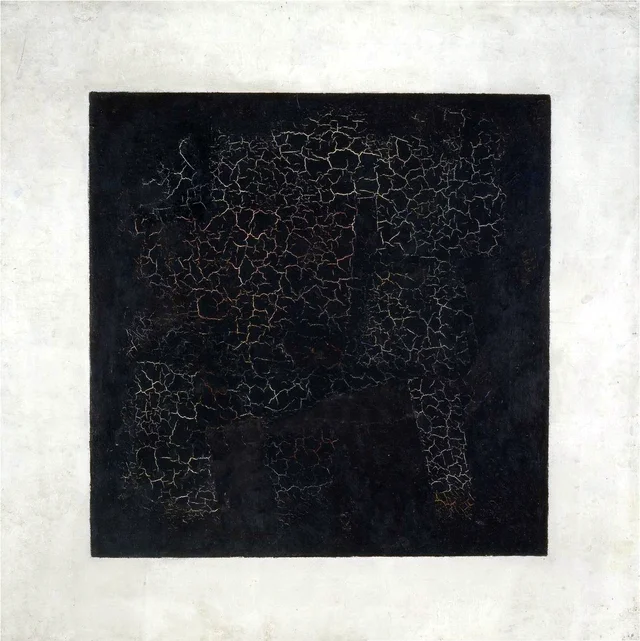 검은 사각형 (1915)카지미르 말레비치, 1915
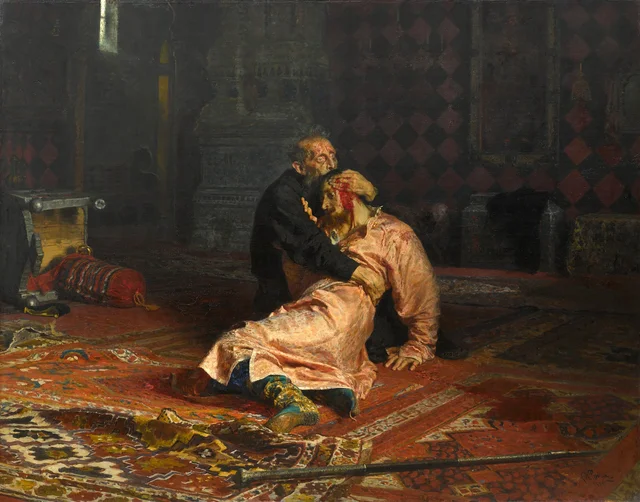 1581년 11월 16일, 이반 뇌제와 그의 아들 이반일리야 레핀, 1883
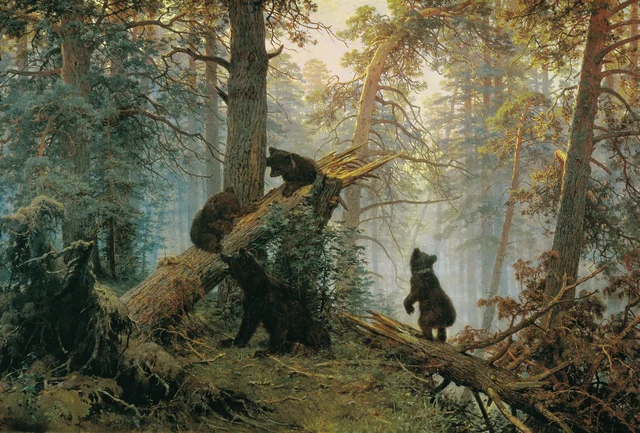 소나무 숲의 아침이반 시시킨, 1889
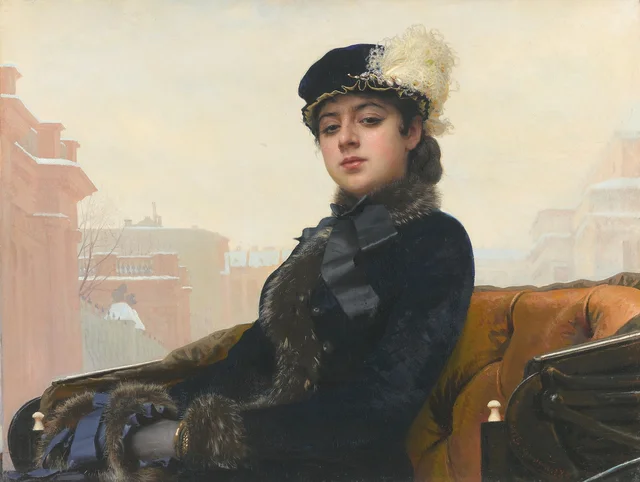 모르는 여인의 초상이반 크람스코이, 1883
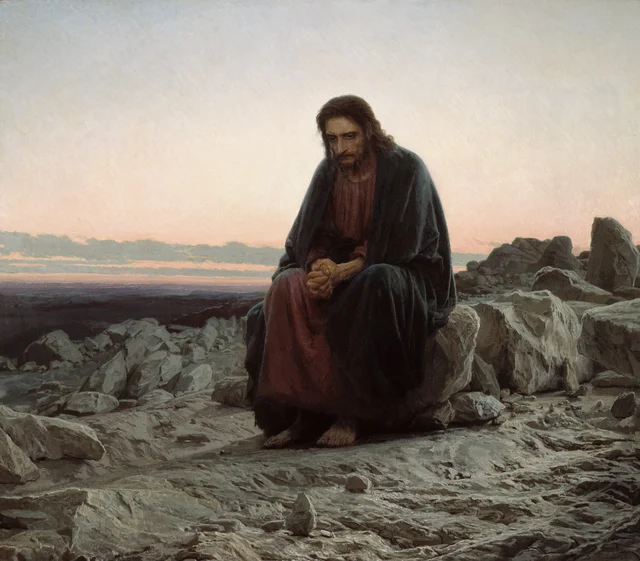 광야의 그리스도이반 크람스코이, 1872
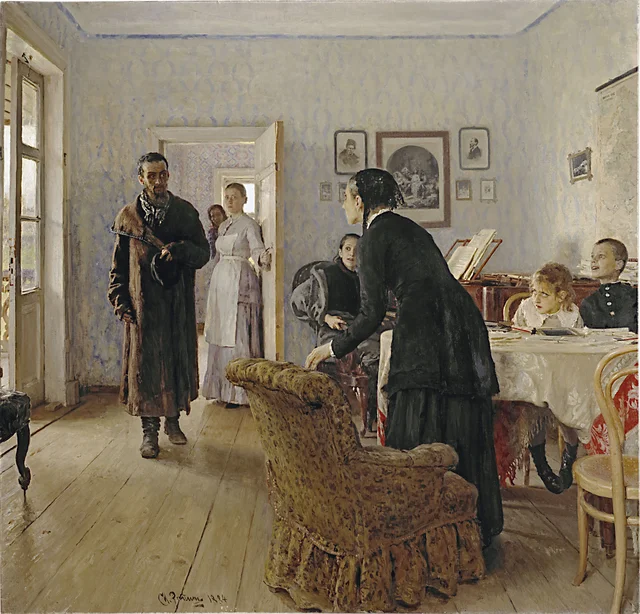 그들은 그를 기다리지 않았다일리야 레핀, 1888
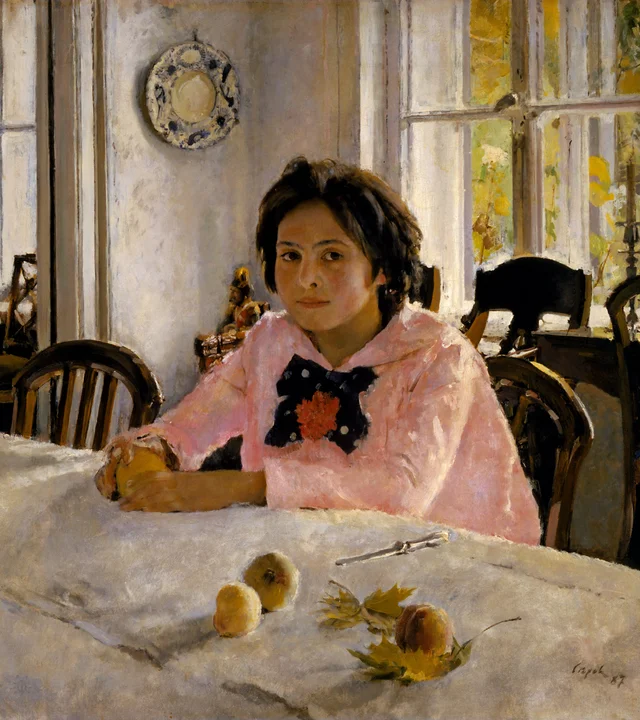 복숭아를 든 소녀발렌틴 세로프, 1887
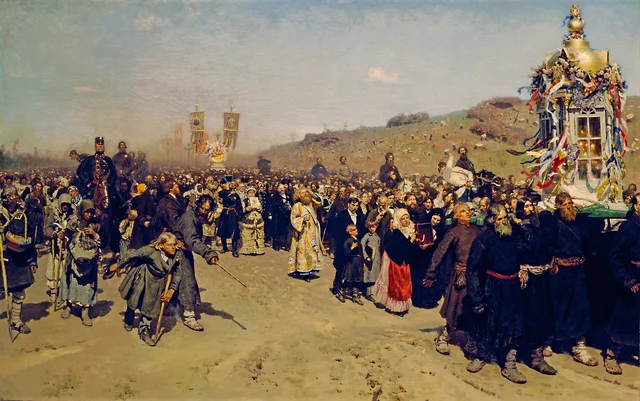 쿠르스크 현의 종교 행렬일리야 레핀, 1880
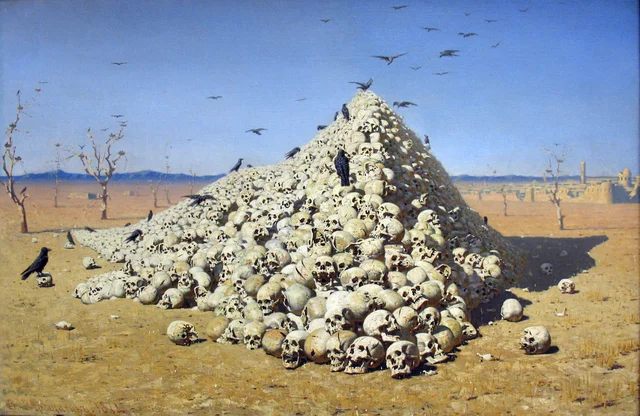 전쟁의 신격화바실리 베레샤긴, 1871
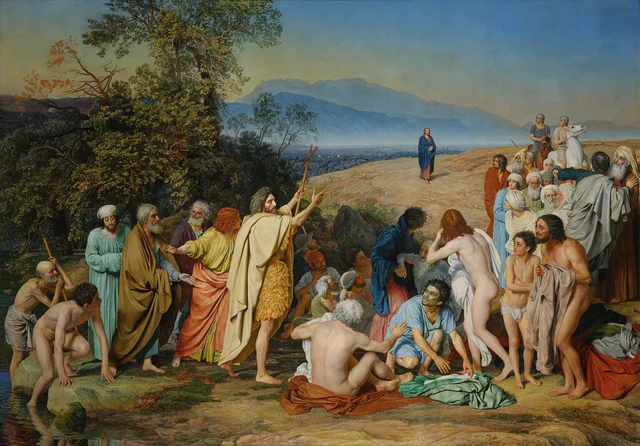 민중 앞에 나타난 그리스도알렉산드르 이바노프, 1847
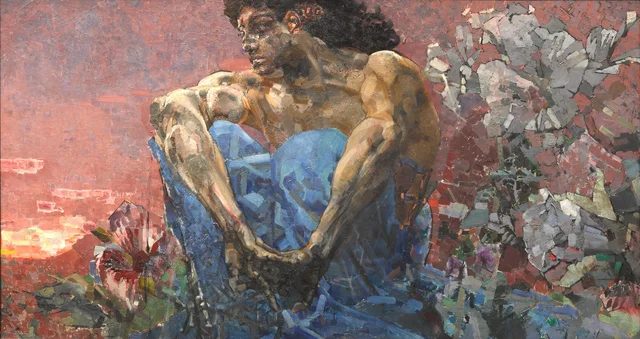 앉아 있는 악마미하일 브루벨, 1890
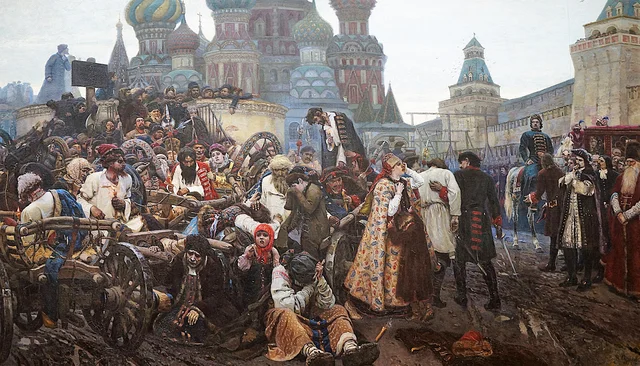 스트렐치 처형의 아침바실리 수리코프, 1881
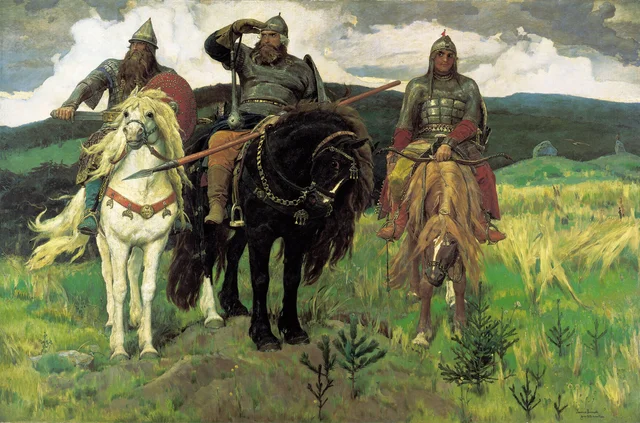 보가티리 (용사들)빅토르 바스네초프, 1898
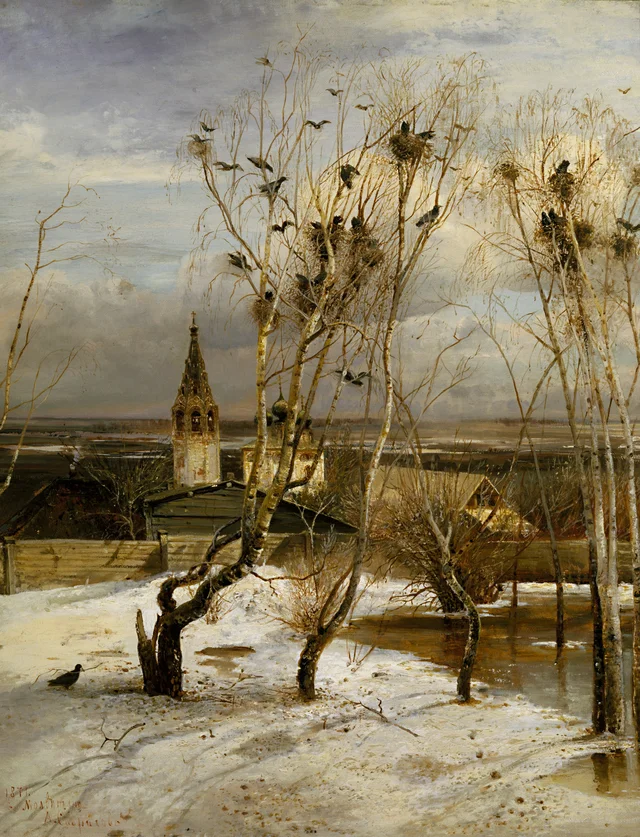 떼까마귀가 돌아왔다알렉세이 사브라소프, 1871
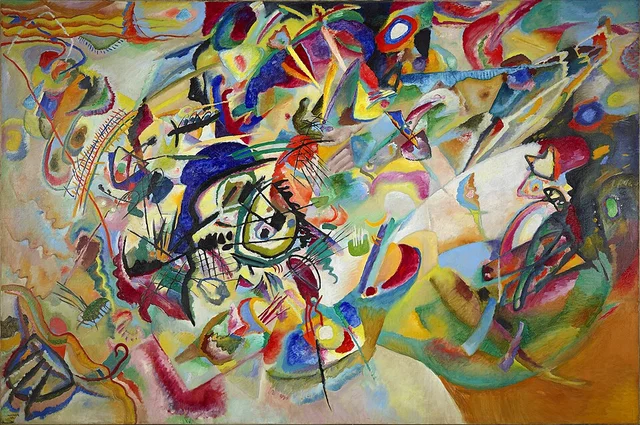 구성 VII바실리 칸딘스키, 1913
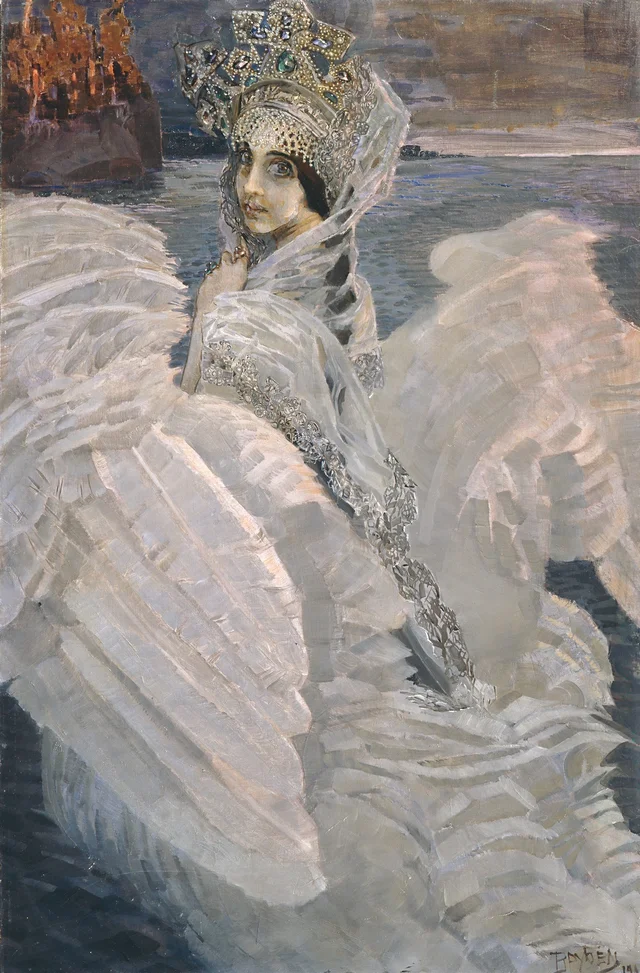 백조 공주미하일 브루벨, 1900
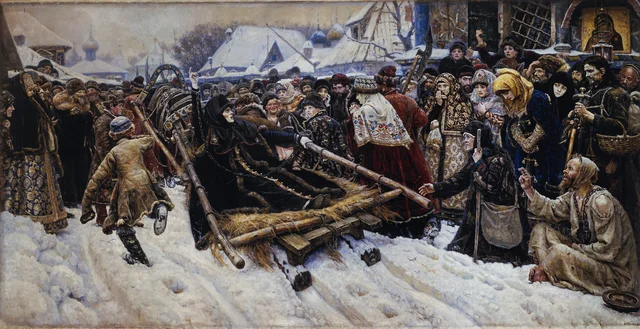 귀족 부인 모로조바바실리 수리코프, 1887
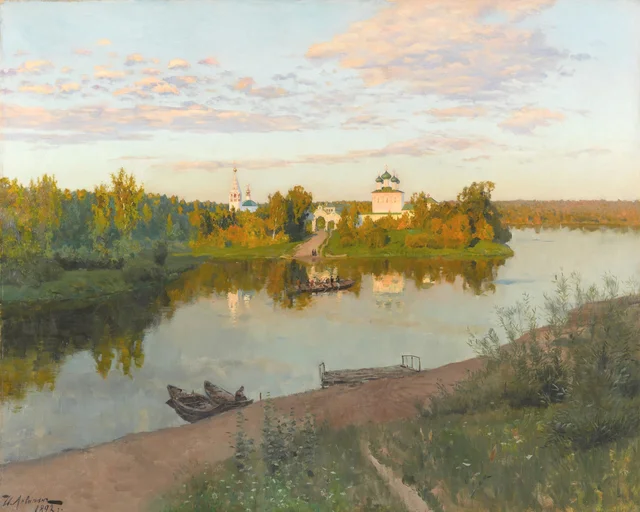 저녁 종소리이사크 레비탄, 1892
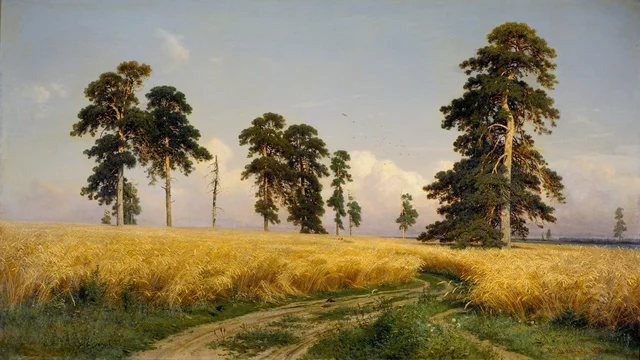 호밀밭이반 시시킨, 1878
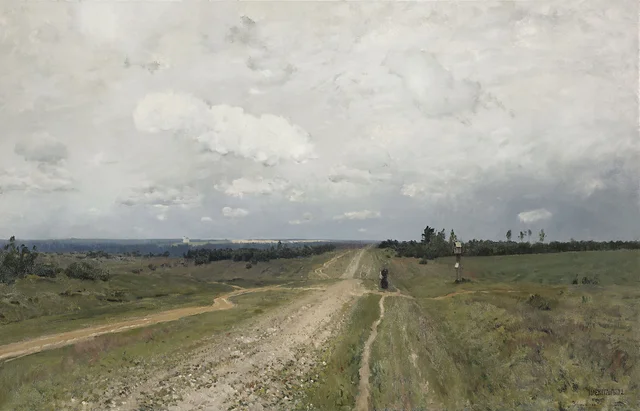 블라디미르카 길이사크 레비탄, 1892
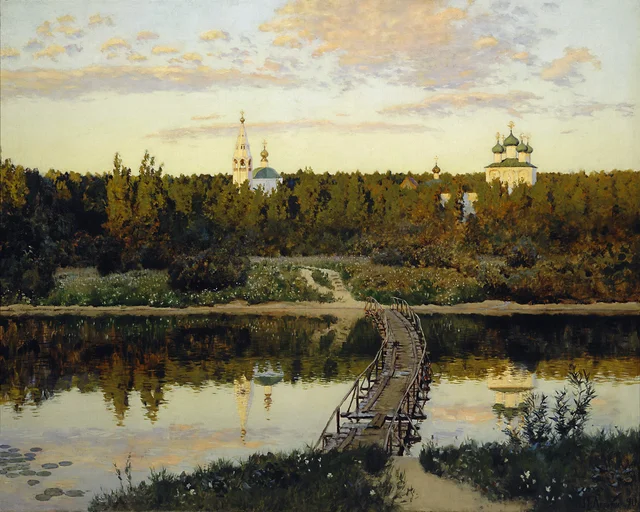 고요한 수도원이사크 레비탄, 1890
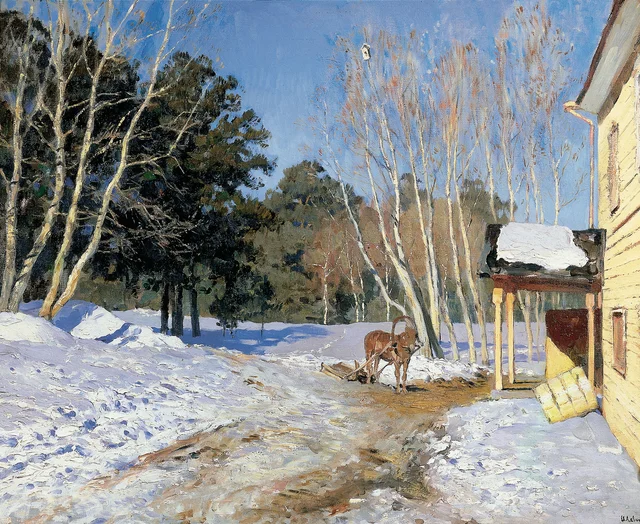 3월이사크 레비탄, 1895
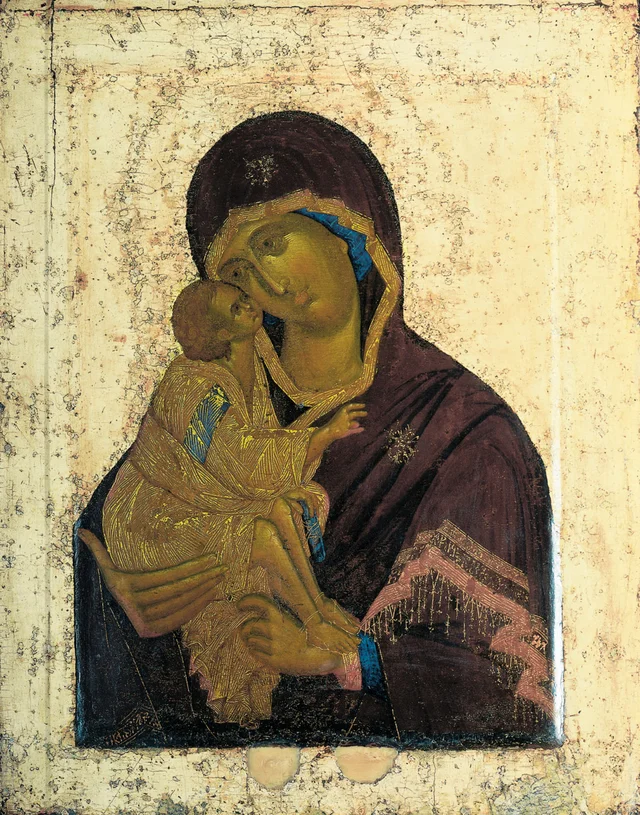 돈의 성모그리스인 페오판, 1382
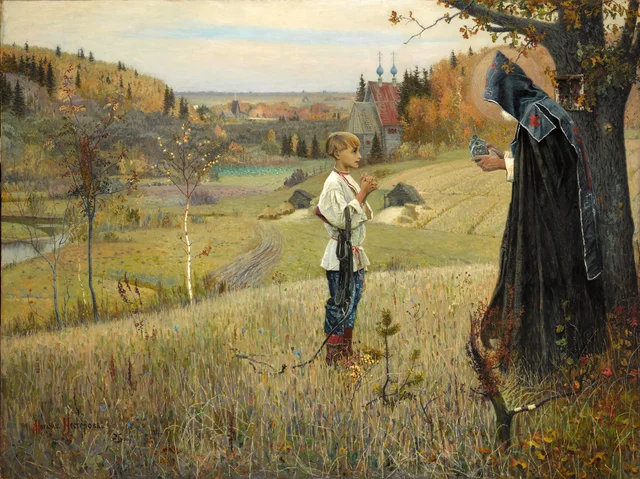 소년 바르폴로메이의 환영미하일 네스테로프, 1889
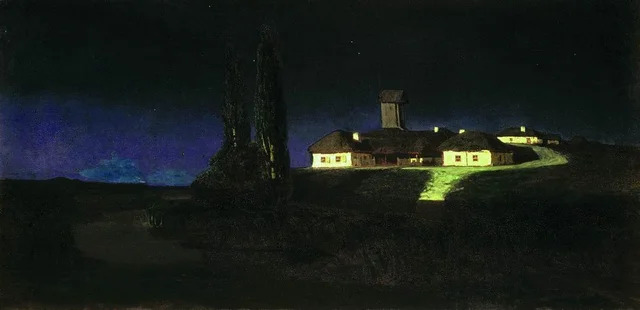 우크라이나의 밤아르히프 쿠인지, 1876